The Rise of Luxury Anti-Aging Clinics Across Europe’s Medical Capitals
Introduction
In recent years, Europe’s leading medical capitals—London, Paris, Geneva, Barcelona, and Milan—have seen a marked rise in luxury anti-aging clinics. These clinics blend cutting-edge medical science with boutique hospitality, delivering bespoke treatment plans in environments designed for discretion and comfort. For affluent clients and international travellers seeking both medical excellence and refined service, these clinics represent a new standard: clinical rigor married to a luxury hospitality mindset.
What Defines a Luxury Anti-Aging Clinic?
A luxury anti-aging clinic is distinguished by three key elements: advanced evidence-based medicine, personalized care, and an elevated patient experience. Treatments range from hormone replacement therapy, advanced dermatological procedures, and regenerative medicine (such as PRP and stem cell–adjacent protocols) to comprehensive lifestyle programs that combine nutrition, diagnostics, and performance optimization. The environment mirrors high-end wellness resorts — private consultation suites, concierge services, and post-treatment recovery spaces — ensuring clients receive medical care without compromising comfort or privacy.
Why Europe’s Medical Capitals Lead the Trend
Europe’s major cities combine exceptional medical talent, robust regulatory frameworks, and international accessibility. They attract top physicians, renowned researchers, and aesthetic specialists who collaborate across disciplines. Institutions in these cities often have long histories of medical excellence, and private clinics leverage local academic partnerships to provide treatments grounded in the latest clinical data. Their reputation draws a global clientele who expect both discrete, high-quality care and seamless travel logistics.
Signature Services and Technologies
Luxury clinics specialize in a portfolio of services designed to slow, reverse, or optimize biological aging markers. Common offerings include:
Comprehensive Diagnostics: Full-panel blood tests, genomic screening, advanced imaging, and biomarker analysis that identify individualized risk factors and treatment targets.
Hormone Optimization: Tailored hormone replacement plans for men and women, supervised by endocrinologists to restore metabolic balance and vitality.
Regenerative Therapies: Platelet-rich plasma (PRP), exosome-assisted protocols, and emerging cell-based therapies to promote tissue repair and skin rejuvenation.
Injectables and Advanced Dermatology: Precision Botox, hyaluronic fillers, laser resurfacing, and fractional technologies performed by board-certified dermatologists.
Lifestyle Medicine: Integrated programs combining nutrition, sleep optimization, stress reduction, and bespoke fitness regimens to support long-term outcomes.
Personalization: The Core of Effective Care
Personalization separates standard cosmetic clinics from luxury anti-aging centres. Physicians at these clinics develop data-driven roadmaps that prioritize safety and measurable outcomes. Treatment plans are staged, monitored, and adjusted based on objective markers — from hormone panels to skin biopsies — and subjective goals like improved energy or cognitive clarity. This individualized approach reduces risk, increases effectiveness, and fosters long-term patient relationships.
Regulatory Standards and Patient Safety
Regulatory oversight in Europe is generally stringent, and luxury clinics emphasize compliance to reassure international patients. Many clinics employ multidisciplinary teams that include medically trained specialists, accredited nurses, and licensed therapists. Pre-treatment screening, evidence-based protocols, and rigorous follow-up care are standard. For treatments that involve novel interventions, clinics typically work in partnership with university hospitals or research institutions, ensuring transparency and ethical oversight.
The Role of Discretion and Concierge Care
Discretion is central to the luxury model. Clients often choose these clinics for both privacy and convenience: private entrances, non-descript locations, and tailored appointment schedules that minimize exposure. Concierge services — from airport transfers to private accommodation booking and multilingual support — make the experience seamless for international visitors. For high-net-worth clients, this level of service is as important as the clinical outcomes.
Trends Shaping the Luxury Anti-Aging Market
Several trends are shaping demand and offerings:
Data-Driven Wellness: Increasing reliance on biomarkers and longitudinal tracking to guide interventions and demonstrate outcomes.
Minimally Invasive Preference: A clear shift toward non-surgical modalities that deliver visible results with minimal downtime.
Integrated Longevity Programs: Longer-term subscriptions that combine diagnostics, clinical treatments, and lifestyle coaching to sustain benefits.
Medical Tourism Synergies: Luxury clinics collaborating with five-star hotels and private travel planners to attract globetrotting clients.
Considerations for Prospective Clients
If you are considering a luxury anti-aging clinic, prioritize transparency and credentials. Ask for board certifications, peer-reviewed publications, and evidence supporting proposed treatments. Understand what baseline diagnostics will be offered and how outcomes are measured. Clarify the total cost, including diagnostics, follow-ups, travel, and any recommended adjunct therapies. Finally, seek patient testimonials or third-party reviews from independent medical platforms when possible.
Economic and Ethical Perspectives
The growth of luxury anti-aging clinics raises ethical questions about access and equity. While these services can offer significant quality-of-life improvements, they are often cost-prohibitive for the average patient. Ethical providers mitigate this by publishing realistic expectations, avoiding overpromising on the benefits of experimental therapies, and adhering to clinical trial standards when offering new interventions. Many reputable clinics also prioritize patient education, empowering clients to make informed decisions about the risks and benefits.
Conclusion
Luxury anti-aging clinics in Europe’s medical capitals are redefining how high-net-worth individuals approach longevity and aesthetic maintenance. By combining rigorous medical practice with a hospitality-first approach, these clinics offer both measurable health interventions and a refined patient experience. For those who can access and afford it, the model delivers personalized care that aims not only to slow visible aging but to optimize overall health and performance through evidence-based strategies.
Stay Connected for More Travel and Lifestyle Inspiration. For more insights into travel, culture, and lifestyle tips, follow me on Instagram @salvadorordorica. If you’re seeking professional translation and localization services to enhance your global ventures, visit The Spanish Group — your trusted partner in bridging cultures worldwide.
The Best European Destinations for Wellness-Focused Professionals
For busy professionals seeking to combine productivity with restoration, Europe offers a rich set of destinations that marry excellent wellness amenities with reliable infrastructure and cultural depth. Below are outstanding locations—each selected for its balance of high-quality health facilities, restorative environments, and practical access—so you can plan a rejuvenating trip without sacrificing your professional needs.
Why Wellness Travel Matters for Professionals
Long hours, constant connectivity, and high stakes decision-making create chronic stress that erodes performance and wellbeing. Wellness-focused travel is not indulgence; it is strategic investment. Short, well-designed retreats can recalibrate sleep, reduce stress hormones, and improve cognitive clarity. Choosing destinations with evidence-based therapies, quality nutrition, and environments that support rest helps professionals return to work more productive and resilient.
Tuscany, Italy — Agrarian Calm and Thermal Therapy
Tuscany combines rolling landscapes, world-class cuisine, and a culture that values slow living. For professionals, the region’s boutique thermal spas—such as Bagni San Filippo and Saturnia—offer mineral-rich waters and clinically supervised treatments. Luxury agriturismos provide private villas with fast Wi-Fi, on-site chefs focused on Mediterranean nutrition, and easy access to private meeting spaces. Tuscany is ideal for multi-day retreats where you can alternate focused work blocks with long walks, wine-country foraging experiences, and restorative hydrotherapy.
Algarve, Portugal — Coastal Recovery and Outdoor Movement
The Algarve is a surprisingly powerful wellness destination: temperate climate year-round, abundant sunshine, and coastal trails that encourage walking and running. Many boutique hotels now combine fitness programming (guided runs, paddleboarding) with nutritionist-led meal plans and on-site recovery tools like cryotherapy and infrared saunas. With direct flights from major European hubs and a pro-business hospitality scene, it’s an efficient option for short, actionable wellness trips that include morning strategy sessions and afternoon movement or sea-based therapies.
Swiss Alps — Altitude Training and Medical Precision
Switzerland’s alpine retreats are unmatched for precision healthcare and active recovery. Resorts around St. Moritz, Verbier, and Davos offer cardiopulmonary assessments, altitude training, and sports medicine services often supervised by leading clinicians. Combine morning testing or guided low-impact training with afternoons in mineral baths and evenings of focused reading or goal-setting. The Swiss emphasis on punctuality, efficiency, and discreet service makes it easy for executives to integrate short work sprints with fully supported wellness plans.
Iceland — Geothermal Healing and Nature Therapy
Iceland’s geothermal pools, clean air, and dramatic landscapes make it a compelling choice for mental reset. Blue Lagoon and numerous lesser-known geothermal pools offer mineral-rich waters and scientifically informed spa programs. The country’s compact size allows for short, high-impact itineraries: guided nature walks, light exposure therapy under the midnight sun (or controlled light therapy in winter), and sauna/ice plunge cycles that support resilience training. Reykjavik’s excellent connectivity and boutique co-working spaces let professionals remain responsive while prioritizing recovery.
Andalusia, Spain — Thermal Baths, Hammams, and Mindful Cuisine
Andalusia blends Moorish heritage, warm weather, and a rich tradition of hammam bathing that supports circulation and relaxation. Cities such as Seville and Granada pair cultural exploration with access to spa rituals, while rural cortijos (country houses) provide privacy, locally sourced nutrition, and gardens for walking meditation. If you want to pair targeted therapy—lymphatic drainage, guided breathwork, or yoga—with immersive cultural experiences, Andalusia offers excellent value and an approachable pace for busy travelers.
Baden-Baden and the Black Forest, Germany — Clinical Spas and Forest Bathing
Germany is renowned for its medically oriented spa towns. Baden-Baden and surrounding Black Forest retreats provide physician-led wellness checks, curated thermal treatments, and scientifically designed rehabilitation programs. The region’s extensive network of well-marked trails makes forest bathing (shinrin-yoku) accessible and practical—an evidence-based practice that reduces stress and improves cognitive function. For professionals who appreciate data-driven approaches to health, German spa towns provide measurable programs and excellent follow-up care.
How to Choose the Right Destination for Your Goals
Start with the outcome you want: improved sleep, stress reduction, metabolic reset, or active recovery. Then filter destinations by three practical criteria: transit time (minimize travel fatigue), clinical services (do you need physician oversight?), and on-site amenities (private workspaces, reliable connectivity, and nutrition options). If you are organizing a team retreat, factor in meeting spaces and local facilitators for workshops. Finally, consider seasonality—coastal retreats shine in shoulder seasons, alpine and thermal locations may be better in winter or late spring depending on desired activities.
Packing, Scheduling, and Making the Trip Work
Packing light but smart maximizes flexibility: quality noise-cancelling headphones, layered activewear, a simple travel kit for sleep (eye mask, melatonin if you use it), and a compact journal. Schedule focused work blocks in the mornings when energy is highest, leave afternoons for therapies and movement, and protect evenings for sleep hygiene. Consider bringing a brief briefing for any colleagues who may need updates while you are away, and use an out-of-office that signals limited availability to reduce interruptions.
Making Wellness a Sustainable Habit
One well-timed trip can jump-start change, but long-term benefits come from integrating small practices—consistent sleep, movement breaks, and nutrition—into daily life. Many European retreats offer post-stay plans or virtual follow-ups; prioritize those that include clear takeaways and measurable goals. For organizations, consider quarterly micro-retreats or hybrid models that pair short in-person stays with ongoing virtual coaching to sustain momentum.
Private Champagne Tours in France’s Most Exclusive Estates
An executive’s guide to curated Champagne experiences—where heritage houses, private cellars, and bespoke hospitality meet refinement, discretion, and logistical ease.
Why Choose a Private Champagne Tour?
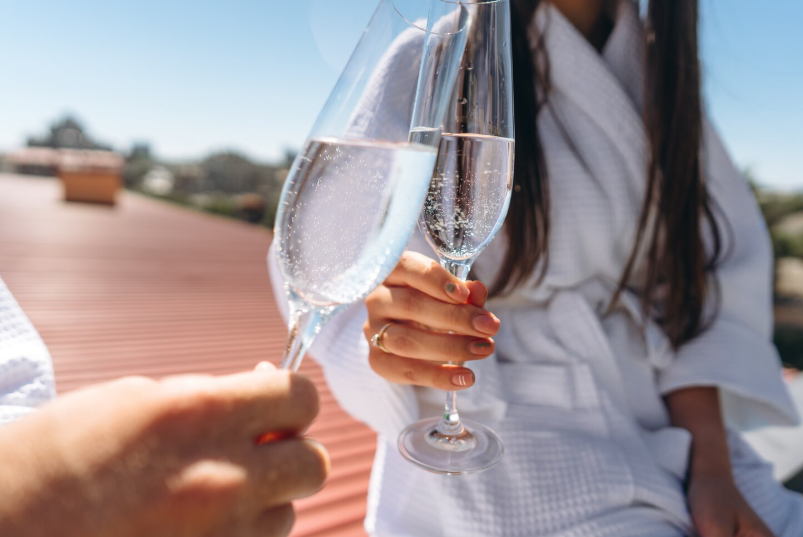
For discerning travelers and business leaders, a private Champagne tour is more than a tasting—it’s a carefully choreographed immersion in terroir, technique, and tradition. Private tours deliver time-efficient access to premium estates, the ability to sample rare cuvées, and meaningful conversations with cellar masters and proprietors rather than standard group commentary. They are ideal for clients, partners, or executive retreats where the experience must balance exclusivity, education, and seamless service.
Types of Estates and What They Offer
Grande Marques (Historic Houses)
The grande marques are internationally recognized Champagne houses with extensive archives and showrooms steeped in brand history. Private visits here often include guided tours of monumental cellars, curated tastings that trace a house’s signature style, and access to library bottles by appointment. For guests focused on heritage and brand storytelling, these houses offer impeccable presentation and hospitality resources.
Boutique Grower-Producers
Boutique grower-producers emphasize vineyard specificity and hands-on crafting. Visits to these estates provide a closer look at viticultural practices, single-vineyard releases, and often more candid conversations about the challenges of climate and yield. For executives interested in sustainability, provenance, or artisanal production, grower visits are especially rewarding.
Private Family Estates
Family estates combine history with intimacy. A private tasting in a family’s cellar commonly includes stories passed through generations, private labels not available commercially, and often an invitation to dine in estate-owned reception rooms. These visits feel personal and are ideal for small groups seeking a warm, unforgettable encounter.
What a Bespoke Itinerary Looks Like
A thoughtfully designed private tour is bespoke to the guest’s interests and timeline. A typical full-day itinerary might include a morning visit to a grande marque for a cellar tour and comparative tasting, a leisurely estate lunch featuring regional cuisine, and an afternoon at a boutique grower for single-vineyard samples and a walk through the vines. For tighter schedules, half-day options focus on one marquee visit with a vertical tasting or a private blending session where guests assemble their own cuvée under expert guidance.
Key Experiences Worth Requesting
Cellar Tours and Vertical Tastings
Exploring underground chalk cellars is essential to understanding Champagne’s aging process. Vertical tastings—sampling multiple vintages of a single cuvée—offer insight into how terroir and time influence expression. These formats are particularly valuable for executives making hospitality decisions or corporate gifting selections.
Private Blending Sessions
A blending session guided by a winemaker or cellar master gives guests an appreciation for the technical skill behind consistency and style. It’s also an engaging team activity that bridges creativity with structured decision-making—an excellent fit for corporate groups.
Library and Single-Vineyard Bottles
Requesting access to library bottles or rare single-vineyard cuvées elevates the tasting to an exclusive level. Houses may open dated library samples for an additional fee; these are perfect for milestone celebrations or high-value client entertaining.
Practical Considerations for Executives
Timing and Reservations
Reserve well in advance—especially for private access to top estates during harvest (late summer) or major trade events. Many houses require a minimum group size or have blackout dates for private tastings; a concierge or specialist operator will manage these constraints efficiently.
Transportation and Logistics
Champagne country is best navigated by private vehicle. Secure a chauffeur or executive transport to ensure timely arrival and to enable safe travel after tastings. Consider arranging discrete storage for purchased bottles and pre-clear customs documentation if shipping internationally.
Budgeting and Fees
Private estates typically charge a premium for exclusive access, bespoke tastings, and extended hospitality. Expect to budget for estate fees, private lunches or dinners, and any additional corkage or library bottle charges. Transparent, itemized proposals from tour operators reduce surprises and streamline corporate expense reporting.
Choosing the Right Operator
Work with an operator experienced in luxury hospitality and corporate requests. The ideal partner maintains relationships with both grande marques and smaller growers, coordinates multilingual guides, and offers customizable experiences—from branding a tasting menu to arranging private dining in historic estate salons. References and a clear cancellation policy are prudent checks before committing.
Health, Sustainability, and Local Impact
Prioritize estates that demonstrate responsible viticultural practices and fair labor standards. Many producers in Champagne now publish sustainability reports and engage in precision viticulture to reduce chemical inputs. Selecting responsible partners aligns with corporate ESG commitments and resonates with guests who value ethical sourcing.
Final Considerations
Private Champagne tours balance sensory delight with careful planning. Whether you’re hosting international clients, rewarding a high-performing team, or curating a personal escape, a well-executed itinerary will reflect your standards of service, discretion, and cultural appreciation. Invest in an operator who understands both the logistics and the subtleties of hospitality in Champagne—this is where lasting impressions are forged.
Luxury Mountain Spas Across the Swiss and Italian Alps
How alpine elevation, refined hospitality, and restorative wellness combine to create some of Europe’s most memorable spa experiences.
Introduction: The Allure of Alpine Wellness
The Swiss and Italian Alps have long been synonymous with dramatic landscapes, exceptional cuisine, and a tradition of restorative health retreats.
Over the last decade, a new generation of luxury mountain spas has emerged that blends timeless alpine serenity with cutting-edge wellness programming and discreet five-star service.
These destinations appeal to travelers who want privacy, pristine nature, and evidence-based treatments — all delivered within properties that emphasize craftsmanship, sustainability, and local culture.
From Heritage Hotels to Contemporary Retreats
Alpine spa culture takes many forms. In Switzerland, storied hotels such as Kulm in St. Moritz combine a long heritage of alpine hospitality with comprehensive wellness facilities and personalized care. :contentReference[oaicite:0]{index=0}
Elsewhere, award-winning properties such as The Chedi Andermatt have positioned themselves as modern mountain sanctuaries with expansive spa and health clubs recognized across the industry. :contentReference[oaicite:1]{index=1}
In Italy’s Dolomites and Lakes regions, properties ranging from intimate boutique hotels to globally recognized luxury brands — including recent Aman and curated Italian resorts — are pairing alpine medicine, locally inspired therapies, and cuisine designed to support recovery and vitality. :contentReference[oaicite:2]{index=2}
Signature Treatments and Wellness Philosophies
What distinguishes these mountain spas is the focus on place-based wellness. Expect treatments that incorporate locally sourced botanicals, thermal hydrotherapy, and techniques informed by both European spa traditions and contemporary science.
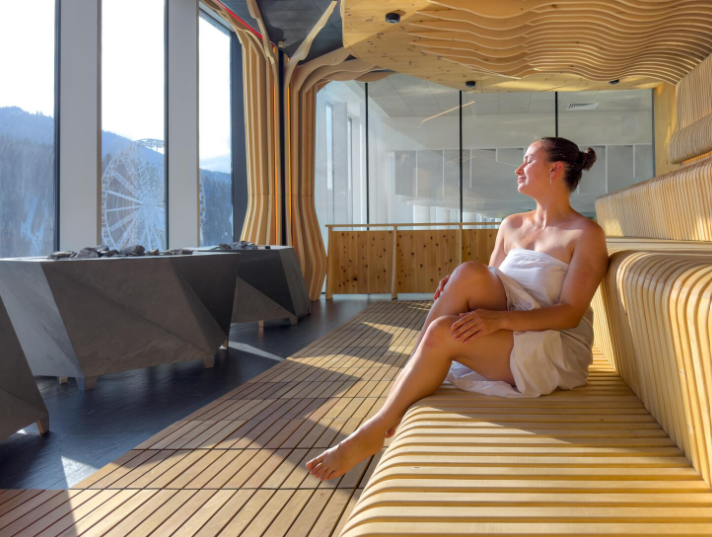
Alpine hydrotherapy circuits — alternating warm thermal pools, cold plunges, steam rooms, and vitality showers — are staples, often augmented by bespoke programs such as altitude acclimation therapies, guided breathwork, and curated nutrition plans designed for mountain conditions.
These integrated approaches make a stay more than a massage; it becomes a short course in recovery and resilience.
Design That Respects Landscape and Craft
Leading alpine spas intentionally blur the line between interior and landscape. Design languages favor natural materials — timber, stone, and locally woven textiles — paired with minimalist lines and panoramic windows that frame valleys and peaks.
This restrained aesthetic supports the restorative mission: abundant daylight, quiet zones, and private outdoor spaces such as heated terraces, infinity pools, and cedar saunas that allow guests to radiate away stress while looking out over the mountains.
Notable Destinations: A Cross-Alpine Tour
A handful of properties illustrate the range and depth of luxury mountain spas across the region. In St. Moritz, iconic hotels offer historic grandeur and access to alpine sports while maintaining discreet, high-caliber wellness programs. :contentReference[oaicite:3]{index=3}
In Andermatt, The Chedi is known for combining Asian influences with alpine healing modalities — an approach that has earned international recognition for its spa and wellness offerings. :contentReference[oaicite:4]{index=4}
Italy’s Dolomites host refined retreats in towns such as San Cassiano and Cortina d’Ampezzo where redesigned historic hotels and new-generation resorts (including properties from globally renowned luxury groups) emphasize quiet luxury and immersive wellbeing. :contentReference[oaicite:5]{index=5}
Meanwhile, lake-adjacent estates and remote mountain lodges across both countries extend the category beyond ski season, offering thermal experiences and bespoke retreats year-round. :contentReference[oaicite:6]{index=6}
Sustainability and Local Engagement
Sustainability is no longer optional for leading alpine spas. From sourcing organic alpine botanicals to using low-impact heating systems and prioritizing local suppliers, many properties are embedding environmental stewardship into their wellness narratives.
Guests benefit from this ethos through farm-to-spa products, menus that reflect regional ingredients, and programming that supports local artisans and communities — all contributing to an experience that feels authentic and responsibly curated.
Practical Considerations for Travelers
When planning a luxury spa escape in the Alps, consider a few practicalities to maximize benefit and comfort: allow time to acclimate to altitude before scheduling intensive treatments, book signature rituals in advance (many of these spas limit daily treatment slots), and plan for private transfers or rail connections that minimize travel-day stress.
For multi-day restorative stays, ask about tailored packages that combine movement (guided hikes or gentle ski sessions), nutrition, and in-resort consultations with wellness specialists to create a cohesive program rather than a la carte experiences.
Why These Spas Matter to the Modern Traveler
Luxury mountain spas in the Swiss and Italian Alps resonate because they address a contemporary desire: meaningful downtime in environments that simultaneously exhilarate and heal.
Whether it’s the ritual calm of a steam cave after a day on the slopes, an alpine-inspired facial using botanical extracts, or a sunrise yoga session above a fog-filled valley, these moments are architected to restore focus and renew perspective.
For directors, entrepreneurs, and seasoned travelers who value both privacy and performance, the Alps deliver a uniquely potent combination of nature, luxury, and proven wellness science.
Ultra-Luxury Eco Retreats: Sustainable Travel in Style
Introduction
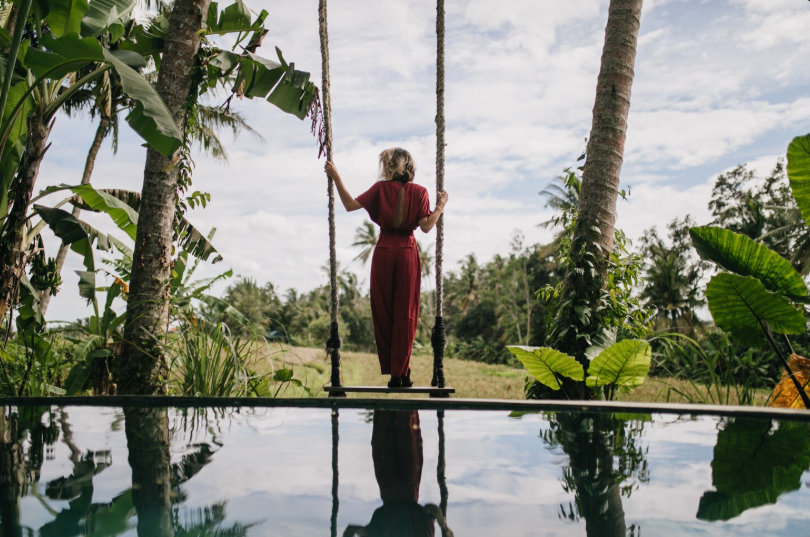
Ultra-luxury eco retreats represent a thoughtful evolution of travel, marrying the highest standards of comfort and service with rigorous environmental stewardship. For leaders and discerning travelers who expect excellence without compromise, these retreats offer an experience that is both indulgent and responsible. Rather than treating sustainability as an afterthought, top-tier eco properties weave conservation, community engagement, and regenerative practices into every element of the guest experience.
What Defines an Ultra-Luxury Eco Retreat?
At its best, an ultra-luxury eco retreat combines five core attributes: exceptional design, locally sourced gastronomy, measurable environmental impact reduction, meaningful local partnerships, and personalized service. Architectural choices favor low-impact materials and passive design techniques that reduce energy demand. Guest villas and common areas are crafted from reclaimed or responsibly harvested materials, while landscaping protects native habitats and prioritizes biodiversity. These retreats typically operate on robust sustainability metrics—such as water recycling rates, renewable energy generation, and zero-waste goals—documented and shared with guests.
Design, Comfort, and Environmental Elegance
Luxury does not require excess when design is intelligent. Ultra-luxury eco retreats rely on bespoke design to amplify comfort while minimizing ecological footprint. Lightweight, modular structures can be sited to avoid tree removal and preserve natural drainage. Large operable windows and cross-ventilation reduce or eliminate the need for air-conditioning, while thermal mass and shading stabilize interior temperatures. High-end materials like polished reclaimed teak, natural stone, and organic textiles create a refined aesthetic that feels authentic and timeless rather than manufactured.
Cuisine and Sourcing: A Conscience on the Plate
Culinary programs at eco retreats are often a signature feature. Michelin-trained or locally renowned chefs develop menus that foreground seasonal, hyper-local ingredients—frequently sourced from on-site gardens, coastal fisheries with sustainable certifications, and local farmers practicing regenerative agriculture. These kitchens emphasize whole-ingredient cooking, minimal waste, and creative preservation techniques. Guests enjoy tasting menus that read as both a celebration of place and a demonstration of how luxury dining can be circular and low-impact.
Regenerative Practices and Measurable Impact
True leadership in sustainable travel means going beyond “do no harm.” Regenerative retreats actively restore ecosystems through reforestation, mangrove rehabilitation, coral nurseries, or soil regeneration projects. Many properties partner with scientists and NGOs to quantify outcomes—measuring carbon sequestration, increases in native species, and water table recovery. Transparent reporting and third-party certifications (where available) give executives and conscious travelers confidence that their stay contributes to positive environmental outcomes.
Community Partnership and Cultural Respect
Ultra-luxury eco retreats place community relationships at the center of their operating model. They create local employment pathways, invest in skill-building and hospitality training, and prioritize sourcing from nearby producers. Cultural programming—guided by local elders, artisans, or cultural custodians—provides guests with authentic insights while ensuring intellectual and economic benefit accrues to host communities. These collaborations preserve local knowledge systems rather than appropriating them, and create long-term social value beyond the guest experience.
Personalized Wellness and Curated Experiences
Beyond environmental credentials, these retreats cultivate bespoke guest experiences that are restorative and exclusive. Wellness offerings may include integrative medical consultations, private spa treatments using locally derived botanicals, mindful movement classes, and nutrition programs aligned with local foods. Activities are curated to deepen connection with place: guided ecology walks, private conservation excursions, night-sky astronomy sessions, and hands-on workshops with local craftsmen or chefs. Privacy and personalization—private chefs, dedicated hosts, and flexible itineraries—define the ultra-luxury standard.
How to Evaluate a Property
When selecting an ultra-luxury eco retreat, executives should ask targeted questions: What percentage of the property’s energy is derived from renewables? How is water reused and conserved? What measurable conservation outcomes has the property achieved? Are local communities active partners in programming and revenue sharing? Does the retreat disclose a sustainability report or third-party verification? High-quality operators will welcome scrutiny and provide clear, documented answers.
Travel Considerations and Responsible Luxury
The very nature of travel entails carbon and resource use, which means responsible travelers should weigh how to reduce impact alongside the benefits of investing in sustainable tourism models. Consider consolidating trips, choosing direct flights where possible, and engaging in meaningful activities that support conservation and community development. Many ultra-luxury eco retreats offer carbon offset programs tied directly to verified regenerative projects, giving guests an option to balance unavoidable emissions with measurable impact.
Who Benefits Most from These Retreats?
Ultra-luxury eco retreats are well suited to leaders, families, and small executive groups seeking privacy, bespoke service, and an immersive connection to place. They are an excellent option for corporate retreats centered on wellbeing and creativity, as well as for families and individuals who wish to travel in a way that aligns with a values-driven lifestyle. For directors and executives, these stays can also double as relationship-building opportunities—private dining, exclusive access to conservation projects, and curated cultural exchanges make them ideal for hosting clients or rewarding teams.
Final Thoughts and Practical Tips
Ultra-luxury eco retreats represent the intersection of refined travel and ethical stewardship. They demonstrate that comfort and conservation are not mutually exclusive, and that experiential luxury can support long-term ecological and social outcomes. To make the most of an eco-luxury stay, plan early, ask for transparent sustainability metrics, request personalization aligned with your values, and engage with local projects to create a meaningful legacy from your visit.
Conclusion & Stay Connected
Stay Connected for More Travel and Lifestyle Inspiration. For more insights into travel, culture, and lifestyle tips, follow me on Instagram @salvadorordorica. If you’re seeking professional translation and localization services to enhance your global ventures, visit The Spanish Group — your trusted partner in bridging cultures worldwide.
Luxury Spa Suites Inspired by French Royalty in Paris
Paris, the City of Light, is synonymous with sophistication, elegance, and timeless luxury. Among its many treasures are exclusive spa suites that transport guests into the opulent world of French royalty. These luxury retreats seamlessly blend historical charm, contemporary comfort, and the art of wellness, creating an unforgettable experience for travelers seeking indulgence, relaxation, and rejuvenation.
The Allure of French Royalty in Modern Spa Design
The inspiration drawn from French royalty is evident in every aspect of these spa suites, from ornate décor to regal color palettes. Rich fabrics, gilded accents, and hand-carved furniture reflect the elegance of Versailles and other historic palaces. Ceilings often feature intricate moldings and chandeliers reminiscent of the grand salons of the French aristocracy. The atmosphere is carefully curated to evoke sophistication while ensuring the utmost comfort for guests seeking a luxurious wellness experience.
Signature Spa Experiences
Luxury spa suites in Paris offer a wide array of signature experiences, combining traditional French wellness techniques with modern spa innovations. Treatments may include:
Royal Facials: Using premium skincare products and techniques inspired by historical beauty rituals of French queens and noblewomen.
Hydrotherapy: Private pools, Jacuzzis, and water therapy treatments designed to enhance relaxation and circulation.
Massage Therapies: Personalized massages incorporating French aromatherapy oils and techniques to relieve tension and promote holistic well-being.
Exclusive Body Treatments: Wraps, scrubs, and exfoliation rituals using rare ingredients sourced from France and around the world.
Design and Ambiance
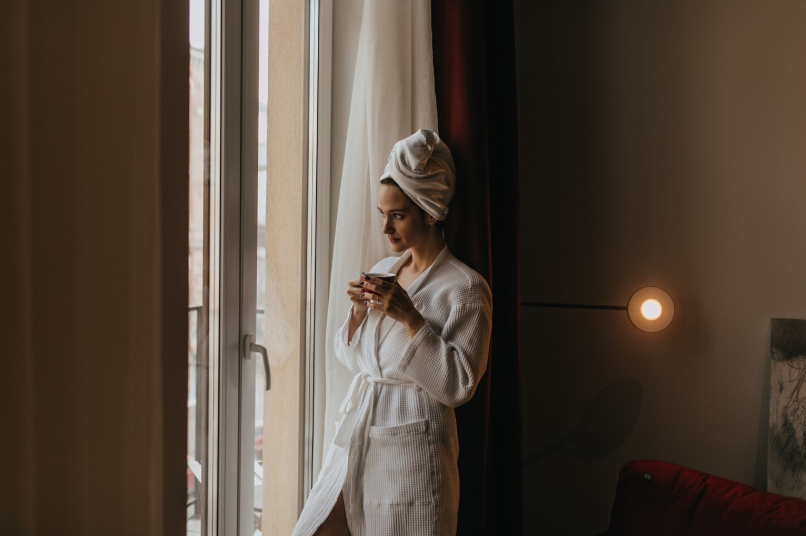
Every element of the spa suite is carefully designed to create an atmosphere of refinement and tranquility. Luxurious furnishings, soft lighting, and elegant décor immerse guests in a serene environment. Many suites feature private terraces with views of Parisian landmarks, allowing guests to experience the city’s charm from the comfort of their personal retreat. Attention to detail extends to aromatherapy, music, and bespoke amenities, ensuring that each stay is a sensory journey inspired by royal elegance.
Personalized Wellness and Service
Luxury spa suites prioritize personalized service, offering guests tailored wellness programs based on individual needs. Highly trained therapists and wellness experts provide one-on-one consultations to create customized treatment plans. Whether seeking stress relief, skin rejuvenation, or holistic wellness, guests receive attentive care designed to maximize the benefits of their spa experience. The combination of expert knowledge and meticulous attention to detail ensures that each visit is as restorative as it is indulgent.
Exclusive Packages and Experiences
Many luxury spa suites in Paris offer exclusive packages that combine wellness treatments with elements of Parisian culture and gastronomy. Guests can enjoy gourmet meals prepared by renowned chefs, private wine tastings, and guided cultural tours in addition to personalized spa sessions. These curated experiences elevate a standard spa visit into a full immersion into French sophistication, allowing guests to live like royalty during their stay.
Prime Locations Across Paris
Luxury spa suites inspired by French royalty are strategically located in some of Paris’ most prestigious neighborhoods, including the 1st, 8th, and 16th arrondissements. Proximity to historic landmarks, high-end boutiques, and fine dining establishments ensures that guests can seamlessly integrate relaxation with exploration. Whether overlooking the Seine, the Eiffel Tower, or the private gardens of the city’s grand palaces, the location enhances the overall experience of sophistication and tranquility.
Investment in Well-Being and Lifestyle
Choosing a luxury spa suite in Paris is not only a choice for relaxation but also an investment in lifestyle and well-being. The combination of bespoke services, royal-inspired design, and privileged locations provides a transformative experience for both body and mind. For frequent travelers, business executives, or wellness enthusiasts, these suites offer a sanctuary that balances indulgence with personal care, allowing guests to return to daily life rejuvenated and inspired.
Maintaining the Standard of Excellence
Maintaining a luxury spa suite requires rigorous attention to quality, hygiene, and service standards. From the selection of natural and premium products to staff training in advanced wellness techniques, every detail is carefully monitored. Many suites employ professional spa managers and wellness coordinators to ensure that the guest experience remains consistently exceptional. This commitment to excellence ensures that each visit reflects the elegance and sophistication associated with French royalty.
The Future of Luxury Spa Experiences in Paris
As global interest in wellness tourism continues to grow, Paris remains at the forefront of offering spa experiences that combine tradition, innovation, and luxury. The trend towards private, personalized, and culturally inspired spa suites is likely to expand, catering to travelers seeking unique, immersive, and high-quality wellness retreats. By blending historical elegance with modern sophistication, these spa suites offer a timeless and unparalleled experience in the heart of the City of Light.
Conclusion
Luxury spa suites inspired by French royalty provide more than relaxation—they offer a complete lifestyle experience that combines elegance, wellness, and cultural sophistication. From personalized treatments and opulent design to exclusive locations and curated experiences, these suites allow guests to indulge in the grandeur of French heritage while enjoying the highest standards of comfort and care. Whether visiting Paris for leisure, business, or wellness, these private retreats create unforgettable memories that reflect the refinement of royal living.
Stay Connected for More Travel and Lifestyle Inspiration. For more insights into travel, culture, and lifestyle tips, follow me on Instagram @salvadorordorica. If you’re seeking professional translation and localization services to enhance your global ventures, visit The Spanish Group — your trusted partner in bridging cultures worldwide.