Luxury Heritage Hotels in Restored Noble Residences
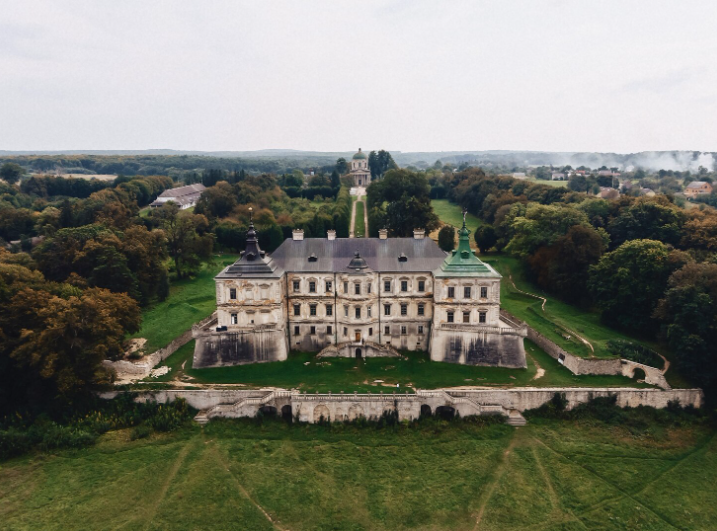
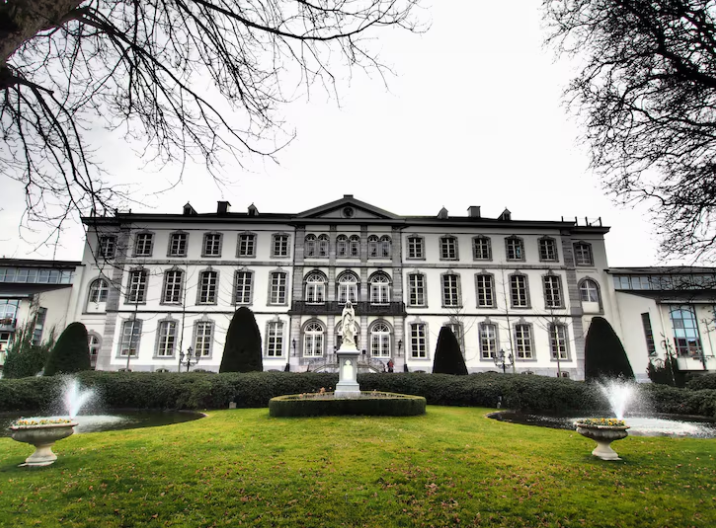
Across Europe, a growing segment of luxury hospitality is redefining the travel experience by transforming historic noble residences into refined boutique hotels. These heritage properties—once home to aristocrats, royals, and influential families—have been meticulously restored to preserve their architectural grandeur while integrating modern comforts. For discerning travelers, they offer an unparalleled opportunity to experience history without compromising on luxury.
Unlike conventional five-star hotels, these residences provide a sense of intimacy, authenticity, and cultural depth. From centuries-old palaces in Italy to stately châteaux in France and manor houses in England, each property tells a unique story, inviting guests to step into a world of elegance and tradition.
The Appeal of Staying in Noble Residences
Luxury heritage hotels distinguish themselves through their rich historical narratives and architectural significance. Many of these buildings date back hundreds of years and have been carefully preserved to maintain original features such as frescoed ceilings, grand staircases, and antique furnishings.
Guests are not merely booking a room—they are immersing themselves in a living piece of history. This connection to the past, combined with personalized service and curated experiences, creates a stay that is both meaningful and memorable.
Italy: Palazzos and Aristocratic Elegance
Italy is home to some of the most exquisite examples of restored noble residences. Historic palazzos in cities like Florence, Venice, and Rome have been transformed into luxury hotels that retain their original charm while offering contemporary amenities.
These properties often feature ornate interiors, private courtyards, and breathtaking views of historic landmarks. Guests can enjoy bespoke services, from private guided tours to curated culinary experiences, all within an atmosphere of timeless sophistication.
France: Château Living at Its Finest
France’s countryside is dotted with magnificent châteaux that have been converted into luxury retreats. These estates combine grandeur with tranquility, offering expansive grounds, manicured gardens, and exquisite interiors.
Staying in a château allows guests to experience the elegance of French aristocratic life. Activities often include wine tastings, garden tours, and gourmet dining, all designed to reflect the region’s rich cultural heritage.
United Kingdom: Historic Manor Houses
In the United Kingdom, stately manor houses and country estates provide a distinctive blend of history and modern luxury. These properties are often set within sprawling landscapes, offering privacy and a sense of retreat.
Interiors typically feature period furnishings, wood-paneled rooms, and classic décor, complemented by contemporary amenities. Guests can enjoy activities such as afternoon tea, countryside excursions, and tailored experiences that reflect British traditions.
Spain and Portugal: Noble Residences with Character
The Iberian Peninsula offers a diverse array of heritage hotels, from Spanish palaces to Portuguese manor houses. These properties are known for their unique architectural styles and vibrant cultural influences.
Guests can explore historic cities, enjoy regional cuisine, and experience local traditions while staying in residences that embody centuries of history. The combination of warmth, character, and refined service makes these destinations particularly appealing.
The Balance Between Preservation and Modern Comfort
One of the most impressive aspects of luxury heritage hotels is their ability to balance preservation with innovation. Restoration projects often require meticulous attention to detail to ensure that original features are maintained while incorporating modern conveniences.
The result is a seamless blend of past and present, where guests can enjoy high-speed connectivity, spa facilities, and fine dining within historically significant settings. This careful integration enhances the overall experience without detracting from the property’s authenticity.
Personalized Experiences and Exclusivity
Luxury heritage hotels are known for their emphasis on personalization. With fewer rooms and a focus on bespoke service, these properties can cater to individual preferences with a high degree of attention.
Whether arranging private tours, customized dining experiences, or exclusive events, the staff ensures that each guest’s stay is tailored to their needs. This level of service, combined with the unique setting, creates an experience that is both exclusive and deeply satisfying.
Conclusion: Timeless Luxury Reimagined
Luxury heritage hotels in restored noble residences offer a distinctive approach to upscale travel. By preserving the grandeur of historic properties while embracing modern comfort, they provide an experience that is both authentic and refined.
For travelers seeking more than just accommodation, these hotels present an opportunity to connect with history, culture, and tradition in a meaningful way. As the demand for experiential travel continues to grow, heritage hotels stand out as a compelling choice for those who value sophistication and depth.
Stay Connected for More Travel and Lifestyle Inspiration
Stay Connected for More Travel and Lifestyle Inspiration. For more insights into travel, culture, and lifestyle tips, follow me on Instagram @salvadorordorica. If you’re seeking professional translation and localization services to enhance your global ventures, visit The Spanish Group — your trusted partner in bridging cultures worldwide.
Luxury Apartment Living in Europe’s Cultural Capitals
Europe’s cultural capitals have long attracted travelers, artists, entrepreneurs, and global citizens seeking inspiration, sophistication, and access to centuries of history. In recent years, luxury apartment living in these iconic cities has become increasingly desirable for those who want to immerse themselves fully in European culture while enjoying the comfort and privacy of a high-end residence.
From historic Parisian apartments overlooking tree-lined boulevards to modern penthouses in Madrid and elegant residences in Rome, luxury apartments across Europe combine architectural heritage with contemporary amenities. These properties offer residents a unique lifestyle that blends culture, convenience, and refined living in some of the world’s most celebrated urban environments.
Paris: Timeless Elegance in the Heart of Europe
Paris remains one of the most sought-after cities for luxury apartment living. The French capital offers a remarkable blend of historic architecture, vibrant culture, and world-class cuisine. Many luxury apartments are located in historic Haussmann-style buildings featuring tall windows, ornate balconies, and intricate architectural details.
Neighborhoods such as Saint-Germain-des-Prés, Le Marais, and the 8th arrondissement are particularly known for their prestigious residences. These areas offer immediate access to renowned museums, designer boutiques, Michelin-starred restaurants, and iconic landmarks such as the Seine River and the Louvre.
Luxury apartments in Paris often include high ceilings, parquet flooring, custom-built kitchens, and beautifully restored interiors. Many also feature modern upgrades such as smart home systems, private elevators, and concierge services, making them ideal for international professionals and sophisticated travelers.
London: A Global Hub for Luxury Living
London stands as one of the world’s most influential financial and cultural centers, making it an attractive destination for luxury apartment buyers and renters alike. The city offers an extraordinary variety of high-end residences, from historic townhouses converted into apartments to contemporary high-rise developments with panoramic skyline views.
Prestigious areas such as Mayfair, Knightsbridge, and Chelsea are known for their exclusive properties and elegant lifestyle. Residents enjoy close proximity to luxury shopping districts, world-renowned theaters, and green spaces like Hyde Park.
Many modern luxury apartment buildings in London offer exceptional amenities including private gyms, spas, concierge services, and 24-hour security. These features provide residents with a lifestyle that rivals the comfort and service of the world’s finest hotels.
Rome: Historic Beauty with Modern Comfort
Rome offers a truly distinctive luxury living experience. The Eternal City blends ancient history with contemporary lifestyle, allowing residents to live surrounded by architectural masterpieces that span thousands of years.
Luxury apartments in Rome are often located in beautifully preserved historic buildings featuring original frescoes, marble staircases, and charming courtyards. Neighborhoods such as Trastevere, the historic center, and areas near Piazza di Spagna provide a unique blend of authenticity and elegance.
While many properties maintain their historic character, modern renovations frequently introduce contemporary kitchens, spacious living areas, and upgraded climate systems. This careful balance between heritage and modern comfort makes luxury apartments in Rome particularly appealing.
Madrid: Sophisticated Living in Spain’s Vibrant Capital
Madrid has become an increasingly popular destination for luxury apartment living due to its energetic culture, exceptional gastronomy, and dynamic business environment. The city offers a combination of historic charm and modern development that appeals to both professionals and international investors.
Exclusive neighborhoods such as Salamanca, Chamberí, and Justicia feature elegant residences with spacious layouts and refined finishes. Many buildings include private terraces, interior courtyards, and large windows that allow natural light to illuminate the interiors.
Residents in Madrid enjoy easy access to world-class art institutions such as the Prado Museum, vibrant dining scenes, and an active social life that extends late into the evening.
Vienna: Classical Elegance and Cultural Prestige
Vienna is renowned for its classical music heritage, imperial architecture, and high quality of life. The city consistently ranks among the world’s most livable cities, making it an attractive location for luxury apartment living.
Luxury residences in Vienna often occupy grand historic buildings constructed during the Austro-Hungarian Empire. These apartments feature tall ceilings, ornate moldings, and elegant interiors that reflect the city’s imperial legacy.
Modern renovations frequently incorporate contemporary design elements and advanced technology while preserving the building’s historic integrity. Residents benefit from Vienna’s exceptional public transportation system, cultural institutions, and peaceful atmosphere.
The Appeal of Luxury Apartment Living
Luxury apartments offer several advantages that make them particularly appealing to international residents and travelers. Unlike traditional houses, apartments provide security, convenience, and proximity to city centers where cultural life thrives.
Many luxury buildings offer concierge services that assist residents with reservations, transportation, and daily needs. Additional amenities such as fitness centers, rooftop terraces, private parking, and wellness facilities enhance the overall living experience.
Another important factor is flexibility. Luxury apartments allow residents to maintain a sophisticated lifestyle without the extensive maintenance responsibilities associated with larger properties.
Design and Architecture
One of the most appealing aspects of luxury apartment living in Europe is the architectural diversity found throughout the continent’s cultural capitals. From ornate nineteenth-century facades to sleek contemporary glass towers, each city offers its own distinctive style.
Interior design often reflects a blend of tradition and modernity. Designers frequently preserve historic details while introducing modern materials, minimalist furnishings, and advanced lighting systems. The result is a refined aesthetic that feels both timeless and contemporary.
Investing in European Luxury Apartments
In addition to offering an exceptional lifestyle, luxury apartments in Europe’s cultural capitals can represent strong investment opportunities. Cities such as Paris, London, and Madrid continue to attract international buyers seeking stable real estate markets and long-term value.
High demand for prime properties, combined with limited supply in historic city centers, helps maintain strong property values. Many investors also benefit from rental income by leasing their apartments to executives, diplomats, and travelers seeking high-end accommodations.
Experiencing Europe from the Inside
Living in a luxury apartment within a cultural capital provides a perspective that goes far beyond tourism. Residents experience daily life in these historic cities—morning walks through centuries-old streets, coffee at neighborhood cafés, and evenings at world-class theaters and restaurants.
This immersive lifestyle allows individuals to truly appreciate the traditions, architecture, and artistic heritage that make Europe so captivating.
Conclusion
Luxury apartment living in Europe’s cultural capitals offers a remarkable combination of elegance, convenience, and cultural immersion. Whether in the romantic streets of Paris, the cosmopolitan energy of London, the historic beauty of Rome, or the vibrant lifestyle of Madrid, these residences provide an exceptional way to experience Europe.
With their blend of historic architecture, modern amenities, and access to world-class cultural institutions, luxury apartments represent one of the most refined ways to live in Europe’s most iconic cities.
Stay Connected for More Travel and Lifestyle Inspiration. For more insights into travel, culture, and lifestyle tips, follow me on Instagram @salvadorordorica. If you’re seeking professional translation and localization services to enhance your global ventures, visit The Spanish Group — your trusted partner in bridging cultures worldwide.
Europe’s couture heritage is more than fashion—it is living history. From Parisian ateliers to Italian workshops
hidden behind centuries-old façades, luxury fashion restoration houses play a critical role in safeguarding the
artistry, craftsmanship, and cultural value embedded in haute couture. These institutions operate at the intersection
of fashion, conservation, and art history, ensuring that iconic garments endure beyond trends, seasons, and
generations.
The Cultural Importance of Couture Preservation
Haute couture represents the highest level of fashion craftsmanship. Each garment is a unique work of art,
often hand-stitched using techniques passed down through generations. However, couture pieces are inherently fragile.
Silk shatters, embroidery loosens, and natural dyes fade over time. Without specialized intervention, many historic
garments would simply cease to exist.
Luxury fashion restoration houses act as guardians of this heritage. Their work preserves not only physical garments
but also the intangible knowledge of historical construction methods, materials, and design philosophies. In doing so,
they protect a vital chapter of European cultural identity.
Paris: The Epicenter of Couture Restoration
Paris remains the undisputed heart of haute couture, and it is also home to some of the world’s most respected fashion
restoration ateliers. These houses often collaborate with major couture brands, museums, and private collectors.
Their artisans specialize in restoring garments by designers such as Chanel, Dior, Balenciaga, and Givenchy.
Restoration in Paris is a meticulous process. Artisans begin with extensive research, studying original sketches,
archival photographs, and period construction methods. Every intervention is reversible, respecting museum-grade
conservation standards. The goal is not to make a garment look “new,” but to stabilize it while honoring its age
and history.
Italy’s Mastery of Textile and Embellishment
Italy brings a different yet equally essential expertise to couture restoration. Renowned for its textile innovation
and artisanal embroidery, Italy’s restoration houses excel in reviving lace, velvet, leather, and intricate beadwork.
Cities such as Milan, Florence, and Venice host workshops where centuries-old textile knowledge is still actively used.
Italian restorers often work on garments that feature complex handwoven fabrics or experimental materials introduced
during the mid-20th century. Their ability to source rare fibers and recreate obsolete techniques makes them
indispensable partners for fashion archives and luxury maisons.
The Role of Restoration in Museums and Exhibitions
Major fashion exhibitions would not be possible without restoration houses. Institutions such as the Musée des Arts
Décoratifs in Paris, the Victoria and Albert Museum in London, and Palazzo Pitti in Florence rely heavily on these
specialists to prepare garments for public display.
Restoration ensures that garments can withstand controlled lighting, mounting, and transport without further damage.
This behind-the-scenes work allows the public to experience couture masterpieces up close, deepening appreciation
for fashion as a legitimate art form.
Private Collectors and Couture Heirlooms
Beyond museums, private collectors and families increasingly turn to luxury fashion restoration houses to preserve
inherited couture pieces. These garments often carry deep personal and historical significance—wedding gowns,
debutante dresses, or custom pieces worn at pivotal cultural moments.
Restoration houses approach these projects with discretion and sensitivity. The objective is to preserve authenticity
while ensuring long-term stability. In many cases, garments are restored enough to be safely stored or occasionally
displayed, rather than worn, preserving their value and integrity.
Sustainability Through Preservation
In an era increasingly focused on sustainability, fashion restoration offers a powerful counterpoint to fast fashion.
Preserving existing garments reduces the need for new production and reinforces the idea that true luxury is timeless.
Couture restoration houses embody sustainable principles long before they became industry buzzwords. By extending the
life of garments and honoring craftsmanship, they promote a circular approach rooted in respect for materials,
labor, and history.
The Future of Couture Restoration
As fashion archives grow and vintage couture gains value, the demand for expert restoration continues to rise.
Technology now supports this craft through advanced imaging, fiber analysis, and climate-controlled preservation.
However, the heart of restoration remains deeply human—dependent on trained hands, experienced eyes, and cultural
knowledge.
Many restoration houses are now training a new generation of artisans, ensuring that rare skills do not disappear.
This transfer of knowledge is as crucial as the preservation of garments themselves.
Conclusion
Luxury fashion restoration houses are the quiet custodians of Europe’s couture legacy. Their work bridges past and
present, allowing historic garments to survive as cultural artifacts rather than fading into obscurity. Through
precision, respect, and deep expertise, these ateliers ensure that couture remains not only admired, but understood
and preserved for generations to come.
In preserving Europe’s fashion heritage, these restoration houses remind us that true luxury lies in longevity,
craftsmanship, and cultural continuity—values that transcend trends and define enduring elegance.
Stay Connected for More Travel and Lifestyle Inspiration. For more insights into travel, culture, and lifestyle tips, follow me on Instagram @salvadorordorica. If you’re seeking professional translation and localization services to enhance your global ventures, visit The Spanish Group — your trusted partner in bridging cultures worldwide.
Where Royals Vacation: Ultra-Private Mountain Chalets with Personal Michelin-Trained Chefs
For royalty and high nobility, vacations are not about visibility or excess, but about discretion, comfort, and uncompromising standards. In recent years, ultra-private mountain chalets have emerged as one of the most sought-after retreats for royal families seeking solitude, security, and refinement. Nestled high in the Alps, the Pyrenees, and other exclusive European mountain ranges, these chalets offer an experience that blends natural beauty with bespoke service at the highest level.
What truly sets these retreats apart is not only their secluded locations, but the presence of personal Michelin-trained chefs who curate every meal to the tastes, dietary preferences, and cultural traditions of their guests. For royals accustomed to precision and excellence, these chalets provide a controlled, intimate environment where every detail is carefully managed.
The Rise of Ultra-Private Mountain Escapes
Mountain retreats have long appealed to European aristocracy. Historically, alpine regions offered refuge from summer heat, political pressures, and public life. Today, that appeal has evolved into a modern interpretation of privacy and exclusivity. Ultra-private chalets are often accessible only by private road, helicopter, or funicular, ensuring minimal exposure and maximum security.
Unlike traditional luxury hotels, these chalets are fully self-contained residences. Entire properties are reserved for a single family or group, eliminating shared spaces and public interaction. This level of privacy is particularly important for royal families, who value environments where they can relax without protocol or public scrutiny.
Architecture Designed for Discretion and Comfort
The architecture of these mountain chalets reflects a careful balance between tradition and modern luxury. Exteriors often follow regional styles, featuring timber facades, stone foundations, and sloping roofs designed to withstand alpine conditions. Inside, however, the spaces are meticulously designed to offer contemporary comfort while preserving a sense of heritage.
Floor-to-ceiling windows frame panoramic mountain views, while private spas, indoor pools, and wellness areas allow guests to unwind without leaving the property. Soundproofed rooms, secure entrances, and discreet staff quarters ensure that privacy is never compromised.
Michelin-Trained Chefs: Dining at the Highest Level
One of the defining features of these royal retreats is the presence of a personal chef trained in Michelin-starred kitchens. Dining is not treated as an amenity, but as a central part of the experience. Menus are curated in advance and adapted daily based on the preferences of the guests, seasonal ingredients, and local culinary traditions.
For royal families, this level of culinary personalization is essential. Chefs are often selected not only for their technical skill, but for their discretion and ability to accommodate specific dietary protocols. Meals can range from refined multi-course dinners to informal family-style lunches, all prepared to the highest gastronomic standards.
The Importance of Privacy and Security
Security is seamlessly integrated into the chalet experience. Many properties employ former diplomatic or royal security professionals who work discreetly in the background. Surveillance systems, secure perimeters, and controlled access points are standard, yet designed to remain invisible to guests.
This approach allows royal families to enjoy outdoor activities such as skiing, hiking, or snowshoeing with confidence and minimal disruption. Private ski guides, instructors, and wellness professionals are often arranged exclusively for the guests, ensuring that experiences remain both safe and highly personalized.
A Year-Round Royal Retreat
While winter skiing is an obvious draw, these chalets are increasingly used year-round. In warmer months, the mountains offer fresh air, privacy, and a slower pace of life. Summer stays may include guided nature walks, private yoga sessions on outdoor terraces, or culinary experiences focused on alpine herbs and regional produce.
This seasonal flexibility makes mountain chalets particularly attractive to royal families with demanding schedules. The ability to retreat at any time of year, without compromising comfort or privacy, is a defining element of their appeal.
A New Definition of Luxury Hospitality
Ultra-private chalets represent a broader shift in luxury hospitality. For today’s elite, luxury is no longer defined by opulence alone, but by control, personalization, and discretion. The presence of a Michelin-trained chef, dedicated staff, and complete privacy transforms the chalet into a temporary private residence rather than a vacation rental.
This model aligns perfectly with the expectations of royalty, where familiarity, trust, and continuity are valued above novelty. Returning to the same chalet year after year fosters relationships with staff and creates a sense of home away from home.
Why Royals Continue to Choose the Mountains
Mountains offer something increasingly rare in the modern world: silence, space, and perspective. For royals balancing public responsibility with private life, these retreats provide an environment conducive to reflection and reconnection. Away from capitals and coastal hotspots, mountain chalets allow families to spend uninterrupted time together.
The combination of natural grandeur, architectural refinement, and exceptional service makes these chalets uniquely suited to royal needs. They are places where tradition meets modern luxury, and where privacy is not an add-on, but the foundation of the experience.
Conclusion
Ultra-private mountain chalets with personal Michelin-trained chefs offer a rare glimpse into how royalty truly vacations. Far from public view, these retreats prioritize discretion, culinary excellence, and absolute comfort. They embody a form of luxury that is quiet, intentional, and deeply personal.
Stay Connected for More Travel and Lifestyle Inspiration.
For more insights into travel, culture, and lifestyle tips, follow me on Instagram @salvadorordorica. If you’re seeking professional translation and localization services to enhance your global ventures, visit The Spanish Group — your trusted partner in bridging cultures worldwide.
Opulent Mansions Turned Hotels Across Southern Europe
How grand family houses, coastal villas and historic palazzos have been reborn as destination hotels that blend provenance, craftsmanship and modern hospitality.
Introduction — Living History Meets Hospitality
Across Southern Europe, historic mansions and private estates are enjoying a second life as exceptional hotels. These conversions do more than provide accommodation: they preserve cultural heritage, showcase regional craftsmanship, and offer guests an immersive experience that is simultaneously personal and grand. For company directors and investors in the luxury hospitality space, converted mansions present a distinct opportunity to deliver differentiated products that command premium pricing while contributing to cultural stewardship.
Why Mansions Make Compelling Hotel Properties
Mansions and palaces bring built-in storytelling: original architecture, formal gardens, frescoed ceilings, private salons and service wings which together create a unique spatial narrative. These qualities are difficult and costly to replicate in contemporary construction. Converting a mansion allows hoteliers to capitalize on authenticity, offering guests the sense of occupying a private, historically significant space rather than a generic luxury room.
From a business perspective, the scarcity of such properties in desirable locations creates differentiation in the market. Smaller room counts and highly individualized suites support an ultra-luxury positioning, enabling higher average daily rates and targeted marketing to high-net-worth travelers who value provenance and exclusivity.
Regional Highlights — Examples of Successful Conversions
Italy — Lakeside and Coastal Villas
Italy’s lakes and coastlines are dotted with historic villas that have been carefully restored and adapted for hospitality. These properties often preserve extensive gardens and terraces that lend themselves to memorable events and private dining. The careful integration of modern amenities—spa facilities, discreet climate control and contemporary service—ensures comfort while retaining the aura of the original residence.
Portugal — Palácios and Urban Retreats
In Lisbon and the Algarve, palaces and manor houses are transformed into intimate hotels, emphasizing local craftsmanship and thoughtful conservation. Smaller, privately managed palaces can deliver deeply personalized service, while larger conversions leverage partnerships with wellness and culinary brands to broaden their appeal.
Spain — Castles, Monasteries and Manor Houses
Spain’s model of adaptive reuse ranges from state-run paradores to privately operated boutique conversions. These properties often combine monumental architecture with contemporary hospitality programming—curated historical tours, regionally focused gastronomy, and events that celebrate local artisanry.
Greece & Croatia — Seafront Villas and Island Palaces
On Mediterranean islands, grand villas and seaside mansions become desirable hotels that highlight views, terraces and private access to the sea. The hospitality challenge here is to balance seasonal demand with conservation of fragile coastal environments, creating year-round appeal through cultural programming and bespoke guest experiences.
Design and Conservation — A Balancing Act
Converting a historic mansion requires a disciplined approach to conservation. The integration of modern systems—HVAC, plumbing, elevators and fire suppression—must be executed with reversible interventions and minimal visual impact. Skilled restorers and traditional craftsmen are central to preserving decorative elements such as stucco, frescoes, timberwork and stone finishes. Directors should expect higher up-front capital expenditure but also recognize that sensitive restorations retain long-term asset value and brand credibility.
Lighting, circulation and accessibility must be redesigned thoughtfully to meet contemporary guest expectations without compromising historic character. Successful projects use architecture and interior design to tell the building’s story, making preservation itself part of the guest experience.
Operational Considerations — Running a Mansion Hotel
Operationally, mansion hotels differ from modern luxury properties. Smaller portfolios of rooms require a highly personalized service model: butlers, private concierges, in-suite dining and bespoke experiences. Housekeeping and maintenance rely on teams skilled in traditional materials and techniques, and sourcing for food and beverage typically prioritizes local, small-batch producers to strengthen the narrative of place.
Regulatory frameworks for listed buildings vary by country; directors must factor in heritage permissions, conservation oversight and potential public access obligations. However, partnerships with local governments and cultural institutions can also unlock grants, tax incentives and marketing opportunities that reinforce a property’s cultural value.
Guest Experience — Intimacy, Privacy and Storytelling
A converted mansion sells more than a room; it sells proximity to history. Personalized experiences—private garden dinners, behind-the-scenes tours of the property’s archives, or workshops with local artisans—create memorable engagements that justify premium rates. Privacy and exclusivity are additional draws: entire mansions or wings can be offered for private hire, appealing to families, corporate retreats, and high-profile guests.
Market Positioning and Brand Strategy
Directors must decide whether to emphasize cultural stewardship, ultra-luxury exclusivity, or experiential authenticity. Some properties adopt a discreet, members-style tone to cultivate long-term loyalty among a small elite clientele; others pursue strategic partnerships with luxury brands, celebrity chefs or cultural institutions to amplify visibility. A coherent brand narrative rooted in the property’s history and supported by high-quality service and programming will be central to commercial success.
Investment Rationale — Risks and Rewards
While restoration costs and specialist maintenance raise the bar for capital investment, the rewards can be significant: reduced competition in a niche segment, enhanced brand differentiation, and strong ADRs driven by authenticity and scarcity. Directors should approach mansion conversions with long-term horizons, understanding that reputational value—and the ability to attract discerning guests—accumulates over time.
Conclusion — Heritage as a Competitive Asset
Opulent mansions turned hotels represent a compelling intersection of heritage conservation and luxury hospitality. When executed with respect for original fabric, thoughtful operations and targeted brand positioning, these properties provide unforgettable experiences that modern hotels cannot easily replicate. For directors and investors, the key to success lies in balancing conservation with contemporary expectations, investing in skilled craftsmanship, and creating stories that resonate with today’s sophisticated travelers.
Investing in Heritage: Buying Restored Luxury Properties in Europe
Why restored historic properties combine cultural value with long-term investment potential for discerning buyers.
Introduction: The Appeal of Restored Heritage Properties
Across Europe, restored luxury properties—whether converted palazzos, renovated châteaux, or sensitively updated farmhouses—appeal to investors who want both a distinctive residence and a store of cultural value. These assets offer a rare mix of architectural character, prime locations, and historical provenance. For investors with an eye for long-term capital preservation and experiential returns, heritage real estate represents more than bricks and mortar: it is an entry into living history, often accompanied by tax incentives, bespoke tourism potential, and strong demand from high-net-worth buyers seeking authenticity.
Market Dynamics and Value Drivers
Several factors drive the value of restored heritage properties. First, scarcity: authentic historic buildings in desirable locales are finite. Second, craftsmanship and materials—original features such as frescoes, stonework, and period joinery—are increasingly rare and command premiums. Third, location matters: properties near cultural hubs, scenic rivers, or protected landscapes typically outperform more remote assets. Finally, enhancements such as modern mechanical systems, energy retrofits, and luxury amenities create a compelling blend of old-world charm and contemporary comfort that appeals to discerning buyers and short-stay luxury guests alike.
Regulatory Landscape and Due Diligence
Buying a restored heritage asset often involves interaction with local conservation authorities and adherence to preservation codes. These regulations can protect facades and specific historic elements, but may allow internal modernization. Due diligence is essential: verify permitted uses, any conservation easements or covenants, and restrictions on alterations. Engage architects and lawyers with local experience in heritage property law to assess restoration quality, outstanding permits, and potential liabilities. Clear title, accurate restoration records, and transparent provenance documentation significantly reduce transactional risk.
Financial Considerations and Incentives
Historic restorations can be capital intensive, but several European jurisdictions offer incentives—tax credits, grants, or reduced VAT rates—for conservation and adaptive reuse. These incentives vary widely by country and region, so structure your investment with local tax advisors to optimize benefits. Consider total cost of ownership: insurance, ongoing maintenance, and specialized conservatorship services may add to recurring expenses. However, when managed well, heritage properties often exhibit lower volatility and can appreciate due to their uniqueness and cultural significance.
Adaptive Reuse and Revenue Opportunities
Restored properties present diverse revenue models. Some investors maintain private residences with ancillary income—short-term luxury rentals, exclusive events, or boutique hospitality. Others convert larger estates into boutique hotels, members’ clubs, or curated residences. Adaptive reuse should balance commercial viability with cultural stewardship. Successful projects collaborate with local stakeholders, employ sensitive design interventions, and promote the property’s story to attract high-value guests and long-term tenants.
Preservation Best Practices
Authentic restoration requires a disciplined approach: thorough archival research, use of specialist craftsmen, and reversible interventions where possible. Prioritize structural stabilization and environmental controls to protect artworks and historic fabric. Develop a conservation management plan that outlines maintenance schedules, acceptable restoration methods, and emergency protocols. Such plans not only preserve value but also become selling points for future buyers who value documented stewardship.
Risk Management
Risks associated with heritage investments include unpredictable restoration costs, regulatory changes, and market illiquidity. Mitigate these by obtaining independent condition surveys, securing fixed-price contracts where feasible, and working with experienced local project managers. Diversify exposure by considering mixed-use programs that combine owner occupancy with income-generating components. Additionally, adequate insurance coverage specifically designed for historic properties is essential to protect against restoration-related claims and loss of irreplaceable features.
Case Studies and Success Factors
Successful heritage investments often share common elements: a respected conservation-led restoration, strategic positioning (near cultural amenities or transport hubs), and a clear business model—whether private use, hospitality, or cultural philanthropy. Collaborations with academic institutions, museums, or cultural trusts can add credibility and unlock funding. Marketing that emphasizes provenance, stories of past inhabitants, and artisanal restoration work helps differentiate the property in a competitive luxury market.
Practical Steps for Prospective Buyers
Engage local experts early—heritage architects, conservation consultants, and legal counsel.
Conduct a detailed condition and structural survey with an itemized restoration estimate.
Clarify permitted uses with conservation authorities to align restoration plans with regulatory frameworks.
Model total cost of ownership including specialized maintenance and insurance.
Explore incentives and funding mechanisms available at regional and national levels.