
Hidden Luxury Lakeside Villas Across Europe

Hidden Luxury Lakeside Villas Across Europe

Hidden Luxury Lakeside Villas Across Europe

Introduction: Quiet Luxury by the Water

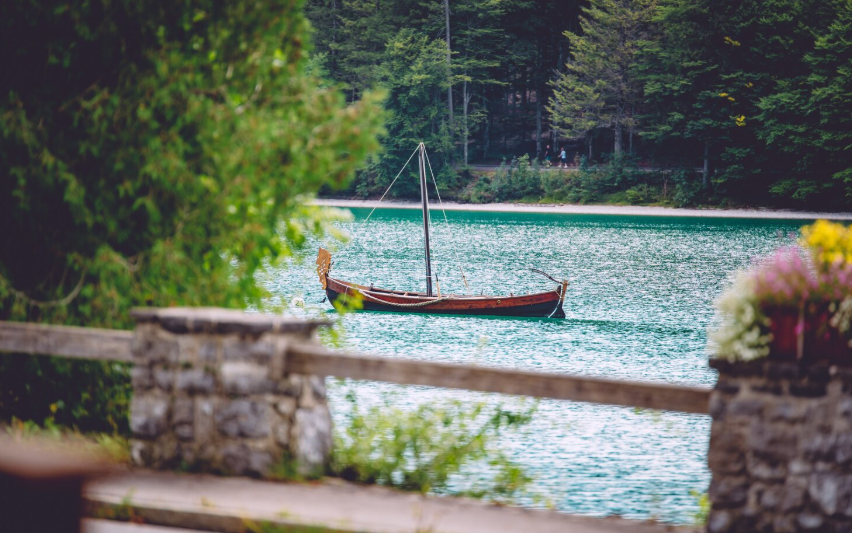
In a travel market that increasingly prizes privacy, authenticity, and bespoke experiences, lakeside villas have quietly become the most coveted hideaways for discerning travelers. Away from crowded beach resorts and the flash of urban penthouses, these properties pair still-water calm with thoughtful design, private docks, and discreet concierge services. For company directors and seasoned travelers who seek restorative downtime or intimate spaces for corporate retreats, Europe’s lesser-known lakes offer a fresh canvas of luxury — where architecture, history, and wilderness meet at the water’s edge.

Why Lakeside Villas Matter Now

The resurgence of lakeside villas is driven by three overlapping trends: a desire for privacy and space after years of dense travel; a search for authentic, local experiences; and the growing expectation that luxury travel should be restorative as well as exclusive. Villas deliver on all three: private gardens and jetties limit exposure, local chefs and curated experiences root guests in place, and the landscape itself becomes part of the wellness offer — sunrise swims, guided hikes, and quiet reading nooks by the water.

Hidden Gems: Where to Discover Secret Villas

Northern Italy’s lake district remains the archetype for lakeside luxury, but beyond the famous postcards there are quieter pockets where extremely private villas sit tucked into olive groves or forested peninsulas. The Italian lakes around Como, Garda, and Maggiore combine historic villas and modern retreats that offer private docks and concierge teams capable of organizing everything from private boatmen to Michelin-starred dinners. :contentReference[oaicite:0]{index=0}

Lake Garda and its surrounding hills host a growing collection of boutique villas that blend contemporary comfort with expansive outdoor spaces — ideal for families or small corporate groups seeking a private base for regional exploration. Recent editorial roundups highlight Villa choices around Garda for their combination of design, outdoor living, and access to local wineries and mountain trails. :contentReference[oaicite:1]{index=1}

For travelers willing to explore further east, Lake Ohrid — one of Europe’s oldest lakes — offers a different kind of lakeside luxury: historic towns, crystal-clear water, and privately rented villas with direct lake access and intimate local service. These destinations are particularly attractive for guests who prefer cultural immersion and discovery over headline luxury. :contentReference[oaicite:2]{index=2}

Switzerland’s Lake Geneva region and its lakeside retreats provide alpine panoramas combined with ultra-luxury hospitality. Several boutique villa collections and curated retreats on the lake emphasize wellness offerings, mountain views, and seamless access to premium city services and private transport. This combination makes Lake Geneva a discreet option for executives seeking both refinement and accessibility. :contentReference[oaicite:3]{index=3}

What Makes a Villa Truly “Hidden” — and Luxurious

The most successful hidden villas share a few common features: unobtrusive privacy measures (private slips, gated drives, and mature landscape buffers), authentic design that honors local building traditions, and a service model that anticipates needs without intruding. In practical terms this means well-equipped kitchens staffed on request, local partnerships for culture and adventure, and tech-enabled comforts that do not compromise the feeling of escape.

How to Source and Book Responsibly

Finding these villas requires a blend of specialist operators and local estate partners. Boutique villa specialists and curated collections can surface properties that aren’t listed on mass-market platforms; meanwhile, local agencies and destination management companies provide the essential on-the-ground knowledge that differentiates a good stay from a great one. For leaders arranging retreats, the value in a specialist partner is twofold: they can vet properties for privacy and service level, and they maintain relationships that secure discreet extras like private chefs, yacht charters, or wellness practitioners. :contentReference[oaicite:4]{index=4}

Designing a Luxury Lakeside Stay

A successful lakeside itinerary balances solitude with curated activities. Consider private watercraft for early-morning exploration, a local culinary experience with seasonal produce, and wellness programming (from mobile spa therapists to guided forest bathing). Small touches — tailored welcome provisions, pre-staged workspaces for short productive sessions, dedicated parking for visiting colleagues — mean executives can combine work and rest without friction.

Sustainability and Community Impact

Genuine luxury today includes a responsibility to local ecosystems and communities. Opt for properties that employ local staff, source food regionally, and support conservation efforts. Many villa programs now publish impact statements or work with local NGOs to ensure tourism revenues deliver lasting benefits — an important consideration for companies that seek to align travel with corporate values.

Practical Tips for Executives

  • Book through vetted providers: Use boutique villa specialists who can confirm privacy, service, and contingency plans.
  • Communicate needs early: Share dietary restrictions, meeting requirements, and any AV needs to allow the villa team to prepare.
  • Plan logistics: Private transfers, local permits for events, and clear arrival instructions save time and preserve the mood of the stay.
  • Respect the locale: Encourage guests to purchase from local artisans and engage with the community in low-impact ways.

Final Thoughts

Hidden luxury lakeside villas across Europe offer something increasingly rare: the ability to disconnect without sacrificing comfort or bespoke service. For company directors planning executive retreats, product launches, or restorative downtime, these properties combine privacy, authenticity, and the restorative power of water and landscape. The investment is not only in exceptional accommodation but in the kind of experience that yields clarity, stronger team bonds, and an enduring sense of place.

Stay Connected for More Travel and Lifestyle Inspiration. For more insights into travel, culture, and lifestyle tips, follow me on Instagram @salvadorordorica. If you’re seeking professional translation and localization services to enhance your global ventures, visit The Spanish Group — your trusted partner in bridging cultures worldwide.
Reviving Europe’s Ancient Languages Through Modern Travel

Reviving Europe’s Ancient Languages Through Modern Travel

Reviving Europe’s Ancient Languages Through Modern Travel

Introduction: Travel as a Catalyst for Cultural Revival

As a company director who spends considerable time connecting people and markets across borders, I’ve seen first-hand how travel can do more than entertain — it can catalyze cultural renewal. Across Europe, regional and minority languages once relegated to the margins are experiencing a renaissance. Modern travel — when thoughtfully directed — plays a pivotal role in that revival: it generates economic value, strengthens local pride, and creates practical reasons for languages to be visible, audible, and used in everyday life.

Why Ancient Languages Matter

Languages are living records of history, worldview, and identity. They encode traditions, place names, oral literature, and unique ways of describing the world. Preserving them is not only an act of cultural stewardship; it also sustains biodiversity of thought and strengthens social cohesion. When travelers interact with speakers of Breton, Basque, Welsh, Sardinian, Gaelic, Occitan, Romansh, or Cornish, they help ensure these languages remain relevant and economically sustainable for future generations.

How Modern Travel Supports Language Revival

There are several practical ways travel contributes to language revival:

  • Economic incentive: Tourists who seek authentic, local experiences generate revenue for language schools, cultural centers, festivals, restaurants, and artisans — all of which can operate and advertise in the local language.
  • Visibility and normalisation: Signage, menus, guided tours, and cultural programming in a minority language make it visible in the public sphere, signaling that the language is living and valued.
  • Intergenerational transmission: Tourism-supported programs — language nests, summer camps, and community classes — create contexts where young people can learn and use the language with pride.
  • Digital amplification: Travel generates social content: videos, blog posts, and social media shares that spotlight language use and raise global awareness.

Successful Models from Across Europe

Several European regions show how travel-driven strategies can help revive languages:

Basque Country (Euskara): Robust regional policy combined with culturally immersive tourism has normalized Euskara in museums, festivals, and boutique accommodations. Visitors who book Basque-language cooking classes or guided hikes contribute directly to the language economy.

Wales (Cymraeg): Wales pairs language policy with visible bilingual signage and dedicated language tourism packages. Cultural festivals that prioritize Welsh performances attract international audiences and encourage language learning among locals.

Ireland and Scotland (Gaeilge and Scottish Gaelic): Language islands like the Gaeltacht and Gaelic-speaking communities rely on language-focused stays, music festivals, and academic tourism to keep the languages thriving.

Sardinia, Occitan and Romansh: Smaller language communities in Italy, France, and Switzerland are using artisanal tourism — food, crafts, and guided heritage walks — to create sustainable micro-economies that reward speakers and teachers.

Practical Tips for Travelers Who Want to Help

Travelers can be impactful allies without being intrusive. Here are concrete actions you can take:

  • Learn a few phrases. Greeting locals and attempting basic phrases shows respect and encourages positive interactions.
  • Choose language-minded experiences. Book homestays, language classes, or guided tours that explicitly promote local language use.
  • Support local media and businesses. Buy books, recordings, and products produced in the language; attend performances and festivals.
  • Respect cultural protocols. Follow local guidance around language-sensitive sites and ask before photographing or recording oral traditions.
  • Amplify responsibly. Share your experience on social media, but credit local organizations and avoid commodifying sacred traditions.

Designing Responsible Language Tourism

For travel to be genuinely helpful it must be collaborative. Planners, operators, and travellers should co-create experiences with community leaders and language custodians. That means revenue-sharing, capacity-building, and long-term investment in education rather than one-off spectacle. It also means measuring impact: number of language learners, increased use of language in business signage, and growth in local cultural employment are meaningful metrics.

The Role of Technology and Translation

Technology offers both opportunities and challenges. Translation and localization services can give minority languages a presence online and in travel apps, making it easier for tourists to navigate and for communities to promote offerings. At the same time, technology must be used to elevate native speakers and curriculum designers — not to replace them. Thoughtful localization brings content, signage, and itineraries into the target language while preserving nuance and cultural integrity.

Business and Policy Considerations

Businesses that integrate language preservation into their value proposition differentiate themselves in a crowded market. For destination managers and regional governments, incentives — tax relief for bilingual businesses, grants for cultural programming, and promotional campaigns — can accelerate progress. For private-sector leaders and investors, supporting these initiatives is not just philanthropy: it’s a long-term brand and destination investment that yields social license and customer loyalty.

Call to Action for Leaders and Travelers

If you manage travel programs, consider partnering with language schools and cultural nonprofits. If you are a traveler, make deliberate choices: choose experiences that sustain communities and hire local guides who speak the language. If you are a company director, sponsor scholarships for language teachers or fund small capital projects like bilingual signage and community centers. These interventions are tangible, trackable, and transformative.

Conclusion

Reviving Europe’s ancient languages will not happen overnight, but modern travel — when practiced ethically and strategically — is one of the most effective levers we have. Travel creates livelihoods, strengthens cultural esteem, and offers practical reasons for a language to remain in everyday use. By combining policy, community leadership, responsible travel design, and thoughtful translation, we can help ensure these languages are heard, taught, and celebrated for generations to come.

Stay Connected for More Travel and Lifestyle Inspiration. For more insights into travel, culture, and lifestyle tips, follow me on Instagram @salvadorordorica. If you’re seeking professional translation and localization services to enhance your global ventures, visit The Spanish Group — your trusted partner in bridging cultures worldwide.
Private River Cruises Through Europe’s Historic Capitals

Private River Cruises Through Europe’s Historic Capitals

Private River Cruises Through Europe’s Historic Capitals

How bespoke river voyages combine comfort, culture, and curated local experiences across Europe’s greatest waterways.

Introduction: A Different Way to See Europe

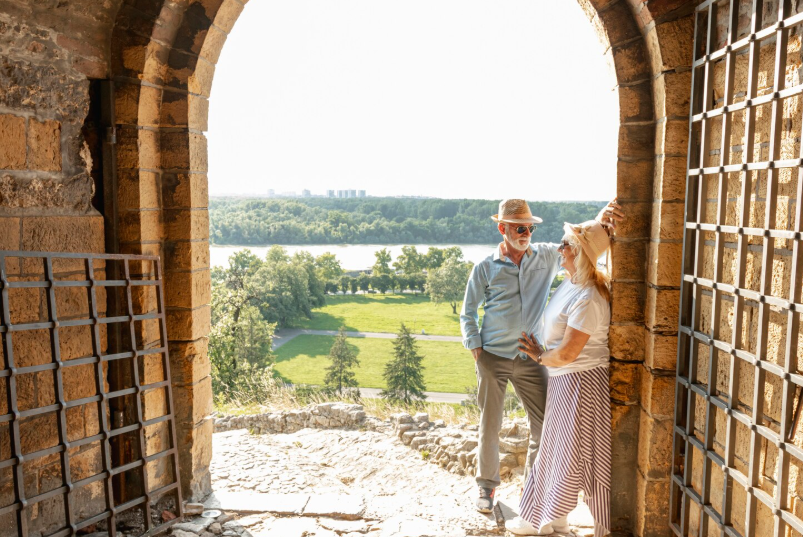
Private river cruises offer a distinctive, intimate way to experience Europe’s historic capitals. Unlike ocean cruising or point-to-point travel, river voyages move at the pace of the region, threading city centers, vineyards, and villages together with the rhythm of the water. For discerning travelers and families who value privacy, cultural depth, and effortless logistics, booking a private vessel—whether a boutique yacht, chartered barge, or a small luxury ship—turns transportation into a seamless and immersive part of the journey.

Why Choose a Private River Cruise?

Privacy and personalization are the hallmarks of private cruising. Guests set the tone: tailor-made excursions, bespoke menus, flexible itineraries, and the freedom to linger in a favorite port. Private cruises also provide a heightened level of service—dedicated crew, private chefs, and bespoke guides—allowing guests to focus entirely on the experience. For groups traveling for special occasions, corporate retreats, or multi-generational family trips, a private charter provides cohesion, convenience, and exclusivity.

Iconic Routes and Capitals

Europe’s great rivers pass through some of the continent’s most storied capitals:

  • The Seine: Paris offers riverfront views of Notre-Dame, the Louvre, and the Musée d’Orsay, blending city sightseeing with quiet upstream mornings through Normandy’s historic towns.
  • The Danube: Vienna, Bratislava, and Budapest form a corridor of imperial palaces, coffeehouse culture, and grand boulevards—perfect for cultural immersion and curated concerts on shore.
  • The Rhine: Flowing past Cologne and Mainz, the Rhine is famed for its dramatic castles and wine-growing slopes; private ships can moor in vineyards for exclusive tastings.
  • The Elbe and Vltava: Prague and Dresden offer baroque and Gothic treasures; private cruises here focus on history, museums, and intimate walking tours.

Curated Shore Excursions

The advantage of a private charter is the ability to design excursions that match your interests. Want an after-hours museum tour in Vienna, a private violin performance in Budapest, or a cellar dinner in the Rheingau? It’s possible. Local experts—historians, chefs, winemakers—can be arranged to provide context-rich experiences that large group cruises cannot replicate. These bespoke shore activities are often the highlights of a private cruise, turning sightseeing into meaningful cultural exchanges.

Onboard Comfort and Cuisine

Private vessels prioritize space and service. Cabins are often larger, public areas more private, and the atmosphere relaxed. Hospitality teams coordinate menus to reflect local produce and guest preferences—imagine a riverside dinner featuring regional specialties paired with local wines. Dietary restrictions and personal tastes are accommodated with ease, making the culinary journey as memorable as the ports of call.

Logistics and Practicalities

Booking a private river cruise requires attention to timing, permits, and docking availability. Rivers can be affected by seasonal water levels—low water in late summer or high water in spring can alter itineraries—so experienced operators build contingency plans. Private charters also simplify transfers and luggage handling: embarkation and disembarkation are efficient, and the vessel becomes a mobile base, avoiding repeated hotel check-ins. For corporate or incentive travel, on-board meeting spaces and AV setups can be arranged.

Sustainability and Responsible Travel

Many private operators are adopting sustainable practices: low-emission engines, waste reduction programs, and partnerships with local conservation initiatives. Small-scale charters can support local economies directly by hiring regional guides, sourcing food from nearby producers, and paying port fees that benefit communities. When choosing a private operator, ask about their environmental policies and community initiatives to ensure your trip aligns with responsible travel values.

Who Should Consider a Private Charter?

Private river cruises are ideal for guests seeking flexibility, privacy, and a deep cultural connection. They suit special milestones (anniversaries, reunions), corporate groups seeking unique meeting spaces, and families who value an all-in-one travel experience. While private charters have a premium price compared to group river cruising, the level of service, customization, and exclusivity often justifies the investment for those prioritizing an elevated, tailor-made journey.

Booking Tips

Start planning early, especially for peak seasons (spring and early autumn). Communicate preferences—dietary, accessibility, and must-see ports—to your operator upfront. Consider adding pre- or post-cruise hotel nights in major capitals to enrich the itinerary. Finally, work with a reputable charter broker or concierge who can negotiate itineraries, local partners, and bespoke experiences on your behalf.

Conclusion

Private river cruises offer a refined way to explore Europe’s historic capitals—combining the comfort of a private vessel with the cultural depth of tailor-made shore experiences. For travelers seeking privacy, personalization, and meaningful cultural encounters, a private charter transforms travel into an unforgettable moving residence on Europe’s great waterways.

Stay Connected for More Travel and Lifestyle Inspiration. For more insights into travel, culture, and lifestyle tips, follow me on Instagram @salvadorordorica. If you’re seeking professional translation and localization services to enhance your global ventures, visit The Spanish Group — your trusted partner in bridging cultures worldwide: The Spanish Group.

Europe’s Most Luxurious Private Vineyard Estates to Stay In

Europe’s Most Luxurious Private Vineyard Estates to Stay In

Europe’s Most Luxurious Private Vineyard Estates to Stay In

There’s something uniquely restorative about falling asleep amongst vines, waking to the quiet rustle of leaves, and tasting a glass poured from the very land beneath your feet. Across Europe, a new generation of private vineyard estates blends impeccable hospitality with terroir-driven wine experiences — offering guests not only refined accommodation but intimate access to winemaking, guided tastings, and immersive farm-to-table cuisine. Below, discover a curated selection of the continent’s most luxurious vineyard estates where privacy, craftsmanship, and design come together to create unforgettable stays.

1. A Tuscan Palazzo with a Boutique Winery

Location: Tuscany, Italy — Style: Renaissance villa with contemporary interiors

Tucked into rolling hills of cypress and olive, a restored palazzo offers exclusive rental of its eight-suite wing and private cellar. Guests enjoy guided tours of age-old vineyards, barrel tastings in the cellar, and a private sommelier pairing sunset dinners. The estate’s winemaking team welcomes visitors into hands-on harvest activities when in season; otherwise, bespoke tastings trace the family’s vintages through vertical flights. Architectural integrity blends with modern comforts — heated stone floors, a private pool, and a library curated with regional maps and wine literature.

2. A Provençal Château with Organic Vineyards

Location: Provence, France — Style: Château with formal gardens and lavender fields

This elegant château sits within sun-drenched gardens framed by lavender and vineyards cultivated under organic principles. Hospitality here is rooted in slow living: languid breakfasts of local chèvre and olive oil, midday picnics among the vines, and evening tastings focused on rosés and Grenache blends. Private cooking lessons with the château’s chef pair seasonal estate ingredients with estate-produced wines. Sustainability is central — water-wise irrigation, bee hives, and a commitment to low-intervention winemaking ensure both exceptional terroir expression and environmental stewardship.

3. A Contemporary Spanish Bodega on a Hillside

Location: Rioja / Priorat region, Spain — Style: Modern design, terraced vineyards

Dramatic architecture meets viticultural excellence at this hillside bodega where guests can book the entire property for a private retreat. Interiors are minimalist and sunlit, designed to showcase panoramic vineyard views. Offerings include in-depth winemaking masterclasses, guided hikes across terraced slopes, and pairings that marry regional seafood and cured meats with premium tempranillo and garnacha expressions. For collectors, the estate maintains a private reserve library and can arrange cellar purchases or direct shipping of rare bottlings.

4. A Boutique Estate in the Douro Valley

Location: Douro Valley, Portugal — Style: River valley quinta with terraced vines and river access

Overlooking the Douro River, this quinta invites guests to experience port and still-wine production from vine to bottle. Private boat cruises at dawn, vineyard picnics at sunset, and vertical tastings highlight the region’s steep-slope viticulture. Accommodation blends rustic stonework with luxurious linens, and the estate’s cellar door is open for private blending sessions — create a bespoke cuvée alongside the resident winemaker. A strong focus on heritage means many of the vineyards are worked by hand, and guests interested in conservation can learn about traditional soil-keeping techniques.

5. A New-Age English Estate with Pinot Noir Focus

Location: Sussex / Kent, England — Style: Country manor with contemporary tasting room

England’s cool-climate wines have gained a devoted following, and select manor estates now offer private stays that spotlight world-class sparkling and pinot noir. Expect refined, terrace-facing suites and intimate cellar tastings that map the estate’s progression from budburst to disgorgement. Activities frequently include vineyard walks with production team members, champagne-style tastings, and seasonal menu pairings that emphasize local lamb, root vegetables, and artisanal cheeses. These estates pair the gentility of English country life with modern vinous ambition.

6. An Italian Island Vineyard Retreat

Location: Island vineyards (e.g., Sicily, Sardinia) — Style: Coastal estate with Mediterranean gardens

For a vineyard stay framed by sea breezes and volcanic soils, island estates offer a heady mix of maritime cuisine and mineral-driven wines. Villas often sit within terraced vineyards that step down toward cliffs or sheltered coves. Highlights typically include cellar door tastings of unique indigenous varietals, private boat tours with wine pairings, and farm-to-table meals that highlight seafood caught the same morning. Design sensibilities lean Mediterranean — whitewashed walls, shaded loggias, and outdoor lounges built for long evenings beneath the stars.

How to Choose the Right Private Vineyard Estate

Selecting the ideal estate depends on priorities: do you crave hands-on winemaking, a secluded romantic escape, family-friendly amenities, or an educational retreat with masterclasses? Consider seasonality (harvest is transformative but busy), travel logistics (some estates require transfers on narrow country roads), and the level of privacy you need — many properties offer full buyouts for exclusivity. Finally, ask about on-site chefs, dietary accommodations, and any bespoke experiences such as truffle hunts, olive harvest participation, or helicopter transfers for a truly elevated arrival.

Final Thoughts

Luxury vineyard estates are more than beautiful places to sleep; they are immersive ecosystems that connect guests to landscape, culture, and the labor of winemaking. Whether you seek a contemplative week among ancient vines or an action-packed harvest retreat, Europe’s best private estates combine thoughtful design, impeccable service, and — most importantly — wine that tells the story of its place. Plan intentionally, communicate your interests with the estate in advance, and you’ll leave with new favorites in your cellar and memories that will linger long after your final glass.

Stay Connected for More Travel and Lifestyle Inspiration. For more insights into travel, culture, and lifestyle tips, follow me on Instagram
@salvadorordorica. If you’re seeking professional translation and localization services to enhance your global ventures, visit The Spanish Group — your trusted partner in bridging cultures worldwide.
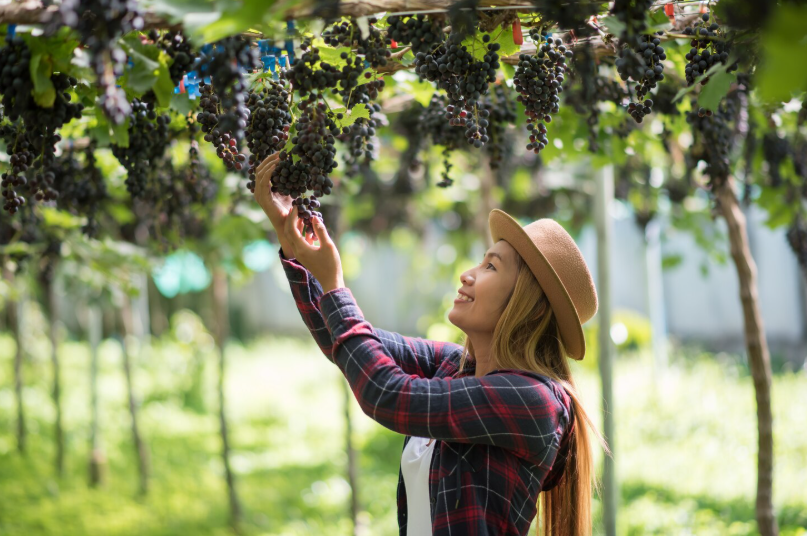
Private Wine Harvesting Experiences in Europe’s Vineyards

Private Wine Harvesting Experiences in Europe’s Vineyards

Private Wine Harvesting Experiences in Europe’s Vineyards


Introduction: An Executive Perspective on Immersive Wine Travel

As a company director, your time is valuable and your brand’s impression matters. Private wine harvesting experiences in Europe offer a rare combination: hands-on immersion in a centuries-old craft, top-tier hospitality, and highly curated opportunities for client entertainment or executive retreats. These programs are more than seasonal tourism — they are strategic experiences that foster relationships, reward teams, and reinforce a sophisticated brand identity.

Why Choose a Private Harvesting Experience?

Private harvesting experiences can be tailored to a director’s objectives: cultivating high-level client relationships, offering exclusive employee incentives, or producing content for lifestyle and brand marketing. Unlike standard tastings, harvest participation invites guests into the vineyard’s rhythm — pruning, picking, and sometimes stomping grapes — under the guidance of winemakers and cellar masters. This intimacy creates memorable moments that translate directly into loyalty and storytelling opportunities.

Regions to Consider and Their Unique Appeals

Europe’s wine regions each present distinct flavors and cultural textures. Selecting the right region depends on taste preferences, logistical needs, and branding goals.

Bordeaux and Burgundy (France)

For clients who appreciate classic appellations and heritage estates, Bordeaux and Burgundy deliver historical gravitas. Private harvests here often include château tours, vertical tastings, and technical cellar sessions explaining vinification, barrel-aging, and terroir nuances.

Tuscany and Piedmont (Italy)

Italy pairs rustic charm with gastronomic excellence. In Tuscany, private harvests can be combined with truffle foraging and refined farm-to-table meals. Piedmont’s Nebbiolo vineyards lend themselves to intimate, elevated tastings and visits with family-run producers.

La Rioja (Spain) and the Douro Valley (Portugal)

Iberian experiences offer a different cadence — bold red blends and fortified wine traditions. Rioja’s bodegas often host tailored harvest weekends, while the Douro’s dramatic terraces provide photogenic backdrops ideal for branding and lifestyle content.

Mosel and Rheingau (Germany), Provence (France)

For lighter wines, aromatic whites, or rosé-focused programs, the Mosel and Provence regions are exceptional. These vineyards emphasize steep-slope viticulture or Mediterranean terroir, respectively, producing sensory contrasts attractive to sophisticated palates.

Designing a High-Impact Itinerary

A thoughtfully designed itinerary maximizes impact while minimizing friction. Key components to include:

  • Private transfer and logistics: door-to-door transport, VIP fast-track at small regional airports, and bilingual guides.
  • Curated harvest activities: morning picking, midday winery tours, and sunset cellar tastings paired with regional cuisine.
  • Educational sessions: masterclasses with the winemaker, blending workshops, and behind-the-scenes cellar demos.
  • Hospitality touches: private cellar dinners, branded gifts, and opportunities for professional photography or video capture for corporate communications.

Customization: From Corporate Retreats to Intimate Client Events

Private harvest programs can be scaled and customized. For corporate retreats, integrate team workshops, leadership talks, and moderated tastings that align with company values. For client hospitality, offer highly personalized experiences — chef-curated menus, bespoke wine bottles with branded labels, or private concerts in the vineyards. The aim is to create an encounter that resonates emotionally and aligns with a precise business objective.

Sustainability, Authenticity, and Responsible Practices

Modern executives and discerning clients expect sustainability and authenticity. Many European estates practice organic or biodynamic viticulture; participating in a harvest provides firsthand insight into these methods. Engage with producers who are transparent about their environmental practices and labor policies — this not only elevates the guest experience but also reinforces corporate responsibility initiatives when reporting or sharing content externally.

Language, Culture, and Local Coordination

Seamless communication is essential. Local managers, translators, and cultural liaisons keep activities punctual and polished. For international companies staging an event in a non-native language, professional translation and localization services ensure that invitations, educational materials, and branded collateral are culturally appropriate and linguistically precise — a detail that significantly enhances perceived professionalism.

Risk Management and Practical Considerations

Executives expect certainty. Confirm insurance coverage, medical support where the terrain is rugged, and contingency plans for weather. Ensure dietary restrictions and accessibility requirements are collected in advance. Finally, choose vineyards experienced in hosting private groups to reduce operational risk and guarantee quality execution.

Measuring Return on Experience (RoX)

The outcomes of a private harvest can be measured qualitatively and quantitatively: strengthened client relationships, improved team morale, content assets produced, and brand differentiation. Collect testimonials, capture high-quality media for promotional use, and quantify follow-up business or partnership leads attributable to the experience. These metrics justify the investment and inform future programming.

Conclusion: Crafting a Signature Moment

Private wine harvesting experiences are a strategic tool for leaders who want to combine cultural authenticity with purposeful relationship-building. When tailored thoughtfully — considerate logistics, purposeful customization, and attention to sustainability and language — a harvest visit becomes a signature moment: an experiential asset that amplifies brand prestige, deepens human connection, and produces compelling stories that last long after the season ends.

Stay Connected

Stay Connected for More Travel and Lifestyle Inspiration. For more insights into travel, culture, and lifestyle tips, follow me on Instagram
@salvadorordorica. If you’re seeking professional translation and localization services to enhance your global ventures, visit The Spanish Group — your trusted partner in bridging cultures worldwide.

Boutique Luxury Ski Lodges Off the Beaten Path in Europe

Boutique Luxury Ski Lodges Off the Beaten Path in Europe


Boutique Luxury Ski Lodges Off the Beaten Path in Europe

Europe’s lesser-known ski lodges offer an attractive alternative to crowded resort hubs. These boutique properties combine personalized service, design-forward interiors, and access to unique terrain — all while maintaining the discretion and comfort that high-level travelers expect. This guide highlights what makes these lodges exceptional, where to find them, and how to evaluate them for corporate retreats, executive escapes, or client entertainment.

Why Choose Boutique Over Big-Name Resorts?

Large alpine resorts deliver convenience and spectacle, but they often lack intimacy. Boutique lodges prioritize curated experiences: bespoke menus, private ski guides, in-house wellness offerings, and architecture that reflects local craft traditions. For executives and discerning travelers, these features translate to fewer interruptions, more meaningful downtime, and the opportunity to build relationships in settings designed for confidentiality and comfort. Moreover, off-the-beaten-path lodges frequently provide superior access to uncrowded slopes, backcountry routes, and cultural experiences unavailable in mass-market destinations.

Regional Highlights: Where to Look

Europe’s geography produces a wide variety of hidden gems. Consider these regions when searching for a boutique luxury ski lodge:

The Dolomites (Italy)

The Dolomites combine dramatic limestone peaks with refined alpine culture. Boutique chalets here frequently pair artisanal Italian cuisine with impeccable mountaineering access. Look for properties that balance contemporary design with local materials — timber, stone, and hand-forged metalwork — and offer private guides for ski touring or snowshoeing.

The French Alps — Lesser-Known Valleys

Beyond Chamonix and Courchevel, valleys such as the Tarentaise and Maurienne contain secluded lodges that give you access to excellent terrain without the crowds. These establishments often feature chef-driven dining and concierge services that arrange heli-ski days, private wine tastings, and wellness treatments tailored to executive schedules.

The Pyrenees (France & Spain)

The Pyrenees deliver rugged landscapes and strong regional identities. Boutique properties here are typically smaller, family-run establishments that emphasize regional gastronomy and cultural immersion — an appealing combination for travelers who want authenticity without sacrificing luxury.

The Swiss Valais and Graubünden — Quiet Alternatives

Switzerland’s legendary precision extends to its smaller ski lodges. In the Valais and parts of Graubünden, expect discreet service, high-quality gastronomy, and direct access to consistently excellent snow. These lodges often offer chauffeured transfers and curated local experiences — from private cheese cellar tours to glacier walks with expert guides.

Design, Service and Privacy: What to Prioritize

When selecting a boutique lodge, evaluate three pillars that determine whether the property will meet executive needs: design, service, and privacy. Design should reflect both local tradition and modern comfort — think heated floors, blackout curtains, and cozy communal areas for meetings or informal gatherings. Service must include discreet but attentive staff, strong food-and-beverage options, and flexible scheduling. Privacy features like private entrances, exclusive-use booking options, and secure communications are essential for corporate guests.

Curated Experiences: More Than Just Skiing

Top boutique lodges sell a lifestyle as much as accommodation. Many provide customized excursions: private backcountry tours, culinary evenings with celebrated local chefs, or wellness programming such as in-lodge physiotherapy, cryotherapy, or mobile massage therapists. For client entertainment or team-building, properties that offer off-slope experiences — guided cultural visits, private wine tastings, or snowmobile safaris — add tangible value to the stay.

Operational Considerations for Directors

From a planning perspective, smaller lodges require some additional foresight. Transportation logistics can be more complex — mountain roads, seasonal airport schedules, and limited parking must be considered — so confirm transfer options and contingency plans in advance. Communication infrastructure is another practical concern: verify the lodge’s internet reliability, meeting spaces, and AV capabilities if you intend to run calls or presentations. Finally, examine cancellation policies, exclusive-use fees, and any seasonal staffing variations that could affect service quality.

Sustainability and Local Partnerships

Many boutique operators emphasize sustainability and local sourcing. Look for lodges that partner with regional farmers and producers, utilize renewable energy, or operate rehabilitation programs for local ecosystems. These practices not only reduce environmental impact but also resonate with stakeholders who prioritize corporate responsibility. Supporting properties that invest in their communities helps preserve the culture and landscape that make these destinations special.

Booking Tips for Executive Travel

To secure the best value and service, plan bookings well in advance — particularly for holiday windows — and negotiate direct with the property for exclusive-use arrangements. Ask about tailored packages that include transfers, private guides, and on-site catering. Consider building in buffer days to account for travel delays and to allow guests to acclimatize. Finally, cultivate a relationship with the lodge manager or concierge: repeat clients often receive upgrades, early access to special experiences, and flexible cancellation terms.

Case Example: Curating a Three-Day Executive Retreat

A successful executive weekend might include arrival and a private alpine dinner on Day 1, guided off-piste or groomer runs with a mountain guide on Day 2, and a morning wellness session followed by a strategic off-site meeting on Day 3. Incorporating a local cultural touch — a private tasting of regional cheeses or a short guided village tour — creates memorable moments that foster team cohesion and impress visiting clients.

Conclusion

Boutique luxury ski lodges off the beaten path offer exceptional opportunities for privacy, personalization, and meaningful cultural connection. For a company director seeking an elevated travel experience — whether for personal downtime, client hospitality, or an intimate corporate retreat — these properties deliver style and substance in equal measure. With careful selection and thoughtful planning, a boutique lodge stay can become both a restorative escape and a strategic investment in relationships and reputation.


Stay Connected for More Travel and Lifestyle Inspiration. For more insights into travel, culture, and lifestyle tips, follow me on Instagram @salvadorordorica. If you’re seeking professional translation and localization services to enhance your global ventures, visit The Spanish Group — your trusted partner in bridging cultures worldwide.