
by Dulce Navarro | Nov 25, 2025 | Business, Europe, Experiences, Lifestyle, Luxury, Travel, Work
Private Member Clubs in Europe for Business Travelers
For the modern company director or frequent business traveler, private member clubs in Europe offer far more than a place to meet — they provide an ecosystem of hospitality, discretion, and curated connections that elevate travel and work. These clubs combine refined spaces for focused work, private meeting rooms, dining experiences with a local touch, and a hidden network of influential members. This guide explains why private clubs matter for business travel, how to select the right club, and practical tips to get the most value from membership or short-term access.
Why Private Member Clubs Matter for Business Travelers
Private clubs deliver three strategic advantages for travelers who need to balance productivity, privacy, and relationship building. First, they offer reliable, high-quality facilities — from quiet work areas and dependable Wi-Fi to private boardrooms and event spaces — in a setting that feels more like a refined living room than a conference center. Second, clubs provide social capital: curated membership lists, introductions, and events that help you meet potential partners, advisors, or clients in a more natural and trusted environment. Third, the discretion and personalized service typical of these clubs are invaluable when dealing with high-profile clients or confidential projects.
Types of Clubs and What They Offer
Private clubs in Europe vary from historic London institutions with deep-rooted traditions to contemporary urban clubs that blend co-working with lifestyle programming. Understanding the types will help you choose a club that fits your needs:
- Traditional Gentlemen’s & City Clubs: Often housed in period buildings, these clubs emphasize formal dining rooms, libraries, and member-led committees. They are ideal for formal networking and introductions to long-established local networks.
- Contemporary Business Clubs: Designed around modern needs, these offer flexible workspaces, meeting rooms with AV, and a calendar of business-focused talks and workshops.
- Hotel-Affiliated Clubs: Located within luxury hotels, these clubs blend concierge services with private spaces for members and guests — perfect for executives prioritizing convenience and travel logistics.
- Lifestyle & Creative Clubs: Combining culture, wellness, and work, these are great for leaders in creative industries who value softer networking environments like curated dinners, cultural events, and workshops.
How to Choose the Right Club
Selection should be strategic: the right club supports both your immediate business goals and your longer-term relationship building. Consider the following criteria:
- Location & Logistics: Proximity to your hotel, airport transfers, or the venues where you meet clients is crucial. A club centrally located to your meeting schedule saves time and reduces stress.
- Facilities & Privacy: Confirm private meeting rooms, secure Wi-Fi, printing and secretarial support, and soundproofing if confidentiality matters.
- Membership Profile: Assess whether the club’s membership base aligns with your industry and network goals. Some clubs are tech and media heavy; others attract finance, law, or diplomatic communities.
- Access Options: Many clubs offer flexible access — day passes, week-long guest memberships, or reciprocal privileges through partner clubs worldwide. This flexibility matters for occasional travelers.
- Events & Programming: Examine the calendar: regular briefings, speaker events, and curated dinners are often where the most valuable introductions happen.
Top Uses for Club Spaces During Business Travel
Private club spaces can be leveraged for a variety of high-value activities:
- Client Meetings & Negotiations: Comfortable, neutral, and discreet settings are ideal for sensitive conversations and deal-making.
- Small Off-Site Board Meetings: Many clubs offer smaller boardroom packages with full AV and catering tailored to executives.
- Focused Work Sessions: Quiet lounges and private desks provide a productive alternative to noisy cafés or impersonal hotel lobbies.
- Networking Over Meals: Curated dining experiences with members or guest lists create natural contexts for introductions and relationship cultivation.
Reciprocity & Global Networks
A powerful benefit of many European private clubs is reciprocity: clubs often maintain partner relationships with similar institutions across the globe. If you hold membership or a verified affiliation with one club, you may gain access to partner clubs in cities where you have meetings. For global executives, this network turns local memberships into a global hospitality strategy, ensuring consistent quality of service and easing logistical planning when traveling.
Practical Tips for First-Time Visitors
If you’re visiting a club for the first time — either on a guest pass or as a prospective member — follow these practical steps to make the most of the visit:
- Book in Advance: Reserve meeting rooms, dining tables, or quiet spaces ahead of time to avoid disappointment.
- Dress Code & Etiquette: Confirm the club’s dress code and customs. Traditional clubs can be formal; contemporary ones are often smart-casual.
- Leverage the Events Calendar: Attend a talk or dinner to get a better sense of the membership culture and to meet people organically.
- Introduce Yourself to Staff: A quick conversation with the general manager or membership director can unlock introductions and make future visits smoother.
Membership vs. Short-Term Access
Decide whether to pursue full membership or flexible access. Full membership is valuable for frequent travelers who will use the club regularly and want the full suite of member benefits. Short-term access or corporate passes can be a cost-effective choice for executives with irregular travel who only need a dependable workspace and meeting facilities occasionally.
Final Considerations
In an era where relationship capital and discretion are as important as technical expertise, private member clubs in Europe provide a refined infrastructure for business travelers. They are environments that respect time, encourage meaningful introductions, and offer a level of service and privacy that elevates both the practical and human sides of travel. Whether you join a historic institution in London, a contemporary business club in Berlin, or a hotel-based membership in Madrid, select the club that best aligns with your itinerary, network, and the tenor of the relationships you wish to build.
Stay Connected for More Travel and Lifestyle Inspiration. For more insights into travel, culture, and lifestyle tips, follow me on Instagram @salvadorordorica. If you’re seeking professional translation and localization services to enhance your global ventures, visit The Spanish Group — your trusted partner in bridging cultures worldwide.

by Dulce Navarro | Nov 25, 2025 | Experiences, Hotels, Lifestyle, Luxury, Travel
The Ultimate Guide to Europe’s Luxury Heritage Hotels
For the discerning traveler and the busy company director who values both comfort and cultural depth, Europe’s luxury heritage hotels offer an unrivaled combination of history, service, and timeless design. These properties are more than places to sleep — they are custodians of regional identity, architecture, and hospitality traditions that have endured for generations. This guide outlines what makes these hotels exceptional, how to choose the right property for your trip or client, and practical tips to maximize the experience.
What Defines a Luxury Heritage Hotel?
Luxury heritage hotels are typically historic properties that have been carefully preserved or sympathetically restored. Their appeal lies in a blend of authenticity and modern comfort: grand public rooms, original architectural features (stucco ceilings, period fireplaces, carved woodwork), curated interiors, locally inspired cuisine, and staff trained in discreet, anticipatory service. These hotels often carry stories — from royal guests to literary figures — and many are located in architecturally or culturally significant settings such as city centers, lakesides, or pastoral estates.
Why Choose a Heritage Hotel Over a Modern Luxury Option?
- Sense of place: Heritage hotels immerse guests in the local history and aesthetics, making the stay an extension of the destination.
- Cultural authenticity: Many of these properties work closely with regional artisans, chefs, and curators to deliver an experience rooted in local traditions.
- Architectural value: Staying in a restored palace, manor house, or converted monastery offers a tactile connection to the past that new-build hotels rarely replicate.
- Personalized service: Smaller room counts and family-operated management frequently translate into more bespoke attention and continuity of care.
Top European Regions to Find Remarkable Heritage Hotels
France — Timeless Elegance
From châteaux in the Loire Valley to Belle Époque townhouses in Paris, France epitomizes refined hospitality. Expect impeccable service, Michelin-starred dining, and interiors that celebrate classical proportions and sumptuous textiles. For business travelers, many heritage hotels combine historic ambiance with modern meeting facilities discreetly integrated so that the property functions well for both leisure and work.
Italy — La Dolce Vita and Architectural Grandeur
Italy’s heritage hotels range from Renaissance palazzi in Florence to Mediterranean villas along the Amalfi Coast. Italian properties emphasize an unhurried approach — long table breakfasts, wine lists curated by sommeliers, and gardens or terraces that become extensions of the living space. The craftsmanship and decorative arts inside these hotels often reflect centuries of regional technique.
Switzerland — Alpine Majesty and Precision
Swiss heritage hotels balance alpine charm with meticulous standards of service and wellness. Many classic mountain hotels feature wood-panelled lounges, grand dining rooms, and discreet spa facilities. Their high-altitude locations offer privacy and restorative landscapes — qualities prized by executives seeking respite between meetings or after intense work cycles.
United Kingdom — Historic Houses and Urban Grandeur
The UK is home to country estates, converted manors, and iconic city hotels that host political leaders and corporate guests. These properties combine formal service rituals with modern conveniences such as private meeting spaces, concierge services experienced in corporate logistics, and secure discreet travel arrangements.
Spain & Portugal — Palaces, Paradores, and Sunlit Courtyards
On the Iberian Peninsula, heritage hotels often include restored palaces, historic paradores, and stately manor houses with internal courtyards and shaded terraces. The regional cuisine is a key component of the experience; many hotels source directly from nearby markets and farms, offering a culinary window into the region’s identity.
How to Choose the Right Heritage Hotel for Business Travel
- Prioritize logistics: Check proximity to airports, meeting venues, and reliable transfer options. A beautiful historic room is less valuable if commuting adds stress to your schedule.
- Request corporate amenities: Confirm high-speed Wi-Fi, quiet workspaces, printing or secretarial support, and flexible food service for irregular schedules.
- Ask about privacy and security: For high-profile guests, confirm private entrances, discrete arrival arrangements, and secure communication channels.
- Verify accessibility: Many heritage properties retain historic stairs and layouts; request elevators or ground-floor rooms if mobility is a concern.
- Evaluate meeting and event services: If hosting small client dinners or board meetings, ensure the hotel can provide AV support and private dining rooms.
Maximizing the Heritage Experience — Practical Tips
- Book a signature room: If available, reserve a signature suite or a room that highlights the building’s heritage — it’s often the most memorable part of the stay.
- Engage the concierge early: Good concierges will not only arrange transfers and reservations but can organize private tours of local artisans, exclusive wine tastings, or after-hours access to nearby cultural sites.
- Allocate time for the property: Heritage hotels reward slow discovery. Build in an hour to explore public rooms, gardens, and any on-property collections.
- Combine utility with pleasure: If traveling for work, schedule meetings during the day and reserve evenings for the hotel’s dining experiences — both showcase local flavors and the property’s best attributes.
Preservation and Sustainability — What to Expect
Leading heritage hotels are increasingly committed to sustainable practices that respect historic fabric while reducing operational impact. Look for properties that source locally, prioritize energy-efficient retrofits, and engage in community partnerships that support cultural preservation. These efforts not only align with corporate responsibility goals but also enrich the authenticity of the guest experience.
A Final Note on Value
While luxury heritage hotels often command a premium, they deliver unique intangible returns: cultural resonance, long-term memories, and a setting that elevates both leisure and business moments. For directors and corporate travelers seeking environments that reflect taste, history, and discretion, these properties are an investment in experience — and often, in relationships.
Conclusion
Whether you choose a lakeside suite in Switzerland, a palazzo in Italy, or a city landmark in Paris, Europe’s luxury heritage hotels offer more than accommodation — they present an opportunity to live inside history, to wrap business travel in beauty, and to recharge in settings crafted by generations of hospitality. Choose with intention, inquire about the operational details that matter to your schedule, and allow the property to become part of your trip’s narrative.
Stay Connected for More Travel and Lifestyle Inspiration. For more insights into travel, culture, and lifestyle tips, follow me on Instagram @salvadorordorica. If you’re seeking professional translation and localization services to enhance your global ventures, visit The Spanish Group — your trusted partner in bridging cultures worldwide.

by Dulce Navarro | Nov 24, 2025 | Europe, Experiences, Food, Landscapes, Lifestyle, Luxury, Restaurant, Travel
Europe’s Most Beautiful Restaurants with Panoramic Views
Introduction
For a company director who values memorable client entertainment, incentive travel, or refined personal time, dining at a restaurant with a panoramic view transforms a meal into an experiential asset. Across Europe, a select group of restaurants marry exceptional cuisine with breathtaking vistas — cliffside terraces, rooftop gardens, lakeside promenades and mountaintop pavilions. These venues elevate networking dinners, board retreats, and hospitality programs by combining culinary excellence with settings that linger in memory and on social feeds.
Why Views Matter for Executive Hospitality
A spectacular view does more than provide a scenic backdrop: it shapes the conversation, enhances perceived value, and amplifies brand storytelling. Clients remember how they felt more than what they ate. For directors planning business dinners or VIP events, the right venue can be a strategic tool — enhancing rapport, signaling taste and demonstrating attention to detail. Choose restaurants where service, acoustics and accessibility match the visual drama to ensure the experience is seamless.
Cliffside and Coastal Dining
Southern Europe boasts dramatic cliffside restaurants that pair fresh, regional menus with unobstructed sea horizons. In locations such as the Amalfi Coast, the Algarve, and Mallorca, multi-terraced establishments allow guests to dine literally on the edge of the world. These sites often operate on a reservation-only basis for prime tables and may provide private dining rooms or exclusive terraces for corporate groups.
What to look for: sunset service, wind-sheltered terraces, and culinary focus on local seafood and market produce. When planning, confirm transport logistics — many cliffside venues require private transfers due to restricted parking and narrow coastal roads.
Rooftop Restaurants in Major Capitals
Europe’s capitals fuse skyline panoramas with urbane culinary concepts. Rooftop restaurants above historic quarters — think Paris, Rome, and Madrid — excel at combining iconic city views with refined menus. For directors hosting international guests, rooftops offer convenience (central location) with the ‘wow’ factor of seeing an entire city at a glance.
Prioritize rooftops with enclosed or retractable roofs for year-round use, sound control for private conversations, and flexible seating plans to accommodate both intimate dinners and larger corporate groups.
Lakefront and Riverside Estates
Northern Italy and Switzerland are synonymous with elegant lakefront dining. Restaurants that overlook Lake Como, Lake Garda, or Lake Geneva provide a serene alternate to urban rooftops. These estates often combine seasonal menus, wine pairings, and private boat transfers for arriving guests — a logistical detail that can elevate a client itinerary into an unforgettable curated experience.
For executives, lakefront venues lend themselves to daytime meetings followed by leisurely meals, or evening receptions where light reflecting off the water creates an intimate atmosphere.
Mountain Top and Alpine Pavilions
The Alps and Pyrenees host restaurants that reward the effort of ascent with sweeping vistas over valleys and glaciers. These mountaintop pavilions are superb for incentive trips and leadership retreats where outdoor activity pairs with gastronomic reward. Many are accessible by cable car, offering guests a sense of arrival that complements the exclusivity of the setting.
When booking, account for weather variability and ensure the venue can accommodate dietary needs in remote settings — the best alpine restaurants combine hearty regional fare with contemporary refinement.
Design-Led and Heritage Venues
Some of Europe’s most compelling view-led restaurants are found in repurposed heritage buildings or design-forward properties. A restored fortress dining room overlooking a fjord or a contemporary glass pavilion perched on archaeological terraces adds intellectual and aesthetic layers to the meal. Such venues are particularly useful for brands seeking a curated narrative — heritage, sustainability, or architectural excellence — to align with client values.
Always request a site visit or detailed photographs to confirm how the view integrates with the dining room layout and whether private dining options meet confidentiality and AV requirements.
Practical Considerations for Directors
1. Booking and exclusivity: Reserve early and secure the best tables or private areas well in advance, particularly during peak travel seasons.
2. Accessibility: Confirm transport and mobility access for VIP guests; some cliffside or mountaintop venues have limitations.
3. Acoustics and privacy: A panoramic view is wasted if guests cannot converse; choose rooms with good sound control or reserve private dining spaces.
4. Weather contingency: Ensure the restaurant has covered or indoor options to protect against sudden changes.
5. Menu and service flexibility: Request a tailored tasting menu or pre-set options to streamline service and avoid delays during important meetings.
How to Incorporate These Venues into Corporate Programming
Use panoramic restaurants as anchor experiences within larger itineraries: a cliffside dinner can close a strategy retreat, while a rooftop lunch may kick off a client’s short city visit. For hospitality programs, consider branded touches such as welcome notes, custom menus highlighting local producers, or small takeaways (limited-edition condiments, curated wine selections) that extend the brand story beyond the meal.
Conclusion
Dining with a panoramic view is an investment in memory-making — the fusion of place, food and company creates impressions that last far longer than a typical business lunch. For directors organizing client-facing events or private retreats, selecting the right view-led restaurant can be a subtle yet powerful differentiator: it demonstrates sophistication, attention to experience design and an understanding of how environment shapes conversation.
Stay Connected for More Travel and Lifestyle Inspiration. For more insights into travel, culture, and lifestyle tips, follow me on Instagram @salvadorordorica. If you’re seeking professional translation and localization services to enhance your global ventures, visit The Spanish Group — your trusted partner in bridging cultures worldwide: The Spanish Group.

by Dulce Navarro | Nov 24, 2025 | Europe, Experiences, Food, Lifestyle, Luxury, Travel
Luxury Olive Oil Estates You Can Visit in the Mediterranean
Introduction
For the discerning traveler and business leader who values provenance, terroir, and artisanal excellence, a visit to a high-end olive oil estate in the Mediterranean is both an experiential delight and a strategic cultural investment. These estates combine centuries-old cultivation practices with modern quality control, boutique hospitality, and compelling stories you can share with clients or integrate into a lifestyle brand. Below are several regions and estate types worth prioritizing on your next itinerary, plus practical tips for booking, tasting and maximizing the visit.
Tuscany — Elegance and Tradition
Tuscany is synonymous with rolling hills, immaculate landscapes and olive groves that produce bold, peppery extra virgin olive oils. Luxury estates here often pair their oil production with hospitality: think restored farmhouses, tasting rooms, private mill tours, and curated food pairings. Many estates will offer masterclasses on tasting technique and on-site explanations of milling, filtration and bottling.
What to expect: a formal tasting led by the estate’s producer or an agronomist, a walk through centuries-old terraces, and bespoke menus that highlight the oil’s characteristics. Estate visits work well as half-day or full-day experiences and are especially memorable during harvest season (late October to December).
Andalusia, Spain — The World’s Olive Oil Heartland
Andalusia produces more olive oil than any other region in the world, and the estates here present a fascinating contrast between large-scale modern mills and smaller artisanal operations. In locations like Jaén and Córdoba you can tour high-tech mills that handle super-high-density orchards, or choose family-run fincas that emphasize organic practices and limited production runs.
Highlights include guided grove walks, demonstrations of harvest techniques, and tastings that explore varietal differences. For luxury travelers, many visits are paired with private chef lunches, cultural tours of nearby historical sites, and tailored transport options.
Crete and the Peloponnese, Greece — Millennia of Olive Culture
Greece’s olive culture dates back millennia, and regions such as Crete and the Peloponnese offer both authenticity and modern hospitality. Luxury estates and small producers often open their doors to visitors for mill tours, hands-on pruning and harvesting sessions, and tastings led by certified tasters. The Olive Temple near Olympia and family-run mills in Crete illustrate how modern agritourism can honor ancient traditions.
Practical note: many Greek estates provide English-language tours and hands-on activities which are excellent for small executive groups or incentive trips.
Provence & Luberon, France — Boutique Estates with a Luxury Hospitality Focus
In Provence, olive oil is a luxury ingredient embedded in a broader lifestyle offering: estates combine small-batch oil production with boutique lodging, bespoke wellness experiences, and gastronomic programming. Some properties in the Luberon have been reimagined as private estates where guests can stay, participate in harvest events, and enjoy haute cuisine that celebrates local olive oil.
These estates are ideal for travelers who want a relaxed, exclusive stay that blends culinary education with refined comforts.
Mallorca and the Balearics — Island Terroir and Design-Led Estates
The Balearic Islands have quietly become important producers of high-quality olive oil, with Mallorca leading the way in boutique, design-oriented estates. Expect smaller productions, striking architecture, and a focus on pairing oil with local seafood and Mediterranean cuisine. Many estates welcome visitors for private tastings and short educational tours that fit well into an island itinerary.
What Makes an Estate “Luxury”?
Luxury estates distinguish themselves by a combination of production excellence, guest services and narrative. Key attributes include: a demonstrable commitment to organic or regenerative agriculture; small-batch, estate-pressed oils with lab certifications and awards; attentive hospitality (private tastings, chef-prepared meals, curated experiences); and design-forward spaces for meetings or exclusive events. For directors planning client hospitality or content creation, these estates offer strong visuals, authentic storytelling, and high-value takeaways (limited-edition bottles, co-branding opportunities).
Planning the Visit — Practical Tips
1. Book ahead: many estates run by families or small teams require reservations, especially during harvest.
2. Group size: request private tours for executive groups; estates can usually curate a branded tasting or lunch.
3. Timing: harvest season provides the most dramatic experience, but spring and early autumn offer pleasant weather and quieter estates.
4. Logistics: arrange private transfer where possible—groves can be remote and uneven terrain is common.
5. Sustainability: ask about their cultivation and milling practices if provenance and environmental impact matter to your brand.
Tasting Notes and What to Look For
High-end extra virgin olive oil is judged on clarity (not cloudiness), aroma (fresh grass, green almond, artichoke), and palate (balancing fruitiness, bitterness and peppery finish). A professional tasting is short, structured and includes small sips taken with plain bread to allow the oil’s texture and aftertaste to reveal themselves. Estates that provide tasting sheets and lab results are demonstrating transparency and quality.
Conclusion & Next Steps
Visiting a luxury olive oil estate in the Mediterranean is an enriching way to combine cultural insight, gastronomic discovery, and high-touch hospitality. Whether you plan an executive retreat, a client-facing culinary experience, or a content shoot, these estates offer rare access to artisanal production and memorable storytelling. For best results, engage with estate managers early, prioritize harvest or cooler shoulder seasons, and consider pairing the visit with local culinary partners or Michelin-level chefs.
Stay Connected for More Travel and Lifestyle Inspiration. For more insights into travel, culture, and lifestyle tips, follow me on Instagram @salvadorordorica. If you’re seeking professional translation and localization services to enhance your global ventures, visit The Spanish Group — your trusted partner in bridging cultures worldwide: The Spanish Group.

by Dulce Navarro | Nov 21, 2025 | Europe, Experiences, Lifestyle, Luxury, Travel
The Future of Multilingual Luxury Tourism in Europe
Introduction: A New Era of Experience
Luxury travel in Europe has always been defined by provenance, craftsmanship, and impeccable service. The next chapter, however, will be written in many languages. As high-net-worth travelers seek deeper cultural connection and more personalised service, multilingual capability becomes a strategic differentiator for destinations, hotels, and travel brands. This post outlines how multilingualism — powered by human expertise and smart technology — will reshape high-end tourism in Europe, and what company directors should plan for to remain competitive and culturally responsible.
Why Multilingualism Matters for Luxury
At its core, luxury is about feeling understood and valued. Language is the most direct channel for that understanding: it enables authentic storytelling, builds trust, and elevates service gestures from transactional to relational. For a client arriving to a château in Bordeaux, a private guide who speaks their first language and can navigate cultural nuance is as important as the wine list. Multilingual offerings reduce friction, unlock local knowledge, and create emotional resonance — all essential elements of a truly memorable luxury stay.
Human Expertise + Technology: The Hybrid Model
The future is hybrid. Professional linguists, in-house multilingual concierges, and culturally fluent local partners will remain indispensable. At the same time, real-time translation tools, AI-driven localization, and voice-enabled assistants will provide scalable support for routine interactions and preliminary orientation. The highest-value experiences will combine both: human hosts for curatorial, sensitive interactions and technology for seamless logistics, such as instant interpretation during private tours or localized digital welcome packs tailored to the guest’s language and preferences.
Personalization Through Language Data
Luxury travel increasingly depends on personalization. Language preferences are a powerful signal that dovetail with behavioral data to create bespoke itineraries. When a guest’s profile includes preferred language, culinary intolerances, and cultural interests, operators can assemble speakers, specialists, and experiences that align precisely with those signals. For directors, investing in secure, privacy-compliant data systems that capture language preferences will improve conversion, loyalty, and word-of-mouth among high-value clientele.
Localization Beyond Translation
True multilingual service goes beyond literal translation. Localization adapts content, tone, and service rituals to cultural expectations. A menu translated into Mandarin is useful; a menu translated and adapted with regional taste notes, etiquette tips, and pairing suggestions is exceptional. For luxury brands, this level of detail signals respect and expertise. High-quality localization requires professional translators with cultural knowledge, plus collaboration with local chefs, artisans, and cultural custodians.
Training and Human Capital
Scaling multilingual luxury means investing in people. Multilingual staff — front-of-house, concierges, guides, and butlers — should receive not only language training but also cultural competence coaching. Cross-training programs that combine language skills with hospitality standards and local history create ambassadors who can deliver nuanced experiences. For directors, creating career paths for bilingual staff and partnering with regional language institutions can become both a talent pipeline and a competitive advantage.
Ethics, Authenticity, and Community Benefit
There is an ethical dimension to multilingual luxury: it must amplify local culture rather than commodify it. Responsible operators should prioritize hiring local speakers, compensate cultural partners fairly, and ensure tourism revenues support community preservation. Authenticity is the currency of luxury; when language services center native speakers and cultural knowledge-holders, experiences remain credible and communities benefit economically and socially.
Technology Risks and Guardrails
Technology accelerates capability but introduces risk. Automated translations can misrepresent nuance, and voice assistants may mishandle idioms or sensitive cultural content. Luxury brands must apply rigorous quality controls: human review of automated outputs, vetting of AI partners, and privacy safeguards for guest data. Directors should demand transparency from vendors about accuracy rates, data handling, and the use of human-in-the-loop processes to ensure service excellence.
Measuring Impact: KPIs That Matter
To justify investment, leaders should track meaningful KPIs: guest satisfaction segmented by language group, repeat-booking rates for guests who used multilingual services, incremental revenue from localized offers, and community impact metrics such as local employment and supplier spend. These indicators demonstrate both commercial return and social value, making the business case for sustained investment in multilingual capability.
Strategic Recommendations for Directors
For company directors steering luxury travel brands, the path forward is clear: (1) build multilingual guest profiles and integrate them into CRM systems; (2) recruit and train bilingual staff while partnering with trusted localization providers; (3) adopt technology selectively and pair it with human oversight; (4) prioritize community partnerships and fair compensation; and (5) measure outcomes with both commercial and social KPIs. These actions will position brands to offer richer, more differentiated experiences in a crowded market.
Conclusion: Language as Luxury
The future of luxury tourism in Europe will be multilingual, not for novelty, but because language is integral to meaningful, personalized travel. Combining linguistic expertise with smart technology, ethical partnerships, and rigorous measurement will turn language from a cost center into a strategic asset. For leaders who embrace this future, the reward is deeper guest loyalty, stronger brand differentiation, and travel experiences that genuinely connect visitors to the places they visit.
Stay Connected for More Travel and Lifestyle Inspiration. For more insights into travel, culture, and lifestyle tips, follow me on Instagram @salvadorordorica. If you’re seeking professional translation and localization services to enhance your global ventures, visit The Spanish Group — your trusted partner in bridging cultures worldwide.
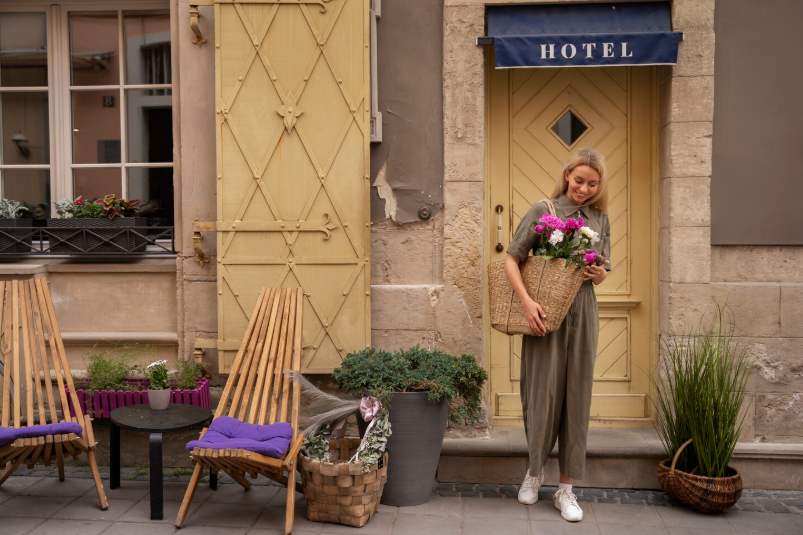
by Dulce Navarro | Nov 21, 2025 | Culture, Europe, Hotels, Lifestyle, Luxury, Travel
The Luxury of Heritage: Staying in UNESCO-Listed Hotels
Introduction: A Meeting of History and Hospitality
For company directors and seasoned travelers who expect both substance and style, staying in a UNESCO-listed hotel offers an experience that transcends conventional luxury. These properties — whether converted palaces, restored monasteries, or carefully preserved manor houses — marry exceptional service with deep cultural value. They allow guests to sleep within living history while enjoying contemporary comforts and discreet, professional hospitality. In this piece I explore why UNESCO-listed hotels matter, how they balance preservation with luxury, and what executives should consider when choosing one for personal travel or corporate retreats.
What Makes a Hotel “UNESCO-Listed”?
Strictly speaking, UNESCO lists sites of outstanding cultural or natural importance, not hotels themselves. However, many hotels operate within or adjacent to UNESCO World Heritage sites — historic districts, architectural ensembles, cultural landscapes, and archaeological zones that enjoy special recognition and protection. A hotel associated with a UNESCO site can offer uniquely authentic surroundings, from original frescoes and vaulted ceilings to gardens and views that are part of the protected landscape. The designation signals exceptional cultural value; for discerning travelers it also implies a responsibility on the part of hoteliers to preserve and interpret that value sensitively.
Why Executives Value Heritage Hospitality
Heritage hotels deliver three strategic advantages that appeal to leaders and corporate planners:
- Distinctive setting: Meetings, dinners, and private receptions staged in historic rooms create memorable impressions that standard venues cannot match.
- Meaningful storytelling: Guests appreciate curated narratives that connect place, craft, and history — useful for brand storytelling and client entertainment.
- Quality and discretion: Many of these properties are boutique in scale and prioritize tailored service, privacy, and refined logistics — qualities executives value highly.
Preservation Meets Modern Comfort
One of the central challenges for hoteliers operating in UNESCO contexts is harmonizing conservation requirements with contemporary guest expectations. Successful properties accomplish this by integrating reversible interventions and sensitive design: modern plumbing, climate control, and discrete connectivity are installed without compromising historic fabric. Lighting and signage are curated; guest rooms are appointed with bespoke furnishings that reference local craft traditions. The result is an environment where heritage is never a gimmick, but a defining element of the guest experience.
Guest Experience: Culture as a Service
Staying in a heritage property is as much about service as setting. Thoughtful concierge teams can curate private access to otherwise restricted sites, arrange guided tours with local historians, or organize after-hours visits for executives seeking exclusive experiences. Culinary programs often emphasize regional terroir and traditional techniques, offering opportunities for private tastings or chef-led workshops. These culturally rooted services transform a hotel stay into a purposeful engagement with place — a powerful advantage for clients, partners, and senior teams.
Choosing the Right UNESCO-Associated Hotel
Not all heritage hotels are equal. When selecting a property for business travel or an executive retreat, consider the following:
- Authenticity: Does the hotel meaningfully interpret its historic role, or is the heritage merely decorative?
- Service capacity: Can the property reliably handle private events, AV needs, and dietary or security requirements?
- Accessibility and logistics: Proximity to airports, private transfer options, and contingency plans for inclement weather are practical musts.
- Sustainability and stewardship: Does the hotel actively invest in preservation and community benefits, and can it document those efforts?
Sustainability and Community Impact
Heritage properties have a responsibility that extends beyond guest comfort: they must be stewards of cultural patrimony and contributors to local economies. Leading hotels work with conservation specialists, employ local artisans, and source food and services regionally. For corporate travelers mindful of ESG commitments, choosing hotels that demonstrate clear conservation and community engagement policies aligns travel choices with broader company values.
Risk Management and Compliance
Executives planning events in UNESCO-associated sites should be aware of unique compliance considerations. Conservation rules may restrict signage, temporary structures, or capacity; event permits can require lead time and negotiation with heritage authorities. Security protocols may be more complex because of fragile interiors. The best approach is to work with the hotel’s event manager early, secure necessary permissions, and build contingency time into the schedule.
Case Uses: When to Choose a Heritage Hotel
Heritage hotels are ideal for specific use cases: intimate board retreats where setting reinforces strategic narrative; high-value client entertainment that benefits from a memorable venue; product launches that tie brand values to craftsmanship and provenance; and leadership off-sites where quiet, reflective settings boost creativity and cohesion. They are less appropriate for large, highly technical conferences with extensive AV and exhibit demands unless the property has the infrastructure or partnered venues to support such needs.
Practical Tips for Planning a Stay
- Engage early: Book and communicate requirements well in advance to allow the property to secure permits and prepare rooms sensitively.
- Ask about personalization: Inquire about private tours, themed dinners, and locally sourced welcome amenities to create a bespoke experience.
- Review contracts: Make sure force majeure, cancellation, and liability clauses reflect the realities of historic settings and conservation rules.
- Factor in sustainability: Request information on how the hotel supports local conservation and community initiatives.
Conclusion
The luxury of heritage is not only about opulence; it’s about context, care, and connection. For company directors who seek purposeful travel — where hospitality supports cultural meaning and environmental responsibility — UNESCO-associated hotels offer a refined alternative to modern anonymity. When chosen and managed with intention, these properties provide unforgettable settings for strategic conversations, client hospitality, and restorative personal time, all while contributing to the preservation of shared global heritage.
Stay Connected for More Travel and Lifestyle Inspiration. For more insights into travel, culture, and lifestyle tips, follow me on Instagram @salvadorordorica. If you’re seeking professional translation and localization services to enhance your global ventures, visit The Spanish Group — your trusted partner in bridging cultures worldwide.
