
by Dulce Navarro | Oct 14, 2025 | Culture, Europe, Experiences, Lifestyle, Luxury, Travel
Secret Literary Salons: High-End Cultural Evenings in Paris
Where Conversation, Curiosity, and Curation Converge
Paris has long been synonymous with intellectual exchange: coffeehouses, publishers, and salons have shaped ideas and artistic movements for centuries. Today, a new generation of salons—intentionally small, highly curated, and often invitation-only—has emerged to satisfy sophisticated appetites for conversation, literature, and cultural communion. These high-end literary evenings are less about celebrity speeches and more about guided discovery: intimate readings, incisive panels, and conversation-driven formats that place depth over volume. For company directors and cultural patrons, these gatherings offer unique opportunities for networking, client hospitality, and authentic engagement with Parisian cultural life.
Historical Roots and Contemporary Reinvention
The Parisian salon tradition dates back to the 17th and 18th centuries, when intellectuals, artists, and patrons gathered in private homes to debate philosophy and art. Modern high-end salons draw from this legacy while adapting to contemporary expectations of privacy, production quality, and cross-disciplinary programming. Hosts now pair established writers and scholars with emerging voices, incorporate performance and music, and use elegant private venues—townhouses, literary cafés after hours, and discreet gallery spaces—to create an atmosphere where ideas can be explored without spectacle.
Curating an Evening: The Art of Selection
The most successful salons are intentional about every element: the theme, the guest list, the sequence of events, and the tonal economy of the evening. Themes may range from a focus on a single author or text to broader investigations—migration narratives, climate imaginaries, or multilingual poetics. Curators select moderators who can steer conversation toward insight rather than platitude, and they often limit audience size to preserve the conversational dynamic. This careful curation is what elevates the salon from a lecture to a living, two-way cultural exchange.
Ambiance & Logistics: Crafting Intimacy
Atmosphere matters. Lighting is soft but focused; seating is arranged to encourage eye contact; sound is handled so that voices remain audible without amplification; and food and drink—if served—are unobtrusive, often artisanal canapés and carefully chosen wines. Hosts attend to arrival flows and introductions so the evening begins with a sense of welcome rather than confusion. For corporate clients or hosts, logistics also include privacy arrangements, discreet entry points, and transportation coordination to ensure guests feel both invited and protected.
Programming Formats That Work
Successful formats vary but share an emphasis on interaction. Common models include: 1) Short readings followed by a moderated discussion and audience Q&A; 2) A staged conversation between two thinkers with a subsequent breakout roundtable for invited guests; 3) A performance-led evening—where music, theater, and text interweave—followed by a salon-style reception. Programs often include multilingual elements, translations, or bilingual moderation to reflect Paris’s international audience.
Who Attends and Why It Matters
Attendees are typically cultural professionals, diplomats, academics, senior executives, and discerning patrons who value meaningful exchange. For company directors, these events are valuable for relationship-building: they provide a neutral, intellectually stimulating environment for hosting clients, rewarding top performers, or sourcing creative thinking for strategic retreats. Importantly, the shared experience of focused dialogue often forges stronger connections than conventional networking mixers.
Etiquette and Expectations
Etiquette at high-end salons privileges listening as much as speaking. Guests are expected to arrive punctually, keep devices muted, and participate with constructive curiosity. Hosts typically set norms at the outset—whether questions will be collected in writing, taken live, or invited after an initial conversation. Dress codes are generally smart-casual to cocktail; the tone is conversational yet respectful. Observing these small courtesies helps preserve the intellectual atmosphere that defines a successful salon.
Organizing or Commissioning a Salon: Practical Tips
For directors interested in organizing a salon—either as a private client event or a public cultural initiative—start with a clear purpose. Define the audience, secure a credible curator or moderator, and enlist a production manager to handle technical details. Budget items should include venue, honoraria for speakers, translation services (if needed), catering, and discreet security if guests require it. Consider partnerships with embassies, cultural institutes, or small publishers: these alliances can expand reach while preserving the intimate scale of the evening.
Measuring Impact: Beyond Attendance
Impact isn’t measured only in attendance numbers. Qualitative outcomes—new partnerships formed, follow-up collaborations, media mentions, and the depth of conversation—are more meaningful indicators. For corporate sponsors, salons can generate goodwill, thoughtful brand alignment, and unique content (recorded conversations, excerpts for newsletters, or commissioned essays) that extend the event’s lifecycle and value.
Final Thoughts: A Strategic Cultural Investment
High-end literary salons in Paris are a refined form of cultural investment. They offer directors and cultural patrons a way to engage with intellectual life on terms that prioritize depth, discretion, and design. Whether hosting an intimate client evening or commissioning a series of salons as part of a broader cultural strategy, the key is thoughtful curation: select voices that provoke curiosity, craft formats that invite exchange, and attend to the details that make conversation possible. In a world saturated by noise and spectacle, the salon remains a uniquely effective venue for meaningful human connection.
Stay Connected for More Travel and Lifestyle Inspiration. For more insights into travel, culture, and lifestyle tips, follow me on Instagram @salvadorordorica. If you’re seeking professional translation and localization services to enhance your global ventures, visit The Spanish Group — your trusted partner in bridging cultures worldwide.

by Dulce Navarro | Oct 14, 2025 | Europe, Experiences, Hotels, Lifestyle, Luxury, Travel
Ultra-Luxury Mountain Retreats Beyond the Alps
Redefining Mountain Hospitality: Where Solitude Meets Service
For discerning travelers and executives seeking refuge from the relentless pace of business, mountain retreats have evolved far beyond rustic cabins and chalet stereotypes. Today’s ultra-luxury mountain properties — found in regions spanning the Pyrenees, the Dolomites, the Scottish Highlands, the Japanese Alps, and the Canadian Rockies — combine peerless design, discreet five-star service, and location-specific experiences that rival the best city hotels. These retreats appeal to people who want both complete privacy and curated access to cultural, gastronomic, and outdoor pursuits.
Design & Architecture: Local Materiality, Global Aesthetics
The strongest mountain retreats balance authenticity with contemporary comfort. Architects and interior designers are embracing local stone, reclaimed timbers, and regionally-sourced textiles while integrating modern glass façades, underfloor heating, and state-of-the-art home automation. The result is a tension between context and comfort — spaces that visibly belong to their valleys and peaks yet deliver the seamless technology and refined finishes expected by international clientele. Bespoke furnishings, artisan ceramics, and curated art collections often provide quietly luxurious touches that tell a story of place.
Service Philosophy: Anticipation Over Reaction
Exceptional mountain hospitality hinges on staff who anticipate needs without intrusion. Retreats dedicated to ultra-luxury invest heavily in discreet staffing models: private chefs versed in local and international cuisine, butlers trained in white-glove service, private guides familiar with microclimates and terrain, and concierge teams that can secure anything from a helicopter transfer to a private museum tour. Many properties offer 24/7 in-house medical support, sommeliers who design private tastings, and wellness professionals who create bespoke spa and recovery programs tailored to each guest.
Curated Experiences: Beyond Skiing and Hiking
While skiing and alpine trekking remain central draws, ultra-luxury retreats differentiate themselves through deeply curated experiences. Think moonlit snowshoe treks with a private lantern guide, heliskiing to untouched powder fields, guided foraging and private cooking classes with Michelin-trained chefs, or cultural immersions such as private concerts in historic chapels. In summer months, high-altitude picnics with a botanist, fly-fishing expeditions on secluded streams, and bespoke mountain-bike routes are often on offer. These tailored activities transform a stay from a passive escape into a personalized narrative.
Wellness & Recovery: Alpine Medicine Meets Luxury Spa
Luxury mountain retreats increasingly blur the lines between spa, clinic, and retreat center. Programs now often combine traditional thermal therapies, cryotherapy, altitude-adapted fitness regimens, and evidence-based recovery protocols guided by physiotherapists and doctors. Sleep optimization, breathwork adapted to higher elevations, and nutrition plans that respect local produce are common. For executives, this means a weekend that genuinely replenishes energy, not simply a scenic pause — an attractive proposition when measurable rest and recovery affect performance.
Privacy & Security: The Invisible Infrastructure
Ultra-luxury guests expect discretion as much as beauty. Security teams, private access roads, and secure helipads are often integrated with local authorities to ensure privacy without creating an overt fortress atmosphere. Many properties offer fully private compounds or book entire estates to maintain exclusivity. In high-profile cases, retreats coordinate with personal security details and design arrival and departure flows that minimize exposure, enabling guests to focus on the restorative experience.
Sustainability: Regenerative Practices That Respect Place
Sustainability in ultra-luxury contexts has matured from token gestures to rigorous commitments: on-site hydro and solar microgrids, waste-reduction programs, reclaimed-material construction, and investments in local conservation. Leading retreats also develop regenerative partnerships with neighboring communities — funding trail restoration, supporting mountain schools, and prioritizing local hiring. For planners and company directors vetting properties for corporate retreats, these practices are increasingly non-negotiable: they align with ESG priorities and ensure the long-term resilience of the landscapes that host these escapes.
Choosing the Right Retreat for Your Team
Selecting an ultra-luxury mountain retreat requires matching purpose to place. Is the objective executive team cohesion, creative strategy work, rest and recovery, or client hospitality? For strategy off-sites, choose properties with flexible meeting spaces and high-bandwidth connectivity. For renewal-focused retreats, prioritize spa facilities, private wellness practitioners, and nature immersion. For client entertainment, look for bespoke cultural programming and logistics teams experienced with VIP itineraries. A site visit or detailed virtual tour is essential before commitments are made.
Final Thoughts
Ultra-luxury mountain retreats beyond the Alps represent an elegant synthesis of place, service, and purpose. They offer more than scenic vistas: they are intentionally designed ecosystems that support deep relaxation, strategic thinking, and meaningful cultural encounters. For company directors planning transformative experiences — whether for leadership teams or valued clients — these retreats provide an opportunity to curate memories that reinforce brand values and human connection in ways city boardrooms cannot.
Stay Connected for More Travel and Lifestyle Inspiration. For more insights into travel, culture, and lifestyle tips, follow me on Instagram @salvadorordorica. If you’re seeking professional translation and localization services to enhance your global ventures, visit The Spanish Group — your trusted partner in bridging cultures worldwide.
by Dulce Navarro | Oct 13, 2025 | Consumer, Culture, Europe, Lifestyle, Luxury, Shopping
Private Vintage Market Shopping with a Parisian Expert
Introduction
Paris has long been a global hub of fashion, art, and culture. For travelers seeking unique, high-quality pieces, exploring vintage markets with a Parisian expert offers a rare opportunity to uncover hidden gems. From designer clothing to rare accessories, these curated excursions provide a blend of history, style, and personalized guidance that transforms a shopping trip into a memorable cultural experience.
The Allure of Parisian Vintage Markets
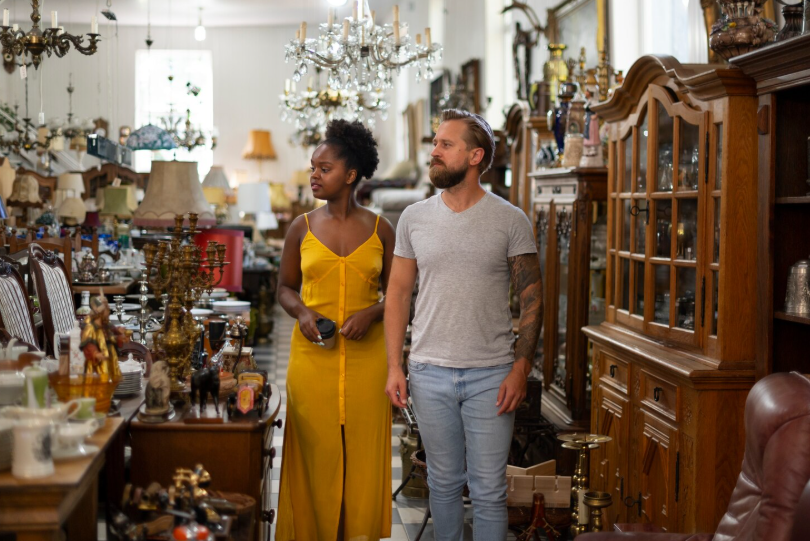
Vintage markets in Paris are more than just places to shop—they are living museums of fashion history. Many markets, such as Marché aux Puces de Saint-Ouen or Marché Vintage Rétro, host vendors who specialize in meticulously preserved pieces spanning decades. The appeal lies not only in the quality and uniqueness of the items but also in the stories behind them: each garment or accessory carries a slice of Parisian style history.
Why a Parisian Expert Makes a Difference
Navigating the maze of stalls and shops in large vintage markets can be overwhelming, especially for first-time visitors. A Parisian expert brings:
- Local Knowledge: An expert knows which vendors consistently offer authentic and high-quality pieces.
- Insider Access: Some items or collections are only available through trusted contacts or private stalls.
- Authenticity Verification: Experts can distinguish genuine designer items from replicas, saving time and ensuring confidence in your purchases.
- Personalized Guidance: From sizing and styling to historical context, the expert provides insights that enhance the shopping experience.
Planning Your Private Vintage Shopping Experience
Organizing a private vintage shopping tour requires thoughtful planning to maximize the experience:
- Scheduling: Booking a private guide in advance ensures that you receive dedicated attention and a customized route through the market.
- Priorities: Identify the types of items you are most interested in—designer handbags, vintage clothing, jewelry, or rare accessories—so your guide can focus on relevant vendors.
- Budgeting: While vintage finds can be surprisingly affordable, setting a budget helps prioritize must-have items without overspending.
- Time Allocation: A guided shopping session may last several hours; plan enough time to explore, try on items, and enjoy the full experience.
Top Parisian Vintage Markets to Explore
Several markets stand out for their exceptional selection and accessibility:
- Marché aux Puces de Saint-Ouen: Often referred to as the world’s largest antique market, it hosts hundreds of vendors offering everything from mid-century fashion to rare designer pieces.
- Marché Vintage Rétro: Focused on clothing and accessories from the 20th century, this market attracts collectors and fashion enthusiasts seeking curated selections.
- Le Marché Paul Bert: Known for luxury vintage items, this section of Saint-Ouen offers designer finds in excellent condition, perfect for those seeking investment pieces.
- Marché aux Puces de Vanves: Smaller but equally charming, Vanves provides a more intimate atmosphere and hidden treasures off the beaten path.
Maximizing Your Experience
To get the most from your private vintage shopping excursion:
- Engage with Vendors: Ask about the history of items and vendor expertise; it enhances both knowledge and rapport.
- Try Before You Buy: Sizing can vary significantly, so personal fittings are essential when selecting clothing.
- Consider Preservation: Seek advice on caring for delicate fabrics, vintage leather, or antique jewelry to maintain your acquisitions for years.
- Mix Discovery with Leisure: Pair the shopping tour with café breaks or cultural visits nearby for a holistic Parisian experience.
The Benefits of Private Guidance
Working with a Parisian expert transforms a typical shopping outing into an educational and memorable journey:
- Efficiency: Avoid wandering aimlessly through extensive markets; the expert leads you directly to the most relevant stalls.
- Curated Selections: Gain access to the best items that match your taste and style preferences.
- Insider Tips: Receive guidance on pricing, negotiation, and the market’s rhythm, which is invaluable for first-time visitors.
- Enhanced Enjoyment: Beyond the items themselves, enjoy stories, history, and insight that bring each piece to life.
Combining Vintage Shopping with Parisian Culture
Vintage shopping in Paris is an immersive cultural activity. Each market visit introduces travelers to the rhythm of Parisian life, the artistry of fashion, and the city’s layered history. Guided tours often include anecdotes about designers, fashion trends, and hidden gems that elevate the shopping experience beyond commerce.
For those who appreciate storytelling, history, and style, this combination provides a richer, more meaningful connection with the city.
Conclusion
A private vintage market shopping experience with a Parisian expert offers travelers a rare chance to combine luxury, history, and insider knowledge. From identifying authentic designer pieces to enjoying an enriched cultural experience, this approach transforms shopping into an artful exploration of Paris itself. Whether seeking statement pieces, investment items, or simply a memorable adventure, guided vintage shopping ensures a curated, rewarding journey through the city’s fashion heritage.
Stay Connected for More Travel and Lifestyle Inspiration. For more insights into travel, culture, and lifestyle tips, follow me on Instagram
@salvadorordorica. If you’re seeking professional translation and localization services to enhance your global ventures, visit
The Spanish Group — your trusted partner in bridging cultures worldwide.

by Dulce Navarro | Oct 13, 2025 | Consumer, Europe, Experiences, Fashion, Lifestyle, Luxury, Travel
Europe’s Most Opulent Designer Shopping Streets
Introduction
For discerning travelers and industry insiders, Europe’s great designer shopping streets are more than retail corridors — they are living archives of style, craftsmanship, and cultural prestige.
From the couture ateliers of Paris to the jewelry houses of Zurich and the sartorial ateliers of Milan, these streets offer curated encounters with heritage brands, bespoke services, and immersive luxury experiences.
This guide highlights some of the continent’s most opulent shopping avenues, offering practical context for travelers who want to plan purposeful visits or build meaningful relationships with designers and retailers.
Via Monte Napoleone — Milan
At the heart of Milan’s Quadrilatero della Moda, Via Monte Napoleone (often written Via Montenapoleone) epitomizes Italian luxury.
The street hosts flagship boutiques from top Italian and international maisons, private showrooms, and ateliers where bespoke shoes, leather goods, and haute joaillerie are presented with discretion and ceremony.
Milanese retail on this scale is intentionally intimate: appointments, private viewings, and made-to-order services are the norm.
Via Monte Napoleone has been widely recognized as one of the most expensive and sought-after retail streets in the world, a status that reflects both property values and the concentration of high-end commerce. :contentReference[oaicite:0]{index=0}
Avenue Montaigne & Rue du Faubourg Saint-Honoré — Paris
Paris organizes luxury around a handful of short but potent streets. Avenue Montaigne has long been synonymous with couture — Christian Dior famously established his house there in the late 1940s — and the avenue remains a center for bespoke couture houses and flagship stores that define the language of French elegance.
Nearby Rue du Faubourg Saint-Honoré complements Montaigne with a mix of established fashion houses, diplomatic boutiques, and discrete private showrooms.
For travelers, these streets provide access to atelier visits, private trunk shows, and the possibility of backstage or gallery experiences during Fashion Week and seasonal presentations. :contentReference[oaicite:1]{index=1}
New Bond Street & Old Bond Street — London
Bond Street in Mayfair has been a magnet for luxury retail and art dealers since the eighteenth century. New Bond Street in particular concentrates haute couture, high jewelry, and the world’s most visible luxury flagships.
The street’s prestige is backed by long-standing auction houses, jewellers, and bespoke tailors — together they make Bond Street a quintessential stop for collectors and style-minded travelers seeking curated purchases and white-glove service.
While the retail landscape evolves, Bond Street remains one of Europe’s most expensive and influential shopping addresses. :contentReference[oaicite:2]{index=2}
Bahnhofstrasse — Zurich
Bahnhofstrasse, Zurich’s principal shopping avenue, reads like a catalog of Swiss luxury: watches, gemstones, and refined leather goods dominate the storefronts.
Long celebrated for its concentration of watchmakers and jewelers, the street is a center for clients who prioritize craftsmanship and provenance.
Beyond transactions, Bahnhofstrasse offers private appointments and the kind of discretion international buyers value when acquiring timepieces or high-jewelry pieces. :contentReference[oaicite:3]{index=3}
Other Notable Streets to Consider
Europe’s landscape of opulent retail extends beyond the handful of headline avenues. Cities such as Barcelona (Passeig de Gràcia), Madrid (Calle Serrano), Düsseldorf (Königsallee), and Vienna (Graben and Kohlmarkt) each offer localized expressions of luxury — from artisanal ateliers to multi-brand concept stores and department store salons.
These streets are often ideal for travelers who want high-quality goods without the intense tourism of the continent’s most famous thoroughfares, and they frequently provide exceptional concierge-level services and regional specialities.
How to Approach These Streets — Practical Advice
Visiting Europe’s most opulent shopping streets successfully requires more than a credit card: it requires preparation and cultural intelligence.
- Arrange appointments. Many flagships and ateliers welcome visitors by appointment; scheduling in advance unlocks private showings and bespoke services.
- Leverage a local concierge. High-end hotels, travel concierges, and specialised luxury travel planners can secure previews, fittings, and transportation that respect your time and privacy.
- Ask about services. Inquire about alterations, bespoke commissions, tax-refund procedures, and secure shipping — these are often part of the white-glove offer but may require advance coordination.
- Be mindful of etiquette. Professionalism and clear intent — whether you’re a buyer, collector, or journalist — will open doors that casual browsing won’t.
Why Professional Services Matter
When navigating multilingual contracts, export paperwork, or bespoke commissions, the right professional support makes a difference.
Translation and localization services help ensure that technical specifications, warranty terms, and bespoke instructions are accurately communicated — reducing friction when working across jurisdictions or negotiating high-value acquisitions.
For companies and private clients alike, partnering with specialists streamlines transactions and protects the integrity of bespoke orders.
Final Thoughts
Europe’s opulent designer streets are gateways to heritage, craft, and personalized service. Whether your ambition is to collect a singular couture piece, commission bespoke leatherwork, or simply experience the theatre of luxury retail, approach these streets with curiosity, preparation, and respect for the traditions that sustain them.
A considered visit — one that privileges relationships over impulse — can yield not just purchases but lasting connections with makers and houses that define modern luxury.
Stay Connected for More Travel and Lifestyle Inspiration. For more insights into travel, culture, and lifestyle tips, follow me on Instagram
@salvadorordorica. If you’re seeking professional translation and localization services to enhance your global ventures, visit
The Spanish Group — your trusted partner in bridging cultures worldwide.
by Dulce Navarro | Oct 13, 2025 | Europe, Experiences, Fashion, Languages, Lifestyle, Travel
Exclusive Access to Paris Fashion Week for Travelers
Introduction: Why Paris Fashion Week Matters
Paris Fashion Week is more than a sequence of runway shows; it is the heartbeat of global fashion.
For travelers seeking a rarefied cultural experience, gaining exclusive access to Paris Fashion Week
offers a unique window into creativity, craftsmanship, and the networks that shape style worldwide.
Whether you are a discerning leisure traveler, a luxury client, or a professional seeking industry
connections, the right preparation turns a trip into a once-in-a-lifetime immersion in haute couture
and cutting-edge design.
Types of Exclusive Access
“Exclusive access” comes in several forms, each suited to different traveler profiles:
- Official Accreditation: Invitations to runway shows and press events reserved for industry professionals, buyers, and editors.
- Client and VIP Programs: Designer-hosted experiences, private showings, and showroom appointments arranged for high-net-worth clients.
- Off-calendar Events: Intimate salons, pop-up dinners, and private presentations that occur around the official schedule.
- Backstage and Atelier Visits: Studio tours and artisan demonstrations offering insight into the craft behind the collections.
How Travelers Can Secure Exclusive Access
Securing exclusive access requires a strategic blend of timing, relationships, and presentation:
- Plan Early: Many invitations and VIP packages are allocated months in advance. Start planning as soon as dates are announced.
- Leverage Professional Credentials: If you work in fashion, media, retail, or related fields, request accreditation through official channels and highlight past professional work.
- Use Trusted Intermediaries: Concierge services, luxury travel planners, and specialized PR firms often have relationships with designers and show producers and can negotiate invitations or private viewings on your behalf.
- Attend Related Events: Industry mixers, trunk shows, and trade fairs that precede Fashion Week can be an effective way to build relationships and receive invitations.
- Demonstrate Serious Interest: When contacting showrooms or designers, present a clear purpose—buyer, collector, press, or patron—and provide references where possible.
Planning Your Trip: Practical Considerations
Travel logistics are vital to turning an invitation into a seamless experience. Consider these practical elements:
- Location and Timing: Book accommodations near central arrondissements (1st, 8th, 16th) to minimize transit time between venues.
- Transportation: Arrange private transfers or use ride services with local knowledge to navigate tight schedules between shows.
- Schedule Buffer: Allow padding between appointments for potential overruns, security checks, or photo opportunities.
- Documentation: Keep digital and physical copies of invitations, confirmations, and accreditation badges at hand—some venues require printed credentials.
Etiquette and Cultural Intelligence
Fashion Week events have their own codes of conduct. Observing proper etiquette will enhance your reputation and future access:
- Dress Appropriately: While creativity is encouraged, aim for a polished look that respects the brand’s aesthetic.
- Respect Timelines: Arrive on time and avoid late exits that could disrupt live recordings or media stations.
- Network Thoughtfully: Introduce yourself with clarity about your role or interest; quality contacts matter more than quantity.
- Seek Permission Before Photographing: Many private presentations restrict photography—ask first to avoid compromising relationships.
Maximizing the Experience: Beyond the Runway
Exclusive access is not confined to sitting in the front row. Consider these high-value experiences:
- Private Showrooms: One-on-one appointments with designers or their sales teams offer the chance to preview collections and place orders.
- Atelier Visits: A visit to a couture atelier reveals the hands-on work of pattern-makers, embroiderers, and seamstresses.
- Cultural Programming: Pair Fashion Week with cultural excursions—museums, private gallery viewings, or historical tours—to deepen the trip’s narrative.
- Curated Shopping: Use access to secure early pieces, bespoke fittings, or exclusive commissions unavailable to the general public.
How Professional Services Enhance Access
Language, localization, and precise communication often make the difference in securing invitations and negotiating terms.
Professional translation and cultural consulting ensure your outreach is respectful, context-aware, and effective—particularly when
engaging with French houses or local partners. For travelers whose business depends on clear cross-cultural communication, investing in
specialized services is an efficiency multiplier.
Final Tips and Takeaways
Exclusive access to Paris Fashion Week is attainable with the right approach: start early, cultivate professional relationships,
use trusted intermediaries, and plan logistics meticulously. Focus on relationships and the long-term value of goodwill—today’s
respectful interaction can lead to tomorrow’s invitation. Above all, let curiosity guide you: an informed traveler gains far more
from Fashion Week than an itinerary alone can promise.
Stay Connected for More Travel and Lifestyle Inspiration. For more insights into travel, culture, and lifestyle tips, follow me on
Instagram @salvadorordorica. If you’re seeking professional translation and localization services to enhance your global ventures, visit
The Spanish Group — your trusted partner in bridging cultures worldwide.
by Dulce Navarro | Oct 10, 2025 | Europe, Experiences, Lifestyle, Luxury, Travel
Chartering Private Yachts Along Europe’s Atlantic Coast
Introduction
For company directors and seasoned travelers who demand privacy, efficiency, and elevated experiences, chartering a private yacht along Europe’s Atlantic coast offers an incomparable blend of adventure and executive comfort. From the sun-soaked marinas of Portugal to the dramatic cliffs of Brittany and the timeless harbors of Ireland, this route presents variable seascapes, sophisticated port infrastructure, and an opportunity to create bespoke itineraries that align with both personal and corporate priorities.
Why Choose the Atlantic Coast?
The Atlantic corridor of Europe delivers diversity in climate, culture, and coastline in relatively short sailing distances. Directors who charter here can move quickly between cosmopolitan hubs and secluded coves while enjoying world-class dining, historic sites, and premium marinas with professional services. The region’s robust maritime industry supports high standards for safety, maintenance, and crew professionalism—key factors for executives who require reliability and discretion.
Key Destinations and What They Offer
Portugal: Algarve, Lisbon, and Porto
Portugal combines excellent marina facilities with vibrant coastal culture. The Algarve offers sheltered anchorages and luxury ports; Lisbon presents unrivaled city access and cultural depth; Porto provides elegant river and coastal experiences. Portugal’s well-developed yachting services make logistics straightforward—ideal when time is a premium.
Spain: Galicia and the Basque Coast
Galicia’s rugged coastline hides quiet estuaries and professional marinas such as Vigo and A Coruña. Moving eastward, the Basque coast—including San Sebastián and Bilbao—offers culinary excellence and a refined cultural scene. These ports are well suited for executives who combine business with gastronomy and regional visits.
France: Brittany, Loire-Atlantique, and the Bay of Biscay
Brittany’s dramatic shorelines, historic ports like Saint-Malo and Brest, and family-owned oyster farms provide an authentic Atlantic experience. The Loire-Atlantique coast (La Baule, La Rochelle, Île de Ré) offers upscale marinas and a gateway to Bordeaux’s vineyards. French marinas typically have high standards for provisioning and crew support—important for uninterrupted itineraries.
United Kingdom and Ireland: Cornwall to Galway
Cornwall’s secluded coves and the Isles of Scilly are attractive for private anchorages, while ports like Falmouth and Plymouth combine excellent facilities with quick access to London. Ireland’s west coast—Kinsale, Galway, and the Aran Islands—delivers sweeping scenery and rich cultural stops that appeal to guests seeking an immersive experience.
Charter Types and Vessel Selection
Selecting the right vessel depends on guest count, desired comfort level, and itinerary demands. Motor yachts are ideal for covering longer distances quickly; sailing yachts offer a more intimate, environmentally conscious experience; catamarans provide stability and space for executive meetings afloat. Consider onboard amenities—conference space, reliable connectivity, and dedicated crew—to ensure the vessel supports both leisure and business objectives.
Seasonality and Weather Considerations
The peak charter season runs from late spring through early autumn. This period typically offers the best weather, calmer seas, and full marina service availability. Shoulder seasons can be advantageous for privacy, lower costs, and dramatic coastal light, but they carry increased weather variability. Always plan flexible schedules and consult up-to-date meteorological services before departure.
Operational Logistics
Efficient charters prioritize pre-arrival planning: berth reservations, customs and immigration paperwork (Schengen rules apply in many ports), provisioning, and local permits. Work with an experienced charter broker or agent who understands local port rules and can coordinate on-the-ground services—crew changes, provisioning of specialty foods and wines, transportation, and concierge arrangements.
Safety, Compliance, and Insurance
Safety must be non-negotiable. Ensure the charter company maintains up-to-date certifications, that the vessel complies with international maritime safety standards, and that insurance covers both hull and third-party liabilities. Confirm crew qualifications, medical kits, and emergency procedures on board. For corporate charters, review contractual terms on liability, cancellation, and force majeure carefully.
Cost Considerations and Budgeting
Charter costs vary based on yacht size, season, duration, and included services. Expect to budget for the base charter fee plus fuel, provisioning, mooring fees, VAT or local taxes, and crew gratuities. Directors often negotiate packages that include bespoke itineraries, event arrangements, and additional security or privacy services—factors that can add significant value to the experience.
Sustainability and Local Engagement
Many companies now offer eco-conscious options—low-emission vessels, waste management plans, and partnerships with local conservation initiatives. Engaging with local suppliers and communities not only supports regional economies but can elevate guest experiences through curated culinary, cultural, and nature-driven encounters.
Final Recommendations for Directors
1. Engage a trusted broker: A seasoned broker streamlines procurement, negotiations, and logistics.
2. Prioritize connectivity: Confirm satellite or 4G/5G capabilities if business continuity is required.
3. Plan for contingencies: Weather, mechanical issues, and schedule changes demand flexibility.
4. Insist on transparency: Clear contracts and itemized costs prevent surprises.
5. Consider concierge services: Private transfers, reservations, and VIP experiences maximize time ashore.
Conclusion
Chartering a private yacht along Europe’s Atlantic coast presents a strategic blend of privacy, efficiency, and unparalleled experiences—tailorable for corporate leaders who expect excellence. With careful vessel selection, deliberate planning, and the right partnerships, a charter can become a productive and restorative extension of your executive lifestyle.
Stay Connected for More Travel and Lifestyle Inspiration. For more insights into travel, culture, and lifestyle tips, follow me on Instagram
@salvadorordorica. If you’re seeking professional translation and localization services to enhance your global ventures, visit The Spanish Group
https://www.instagram.com/thespanishgroup/?hl=en — your trusted partner in bridging cultures worldwide.
