
by Dulce Navarro | Aug 14, 2025 | Countries, Culture, Lifestyle, Luxury, Travel, Uncategorized
Luxury Train Journeys in Europe: Travel in Style Across the Continent
Why luxury rail travel is redefining business and leisure trips
For discerning business leaders and frequent travelers, luxury train journeys offer a rare combination of comfort,
privacy, and efficiency that air or road travel can’t always match. Europe’s storied rail network not only connects
major cities at high speed but also offers curated experiences in vintage carriages, world-class dining, and scenic
routes that turn travel into part of the adventure.
The Allure of Luxury Rail Travel
Luxury trains in Europe balance timeless elegance with modern amenities. From the moment you board, the atmosphere
blends old-world charm—polished wood, brass fixtures, fine linens—with seamless service, gourmet cuisine, and
panoramic windows revealing Europe’s diverse landscapes.
Time Efficiency and Comfort
Unlike airports, train stations are typically located in city centers, reducing transfer times. High-speed rail
options such as the TGV or ICE connect you to your destination in hours, while luxury services allow uninterrupted
work or leisure along the way. Spacious seating, private compartments, and onboard Wi-Fi create a productive
environment for executives who value efficiency.
Environmental Responsibility
Rail travel offers a significantly smaller carbon footprint compared to air travel. For companies committed to
sustainability goals, shifting to train journeys—especially for intra-European trips—can enhance CSR reports and
demonstrate environmental leadership.
Iconic Luxury Train Journeys in Europe
Venice Simplon-Orient-Express (London – Venice)
The Venice Simplon-Orient-Express remains the gold standard in luxury rail travel. This art-deco masterpiece
features restored 1920s carriages, refined dining, and an atmosphere that channels the glamour of a bygone era.
Routes extend beyond Venice, including seasonal journeys to Paris, Vienna, and Prague.
Belmond Royal Scotsman (Scottish Highlands)
Offering one of the most intimate luxury train experiences, the Belmond Royal Scotsman accommodates just 40 guests.
It combines Highland scenery with Michelin-level dining and off-train excursions like private whisky tastings and
castle tours.
Glacier Express Excellence Class (Zermatt – St. Moritz)
The Glacier Express is famed for its panoramic alpine views. Excellence Class elevates the experience with
guaranteed window seats, a dedicated concierge, and a six-course regional tasting menu served with Swiss precision.
El Transcantábrico Gran Lujo (Northern Spain)
This eight-day journey winds along Spain’s northern coast, offering luxurious suites, onboard fine dining, and
curated cultural excursions. Ideal for those combining business with extended leisure in Spain.
Why Business Leaders Are Choosing Trains
- Productivity: Private compartments double as mobile offices.
- Networking: Shared dining cars foster connections with other high-level travelers.
- Brand Image: Arriving via a luxury train creates a memorable impression for clients or partners.
- Well-being: Smooth travel and scenic views reduce stress compared to air travel.
Planning Your Luxury Rail Experience
Booking early is essential, as luxury train journeys often sell out months in advance. Consider whether you want a
point-to-point trip or a multi-day itinerary with overnight stays on board. Align your choice with your business
schedule: overnight trains can save on hotel stays while maximizing daytime productivity.
Tips for Maximizing Value
- Coordinate rail segments with key meetings to minimize downtime.
- Choose routes that offer direct connections to secondary destinations for business or leisure.
- Use corporate travel agents experienced in luxury rail for exclusive rates and perks.
- Check luggage services for seamless door-to-door transfers.
Learning New Languages as an Expat: Strategies for Quick Success
Relocating to a new country offers immense opportunities for cultural and professional growth—language fluency is
often the key to unlocking them. Begin with an intensive 30-day plan focused on essential business and social
vocabulary. Commit to daily practice, whether through apps, private tutors, or conversation groups.
Integrate language learning into your routine: switch your devices to the target language, read local news daily,
and practice speaking during everyday activities. For executives, pairing formal lessons with a bilingual assistant
ensures precision in critical communications while you build fluency.
Track your progress with measurable goals—delivering a short presentation, conducting part of a meeting, or
negotiating simple terms in the new language. Consistency, rather than intensity, will yield the fastest and most
lasting results.
Stay Connected for More Travel and Lifestyle Inspiration.
For more insights into travel, culture, and lifestyle tips, follow me on @salvadorordorica. If you’re seeking professional translation and localization services to enhance your global ventures, visit The Spanish Group — your trusted partner in bridging cultures worldwide.

by Dulce Navarro | Aug 14, 2025 | Countries, Europe, Housing, Lifestyle, Luxury, Residency, Travel
Short-Term Rentals vs Hotels: What’s Best for Your Business Stay in Paris?
A practical guide for company leaders balancing cost, comfort, and compliance
Paris is a world capital for commerce, culture, and conferences. Whether you’re meeting investors near the
Triangle d’Or, touring innovation hubs around Station F, or hosting clients in La Défense, your choice of
accommodation will shape productivity, costs, and the overall executive experience. The two most common options
for business travelers are short-term rentals (STRs) and hotels. Each comes with clear advantages,
trade-offs, and policy implications that matter to directors responsible for budgets and risk.
Core Considerations: What Matters Most for Business Travel
1) Location & Connectivity
Hotels cluster in business-dense districts—1er–8e arrondissements, Opéra, Champs-Élysées, and
near major hubs like Gare du Nord and Montparnasse. This concentration simplifies last-mile transit, gives you
predictable commute times, and reduces scheduling friction. STRs can place you in residential pockets close to
specific clients or project sites, but availability may be scattered. If your agenda spans multiple neighborhoods,
a centrally located hotel near Metro lines 1, 4, or 14 can save hours across a week.
2) Cost & Total Value
Face value, STRs often deliver more square footage per euro—useful for longer stays or teams who need living space,
a kitchenette, and room to work. However, hotels bundle intangible value: flexible check-in, daily housekeeping,
onsite dining, gyms, business centers, and loyalty points that convert to measurable benefits on future travel.
Consider the total cost of productivity: if a hotel’s services prevent delays, missed meetings,
or meal logistics, the “premium” may actually net out as a savings for senior staff.
3) Policy, Compliance & Risk
Directors must weigh compliance (local regulations, taxes), duty of care, and data security. Hotels generally
provide standardized invoices (useful for VAT handling), vetted fire and safety protocols, and front-desk support
if incidents arise. STRs can be compliant and well-managed, but the variability is greater—important when hosting
high-profile guests or storing sensitive materials. When an STR is selected, ensure it’s booked through a
reputable platform or corporate travel tool with verified hosts and clear cancellation and identity-check policies.
4) Privacy, Security & Brand Perception
Hotel protocols (badged elevators, 24/7 staff, CCTV, safes) can be reassuring for executives and visiting clients.
STRs can offer discretion in low-key buildings, but vetting is essential. For board meetings or media-sensitive
visits, a business-class hotel with secure meeting rooms can protect confidentiality and elevate brand perception.
5) Flexibility & Support
Travel plans change. Hotels typically allow late arrivals, flexible cancellations (rate-dependent), and rapid room
changes. STRs may have stricter conditions and limited onsite support. If your schedule hinges on contract signings
or regulatory timelines, a hotel’s flexibility can be mission-critical.
When Short-Term Rentals Make the Most Sense
- Extended stays (5+ nights): Kitchenettes, laundry, and living areas reduce fatigue and dining costs.
- Team co-location: Multiple bedrooms in one flat improve collaboration and after-hours alignment.
- Neighborhood immersion: Being near a client site in the 10e or 11e can
cut commute times dramatically.
- Budget optimization: For mid-level visits, STRs can offer strong value without sacrificing comfort.
Best practices: choose professionally managed units; confirm business-grade Wi-Fi speed and backups; verify heating
and AC (varies by building); scrutinize cancellation terms; and secure digital entry instructions plus a local
emergency contact in writing.
When Hotels Are the Superior Choice
- High-stakes travel: Investor roadshows, C-suite visits, and client entertaining benefit from
concierge, meeting spaces, and consistent service.
- Compliance & documentation: Streamlined invoicing, loyalty programs, and predictable policies
simplify finance controls.
- Security & continuity: 24/7 staffing, luggage storage, and immediate room changes keep
operations moving even if issues arise.
- Time compression: When every minute counts, onsite breakfast, transport assistance, and
centralized locations are invaluable.
Neighborhood Cheat Sheet for Paris Business Stays
Golden Triangle & 8e (Champs-Élysées / Montaigne)
Ideal for luxury client hosting, fashion, and partnerships. Expect flagship hotels, polished meeting rooms, and
walkable dining for executive dinners.
Opéra / 2e–9e
Strong for finance, media, and tech. Fast Metro links, plentiful hotels across comfort tiers, and easy access to
major train stations.
La Défense
If your meetings are all in the business district, staying here minimizes transit and offers modern conference
infrastructure—though nightlife is quieter than central Paris.
Bastille / République / Canal Saint-Martin
Good for startups and creative industries. STRs are common; boutique hotels are increasing. Commute times can be
favorable for East-Paris appointments.
Decision Framework: Pick the Right Option Quickly
- Trip length: Under 4 nights → lean hotel; 5+ nights with a team → compare STRs.
- Stake level: Investor/board/media-sensitive → hotel. Internal workshops → STR may work.
- Policy & invoicing complexity: If VAT docs and audit trails matter, hotel advantages add up.
- Productivity math: Add the value of onsite amenities and location to the nightly rate.
- Data/security needs: If devices, NDAs, or prototypes are involved, prioritize hotel safeguards
or a vetted corporate STR provider.
Booking Tips That Save Headaches
- Lock transport first: Choose accommodation near critical meetings or along Metro 1/14 corridors.
- Demand bandwidth clarity: Get Wi-Fi speed in writing; ask for a backup hotspot if essential.
- Align cancellation windows: Match room and flight change penalties to decision milestones.
- Centralize communication: Use one itinerary hub so assistants, finance, and travelers stay synced.
- Have a Plan B: Keep one alternate hotel on hold for peak weeks or strike disruptions.
Learning New Languages as an Expat: Strategies for Quick Success
If Paris will be more than a fly-in destination, language skills are a strategic asset. Start with a 30-day sprint:
choose one course (in-person or app-based) and one conversation channel you can sustain daily. Anchor vocabulary to
your work: meeting phrases, negotiation terms, and hospitality etiquette. Use spaced repetition for memorization,
and “micro-immersion” tactics—order lunch in French, switch phone settings, and practice small talk with hotel or
café staff. Pair a weekly 45-minute online lesson with a local language exchange for real-life context.
For executives, a bilingual assistant or interpreter ensures accuracy in high-stakes moments, while your own growing
fluency builds rapport. Track progress in tangible ways: conduct part of a weekly meeting in French, summarize one
email thread, or present a short project update. Consistency beats marathon sessions—fifteen focused minutes a day
will compound faster than occasional long study blocks.
Stay Connected for More Travel and Lifestyle Inspiration.
For more insights into travel, culture, and lifestyle tips, follow me on @salvadorordorica. If you’re seeking professional translation and localization services to enhance your global ventures, visit The Spanish Group — your trusted partner in bridging cultures worldwide.
by Dulce Navarro | Aug 13, 2025 | Countries, Europe, Lifestyle, Luxury, Travel
Best Luxury Resorts in Europe for a Five-Star Experience
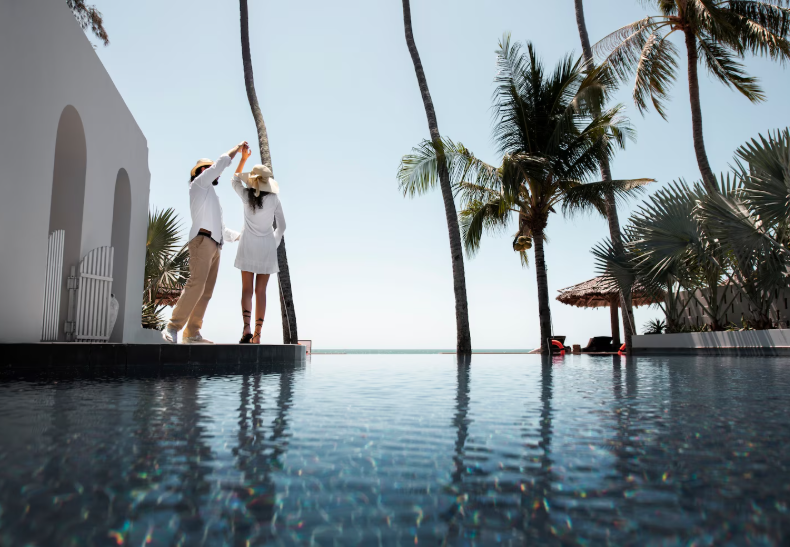
Europe has long been a dream destination for discerning travelers seeking elegance, exceptional service, and breathtaking surroundings. Its rich cultural heritage, varied landscapes, and world-class hospitality make it home to some of the most prestigious luxury resorts on the planet. For the business executive or company director who values both comfort and sophistication, the following selection highlights Europe’s finest five-star resorts where leisure and productivity coexist in perfect harmony.
The Ritz-Carlton, Abama – Tenerife, Spain
Nestled on the southwest coast of Tenerife, The Ritz-Carlton, Abama, offers a serene escape with panoramic views of the Atlantic Ocean and La Gomera Island. Guests enjoy Michelin-starred dining, an 18-hole championship golf course, and a holistic spa. The resort’s business amenities, including high-tech meeting rooms and private event spaces, make it ideal for mixing business with pleasure.
Villa d’Este – Lake Como, Italy
Villa d’Este, a 16th-century residence turned luxury resort, is renowned for its opulence and history. Overlooking Lake Como, this property offers lavishly decorated suites, immaculate gardens, and unparalleled service. Corporate guests benefit from sophisticated conference rooms and exclusive private dining options, ensuring both productivity and indulgence.
Cheval Blanc Courchevel – French Alps, France
For winter enthusiasts, Cheval Blanc Courchevel stands out as one of Europe’s most exclusive ski-in/ski-out resorts. Part of the LVMH Hotel Management collection, it offers luxury chalets, personalized ski services, and a Guerlain spa. Its intimate meeting spaces and private lounges make it ideal for discreet high-level discussions against the backdrop of snowy peaks.
Amanzoe – Peloponnese, Greece
Amanzoe blends contemporary design with classical Greek architecture, perched on a hilltop with sweeping views of the Aegean Sea. This secluded haven offers private villas, an expansive spa, and serene beach club facilities. Executives will find its private meeting areas and bespoke concierge services perfect for a productive yet restorative stay.
Belmond Hotel Caruso – Amalfi Coast, Italy
Set in a restored 11th-century palace, Belmond Hotel Caruso boasts terraced gardens, infinity pools, and panoramic coastal views. The property offers exquisite Mediterranean cuisine and personalized yacht excursions. Meeting spaces with natural light and stunning views inspire creativity and collaboration.
Verdura Resort – Sicily, Italy
Spread across 230 hectares of Mediterranean coastline, Verdura Resort by Rocco Forte Hotels combines luxury with sustainability. It features championship golf courses, a 4,000-square-meter spa, and organic cuisine. Its conference center and team-building activities make it a top choice for corporate retreats.
Badrutt’s Palace Hotel – St. Moritz, Switzerland
An icon of Alpine luxury since 1896, Badrutt’s Palace offers timeless elegance and world-class winter sports. With a range of dining options, luxury boutiques, and business facilities, it’s ideal for executives who want to combine adventure with professional engagements.
Grand-Hôtel du Cap-Ferrat, A Four Seasons Hotel – French Riviera, France
This legendary property offers stunning views over the Mediterranean and a history of hosting royalty and world leaders. Private meeting spaces, exceptional dining, and proximity to Monaco make it a prime destination for high-profile gatherings.
Tips for Choosing the Perfect Luxury Resort for Business Travel
- Accessibility: Choose resorts with convenient transport links for international travel.
- Business Facilities: Ensure high-speed internet, meeting spaces, and business support services are available.
- Leisure Opportunities: Select locations that offer unique experiences to unwind after meetings.
- Privacy: For sensitive discussions, opt for resorts with private villas or secluded meeting rooms.
Learning New Languages as an Expat: Strategies for Quick Success
For executives who spend extended periods in foreign countries, mastering the local language is more than a courtesy — it’s a strategic advantage. Here are key strategies to accelerate your learning:
- Immerse Yourself: Surround yourself with the language in daily life — from reading newspapers to listening to local radio.
- Professional Instruction: Invest in private tutors who can tailor lessons to your professional and social needs.
- Leverage Technology: Use language learning apps, online platforms, and AI-powered tools to supplement practice.
- Practice with Locals: Engage in conversations with native speakers to build confidence and fluency.
- Set Measurable Goals: Define milestones to track progress and maintain motivation.
Stay Connected for More Travel and Lifestyle Inspiration. For more insights into travel, culture, and lifestyle tips, follow me on Instagram @salvadorordorica. If you’re seeking professional translation and localization services to enhance your global ventures, visit The Spanish Group — your trusted partner in bridging cultures worldwide.

by Dulce Navarro | Aug 13, 2025 | Business, Europe, Lifestyle, Travel, Work
Best Areas in Paris for a Comfortable and Efficient Business Stay
A practical, director-level guide to choosing the right neighborhood, optimizing commute times, and staying productive in the City of Light.
By a company director, for company directors.
Why Your Paris Base Matters for Business
Choosing the right neighborhood in Paris is about more than charm; it directly affects calendar control, client access, and the quality of your off‑hours recovery. The city’s compact footprint and excellent transport make it easy to get around, but some areas simply perform better for business travel. Below, you’ll find a pragmatic review of districts favored by executives, including connectivity to airports and train hubs, meeting‑friendly amenities, and the overall work–life balance each area can offer.
Top Executive‑Friendly Neighborhoods
1st Arrondissement (Louvre & Palais‑Royal)
The historic center offers unmatched proximity to government buildings, corporate offices near Opéra, and culture for client dinners. You’re steps from Ligne 1—the fully automated east–west metro line—plus quick connections to Ligne 14 for fast access to major rail stations. Expect elegant hotels, discreet private dining rooms, and walkable streets that reduce transit friction between meetings.
8th Arrondissement (Champs‑Élysées, Faubourg Saint‑Honoré)
Home to embassies, multinational HQs, and blue‑chip retail, the 8th is a classic base for board‑level travel. It’s well served by Lignes 1, 9, and 13, with direct routes to meeting clusters in the 2nd, 9th, and La Défense (via RER A from nearby Charles‑de‑Gaulle–Étoile). Concierge‑caliber hotels, premium fitness facilities, and reliable business services make it easy to maintain routines on the road.
2nd & 9th Arrondissements (Bourse, Opéra, South Pigalle)
If your diary skews toward finance, tech, or media, the 2nd and 9th are highly efficient. You’ll be close to major office corridors, the Opéra district, and Gare Saint‑Lazare for Normandy connections. Cafés double as informal meeting rooms, and you’ll find plenty of modern hotels with quiet, well‑lit workspaces and dependable Wi‑Fi.
7th Arrondissement (Invalides & Eiffel)
For a calmer executive retreat, the 7th blends tree‑lined avenues with institutional gravitas. It’s ideal for senior leaders who value privacy and polished hospitality, while remaining central. Access to RER C (for Versailles or the Left Bank) and metro Lignes 8 and 13 keeps commutes straightforward.
3rd & 4th Arrondissements (Le Marais)
Marais offers a creative edge and a dense concentration of boutiques, galleries, and modern restaurants—useful for client entertainment in a less formal setting. With multiple metro lines and walkability, it suits leaders meeting startups or creative agencies. Boutique hotels here punch above their weight in design, though room sizes trend smaller.
16th Arrondissement (Passy & Trocadéro)
The 16th delivers residential quiet, embassies, and classic Parisian architecture. It’s favored by delegations and executives bringing families. You’ll have swift links to La Défense via RER C to Neuilly–Porte Maillot connections or metro Ligne 1 nearby. Expect larger rooms, green spaces for morning runs, and a composed atmosphere for focus.
La Défense (Business District)
When your agenda centers on enterprise campuses and corporate headquarters, staying in La Défense can remove a daily commute. The district is purpose‑built for meetings, with Grade A office towers, direct RER A and Ligne 1 access to central Paris, and business‑class hotels with generous lounge areas. Evenings are quieter, so plan dinners in the 8th or Marais for variety.
10th Arrondissement (Gare du Nord & Gare de l’Est)
Perfect for Eurostar and TGV travelers who prioritize rail punctuality. You’ll be first off the train and into a meeting within minutes. Choose newer, business‑oriented hotels east of the stations for quieter stays, and use Lignes 4, 5, and 7 to reach the center efficiently.
12th Arrondissement (Bercy & Accor Arena Corridor)
Increasingly popular for conferences and large events, Bercy offers modern hotels, wide sidewalks, and quick road access to the ring road. With Ligne 14 now extended and fully automated, you’ll reach Gare de Lyon, Châtelet, and Saint‑Lazare quickly.
Connectivity: Airports, Rail, and Metro Lines that Save Time
Key routes for minimizing transfer friction
From CDG (Charles de Gaulle): The RER B connects to central hubs like Châtelet–Les Halles and Saint‑Michel. If you’re staying in the 1st/2nd/9th, consider a taxi or car service to avoid interchanges with luggage. Travel time is typically 35–50 minutes depending on traffic and the time of day.
From ORY (Orly): The Orlyval links to the RER B at Antony; alternatively, taxis into the Left Bank (7th) are often quicker. Expect 25–40 minutes by car under normal conditions.
Rail Hubs: Gare du Nord (Eurostar, Northern France) and Gare de l’Est (East) anchor the 10th; Gare de Lyon serves the Southeast; Saint‑Lazare connects to Normandy and La Défense. If multiple day trips are planned, base near the relevant station to compress mornings.
Time‑Saving Metro Lines: Ligne 1 (east–west, driverless), Ligne 14 (fast, automated, now extended), and RER A (to La Défense) are your most dependable options during peak business hours.
Choosing the Right Hotel Strategy
Prioritize Sleep, Soundproofing, and Workspace
For high‑stakes meetings, opt for hotels with proven soundproofing, beds with firm support, and blackout curtains. Ask for courtyard‑facing rooms or upper floors in busier districts. A desk with ergonomic seating and reliable in‑room coffee can be as valuable as a suite upgrade.
Balance Proximity with Professional Image
Being a short walk from your first meeting prevents the domino effect of delays. In Paris, a five‑minute walk can be the difference between a composed arrival and a rushed intro. When client perception matters, the 1st, 8th, and 7th provide a refined backdrop that signals credibility.
Consider On‑Site Conveniences
Look for properties with efficient laundry turnaround, early breakfast service, quiet lounges for calls, and 24/7 gyms. If you’re hosting, confirm availability of private rooms and AV support before you book—these can be scarce during major events.
Daily Routines that Keep You Sharp
Morning: Aim for a 20‑minute walk or jog along the Seine (1st/7th) or through the Bois de Boulogne (16th). Natural light helps counter jet lag and sets a calm tone for negotiations.
Midday: Schedule lunches within a 10‑minute radius of your base to reduce transit surprises. Bistro service is efficient in business districts; reserve ahead for 12:30–13:30.
Evening: Consider light dinners and earlier nights on arrival day. For client meals, the 8th and Marais offer a wide range of venues with private nooks; book via concierge for discretion.
Personal Security: Paris is generally safe in central areas. As in any capital, keep laptops out of sight, use hotel safes, and favor registered taxis or reputable ride‑hailing apps after late events.
Quick Picks by Scenario
- Board Meetings & Embassy Calls: Base in the 8th or 7th.
- Tech & Creative Itineraries: 2nd/9th or Marais.
- La Défense‑Heavy Schedules: Stay in La Défense or near Ligne 1.
- Rail‑First Agendas: 10th (Gare du Nord/Est) or 12th (Bercy/Gare de Lyon).
- Family‑Accompanied Trips: 16th for parks, space, and calm.
Learning New Languages as an Expat: Strategies for Quick Success
Build a Daily Micro‑Habit
Ten minutes a day beats an hour on weekends. Anchor practice to existing routines—review flashcards with morning coffee, or listen to dialogues during commutes. Consistency for 30 days creates momentum that compounds.
Use the 80/20 of Business French
Prioritize phrases you’ll use in meetings: greetings, agenda‑setting, confirming next steps, and polite closes. Create a personal phrase bank and rehearse it before calls. Mastery of tone and formality (vous vs. tu) matters more than rare vocabulary.
Make Meetings Your Classroom
Open with a simple line in French, then switch to English if needed. Afterward, note three new phrases and recycle them in the next interaction. Small, frequent wins build confidence fast.
Hire a Targeted Tutor
One‑to‑one sessions focused on your industry’s terminology beat generic classes. Share recent emails, decks, and minutes so your tutor can simulate live scenarios and correct for register and nuance.
Leverage Multilingual Teams
Invite colleagues to flag phrasing in real time and suggest alternatives. Create a shared glossary for your unit; when everyone contributes, adoption sticks.
Stay Connected for More Travel and Lifestyle Inspiration
For more insights into travel, culture, and lifestyle tips, follow me on Instagram @salvadorordorica. If you’re seeking professional translation and localization services to enhance your global ventures, visit The Spanish Group — your trusted partner in bridging cultures worldwide.
by Dulce Navarro | Aug 6, 2025 | Europe, Lifestyle, Luxury, Travel
Luxury Vacations in Europe: Hidden Gems You Need to Discover
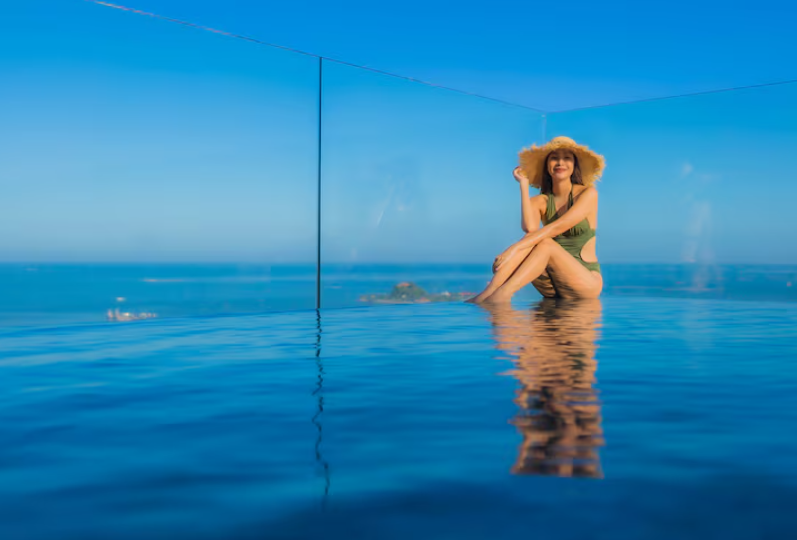
When it comes to luxury travel, Europe has long been the ultimate playground for discerning travelers. From five-star hotels in historic cities to secluded retreats overlooking pristine landscapes, the continent offers experiences that combine elegance, culture, and exclusivity. But while destinations like Paris, Rome, and Barcelona often steal the spotlight, Europe is full of lesser-known treasures that can transform a standard vacation into an unforgettable journey. As a company director or executive, discovering these hidden gems allows you to experience Europe without the usual crowds—while enjoying the highest standards of comfort and service.
The Charm of Lesser-Known European Cities
While cities like London and Venice are global favorites, Europe’s quieter corners hold extraordinary appeal for luxury travelers seeking privacy and authenticity. Consider the following hidden gems:
- Ljubljana, Slovenia: This fairytale-like capital offers cobblestone streets, riverside cafés, and boutique hotels. Luxury travelers can book private boat rides along the Ljubljanica River and enjoy fine dining in restored historic mansions.
- Ghent, Belgium: Often overshadowed by Brussels and Bruges, Ghent combines medieval architecture with a modern art scene. Private canal cruises and exclusive tours of Flemish art collections make it a refined escape.
- San Sebastián, Spain: A paradise for culinary enthusiasts, San Sebastián offers Michelin-starred restaurants, golden beaches, and luxury boutique hotels. Private wine tours in the Basque Country elevate the experience.
These cities offer cultural depth without the overwhelming tourist crowds, making them ideal for executives looking to recharge and explore at a slower, more indulgent pace.
Exclusive European Countryside Escapes
Beyond the cities, Europe’s countryside is dotted with estates, vineyards, and coastal hideaways perfect for secluded luxury vacations. A few top choices include:
- The Douro Valley, Portugal: Known for its rolling vineyards and scenic river views, the Douro Valley offers private wine-tasting tours and stays in 18th-century quintas (wine estates) that have been converted into luxury retreats.
- Lake Bled, Slovenia: This stunning alpine lake, complete with a medieval castle on a cliff and a picturesque island church, provides the perfect setting for a romantic or reflective escape. Exclusive lakeside villas with personal chefs and spa services make it even more indulgent.
- Tuscany, Italy: Beyond the tourist-heavy spots, the Tuscan countryside offers historic villas and boutique resorts surrounded by vineyards and olive groves. Many estates offer private cooking classes, truffle-hunting excursions, and helicopter wine tours.
These countryside experiences blend the beauty of nature with privacy and bespoke service, ideal for business leaders seeking rejuvenation between demanding schedules.
Luxurious Island Retreats
Europe is also home to island destinations that offer a mix of exclusivity, natural beauty, and world-class service. While Santorini and Ibiza often make headlines, consider these hidden luxury islands:
- Folegandros, Greece: A serene alternative to Santorini, this island features dramatic cliffs, whitewashed villages, and boutique luxury hotels perfect for travelers who want seclusion without sacrificing charm.
- Ischia, Italy: Known as the “green island,” Ischia boasts thermal spas, private beachfront resorts, and lush gardens—a quieter alternative to the glamorous Capri.
- Îles de Lérins, France: Located just off the coast of Cannes, these small islands offer a tranquil escape with exclusive boat transfers, gourmet picnics, and historic monastery tours.
These island destinations provide an opportunity to fully disconnect while enjoying Europe’s finest cuisine, hospitality, and scenery.
Experiences That Define Luxury Travel
Luxury in Europe is not just about where you stay—it’s about the unique experiences that make your trip unforgettable. Here are some bespoke options to consider:
- Private Museum Tours: Skip the lines at world-renowned museums like the Louvre or the Vatican with private, after-hours access.
- Culinary Masterclasses: Learn to cook authentic regional cuisine with Michelin-starred chefs in intimate workshops.
- Yacht Charters and River Cruises: Chartering a private yacht along the Amalfi Coast or enjoying a luxury river cruise through the Danube offers exclusivity and unparalleled comfort.
- Wellness and Spa Retreats: From Swiss alpine spas to Nordic thermal baths, Europe is home to world-class wellness experiences ideal for relaxation after intense work schedules.
By curating these special experiences, executives can combine leisure with enrichment, making the most of their time abroad.
Learning New Languages as an Expat: Strategies for Quick Success
For executives who frequently travel or consider living abroad, learning the local language is one of the most rewarding investments you can make. Here are some effective strategies for quick success:
- Immerse Yourself Daily: Spend at least 20 minutes practicing local vocabulary, whether it’s through apps, podcasts, or casual conversations.
- Take Advantage of Corporate Language Programs: Many companies sponsor fast-track courses tailored for professionals relocating to new regions.
- Use Language Exchange Partners: Pair with a local who wants to learn English and practice in casual settings over coffee or online calls.
- Engage in Real-World Practice: Order meals, ask for directions, and participate in local events to gain confidence quickly.
- Leverage Technology: Tools like AI language tutors and online immersive courses can dramatically speed up learning.
Not only does learning the language improve business interactions, but it also deepens your connection to the local culture, making every luxury trip or expatriate experience far more meaningful.
Stay Connected for More Travel and Lifestyle Inspiration. For more insights into travel, culture, and lifestyle tips, follow me on @salvadorordorica.
If you’re seeking professional translation and localization services to enhance your global ventures, visit The Spanish Group — your trusted partner in bridging cultures worldwide.

by Dulce Navarro | Aug 6, 2025 | Business, Lifestyle, Luxury, Travel, Work
Business Stay in Paris: What to Expect and How to Prepare
Paris is a city that evokes images of romance, culture, and exquisite cuisine. But beyond its well-known charm, the French capital is also a major hub for international business and innovation. For company directors, executives, and entrepreneurs, a business stay in Paris offers countless opportunities—if you arrive prepared. Whether you are attending meetings, conferences, or seeking new business partnerships, knowing what to expect can make your experience more efficient and enjoyable.
Understanding the Business Environment
Paris is home to global headquarters, financial institutions, and renowned trade shows. Its business culture is formal and relationship-oriented, so first impressions matter. French professionals often appreciate punctuality, a polished appearance, and a respectful approach to communication. While English is widely spoken in corporate settings, demonstrating even basic knowledge of French can create a positive impact and foster stronger professional relationships.
Major business districts, such as La Défense and the Golden Triangle near the Champs-Élysées, host a large concentration of multinational companies and luxury brands. If your meetings are scheduled in these areas, plan ahead for travel time, as Parisian traffic and metro delays can affect punctuality.
Accommodation: Choosing the Right Location
When selecting where to stay in Paris for business, location is everything. Most executives opt for hotels near business districts, major transport hubs, or within central arrondissements that balance accessibility with convenience. The 8th and 16th arrondissements are popular for proximity to La Défense and corporate offices, while the 1st and 2nd arrondissements provide quick access to banks, luxury boutiques, and key landmarks.
Business-friendly hotels often provide high-speed internet, dedicated workspaces, and meeting room access. Consider properties with concierge services that can assist with reservations, airport transfers, or last-minute printing needs—small details that can significantly reduce stress during a busy work schedule.
Transportation: Navigating the City Efficiently
Paris offers several transportation options, from the metro and RER trains to buses, taxis, and ride-sharing services. For directors managing tight schedules, private car services or executive transfers are often the most reliable choice. Booking these in advance ensures seamless transfers between airports, hotels, and meeting venues.
If you plan to use the metro, consider purchasing a Navigo card for unlimited travel within central zones. While public transport is efficient, allow extra time during rush hours, and always have a backup plan for strikes or delays—a common occurrence in Paris.
Cultural Etiquette: Building Strong Connections
French business culture values professionalism, formality, and courtesy. A firm handshake and direct eye contact are standard greetings, while using titles like “Monsieur” or “Madame” followed by the last name is expected until invited to use first names. Meetings often begin with brief small talk, and business lunches remain an essential part of networking.
Unlike in some cultures where quick decisions are preferred, French professionals often take time to deliberate before reaching agreements. Patience and respect for this process can go a long way in establishing long-term partnerships.
Making the Most of Your Free Time
Even during a business-focused trip, it’s hard to resist the cultural treasures Paris offers. Directors and executives often enjoy a short evening stroll along the Seine, a private museum tour, or a fine-dining experience at Michelin-starred restaurants. Many executives also use their downtime for client entertainment, combining professional relationships with the city’s vibrant culinary and cultural scene.
Additionally, attending local networking events or international conferences can broaden your connections and uncover new opportunities for collaboration in the European market.
Packing and Preparation Tips
Preparation is key to a smooth business stay in Paris. Here are some essentials to consider:
- Business Attire: Paris is a fashion capital, and professional attire is expected. Opt for tailored suits and polished accessories.
- Travel Adapters: France uses Type C and E plugs, so pack compatible chargers for laptops and devices.
- Language Tools: A translation app or phrasebook can help with taxi rides, restaurant orders, and small interactions.
- Time Management: Factor in transit delays and plan meetings with sufficient buffers.
- Local SIM or Roaming: Reliable connectivity is essential for work emails, calls, and navigation.
Learning New Languages as an Expat: Strategies for Quick Success
For directors who frequently travel or relocate for work, language acquisition can transform the experience from transactional to deeply rewarding. Here are some strategies to accelerate your language learning journey in Paris or any new city:
- Daily Immersion: Dedicate at least 15–30 minutes daily to practicing French, even if it’s just casual greetings or ordering coffee.
- Language Exchange Partners: Connect with locals who want to practice English in exchange for teaching French.
- Professional Courses: Intensive language classes or corporate training can speed up proficiency.
- Leverage Technology: Apps, online tutors, and podcasts allow flexible learning around a busy schedule.
- Practice in Real Situations: Engage in small conversations with taxi drivers, hotel staff, or baristas to build confidence.
Learning the local language not only facilitates smoother business interactions but also enriches your personal experience as an expat. It opens doors to deeper connections, cultural insights, and career opportunities.
Stay Connected for More Travel and Lifestyle Inspiration. For more insights into travel, culture, and lifestyle tips, follow me on @salvadorordorica.
If you’re seeking professional translation and localization services to enhance your global ventures, visit The Spanish Group — your trusted partner in bridging cultures worldwide.
