The Future of Multilingual Luxury Tourism in Europe
Introduction: A New Era of Experience
Luxury travel in Europe has always been defined by provenance, craftsmanship, and impeccable service. The next chapter, however, will be written in many languages. As high-net-worth travelers seek deeper cultural connection and more personalised service, multilingual capability becomes a strategic differentiator for destinations, hotels, and travel brands. This post outlines how multilingualism — powered by human expertise and smart technology — will reshape high-end tourism in Europe, and what company directors should plan for to remain competitive and culturally responsible.
Why Multilingualism Matters for Luxury
At its core, luxury is about feeling understood and valued. Language is the most direct channel for that understanding: it enables authentic storytelling, builds trust, and elevates service gestures from transactional to relational. For a client arriving to a château in Bordeaux, a private guide who speaks their first language and can navigate cultural nuance is as important as the wine list. Multilingual offerings reduce friction, unlock local knowledge, and create emotional resonance — all essential elements of a truly memorable luxury stay.
Human Expertise + Technology: The Hybrid Model
The future is hybrid. Professional linguists, in-house multilingual concierges, and culturally fluent local partners will remain indispensable. At the same time, real-time translation tools, AI-driven localization, and voice-enabled assistants will provide scalable support for routine interactions and preliminary orientation. The highest-value experiences will combine both: human hosts for curatorial, sensitive interactions and technology for seamless logistics, such as instant interpretation during private tours or localized digital welcome packs tailored to the guest’s language and preferences.
Personalization Through Language Data
Luxury travel increasingly depends on personalization. Language preferences are a powerful signal that dovetail with behavioral data to create bespoke itineraries. When a guest’s profile includes preferred language, culinary intolerances, and cultural interests, operators can assemble speakers, specialists, and experiences that align precisely with those signals. For directors, investing in secure, privacy-compliant data systems that capture language preferences will improve conversion, loyalty, and word-of-mouth among high-value clientele.
Localization Beyond Translation
True multilingual service goes beyond literal translation. Localization adapts content, tone, and service rituals to cultural expectations. A menu translated into Mandarin is useful; a menu translated and adapted with regional taste notes, etiquette tips, and pairing suggestions is exceptional. For luxury brands, this level of detail signals respect and expertise. High-quality localization requires professional translators with cultural knowledge, plus collaboration with local chefs, artisans, and cultural custodians.
Training and Human Capital
Scaling multilingual luxury means investing in people. Multilingual staff — front-of-house, concierges, guides, and butlers — should receive not only language training but also cultural competence coaching. Cross-training programs that combine language skills with hospitality standards and local history create ambassadors who can deliver nuanced experiences. For directors, creating career paths for bilingual staff and partnering with regional language institutions can become both a talent pipeline and a competitive advantage.
Ethics, Authenticity, and Community Benefit
There is an ethical dimension to multilingual luxury: it must amplify local culture rather than commodify it. Responsible operators should prioritize hiring local speakers, compensate cultural partners fairly, and ensure tourism revenues support community preservation. Authenticity is the currency of luxury; when language services center native speakers and cultural knowledge-holders, experiences remain credible and communities benefit economically and socially.
Technology Risks and Guardrails
Technology accelerates capability but introduces risk. Automated translations can misrepresent nuance, and voice assistants may mishandle idioms or sensitive cultural content. Luxury brands must apply rigorous quality controls: human review of automated outputs, vetting of AI partners, and privacy safeguards for guest data. Directors should demand transparency from vendors about accuracy rates, data handling, and the use of human-in-the-loop processes to ensure service excellence.
Measuring Impact: KPIs That Matter
To justify investment, leaders should track meaningful KPIs: guest satisfaction segmented by language group, repeat-booking rates for guests who used multilingual services, incremental revenue from localized offers, and community impact metrics such as local employment and supplier spend. These indicators demonstrate both commercial return and social value, making the business case for sustained investment in multilingual capability.
Strategic Recommendations for Directors
For company directors steering luxury travel brands, the path forward is clear: (1) build multilingual guest profiles and integrate them into CRM systems; (2) recruit and train bilingual staff while partnering with trusted localization providers; (3) adopt technology selectively and pair it with human oversight; (4) prioritize community partnerships and fair compensation; and (5) measure outcomes with both commercial and social KPIs. These actions will position brands to offer richer, more differentiated experiences in a crowded market.
Conclusion: Language as Luxury
The future of luxury tourism in Europe will be multilingual, not for novelty, but because language is integral to meaningful, personalized travel. Combining linguistic expertise with smart technology, ethical partnerships, and rigorous measurement will turn language from a cost center into a strategic asset. For leaders who embrace this future, the reward is deeper guest loyalty, stronger brand differentiation, and travel experiences that genuinely connect visitors to the places they visit.
Stay Connected for More Travel and Lifestyle Inspiration. For more insights into travel, culture, and lifestyle tips, follow me on Instagram @salvadorordorica. If you’re seeking professional translation and localization services to enhance your global ventures, visit The Spanish Group — your trusted partner in bridging cultures worldwide.
The Luxury of Heritage: Staying in UNESCO-Listed Hotels
Introduction: A Meeting of History and Hospitality
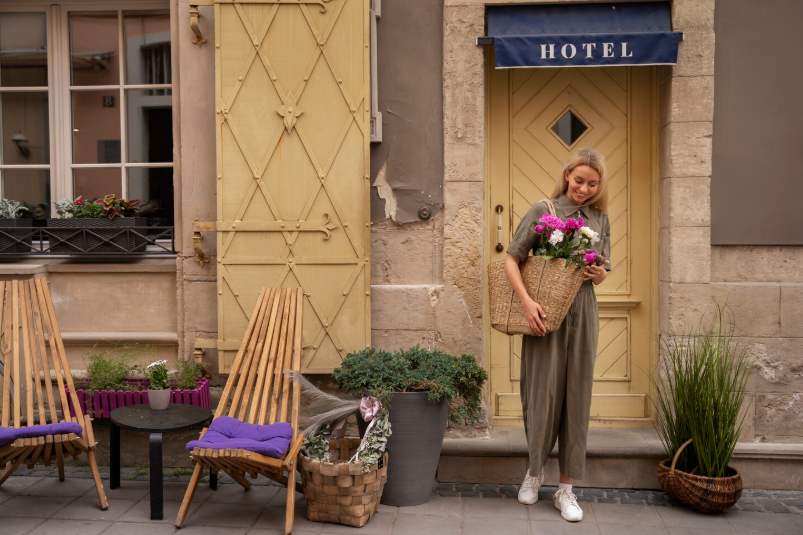
For company directors and seasoned travelers who expect both substance and style, staying in a UNESCO-listed hotel offers an experience that transcends conventional luxury. These properties — whether converted palaces, restored monasteries, or carefully preserved manor houses — marry exceptional service with deep cultural value. They allow guests to sleep within living history while enjoying contemporary comforts and discreet, professional hospitality. In this piece I explore why UNESCO-listed hotels matter, how they balance preservation with luxury, and what executives should consider when choosing one for personal travel or corporate retreats.
What Makes a Hotel “UNESCO-Listed”?
Strictly speaking, UNESCO lists sites of outstanding cultural or natural importance, not hotels themselves. However, many hotels operate within or adjacent to UNESCO World Heritage sites — historic districts, architectural ensembles, cultural landscapes, and archaeological zones that enjoy special recognition and protection. A hotel associated with a UNESCO site can offer uniquely authentic surroundings, from original frescoes and vaulted ceilings to gardens and views that are part of the protected landscape. The designation signals exceptional cultural value; for discerning travelers it also implies a responsibility on the part of hoteliers to preserve and interpret that value sensitively.
Why Executives Value Heritage Hospitality
Heritage hotels deliver three strategic advantages that appeal to leaders and corporate planners:
Distinctive setting: Meetings, dinners, and private receptions staged in historic rooms create memorable impressions that standard venues cannot match.
Meaningful storytelling: Guests appreciate curated narratives that connect place, craft, and history — useful for brand storytelling and client entertainment.
Quality and discretion: Many of these properties are boutique in scale and prioritize tailored service, privacy, and refined logistics — qualities executives value highly.
Preservation Meets Modern Comfort
One of the central challenges for hoteliers operating in UNESCO contexts is harmonizing conservation requirements with contemporary guest expectations. Successful properties accomplish this by integrating reversible interventions and sensitive design: modern plumbing, climate control, and discrete connectivity are installed without compromising historic fabric. Lighting and signage are curated; guest rooms are appointed with bespoke furnishings that reference local craft traditions. The result is an environment where heritage is never a gimmick, but a defining element of the guest experience.
Guest Experience: Culture as a Service
Staying in a heritage property is as much about service as setting. Thoughtful concierge teams can curate private access to otherwise restricted sites, arrange guided tours with local historians, or organize after-hours visits for executives seeking exclusive experiences. Culinary programs often emphasize regional terroir and traditional techniques, offering opportunities for private tastings or chef-led workshops. These culturally rooted services transform a hotel stay into a purposeful engagement with place — a powerful advantage for clients, partners, and senior teams.
Choosing the Right UNESCO-Associated Hotel
Not all heritage hotels are equal. When selecting a property for business travel or an executive retreat, consider the following:
Authenticity: Does the hotel meaningfully interpret its historic role, or is the heritage merely decorative?
Service capacity: Can the property reliably handle private events, AV needs, and dietary or security requirements?
Accessibility and logistics: Proximity to airports, private transfer options, and contingency plans for inclement weather are practical musts.
Sustainability and stewardship: Does the hotel actively invest in preservation and community benefits, and can it document those efforts?
Sustainability and Community Impact
Heritage properties have a responsibility that extends beyond guest comfort: they must be stewards of cultural patrimony and contributors to local economies. Leading hotels work with conservation specialists, employ local artisans, and source food and services regionally. For corporate travelers mindful of ESG commitments, choosing hotels that demonstrate clear conservation and community engagement policies aligns travel choices with broader company values.
Risk Management and Compliance
Executives planning events in UNESCO-associated sites should be aware of unique compliance considerations. Conservation rules may restrict signage, temporary structures, or capacity; event permits can require lead time and negotiation with heritage authorities. Security protocols may be more complex because of fragile interiors. The best approach is to work with the hotel’s event manager early, secure necessary permissions, and build contingency time into the schedule.
Case Uses: When to Choose a Heritage Hotel
Heritage hotels are ideal for specific use cases: intimate board retreats where setting reinforces strategic narrative; high-value client entertainment that benefits from a memorable venue; product launches that tie brand values to craftsmanship and provenance; and leadership off-sites where quiet, reflective settings boost creativity and cohesion. They are less appropriate for large, highly technical conferences with extensive AV and exhibit demands unless the property has the infrastructure or partnered venues to support such needs.
Practical Tips for Planning a Stay
Engage early: Book and communicate requirements well in advance to allow the property to secure permits and prepare rooms sensitively.
Ask about personalization: Inquire about private tours, themed dinners, and locally sourced welcome amenities to create a bespoke experience.
Review contracts: Make sure force majeure, cancellation, and liability clauses reflect the realities of historic settings and conservation rules.
Factor in sustainability: Request information on how the hotel supports local conservation and community initiatives.
Conclusion
The luxury of heritage is not only about opulence; it’s about context, care, and connection. For company directors who seek purposeful travel — where hospitality supports cultural meaning and environmental responsibility — UNESCO-associated hotels offer a refined alternative to modern anonymity. When chosen and managed with intention, these properties provide unforgettable settings for strategic conversations, client hospitality, and restorative personal time, all while contributing to the preservation of shared global heritage.
Stay Connected for More Travel and Lifestyle Inspiration. For more insights into travel, culture, and lifestyle tips, follow me on Instagram @salvadorordorica. If you’re seeking professional translation and localization services to enhance your global ventures, visit The Spanish Group — your trusted partner in bridging cultures worldwide.
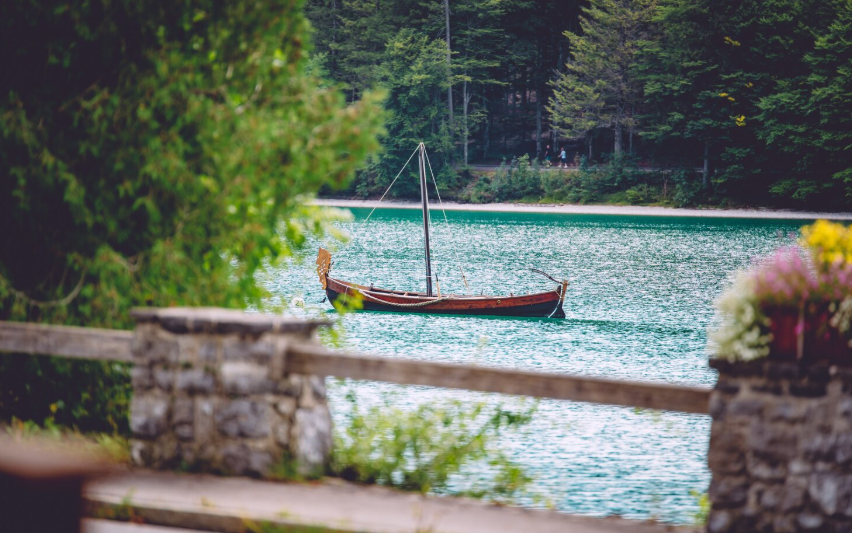
In a travel market that increasingly prizes privacy, authenticity, and bespoke experiences, lakeside villas have quietly become the most coveted hideaways for discerning travelers. Away from crowded beach resorts and the flash of urban penthouses, these properties pair still-water calm with thoughtful design, private docks, and discreet concierge services. For company directors and seasoned travelers who seek restorative downtime or intimate spaces for corporate retreats, Europe’s lesser-known lakes offer a fresh canvas of luxury — where architecture, history, and wilderness meet at the water’s edge.
Why Lakeside Villas Matter Now
The resurgence of lakeside villas is driven by three overlapping trends: a desire for privacy and space after years of dense travel; a search for authentic, local experiences; and the growing expectation that luxury travel should be restorative as well as exclusive. Villas deliver on all three: private gardens and jetties limit exposure, local chefs and curated experiences root guests in place, and the landscape itself becomes part of the wellness offer — sunrise swims, guided hikes, and quiet reading nooks by the water.
Hidden Gems: Where to Discover Secret Villas
Northern Italy’s lake district remains the archetype for lakeside luxury, but beyond the famous postcards there are quieter pockets where extremely private villas sit tucked into olive groves or forested peninsulas. The Italian lakes around Como, Garda, and Maggiore combine historic villas and modern retreats that offer private docks and concierge teams capable of organizing everything from private boatmen to Michelin-starred dinners. :contentReference[oaicite:0]{index=0}
Lake Garda and its surrounding hills host a growing collection of boutique villas that blend contemporary comfort with expansive outdoor spaces — ideal for families or small corporate groups seeking a private base for regional exploration. Recent editorial roundups highlight Villa choices around Garda for their combination of design, outdoor living, and access to local wineries and mountain trails. :contentReference[oaicite:1]{index=1}
For travelers willing to explore further east, Lake Ohrid — one of Europe’s oldest lakes — offers a different kind of lakeside luxury: historic towns, crystal-clear water, and privately rented villas with direct lake access and intimate local service. These destinations are particularly attractive for guests who prefer cultural immersion and discovery over headline luxury. :contentReference[oaicite:2]{index=2}
Switzerland’s Lake Geneva region and its lakeside retreats provide alpine panoramas combined with ultra-luxury hospitality. Several boutique villa collections and curated retreats on the lake emphasize wellness offerings, mountain views, and seamless access to premium city services and private transport. This combination makes Lake Geneva a discreet option for executives seeking both refinement and accessibility. :contentReference[oaicite:3]{index=3}
What Makes a Villa Truly “Hidden” — and Luxurious
The most successful hidden villas share a few common features: unobtrusive privacy measures (private slips, gated drives, and mature landscape buffers), authentic design that honors local building traditions, and a service model that anticipates needs without intruding. In practical terms this means well-equipped kitchens staffed on request, local partnerships for culture and adventure, and tech-enabled comforts that do not compromise the feeling of escape.
How to Source and Book Responsibly
Finding these villas requires a blend of specialist operators and local estate partners. Boutique villa specialists and curated collections can surface properties that aren’t listed on mass-market platforms; meanwhile, local agencies and destination management companies provide the essential on-the-ground knowledge that differentiates a good stay from a great one. For leaders arranging retreats, the value in a specialist partner is twofold: they can vet properties for privacy and service level, and they maintain relationships that secure discreet extras like private chefs, yacht charters, or wellness practitioners. :contentReference[oaicite:4]{index=4}
Designing a Luxury Lakeside Stay
A successful lakeside itinerary balances solitude with curated activities. Consider private watercraft for early-morning exploration, a local culinary experience with seasonal produce, and wellness programming (from mobile spa therapists to guided forest bathing). Small touches — tailored welcome provisions, pre-staged workspaces for short productive sessions, dedicated parking for visiting colleagues — mean executives can combine work and rest without friction.
Sustainability and Community Impact
Genuine luxury today includes a responsibility to local ecosystems and communities. Opt for properties that employ local staff, source food regionally, and support conservation efforts. Many villa programs now publish impact statements or work with local NGOs to ensure tourism revenues deliver lasting benefits — an important consideration for companies that seek to align travel with corporate values.
Practical Tips for Executives
Book through vetted providers: Use boutique villa specialists who can confirm privacy, service, and contingency plans.
Communicate needs early: Share dietary restrictions, meeting requirements, and any AV needs to allow the villa team to prepare.
Plan logistics: Private transfers, local permits for events, and clear arrival instructions save time and preserve the mood of the stay.
Respect the locale: Encourage guests to purchase from local artisans and engage with the community in low-impact ways.
Final Thoughts
Hidden luxury lakeside villas across Europe offer something increasingly rare: the ability to disconnect without sacrificing comfort or bespoke service. For company directors planning executive retreats, product launches, or restorative downtime, these properties combine privacy, authenticity, and the restorative power of water and landscape. The investment is not only in exceptional accommodation but in the kind of experience that yields clarity, stronger team bonds, and an enduring sense of place.
Stay Connected for More Travel and Lifestyle Inspiration. For more insights into travel, culture, and lifestyle tips, follow me on Instagram @salvadorordorica. If you’re seeking professional translation and localization services to enhance your global ventures, visit The Spanish Group — your trusted partner in bridging cultures worldwide.
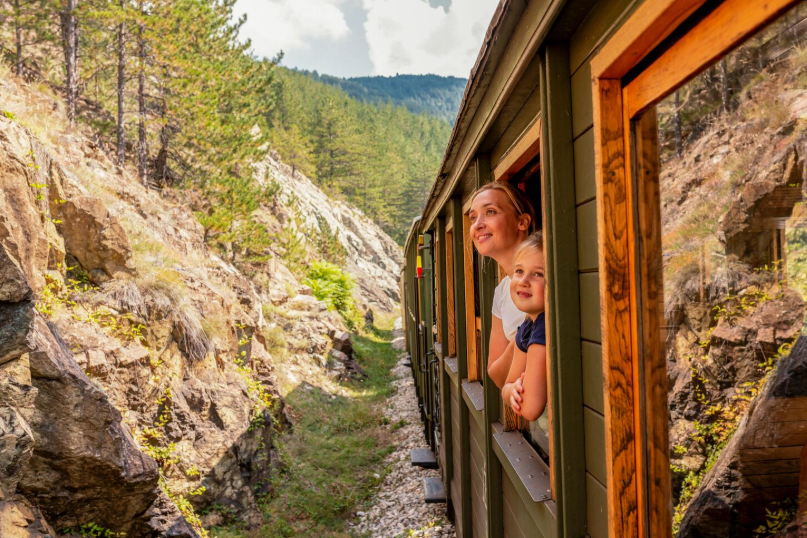
There’s a kind of travel magic that happens when iron rails carry you through landscapes that look like they were painted for postcards. Luxury rail travel in Europe is no longer only about high-speed convenience — it’s about slowing down, savoring regional flavors, and waking up in villages that feel lifted from a storybook. This guide highlights lesser-known, high-end train routes that connect Europe’s fairytale villages, with practical notes on what makes each journey special.
1. The Alpine Heritage Line: Switzerland’s Quiet Elegance
Switzerland is famous for its scenic railways, but beyond the Glacier Express and Bernina Express there are quieter, refined routes that connect tucked-away hamlets. These alpine lines often use heritage-style carriages or boutique services that emphasize comfort, panoramic windows, and personalized service.
What to expect:
Intimate carriages with large observation windows.
Carefully curated regional menus showcasing Swiss specialties like fondue, raclette, and alpine herbs.
Stops at small mountain villages where time seems to stand still — perfect for short walks and artisan shopping.
Why it’s special: these routes pair impeccable scenery with a slow-travel mentality. They are ideal for travelers who want luxury without the crowds.
2. The Danube Tributary Loop: Central Europe’s Storybook Stations
The rivers that feed the Danube are lined with mediaeval towns and vineyards. Smaller private trains and premium regional services trace loops through Austria, Slovakia, and Moravia, connecting riverside châteaux, half-timbered towns, and monasteries.
Journey highlights include:
Wine-pairing lunches on board with vintages from local producers.
Guided shore excursions to castle ruins and UNESCO-listed old towns.
Overnight stays in boutique inns that feel more like private homes than hotels.
Practical tip: book excursions that include early-entry tours — you’ll enjoy quieter streets and softer light for photography.
3. Iberian Coastal Carriages: Portugal and Northern Spain’s Hidden Gems
Along the Atlantic flank of Iberia, there are sleeper and day services that connect small fishing villages, Romanesque hamlets, and Moorish-influenced towns. Luxury operators and first-class regional services are increasingly offering curated experiences focused on gastronomy and local culture.
What sets these routes apart:
Fresh seafood and regional tapas served onboard or at partnered local restaurants.
Opportunities to explore coastal trails and artisan markets between stops.
Stylish carriages that blend contemporary comforts with regional design touches.
4. The Baltic Enchantment: Estonia, Latvia, and Lithuania by Rail
The Baltic states offer a quieter kind of enchantment: medieval lanes, wooden architecture, and postcard-perfect town squares. Boutique rail services and private charters can be arranged to link these villages, creating bespoke itineraries that pair culture with comfort.
Highlights and advantages:
Short, charming hops — perfect for travelers who want to sample multiple towns in a week.
Deep cultural immersion opportunities, like private museum tours and artisan workshops.
Value: luxury rail charters in the Baltics often cost less than comparable services in Western Europe while delivering bespoke experiences.
5. The Italian Hilltown Circuit: Tuscany, Umbria, and Beyond
Italy’s hilltowns are synonymous with romance. While many travelers drive between villages, a growing number of luxury slow-travel operators are reviving regional rails and pairing them with chauffeur transfers, vineyard visits, and hands-on culinary experiences.
Why choose rail here:
Arrive refreshed and ready to explore — no driving required on narrow, winding roads.
Opportunity for immersive food experiences, from truffle hunts to pasta workshops.
Access to smaller towns that are often bypassed by mainstream tours.
Planning Tips: How to Make the Most of Luxury Train Travel
Planning a high-end rail itinerary that connects fairytale villages requires a mix of foresight and flexibility. Here are practical tips:
Book boutique operators early: Smaller trains have limited capacity and sell out during peak seasons.
Layer your experience: Combine rail with short private transfers to reach hilltop towns that lack direct station access.
Choose the right pace: Decide whether you want long scenic days or short hops that allow more time exploring on foot.
Pack for varied weather: Rural Europe can be cooler and wetter than cities; comfortable walking shoes are essential.
What “Luxury” Really Means on These Routes
Luxury isn’t just about plush seats. On these routes, it’s the thoughtful details — expert local guides, regionally sourced meals, private station transfers, and small-group exclusivity. Many services now include experiential elements: private tastings, behind-the-scenes kitchen visits, and evening concerts in small chapels or manor houses.
Why Train Travel Is a Responsible Choice
Traveling by rail reduces your carbon footprint compared to flying or driving, especially on routes that connect multiple small communities. Many luxury operators are investing in sustainable practices: locally sourced dining, carbon-offset partnerships, and mindful tourism that supports rural economies. Choosing rail helps preserve the character of these villages by spreading visitor impact more evenly across regions.
Conclusion
Hidden luxury train routes are the ideal way to experience Europe’s fairytale villages — combining comfort, culture, and slow-travel authenticity. Whether you’re winding through alpine meadows, sampling coastal cuisine, or exploring mediaeval squares, these journeys present a refined alternative to conventional tourism. Book with thoughtful operators, prioritize immersive local experiences, and you’ll return with stories that feel as timeless as the tracks themselves.
Stay Connected for More Travel and Lifestyle Inspiration
For more insights into travel, culture, and lifestyle tips, follow me on Instagram @salvadorordorica. If you’re seeking professional translation and localization services to enhance your global ventures, visit The Spanish Group — your trusted partner in bridging cultures worldwide.
Michelin-Star Journeys: A Culinary Tour Across Europe
Introduction
For a company director balancing strategy, travel, and hospitality, a curated culinary journey through Europe’s Michelin-starred restaurants offers far more than indulgence — it delivers cultural intelligence, creative inspiration, and unparalleled networking opportunities. This piece maps practical routes, highlights operational lessons from top kitchens, and offers takeaways you can apply to leadership, client entertainment, and brand storytelling.
Why Michelin-Star Dining Matters for Directors
Visiting Michelin-star restaurants is not only about tasting exquisite cuisine — it’s also an immersive study in systems, service design, and consistency under pressure. Every successful fine-dining kitchen is a compact organization with clear roles, repeatable processes, and obsessive attention to quality. Directors can learn how these teams:
Design workflows that scale from quiet nights to full-service crescendo;
Build talent pipelines that combine apprenticeship and autonomy;
Create brand narratives that justify premium pricing and customer loyalty.
Approaching a restaurant visit with an analytical eye turns each meal into a case study in operations excellence and customer experience.
Route 1: Paris — The Benchmarks of Haute Cuisine
Paris remains a global culinary capital where tradition and innovation meet. From time-honored maisons to modern ateliers, the city’s Michelin stars reflect a spectrum of leadership styles. For visiting directors, Parisian establishments offer lessons in product differentiation and legacy management. Key observations include:
Heritage as value: Classic houses trade on pedigree, emphasizing provenance and storytelling to sustain price points.
Menu architecture: Fixed tasting menus provide a predictable experience while allowing chefs to control pacing and supply chain.
Guest flow: Efficient reservation systems and guest segmentation reduce friction and increase yield.
A director can translate these principles into corporate contexts: safeguarding institutional memory, optimizing product bundles, and improving client journey touchpoints.
Route 2: San Sebastián & Northern Spain — Precision and Regionality
Northern Spain, anchored by San Sebastián, is a masterclass in marrying local sourcing with technical precision. Basque chefs excel at turning scant ingredients into transcendent dishes, demonstrating how scarcity can drive creativity.
Operational takeaways include:
Strategic supplier relationships that prioritize quality over cost;
Menu cycles that reflect seasonality and supply constraints;
Training cultures focused on craft and repetition.
These practices are directly applicable to companies that rely on premium inputs or that need to innovate in resource-limited environments.
Route 3: Italy — Hospitality and the Art of Experience
Italy’s Michelin-recognized venues emphasize warmth and the theatricality of hospitality. From coastal seafood temples to alpine tasting rooms, Italian kitchens choreograph conviviality that turns clients into advocates. Directors can observe:
Service design that privileges human connection;
Spatial planning that enhances interaction (from kitchen pass to dining room layout);
Brand extension through merchandise, cookbooks, and culinary experiences.
These observations inform corporate hospitality strategies, from client dinners to experiential marketing activations.
Route 4: Scandinavia — Minimalism, Sustainability, and Innovation
Nordic cuisine — typified by precision, seasonality, and sustainability — offers robust lessons for long-term strategic planning. Many Scandinavian kitchens run tight supply chains and embrace regenerative sourcing. For the discerning director, these restaurants showcase:
Data-driven ingredient sourcing and waste reduction;
Design-led guest experiences that combine simplicity with memorability;
Long-term investments in local ecosystems and supplier partnerships.
Embracing these values makes sense for brands focused on ESG commitments, resilient supply chains, and future-facing innovation.
How to Plan Your Michelin-Star Journey — Practical Tips
A successful culinary tour requires more than reservations. Consider the following checklist when planning:
Research & reserve early: Many stars book weeks or months in advance.
Build a thematic route: Choose a narrative—heritage, sustainability, or technique—to create continuity.
Engage for learning: Ask for kitchen tours, pre- or post-service briefings, or a meeting with the sommelier.
Document findings: Record notes on operations, service sequences, and guest feedback to translate into business insights later.
Translating Culinary Learnings into Corporate Strategy
The final step is synthesis. A director should convert on-the-ground observations into actionable initiatives:
Service playbooks: Codify core behaviors and rituals that define client interactions.
Talent pipelines: Implement mentorship and apprenticeship programs modeled on brigade-style kitchens.
Product curation: Design offerings that balance predictability with seasonal novelty.
By framing a culinary tour as a reconnaissance mission, leaders extract durable ideas that improve client experience and internal alignment.
Logistics & Ethics: Responsible Travel for Leaders
Traveling for luxury dining carries responsibilities. Minimize your footprint by consolidating flights, partnering with local suppliers for meetings, and respecting seasonal harvests and protected species. Prioritize restaurants that publish sustainability policies and fair labor practices — ethical choices reflect well on your organization and model the behaviors you want to encourage internally.
Conclusion
Michelin-star journeys are more than culinary pilgrimages; they are immersive leadership labs where systems thinking, brand storytelling, and human-centered service converge. For a company director, each meal can reveal micro-practices that, when scaled, deliver measurable improvements in client satisfaction, employee engagement, and brand prestige. Plan deliberately, observe critically, and return ready to implement lessons learned at the highest level.
Stay Connected for More Travel and Lifestyle Inspiration. For more insights into travel, culture, and lifestyle tips, follow me on Instagram @salvadorordorica. If you’re seeking professional translation and localization services to enhance your global ventures, visit The Spanish Group — your trusted partner in bridging cultures worldwide.
Luxury Mountain Spas Across the Swiss and Italian Alps
How alpine elevation, refined hospitality, and restorative wellness combine to create some of Europe’s most memorable spa experiences.
Introduction: The Allure of Alpine Wellness
The Swiss and Italian Alps have long been synonymous with dramatic landscapes, exceptional cuisine, and a tradition of restorative health retreats.
Over the last decade, a new generation of luxury mountain spas has emerged that blends timeless alpine serenity with cutting-edge wellness programming and discreet five-star service.
These destinations appeal to travelers who want privacy, pristine nature, and evidence-based treatments — all delivered within properties that emphasize craftsmanship, sustainability, and local culture.
From Heritage Hotels to Contemporary Retreats
Alpine spa culture takes many forms. In Switzerland, storied hotels such as Kulm in St. Moritz combine a long heritage of alpine hospitality with comprehensive wellness facilities and personalized care. :contentReference[oaicite:0]{index=0}
Elsewhere, award-winning properties such as The Chedi Andermatt have positioned themselves as modern mountain sanctuaries with expansive spa and health clubs recognized across the industry. :contentReference[oaicite:1]{index=1}
In Italy’s Dolomites and Lakes regions, properties ranging from intimate boutique hotels to globally recognized luxury brands — including recent Aman and curated Italian resorts — are pairing alpine medicine, locally inspired therapies, and cuisine designed to support recovery and vitality. :contentReference[oaicite:2]{index=2}
Signature Treatments and Wellness Philosophies
What distinguishes these mountain spas is the focus on place-based wellness. Expect treatments that incorporate locally sourced botanicals, thermal hydrotherapy, and techniques informed by both European spa traditions and contemporary science.
Alpine hydrotherapy circuits — alternating warm thermal pools, cold plunges, steam rooms, and vitality showers — are staples, often augmented by bespoke programs such as altitude acclimation therapies, guided breathwork, and curated nutrition plans designed for mountain conditions.
These integrated approaches make a stay more than a massage; it becomes a short course in recovery and resilience.
Design That Respects Landscape and Craft
Leading alpine spas intentionally blur the line between interior and landscape. Design languages favor natural materials — timber, stone, and locally woven textiles — paired with minimalist lines and panoramic windows that frame valleys and peaks.
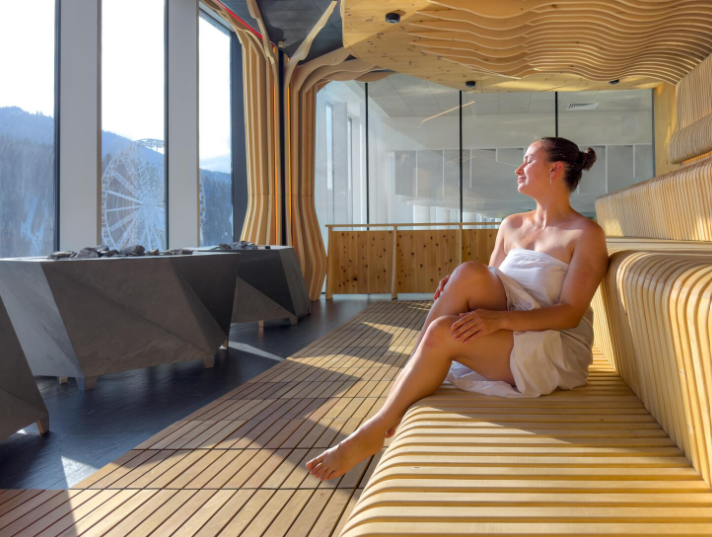
This restrained aesthetic supports the restorative mission: abundant daylight, quiet zones, and private outdoor spaces such as heated terraces, infinity pools, and cedar saunas that allow guests to radiate away stress while looking out over the mountains.
Notable Destinations: A Cross-Alpine Tour
A handful of properties illustrate the range and depth of luxury mountain spas across the region. In St. Moritz, iconic hotels offer historic grandeur and access to alpine sports while maintaining discreet, high-caliber wellness programs. :contentReference[oaicite:3]{index=3}
In Andermatt, The Chedi is known for combining Asian influences with alpine healing modalities — an approach that has earned international recognition for its spa and wellness offerings. :contentReference[oaicite:4]{index=4}
Italy’s Dolomites host refined retreats in towns such as San Cassiano and Cortina d’Ampezzo where redesigned historic hotels and new-generation resorts (including properties from globally renowned luxury groups) emphasize quiet luxury and immersive wellbeing. :contentReference[oaicite:5]{index=5}
Meanwhile, lake-adjacent estates and remote mountain lodges across both countries extend the category beyond ski season, offering thermal experiences and bespoke retreats year-round. :contentReference[oaicite:6]{index=6}
Sustainability and Local Engagement
Sustainability is no longer optional for leading alpine spas. From sourcing organic alpine botanicals to using low-impact heating systems and prioritizing local suppliers, many properties are embedding environmental stewardship into their wellness narratives.
Guests benefit from this ethos through farm-to-spa products, menus that reflect regional ingredients, and programming that supports local artisans and communities — all contributing to an experience that feels authentic and responsibly curated.
Practical Considerations for Travelers
When planning a luxury spa escape in the Alps, consider a few practicalities to maximize benefit and comfort: allow time to acclimate to altitude before scheduling intensive treatments, book signature rituals in advance (many of these spas limit daily treatment slots), and plan for private transfers or rail connections that minimize travel-day stress.
For multi-day restorative stays, ask about tailored packages that combine movement (guided hikes or gentle ski sessions), nutrition, and in-resort consultations with wellness specialists to create a cohesive program rather than a la carte experiences.
Why These Spas Matter to the Modern Traveler
Luxury mountain spas in the Swiss and Italian Alps resonate because they address a contemporary desire: meaningful downtime in environments that simultaneously exhilarate and heal.
Whether it’s the ritual calm of a steam cave after a day on the slopes, an alpine-inspired facial using botanical extracts, or a sunrise yoga session above a fog-filled valley, these moments are architected to restore focus and renew perspective.
For directors, entrepreneurs, and seasoned travelers who value both privacy and performance, the Alps deliver a uniquely potent combination of nature, luxury, and proven wellness science.