
by Dulce Navarro | Jul 14, 2025 | Countries, Europe, Lifestyle, Travel
Budget Travel Through Italy: Smart Itineraries and Tips
Italy is one of the most captivating countries in the world. With its rich history, iconic landmarks, mouthwatering cuisine, and vibrant culture, it’s no wonder that travelers from all over flock to this Mediterranean gem. However, many assume that exploring Italy means spending a fortune. That’s far from the truth. With a bit of planning and some smart strategies, you can travel through Italy on a budget without sacrificing the quality of your experience.
Plan Your Route Wisely
To maximize your budget, focus on building a well-thought-out itinerary. Italy is diverse, and while cities like Rome, Venice, and Florence are must-sees, they also tend to be more expensive. Combine visits to these cities with lesser-known but equally enchanting destinations such as Bologna, Lecce, or Perugia. Not only will you experience authentic Italian charm, but you’ll also spend significantly less on accommodations and meals.
A suggested 10-day budget itinerary:
- Days 1-3: Rome (Explore the Colosseum, Vatican City, and Trastevere)
- Days 4-5: Florence (Visit Uffizi Gallery, Duomo, and enjoy Tuscan cuisine)
- Days 6-7: Bologna (Famous for its food scene and medieval architecture)
- Days 8-10: Naples (Gateway to Pompeii and Amalfi Coast with lower costs)
Travel by Train or Bus
Italy has one of the most efficient and affordable rail systems in Europe. Trenitalia and Italo offer regional and high-speed options. Booking in advance can result in huge savings, especially on intercity routes. Consider regional trains for shorter distances—they are slower but much cheaper.
For even more savings, check out long-distance bus companies like FlixBus or MarinoBus. They often have flash sales and operate between all major Italian cities and smaller towns. If you’re flexible with your travel time, you can snag deals as low as €5 for cross-country routes.
Stay in Budget-Friendly Accommodations
Accommodation can be one of the biggest expenses, but there are ways to cut down costs. Hostels in Italy are clean, safe, and often centrally located. Many offer private rooms, making them great even for travelers seeking more privacy.
Alternatively, check out agriturismos—family-run farms that offer lodging and meals in the countryside. These often include breakfast and dinner, offering fantastic value. Budget hotels and short-term rentals like Airbnb also provide flexible pricing and amenities.
Eat Like a Local
Italian cuisine is one of the highlights of any trip, and you don’t have to dine in upscale restaurants to enjoy it. Head to local trattorias, pizzerias, and street food vendors for delicious, authentic meals at a fraction of the price. A slice of pizza or a hearty panino can cost under €5.
Avoid restaurants near major tourist attractions—they tend to be overpriced. Instead, venture a few blocks away to find hidden gems with better prices and more authentic flavors. Also, look out for “aperitivo” hours in cities like Milan and Turin, where you can enjoy drinks with a buffet of snacks for a set price.
Visit Free Attractions
Italy is full of free or low-cost attractions. Many churches, including St. Peter’s Basilica, are free to enter. Public piazzas, historic neighborhoods, and open-air markets offer immersive cultural experiences without any entry fees.
Some museums and archaeological sites have designated free entry days each month. Plan accordingly to take advantage of these. For example, on the first Sunday of each month, many state museums and archaeological parks offer free entry.
Use City Tourist Cards
Major cities like Rome, Florence, and Venice offer tourist cards that bundle transportation, museum access, and other discounts. The Roma Pass, Firenze Card, and Venezia Unica Card can provide excellent value if you plan to visit multiple attractions.
These cards also often include skip-the-line privileges, helping you save both time and money during your trip.
Pack Smart and Avoid Extra Costs
When flying budget airlines, make sure to read baggage policies carefully. Many charge extra for checked baggage, and even for larger carry-ons. Travel light with a backpack or small suitcase to avoid these fees.
Bring essentials like a reusable water bottle (tap water is safe in Italy), comfortable walking shoes, and plug adapters. Buying these items on the go can quickly add up.
Be Currency Smart
Use credit cards with no foreign transaction fees and withdraw cash from ATMs instead of currency exchange counters, which tend to offer poor exchange rates. Notify your bank before traveling to avoid having your cards frozen due to suspicious activity.
Learning New Languages as an Expat: Strategies for Quick Success
Budget travel can also serve as a stepping stone toward a more permanent lifestyle abroad. If you’re considering living in Italy or anywhere else internationally, learning the local language is key. Immersion is the fastest and most effective way to learn. Start by picking up essential phrases and practicing daily with locals.
Enroll in a local language school, use mobile apps like Duolingo or Babbel, and consider language exchange meetups to reinforce learning. Watching local TV, reading signs, and speaking without fear of making mistakes are all part of the process. Surround yourself with the language and stay consistent.
Ultimately, learning a new language as an expat opens doors to deeper connections, professional opportunities, and a more enriching travel experience overall.
Stay Connected for More Travel and Lifestyle Inspiration
For more insights into travel, culture, and lifestyle tips, follow me on @salvadorordorica. If you’re seeking professional translation and localization services to enhance your global ventures, visit The Spanish Group — your trusted partner in bridging cultures worldwide.

by Dulce Navarro | Jul 11, 2025 | Countries, Europe, Lifestyle, Traditions, Travel
Luxury Travel in Europe: Where Elegance Meets Experience
Europe has long been a magnet for those seeking sophistication, cultural depth, and refined indulgence. From historic cities steeped in charm to pristine coastlines and world-class resorts, the continent offers an abundance of high-end travel experiences tailored to discerning tastes. For company directors and business leaders who value both comfort and culture, luxury travel in Europe is the epitome of elegance meeting experience.
The Art of Curated Experiences
True luxury travel is defined by personalization. In Europe, the hospitality industry has mastered the art of curating experiences that cater to the most refined preferences. Whether it’s a private wine tasting in Bordeaux, a custom art tour of Florence, or a behind-the-scenes experience at a Paris fashion house, exclusivity and access are central themes.
Travelers can work with specialized concierges and travel designers who plan every detail with precision — from private jet charters and luxury chauffeured vehicles to bespoke wellness retreats in the Swiss Alps. These services ensure seamless journeys where the focus remains entirely on experience and enrichment.
Iconic Destinations Redefined
While cities like Paris, Rome, and London are timeless favorites, luxury travel in Europe invites visitors to discover deeper layers of these destinations. For example, staying in a boutique palace hotel tucked in Paris’s 8th arrondissement offers proximity to both glamour and history. In Rome, private after-hours access to the Vatican Museums transforms a typical visit into a spiritual and intimate encounter with centuries of art and tradition.
The French Riviera, with towns like Saint-Tropez and Èze, remains a haven for opulent relaxation. Chartering a yacht along the Côte d’Azur or staying at Château de la Chèvre d’Or provides unforgettable views, world-class cuisine, and a deep connection to coastal elegance. Meanwhile, northern gems like Copenhagen and Amsterdam now rival their southern counterparts with sleek design hotels and Michelin-starred dining experiences.
Unforgettable Accommodations
In Europe, your accommodation often becomes an integral part of the journey. Historic castles in Scotland, renovated monasteries in Spain, and alpine chalets in Austria provide not only luxury but a strong sense of place and heritage.
Hotel brands such as Aman, Belmond, and Six Senses are expanding their presence throughout the continent, offering sanctuaries that combine modern comforts with traditional aesthetics. These spaces often incorporate wellness offerings, fine dining, and cultural immersion all under one roof — allowing guests to fully unplug, recharge, and return inspired.
Culinary Journeys and Wine Escapes
For many luxury travelers, the culinary journey is as important as the destination itself. Europe offers a sensory feast: truffle hunting in Piedmont, private cooking classes in Tuscany, seafood markets in Lisbon, and olive oil tastings in the Peloponnese. Every region brings its own palette of flavors, techniques, and traditions.
Wine lovers can indulge in exclusive tastings at family-owned vineyards in Rioja, Champagne, or the Douro Valley. Pairing fine wine with stunning landscapes and heartfelt storytelling creates an immersive and luxurious experience not easily replicated elsewhere.
Blending Business and Leisure (Bleisure Travel)
As a company director or business traveler, combining corporate engagements with luxurious downtime is now not only possible but encouraged. Many European cities provide excellent infrastructure for high-level meetings and conferences, followed by indulgent experiences that allow for restoration and inspiration.
Cities like Vienna, Zurich, and Milan offer both economic vitality and artistic richness, making them ideal for bleisure travel. Five-star business hotels with executive lounges and spa facilities create a smooth transition from boardroom to leisure, enhancing both productivity and personal well-being.
Learning New Languages as an Expat: Strategies for Quick Success
Living abroad opens the door not just to cultural exploration, but also linguistic growth. For expats navigating European life, learning the local language accelerates integration and enhances daily interactions.
Start by immersing yourself in everyday scenarios — shopping, dining, public transport — and reinforce these with mobile apps like Duolingo, Babbel, or Memrise. Enroll in structured local courses or hire a private tutor for consistent progress. Most importantly, practice speaking as often as possible. Locals appreciate the effort and are often willing to help you improve. Consistency, curiosity, and humility are key to mastering a new language quickly and confidently.
Stay Connected for More Travel and Lifestyle Inspiration.
For more insights into travel, culture, and lifestyle tips, follow me on @salvadorordorica. If you’re seeking professional translation and localization services to enhance your global ventures, visit The Spanish Group — your trusted partner in bridging cultures worldwide.
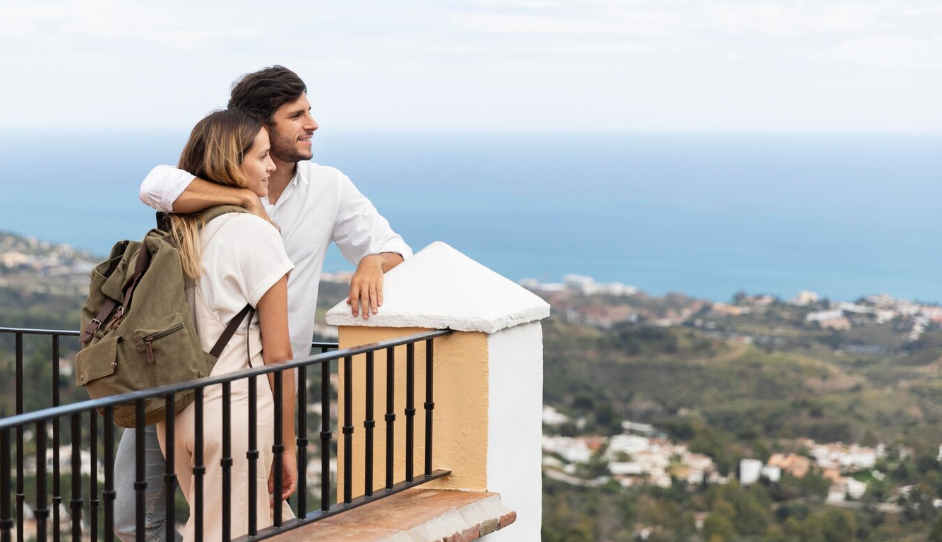
by Dulce Navarro | Jul 10, 2025 | Countries, Culture, Europe, Lifestyle, Travel
Best Cities in Spain for Expats Seeking Lifestyle & Community
Spain continues to be a top destination for expats from around the globe—and it’s easy to see why. With its warm climate, vibrant culture, world-class cuisine, and affordable cost of living, Spain offers an unmatched quality of life for professionals, retirees, and remote workers alike. For company directors and business travelers considering relocation or extended stays, choosing the right city can dramatically impact both lifestyle and success abroad.
Below, we explore some of the best cities in Spain for expats looking to build community, enjoy a balanced lifestyle, and immerse themselves in Spanish culture.
1. Barcelona: Cosmopolitan Vibe with Coastal Appeal
As Spain’s second-largest city, Barcelona offers the perfect combination of cultural sophistication, business opportunity, and Mediterranean charm. With a robust international community, it’s a favorite for expats working in tech, design, and entrepreneurship.
The city boasts a high quality of life with access to beaches, mountains, and a thriving art scene. The Eixample and Gràcia neighborhoods are particularly popular among professionals for their central location and walkability. English is widely spoken in business settings, though learning Spanish (and even Catalan) will deepen integration.
2. Madrid: Capital City with Global Connections
Madrid offers expats a dynamic, fast-paced urban experience. As the political and financial center of Spain, it’s ideal for directors and professionals engaged in international business or diplomacy.
The city’s extensive metro system, bustling coworking spaces, and rich cultural institutions—from the Prado Museum to countless theaters—make it a rewarding place to live and work. Madrid’s expat community is active and diverse, with numerous networking events and language exchange groups to help new arrivals feel at home.
3. Valencia: A Balanced Blend of City and Sea
For those looking for a quieter alternative to Madrid or Barcelona, Valencia provides an ideal balance. With a lower cost of living and a growing number of international residents, the city is becoming an increasingly popular choice for remote workers and families.
Valencia offers modern infrastructure, green spaces like the Turia Gardens, and easy access to the beach. It also has a reputation for being friendly and welcoming, making it easier for expats to build lasting social connections.
4. Málaga: Sunshine, Startups, and Sophistication
Málaga, located on the Costa del Sol, has transformed from a sleepy coastal city into a buzzing hub for digital nomads, startups, and innovation. With over 300 days of sunshine per year, it’s no surprise that it attracts expats in search of both lifestyle and opportunity.
Málaga TechPark and a growing ecosystem of coworking spaces make it ideal for tech professionals and entrepreneurs. The city’s laid-back atmosphere, friendly locals, and exceptional cuisine further boost its appeal.
5. Seville: Tradition Meets Modern Living
Seville offers expats a more traditional Spanish experience, full of flamenco, festivals, and stunning architecture. While it’s not as international as Madrid or Barcelona, it offers a slower pace of life, ideal for those seeking cultural richness over corporate hustle.
The cost of living is relatively low, and the city is known for its hospitality. Language immersion is almost unavoidable here, which makes Seville a great place for expats committed to learning Spanish and engaging with local customs.
6. Bilbao: Innovation in the Basque Country
Bilbao is the economic powerhouse of northern Spain and offers a unique cultural experience rooted in Basque traditions. The city has undergone significant transformation in recent years, becoming a hub for design, engineering, and research.
Bilbao is ideal for expats working in academia, innovation, or the energy sector. The city offers a mix of old-world charm and modern amenities, along with a well-organized public transport system and excellent quality of life.
7. Palma de Mallorca: Island Living with Urban Perks
If your vision of life in Spain includes sea views and a relaxed pace, Palma de Mallorca is worth considering. The island’s capital is well-connected, with an international airport, reliable internet, and a growing expat community.
Palma offers a unique mix of beach living and urban sophistication, with fine dining, boutique shopping, and historical sites. It’s a particularly good fit for entrepreneurs, creatives, or those in remote leadership roles seeking inspiration and calm.
Learning New Languages as an Expat: Strategies for Quick Success
Moving to a new country comes with the rewarding challenge of language acquisition. Here are a few strategies to accelerate your Spanish learning:
- Enroll in immersive language classes: In-person learning with native speakers will fast-track your fluency.
- Practice daily: Commit to 15–30 minutes of Spanish every day using apps, podcasts, or Spanish-language media.
- Speak with locals: Don’t be afraid to make mistakes. Every interaction is a learning opportunity.
- Join community events: Language exchange meetups and local workshops are excellent for cultural and conversational practice.
- Label your environment: Stick notes around your home to reinforce vocabulary in a visual way.
Adopting a new language opens up deeper cultural integration and confidence in your daily life—whether ordering coffee, networking at business events, or forming friendships that last a lifetime.
Stay Connected for More Travel and Lifestyle Inspiration. For more insights into travel, culture, and lifestyle tips, follow me on @salvadorordorica. If you’re seeking professional translation and localization services to enhance your global ventures, visit The Spanish Group — your trusted partner in bridging cultures worldwide.

by Dulce Navarro | Jul 10, 2025 | Countries, Culture, Lifestyle, Traditions, Travel
Cultural Immersion Through Language: A Traveler’s Perspective
In today’s interconnected world, travel is no longer just about sightseeing—it’s about connection, authenticity, and understanding. For the discerning traveler or expatriate, language becomes more than a communication tool—it is the gateway to cultural immersion.
As a company director or frequent global traveler, understanding the profound impact of learning the local language goes far beyond convenience. It allows deeper engagement with communities, establishes trust in foreign markets, and enhances both personal and professional experiences.
The Language–Culture Connection
Language is the heartbeat of culture. It reflects the history, values, and social intricacies of a region. By learning a language, even at a conversational level, travelers unlock a layer of understanding that guides them through the subtleties of customs, humor, and traditions.
In Japan, for example, knowing the difference between formal and informal expressions can completely shift the tone of a business meeting. In Latin America, language is deeply intertwined with warmth and hospitality—simple greetings and idioms break down barriers and open doors.
Whether exploring local markets in Morocco or attending a client dinner in Paris, the ability to speak the local tongue often results in being treated not as a tourist, but as a guest—a welcomed participant rather than a passive observer.
Real-World Advantages for Business Travelers
From a business standpoint, cultural immersion through language translates into practical advantages. Executives who take the time to learn the language of their target markets demonstrate commitment, respect, and a willingness to adapt. These qualities are invaluable in negotiation and relationship-building.
Moreover, understanding cultural nuances through language can prevent costly miscommunications. Marketing campaigns, product names, and taglines that work well in one country can fail spectacularly—or offend—in another without proper localization and linguistic context.
For directors managing international teams, language knowledge also fosters stronger leadership. It allows for more direct communication, cultural sensitivity, and creates a sense of unity within a multicultural workforce.
Personal Growth Through Linguistic Immersion
Beyond professional benefits, learning a new language while living abroad enriches personal life in transformative ways. It makes day-to-day experiences—ordering food, navigating public transport, joining community events—more meaningful and less intimidating.
Language is often the key to friendships, mentorships, and deeper cultural appreciation. It changes the way we see the world and how the world sees us. The traveler who speaks the local language is no longer an outsider but a participant in the cultural story of their new home.
Overcoming Challenges: What Travelers Face
While the idea of cultural immersion through language is exciting, it’s not without challenges. Time constraints, fear of making mistakes, or simply not knowing where to begin are common obstacles. However, the process does not have to be daunting.
Many successful expats and travelers recommend starting small—mastering key phrases, using language learning apps during commutes, or practicing with locals in everyday settings. The key is consistency and a willingness to embrace imperfection.
Importantly, language immersion does not only happen through formal study. Watching local television, reading newspapers, and even listening to local music or podcasts can accelerate learning in an organic and enjoyable way.
Learning New Languages as an Expat: Strategies for Quick Success
For professionals and travelers living abroad, integrating a few smart strategies can lead to faster language acquisition:
- Enroll in local language classes: Not only do they provide structure, but they also help you meet fellow learners and build confidence.
- Hire a language tutor: Personalized sessions can target specific challenges relevant to your daily or professional life.
- Practice daily immersion: Label objects in your home, speak aloud to yourself, or switch your phone to the local language setting.
- Use tech to your advantage: Apps like Duolingo, Babbel, and Memrise offer gamified learning that fits into any schedule.
- Engage with locals: Make a point to interact regularly with neighbors, vendors, and community groups—real-world practice is the best teacher.
Embracing the language of your host country will not only enhance your travel experience but also shape your identity as a global citizen. Whether you’re expanding your business, exploring new cultures, or simply seeking connection, language is your most powerful passport.
Stay Connected for More Travel and Lifestyle Inspiration. For more insights into travel, culture, and lifestyle tips, follow me on @salvadorordorica. If you’re seeking professional translation and localization services to enhance your global ventures, visit The Spanish Group — your trusted partner in bridging cultures worldwide.

by Dulce Navarro | Jul 9, 2025 | Consumer, Countries, Europe, Lifestyle, Travel
Wine Regions in Spain Worth Traveling For
Spain is one of the world’s premier wine-producing countries, home to centuries-old traditions and a staggering variety of terroirs. From the bold reds of Rioja to the sparkling cavas of Catalonia, Spanish wine regions offer more than just great vintages—they provide unforgettable travel experiences steeped in culture, history, and gastronomy. Whether you’re a seasoned wine connoisseur or a curious traveler, here are the wine regions in Spain that are truly worth exploring.
1. La Rioja: The Flagship of Spanish Wine
La Rioja is Spain’s most famous wine region and the first to receive Denominación de Origen Calificada (DOCa) status. Located in the north of Spain, Rioja is known for producing elegant, oak-aged red wines—primarily from the Tempranillo grape. The region is divided into three subzones: Rioja Alta, Rioja Alavesa, and Rioja Oriental, each offering subtle differences in climate and wine profiles.
Visitors to Rioja can enjoy guided tours of historic bodegas (wineries), many of which offer tastings, wine-pairing meals, and insights into centuries-old winemaking techniques. The capital, Logroño, is also a culinary hub, known for its tapas culture along Calle Laurel.
2. Ribera del Duero: Robust Reds and Striking Landscapes
Located along the Duero River in Castilla y León, Ribera del Duero is a powerful rival to Rioja when it comes to red wine. The region’s high-altitude vineyards and extreme temperatures yield full-bodied wines with rich, concentrated flavors. Tempranillo—locally known as Tinta del País—is the dominant grape.
This region is home to prestigious wineries like Vega Sicilia and Dominio de Pingus, both known internationally for producing world-class reds. Wine tourism is well-developed, with luxurious rural hotels, vineyard visits, and tastings offered throughout the region.
3. Priorat: A Boutique Treasure in Catalonia
Priorat, one of only two DOCa regions in Spain (along with Rioja), is located in the hills of Catalonia. It’s a small but highly respected region producing bold, mineral-rich reds primarily from Garnacha (Grenache) and Cariñena (Carignan) grapes.
The terrain here is dramatic, with steep, terraced vineyards planted on slate soil known as “llicorella.” This unique soil composition contributes to the region’s powerful and age-worthy wines. Due to its boutique nature, wine tourism in Priorat feels exclusive and deeply personal—perfect for travelers looking to explore Spain’s artisanal wine culture.
4. Rías Baixas: Home of the Albariño
In the misty, green region of Galicia in northwestern Spain lies Rías Baixas, famed for its crisp, aromatic white wines made from Albariño. This coastal region produces wines that are fresh, floral, and perfectly suited to accompany seafood—the local specialty.
Wine lovers will enjoy exploring the area’s scenic villages, lush vineyards, and proximity to the Atlantic Ocean. Rías Baixas is ideal for those who prefer white wines and coastal cuisine, and it offers a cooler, more relaxed atmosphere than some of Spain’s hotter inland regions.
5. Penedès: The Sparkling Capital
Just a short drive from Barcelona, Penedès is best known as the heart of Cava production—Spain’s answer to Champagne. The region produces both white and rosé Cava using traditional methods, primarily with indigenous grape varieties like Macabeo, Xarel·lo, and Parellada.
In addition to sparkling wines, Penedès also produces a wide variety of still wines. Touring the region is easy and rewarding, with many wineries offering visits and tastings. The proximity to Barcelona makes it an excellent day trip or weekend escape for wine lovers.
6. Jerez (Sherry Triangle): A Journey Through Tradition
Jerez, located in the Andalusian province of Cádiz, is the birthplace of Sherry. This fortified wine comes in several styles, from the dry and nutty Fino to the rich and sweet Pedro Ximénez. The region’s unique solera aging system sets it apart from other winemaking traditions.
Wine tourism in Jerez is steeped in culture—you can visit ancient bodegas, witness flamenco performances, and enjoy Andalusian cuisine. The nearby towns of Sanlúcar de Barrameda and El Puerto de Santa María form the rest of the “Sherry Triangle,” each offering unique Sherry styles and coastal charm.
7. Valencia: Emerging Excellence
Valencia is rapidly gaining recognition for its innovative winemakers and diverse terroirs. From full-bodied reds to fresh whites and modern blends, the region is experimenting while still honoring local traditions. The climate and landscape allow for sustainable practices and organic production, which many boutique producers are embracing.
With its Mediterranean coastline, historic architecture, and vibrant culinary scene, Valencia offers a full travel experience—not just for wine lovers but for all travelers seeking authenticity and variety.
8. Somontano: Spain’s Hidden Gem
Somontano, located at the foot of the Pyrenees in Aragón, may not be as widely known as Rioja or Ribera, but it has quietly developed a reputation for producing high-quality wines. The name Somontano means “under the mountain,” and the region benefits from a mix of mountain and Mediterranean climates.
This diversity allows for a wide range of grape varieties—Cabernet Sauvignon, Merlot, Gewürztraminer, and local types like Moristel. The area is peaceful, less crowded, and ideal for travelers who want a slower pace and a more intimate connection with winemaking.
Learning New Languages as an Expat: Strategies for Quick Success
Exploring Spain’s wine regions is more than just a tasting experience—it’s an immersion into the culture, history, and language of each area. For expats, learning the local language not only enhances your travel but also helps you integrate and build meaningful relationships.
Here are some strategies for quick language success:
- Practice Daily: Use language apps like Duolingo or Babbel to maintain a consistent routine.
- Engage Locally: Participate in wine tours, local markets, or cooking classes where you’re exposed to everyday conversations.
- Hire a Tutor: One-on-one lessons (in-person or online) can accelerate your fluency.
- Label Your Surroundings: Put sticky notes on items in your home with their Spanish names to build vocabulary naturally.
- Watch & Listen: Immerse yourself in Spanish-language films, series, and music to strengthen your listening skills and pronunciation.
Language fluency is one of the best investments you can make as an expat—it transforms your ability to engage, connect, and truly experience life abroad.
Stay Connected for More Travel and Lifestyle Inspiration. For more insights into travel, culture, and lifestyle tips, follow me on @salvadorordorica. If you’re seeking professional translation and localization services to enhance your global ventures, visit The Spanish Group — your trusted partner in bridging cultures worldwide.

by Dulce Navarro | Jul 9, 2025 | Countries, Culture, Europe, Housing, Lifestyle, Residency
Finding Housing in Paris: Tips for Expats and Nomads
Paris remains one of the most sought-after cities in the world for expats and digital nomads alike. Its cultural charm, culinary excellence, and international atmosphere make it an ideal destination for those looking to live abroad. However, finding the right housing in the City of Light can be challenging, especially for those unfamiliar with the local market. In this article, we’ll guide you through practical strategies for securing a place to live in Paris, and offer helpful tips for adapting to life in a new country.
Understand the Paris Housing Market
The Paris housing market is competitive, fast-paced, and often expensive. High demand and limited supply can make securing an apartment a time-consuming process. It’s important to set realistic expectations before you begin your search. Rentals in the central arrondissements (1st to 8th) are generally more expensive, while the outer arrondissements or nearby suburbs (like Montreuil, Saint-Ouen, or Boulogne-Billancourt) may offer better value without sacrificing quality of life.
Furnished apartments are a popular option for expats and nomads. They eliminate the hassle of purchasing furniture and provide a more flexible lease structure. However, they typically come with a premium in rent.
Start Your Search Early
It’s wise to begin your search at least one to two months before your planned move-in date. This allows time to explore different neighborhoods, compare rental prices, and prepare necessary documentation. Platforms like SeLoger, LeBonCoin, and Paris Attitude are commonly used for apartment hunting. Social media groups and expat forums can also be a valuable resource for finding both long-term rentals and short-term sublets.
Work With a Reputable Agency or Relocation Expert
If you’re unfamiliar with French rental laws or don’t speak the language, consider working with a relocation consultant or rental agency. While this service typically includes fees, it can save you time and minimize miscommunications. Many agencies specialize in working with expats and are familiar with the unique requirements of international clients.
Agencies can also help you prepare essential documents, navigate lease contracts, and ensure compliance with legal obligations — such as the need for renters’ insurance (assurance habitation) and proper registration with local authorities.
Prepare Your Documentation
Landlords in Paris often require a comprehensive dossier to evaluate rental applications. This typically includes:
- Passport or valid ID
- Proof of income (such as employment contract or bank statements)
- Recent pay slips or tax returns
- Guarantor information (if applicable)
- Proof of previous residence
If you’re self-employed or a freelancer, expect to provide additional financial documentation to prove your solvency. Having these documents translated into French can expedite the process — professional translation services like The Spanish Group can assist with this.
Know Your Lease Options
In France, rental agreements generally fall into two categories: furnished (meublé) and unfurnished (vide). A furnished lease typically lasts for one year and is renewable, whereas an unfurnished lease often runs for three years. Short-term leases under 12 months are less common in traditional markets, but available through specialized agencies or vacation rental platforms.
Make sure to review the lease terms carefully. Confirm what’s included in the rent (utilities, maintenance fees, etc.), and verify the condition of the apartment through an official inspection (état des lieux) before moving in.
Explore Different Neighborhoods
Each Parisian neighborhood (arrondissement) has its own charm, pace, and personality. The Marais (3rd and 4th) is trendy and historic, while Saint-Germain-des-Prés (6th) offers a more classic Parisian lifestyle. Montmartre (18th) is artistic and bohemian, while the 11th and 12th arrondissements attract a younger, vibrant crowd with plenty of cafés and bars.
If you’re staying long-term, you may also consider residential neighborhoods outside the city center. Suburbs like Neuilly-sur-Seine or Vincennes offer quieter lifestyles with excellent public transportation connections to central Paris.
Consider Temporary Housing While You Search
If you’re unable to secure a long-term apartment before arrival, temporary housing may be a good interim solution. Hotels, serviced apartments, or Airbnb rentals can provide a flexible base while you attend viewings and finalize lease agreements. Some co-living spaces in Paris cater specifically to expats and digital nomads, offering furnished rooms, coworking spaces, and built-in communities.
Understand the Cultural Nuances
Patience and politeness go a long way in France. Responses to rental inquiries may take longer than expected, and it’s not uncommon to encounter bureaucracy. Staying professional, persistent, and respectful will serve you well.
It’s also helpful to brush up on French rental terminology to better understand contracts and communicate with landlords. Even a basic level of French can make the process smoother and show goodwill to potential landlords or agencies.
Learning New Languages as an Expat: Strategies for Quick Success
Language is one of the key factors for integrating smoothly into a new country. For expats in Paris, learning French will not only ease day-to-day interactions but also help you feel more connected to the local culture and community. Here are some strategies to accelerate your learning:
- Use language apps like Duolingo, Babbel, or Memrise daily.
- Take in-person or online French lessons, even if just once a week.
- Practice with locals — join conversation groups or language exchanges.
- Label items around your apartment in French to build vocabulary.
- Watch French films or listen to French podcasts with subtitles.
Consistency is key. Even 15–30 minutes per day can create remarkable progress over time. As your language skills grow, so will your confidence navigating life in Paris — from reading rental agreements to making new friends.
Stay Connected for More Travel and Lifestyle Inspiration. For more insights into travel, culture, and lifestyle tips, follow me on @salvadorordorica. If you’re seeking professional translation and localization services to enhance your global ventures, visit The Spanish Group — your trusted partner in bridging cultures worldwide.
