A curated tour of the continent’s most exclusive hotel residences — what commands their price tags, the experiences they promise, and why they matter for travellers who demand the very best.
Introduction: What Makes a Suite Truly Exceptional?
When hoteliers price a suite at the upper echelons, they are selling more than square footage and views. They are selling provenance, privacy, personalised service, and craft. The most expensive suites in Europe combine iconic locations, bespoke interiors by celebrated designers, private amenities (think personal butlers, private pools, or in-suite spas), and experiential extras such as private chauffeurs, curated art, and access to otherwise closed cultural moments. This guide focuses on those ingredients and presents a selection of suites that exemplify them.
Signature Suites to Know
1. The Royal Penthouse — Iconic City Landmark
Perched at the top of an historic palace-converted hotel, this kind of penthouse typically offers sweeping skyline views, multiple bedrooms, a formal dining room for private receptions, and a dedicated staff team. The interior often honours local craftsmanship—handmade linens, bespoke furniture, and works by prominent regional artists—while discreet contemporary technology ensures modern comfort. Bookings often include airport transfers by luxury car, bespoke city tours, and priority access to cultural institutions.
2. The Riviera Water Suite — Coastal Opulence
Found along the Mediterranean and Adriatic coasts, water-facing suites combine indoor-outdoor living with private terraces and plunge pools that drop directly to the sea or cliffside gardens. Natural light, marine-inspired palettes, and artisanal touches reinforce the sense of place. Price premiums arise from absolute privacy, the exclusivity of beachfront access, and on-demand experiences such as private boat charters or in-suite seafood banquets prepared by Michelin-trained chefs.
3. The Heritage Salon — Historic Mansion Suites
Some of Europe’s most costly suites are located within preserved aristocratic townhouses and manor houses. These spaces keep original architectural features—parquet floors, frescoed ceilings, carved fireplaces—while delivering contemporary comforts. The appeal lies in the emotional resonance of staying where history was made, often accompanied by private tours of the property, tailored dinners in formally restored dining rooms, and access to exclusive estate lands or gardens.
4. The Alpine Chalet Suite — Mountain-Top Luxury
In the Alps and other high-altitude destinations, premier suites offer timber-clad interiors, panoramic mountain vistas, private saunas, ski-in/ski-out convenience, and curated wellness programmes. The price reflects not just the amenities but the seasonality and logistical complexity of servicing remote properties. These suites are frequently paired with private guides for heli-skiing, mountain dining experiences, and bespoke après-ski services.
What You Pay For: Amenities, Privacy and Service
Across locations and styles, three recurring justifications for ultra-high rates emerge: (1) personalised service — agents and teams who anticipate needs before they are voiced; (2) privacy and exclusivity — dedicated entrances, private elevators, or entire floors reserved for suite guests; and (3) curated experiences — everything from private museum viewings to in-suite concerts and bespoke wellness programmes. These elements combine to create not just lodging, but a handcrafted stay that travellers often book for landmark moments: anniversaries, high-value negotiations, or as part of a once-in-a-lifetime itinerary.
How to Choose the Right Suite for Your Visit
Start by defining the occasion and the practical needs: do you prioritise proximity to cultural institutions, complete seclusion, family-friendly layouts, or a hub for business meetings? Verify what is included in the rate (meals, transfers, taxes), and ask about the typical composition of guests at the property so you can assess the level of privacy. When possible, request a direct conversation with the reservations manager — they can often create tailored packages that offer superior value and unique experiences beyond the sticker price.
Value Considerations: When an Expensive Suite Is Worth It
High cost becomes defensible when the intangible benefits align with your objectives. If the stay will host important clients, or if privacy and flawless logistics are mission-critical, the suite’s premium can be an investment in outcomes. For milestone celebrations, the curated moments—private tastings, cultural access, or specialised wellness—can create memories and photographs that outweigh the headline rate. Conversely, for travellers who seek discovery and dynamic local interaction, a high-end but not ultra-premium suite may offer a better balance.
Practical Tips for Booking and Upselling
Work directly with the hotel or a trusted travel specialist. Negotiate by asking for added value rather than rate reductions: airport transfers, complimentary spa treatments, a private dinner, or late checkout can elevate the stay without changing the published price. Book well in advance for peak season; alternatively, book during shoulder months for better negotiating leverage. Always confirm cancellation and modification policies in writing given the high stakes of these reservations.
Conclusion: Learning New Languages as an Expat — Strategies for Quick Success
Living and travelling among Europe’s finest addresses is as much cultural as it is geographic. For expats and frequent travellers, language unlocks richer service, easier negotiation, and deeper cultural connection. Prioritise practical vocabulary: phrases related to hospitality, dining, transport, and local etiquette. Combine short, daily immersive sessions with neighbourhood practice — order coffee, ask for directions, or request local recommendations. Use spaced repetition tools for retention, supplement with private conversation coaching for the phonetics, and aim for functional fluency: enough language to show respect and to participate meaningfully in local exchanges. The reward is immediate: better service, warmer hospitality, and a more authentic stay.
Europe’s Best Luxury Music Festivals with VIP Access
Introduction
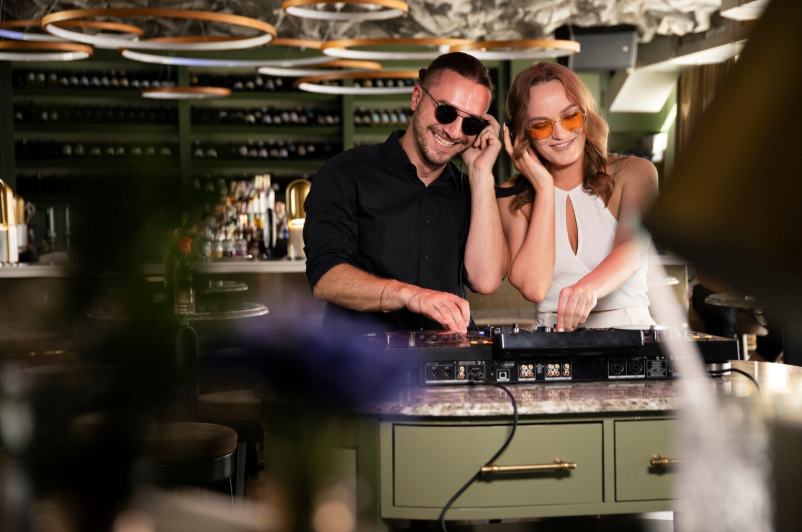
The modern festival landscape has diversified beyond mass crowds and muddy fields. Across Europe, a cohort of festivals now offers elevated experiences for travellers who expect world-class programming combined with five-star hospitality: private lounges, gourmet catering, concierge services, premium viewing platforms and curated cultural extras. For hospitality professionals, travel designers and discerning guests, understanding what luxury festival access delivers — and how to position it — is an important part of contemporary lifestyle travel.
What defines a luxury festival experience?
A luxury festival experience is defined less by price and more by service, curation and exclusivity. Key elements include: dedicated VIP entrances and viewing areas, private hospitality suites or lounges, premium food and beverage offerings (often locally sourced or chef-driven), backstage or artist-adjacent experiences, personalised concierge services and on-site comfort (private restrooms, shaded seating and quiet lounges). These features transform attendance from passive spectating into a highly curated, seamless lifestyle moment.
Top European festivals that deliver premium VIP access
Tomorrowland is a global benchmark for large-scale immersive production. Beyond the main stages, VIP packages include exclusive viewing platforms, private lounges, premium catering and curated accommodation options — from boutique hotels to on-site DreamVille villas. For clients who value spectacle and flawless logistics, Tomorrowland’s premium offerings transform the festival into a comfortable and unforgettable escape.
Montreux Jazz Festival (Montreux, Switzerland)
Genre: Jazz / eclectic — Why it’s luxury: intimate venues, waterfront hospitality and artist curation.
Montreux blends musical pedigree with refined hospitality. VIP ticket holders enjoy access to reserved seating in intimate venues, backstage events, and invitations to exclusive concerts. The festival’s lakeside setting and partnerships with luxury hotels and Michelin-level dining make it an excellent fit for travellers seeking culture with calm and comfort.
Salzburg Festival (Salzburg, Austria)
Genre: Classical / opera — Why it’s luxury: world-class programming, formal hospitality and private receptions.
Salzburg is the exemplar of classical festival luxury. VIP packages frequently include private rehearsals, artist receptions, premium seating and hospitality that mirrors the seriousness of the music on offer. For clients who prioritize prestige and cultural depth, Salzburg delivers timeless elegance.
Primavera Sound (Barcelona, Spain)
Genre: Indie / alternative — Why it’s luxury: curated VIP areas, hotel partnerships and concierge services.
Primavera has broadened its premium services to include comfortable VIP terraces, backstage-style viewing platforms and coordinated hotel packages. The Barcelona setting adds excellent dining and design-led hospitality options, appealing to clients who want stellar lineups without compromising on comfort.
Glyndebourne Festival (East Sussex, UK)
Genre: Opera — Why it’s luxury: picnic formalities, private boxes, and longstanding traditions.
Glyndebourne’s day-long operatic format is a study in refined festival-going. Private boxes, beautifully appointed dining options and an emphasis on tradition and ceremony make it a natural fit for guests who expect a composed and distinctly English interpretation of ‘festival luxury.’
Ibiza Season and Curated Yacht Events (Balearics, Spain)
Genre: Electronic / house — Why it’s luxury: VIP tables, private yacht charters and sunset hospitality.
Ibiza’s premium events — from marquee club residencies to boutique yacht parties — give VIP guests unparalleled access to artist experiences, private terraces and bespoke food and beverage. For guests combining festival energy with luxury transport and accommodation, Ibiza remains unmatched.
How to evaluate VIP packages for clients
Access vs. extras: Check whether the package offers only better sightlines or also includes hospitality, artist encounters and concierge services.
Logistics and exclusivity: Prioritise packages that minimise queue times and include private check-in, dedicated restrooms and secure storage.
Food, drink and comfort: Premium catering, reserved seating, shade and climate-control features often determine overall satisfaction.
Customization and add-ons: The best luxury offerings allow upgrades — private transfers, bespoke dining experiences and curated backstage opportunities.
Sustainability, reputation and safety
Luxury travellers increasingly expect ethical and sustainable practices. When recommending VIP experiences, assess a festival’s environmental policies, waste management, and local-community engagement. Reputation and safety protocols — especially crowd management and medical services — are essential when booking for high-profile or older clients.
Practical tips for travel designers and hosts
Build packages that bundle VIP festival access with hotel suites, private transfers and early check-in. Offer pre-event briefings, local dining suggestions and options for quiet downtime — festivals can be intense, and a measured itinerary keeps the experience restorative as well as exciting. Finally, use high-quality imagery and testimonial quotes from past VIP guests when marketing these packages.
Conclusion
Luxury music festivals in Europe are about more than access — they are carefully crafted moments where music, place and hospitality converge. Thoughtful VIP programming and hospitality enhance enjoyment and provide currency for storytelling: memories that guests will recount long after the final encore.
Learning New Languages as an Expat: Strategies for Quick Success
As a closing note, many festival-goers and luxury travellers are active expats. Rapid language acquisition improves both social and service interactions. Effective strategies include daily micro-practice (15–30 minutes of focused drills), prioritising travel- and hospitality-related phrases, joining language exchanges for conversational confidence, immersing through local media and menus, and using short, goal-oriented sessions with tutors for pronunciation and cultural nuance. Real-world practice — ordering, asking about ingredients, or greeting staff — accelerates fluency and deepens cultural connection.
Stay Connected for More Travel and Lifestyle Inspiration. For more insights into travel, culture, and lifestyle tips, follow me on Instagram @salvadorordorica. If you’re seeking professional translation and localization services to enhance your global ventures, visit The Spanish Group — your trusted partner in bridging cultures worldwide.
Luxury Train Dining: Europe’s Most Elegant Onboard Experiences
Introduction
Few travel experiences combine movement, scenery and gastronomy as seamlessly as luxury train dining. Across Europe, a new generation of rail journeys has elevated onboard cuisine to the level of destination dining: multi-course menus crafted by accomplished chefs, regional ingredients sourced along the route, carefully paired wines and a service choreography that feels both intimate and ceremonious. This post explores several of Europe’s standout onboard dining experiences and offers practical ideas for hosts, hospitality professionals and travelers who want to understand what makes dining on a luxury train truly exceptional.
Why onboard dining matters
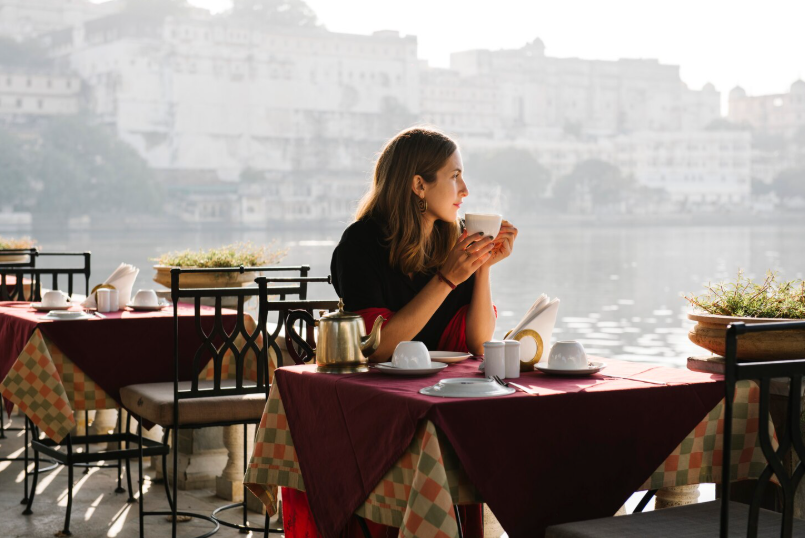
Dining is the social heart of most luxury trains. Long tables in wood-paneled dining cars, art-deco details, and the gentle rhythm of the rails create a setting where food becomes a form of storytelling — a way to introduce guests to regional flavors while they enjoy uninterrupted views. For accommodation and travel professionals, onboard dining is also a valuable differentiator: it transforms a transfer or scenic ride into a memory guests will talk about for years.
Venice Simplon-Orient-Express — Art Deco glamour and seasonal menus
The Venice Simplon-Orient-Express is synonymous with classic, formal rail dining. Menus are seasonal and prepared on board, with chefs sourcing regional ingredients during stops along the route. The train’s multiple restaurant cars offer an elegant, pre-fixed or à la carte dining experience that channels the golden age of travel while delivering contemporary culinary standards. :contentReference[oaicite:0]{index=0}
Belmond British Pullman — Michelin collaborations and British provenance
The Belmond British Pullman presents a more intimate, chef-driven approach to onboard dining: short luxury journeys focused on an exceptional meal. The Pullman frequently collaborates with Michelin-starred chefs and rotates seasonal menus that celebrate Britain’s produce. Guests can expect multi-course lunches or dinners, curated tasting experiences, and menus that change with the seasons. :contentReference[oaicite:1]{index=1}
Al Andalus — Southern Spain’s culinary heritage on rails
Spain’s Al Andalus takes onboard gastronomy seriously, weaving regional Andalusian staples into its restaurant carriage service. Expect Iberian ham from renowned producers, local olive oils, and wine pairings that reflect the route’s terroir. Meals are designed to complement guided excursions and the stately rhythm of a multi-day journey. :contentReference[oaicite:2]{index=2}
Belmond Royal Scotsman — Highland ingredients and whisky pairings
In Scotland, the Royal Scotsman uses its dining cars as a stage for Scotland’s best produce — shellfish, game, heirloom vegetables — paired with curated whisky and wine tastings. The onboard culinary program often includes themed dinners and opportunities to dine while the train traverses dramatic Highland landscapes. :contentReference[oaicite:3]{index=3}
Northern Belle — À la carte splendour and theatrical service
The Northern Belle emphasizes choice and theatre: a true à la carte dining experience aboard a lavishly refurbished train. Menus feature seasonal British ingredients and elaborate multi-course lunches and dinners — often staged as celebratory or special-occasion experiences. For travelers who want a bespoke dining experience while watching the English countryside roll by, Northern Belle is a benchmark. :contentReference[oaicite:4]{index=4}
What makes train dining exceptional — four pillars
1. Fresh, local sourcing
The best operators plan menus around the route, loading fresh produce, seafood and regional specialities at scheduled stops. That logistical choreography elevates dishes and gives each menu a strong sense of place.
2. Kitchen ingenuity in a small space
Preparing multi-course meals in compact galley kitchens requires excellent timing, simplified plating techniques and the experience of chefs who understand rail constraints. When executed well, the result is food that feels thoughtfully prepared rather than compromised.
3. Thoughtful beverage pairing and storytelling
Wine, spirits and non-alcoholic pairings are integral. Many journeys include tutored tastings — from sherries in Spain to Scotch whisky in Scotland — which deepen guests’ connection to the region.
4. Service as performance
Service teams on luxury trains are trained to deliver refined, unobtrusive hospitality: synchronized courses, discreet clearing, and a rhythm that respects the journey’s social character. The interplay between staff, space and scenery is what often turns a meal into a shared story.
Practical tips for hosts and travel professionals
If you manage a property or create travel content, highlight these elements when marketing: the provenance of ingredients, any chef collaborations, special tasting events, and how dining complements the route’s highlights. High-quality photography of plated courses and dining cars — plus short quotes from chefs or sommeliers — will help guests visualise the experience.
Conclusion
Luxury train dining remains one of Europe’s most romantic hospitality formats because it pairs exquisite cuisine with changing landscapes and human connection. Whether curated by Michelin-trained chefs or talented onboard teams, the best dining cars are places where food, place and time come together on the move.
Learning New Languages as an Expat: Strategies for Quick Success
As a final note, many of the travellers who appreciate luxury rail dining are also frequent expats or long-term visitors. Learning the local language quickly will enhance both travel and dining experiences. Start with these practical strategies: commit to daily micro-practice (15–30 minutes of conversation or app work), prioritise phrases relevant to dining and transport, use language exchanges to practice real speech, and immerse through media — local radio, menus and short films. Real-world practice is essential: ordering food, asking about ingredients, and chatting with staff will accelerate fluency and deepen cultural appreciation.
Stay Connected for More Travel and Lifestyle Inspiration. For more insights into travel, culture, and lifestyle tips, follow me on Instagram @salvadorordorica. If you’re seeking professional translation and localization services to enhance your global ventures, visit The Spanish Group — your trusted partner in bridging cultures worldwide.
Europe’s Best Luxury Deserted Beaches for Seclusion
By the Director — For travellers who value silence over spectacle and privacy over crowds, Europe still offers extraordinary coastal places where sand, sea and service meet in perfect seclusion. These are beaches where luxury is quiet: private coves, white-sand stretches reached by boat, and estates that blend discreet hospitality with untouched landscapes.
What defines a luxury deserted beach?
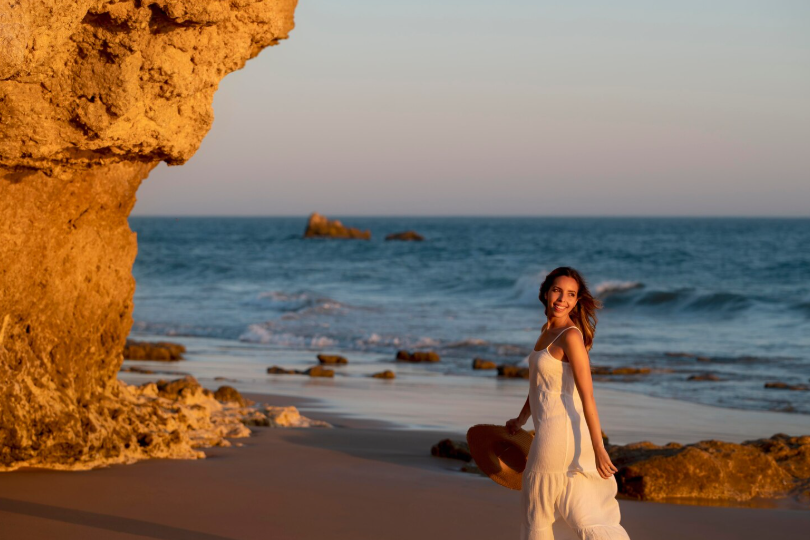
Seclusion is more than a lack of people; it is intentional access, thoughtful amenities and a preservation of place. A luxury deserted beach typically combines limited access (private coves, timed permits, or boat-only arrival), attentive but unobtrusive service (private dining, discreet housekeeping), and a commitment to environmental stewardship. The ambience is natural rather than contrived — sparse infrastructure, local materials, and staff trained to anticipate needs without intruding.
Top secluded beaches across Europe
1. Cala Saona, Formentera, Spain
Formentera remains the Balearic secret: crystalline waters, low-rise architecture and a slower tempo. Cala Saona’s sheltered bay is perfect for those who prize turquoise water and minimal development. Luxury here means private beach huts, late-afternoon picnics prepared by a local chef, and boat transfers that avoid public jetties. Travelers can enjoy snorkeling directly from shore and return to villas where service is tailored to privacy.
2. Spiaggia dei Conigli, Lampedusa, Italy
Often called Europe’s most beautiful beach, Lampedusa’s Spiaggia dei Conigli is remote and protected, accessible by a short walk through dunes or by private boat. High-end travellers arrange exclusive shore visits at dawn or dusk, avoiding the limited public hours. Luxury experiences focus on culinary simplicity: seafood platters from island fishers, shaded cabanas, and eco-conscious transfers that support the island’s conservation efforts.
3. Plage de Saleccia, Corsica, France
Saleccia, reached by 4×4 tracks or boat, rewards the patient traveller with powdery sand and crystalline sea. Private villas and small eco-lodges in the area provide intimate service and allow guests to arrive before day-trippers. Think picnic lunches featuring charcuterie from nearby villages, sunset tastings of Corsican wines, and the option of a private skipper to reach neighbouring coves.
4. Praia da Ursa, Sintra, Portugal
Near Lisbon but feeling far away, Praia da Ursa is a dramatic, windswept cove defined by jagged rock formations. Access requires a descent over rough paths, which keeps numbers low. Luxury here is rugged and curated: guided walks with an expert naturalist, picnic set-ups on the headland, and secluded boutique guesthouses that provide hearty regional breakfasts to fuel exploration.
5. Kleftiko Coves, Milos, Greece
Milos’s famed coves are carved from volcanic rock and reached primarily by private boat. Chartering a small yacht grants access to caves and isolated swim spots where few others arrive. Luxury operators include onboard chefs, diving guides, and tailored itineraries that combine sea exploration with visits to family-run tavernas onshore.
How to plan a secluded beach escape
Plan with intention. Choose off-peak windows (shoulder seasons such as late spring or early autumn) and consider private transfers—helicopter, yacht or chauffeured 4x4s—over public options. Confirm arrival logistics with the property: some coves have strict environmental rules or limited landing points. For ultimate discretion, book exclusive-use villas or small boutique hotels that control access to nearby beaches.
Luxury services that enhance seclusion
Discreet luxury focuses on personalization: beachside dining arranged on request, private wellness treatments delivered in situ, guided snorkelling with a marine biologist, and tailored privacy measures for high-profile guests. Ensure the property follows best practices for waste management and works with local suppliers to minimize ecological impact.
Responsible and respectful travel
Secluded beaches are fragile ecosystems. Choose operators that prioritise conservation: they should limit visitor numbers, use low-impact moorings, and support local conservation programmes. Respecting nesting seasons, avoiding single-use plastics and engaging with local communities ensures these places remain pristine for future visitors.
Practical tips for an elevated and safe visit
Check tides and weather in advance; remote beaches can become hazardous during sudden swells.
Pack essentials in sturdy, water-resistant bags—remote landings often lack facilities.
Engage local guides for access and safety; they know the safest routes and best times to visit.\li>
Confirm emergency procedures with your host and carry a satellite or local emergency contact if available.
Respect local regulations—many protected beaches limit access to preserve wildlife and plant life.
Learning New Languages as an Expat: Strategies for Quick Success
Living or travelling in new countries deepens when you speak the language. Start with essential phrases for logistics and hospitality—directions, dining, and safety. Pair daily conversational practice with short formal lessons and real-world application: order at a taverna, ask a local about wildlife protections, or discuss menu ingredients with the chef. Language skills unlock trust, better service and deeper cultural exchange during every secluded stay.
Stay connected for more travel and lifestyle inspiration. For more insights into travel, culture, and lifestyle tips, follow me on Instagram @salvadorordorica. If you’re seeking professional translation and localization services to enhance your global ventures, visit The Spanish Group — your trusted partner in bridging cultures worldwide.
By the Director — For the traveller who treats food as culture, a luxury culinary tour is more than eating well; it is an education in terroir, technique and history. From private kitchen access with Michelin-starred chefs to after-hours market tours, these curated experiences combine discovery with comfort and discretion.
What makes a culinary tour “luxury”?
Luxury culinary tours focus on exclusivity, authenticity and personalization. Rather than a one-size-fits-all tasting, they provide private access to celebrated chefs, behind-the-scenes tours of food producers, bespoke menus tailored to dietary needs, and small-group or private transportation. High-end tours often pair culinary experiences with cultural programming — private museum viewings, curated wine tastings in historic cellars, or invitations to chef’s-table evenings that are unavailable to the general public.
Top city experiences
Paris — Classic technique and contemporary innovation
In Paris, luxury culinary tours blend patisserie mastery, private dining at renowned restaurants and intimate marché visits. Expect private lessons with pastry chefs, chauffeured trips to Champagne houses for day excursions, and curated dinners where sommeliers introduce rare vintages. Parisian tours excel at pairing timeless technique with modern creativity.
Barcelona — Catalan ingredients and avant-garde flair
Barcelona offers vibrant market tours (La Boqueria or smaller market gems), private tapas crawls with a local guide, and exclusive dinners showcasing Catalan produce. Many luxury operators arrange visits with top chefs who reinterpret Mediterranean ingredients, or coordinate private excursions to nearby coastal farms and vineyards.
Rome — Timeless flavours and family producers
Luxury culinary tours in Rome emphasize provenance: private kitchen visits, family-run pastificio and olive-press tours, and bespoke pasta workshops in historic palazzi. A premium experience might include a private truffle hunt outside the city followed by a chef-prepared lunch with wine pairings from regional producers.
Lyon — France’s gastronomic capital
Lyon remains a pilgrimage for those who revere French cookery. High-end tours here include private tastings in traditional bouchons, meetings with artisans who supply Michelin restaurants, and chef’s-table evenings in cellars beneath the city. The city’s compact scale makes it ideal for deep, curated exploration.
Lisb on — Atlantic influence and new-wave restaurants
Lisbon’s culinary scene pairs Atlantic seafood traditions with modern techniques. Luxury tours may combine private market tours, guided tastings of fortified wines, and bespoke seafood dinners on rooftop terraces. Operators often include coastal day trips to meet fishers and foragers, enhancing the sense of place.
Copenhagen — Nordic precision and sustainable sourcing
Copenhagen’s influence on modern gastronomy stems from a rigorous focus on local, seasonal produce. Luxury culinary itineraries highlight farm-to-table visits, meetings with Noma-style chefs, and private tastings that showcase minimalism with maximum terroir expression. Sustainability is often central to the experience.
How to select the right tour
For directors arranging experiences for clients or colleagues, clarify goals early. Is the priority education, entertainment, team-building or relationship cultivation? Ensure the operator can accommodate dietary restrictions, provide private transport and offer bilingual guides. Verify group size (the smaller, the more intimate), and request sample itineraries, references and details about the local partners involved.
Sustainability and responsible gastronomy
Leading luxury operators now foreground sustainability: sourcing from regenerative farms, minimising food waste, and supporting local producers. Ask whether a tour contributes to local economies and how it minimizes environmental impact—important considerations for corporate clients mindful of ESG commitments.
Practical tips for an elevated culinary journey
Book early—seasonal experiences and private chef tables fill quickly, especially in autumn and spring.
Share allergies and dietary preferences well in advance so menus can be tailored.
Combine a market tour with a private cooking class to translate tasting into technique.
Request transfers and local logistics to be handled by the tour operator to avoid time lost in transit.
Consider a multi-city itinerary to contrast regional techniques and ingredients over a single trip.
Learning New Languages as an Expat: Strategies for Quick Success
Travel deeply when you commit to language practice. Focus first on practical vocabulary—ordering food, asking about ingredients, and discussing dietary needs. Pair immersive practice with short, regular lessons that build business or hospitality vocabulary where relevant. Practising with local guides or hosts not only improves fluency but also deepens culinary connections and unlocks experiences otherwise closed to visitors.
Stay connected for more travel and lifestyle inspiration. For more insights into travel, culture, and lifestyle tips, follow me on Instagram @salvadorordorica. If you’re seeking professional translation and localization services to enhance your global ventures, visit The Spanish Group — your trusted partner in bridging cultures worldwide.
Europe’s Most Exclusive Ski Chalets for Winter Luxury
By the Director — A curated selection for travellers who value privacy, artful design and top-tier service. These chalets are effortless bases for winter sport and extended stays: places where alpine tradition meets contemporary comfort, private chefs, and concierge teams prepared to craft memorable mountain experiences.
What defines an “exclusive” ski chalet?
Exclusivity in the alpine context blends location, privacy and bespoke service. The most sought-after chalets sit close to piste access, offer private ski rooms and chauffeurs, and provide high staff-to-guest ratios. Architectural pedigree and interior design — timber beams, stone fireplaces, curated art — are matched by amenities such as wellness suites, cinemas, wine cellars and in-house chefs. Above all, true exclusivity means discretion: bookings are handled personally, requests are anticipated, and the stay feels effortless from arrival to departure.
Standout chalets across Europe
1. Grand Alpine Estate — Courchevel
Courchevel’s upper villages are synonymous with luxury, and the grand estate embodies everything clients expect: multiple reception rooms, panoramic terraces, a private spa and an indoor pool. With immediate access to the 3 Valleys lift network and a driver ready for transfers, this chalet is ideal for families and corporate groups who want to combine skiing with private dining and entertainment. Expect wine-paired tasting menus and dedicated mountain guides.
2. Historic Mountain Manor — St. Moritz
St. Moritz combines Swiss precision with an historic social scene. A restored manor here offers lacquered wood interiors, antique furnishings and a butler service trained in fine dining etiquette. Close to both groomed runs and designer boutiques, this chalet suits guests who wish to move easily between sport and cultural programming — from horse racing in winter to private gallery viewings.
3. Cliffside Contemporary — Zermatt
With Matterhorn vistas dominating the skyline, a cliffside chalet focuses on clean, contemporary design framed by dramatic windows. High-tech comforts—cinema room, heated outdoor deck, wellness suite—sit alongside alpine touches like sheepskin throws and chalet-style fireplaces. Ski-in/ski-out access and helicopter transfer options make it a favorite for international guests arriving from city layovers.
4. Rustic Luxury Refuge — Chamonix
For those seeking rugged grandeur, a timber-and-stone refuge in Chamonix delivers spectacular Mont Blanc panoramas and an atmosphere of authentic mountain living. Local guides can coordinate guided off-piste excursions, and evenings are spent around long communal tables where the chef serves alpine classics with modern twists.
5. Private Island-Style Chalet — Dolomites
In the Italian Dolomites, exclusive chalets blend family-run warmth with meticulous hospitality. Expect lacquered kitchens, bespoke furnishings, and extensive culinary programs that highlight regional specialties. Many properties pair stays with curated cultural activities — truffle hunting, private wine tastings, or an afternoon with a local craftsperson.
Booking considerations for directors and high-net-worth travellers
When arranging stays for executives or VIPs, confirm staffing levels, staff accommodation, and privacy protocols. Ask whether the chalet can be booked as an exclusive-use property and whether discrete arrival options (private transfers, heliports) are available. Check ancillary services: private chefs with experience in corporate dining, secure meeting spaces, communications reliability for business calls and event support for any private gatherings.
Skiing logistics and concierge services
Top chalets provide full concierge support: pre-stocked groceries, private instructors, equipment rental (delivered and fitted), and curated après-ski experiences. For groups, consider a chalet manager who coordinates daily itineraries and ensures seamless timing between lessons, lift passes and transfers. If time is tight, private lessons and piste transfers minimize wasted time and maximize slope hours.
Sustainability and local engagement
The best operators blend luxury with responsibility. Look for properties engaging local suppliers, maintaining energy-efficient heating systems compatible with historic building standards, and participating in community conservation efforts. Supporting local economies — hiring local guides, using regionally sourced foods — enhances authenticity while reducing the environmental footprint of travel.
Practical tips for an exceptional stay
Reserve early: exclusive chalets book months in advance, particularly for Christmas and February school holidays.
Clarify dietary needs pre-arrival so the chef can design a tailored menu.
Confirm lift-pass procurement and equipment fitting before arrival to avoid queuing.
Ask about children’s services and nanny provisions if travelling with family.
Plan for transfers: heavy snowfall can affect road travel; private drivers with winter experience are invaluable.
Learning New Languages as an Expat: Strategies for Quick Success
Relocating or spending extended time abroad is an opportunity to deepen local relationships through language. Start by learning essential phrases for daily interactions, then schedule short, focused practice sessions with native speakers—ideally on topics you will actually use, such as dining, travel logistics, and business terms. Combine immersive experiences with structured lessons and real-world practice: order in the local language, take a guided market tour, or hire a language coach for industry-specific vocabulary. Small, consistent efforts build confidence quickly and enhance every luxury stay with richer cultural engagement.
Stay connected for more travel and lifestyle inspiration. For more insights into travel, culture, and lifestyle tips, follow me on Instagram @salvadorordorica. If you’re seeking professional translation and localization services to enhance your global ventures, visit The Spanish Group — your trusted partner in bridging cultures worldwide.