
Private Wine Cellar Tastings in Europe’s Oldest Estates

Private Wine Cellar Tastings in Europe’s Oldest Estates

Private Wine Cellar Tastings in Europe’s Oldest Estates

For the discerning traveler and the serious oenophile, a private tasting within the vaulted cellars of Europe’s oldest estates is an experience that transcends mere consumption. It is an immersion in history, terroir, and craftsmanship—an intimate dialogue between place, vintage, and the people who have tended those vines for generations. These exclusive tastings combine cultural heritage with sensory precision, offering a rare glimpse behind the doors of estates where winemaking traditions are as carefully preserved as the bottles themselves.

Heritage and Atmosphere: Why Cellars Matter

Cellars in historic estates are living museums. Many date back centuries and were designed with an instinctive understanding of the conditions required to age wine: stable temperatures, humidity control, and protection from light. Beyond their functional role, these spaces carry the patina of family histories—etchings on beams, archival labels, and handwritten journals that recount seasons and vintages long passed. When a tasting is held in such a setting, the atmosphere augments the wine: oak, stone, and the smell of old corks become part of the tasting vocabulary.

Tailored Tastings: The Private Advantage

Private cellar tastings are curated to the guest’s interests. Unlike public tastings, which often present a standard flight, private sessions allow for bespoke selections: library vintages not available to the public, experimental small-batch cuvées, and vertical tastings that chart a wine’s evolution over decades. These sessions are typically led by a cellar master or owner, whose first-hand knowledge adds invaluable context—vineyard practices, harvest conditions, aging regimes, and the decisions that shaped a particular vintage. This level of access turns a tasting into a narrative experience rather than a checklist of flavors.

Notable Regions and Estates Worth Seeking Out

Across Europe there are estates—some famed, others quietly legendary—that open their cellars by appointment. In France, small châteaux in Bordeaux and Burgundy offer verticals of grand crus rarely seen outside private collections. In Italy, estates in Tuscany and Piedmont invite guests to taste Nebbiolo and Sangiovese from family reserves stored for decades. Spain’s historic bodegas in Rioja and Ribera del Duero pair centuries-old cellars with modern viticulture, while Portugal’s Douro Valley houses ports and table wines in terraced estates with dramatic river views. Each region brings a distinct architectural and sensory context, from chalk cellars and vaulted stone to underground tunnels lined with amphorae.

What to Expect: Structure of a Private Tasting

A well-executed private tasting typically begins with a short tour of the estate—vineyards, production facilities, and finally the cellar. The tasting itself is paced, often beginning with younger wines and progressing to mature or reserve bottles. Hosts will guide guests through appearance, aroma, and palate, encouraging questions and comparisons. Small food pairings—artisan bread, local cheeses, charcuterie, or simple canapés—are frequently included to highlight the wines’ structural qualities. The goal is education as much as enjoyment: learning how climate, oak regimen, and bottle age shape expression.

Planning and Etiquette for an Exceptional Visit

Because private cellar tastings are intimate and often restricted, advance planning is essential. Contact the estate directly—email or a formal reservation request—to outline your interests, any dietary restrictions, and whether you would like specific vintages or themes (for instance, “wines from pre-1990 vintages” or “a comparative Chardonnay flight”). Dress is typically smart casual; cellars can be cool and damp, so a light jacket is advisable. Respect for the property and the host’s time is fundamental: arrive punctually, refrain from disruptive photography unless invited, and treat open bottles and historic objects with care.

Costs and Value: Understanding Pricing

Pricing for private cellar tastings varies widely depending on estate reputation, rarity of the wines presented, and whether dinner or a tour is included. Expect a premium for access to library bottles and for experiences led by senior staff or proprietors. While the cost can be significant, the value lies in the education, provenance, and the unique opportunity to taste wines that are not commercially available. For directors and clients seeking corporate hospitality, these tastings can also be tailored into private events that combine prestige and relationship building.

Corporate and Experiential Uses

For leaders and companies looking to impress clients or reward teams, private cellar tastings offer tasteful and memorable hospitality. They can be integrated into larger itineraries—combining estate tours with regional culinary experiences—or structured as exclusive networking events where limited seating ensures meaningful conversation. Work with the estate to create a program that aligns with your objectives, whether it’s brand entertaining, client appreciation, or an executive retreat focused on cultural immersion.

Preserving the Experience: Buying and Shipping

Most estates that open their cellars for private tastings will accommodate purchases of wines sampled during the visit and can advise on proper storage. Many also offer international shipping and can assist with export documentation for corporate acquisitions. If you plan to purchase bottles as gifts or for company collections, ask about provenance documentation and professional packing for transit to ensure the wines arrive in optimal condition.

Conclusion

Private wine cellar tastings in Europe’s oldest estates are more than a luxury: they are a bridge to the past and a lesson in the meticulous craft of winemaking. For company directors, refined travelers, and collectors alike, these experiences deliver historical perspective, sensory education, and unparalleled hospitality. With careful planning and an appreciation for provenance, a private cellar tasting will become an indelible chapter in any wine lover’s journey.

Stay Connected for More Travel and Lifestyle Inspiration. For more insights into travel, culture, and lifestyle tips, follow me on Instagram @salvadorordorica. If you’re seeking professional translation and localization services to enhance your global ventures, visit The Spanish Group — your trusted partner in bridging cultures worldwide.

Europe’s Grandest Luxury Thermal Baths You Haven’t Heard Of

Europe’s Grandest Luxury Thermal Baths You Haven’t Heard Of

Europe’s Grandest Luxury Thermal Baths You Haven’t Heard Of

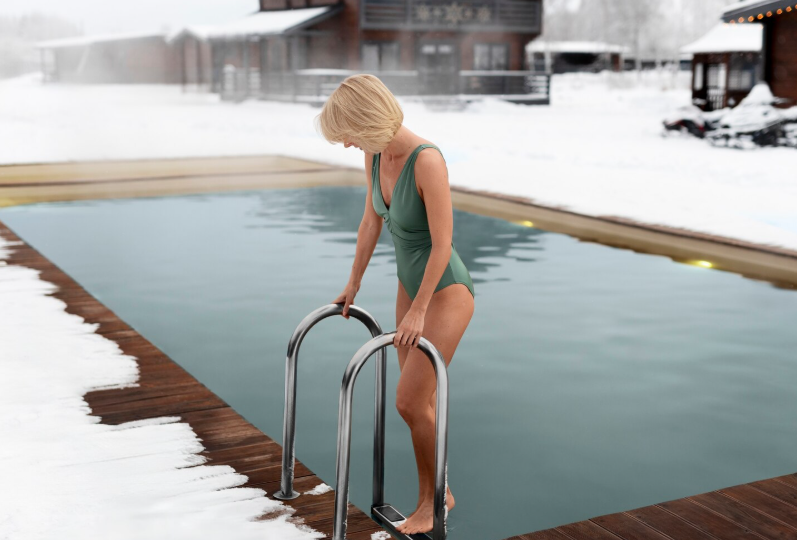
Europe is home to countless thermal baths, each steeped in centuries of history and offering a serene escape from the stresses of modern life. While many travelers flock to the well-known spas of Budapest or the famed Blue Lagoon in Iceland, a selection of lesser-known luxury thermal baths offers unique experiences that blend culture, wellness, and indulgence. For those seeking tranquility, rejuvenation, and exclusivity, these hidden gems across Europe are worth discovering.

1. Vals Thermal Baths – Switzerland

Tucked away in the remote Alpine village of Vals, Switzerland, the Vals Thermal Baths offer a masterclass in architectural elegance and natural immersion. Designed by the renowned architect Peter Zumthor, the baths are constructed from local Valser quartzite, which lends a timeless and serene quality to the space. Visitors can soak in pools fed by natural thermal springs while gazing at the dramatic Alpine landscape. The combination of minimalist design, soothing waters, and breathtaking scenery makes this a must-visit destination for luxury wellness enthusiasts.

2. Terme di Saturnia – Italy

Located in the heart of Tuscany, Terme di Saturnia is a natural thermal spa famed for its therapeutic waters, rich in minerals such as sulfur, calcium, and magnesium. The cascading pools, set against a backdrop of rolling Tuscan hills, provide both a visual and a physical rejuvenation. Unlike many crowded tourist destinations, this spa offers a peaceful and intimate atmosphere, making it ideal for those who value privacy and understated luxury. Guests can indulge in spa treatments, mud therapy, and hydrotherapy, all designed to revitalize the body and mind.

3. Széchenyi Thermal Bath – Hungary

While Budapest is famous for its thermal baths, the Széchenyi Thermal Bath remains a lesser-explored gem for those seeking luxury amidst historical grandeur. Located in the City Park, this Neo-Baroque bath complex offers expansive indoor and outdoor pools fed by medicinal hot springs. The combination of classical architecture and modern wellness amenities provides a unique juxtaposition, allowing visitors to experience both cultural richness and therapeutic benefits. Private VIP areas and exclusive spa packages ensure a tailored and indulgent experience.

4. Aqua Dome – Austria

Nestled in the Tyrolean Alps, Austria’s Aqua Dome is a futuristic spa complex that offers thermal pools with panoramic mountain views. The outdoor infinity pools, where the steam rises against the crisp Alpine air, create a magical atmosphere that is unmatched in European spa culture. Beyond the pools, Aqua Dome features innovative wellness treatments, saunas, and relaxation areas, blending modern luxury with the raw beauty of the Austrian landscape. This destination is perfect for travelers who desire both adventure and holistic well-being.

5. Thermae Bath Spa – United Kingdom

In the historic city of Bath, England, Thermae Bath Spa combines Roman heritage with contemporary luxury. Visitors can enjoy naturally warm mineral-rich waters in the historic Georgian spa building or on the rooftop pool, which offers sweeping views of the city. The spa integrates wellness therapies, including aromatherapy and hydro-massage, with modern amenities to provide a comprehensive luxury experience. Its blend of history, culture, and modernity makes it an essential stop for discerning travelers exploring the UK.

6. Hévíz Thermal Lake – Hungary

Hévíz is home to Europe’s largest thermal lake, offering an immersive experience in nature’s spa. The waters, naturally heated to therapeutic temperatures, are rich in minerals that aid in relieving joint and muscular ailments. Luxury accommodations nearby provide spa packages that include massages, medical consultations, and guided wellness activities. The combination of the open-air thermal lake and tailored wellness programs makes Hévíz a unique destination for travelers seeking both natural beauty and high-end relaxation.

7. Evian Resort – France

Perched along the shores of Lake Geneva, Evian Resort in France offers a sophisticated blend of luxury hospitality and thermal wellness. The resort features thermal pools, saunas, and wellness therapies that harness the natural properties of Evian water. Guests can enjoy personalized treatments in a serene setting, complemented by fine dining and elegant accommodations. Its tranquil lakeside ambiance and refined services make it a premier destination for those seeking exclusivity and indulgence.

8. Bad Ragaz – Switzerland

Located in the canton of St. Gallen, Bad Ragaz is a historic spa town renowned for its thermal waters, which have been celebrated for over 400 years. The Grand Resort Bad Ragaz combines medical expertise with luxurious spa facilities, offering bespoke treatments, thermal baths, and wellness programs. The resort’s commitment to high-end wellness, along with the picturesque surroundings of the Rhine Valley, creates a holistic retreat that caters to both health-conscious visitors and luxury travelers.

9. Bains de Lavey – Switzerland

Set in the Valais region of Switzerland, Bains de Lavey is celebrated for its mineral-rich thermal waters and stunning alpine backdrop. The spa offers a range of indoor and outdoor pools, saunas, and relaxation areas, all designed to maximize the restorative effects of the thermal springs. Its blend of natural beauty, architectural simplicity, and therapeutic waters makes it a hidden treasure for those who wish to escape the crowds and immerse themselves in wellness.

10. Aquadome & Thermal Spa of Baden-Baden – Germany

Baden-Baden has long been a symbol of luxury and leisure in Europe, and its thermal spa continues that tradition. The Friedrichsbad and Caracalla Spa complexes offer Roman-Irish bath experiences and modern thermal facilities, respectively. Guests can enjoy therapeutic treatments, mineral-rich pools, and serene surroundings in an environment that emphasizes both health and indulgence. Baden-Baden’s spa culture, combined with high-end service, ensures a memorable wellness experience.

Conclusion

Europe’s lesser-known thermal baths offer a perfect combination of luxury, history, and wellness. From the Swiss Alps to Tuscany and the lakes of France, these hidden gems provide serene escapes, therapeutic benefits, and unforgettable experiences away from the crowds. Whether you are seeking architectural beauty, mineral-rich waters, or tailored wellness programs, these thermal baths promise rejuvenation for both body and mind.

Stay Connected for More Travel and Lifestyle Inspiration. For more insights into travel, culture, and lifestyle tips, follow me on Instagram @salvadorordorica. If you’re seeking professional translation and localization services to enhance your global ventures, visit The Spanish Group — your trusted partner in bridging cultures worldwide.

Luxury Ballooning Experiences Over Europe’s Landscapes

Luxury Ballooning Experiences Over Europe’s Landscapes

Luxury Ballooning Experiences Over Europe’s Landscapes

Introduction

Floating gently above valleys, vineyards, and medieval rooftops, luxury hot-air ballooning offers a travel experience that blends calm, spectacle, and impeccable service. For the discerning traveler and company director who values exclusivity and carefully curated moments, ballooning across Europe delivers unmatched vistas paired with bespoke arrangements — private launches, gourmet breakfasts, and seamless logistics that respect time as much as beauty.

What Makes a Ballooning Experience Truly Luxurious?

Luxury ballooning is more than a scenic ride; it is an end-to-end service designed to remove friction and amplify the moment. Key elements include private or limited-capacity flights, customized itineraries timed to the golden hour, professional pilots with deep local knowledge, and ground crews that coordinate every last detail.

On the hospitality side, premium experiences often include chauffeured transfers, champagne toasts, multi-course picnic breakfasts, and concierge-level handling of permissions and weather contingencies. Safety, comfort, and elegance are prioritized: well-maintained baskets, comfortable boarding, and a relaxed pace that lets guests absorb the panorama rather than rush through it.

Top European Landscapes for Luxury Ballooning

Provence, France

Lavender fields, olive groves, and sun-washed villages make Provence an iconic canvas for balloonists. Flights here often begin at dawn, with soft light casting long shadows over patterned fields. Luxury operators will tailor a private flight followed by a locally sourced breakfast — think artisanal bread, chèvre, and freshly squeezed juice — served at a private estate.

Tuscany, Italy

Rolling hills, cypress-lined lanes, and terracotta rooftops define Tuscany’s appeal. Balloon rides above Chianti or Val d’Orcia provide striking perspectives on vineyards and hilltop towns. High-end packages commonly combine a flight with a curated wine tasting at a boutique cellar, offering guests a taste of regional terroir after they land.

Cappadocia, Turkey

Famous for its otherworldly rock formations and fairy chimneys, Cappadocia is a bucket-list destination for ballooning. Luxury services here emphasize exclusivity: private baskets, early access to premium launch sites, and landing celebrations in secluded valleys. The region’s dramatic light and geological features make it a photographer’s dream.

The Loire Valley & Châteaux, France

Drifting above fortified châteaux and manicured gardens, travelers experience history from a unique vantage point. A premium itinerary can pair the flight with private château tours and curated tastings of local gastronomy, offering a full-day immersion in heritage and refinement.

Loire to Amsterdam: Northern Europe Options

While central Europe offers classical pastoral scenery, northern itineraries — above Dutch tulip fields in spring or the lowlands of Belgium — provide seasonal spectacles. Luxury balloon trips in these areas are often timed around bloom windows or special events to maximize visual impact.

Planning, Logistics, and Safety Considerations

A premium experience depends on meticulous planning. Weather is the single most important factor, so reputable operators maintain flexible scheduling and will advise multiple potential launch windows. That flexibility is a hallmark of a luxury provider: they manage patience and possibilities so your calendar need not buckle.

For corporate or VIP clients, operators should handle ground transport, private access to launch sites (when possible), insurance, and any necessary permits. Confirm pilot credentials, equipment maintenance records, and that the operator carries appropriate insurance. A transparent refund or rescheduling policy is also a sign of professionalism.

Customization and Bespoke Add-Ons

The best luxury providers offer add-ons to personalize the journey: private musicians on landing, photographer or videographer services for editorial-quality captures, floral arrangements and branded packages, or even synchronized flights for corporate activations. For directors organizing client entertainment, these enhancements deliver memorable branding opportunities while preserving the intimate nature of the flight.

Sustainability and Responsible Travel

Luxury does not have to mean excess. Many premium operators adopt responsible practices: limiting flight frequencies over sensitive habitats, investing in fuel-efficient burners, and partnering with local communities. When choosing a provider, inquire about their environmental policies and community engagement to ensure the experience aligns with corporate responsibility goals.

Who Should Consider a Luxury Ballooning Experience?

These experiences are ideal for high-level client entertaining, executive retreats, special celebrations, and discerning travelers seeking quiet spectacle. Directors seeking unique incentives or reward programs will find ballooning a versatile option: it scales from intimate two-person flights to exclusive group charters while maintaining a sense of exclusivity.

Conclusion & Next Steps

Luxury ballooning across Europe combines natural beauty, careful logistics, and thoughtful hospitality. For a company director planning an unforgettable moment or a curated client experience, selecting a reputable operator that offers bespoke touches, clear safety standards, and sustainable practices will ensure the flight is both remarkable and responsibly executed.

Stay Connected for More Travel and Lifestyle Inspiration. For more insights into travel, culture, and lifestyle tips, follow me on Instagram
@salvadorordorica. If you’re seeking professional translation and localization services to enhance your global ventures, visit
The Spanish Group — your trusted partner in bridging cultures worldwide.

Europe’s Most Exclusive Private Gardens Tours

Europe’s Most Exclusive Private Gardens Tours

Europe’s Most Exclusive Private Gardens Tours

For travelers who appreciate horticultural artistry, history, and privacy, Europe’s private gardens offer an intimate and elevated way to experience landscape design. From centuries-old aristocratic estates to contemporary botanical masterpieces hidden behind discreet gates, private garden tours combine rarity, expert insight, and a sense of discovery. This guide highlights the most exclusive private garden tours across the continent, explains what elevates them above public parks, and offers practical advice for planning an exceptional, respectful visit.

Why Private Gardens Matter

Private gardens are living archives — they reflect the tastes of families and collectors, preserve rare plant varieties, and often contain art, architecture, and design choices not found in public spaces. Unlike municipal parks, private gardens are curated for an individual or family’s aesthetic and/or conservation goals. Access is typically limited and guided, which means visitors gain deeper context from garden stewards, private curators, or the owners themselves.

Standout Destinations and What Makes Them Special

Historic Manor Gardens in the British Countryside

England’s country estates are synonymous with cultivated landscapes. Many manor gardens—some redesigned by famed landscape architects—remain in private hands and open only to small, prearranged groups. What sets these tours apart is their blend of history and horticulture: guided walks emphasize provenance (rare roses, veteran trees, or historically staged parterres), and visits frequently include private rooms, archival displays, or seasonal events such as intimate afternoon teas in a walled garden.

Italian Villa Gardens: Sculpture, Citrus, and Seclusion

The Italian peninsula offers terraces, formal knot gardens, and groves scented with citrus and jasmine. Private tours of villas—especially in regions like Tuscany, the Veneto, and the Lake District—often include exclusive access to manicured terraces, private chapels, and family archives. These visits can be paired with private tastings of estate-produced olive oil or wine, pairing local gastronomy with a sense of place.

French Château Gardens: Grandeur Behind Closed Gates

Beyond the well-known public châteaux, numerous smaller estates in France host private formal gardens with French and English influences. Private tours provide a rare opportunity to see historically significant designs, topiary work, and rare plant collections. Often led by estate gardeners or horticultural historians, these visits contextualize gardening traditions within the broader sweep of French art and landscape history.

Mediterranean and Iberian Private Courtyards

Spain and Portugal’s private courtyard gardens reflect Moorish, Mediterranean, and Renaissance sensibilities. Their intimate scale — hidden patios with tiled fountains, citrus groves, and pergolas — makes them ideal for small-group, sensory-focused tours. Private visits can include guided conversations about water management, shade gardening techniques, and seasonal plantings that thrive in hotter climates.

Contemporary Private Botanicals: Northern Europe and the Low Countries

In the Netherlands, Denmark, and Sweden, private garden owners have embraced contemporary design and ecological gardening. These sites often combine native-plant restoration, sculptural installations, and experimental planting schemes. Tours emphasize sustainability, pollinator support, and innovative design solutions suitable for modern living — making them especially appealing for landscape professionals and design-forward travelers.

What to Expect on an Exclusive Private Garden Tour

Private garden tours are curated experiences. Expect small group sizes, knowledgeable guides (often the head gardener or owner), and a pace that allows for detailed interpretation. Many tours include behind-the-scenes access to tool sheds, propagation houses, and seed libraries. Some also offer experiential add-ons such as:

  • Seasonal tastings (garden-to-table teas, estate-produced preserves or oils)
  • Workshops on pruning, propagation, or garden design
  • Private photography sessions or sunrise garden walks
  • Access to family archives, historic interiors, or private sculpture collections

How to Arrange a Visit

Because access is limited, planning ahead is essential. Here are practical steps:

  1. Contact estate managers or specialized tour operators early — many private gardens require formal written requests or referrals.
  2. Be clear about group size, interests (botany, photography, design), and accessibility needs.
  3. Respect seasonal restrictions — some gardens limit visits during planting or maintenance windows.
  4. Confirm whether food, transport, and gratuities are included; private gardens often have bespoke policies.
  5. Ask about photography rules in advance; some proprietors allow professional shoots only with prior permission.

Ethical Considerations and Stewardship

Private gardens frequently function as conservation sites. Responsible visitors should observe established paths, avoid picking plants, and follow hygiene protocols (boots/gear cleaning) if required. Many private owners partner with botanical institutions and conservation organizations; your visit can support preservation when fees are used for ongoing maintenance or seed-bank projects. When possible, choose operators who transparently reinvest proceeds into the garden’s long-term care.

Who Benefits Most from a Private Garden Tour?

These tours are ideal for directors organizing corporate retreats, cultural curators, horticultural professionals, and affluent travelers seeking a quiet, educational experience. They also make exceptional incentives or client gifts — combining exclusivity with deep cultural value. For corporations and arts organizations, private garden visits can be integrated with talks, dinners, or bespoke programming to create memorable high-touch events.

Planning Your Private Garden Experience

Investing time in research and partnering with reputable local guides will transform a garden tour from a passive visit into a rich, contextual experience. Whether you’re arranging a bespoke incentive for clients or seeking a restorative personal escape, Europe’s private gardens offer unparalleled charm, botanical interest, and the rare satisfaction of seeing living history kept and cultivated behind closed gates.

Stay Connected for More Travel and Lifestyle Inspiration. For more insights into travel, culture, and lifestyle tips, follow me on Instagram
@salvadorordorica. If you’re seeking professional translation and localization services to enhance your global ventures, visit
The Spanish Group — your trusted partner in bridging cultures worldwide.
The Most Exclusive Luxury Hiking Experiences in Europe

The Most Exclusive Luxury Hiking Experiences in Europe

The Most Exclusive Luxury Hiking Experiences in Europe

For discerning travelers who want to combine the raw beauty of the great outdoors with five-star service, Europe offers a curated selection of luxury hiking experiences. From private guides and gourmet meals delivered on the trail to remote chalets with spa treatments and helicopter transfers, these itineraries transform rugged terrain into refined adventure. Below we explore the most exclusive options across the continent and explain what makes each experience exceptional.

Alpine Elegance: Private Multi-Day Hikes in the Swiss Alps

The Swiss Alps are synonymous with pristine scenery and impeccable service. Luxury operators craft multi-day routes that include private mountain guides, luggage transfers by helicopter or vehicle, and stays in boutique refuges or five-star hotels. Guests can expect personalized pacing, dedicated porters, and Michelin-level dining prepared from local ingredients. These packages often include optional add-ons like guided glacier walks, private wine tastings, and wellness treatments in exclusive mountain spas.

Mediterranean Majesty: Coastal Treks and Private Villas in the Amalfi and Cinque Terre Regions

For a gentler, sun-soaked hiking experience, Italy’s Amalfi Coast and the Cinque Terre blend coastal paths with curated luxury. Private chefs can prepare picnics of fresh seafood and regional wines; high-end companies arrange private boat transfers between trailheads, so hikers can finish the day with a champagne cruise. Exclusive villa stays with concierge services, in-house masseuses, and chauffeured vehicles create the perfect balance between effort and indulgence.

Nordic Solitude: Guided Wilderness Treks in Norway and Iceland

For travelers seeking remote landscapes, Iceland and Norway deliver dramatic fjords, volcanic plateaus, and glaciers. Luxury operators in the region create bespoke treks with small group or private-only itineraries, heated basecamps, and gourmet field kitchens. Helicopter drops, private hot springs, and stargazing experiences are frequent inclusions. Despite the rugged environment, the logistics are handled so guests can focus on the scenery and expert storytelling from local guides.

Historic Routes Reimagined: The Camino and Pyrenean Transits with a Luxury Twist

Classic walking routes such as the Camino de Santiago and trans-Pyrenean trails have been elevated for the luxury traveler. Instead of hostel dorms, guests stay in hand-picked boutique hotels and converted historic estates. Luggage is transported ahead, private drivers meet hikers at key stages, and curated cultural stops (private cathedral tours, local artisan meetings, and wine estate visits) provide context and comfort. These packages are ideal for travelers who want the cultural depth of traditional routes without sacrificing comfort.

Exclusive Island Treks: Corsica, Mallorca, and the Azores

European islands offer microcosms of striking variety—dramatic cliffs, fragrant pine forests, and hidden coves. Luxury hiking experiences on Corsica, Mallorca, and the Azores pair coastal and inland routes with boutique lodging, private guides, and small-group exclusivity. Many itineraries include tailored wellness components, such as guided yoga on cliffside terraces and private thalassotherapy sessions after a day’s walk.

Customized Logistics: How Luxury Operators Elevate the Trail

The difference between a standard packaged hike and a luxury experience is attention to logistical detail. Expect:

  • Private transfers (car, boat, or helicopter) that minimize time on ordinary roads
  • Tailored meals — from gourmet trail picnics to private chef dinners in remote refuges
  • Porter or luggage shuttle services so hikers only carry a daypack
  • Highly experienced local guides offering historical, ecological, and cultural interpretation
  • Flexible itineraries designed around fitness level, interests, and weather

Those details allow travelers to enjoy high-end comforts while still immersing themselves in nature.

Who Should Choose a Luxury Hiking Experience?

Luxury hiking is perfect for busy professionals, couples celebrating special occasions, families who want private, guided outdoor time, and seasoned hikers seeking a high-touch trip without logistical hassles. It also suits those who value sustainability and local stewardship—top operators prioritize small groups, low-impact travel practices, and partnerships with local suppliers and conservation organizations.

Planning Tips for a Seamless Luxury Trek

To ensure the best experience, consider the following:

  1. Book well in advance for peak seasons (summer in the Alps, shoulder seasons for coastal regions).
  2. Clarify fitness expectations and daily mileage with the operator to match the right guide and pace.
  3. Ask about dietary accommodations, allergy handling, and special requests for celebrations or photography.
  4. Confirm what’s included — transport, meals, gear, and emergency evacuation — so there are no surprises.
  5. Prioritize operators with strong local ties and transparent sustainability policies.

Value Beyond Luxury: Cultural Immersion and Local Expertise

The best luxury hiking experiences emphasize authentic connection: conversations with shepherds, tastings at family-run vineyards, short masterclasses with local artisans, and access to private cultural sites. These elements transform a scenic walk into an informed, memorable journey that supports local economies and deepens cultural appreciation.

Conclusion

As a final note for travelers who spend extended time abroad: learning the local language dramatically improves the luxury travel experience. Quick strategies include immersive daily routines (market conversations, short lessons with a private tutor), technology-assisted practice (spaced repetition apps and voice tools), and social exchange with local guides and service providers. Prioritize practical vocabulary for everyday interactions, and combine structured lessons with real-world practice to accelerate fluency.

Stay Connected for More Travel and Lifestyle Inspiration. For more insights into travel, culture, and lifestyle tips, follow me on Instagram
@salvadorordorica. If you’re seeking professional translation and localization services to enhance your global ventures, visit
The Spanish Group — your trusted partner in bridging cultures worldwide.

Europe’s Best Michelin-Star Hotel Restaurants

Europe’s Best Michelin-Star Hotel Restaurants

Europe’s Best Michelin-Star Hotel Restaurants

For travelers seeking the pinnacle of culinary excellence, Europe offers an unparalleled selection of Michelin-starred hotel restaurants. These establishments not only provide exquisite dining experiences but also immerse guests in a luxurious ambiance, reflecting the rich cultural and gastronomic heritage of their respective regions. From historic city landmarks to secluded countryside retreats, Michelin-star hotel restaurants in Europe redefine the art of fine dining.

Paris: Epicurean Excellence in the City of Light

Paris, synonymous with haute cuisine, boasts several Michelin-starred hotel restaurants that deliver both exceptional food and unforgettable atmospheres. Renowned establishments within historic hotels such as Le Meurice, Hôtel Plaza Athénée, and the Ritz Paris offer chefs’ innovative creations that highlight French culinary artistry. Guests can expect a combination of classic French techniques with modern gastronomy trends, all within opulent surroundings that enhance the dining experience.

London: Luxury and Innovation Across the Thames

London’s Michelin-star hotel restaurants provide a perfect blend of tradition and innovation. Hotels like The Savoy, Claridge’s, and The Ritz host acclaimed restaurants that emphasize seasonal ingredients, sustainable practices, and creative menus. Diners can indulge in modern interpretations of classic British cuisine while enjoying the historic elegance of the city’s most prestigious hotels.

Rome and Florence: Italian Culinary Heritage in Luxury Settings

Italy offers a unique combination of rich culinary traditions and luxurious accommodations. In Rome, iconic hotels such as the Hassler Roma feature Michelin-starred restaurants that serve authentic Italian flavors with a contemporary twist. Florence’s luxury hotels similarly offer fine dining experiences where fresh, local ingredients meet masterful culinary techniques, making these cities essential destinations for gastronomy enthusiasts.

Swiss Alps: Alpine Elegance and Gourmet Excellence

For travelers seeking a mountain retreat, the Swiss Alps provide Michelin-starred hotel restaurants that combine stunning natural vistas with world-class dining. Resorts such as The Chedi Andermatt and Badrutt’s Palace in St. Moritz host chefs renowned for their precision and creativity. Guests can savor seasonal European cuisine while enjoying panoramic views of snow-capped peaks, creating an unforgettable alpine dining experience.

Barcelona and Madrid: Spanish Flair in Michelin-Star Hotels

Spain’s luxury hotels in Barcelona and Madrid host Michelin-starred restaurants that celebrate Mediterranean flavors and Spanish culinary heritage. Hotels like the Hotel Arts Barcelona and the Hotel Ritz Madrid offer gastronomic experiences that pair innovative dishes with sophisticated wine selections. Guests enjoy a harmonious blend of traditional Spanish ingredients and contemporary culinary techniques, all within lavish hotel settings.

Tips for Choosing the Perfect Michelin-Star Hotel Restaurant

When selecting a Michelin-star hotel restaurant, consider the following factors: the chef’s reputation and style, seasonal menus, ambiance, and any exclusive experiences offered by the hotel. Reservations are often essential, as these elite dining venues tend to book quickly. For travelers looking to combine luxury accommodation with exceptional cuisine, selecting a hotel restaurant with Michelin recognition ensures a memorable and refined experience.

Conclusion

Beyond luxury dining and travel, immersing oneself in local culture often requires learning a new language. As an expat, strategies for quick success include consistent daily practice, engaging with native speakers, and leveraging digital language-learning tools. Understanding the local language not only enhances day-to-day experiences but also allows deeper connections with local communities, enriching every journey abroad.

Stay Connected for More Travel and Lifestyle Inspiration. For more insights into travel, culture, and lifestyle tips, follow me on Instagram @salvadorordorica. If you’re seeking professional translation and localization services to enhance your global ventures, visit The Spanish Group — your trusted partner in bridging cultures worldwide.