by Dulce Navarro | Feb 23, 2026 | Europe, Experiences, Landscapes, Lifestyle, Luxury, Nature, Travel
Italy’s Most Authentic Luxury Landscapes
Italy has long been synonymous with luxury — from couture fashion houses to Michelin-starred cuisine. Yet the country’s most profound expression of luxury lies not in material indulgence, but in landscape. True Italian luxury is experienced through slow mornings overlooking vineyard-covered hills, private boat rides across crystalline lakes, and golden sunsets illuminating centuries-old coastal villages. It is understated, deeply rooted in culture, and inseparable from nature.
In a world that increasingly equates luxury with excess, Italy reminds us that authenticity, heritage, and place are the ultimate markers of refinement. Below are some of Italy’s most authentic luxury landscapes — destinations where natural beauty and cultural legacy converge in unforgettable ways.
Tuscany: Timeless Elegance in Rolling Hills
No region captures the poetic essence of Italy quite like Tuscany. The gentle curves of the Val d’Orcia, lined with cypress trees and medieval villages, create a setting that feels almost cinematic. Here, luxury is found in restored 15th-century villas, organic vineyards producing Brunello di Montalcino, and private tastings hosted by multi-generational winemakers.
Staying in a countryside estate near Siena or Florence offers a rare blend of privacy and immersion. Guests wake to panoramic views of olive groves, dine on seasonal truffle dishes, and explore UNESCO-protected towns rich in Renaissance art and architecture. Tuscany’s luxury is not performative; it is cultivated through centuries of craftsmanship and reverence for land.
Lake Como: Alpine Grandeur Meets Refined Sophistication
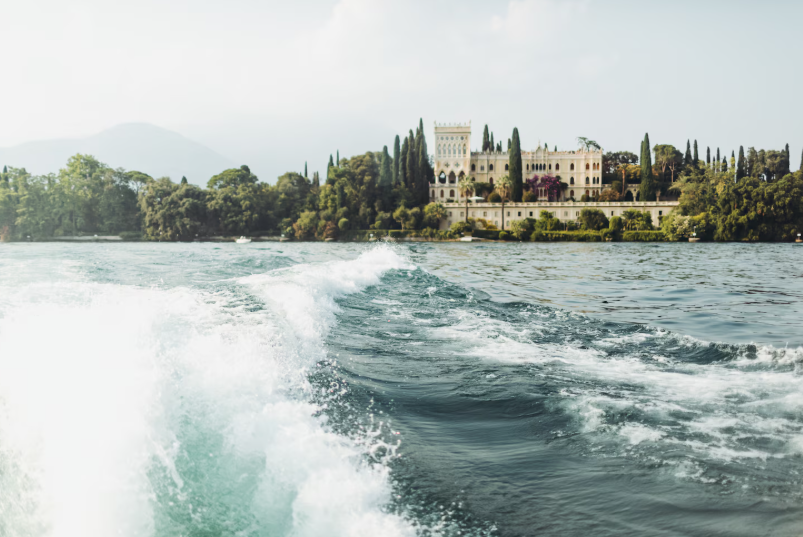
Framed by the Italian Alps, Lake Como is one of Europe’s most breathtaking bodies of water. Its dramatic mountains descend into deep blue waters, while neoclassical villas dot the shoreline. For centuries, aristocrats and global tastemakers have been drawn to its serene beauty.
The most authentic experience here lies beyond celebrity allure — in private boat excursions at sunrise, garden tours through historic villas, and leisurely afternoons in lakeside towns such as Bellagio and Varenna. The atmosphere is tranquil yet refined, where tailored service and natural splendor coexist seamlessly.
The Amalfi Coast: Dramatic Beauty Along the Mediterranean
Carved into rugged cliffs overlooking the Tyrrhenian Sea, the Amalfi Coast represents Mediterranean luxury at its most iconic. Pastel-colored villages cascade down dramatic hillsides, lemon groves perfume the air, and the sea glistens under the southern sun.
Authentic luxury here means chartering a traditional wooden boat to explore hidden coves, dining al fresco in family-owned trattorias, and retreating to boutique hotels carved into cliff faces. Towns such as Ravello and Positano offer a refined yet relaxed ambiance, where music festivals, artisan ceramics, and generational hospitality create a deeply personal experience.
The Dolomites: Elevated Serenity in Northern Italy
For those who equate luxury with tranquility and space, the Dolomites offer an extraordinary alternative to Italy’s coastal glamour. These jagged limestone peaks, part of a UNESCO World Heritage site, provide year-round natural spectacle — from snow-dusted winter landscapes to vibrant alpine meadows in summer.
Luxury in the Dolomites is defined by wellness retreats, architectural mountain lodges, and world-class culinary experiences that blend Italian and Austrian influences. Guests may begin the day hiking scenic trails, unwind in panoramic spas, and conclude with tasting menus prepared by award-winning chefs. It is an environment where sophistication meets untouched wilderness.
Puglia: Southern Charm and Understated Exclusivity
In recent years, Puglia has emerged as a discreet haven for travelers seeking authenticity without crowds. Located in Italy’s southern “heel,” the region offers pristine beaches, ancient olive trees, and whitewashed villages that radiate simplicity and elegance.
Luxury in Puglia is found in meticulously restored masserie — fortified farmhouses transformed into boutique retreats. These properties emphasize farm-to-table dining, local wines, and handcrafted design. The rhythm of life is slower, encouraging visitors to reconnect with landscape and tradition.
Sardinia: Untouched Waters and Refined Seclusion
Sardinia’s Costa Smeralda may be internationally recognized for its yachts and glamorous summer scene, but the island’s true luxury extends beyond its ports. Turquoise waters rival those of the Caribbean, while inland villages preserve ancient traditions and artisanal crafts.
Authentic luxury here involves private access to secluded beaches, bespoke sailing itineraries, and curated culinary journeys centered on local seafood and Cannonau wine. Sardinia offers a balance of exclusivity and heritage, appealing to travelers who value privacy as much as beauty.
Umbria: Italy’s Quiet Masterpiece
Often overshadowed by its Tuscan neighbor, Umbria remains one of Italy’s most authentic landscapes. Rolling hills, medieval hilltop towns, and sacred pilgrimage routes define this region. Assisi and Perugia embody spiritual and artistic depth, while countryside estates provide intimate accommodations.
Luxury in Umbria feels deeply personal — private olive oil tastings, truffle hunting with local experts, and candlelit dinners in stone farmhouses. It is ideal for discerning travelers seeking understated refinement away from high-profile destinations.
The Italian Riviera: Coastal Heritage and Timeless Glamour
Stretching along the Ligurian coast, the Italian Riviera blends pastel harbors with lush hillsides and crystalline waters. Portofino and the Cinque Terre reflect maritime heritage and architectural charm. The landscape invites leisurely exploration by foot or boat.
Here, authentic luxury lies in boutique hotels overlooking the sea, guided culinary tours highlighting Ligurian pesto and fresh seafood, and sunset cruises through quiet coves. The Riviera maintains a balance between sophistication and tradition, offering elegance without excess.
The Philosophy of Authentic Italian Luxury
What unites these diverse landscapes is a shared philosophy: luxury rooted in authenticity. Italy’s most compelling destinations do not rely solely on opulence; they emphasize heritage, craftsmanship, and a profound respect for place. From vineyard estates to alpine lodges, the finest experiences prioritize sustainability, cultural preservation, and meaningful connection.
For company directors, entrepreneurs, and global travelers, these destinations offer more than leisure. They provide perspective — an opportunity to slow down, reconnect with nature, and appreciate excellence shaped by history. In Italy, luxury is not hurried. It is savored.
Conclusion
Italy’s most authentic luxury landscapes remind us that refinement is inseparable from culture and environment. Whether overlooking Tuscan hills, sailing along the Amalfi Coast, or hiking through the Dolomites, the experience is both sensory and soulful. It is the kind of luxury that endures long after departure — grounded in memory, craftsmanship, and place.
Stay Connected for More Travel and Lifestyle Inspiration. For more insights into travel, culture, and lifestyle tips, follow me on Instagram @salvadorordorica. If you’re seeking professional translation and localization services to enhance your global ventures, visit The Spanish Group — your trusted partner in bridging cultures worldwide.

by Dulce Navarro | Feb 5, 2026 | Europe, Experiences, Landscapes, Lifestyle, Luxury, Nature, Travel
Italy’s Secret Corners That Reward Patient Travelers
Italy has long captivated travelers with its iconic landmarks — the Colosseum, the canals of Venice, the Renaissance splendor of Florence, and the Amalfi Coast’s cinematic beauty. Yet beyond these celebrated destinations lies another Italy: quieter, slower, and profoundly authentic. For patient travelers willing to venture off the predictable path, the country reveals secret corners that offer cultural richness without spectacle and beauty without excess.
These lesser-known destinations are not defined by grand monuments alone, but by atmosphere, tradition, craftsmanship, and a deep sense of place. They reward those who value nuance over noise and immersion over itinerary.
Civita di Bagnoregio: The Dying City That Lives On
Perched atop a fragile plateau in Lazio, Civita di Bagnoregio is often referred to as “the dying city” due to the gradual erosion of its volcanic rock foundation. Accessible only by a pedestrian bridge, the village feels suspended in time. Arriving early in the morning or staying overnight allows visitors to experience its true magic — when the day-trippers have gone and silence returns to its stone alleyways.
Here, life moves deliberately. Local trattorias serve handmade pasta with wild boar ragù, and artisans maintain traditional crafts passed down through generations. The beauty of Civita is not in grand attractions but in its stillness, its golden-hour glow, and its reminder that preservation requires patience.
Le Marche: Italy Without the Crowds
Often overshadowed by neighboring Tuscany and Umbria, Le Marche offers rolling hills, medieval towns, Adriatic beaches, and exceptional cuisine — all without overwhelming tourism. Urbino, a UNESCO World Heritage Site, remains one of the finest examples of Renaissance urban planning, yet retains a lived-in authenticity.
Inland villages such as Offida and Corinaldo offer intimate wine tastings and local festivals that feel genuinely communal rather than curated for visitors. Verdicchio wines from the region are among Italy’s most elegant whites, and small family producers welcome curious travelers who seek conversation as much as tasting notes.
Matera: Ancient Stone and Modern Revival
Matera, in Basilicata, was once considered one of Italy’s poorest areas. Today, it stands as a testament to thoughtful preservation and renewal. Its “Sassi” districts — cave dwellings carved into limestone cliffs — date back thousands of years.
Staying in a restored cave hotel offers a unique balance between history and modern comfort. The experience is contemplative rather than flashy. Walking through Matera at dusk, when warm lights illuminate stone facades, provides a sense of continuity between ancient resilience and contemporary sophistication.
The Langhe: Beyond Barolo
While Piedmont’s Barolo wines are internationally renowned, the broader Langhe region offers a deeply rewarding landscape for those willing to explore beyond prestigious labels. Undulating vineyards, truffle forests, and quiet hilltop villages create a setting that feels both refined and rural.
White truffle season in autumn transforms the region into a gastronomic pilgrimage site, yet even outside peak months, small producers provide intimate tastings that emphasize heritage and terroir. The pace here encourages lingering — over a multi-course lunch, a walk through the vineyards, or a conversation with a winemaker whose family has tended the same soil for generations.
Trieste: A Cultural Crossroads
At Italy’s northeastern edge, Trieste stands apart. Influenced by Central Europe and shaped by its Austro-Hungarian past, the city offers grand cafés reminiscent of Vienna and a literary history that includes James Joyce.
Unlike more crowded Italian port cities, Trieste invites contemplation. Its seafront promenades, neoclassical architecture, and surrounding Karst plateau create a unique blend of Italian warmth and Central European elegance. It is a destination for readers, thinkers, and travelers who appreciate subtle complexity.
Salina: The Sophisticated Aeolian Escape
Among the Aeolian Islands north of Sicily, Salina offers volcanic landscapes and crystalline waters without the nightlife-driven reputation of nearby islands. Vineyards producing Malvasia wine cascade toward the sea, and small fishing villages maintain their rhythm despite growing interest from discerning travelers.
Days here unfold slowly — swimming in secluded coves, enjoying granita under shaded terraces, and watching sunsets that seem almost theatrical in their intensity. Salina rewards those who prefer understated elegance to overt glamour.
Patience as a Travel Philosophy
What unites these destinations is not obscurity for its own sake, but the depth they offer when approached thoughtfully. Traveling patiently in Italy means allowing time for conversation, accepting slower service as part of cultural rhythm, and choosing depth over quantity.
It means visiting small museums where curators speak passionately about a single collection, attending local markets where produce reflects regional seasons, and engaging with artisans whose work embodies centuries of refinement.
Italy’s secret corners are not hidden because they lack merit — they remain less crowded because they require intention. They ask travelers to look beyond checklists and to appreciate subtlety. In return, they offer something increasingly rare: authenticity without performance.
The Enduring Appeal of Discovery
For the company director or global executive accustomed to efficiency and structure, these destinations offer a different kind of luxury — the luxury of unhurried discovery. In quiet piazzas and vineyard-lined roads, one finds perspective. In conversations with local producers and historians, one gains insight into resilience, craftsmanship, and generational vision.
Italy’s secret corners remind us that the most meaningful journeys are rarely the most publicized. They are found in the spaces between destinations, in early mornings before the world awakens, and in the willingness to pause long enough to truly observe.
Stay Connected for More Travel and Lifestyle Inspiration
For more insights into travel, culture, and lifestyle tips, follow me on Instagram @salvadorordorica. If you’re seeking professional translation and localization services to enhance your global ventures, visit The Spanish Group — your trusted partner in bridging cultures worldwide.

by Dulce Navarro | Feb 4, 2026 | Europe, Experiences, Landscapes, Lifestyle, Luxury, Nature, Travel
Spain’s Most Tasteful Wine Regions for Discerning Visitors
Spain is a country where wine is not simply a beverage, but a reflection of landscape, heritage, and identity. For the discerning traveler, Spanish wine regions offer far more than tastings—they provide immersive cultural experiences shaped by centuries of craftsmanship, gastronomy, and refined hospitality. From the rolling vineyards of Rioja to the dramatic terraces of Priorat, Spain’s most tasteful wine destinations combine authenticity with understated luxury.
Whether you are a seasoned collector, a culinary enthusiast, or a culturally curious visitor, the following regions stand out for their excellence, elegance, and depth.
La Rioja: Tradition Refined by Innovation
Arguably Spain’s most internationally recognized wine region, La Rioja sets the benchmark for quality and prestige. Located in northern Spain along the Ebro River, Rioja is synonymous with Tempranillo-based reds aged to perfection in oak barrels.
Discerning visitors will appreciate the region’s balance between heritage and modernity. Historic bodegas dating back to the 19th century coexist with architecturally striking wineries designed by figures such as Frank Gehry and Santiago Calatrava. Private tastings, vertical samplings of Gran Reserva vintages, and guided barrel-room tours offer an intimate look into meticulous aging processes.
Beyond wine, Rioja’s culinary scene elevates the experience. Michelin-starred restaurants, traditional asadores, and seasonal produce markets create an environment where wine and gastronomy exist in harmonious dialogue.
Ribera del Duero: Power and Precision
For those who favor bold, structured reds, Ribera del Duero is an essential destination. Situated along the Duero River, this high-altitude region produces intense Tempranillo wines known locally as Tinto Fino.
Ribera’s appeal lies in its precision. Extreme temperature variations between day and night contribute to grapes with exceptional concentration and complexity. Prestigious estates offer curated experiences, including vineyard walks with oenologists and exclusive tastings of limited-production labels.
The region’s understated luxury—boutique hotels set among vineyards, private cellar access, and personalized blending sessions—makes it particularly appealing to travelers who value discretion and authenticity.
Priorat: Dramatic Landscapes, Singular Wines
In Catalonia, southwest of Barcelona, lies Priorat—a region defined by rugged terrain and striking minerality. Its steep, terraced vineyards grow in llicorella slate soils, producing powerful yet nuanced Garnacha and Cariñena blends.
Priorat holds the prestigious DOCa classification (Denominación de Origen Calificada), shared only with Rioja. The wines are often limited in production, adding to their exclusivity and desirability among collectors.
Visiting Priorat is as much about the landscape as the wine. Intimate family-run wineries welcome guests by appointment, offering tastings that feel deeply personal. The dramatic scenery, combined with refined rural accommodations, creates an atmosphere of quiet sophistication.
Rías Baixas: Atlantic Elegance
For white wine connoisseurs, Rías Baixas in Galicia delivers remarkable freshness and finesse. Known for its Albariño grape, the region produces aromatic wines with bright acidity and saline minerality influenced by the nearby Atlantic Ocean.
Discerning travelers will find Rías Baixas both elegant and refreshingly unpretentious. Coastal estates, seafood-driven gastronomy, and vineyard views overlooking estuaries provide a sensory experience rooted in place.
Private boat excursions followed by curated seafood and Albariño pairings are increasingly popular among visitors seeking a refined yet relaxed atmosphere.
Penedès: Sparkling Sophistication
Just outside Barcelona, Penedès is synonymous with Cava, Spain’s celebrated sparkling wine. Crafted using the traditional method, Cava rivals the world’s finest sparkling wines in complexity and structure.
Prestigious producers offer behind-the-scenes tours of underground cellars where bottles age quietly for years. Tastings often include limited-edition cuvées and extended-aging releases reserved for dedicated enthusiasts.
Penedès also excels in innovation, with a growing number of organic and biodynamic producers shaping the future of Spanish viticulture.
Jerez (Sherry Triangle): Heritage and Distinction
In Andalusia, the Sherry Triangle—formed by Jerez de la Frontera, Sanlúcar de Barrameda, and El Puerto de Santa María—offers one of Spain’s most distinctive wine traditions. Sherry, aged under flor yeast in solera systems, represents a unique intersection of science and artistry.
For sophisticated palates, aged Amontillado, Palo Cortado, and Pedro Ximénez expressions reveal extraordinary depth and complexity. Private tours through historic bodegas often conclude with expertly paired tapas, highlighting the versatility of these fortified wines.
The cultural richness of Andalusia—flamenco, Moorish architecture, and equestrian heritage—adds further dimension to a visit.
Crafting the Perfect Wine Journey
Spain’s wine regions are best experienced thoughtfully. Private drivers, curated itineraries, and advance reservations at boutique wineries ensure meaningful engagement rather than hurried tastings. Many estates now offer immersive experiences such as harvest participation, blending workshops, and vineyard picnics curated by renowned chefs.
The discerning visitor understands that wine travel is not about volume, but depth—about understanding terroir, tradition, and the human stories behind each bottle.
A Culture Defined by Terroir
Spain’s diversity is mirrored in its wines. From the structured reds of the north to the mineral whites of the Atlantic coast and the fortified treasures of the south, each region expresses a distinct identity. For travelers who appreciate nuance, craftsmanship, and cultural authenticity, Spain offers a wine journey unlike any other.
Exploring these regions is not merely about tasting exceptional vintages—it is about engaging with centuries of dedication, innovation, and pride.
Conclusion
Stay Connected for More Travel and Lifestyle Inspiration. For more insights into travel, culture, and lifestyle tips, follow me on Instagram @salvadorordorica. If you’re seeking professional translation and localization services to enhance your global ventures, visit The Spanish Group — your trusted partner in bridging cultures worldwide.
by Dulce Navarro | Jan 29, 2026 | Europe, Experiences, Landscapes, Lifestyle, Luxury, Nature, Travel
Italy’s Most Elegant Countryside Escapes
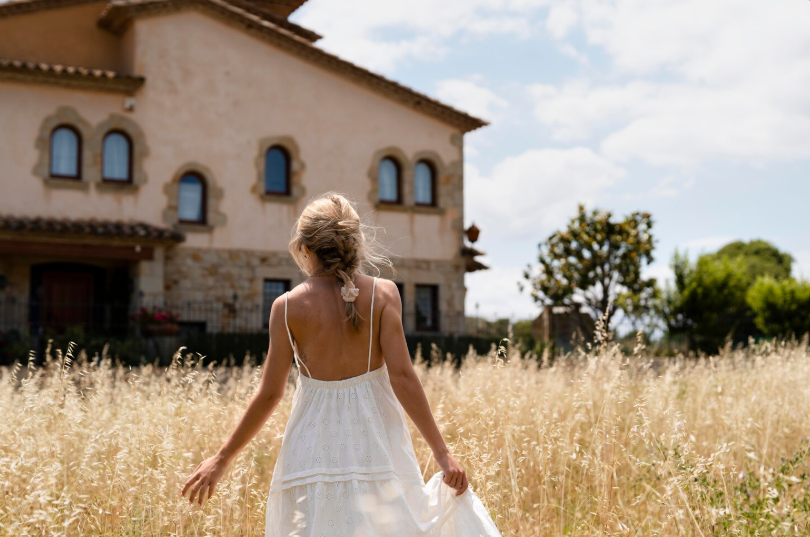
Italy’s countryside has long been synonymous with elegance, history, and a slower, more intentional way of life. Beyond its iconic cities, the rural heart of Italy offers refined escapes where natural beauty, cultural heritage, and understated luxury converge. From rolling vineyards and medieval villages to serene lakes and sun-drenched hills, Italy’s countryside provides an unparalleled backdrop for travelers seeking sophistication without excess.
These destinations are not defined by spectacle, but by atmosphere — places where time seems to soften, meals are unhurried, and every detail reflects centuries of craftsmanship and tradition. Below are some of Italy’s most elegant countryside escapes, each offering a distinct expression of rural refinement.
Tuscany: Timeless Beauty and Cultivated Luxury
Tuscany remains the gold standard of Italian countryside elegance. Its landscape of cypress-lined roads, golden hills, and historic estates feels almost painterly, shaped by centuries of agricultural and artistic heritage. Towns such as Pienza, Montepulciano, and San Gimignano offer architectural harmony, refined cuisine, and a sense of continuity with the past.
Luxury in Tuscany is rarely ostentatious. Instead, it appears in restored farmhouses turned boutique hotels, private vineyards producing world-renowned wines, and kitchens that elevate simple, seasonal ingredients into unforgettable meals. Whether staying in a countryside villa or exploring Renaissance-era towns, Tuscany embodies effortless sophistication rooted in tradition.
Umbria: The Quiet Elegance of the Green Heart
Often overshadowed by its famous neighbor, Umbria offers a more intimate and tranquil countryside experience. Known as the “Green Heart of Italy,” Umbria is characterized by forested hills, olive groves, and stone villages perched above fertile valleys.
Towns such as Spoleto, Assisi, and Todi provide a refined yet understated atmosphere, where spirituality, art, and nature coexist. The region’s elegance lies in its authenticity — slow meals featuring truffles and local olive oil, family-run estates, and panoramic views unmarred by crowds. For travelers seeking serenity with cultural depth, Umbria offers an exceptional escape.
Piedmont: Refined Landscapes and Culinary Prestige
In northern Italy, Piedmont presents a countryside defined by sophistication and gastronomic excellence. The rolling Langhe and Roero hills are home to prestigious vineyards, producing some of Italy’s most celebrated wines, including Barolo and Barbaresco.
Elegant villages such as Alba and La Morra blend historic charm with a contemporary appreciation for fine living. Piedmont’s countryside is ideal for travelers who value discretion, culinary mastery, and cultural richness. Autumn truffle season, in particular, transforms the region into a destination for connoisseurs from around the world.
Lake Como Hinterlands: Grace Beyond the Shore
While Lake Como itself is internationally renowned, the surrounding countryside offers an equally refined but quieter alternative. Gentle hills, forested paths, and historic villas extend beyond the lake’s edge, creating a peaceful setting that feels exclusive and timeless.
The elegance here is architectural and natural — neoclassical estates, manicured gardens, and small villages that retain a discreet charm. The region attracts those who appreciate privacy, beauty, and proximity to both nature and culture, making it an ideal countryside retreat with cosmopolitan access.
Puglia: Rustic Sophistication in Southern Italy
In southern Italy, Puglia offers a unique form of countryside elegance rooted in simplicity and light. Whitewashed towns, centuries-old olive trees, and open landscapes define the region’s aesthetic. Traditional trulli houses and masserie (fortified farmhouses) have been thoughtfully restored into refined accommodations.
Puglia’s countryside luxury is deeply connected to the land — sun-ripened produce, fresh seafood, and a slower rhythm of life. Towns like Martina Franca and Ostuni blend architectural beauty with authentic local culture, offering a graceful yet relaxed escape from more formal destinations.
Veneto’s Countryside: Villas, Vineyards, and Cultural Heritage
Beyond Venice lies a countryside shaped by Palladian villas, orderly vineyards, and historic estates. The Veneto region offers a refined rural experience where art, architecture, and agriculture intersect.
Areas such as Valpolicella and the Prosecco Hills combine scenic beauty with cultural depth. The elegance of Veneto’s countryside is structured and harmonious, reflecting centuries of thoughtful design and cultivation. It is a destination that appeals to travelers who value balance, history, and quiet sophistication.
The Enduring Appeal of Italy’s Countryside
What unites Italy’s most elegant countryside escapes is not luxury defined by excess, but by intention. These regions invite travelers to slow down, engage with local traditions, and appreciate beauty in its most natural form. From architectural details to culinary rituals, every element reflects a respect for heritage and craftsmanship.
Whether nestled among vineyards, overlooking rolling hills, or hidden within ancient stone villages, Italy’s countryside continues to offer an unparalleled blend of refinement and authenticity. It is an invitation to experience elegance as a way of life — unhurried, thoughtful, and deeply rooted in place.
Stay Connected for More Travel and Lifestyle Inspiration. For more insights into travel, culture, and lifestyle tips, follow me on Instagram
@salvadorordorica. If you’re seeking professional translation and localization services to enhance your global ventures, visit The Spanish Group — your trusted partner in bridging cultures worldwide.

by Dulce Navarro | Jan 14, 2026 | Countries, Europe, Experiences, Landscapes, Lifestyle, Luxury, Nature, Travel
The New French Riviera: Refined Coastal Escapes Without the Crowds
The French Riviera has long represented glamour, elegance, and Mediterranean allure. From Cannes to Saint-Tropez, its coastline has been immortalized through cinema, art, and high society. Yet as global travel evolves, so too does the definition of luxury. Today’s discerning travelers seek privacy, authenticity, and refinement without spectacle. In response, a quieter, more sophisticated Riviera has emerged — one defined by understated destinations that preserve beauty while avoiding the crowds.
This new French Riviera is not a departure from tradition, but a return to its essence. It favors discreet coastal towns, intimate harbors, and experiences shaped by culture rather than visibility. For travelers who value calm, quality, and discretion, these refined escapes offer a new way to experience the Mediterranean.
Redefining Riviera Luxury
Luxury on the modern Riviera is no longer measured by exclusivity through access alone, but by the ability to disconnect while remaining immersed in elegance. Refined travelers are increasingly drawn to destinations that allow for genuine experiences — places where life unfolds naturally, unhurried by mass tourism.
These destinations attract artists, entrepreneurs, and seasoned travelers who value subtlety over display. They offer high standards of hospitality without excess, emphasizing space, privacy, and a strong sense of place.
Cap d’Ail: Elegance on the Edge of Monaco
Situated just west of Monaco, Cap d’Ail offers Riviera sophistication without the intensity of its famous neighbor. Belle Époque villas cling to the cliffs, overlooking turquoise waters and secluded coves. The coastal path, Sentier du Littoral, provides breathtaking views while remaining largely untouched by crowds.
Cap d’Ail appeals to travelers who appreciate proximity to Monaco’s conveniences while preferring discretion, tranquility, and architectural charm.
Beaulieu-sur-Mer: Timeless and Understated
Beaulieu-sur-Mer embodies a Riviera that feels preserved rather than reinvented. Its palm-lined promenade, small marina, and historic residences reflect a bygone era of refined travel. The town moves at a gentler pace, attracting visitors who value routine, familiarity, and calm.
Here, luxury is expressed through continuity — mornings at quiet cafés, afternoons by the sea, and evenings defined by intimate dining rather than nightlife.
Èze-sur-Mer: Coastal Beauty Without the Crowds
While the hilltop village of Èze is widely known, Èze-sur-Mer remains remarkably discreet. Nestled between Nice and Monaco, it offers direct access to the sea alongside a sense of privacy often absent from the region’s more publicized beaches.
Small hotels, private residences, and uncrowded shorelines make it an ideal base for travelers seeking Riviera beauty without constant activity.
Saint-Aygulf: Nature Meets the Mediterranean
Located near the mouth of the Argens River, Saint-Aygulf offers a different Riviera experience — one rooted in nature. Its protected lagoons, expansive beaches, and walking paths provide space and serenity rarely associated with the Côte d’Azur.
This destination appeals to travelers who appreciate balance: proximity to the sea, access to nature, and distance from high-traffic resorts.
Discreet Dining and Local Gastronomy
Along this quieter Riviera, dining becomes a personal experience rather than a performance. Family-run restaurants, local markets, and chef-owned establishments emphasize seasonal ingredients and regional tradition. Reservations are often recommended by locals rather than publicity.
These dining experiences favor consistency and intimacy, offering travelers a deeper connection to Provençal and Mediterranean cuisine.
Where to Stay: Boutique Over Branded
Accommodation plays a defining role in refined travel. The new Riviera favors boutique hotels, restored villas, and small-scale properties that prioritize privacy and personal service. Many are quietly luxurious, known more for their atmosphere than their marketing.
These spaces foster a sense of belonging, allowing guests to experience the Riviera as residents rather than visitors.
A Riviera for the Discerning Traveler
The new French Riviera is not about avoiding the region’s legacy, but about experiencing it differently. It invites travelers to slow down, observe, and engage with places that retain their integrity. For those who value discretion, elegance, and authenticity, these coastal escapes represent the future of Riviera travel.
In choosing refinement over recognition, travelers discover a Riviera that feels both timeless and personal.
Stay Connected for More Travel and Lifestyle Inspiration
For more insights into travel, culture, and lifestyle tips, follow me on Instagram @salvadorordorica. If you’re seeking professional translation and localization services to enhance your global ventures, visit The Spanish Group — your trusted partner in bridging cultures worldwide.

by Dulce Navarro | Jan 8, 2026 | Countries, Europe, Experiences, Landscapes, Lifestyle, Luxury, Nature, Travel
Exclusive Multi-Country Chauffeur Routes Through Europe’s Scenic Regions
In an age where luxury travel is increasingly defined by personalization, privacy, and immersive experiences, multi-country chauffeur journeys through Europe have emerged as one of the most refined ways to explore the continent. Far removed from rigid itineraries and crowded transport hubs, chauffeur-driven routes offer travelers the freedom to move seamlessly across borders while enjoying Europe’s most breathtaking landscapes at an unhurried pace.
For executives, families, and culturally curious travelers, these bespoke journeys transform travel time into an experience of comfort, discretion, and discovery. From vineyard-lined valleys to dramatic alpine passes, Europe’s scenic regions unfold effortlessly when explored from the back seat of a luxury vehicle.
The Rise of Chauffeur-Driven Luxury Travel
Chauffeur travel has long been associated with prestige and convenience, but in recent years it has evolved into a highly curated form of experiential tourism. Travelers are no longer seeking simple point-to-point transfers; they are looking for meaningful journeys that connect multiple destinations while maintaining consistency in service, comfort, and quality.
Multi-country chauffeur routes allow guests to avoid the inefficiencies of short-haul flights and train transfers, replacing them with a seamless door-to-door experience. With a professional driver handling logistics, borders, and timing, travelers are free to focus entirely on the journey itself.
The Alpine Corridor: France, Switzerland, and Italy
One of Europe’s most iconic chauffeur routes runs through the heart of the Alps, connecting France, Switzerland, and Italy. Beginning in Geneva or Milan, travelers can journey through Mont Blanc, Lake Geneva, and the Swiss Alps, enjoying panoramic mountain views and pristine alpine villages.
Stops often include Chamonix, Zermatt, and St. Moritz, where luxury hotels, Michelin-starred dining, and world-class wellness retreats await. This route is particularly popular among travelers seeking natural beauty combined with refined hospitality and effortless border crossings.
The Romance Route: Italy, France, and Monaco
For those drawn to elegance and coastal glamour, a chauffeur journey through Italy, southern France, and Monaco offers an unforgettable experience. Beginning in Florence or Milan, the route winds through Tuscany’s rolling hills before continuing along the Italian Riviera and into the French Côte d’Azur.
Travelers can explore destinations such as Portofino, Nice, Cannes, and Monte Carlo, enjoying seaside views, historic towns, and iconic luxury destinations. Chauffeur travel allows for spontaneous stops at vineyards, coastal viewpoints, and cultural landmarks that traditional itineraries often miss.
The Grand Central Europe Route: Austria, Germany, and the Czech Republic
Central Europe offers a rich blend of imperial history, architecture, and scenic countryside. A multi-country chauffeur route through Austria, Germany, and the Czech Republic connects cities such as Vienna, Salzburg, Munich, and Prague with ease.
Along the way, travelers experience baroque palaces, alpine lakes, and medieval towns. This route is ideal for culture-focused travelers who appreciate history, classical music, and refined urban experiences paired with picturesque rural landscapes.
The Iberian Experience: Spain and Portugal
The Iberian Peninsula provides a striking contrast of landscapes, from Spain’s dramatic mountain ranges to Portugal’s sun-drenched coastline. Chauffeur routes often begin in Madrid or Barcelona and continue through Andalusia before crossing into Portugal.
Stops may include Seville, Granada, Lisbon, and Porto, with opportunities to explore UNESCO World Heritage sites, renowned culinary regions, and historic wine estates. The flexibility of chauffeur travel allows guests to experience both major cities and hidden rural gems at their own pace.
What Defines an Exceptional Chauffeur Journey?
An exclusive chauffeur experience is defined by more than just luxury vehicles. Professional drivers with deep regional knowledge, multilingual capabilities, and cultural awareness play a critical role in elevating the journey.
Vehicles are typically high-end sedans, SUVs, or executive vans equipped with premium interiors, climate control, and onboard amenities. Routes are meticulously planned but remain flexible, allowing adjustments based on weather, personal interests, or spontaneous discoveries.
Privacy, Comfort, and Time Efficiency
One of the greatest advantages of chauffeur-driven travel is privacy. Unlike public transport or group tours, chauffeur journeys offer a controlled, discreet environment ideal for high-profile individuals and business travelers.
Time efficiency is equally important. Chauffeur services optimize routes, manage border crossings, and coordinate hotel arrivals, ensuring that each day unfolds smoothly. This level of precision is particularly valuable when traveling across multiple countries in a limited timeframe.
Sustainable and Thoughtful Travel
While luxury and sustainability are often seen as opposing concepts, modern chauffeur services increasingly incorporate eco-conscious practices. Many fleets now include hybrid or electric vehicles, and routes are designed to reduce unnecessary mileage while maximizing experiential value.
By traveling overland rather than relying on multiple short flights, chauffeur journeys offer a more environmentally responsible way to explore Europe without sacrificing comfort or sophistication.
Conclusion: Europe, Experienced Without Boundaries
Exclusive multi-country chauffeur routes redefine what it means to travel through Europe. By combining personalized service, scenic immersion, and seamless logistics, these journeys allow travelers to experience the continent without boundaries or interruptions.
For those who value comfort, discretion, and cultural depth, chauffeur-driven travel offers a timeless and elegant approach to discovering Europe — where the road itself becomes an integral part of the destination.
Stay Connected for More Travel and Lifestyle Inspiration.
For more insights into travel, culture, and lifestyle tips, follow me on @salvadorordorica. If you’re seeking professional translation and localization services to enhance your global ventures, visit The Spanish Group — your trusted partner in bridging cultures worldwide.
