
by Dulce Navarro | Jan 7, 2026 | Europe, Experiences, Food, Lifestyle, Luxury, Restaurant
Elite Gastronomy Schools Offering One-Day Luxury Culinary Intensives
In the evolving landscape of luxury travel and lifestyle experiences, gastronomy has emerged as a powerful cultural connector. For discerning individuals who value excellence, creativity, and immersion, elite culinary schools across Europe and beyond are offering one-day luxury culinary intensives—highly curated experiences designed to deliver exceptional knowledge, hands-on mastery, and refined pleasure in a single day.
These programs are not designed for casual tourists. Instead, they cater to executives, entrepreneurs, and culinary enthusiasts who seek meaningful encounters with world-class chefs, prestigious institutions, and the philosophies that define haute cuisine.
The Rise of the One-Day Culinary Intensive
Traditionally, elite culinary education required weeks or months of formal study. However, as luxury consumers increasingly prioritize efficiency and depth, leading gastronomy schools have adapted by creating immersive, one-day formats that condense expertise without compromising quality.
These intensives combine demonstration, participation, tasting, and dialogue—offering participants immediate access to advanced techniques, rare ingredients, and professional insight, all within a meticulously structured experience.
Le Cordon Bleu Paris: Precision and Heritage in One Day
Le Cordon Bleu Paris remains one of the most prestigious culinary institutions in the world. Its one-day gourmet workshops provide participants with access to master chefs trained in classical French technique and modern refinement.
Guests may focus on areas such as haute pâtisserie, classic sauces, or contemporary French plating. The experience typically concludes with a guided tasting and discussion, reinforcing the institution’s philosophy of technical rigor paired with culinary artistry.
ALMA – The School of Italian Culinary Arts
Located in the historic Ducal Palace of Colorno, ALMA represents the pinnacle of Italian gastronomic education. One-day luxury intensives at ALMA explore the essence of Italian cuisine through regional traditions, seasonal ingredients, and masterful simplicity.
Participants engage directly with professional chefs who emphasize ingredient sourcing, balance, and authenticity. These programs often include wine pairings and cultural context, offering a holistic understanding of Italy’s culinary heritage.
Basque Culinary Center: Innovation Meets Tradition
The Basque Culinary Center in San Sebastián is renowned for its forward-thinking approach to gastronomy. Its one-day executive programs are designed for individuals interested in culinary innovation, sustainability, and contemporary techniques.
Experiences may include molecular gastronomy demonstrations, avant-garde plating workshops, and discussions on the future of fine dining. The center’s connection to Michelin-starred chefs makes it particularly attractive to those seeking cutting-edge perspectives.
École Ritz Escoffier: Culinary Excellence in a Legendary Setting
Housed within the iconic Ritz Paris, the École Ritz Escoffier offers exclusive one-day culinary experiences that reflect the elegance and precision associated with the Ritz name.
Programs often focus on refined French cuisine, pastry arts, or luxury hospitality standards. The intimate setting allows for personalized instruction, making the experience both educational and indulgent.
What Defines a Luxury Culinary Intensive
Luxury culinary intensives distinguish themselves through several key elements: access, expertise, and atmosphere. Group sizes are deliberately small, allowing for direct interaction with chefs and instructors.
Ingredients are often rare or premium, sourced from trusted producers. Settings range from historic palaces to state-of-the-art kitchens, reinforcing the sense of exclusivity. Every detail—from aprons to tableware—is curated to reflect the institution’s standards.
Beyond Cooking: Cultural and Professional Value
These one-day programs offer more than culinary instruction. They serve as cultural gateways, revealing how food reflects history, geography, and identity. Participants leave not only with new skills, but with a deeper appreciation for the cultural significance of gastronomy.
For executives and entrepreneurs, these experiences also function as networking opportunities, bringing together like-minded individuals who share a passion for excellence, craftsmanship, and global culture.
The Appeal for Today’s Global Elite
One-day luxury culinary intensives align perfectly with the lifestyles of today’s global elite. They offer maximum enrichment within limited timeframes, blending leisure, education, and prestige.
As experiential luxury continues to outperform material consumption, gastronomy-based programs are increasingly valued for their authenticity and lasting impact.
Conclusion: A Refined Expression of Modern Luxury
Elite gastronomy schools offering one-day luxury culinary intensives represent a refined evolution of travel and education. They provide unparalleled access to expertise, heritage, and innovation—delivered with precision and elegance.
For those who appreciate culinary excellence as both an art and a cultural language, these experiences offer an unforgettable way to engage with the world’s most celebrated food traditions.
Stay Connected for More Travel and Lifestyle Inspiration. For more insights into travel, culture, and lifestyle tips, follow me on Instagram
@salvadorordorica. If you’re seeking professional translation and localization services to enhance your global ventures, visit The Spanish Group — your trusted partner in bridging cultures worldwide.
by Dulce Navarro | Jan 6, 2026 | Europe, Experiences, Food, Restaurant
Master Chocolatiers of Europe: Private Workshopping for Gourmet Travelers
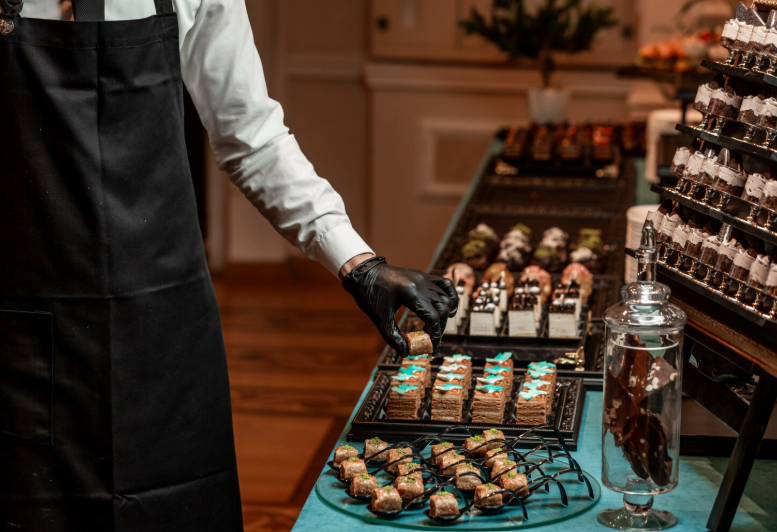
Europe has long been regarded as the spiritual home of fine chocolate, where centuries-old traditions meet modern artistry. From the refined salons of Paris to the discreet ateliers of Brussels and the alpine workshops of Switzerland, master chocolatiers continue to elevate chocolate from a confection to an art form. For the discerning gourmet traveler, a new category of luxury experience has emerged: private chocolate workshops led by Europe’s most celebrated chocolatiers.
These intimate, invitation-only sessions offer far more than a tasting. They provide privileged access to creative processes, rare ingredients, and expert techniques typically reserved for apprentices and industry insiders. For travelers seeking depth, authenticity, and exclusivity, private chocolate workshopping represents a refined way to engage with Europe’s culinary heritage.
The Rise of Experiential Gastronomy
Luxury travel has shifted decisively toward experiences that are immersive, educational, and emotionally resonant. Today’s gourmet travelers are not satisfied with merely consuming fine products; they want to understand their origins, craftsmanship, and cultural significance. Chocolate, with its global supply chains and deeply European refinement, offers a compelling narrative.
Private chocolate workshops respond to this demand by blending gastronomy, storytelling, and hands-on learning. Guests may explore the journey from cacao bean to finished bonbon, study regional flavor profiles, or even create bespoke chocolates under the guidance of a master chocolatier. These experiences are often hosted in closed-door ateliers, historic kitchens, or private salons far removed from public retail spaces.
France: Precision, Elegance, and Innovation
France’s chocolatiers are renowned for their technical precision and artistic presentation. In Paris and the surrounding regions, private workshops are often led by Meilleurs Ouvriers de France or chocolatiers who supply royal households and Michelin-starred restaurants.
A private session in France may include tempering techniques, ganache formulation, and the philosophy behind balancing bitterness, sweetness, and texture. Guests are often invited to create personalized flavor combinations using rare spices, single-origin cacao, or locally sourced ingredients such as lavender, hazelnut, or sea salt from the Atlantic coast.
These workshops emphasize discipline and finesse, reflecting France’s broader culinary ethos. They are ideal for travelers who appreciate structure, elegance, and intellectual engagement with gastronomy.
Belgium: Heritage and Depth of Flavor
Belgium’s reputation as a chocolate capital is built on generations of craftsmanship and an unwavering commitment to quality. Private chocolate workshops in Brussels, Bruges, or Antwerp often take place in family-run ateliers that have perfected their techniques over decades.
Here, gourmet travelers gain insight into praline development, filling techniques, and the historical evolution of Belgian chocolate. Workshops frequently highlight the importance of cacao sourcing and roasting profiles, offering tastings that compare beans from different regions of Africa, Latin America, and Southeast Asia.
Belgian workshops tend to be deeply educational, appealing to travelers who value tradition, authenticity, and a strong sense of culinary lineage.
Switzerland: Technical Mastery and Alpine Influence
Switzerland is synonymous with chocolate innovation, particularly in milk chocolate and texture refinement. Private workshops here often combine technical demonstrations with sensory exploration, showcasing how altitude, climate, and dairy quality influence flavor and mouthfeel.
In exclusive alpine settings or discreet urban labs, guests may learn about conching times, fat crystallization, and the science behind smoothness. Swiss chocolatiers are known for their methodical approach, making these workshops particularly appealing to travelers with an interest in food science and precision craftsmanship.
Beyond Chocolate: Cultural Context and Personalization
What truly distinguishes private chocolate workshops is the level of personalization they offer. Sessions are often tailored to the interests of the guests, whether that means focusing on vegan chocolate, sugar reduction, pairing chocolate with wine or spirits, or creating gifts for special occasions.
Many workshops also incorporate cultural storytelling, connecting chocolate to European history, colonial trade routes, and evolving consumer values. This broader context transforms the experience from a culinary activity into a cultural journey.
For corporate leaders, entrepreneurs, and high-net-worth travelers, these workshops provide a refined environment for networking, reflection, and creative inspiration.
Planning a Private Chocolate Workshop Experience
Access to Europe’s top chocolatiers typically requires advance planning and trusted local connections. Many workshops are available by appointment only and may require introductions through luxury travel advisors, concierge services, or culinary networks.
When planning, travelers should consider group size, language preferences, duration, and whether the workshop includes take-home creations or private tastings. Some experiences can be integrated into broader culinary itineraries, pairing chocolate workshops with winery visits, fine dining, or cultural tours.
A Refined Indulgence for the Modern Gourmet Traveler
Private chocolate workshopping in Europe represents a sophisticated evolution of luxury travel—one that values knowledge, craftsmanship, and meaningful engagement. It allows travelers not only to taste exceptional chocolate, but to participate in its creation and understand the artistry behind it.
For those who seek experiences that are both indulgent and intellectually enriching, Europe’s master chocolatiers offer a rare and memorable gateway into one of the continent’s most beloved culinary traditions.
Stay Connected for More Travel and Lifestyle Inspiration.
For more insights into travel, culture, and lifestyle tips, follow me on Instagram @salvadorordorica. If you’re seeking professional translation and localization services to enhance your global ventures, visit The Spanish Group — your trusted partner in bridging cultures worldwide.

by Dulce Navarro | Dec 11, 2025 | Culture, Europe, Experiences, Food, Lifestyle, Restaurant, Traditions, Travel
Europe’s Most Exclusive Seasonal Food Festivals for Culinary Purists
Introduction
For culinary purists—chefs, connoisseurs, and serious food travelers—the calendar of Europe’s seasonal food festivals is a roadmap to authenticity. These events celebrate terroir, traditional techniques, and small-scale producers who preserve heritage ingredients and artisanal methods. Unlike mass-market food fairs, the continent’s most exclusive festivals are intimate, invitation-friendly, and often limited in attendance. They are curated experiences where provenance, seasonality, and craft are honored, and where attendees can taste the direct lineage between landscape and plate.
Why Seasonal and Exclusive Matter
Seasonality is the backbone of great cuisine. The most compelling festivals align with nature’s cycles—truffle hunts in autumn, spring asparagus festivals, or seafood celebrations timed to local spawning and migration patterns. Exclusivity matters because it ensures quality: smaller events attract producers who will present mature harvests, chefs who prepare with restraint and skill, and aficionados who appreciate nuance. Together, seasonal timing and selective access create conditions for memorable encounters with food in its most honest form.
Autumn: Truffles, Chestnuts, and Game
Autumn in Europe is synonymous with truffles and game, and the private truffle festivals of Italy and France are among the most prized. In Piedmont and Tuscany, seasonal gatherings bring together truffle hunters, specialist dogs, and chefs who stage tasting menus built around small, aromatic specimens. These events often include guided hunts—an immersive experience that illustrates how delicate timing and local knowledge influence quality. Similarly, chestnut festivals in mountain villages and curated game dinners in hunting lodges allow purists to taste long-standing regional traditions without commercial dilution.
Winter: Cured Meats and Alpine Cheese
Winter festivals in the alpine zones celebrate preservation—think artisanal charcuterie, cured hams, and mountain cheeses aged in cellars. Exclusive winter gatherings in regions such as the Aosta Valley, Tirol, and the Jura invite cheesemongers and master butchers to present small batches of seasonal specialities. These events pair careful tastings with behind-the-scenes tours of aging cellars and traditional smokehouses, offering a rare look at methods designed to withstand harsh climates and long winters.
Spring: Asparagus, Herbs, and Early Seafood
Spring festivals are focused on renewal—tender asparagus, wild herbs, and delicate early-season seafood. The most refined events are held in regions where a specific ingredient defines a culinary moment: white asparagus in parts of Germany and France, sea urchins along the Basque coast, and ramp festivals in northern Spain. These celebrations are often limited to a handful of tables or pop-up dinners where chefs showcase minimal preparations that highlight freshness and texture.
Summer: Market-To-Table and Small-Island Seafood Retreats
Summer brings a different cast of characters: coastal purveyors, market gardeners, and island communities that harvest shellfish and ripe vegetables at peak ripeness. Luxury, low-footprint festivals on small Mediterranean islands or in sheltered coves emphasize responsible harvesting and careful cooking—grilled fish over wood fires, simple salads of heirloom tomatoes, and demonstrations of pickling and fermenting to preserve abundance. Many of these events are invitation-only or sold in very small batches, and they often include accommodations curated to match the festival’s culinary philosophy.
Micro-Festivals: The New Model for Purists
Across Europe there is a growing movement toward micro-festivals—short, intensely curated events limited to dozens rather than thousands of guests. These gatherings often take place in private estates, boutique wineries, or cooperative barns, and organizers tightly control the guest list to ensure conversation and learning. Micro-festivals prioritize interactive elements: masterclasses with producers, intimate chef-led demonstrations, and tasting flights that contrast vintages, curing techniques, or terroirs. For the culinary purist, a micro-festival is often more rewarding than a sprawling public fair because it yields deeper context and fewer distractions.
What to Expect at an Exclusive Festival
Attending an exclusive seasonal festival requires modest preparation. Expect structured itineraries—morning market visits, mid-day private tastings, and evening chef’s table menus. Tickets frequently include curated educational components, such as seminars on soil health, fermentation, or sustainable harvesting. Accommodations are commonly part of the package and reflect the festival’s aesthetic: rural guesthouses, converted farmhouses, and small boutique hotels. Accessibility is limited by design, so planning ahead and subscribing to waitlists or producer mailing lists is often necessary.
How to Find and Secure Invitations
To access Europe’s top seasonal festivals, leverage a mix of relationships and research. Follow respected culinary journalists, regional food consortia, and slow-food networks. Contact small producers directly—many festivals prioritize attendees who demonstrate serious interest, such as restaurateurs, chefs, or journalists. Private hospitality firms and bespoke travel specialists can also secure places at otherwise closed events. Finally, consider joining professional organizations that sometimes receive priority access to limited-seating tastings.
Ethical Considerations and Sustainability
Exclusive festivals must balance celebration with stewardship. The best events enforce sustainable harvesting practices, limit guest numbers to prevent environmental strain, and channel proceeds back into local producer communities. Culinary purists should prefer festivals that prioritize traceability and animal welfare, and that provide transparent information on sourcing and seasonal impact. Responsible festivals model how rare ingredients can be enjoyed without jeopardizing the ecosystems and traditions that create them.
Final Thoughts
For those who take food seriously, Europe’s exclusive seasonal festivals are more than ephemeral pleasures; they are living archives of craft and place. These gatherings offer an education in taste, a connection to the people behind the ingredients, and an appreciation for the rhythms that define truly exceptional food. By seeking out small-scale, seasonally attuned events, culinary purists can both savor extraordinary dishes and support the continuance of traditional methods that sustain Europe’s diverse gastronomic heritage.
Stay Connected for More Travel and Lifestyle Inspiration. For more insights into travel, culture, and lifestyle tips, follow me on Instagram @salvadorordorica. If you’re seeking professional translation and localization services to enhance your global ventures, visit The Spanish Group — your trusted partner in bridging cultures worldwide.

by Dulce Navarro | Dec 4, 2025 | Europe, Experiences, Food, Lifestyle, Luxury, Restaurant
Hidden Michelin Gems: Fine Dining Beyond Europe’s Capitals
Introduction
Europe’s culinary map extends far beyond the obvious markers of Paris, London, and Rome. For curious food lovers and seasoned travelers alike, some of the most memorable fine dining experiences can be found off the beaten path — in regional cities and small towns that combine deep culinary traditions with modern creativity. These are places where local ingredients, restrained craftsmanship, and intimate dining rooms create unforgettable meals. This post highlights how to discover those hidden Michelin gems, what makes them exceptional, and practical tips for planning an elevated culinary trip outside of Europe’s capitals.
Why Look Beyond the Capitals?
Capitals are cultural hubs for good reason, but they are also saturated with tourist-oriented dining and high demand. By contrast, regional destinations often:
- Showcase superb local produce and craft food traditions that remain rooted in place.
- Offer more intimate dining experiences — smaller venues, longer service, and closer interaction with the chef and team.
- Provide better value for a similar level of culinary skill and innovation found in major capitals.
Regions & Cities to Watch
San Sebastián and the Basque Coast (Spain)
Small in size but colossal in reputation, the Basque coastline is a mecca for serious diners. Beyond the famous pintxo bars of the old town, you’ll find tasting-menu restaurants where local sea urchin, scallop, and Basque beef are treated with surgical precision. The culture of shared food — from casual bars to white-tablecloth institutions — rewards those who arrive with curiosity and patience.
Porto & Northern Portugal
Porto has matured into a culinary powerhouse. Chefs here combine Atlantic seafood, northern Portuguese heartiness, and refined technique. Nearby Douro Valley producers and small coastal purveyors make for tasting menus that are tightly tied to terroir and season. Expect excellent wine pairings and service that emphasizes regional identity.
Lyon & the Rhône Valley (France)
Often called the gastronomic capital of France, Lyon is where tradition and talent meet. The city’s markets, charcutiers, and bouchons form a base for chefs who push classical French technique forward. Venture into the Rhône Valley for cellar visits and restaurants that place local vineyards at the center of the culinary narrative.
Emilia-Romagna & Modena (Italy)
The region that gave the world Parmigiano-Reggiano, traditional balsamic, and prosciutto is a treasure trove for lovers of refined rusticity. In Modena and surrounding towns, you’ll discover tasting menus that balance simplicity with detail — plates that say as much about heritage as they do about technique.
Geneva & the Swiss Lakes
Switzerland’s lakeside towns mix alpine precision with cosmopolitan influences. Whether you choose an intimate restaurant on a lakeshore or a discreet mountain refuge, you’ll find chefs who emphasize product quality and technical finesse, often with spectacular natural backdrops.
What Makes These Restaurants Michelin-Worthy?
Michelin recognition often reflects a combination of factors: consistency in the kitchen, clear culinary vision, ingredient quality, and a memorable dining experience. In smaller cities this recognition frequently highlights:
- A deep connection to local producers and seasonal ingredients.
- A willingness to slow the pace of service down and focus on detail.
- Teams that balance modern technique and local identity rather than forcing cosmopolitan trends.
Practical Tips for Booking & Enjoying Hidden Gems
Finding and securing a table at these standout restaurants requires strategy:
- Plan ahead: Many regional Michelin restaurants have limited seating and can book weeks or months in advance, especially during local festivals or harvest seasons.
- Be flexible with timing: Lunchtime service or midweek reservations can be easier to secure and still deliver a full, high-quality tasting experience.
- Use local contacts: Hotel concierges, regional tourism boards, and local sommeliers can often help secure reservations or recommend comparable options when your first choice is full.
- Learn a few phrases: A brief hello in the local language and polite gratitude go a long way in small-town dining rooms — they signal respect for local culture and the kitchen’s traditions.
What to Expect at the Table
Dining at a regional Michelin destination is often less about spectacle and more about narrative. Expect menus that tell a story — of soil, sea, and family — told through courses that reveal seasonality and craft. Service tends to be attentive but understated, and wine programs are frequently curated to accentuate regional producers.
How to Choose the Right Spot for You
When deciding between options, prioritize:
- Your principal interest (seafood, mountain produce, wine pairing, or a chef’s tasting experience).
- The level of formality you prefer — some gems are white-tablecloth affairs, while others prize conviviality.
- Accessibility and travel logistics — a remote two-hour drive might be worth it for a singular meal, but confirm transportation and timing ahead of time.
Final Thoughts
The pleasure of discovering Michelin-rated restaurants outside Europe’s capitals lies in the way place and palate align. These are meals that connect you to a locality — its farmers, fishermen, winemakers, and history — while showcasing modern culinary artistry. Whether you chase a tasting menu in a seaside town or savor a slow, regional lunch in an inland market city, the rewards are both culinary and cultural.
Stay Connected for More Travel and Lifestyle Inspiration
For more insights into travel, culture, and lifestyle tips, follow me on Instagram @salvadorordorica. If you’re seeking professional translation and localization services to enhance your global ventures, visit The Spanish Group — your trusted partner in bridging cultures worldwide.

by Dulce Navarro | Nov 24, 2025 | Europe, Experiences, Food, Landscapes, Lifestyle, Luxury, Restaurant, Travel
Europe’s Most Beautiful Restaurants with Panoramic Views
Introduction
For a company director who values memorable client entertainment, incentive travel, or refined personal time, dining at a restaurant with a panoramic view transforms a meal into an experiential asset. Across Europe, a select group of restaurants marry exceptional cuisine with breathtaking vistas — cliffside terraces, rooftop gardens, lakeside promenades and mountaintop pavilions. These venues elevate networking dinners, board retreats, and hospitality programs by combining culinary excellence with settings that linger in memory and on social feeds.
Why Views Matter for Executive Hospitality
A spectacular view does more than provide a scenic backdrop: it shapes the conversation, enhances perceived value, and amplifies brand storytelling. Clients remember how they felt more than what they ate. For directors planning business dinners or VIP events, the right venue can be a strategic tool — enhancing rapport, signaling taste and demonstrating attention to detail. Choose restaurants where service, acoustics and accessibility match the visual drama to ensure the experience is seamless.
Cliffside and Coastal Dining
Southern Europe boasts dramatic cliffside restaurants that pair fresh, regional menus with unobstructed sea horizons. In locations such as the Amalfi Coast, the Algarve, and Mallorca, multi-terraced establishments allow guests to dine literally on the edge of the world. These sites often operate on a reservation-only basis for prime tables and may provide private dining rooms or exclusive terraces for corporate groups.
What to look for: sunset service, wind-sheltered terraces, and culinary focus on local seafood and market produce. When planning, confirm transport logistics — many cliffside venues require private transfers due to restricted parking and narrow coastal roads.
Rooftop Restaurants in Major Capitals
Europe’s capitals fuse skyline panoramas with urbane culinary concepts. Rooftop restaurants above historic quarters — think Paris, Rome, and Madrid — excel at combining iconic city views with refined menus. For directors hosting international guests, rooftops offer convenience (central location) with the ‘wow’ factor of seeing an entire city at a glance.
Prioritize rooftops with enclosed or retractable roofs for year-round use, sound control for private conversations, and flexible seating plans to accommodate both intimate dinners and larger corporate groups.
Lakefront and Riverside Estates
Northern Italy and Switzerland are synonymous with elegant lakefront dining. Restaurants that overlook Lake Como, Lake Garda, or Lake Geneva provide a serene alternate to urban rooftops. These estates often combine seasonal menus, wine pairings, and private boat transfers for arriving guests — a logistical detail that can elevate a client itinerary into an unforgettable curated experience.
For executives, lakefront venues lend themselves to daytime meetings followed by leisurely meals, or evening receptions where light reflecting off the water creates an intimate atmosphere.
Mountain Top and Alpine Pavilions
The Alps and Pyrenees host restaurants that reward the effort of ascent with sweeping vistas over valleys and glaciers. These mountaintop pavilions are superb for incentive trips and leadership retreats where outdoor activity pairs with gastronomic reward. Many are accessible by cable car, offering guests a sense of arrival that complements the exclusivity of the setting.
When booking, account for weather variability and ensure the venue can accommodate dietary needs in remote settings — the best alpine restaurants combine hearty regional fare with contemporary refinement.
Design-Led and Heritage Venues
Some of Europe’s most compelling view-led restaurants are found in repurposed heritage buildings or design-forward properties. A restored fortress dining room overlooking a fjord or a contemporary glass pavilion perched on archaeological terraces adds intellectual and aesthetic layers to the meal. Such venues are particularly useful for brands seeking a curated narrative — heritage, sustainability, or architectural excellence — to align with client values.
Always request a site visit or detailed photographs to confirm how the view integrates with the dining room layout and whether private dining options meet confidentiality and AV requirements.
Practical Considerations for Directors
1. Booking and exclusivity: Reserve early and secure the best tables or private areas well in advance, particularly during peak travel seasons.
2. Accessibility: Confirm transport and mobility access for VIP guests; some cliffside or mountaintop venues have limitations.
3. Acoustics and privacy: A panoramic view is wasted if guests cannot converse; choose rooms with good sound control or reserve private dining spaces.
4. Weather contingency: Ensure the restaurant has covered or indoor options to protect against sudden changes.
5. Menu and service flexibility: Request a tailored tasting menu or pre-set options to streamline service and avoid delays during important meetings.
How to Incorporate These Venues into Corporate Programming
Use panoramic restaurants as anchor experiences within larger itineraries: a cliffside dinner can close a strategy retreat, while a rooftop lunch may kick off a client’s short city visit. For hospitality programs, consider branded touches such as welcome notes, custom menus highlighting local producers, or small takeaways (limited-edition condiments, curated wine selections) that extend the brand story beyond the meal.
Conclusion
Dining with a panoramic view is an investment in memory-making — the fusion of place, food and company creates impressions that last far longer than a typical business lunch. For directors organizing client-facing events or private retreats, selecting the right view-led restaurant can be a subtle yet powerful differentiator: it demonstrates sophistication, attention to experience design and an understanding of how environment shapes conversation.
Stay Connected for More Travel and Lifestyle Inspiration. For more insights into travel, culture, and lifestyle tips, follow me on Instagram @salvadorordorica. If you’re seeking professional translation and localization services to enhance your global ventures, visit The Spanish Group — your trusted partner in bridging cultures worldwide: The Spanish Group.
by Dulce Navarro | Nov 19, 2025 | Europe, Experiences, Food, Lifestyle, Luxury, Restaurant, Travel
Michelin-Star Journeys: A Culinary Tour Across Europe
Introduction
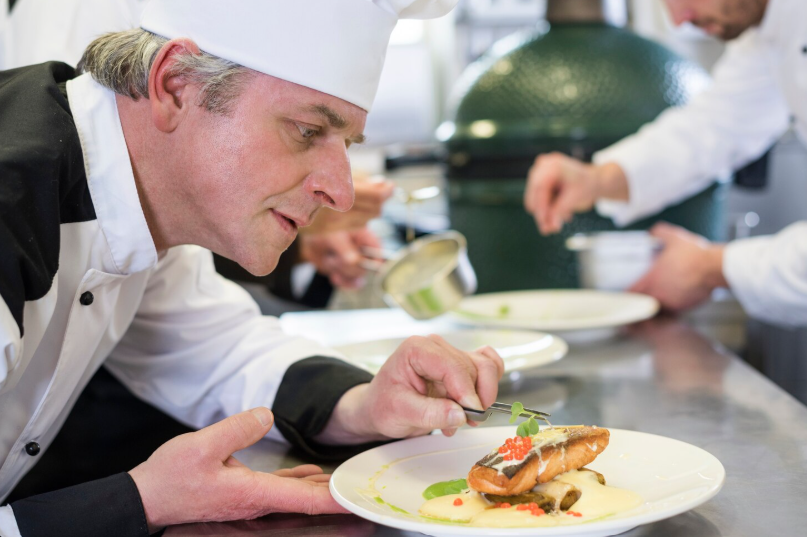
For a company director balancing strategy, travel, and hospitality, a curated culinary journey through Europe’s Michelin-starred restaurants offers far more than indulgence — it delivers cultural intelligence, creative inspiration, and unparalleled networking opportunities. This piece maps practical routes, highlights operational lessons from top kitchens, and offers takeaways you can apply to leadership, client entertainment, and brand storytelling.
Why Michelin-Star Dining Matters for Directors
Visiting Michelin-star restaurants is not only about tasting exquisite cuisine — it’s also an immersive study in systems, service design, and consistency under pressure. Every successful fine-dining kitchen is a compact organization with clear roles, repeatable processes, and obsessive attention to quality. Directors can learn how these teams:
- Design workflows that scale from quiet nights to full-service crescendo;
- Build talent pipelines that combine apprenticeship and autonomy;
- Create brand narratives that justify premium pricing and customer loyalty.
Approaching a restaurant visit with an analytical eye turns each meal into a case study in operations excellence and customer experience.
Route 1: Paris — The Benchmarks of Haute Cuisine
Paris remains a global culinary capital where tradition and innovation meet. From time-honored maisons to modern ateliers, the city’s Michelin stars reflect a spectrum of leadership styles. For visiting directors, Parisian establishments offer lessons in product differentiation and legacy management. Key observations include:
- Heritage as value: Classic houses trade on pedigree, emphasizing provenance and storytelling to sustain price points.
- Menu architecture: Fixed tasting menus provide a predictable experience while allowing chefs to control pacing and supply chain.
- Guest flow: Efficient reservation systems and guest segmentation reduce friction and increase yield.
A director can translate these principles into corporate contexts: safeguarding institutional memory, optimizing product bundles, and improving client journey touchpoints.
Route 2: San Sebastián & Northern Spain — Precision and Regionality
Northern Spain, anchored by San Sebastián, is a masterclass in marrying local sourcing with technical precision. Basque chefs excel at turning scant ingredients into transcendent dishes, demonstrating how scarcity can drive creativity.
Operational takeaways include:
- Strategic supplier relationships that prioritize quality over cost;
- Menu cycles that reflect seasonality and supply constraints;
- Training cultures focused on craft and repetition.
These practices are directly applicable to companies that rely on premium inputs or that need to innovate in resource-limited environments.
Route 3: Italy — Hospitality and the Art of Experience
Italy’s Michelin-recognized venues emphasize warmth and the theatricality of hospitality. From coastal seafood temples to alpine tasting rooms, Italian kitchens choreograph conviviality that turns clients into advocates. Directors can observe:
- Service design that privileges human connection;
- Spatial planning that enhances interaction (from kitchen pass to dining room layout);
- Brand extension through merchandise, cookbooks, and culinary experiences.
These observations inform corporate hospitality strategies, from client dinners to experiential marketing activations.
Route 4: Scandinavia — Minimalism, Sustainability, and Innovation
Nordic cuisine — typified by precision, seasonality, and sustainability — offers robust lessons for long-term strategic planning. Many Scandinavian kitchens run tight supply chains and embrace regenerative sourcing. For the discerning director, these restaurants showcase:
- Data-driven ingredient sourcing and waste reduction;
- Design-led guest experiences that combine simplicity with memorability;
- Long-term investments in local ecosystems and supplier partnerships.
Embracing these values makes sense for brands focused on ESG commitments, resilient supply chains, and future-facing innovation.
How to Plan Your Michelin-Star Journey — Practical Tips
A successful culinary tour requires more than reservations. Consider the following checklist when planning:
- Research & reserve early: Many stars book weeks or months in advance.
- Build a thematic route: Choose a narrative—heritage, sustainability, or technique—to create continuity.
- Engage for learning: Ask for kitchen tours, pre- or post-service briefings, or a meeting with the sommelier.
- Document findings: Record notes on operations, service sequences, and guest feedback to translate into business insights later.
Translating Culinary Learnings into Corporate Strategy
The final step is synthesis. A director should convert on-the-ground observations into actionable initiatives:
- Service playbooks: Codify core behaviors and rituals that define client interactions.
- Talent pipelines: Implement mentorship and apprenticeship programs modeled on brigade-style kitchens.
- Product curation: Design offerings that balance predictability with seasonal novelty.
By framing a culinary tour as a reconnaissance mission, leaders extract durable ideas that improve client experience and internal alignment.
Logistics & Ethics: Responsible Travel for Leaders
Traveling for luxury dining carries responsibilities. Minimize your footprint by consolidating flights, partnering with local suppliers for meetings, and respecting seasonal harvests and protected species. Prioritize restaurants that publish sustainability policies and fair labor practices — ethical choices reflect well on your organization and model the behaviors you want to encourage internally.
Conclusion
Michelin-star journeys are more than culinary pilgrimages; they are immersive leadership labs where systems thinking, brand storytelling, and human-centered service converge. For a company director, each meal can reveal micro-practices that, when scaled, deliver measurable improvements in client satisfaction, employee engagement, and brand prestige. Plan deliberately, observe critically, and return ready to implement lessons learned at the highest level.
Stay Connected for More Travel and Lifestyle Inspiration. For more insights into travel, culture, and lifestyle tips, follow me on Instagram @salvadorordorica. If you’re seeking professional translation and localization services to enhance your global ventures, visit The Spanish Group — your trusted partner in bridging cultures worldwide.
