by Dulce Navarro | Nov 7, 2025 | Culture, Europe, Food, Lifestyle, Luxury, Restaurant
Luxury Dessert Tours Through Paris and Vienna
Introduction
Few experiences marry culture, history, and pure gastronomic joy as seamlessly as a luxury dessert tour in two of Europe’s most elegant capitals: Paris and Vienna. These cities have elevated the art of patisserie and confectionery into cultural institutions, where every bite tells a story of craft, provenance, and refined taste. For the discerning traveler, a curated dessert tour offers more than sweets — it is an intimate journey through neighborhoods, ateliers, and time-honored kitchens that reveal the heart of local culinary identity.
Why Paris and Vienna?
Paris and Vienna share a long history of culinary excellence, but each brings a distinct sensibility. Paris is synonymous with haute pâtisserie — think delicate pastries, precision techniques, and inventive flavor combinations. Vienna, with its grand cafés and aristocratic heritage, centers on generously proportioned cakes, refined confections, and ritualized coffee culture. Together they offer a complementary program: Paris delights with finesse and modern artistry; Vienna comforts with tradition and stately indulgence.
Signature Desserts to Seek Out
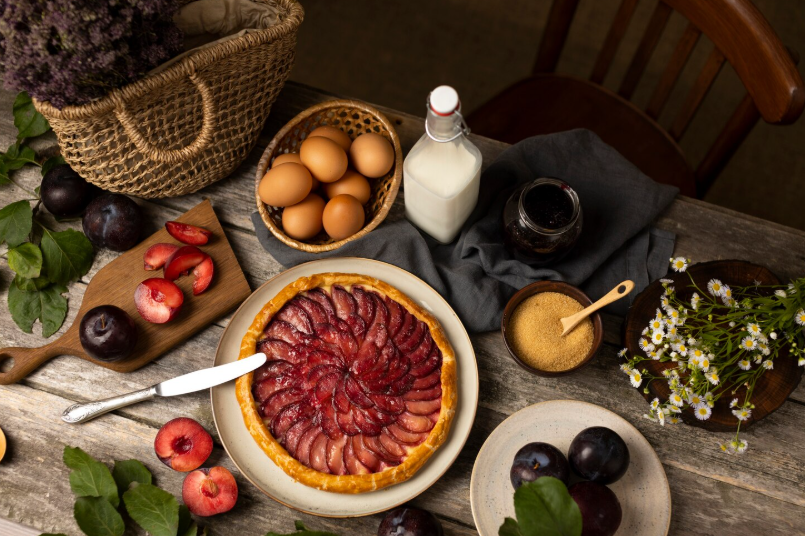
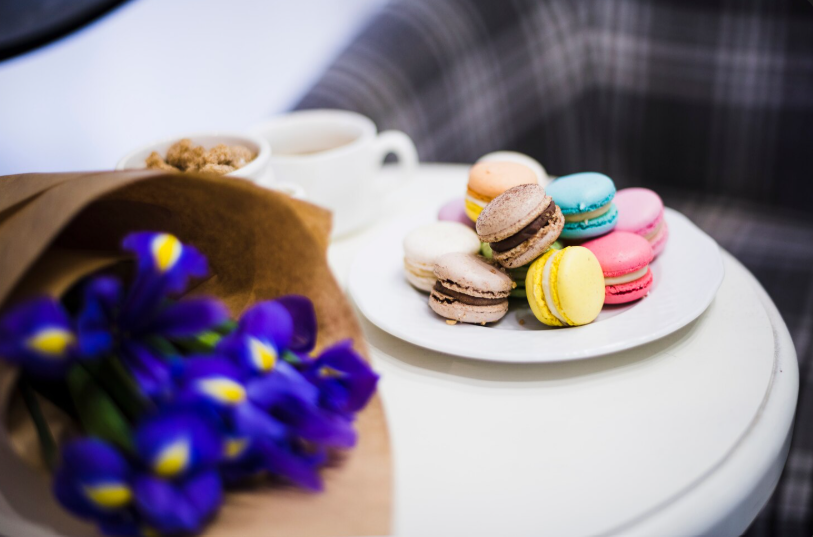
On a luxury dessert tour you’ll encounter emblematic treats that capture each city’s soul. In Paris, priorities include the mille-feuille (light, flaky layers and pastry cream), the delicate macaron, the glossy entremets crafted by Michelin-trained pâtissiers, and single-origin chocolate creations from artisanal chocolatiers. In Vienna, priorities include the Sachertorte — dense chocolate cake with apricot jam — the airy, cream-filled Dobos torte, and regional specialities like rum-soaked Esterházy slices. Both cities also offer seasonal fruit tarts and confectionery that reflect local markets and terroir.
What Makes a Tour “Luxury”?
A luxury dessert tour is distinguished by curation, exclusivity, and personalized touches. Rather than simply sampling pastries, guests enjoy behind-the-scenes access to ateliers and kitchens, private tastings with master pâtissiers, and guided pairings — for instance, truffles with single-origin coffee or petits fours matched to artisanal liqueurs. Transportation between venues is seamless, often by chauffeured car or curated walking routes that emphasize ambiance. Attention to detail — reserved seating at landmark cafés, early access before opening hours, and bespoke souvenir boxes — elevates the experience from pleasant to unforgettable.
Featured Experiences in Paris
In Paris, luxury tours weave together historic cafés, modern pastry boutiques, and celebrated chocolatiers. Typical highlights include a private viewing of pastry production at a two-Michelin-star pastry house, a guided macaron-making demonstration, and an afternoon tea at a landmark hotel where classic French desserts are served with theatrical presentation. Many bespoke operators will arrange meetings with award-winning chefs, curated visits to specialty chocolate shops, and tastings of seasonal fruit pâtisseries that celebrate local produce.
Featured Experiences in Vienna
Vienna’s luxury dessert experiences emphasize café culture and imperial tradition. Expect private seating in storied coffeehouses with an introduction to Viennese coffee varieties and the history of the cake culture. Tours may include a masterclass on decorating the Sachertorte, a behind-the-scenes visit to a family-run Konditorei, and a refined tasting of regional confections paired with aged rum or vintage dessert wines. The grandeur of the city’s architecture and its leisurely café rituals lend a stately pace to each tasting.
How to Plan the Perfect Luxury Dessert Tour
Planning is key to maximizing the experience. First, decide whether you prefer a walking immersion of neighborhood patisseries or a chauffeured route that connects the most prestigious houses. Consider dietary preferences and inform the tour operator ahead of time — many luxury providers will craft alternatives for allergies or preferences. Reserve private or small-group tours to ensure intimacy and access. Finally, time your visit to coincide with seasonal specialties: summer fruit tarts in Paris and winter confections or spiced pastries in Vienna can transform an ordinary tasting into a moment of discovery.
Insider Tips for a Memorable Visit
- Book ahead: The best pastry chefs and historic cafés have limited capacity; secure reservations early.
- Mix tasting styles: Combine formal chocolate tastings with casual café stops to appreciate the full range of the dessert scene.
- Bring home quality: If bringing pastries across borders, choose chocolates and confections engineered to travel well.
- Pair thoughtfully: Let experts pair desserts with coffee, tea, or dessert wine to deepen the flavor experience.
Who Should Take a Luxury Dessert Tour?
These tours are ideal for food-curious travelers, couples looking for a romantic culinary date, corporate clients seeking an exclusive team treat, and anyone who enjoys learning the stories behind their food. They’re particularly rewarding for travelers who appreciate craft, provenance, and the theatricality of high-end culinary presentation. For directors and executives visiting on short itineraries, a tailored half-day tour can deliver intense pleasure and cultural insight in a compact timeframe.
Final Thoughts
A luxury dessert tour through Paris and Vienna is a refined way to encounter two great culinary traditions. Beyond the sugar and butter, these tours are about the artisans, the rituals, and the cities’ relationships to hospitality and taste. Whether you choose the delicate innovation of Parisian pâtisserie or the stately comforts of Vienna’s Konditorei, a curated tasting tour will provide both sensory delight and a deeper appreciation for how dessert can reflect history, place, and creative mastery.
Stay Connected for More Travel and Lifestyle Inspiration. For more insights into travel, culture, and lifestyle tips, follow me on Instagram @salvadorordorica (Hyperlink @salvadorordorica). If you’re seeking professional translation and localization services to enhance your global ventures, visit The Spanish Group (https://www.instagram.com/thespanishgroup/?hl=en) — your trusted partner in bridging cultures worldwide.
by Dulce Navarro | Oct 31, 2025 | Europe, Experiences, Food, Lifestyle, Luxury, Restaurant
Epicurean Adventures: Private Chef Experiences in Europe
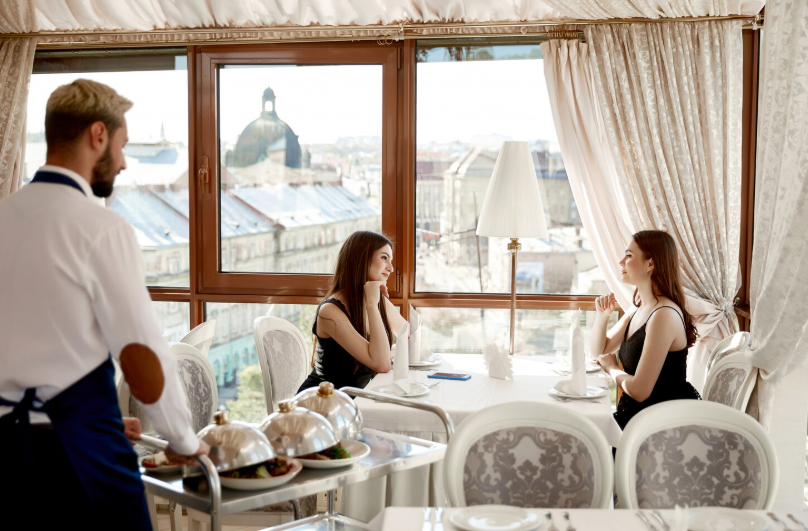
For company directors and discerning travelers, food is more than sustenance — it is a medium for connection, culture, and curated memory. Private chef experiences in Europe combine the intimacy of a bespoke meal with the depth of local culinary traditions, offering an ideal setting for client entertainment, executive retreats, or restorative personal travel. From a Michelin-trained chef preparing a multi-course tasting in a Provençal villa to a regional specialist crafting an intimate seafood feast on the Amalfi Coast, these experiences are designed to be seamless, memorable, and fully tailored.
Why Choose a Private Chef?
Private chefs provide control, privacy, and personalization—three pillars that align perfectly with the needs of senior executives. A private chef experience removes logistical friction: no reservations to secure, no crowded dining room, and no compromise on timing. Instead, guests receive a carefully designed menu that reflects seasonal produce, dietary needs, and the event’s objectives. For directors hosting high-stakes conversations or relationship-building dinners, the privacy of a dedicated dining environment reduces distraction and fosters a focused, convivial atmosphere.
Beyond convenience, private chefs offer narrative. They can translate terroir into a tasting menu, tell the story of regional ingredients, and elevate a meal into a cultural exchange. This narrative dimension is especially valuable for international guests who want to engage with local culture in an authentic, curated way.
Types of Private Chef Experiences
Private chef services in Europe range from in-home multi-course dinners to immersive culinary residencies. Common formats include:
- Intimate tasting dinners: Multi-course menus served in a private dining room or villa, often paired with regional wines.
- Interactive chef’s table: A more participatory format where guests observe or engage in plating and brief cooking segments.
- Farm-to-table experiences: Day excursions to local farms or markets followed by a meal prepared with that day’s harvest.
- On-site pop-ups: Temporary, custom installations for corporate events or launches, often set within historic properties or contemporary galleries.
Where in Europe to Book Exceptional Private Chefs
Certain regions are particularly well-suited for elevated private chef experiences. In France, Provence and Bordeaux offer produce-driven menus and world-class wines. Italy’s Tuscany and Campania present food traditions anchored in seasonal simplicity—olive oil, heirloom tomatoes, fresh seafood—that translate beautifully into intimate meals. Scandinavia’s gastronomic innovators bring a modern, hyper-local approach in capitals like Copenhagen and Stockholm. For directors seeking dramatic coastal settings, Portugal’s Algarve and Spain’s Basque Country combine exceptional seafood with convivial hospitality.
When selecting a destination, consider both ingredient availability and logistical ease. Estate properties, boutique hotels, and private villas often have kitchens equipped for professional teams, which simplifies execution and enables higher levels of presentation and service.
Designing the Menu and Guest Experience
The best private chefs work as creative partners. Start by conveying objectives: is the dinner intended to impress clients, to celebrate a milestone, or to create a relaxed social environment? Share dietary restrictions and any storytelling preferences—perhaps a menu focused on heirloom cheeses, a regional fisherman’s catch, or a reimagining of family recipes.
Directors should request a pre-event tasting when feasible, or at minimum a detailed menu proposal that includes sourcing notes and wine pairings. Many chefs offer multiple tiers of menu complexity, from a pared-back four-course meal to an elaborate chef’s tasting of eight or more courses with paired wines.
Logistics and Professional Considerations
For corporate or high-profile events, logistics matter. Confirm the chef’s insurance, food-safety certifications, and references for similar events. Discuss service style—plated courses versus family-style presentations—and whether the chef will bring a service team or require venue staff. For villas or remote estates, ensure adequate kitchen facilities or discuss rental of a production kitchen and additional equipment.
Timing is crucial: plan for a clear arrival window for the chef and staff, a setup period, and a printed itinerary for service. If the event includes presentations or speeches, coordinate meal pacing with the program to maintain flow.
Budgeting and Value
Private chef experiences can vary widely in price depending on the chef’s pedigree, the menu complexity, ingredient sourcing, and travel logistics. Expect to budget more for Michelin-trained chefs, specialty ingredients (live seafood, rare truffles, or heritage meats), and full-service staffing. That said, the perceived value for directors often exceeds the raw cost: the ability to craft a distinctive event in a private setting yields outsized returns when measured in client goodwill, productive conversation, and lasting impressions.
Consider packages—many reputable providers offer tiered pricing with clear inclusions (food, staffing, basic tableware) and exclusions (premium wines, rentals, or venue fees). Request a written quote that itemizes costs to avoid unexpected add-ons.
Sourcing, Sustainability, and Local Relationships
Exceptional private chefs prioritize provenance. Directors should ask about sourcing: does the chef work with established local suppliers, regenerative farms, or artisanal purveyors? Sustainable sourcing not only supports local economies but also enhances the authenticity of the meal. Many chefs will design menus that minimize waste and highlight seasonal abundance—an approach aligned with modern corporate values and ESG priorities.
Building a relationship with a local chef or small culinary team offers long-term benefits: repeat guests can expect increasingly personalized menus, trusted vendor networks, and the cultural literacy that elevates each meal into a place-based experience.
Practical Tips for Directors
1. Book early—top chefs are scheduled months in advance, especially during peak travel seasons.
2. Communicate objectives clearly—this allows the chef to design a menu that supports the evening’s goals.
3. Prepare the space—confirm kitchen facilities and service expectations ahead of arrival.
4. Include cultural elements—local wines, regional cheeses, and storytelling enrich the experience.
5. Document the experience—professional photography or short video captures can be valuable for corporate memory and marketing collateral.
Conclusion
Private chef experiences in Europe offer an exceptional blend of privacy, personalization, and cultural immersion. For directors seeking meaningful ways to host clients, reward teams, or craft unforgettable personal travel moments, these meals translate culinary excellence into strategic advantage. With careful planning—clear objectives, logistical foresight, and an emphasis on provenance—private dining becomes an instrument of relationship-building and refined hospitality.
Stay Connected for More Travel and Lifestyle Inspiration. For more insights into travel, culture, and lifestyle tips, follow me on Instagram @salvadorordorica. If you’re seeking professional translation and localization services to enhance your global ventures, visit The Spanish Group — your trusted partner in bridging cultures worldwide.
by Dulce Navarro | Oct 24, 2025 | Europe, Experiences, Food, Lifestyle, Luxury, Restaurant, Travel
Luxury Culinary Cruises Through Europe’s Waterways
Introduction
Europe’s waterways have long been celebrated for their stunning landscapes, rich history, and vibrant cultures. Today, a new wave of luxury culinary cruises is allowing travelers to experience the continent like never before — combining the romance of river travel with exquisite gastronomy. From the serene canals of the Netherlands to the historic rivers of France and Germany, these cruises offer an unforgettable blend of culture, cuisine, and comfort.
The Rise of Culinary Cruises
Culinary cruises have emerged as a sophisticated alternative to traditional river cruises. Unlike standard tours, these experiences emphasize local cuisine, wine pairings, and hands-on cooking opportunities. Travelers can enjoy chef-led cooking classes, visit local markets with expert guides, and savor freshly prepared meals inspired by regional traditions. The rise of this trend reflects a growing appetite for immersive experiences that go beyond sightseeing.
Exploring Europe’s Iconic Waterways
The Rhine River
The Rhine River winds through Germany, France, Switzerland, and the Netherlands, offering picturesque landscapes and historic towns. Culinary cruises along the Rhine allow guests to indulge in regional specialties such as Alsatian tarte flambée, German sausages, and Swiss chocolates. Wine enthusiasts can delight in Rhine Valley vineyards, sampling Rieslings and other local varietals along the journey.
The Danube River
The Danube is Europe’s second-longest river, flowing through ten countries and several culturally rich cities. A culinary cruise on the Danube combines historic sightseeing in Budapest, Vienna, and Bratislava with gourmet experiences, including Viennese pastries, Hungarian goulash, and fine Austrian wines. Guests can also attend exclusive cooking demonstrations that highlight the heritage of Central European cuisine.
The Loire and Seine Rivers
France’s Loire and Seine rivers are synonymous with elegance and culinary excellence. Along the Loire, travelers can explore châteaux and taste artisanal cheeses, wines, and local delicacies. Seine River cruises provide the perfect blend of iconic Parisian landmarks and private dining experiences, where world-class chefs create menus inspired by regional French traditions.
The Netherlands’ Canals
For a more intimate experience, the canals of Amsterdam and other Dutch cities offer charming, narrow-waterway cruises. Culinary-themed cruises here focus on fresh seafood, artisanal cheeses, and seasonal vegetables, often paired with craft beers or Dutch gin. These small-ship experiences allow for a personalized culinary journey through one of Europe’s most enchanting settings.
Gourmet Experiences on Board
Luxury culinary cruises provide more than just meals; they offer an entire gastronomic journey. Onboard chefs craft multi-course menus featuring local ingredients sourced daily from nearby markets. Wine pairing dinners, tasting sessions, and themed culinary evenings allow guests to engage with the flavors and stories behind each dish. Cooking workshops offer hands-on experiences for travelers eager to recreate these meals at home.
Immersive Cultural Excursions
Beyond the dining table, culinary cruises include curated excursions that connect guests with local food culture. Guests may visit vineyards, artisanal bakeries, cheese farms, or traditional fish markets. Many cruises also include guided city tours, historical site visits, and cultural performances, ensuring that each meal is paired with context, history, and a deeper understanding of the destination.
The Luxury Advantage
These cruises emphasize comfort and personalized service. Luxurious cabins, attentive staff, and carefully curated itineraries ensure an elevated travel experience. From private balconies overlooking scenic rivers to intimate dining rooms with exceptional service, every aspect of the cruise is designed to make guests feel pampered while they explore Europe’s culinary landscapes.
Conclusion
Luxury culinary cruises through Europe’s waterways offer an unparalleled combination of culture, gastronomy, and relaxation. For travelers seeking to savor the continent’s flavors while exploring its historic rivers, these cruises provide an immersive, unforgettable experience that caters to both the palate and the soul.
Stay Connected for More Travel and Lifestyle Inspiration. For more insights into travel, culture, and lifestyle tips, follow me on Instagram @salvadorordorica. If you’re seeking professional translation and localization services to enhance your global ventures, visit The Spanish Group — your trusted partner in bridging cultures worldwide.
by Dulce Navarro | Oct 23, 2025 | Europe, Experiences, Food, Lifestyle, Luxury, Restaurant
Michelin-Starred Chef’s Table Experiences in Paris
Paris, the culinary capital of the world, is a city where gastronomy is not just food but an art form. For luxury travelers and food enthusiasts alike, experiencing a Michelin-starred chef’s table is the ultimate indulgence, offering an intimate, personalized journey through the world of haute cuisine.
What Is a Chef’s Table?
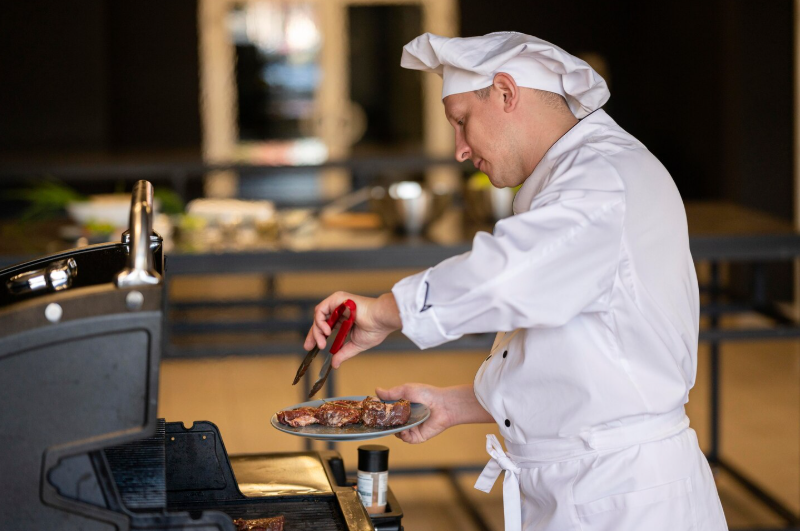
A chef’s table is more than a dining experience; it’s an exclusive peek behind the scenes of a restaurant. Guests are seated in the kitchen or a private area where they can watch the chef and their team at work, gaining insight into the meticulous preparation, innovative techniques, and creative vision that go into each dish. In Michelin-starred restaurants, this experience combines culinary artistry with personalized storytelling, elevating dining to an unforgettable event.
Why Paris Is the Perfect Destination
Paris is home to dozens of Michelin-starred restaurants, each offering unique interpretations of French cuisine. The city’s chefs blend tradition with innovation, often sourcing ingredients from local markets to ensure the freshest, highest-quality flavors. From classic French techniques to avant-garde presentations, Parisian chef’s tables offer a spectrum of experiences that cater to both seasoned food lovers and curious newcomers.
Highlights of the Michelin-Starred Chef’s Table Experience
1. Personalized Menus
One of the most appealing aspects of a chef’s table is the customized menu. Chefs often tailor dishes based on guests’ preferences, dietary restrictions, and seasonal ingredients. This ensures a unique dining experience that cannot be replicated elsewhere.
2. Interactive Experience
Guests can engage with the chef, ask questions, and even learn cooking techniques firsthand. This interaction provides a deeper appreciation for the creativity and precision involved in fine dining, turning a meal into a memorable educational experience.
3. Exquisite Wine Pairings
Many Michelin-starred establishments offer curated wine pairings that complement each course. Sommeliers carefully select wines to enhance flavors and textures, elevating the overall gastronomic journey.
4. Behind-the-Scenes Access
Being at the chef’s table often means witnessing the artistry of plating, the careful timing of service, and the coordination of the kitchen team. Guests gain an insider perspective, transforming the meal into a captivating performance.
Top Michelin-Starred Chef’s Table Experiences in Paris
Some of Paris’s most celebrated chef’s tables include those at Le Cinq at the Four Seasons, Arpège, and L’Ambroisie. Each offers a distinct style: from classic French elegance to bold modern creativity. Reservations are essential, as these experiences are highly sought after and limited in seating.
Tips for Booking a Chef’s Table
- Book well in advance, ideally several weeks or months ahead.
- Communicate any dietary restrictions or special requests clearly.
- Be prepared for a multi-hour experience — chef’s tables often include multiple courses.
- Consider pairing the experience with a luxury stay nearby for a seamless indulgent trip.
The Value of a Michelin-Starred Experience
While chef’s table experiences are a premium offering, they provide unmatched value for those seeking a deeper connection with cuisine. Beyond the flavors, guests receive personalized service, insights into culinary artistry, and an intimate environment that creates lifelong memories.
Conclusion
For travelers who appreciate luxury, gastronomy, and exclusivity, a Michelin-starred chef’s table in Paris represents the pinnacle of culinary exploration. From interactive, behind-the-scenes access to expertly curated menus and wine pairings, every aspect is designed to delight the senses and provide an unforgettable experience.
Stay Connected for More Travel and Lifestyle Inspiration. For more insights into travel, culture, and lifestyle tips, follow me on Instagram @salvadorordorica. If you’re seeking professional translation and localization services to enhance your global ventures, visit The Spanish Group — your trusted partner in bridging cultures worldwide.
by Dulce Navarro | Oct 17, 2025 | Culture, Europe, Experiences, Food, Lifestyle, Luxury, Restaurant, Travel
Experiencing Royal Banquets: Dining Like Nobility in Europe
For centuries, royal banquets have symbolized power, prestige, and the finest culinary craftsmanship. Europe, with its rich tapestry of monarchies and aristocratic traditions, offers travelers a unique opportunity to experience dining as royalty once did. From the grand halls of castles to intimate palace dinners, these events combine exquisite cuisine, elegant settings, and a glimpse into history that is unmatched anywhere else in the world.
The Historical Significance of Royal Banquets
Royal banquets were more than mere meals; they were orchestrated displays of wealth, diplomacy, and influence. Every dish, decoration, and seating arrangement was meticulously planned to reflect the social hierarchy and political alliances of the time. Today, these historical banquets have been recreated or preserved in European palaces and heritage hotels, allowing visitors to step into a world of sophistication and ceremony.
Iconic European Venues for Royal Dining
Several European countries offer iconic venues where one can experience royal-style dining:
- France: The Château de Versailles is famous not only for its opulent architecture but also for the meticulously recreated banquets held in its grand halls.
- United Kingdom: Buckingham Palace and Windsor Castle occasionally open their state rooms for exclusive dining experiences, showcasing the elegance of British culinary tradition.
- Austria: Schönbrunn Palace in Vienna hosts themed dinners, allowing guests to enjoy imperial Austrian cuisine in a historical setting.
- Italy: Palazzo Pitti in Florence and other Renaissance-era palaces offer private dining experiences, featuring authentic Italian royal recipes from centuries past.
The Culinary Experience
Dining like nobility is about more than ambiance; it’s a journey through flavor and tradition. Royal banquets typically feature multiple courses prepared with the finest ingredients. Guests might encounter delicacies such as truffles, caviar, roasted game, or exotic spices, paired with fine wines and champagnes. The artistry of presentation and the ceremonial serving of dishes heighten the sense of occasion, turning each meal into a performance.
Etiquette and Ceremony
Part of the allure of royal banquets is the etiquette and ceremonial precision that accompanies them. From formal dress codes to seating arrangements dictated by rank and protocol, participating in such a banquet is an immersive cultural experience. Learning about historical customs, such as toasts, hand gestures, and the proper way to use cutlery, adds a layer of authenticity and appreciation for the grandeur of the event.
Modern Adaptations for Travelers
While full-scale royal banquets are rare, many heritage hotels and palaces offer curated experiences for modern travelers. These might include themed dinners, wine-pairing events, and historically inspired menus that capture the essence of noble dining. Booking these experiences in advance often provides exclusive access to areas of the palace that are usually off-limits to the public.
Why Experience a Royal Banquet?
Experiencing a royal banquet is more than just a meal; it is a journey through history, art, and culture. It allows travelers to connect with the opulence of European nobility while savoring culinary traditions that have been perfected over centuries. The combination of exquisite food, historical ambiance, and ceremonial elegance makes this a once-in-a-lifetime experience for those seeking luxury, culture, and unforgettable memories.
Tips for Planning Your Royal Dining Experience
- Research and book well in advance, as these experiences are limited and often require reservations months ahead.
- Check dress codes and etiquette requirements to ensure an immersive experience.
- Opt for guided tours or packages that include a banquet to gain deeper historical insights.
- Consider visiting during special events or festivals to witness unique ceremonies and themed dinners.
Conclusion
Stay Connected for More Travel and Lifestyle Inspiration. For more insights into travel, culture, and lifestyle tips, follow me on Instagram @salvadorordorica. If you’re seeking professional translation and localization services to enhance your global ventures, visit The Spanish Group — your trusted partner in bridging cultures worldwide.
by Dulce Navarro | Oct 16, 2025 | Lifestyle, Luxury, Restaurant, Travel
Private Seine River Cruises with Gourmet Menus
A private Seine River cruise is the quintessential way to experience Paris with discretion, elegance, and culinary excellence. Beyond the postcard views of the Eiffel Tower, Notre-Dame and the Louvre, a bespoke cruise pairs Parisian landmarks with carefully curated menus prepared by professional chefs. For directors, executives, and discerning travellers, these private cruises offer a relaxed yet highly polished environment for entertaining clients, celebrating milestones, or simply enjoying an intimate cultural immersion.
Why Choose a Private Cruise?
Private Seine cruises remove the unpredictability and crowding of public tours and replace them with tailored service, privacy, and flexibility. Whether you require a quiet dinner for two, a corporate reception for thirty, or a multi-course tasting that highlights French terroir, a private charter allows you to choose pace, playlist, lighting and, most importantly, the cuisine. The result is a seamless fusion of sightseeing and gastronomy where every element — from the table setting to the timing of the courses — is orchestrated.
Types of Private Cruise Experiences
Intimate Dinner Cruises
Ideal for romantic evenings or small VIP dinners, intimate cruises typically feature a multi-course tasting menu, an attentive service team, and a small crew. Menus emphasize seasonal produce and classical French techniques adapted for service on board.
Corporate and Event Charters
For corporate entertaining, private riverboats can be configured for presentations, seated banquets, or standing cocktail receptions. Menus become part of the client experience: welcome canapés, plated entrées, and a refined dessert paired with coffee or digestifs help create a memorable impression.
Chef’s Table and Tasting Cruises
Some operators offer a chef’s table format where an onboard chef prepares and explains each course, often using live cooking stations where feasible. These cruises are excellent for food-focused guests and can feature curated wine pairings by a sommelier.
Gourmet Menus: What to Expect
Gourmet menus on the Seine place a premium on freshness, provenance and harmony. Typical features include seasonal vegetables from local markets, sustainably sourced fish and shellfish, and heritage meats prepared with restrained elegance. Chefs often showcase classic techniques—confit, sous-vide, and precise saucing—while keeping plates travel-friendly for cruise service.
Starters and Canapés
Expect refined starters: smoked salmon with dill crème fraîche, goat cheese tartlets with honey and walnuts, or seasonal vegetable consommés. Canapés are crafted to be eaten easily while guests move or mingle and tend to highlight local producers.
Main Courses
Main courses usually balance a protein (such as sea bass, beef tournedos, or duck breast) with light, elegantly seasoned accompaniments. Sauces are served judiciously to preserve presentation during transit. Vegetarian and vegan main courses are readily available and often use grains, legumes and roasted seasonal vegetables for richness and texture.
Desserts and Petit Fours
Desserts typically reflect classic French patisserie—tarte tatin, chocolate fondant, or a light mille-feuille—followed by petit fours and fine chocolate. Coffee service and digestifs complete the dining experience.
Wine and Beverage Pairings
A hallmark of the gourmet cruise is considered wine pairing. Many operators include a sommelier or curated wine list with regional selections: Champagne for toasts, white Burgundies with fish, lighter Bordeaux or Rh ô ne blends with red meats. Non-alcoholic pairings—housemade tonics, craft sodas and artisanal tea selections—are also part of the premium offering.
How Menus Are Created and Sourced
Reputable operators collaborate with established chefs and local suppliers. Freshness is ensured by daily market deliveries and partnerships with artisan bakers, fromageries and fishmongers. Menus are normally seasonal and adaptable for dietary restrictions. For high-profile guests, bespoke dishes or branded plating can be arranged to reflect the client’s brand or event theme.
Planning and Logistics
Planning a private Seine cruise requires coordination across several elements: vessel selection, menu design, timing (daylight versus twilight versus night), guest list, and any AV or presentation needs. Popular time slots—particularly sunset and after-dinner hours—book quickly, so advance scheduling is recommended. Additionally, confirm boarding points, transfer logistics and any municipal requirements for events on the Seine.
Sample Two- or Three-Hour Itinerary
- Arrival & Welcome Champagne: Guests board at a private jetty and are welcomed with Champagne and amuse-bouches.
- First Course & Sightseeing: As the boat glides past the Louvre and Île de la Cité, a starter course is served.
- Main Course & Pairings: The boat reaches the stretch beneath the Eiffel Tower as main courses are presented, paired with selected wines.
- Dessert & Coffee: A dessert course is accompanied by petit fours and coffee as the boat completes its loop.
- Disembarkation: Guests are assisted from the vessel and, if required, escorted to waiting transport.
Privacy, Service and Discretion
Privacy is often a deciding factor for high-net-worth guests. Private charters provide enclosed salons or VIP cabins, dedicated staff, and strict guest confidentiality policies. For corporate clients, NDAs and private access can be arranged to protect conversations and client data.
Sustainability and Responsible Cruising
Many premium operators are adopting low-emission engines, responsible waste handling and locally sourced menus to minimize environmental impact. When selecting a provider, ask about their sustainability practices and certifications to ensure the cruise aligns with your organization’s corporate responsibility standards.
Tips for Booking
- Book early—prime time slots fill fast, especially in spring and autumn.
- Confirm guest dietary requirements well in advance.
- Discuss weather contingency plans for open-deck options.
- Request sample menus and wine lists and ask about chef profiles.
- Verify boarding logistics and available parking or transfer services.
Conclusion
Private Seine River cruises with gourmet menus offer a uniquely Parisian combination of culture, cuisine and comfort. They are an exceptional choice for those seeking an elevated experience—whether for business, celebration or personal indulgence. With thoughtful planning and the right partner, a private cruise becomes more than a meal or a tour: it becomes an indelible memory.
Stay Connected for More Travel and Lifestyle Inspiration. For more insights into travel, culture, and lifestyle tips, follow me on Instagram
@salvadorordorica. If you’re seeking professional translation and localization services to enhance your global ventu_