Paris, the City of Light, is renowned for its romantic ambiance, timeless architecture, and unparalleled culinary experiences. Among the most enchanting experiences the city offers is the chance to enjoy a private rooftop dinner overlooking the iconic Eiffel Tower. These exclusive dining experiences combine breathtaking views, exceptional cuisine, and personalized service, creating memories that last a lifetime.
The Magic of Dining Above the City
There is something uniquely magical about dining on a Parisian rooftop. From this elevated vantage point, the city transforms into a glittering tapestry of lights, with the Eiffel Tower serving as the ultimate centerpiece. Whether celebrating a special occasion or simply indulging in a luxurious evening, a private rooftop dinner provides an intimate and unforgettable atmosphere.
What to Expect from a Private Rooftop Dinner
Private rooftop dinners are designed to provide a bespoke culinary experience. Each element is carefully curated, from the choice of location and seating arrangements to the menu and wine selection. Guests can expect:
Exclusive Access: The entire rooftop or a secluded section is reserved, ensuring privacy and a serene environment for your dinner.
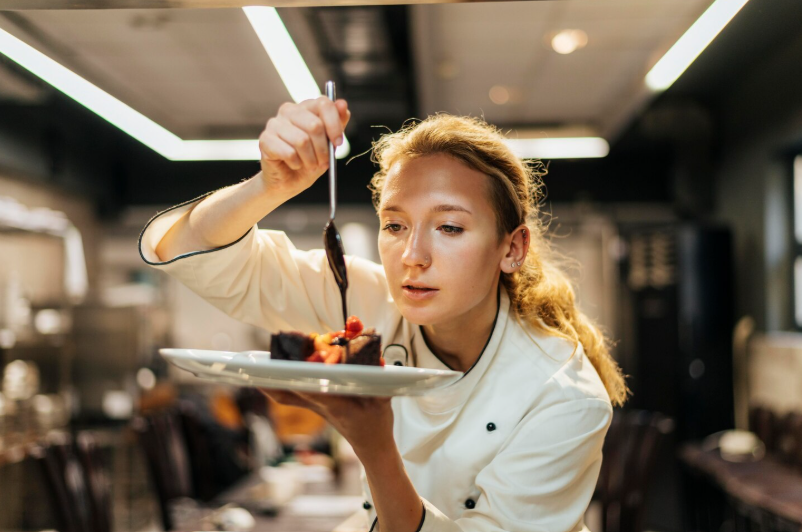
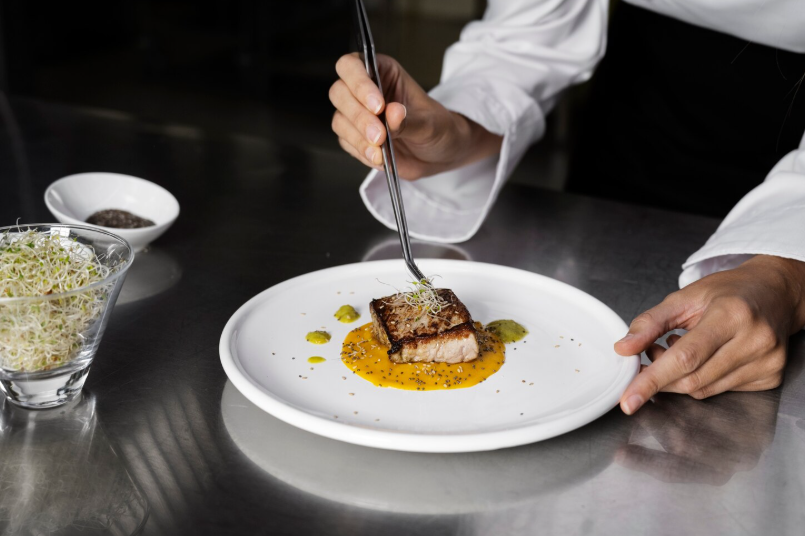
Personalized Menu: Chefs often create a tailored menu based on dietary preferences, seasonal ingredients, and specific culinary requests, ranging from classic French dishes to modern fusion cuisine.
Stunning Views: The Eiffel Tower, especially when illuminated at night, creates a breathtaking backdrop that elevates the dining experience.
Professional Service: Attentive staff manage every detail, from wine pairings to table settings, allowing guests to focus solely on enjoying the evening.
The Culinary Experience
One of the highlights of a private rooftop dinner is the exceptional food. Menus are often crafted with seasonal ingredients, emphasizing fresh, high-quality produce and artisanal preparation. Guests may enjoy:
Delicate appetizers featuring fresh seafood, foie gras, or artisanal cheeses.
Entrées showcasing French culinary excellence, such as duck confit, lamb racks, or truffle-infused dishes.
Decadent desserts, including chocolate soufflés, macarons, or fruit tarts.
Expertly curated wine pairings, often sourced from renowned French vineyards.
Romantic and Intimate Setting
The combination of privacy, elevated location, and the stunning Eiffel Tower view makes private rooftop dinners ideal for romantic occasions. Couples can celebrate anniversaries, engagements, or other milestones in a setting that feels both exclusive and magical. The ambiance is enhanced with soft lighting, elegant table settings, and the gentle Parisian evening breeze.
Events and Celebrations
Private rooftop dinners are not limited to romantic experiences. They can also accommodate small corporate gatherings, milestone birthdays, or intimate social events. The flexibility of these settings allows hosts to create a unique and memorable event tailored to their needs, with options for live music, personalized decor, and curated menus.
Choosing the Right Rooftop Experience
Paris offers a variety of rooftop dining options, each with its unique charm and atmosphere. When selecting a rooftop dinner, consider the following:
Location: Opt for a rooftop that provides an unobstructed view of the Eiffel Tower to maximize the visual impact.
Privacy: Ensure that the space is exclusively reserved for your group to enjoy a truly private experience.
Culinary Expertise: Choose a venue that employs experienced chefs and offers bespoke menu options.
Service Quality: High-quality service is essential for a seamless and enjoyable dining experience, from setup to cleanup.
Tips for an Unforgettable Experience
To make the most of your private rooftop dinner:
Plan ahead and book well in advance, especially during peak tourist seasons.
Communicate any dietary restrictions or special requests to the chef prior to your arrival.
Consider the timing of your dinner; sunset provides a stunning backdrop, while later in the evening, the Eiffel Tower’s lights create a magical atmosphere.
Dress elegantly but comfortably to enjoy the rooftop setting, particularly if there is a slight evening breeze.
Capture memories with photographs, but also take time to fully immerse yourself in the experience without distractions.
Why This Experience Stands Out
What makes a private rooftop dinner with Eiffel Tower views truly exceptional is the combination of exclusivity, culinary excellence, and the unparalleled setting. Unlike traditional restaurant dining, these experiences are tailored entirely to the guests’ preferences, offering an elevated level of personalization and attention to detail. The result is an evening that is as much about the ambiance and views as it is about the food.
Conclusion
Private rooftop dinners with Eiffel Tower views offer a unique way to experience Paris — combining stunning scenery, gourmet cuisine, and personalized service. Whether for romance, celebration, or simply indulging in the luxury of a bespoke dining experience, this is an opportunity to create unforgettable memories in one of the world’s most beautiful cities. The magic of Paris is amplified from above, where the city lights, the Eiffel Tower, and exquisite flavors converge for an evening of sheer elegance.
Stay Connected for More Travel and Lifestyle Inspiration. For more insights into travel, culture, and lifestyle tips, follow me on Instagram @salvadorordorica. If you’re seeking professional translation and localization services to enhance your global ventures, visit The Spanish Group — your trusted partner in bridging cultures worldwide.
Private Chef Experiences in Europe for Epicurean Travelers
Introduction: Why Private Chef Experiences Matter
For company directors and seasoned travellers who value time, quality, and discretion, a private chef experience in Europe offers more than a meal — it delivers a carefully curated moment that combines culture, cuisine, and comfort. Whether hosted in a historic villa on the Amalfi Coast, a contemporary penthouse in Barcelona, or a countryside chateau in Provence, private dining with a professional chef affords control over the menu, exceptional service, and an intimate environment that fosters meaningful conversation and relationship-building.
Types of Private Chef Experiences
Private chef services in Europe span a wide spectrum. Understanding the options helps directors choose the right format for business dinners, client entertainment, or personal retreats:
In-Residence Dining: The chef prepares a multi-course menu in your accommodation, using the on-site kitchen and often leaving the space spotless before departure.
Pop-up Dinners: Temporary, location-specific events where a chef transforms an unconventional space — rooftop, gallery, boat — into an exclusive dining venue for a single evening.
Chef-Led Culinary Tours: A hybrid of guided market visits, private cooking classes, and a culminating meal; ideal for guests who want hands-on engagement with local foodways.
Multi-Day Private Service: For extended stays, chefs can provide breakfast, lunch, and dinner with bespoke menus that adapt to guest preferences and seasonal availability.
What Defines an Exceptional Private Chef
Top-tier private chefs combine mastery of technique with cultural fluency and logistical reliability. Look for professionals who demonstrate:
Proven Credentials: Experience in Michelin-star kitchens, reputable culinary schools, or long-term private service for high-profile clients.
Local Knowledge: Deep familiarity with regional producers, vintners, and seasonal ingredients that make each menu authentic and memorable.
Service Orientation: Discretion, punctuality, and the ability to manage staff and timing for seamless guest experiences.
Menu Versatility: Capacity to accommodate dietary restrictions, corporate branding requests, and multi-course tasting formats.
Regions and Specialties Across Europe
Europe’s culinary diversity means private chef experiences vary dramatically by region. A few highlights to consider:
Mediterranean Classics
Italy, Greece, Spain, and southern France offer chefs who excel in seafood, fresh herbs, olive oil-driven dishes, and rustic preparations elevated by technique. Expect market-driven menus with a strong emphasis on provenance and simplicity.
Central European Refinement
In Austria, Germany, and parts of Eastern Europe, private chefs often blend traditional hearty fare with modern plating and techniques. These experiences are well suited to winter retreats and wine-pairing dinners featuring local varietals.
Nordic and Contemporary Cuisine
Scandinavia’s private chefs bring minimalism, foraged ingredients, and precision. For directors seeking boundary-pushing tasting menus, Nordic chefs craft seasonal journeys that pair well with exclusive spirits and small-batch aquavits.
Planning and Logistics for Busy Executives
Time is the most valuable currency for a director. A successful private dining engagement requires clear, upfront planning:
Define Objectives: Clarify whether the meal is for client entertainment, celebration, or an intimate team dinner; this shapes menu complexity and staffing needs.
Confirm Guest Profile: Provide dietary restrictions, allergies, and guest preferences well in advance to ensure a personalised menu.
Secure a Reliable Provider: Use recognised concierge services, luxury travel advisors, or referrals from trusted hotels to source reputable chefs.
Arrange Logistics: Coordinate arrival windows, on-site kitchen capabilities, service staff, and any special equipment the chef might require.
Negotiate Confidentiality: For high-profile guests, request and formalise non-disclosure agreements where appropriate.
Menu Design and Beverage Pairings
The hallmark of an exceptional private chef is the ability to design a coherent menu that reflects the locale and the occasion. Directors should expect:
Tasting Menus: Multi-course progressions that showcase local ingredients and culinary storytelling.
Wine and Beverage Pairings: Sommeliers or chef-curated pairings to complement each course, including premium and rare bottles when requested.
Custom Elements: Branded menu cards, personalised welcome amuse-bouches, or thematic courses aligned with corporate milestones.
Sustainability and Local Sourcing
Increasingly, discerning clients prioritise chefs who source responsibly. Directors wanting to align private dining with corporate sustainability goals should inquire about:
Seasonal procurement and partnerships with local fishermen or farmers.
Traceability of proteins and commitments to ethical animal welfare.
Minimised single-use disposables and low-waste kitchen practices.
Checklist for Booking a Private Chef
Use this brief checklist to ensure nothing is overlooked:
Confirm date, time, and duration of service.
Provide a complete guest list with dietary notes.
Review sample menus and ask for price ranges per person.
Clarify service inclusions: staffing, tableware, cleanup, and gratuity.
Request references or sample menus from previous high-end engagements.
Conclusion
Private chef experiences in Europe deliver curated culinary moments that respect time, elevate relationships, and reflect the best of regional gastronomy. For company directors who demand discretion, quality, and an exceptional return on time invested, these bespoke dining services are an investment in hospitality that pays dividends in client satisfaction and team cohesion. Thoughtful planning, collaboration with trusted providers, and a commitment to provenance will ensure an experience that is both memorable and impeccably executed.
Stay Connected for More Travel and Lifestyle Inspiration
For more insights into travel, culture, and lifestyle tips, follow me on Instagram @salvadorordorica. If you’re seeking professional translation and localization services to enhance your global ventures, visit The Spanish Group — your trusted partner in bridging cultures worldwide.
Paris is synonymous with refinement, and nowhere is that more evident than in its luxury afternoon tea scene. From palatial hotel salons to discreet, design-forward tearooms, the city offers experiences that blend culinary craft, impeccable presentation, and a quiet sense of ceremony. For executives, visiting clients, or anyone seeking a sophisticated interlude between meetings, a curated afternoon tea in Paris is both a cultural touchpoint and a strategic opportunity to impress.
What Defines a Luxury Afternoon Tea in Paris?
Luxury afternoon tea goes beyond scones and sandwiches; it’s an orchestration of atmosphere, provenance, and service. Key ingredients include premium tea selections (often single-origin or signature blends), pastry work by award-winning pâtissiers, thoughtful design and decor, and discreet yet attentive service. Many high-end offerings also include seasonal menus, bespoke teaware, and optional pairings such as champagne or rare dessert wines.
Top Venues Worth Your Time
Ritz Paris — The Salon Proust
The Ritz is a study in timeless elegance. Afternoon tea at the Ritz is delivered with the hotel’s signature discretion: antique mirrors, polished wood, and a menu that often features classical French pâtisserie alongside light, savory bites. Orders can be paired with champagne or a carefully selected tea from an extensive cellar.
Le Meurice — Le Dalí Salon
Le Meurice combines contemporary artful touches with a reverence for French culinary tradition. Afternoon tea here emphasizes refined finger sandwiches, delicate viennoiseries, and creative petits fours designed by the house pâtissier. The salon’s surroundings — inspired by the Palace of Versailles — lend a theatrical yet composed backdrop to the experience.
Shangri-La Paris — The Tea Salon
With sweeping views and an understated Asian influence, Shangri-La’s tea service is a study in balance. The menu often pairs classic European pastries with subtle flavors from the East, while the service focuses on calm efficiency — ideal for business conversations that require privacy and punctuality.
Ladurée — Salon Champs-Élysées
For a taste of Parisian tradition with a luxury twist, Ladurée’s tea salons are iconic. While more public than some hotel teas, the quality of the pâtisserie and the brand’s long heritage make it a dependable option for guests who value classic flavor and presentation.
Hôtel Costes — Intimate & Chic
Hôtel Costes offers a more contemporary and intimate setting. Its tea experience is often paired with minimalist, candlelit glamour — well suited for evening teas or high-profile meetings that want a fashionable but controlled environment.
Planning, Etiquette, and Practical Tips
Book well in advance, especially for weekend slots or during event-heavy periods. Request a quiet table if privacy is important, and confirm whether your chosen venue can accommodate dietary restrictions or private service. If entertaining clients, consider a champagne pairing and request a dedicated server to ensure the flow of conversation isn’t interrupted.
Tip: ask about photography policies — some venues tolerate editorial-style photos, while others prefer limited imagery to preserve the atmosphere.
Why Afternoon Tea Works for Directors and Executives
Afternoon tea is inherently unhurried, which creates space for meaningful conversation without the formality of a business dinner. It’s an ideal setting for client introductions, contract discussions in a relaxed environment, or small team gatherings that require discretion. The controlled pace allows principals to gauge tone, build rapport, and close follow-ups without the distractions of a crowded restaurant.
Culinary Highlights to Expect
Expect tiered stands featuring an artful progression: savory bites (smoked salmon, truffled egg salad, delicate crostini), freshly baked scones with clotted cream and jam, and a rotating selection of pâtisserie showcasing local ingredients — citrus confits, seasonal fruits, and chocolate in varying percentages. High-end services will also offer tasting notes for teas and recommended pairings, sometimes supported by the presence of a sommelier or tea master.
Sustainability and Ingredient Sourcing
Many leading venues now prioritize ethical sourcing: fair-trade teas, organic produce, and partnerships with local purveyors. For corporate clients with CSR priorities, inquire about these practices when booking. A responsible provider will transparently describe sourcing and waste-reduction measures.
Final Recommendations
For a director planning a memorable client engagement, select a venue that aligns with your guest list: choose a formal palace hotel for status-driven impressions, a design-forward salon for younger or creative clients, or a private hotel suite if discretion is paramount. Confirm accessibility, privacy options, and any add-ons such as private rooms, dedicated servers, or bespoke menus that reflect your brand.
For travelers seeking the pinnacle of culinary excellence, Europe offers an unparalleled selection of Michelin-starred hotel restaurants. These establishments not only provide exquisite dining experiences but also immerse guests in a luxurious ambiance, reflecting the rich cultural and gastronomic heritage of their respective regions. From historic city landmarks to secluded countryside retreats, Michelin-star hotel restaurants in Europe redefine the art of fine dining.
Paris: Epicurean Excellence in the City of Light
Paris, synonymous with haute cuisine, boasts several Michelin-starred hotel restaurants that deliver both exceptional food and unforgettable atmospheres. Renowned establishments within historic hotels such as Le Meurice, Hôtel Plaza Athénée, and the Ritz Paris offer chefs’ innovative creations that highlight French culinary artistry. Guests can expect a combination of classic French techniques with modern gastronomy trends, all within opulent surroundings that enhance the dining experience.
London: Luxury and Innovation Across the Thames
London’s Michelin-star hotel restaurants provide a perfect blend of tradition and innovation. Hotels like The Savoy, Claridge’s, and The Ritz host acclaimed restaurants that emphasize seasonal ingredients, sustainable practices, and creative menus. Diners can indulge in modern interpretations of classic British cuisine while enjoying the historic elegance of the city’s most prestigious hotels.
Rome and Florence: Italian Culinary Heritage in Luxury Settings
Italy offers a unique combination of rich culinary traditions and luxurious accommodations. In Rome, iconic hotels such as the Hassler Roma feature Michelin-starred restaurants that serve authentic Italian flavors with a contemporary twist. Florence’s luxury hotels similarly offer fine dining experiences where fresh, local ingredients meet masterful culinary techniques, making these cities essential destinations for gastronomy enthusiasts.
Swiss Alps: Alpine Elegance and Gourmet Excellence
For travelers seeking a mountain retreat, the Swiss Alps provide Michelin-starred hotel restaurants that combine stunning natural vistas with world-class dining. Resorts such as The Chedi Andermatt and Badrutt’s Palace in St. Moritz host chefs renowned for their precision and creativity. Guests can savor seasonal European cuisine while enjoying panoramic views of snow-capped peaks, creating an unforgettable alpine dining experience.
Barcelona and Madrid: Spanish Flair in Michelin-Star Hotels
Spain’s luxury hotels in Barcelona and Madrid host Michelin-starred restaurants that celebrate Mediterranean flavors and Spanish culinary heritage. Hotels like the Hotel Arts Barcelona and the Hotel Ritz Madrid offer gastronomic experiences that pair innovative dishes with sophisticated wine selections. Guests enjoy a harmonious blend of traditional Spanish ingredients and contemporary culinary techniques, all within lavish hotel settings.
Tips for Choosing the Perfect Michelin-Star Hotel Restaurant
When selecting a Michelin-star hotel restaurant, consider the following factors: the chef’s reputation and style, seasonal menus, ambiance, and any exclusive experiences offered by the hotel. Reservations are often essential, as these elite dining venues tend to book quickly. For travelers looking to combine luxury accommodation with exceptional cuisine, selecting a hotel restaurant with Michelin recognition ensures a memorable and refined experience.
Conclusion
Beyond luxury dining and travel, immersing oneself in local culture often requires learning a new language. As an expat, strategies for quick success include consistent daily practice, engaging with native speakers, and leveraging digital language-learning tools. Understanding the local language not only enhances day-to-day experiences but also allows deeper connections with local communities, enriching every journey abroad.
Stay Connected for More Travel and Lifestyle Inspiration. For more insights into travel, culture, and lifestyle tips, follow me on Instagram @salvadorordorica. If you’re seeking professional translation and localization services to enhance your global ventures, visit The Spanish Group — your trusted partner in bridging cultures worldwide.
Luxury Culinary Retreats in Europe for Food Enthusiasts
A concise, executive guide to immersive gastronomic retreats that blend Michelin-level dining, hands-on learning, and authentic regional experiences.
Introduction
For executives and discerning travelers, a culinary retreat is more than a vacation—it’s a strategic reset. Europe’s most refined food retreats combine world-class chefs, private tastings, and intimate cooking sessions with local producers. These experiences deliver restorative downtime while sharpening cultural intelligence and palate sophistication—ideal for decision-makers who value depth, discretion, and memorable return on leisure investment.
1. What Defines a Luxury Culinary Retreat?
A luxury culinary retreat harmonizes three core elements: exceptional cuisine, curated learning, and authentic local immersion. Unlike standard cooking classes, these retreats are tailored for guests who expect service excellence and exclusivity. Typical components include:
Small-group or private workshops led by Michelin-starred or renowned regional chefs.
Farm-to-table experiences and bespoke tasting menus prepared in high-end settings.
Accommodation in historic estates, design-focused boutique hotels, or private villas offering privacy and comfort.
What elevates a retreat from excellent to exceptional is the level of personalization: pre-arrival consultations, dietary profiling, bespoke menus, and concierge-organized side excursions. For a company director, these details ensure time is spent on meaningful experiences rather than logistics.
2. Top Regions and Signature Experiences
Europe offers a tapestry of culinary traditions. Choosing a region depends on the flavor profile you’re seeking and the type of learning you prefer. Below are reliable destinations and the signature experiences they typically offer.
Tuscany, Italy — Renaissance of Flavors
Tuscany blends rustic charm with haute cuisine. Expect private truffle hunts, olive oil masterclasses, and intimate dinners in converted farmhouses. Many retreats pair hands-on sessions with visits to boutique wineries for vertical tastings and terroir-led wine education.
Provence & Nice, France — Provençal Elegance
The south of France emphasizes seasonality and finesse. Luxury programs often include market tours with a chef, lessons in classic techniques (sauces, pâtisserie), and alfresco degustations overlooking lavender fields or the Mediterranean.
San Sebastián & Rioja, Spain — Basque Brilliance
Basque Country and La Rioja are pilgrimage sites for food lovers. Michelin-star experiences coexist with pintxo crawls and vineyard immersion. Retreats here focus on flavor layering, small-plate creativity, and deep dives into regional wines.
Alsace & Burgundy, France — Wine and Craft
For guests emphasizing oenology, Burgundy and Alsace offer masterclasses in pairing, private cellar tours, and historical tastings that trace grape lineage and winemaking evolution.
3. What to Expect: Format and Daily Rhythm
Most luxury retreats follow a balanced rhythm that mixes structured learning with unhurried leisure. A typical day may include:
Morning: Market or estate visit with a chef or sommelier.
Late morning: Hands-on workshop or demonstration.
Afternoon: Time for relaxation—spa, walk, or solo exploration.
Evening: Private tasting menu, paired wines, or chef’s table experience.
For executives, many retreats offer condensed, high-impact schedules—two to three signature sessions rather than all-day classes—so the experience enriches rather than exhausts.
4. How to Select and Book a Retreat
Selection criteria should match goal and available time. Consider the following:
Program focus: Culinary techniques, wine, foraging, or a mix—choose based on your objectives.
Instructor caliber: Research the chef’s background, awards, and teaching style.
Group size: Smaller groups yield more hands-on attention and privacy.
Accommodations: Opt for properties with private suites and business-friendly amenities when needed.
Concierge services: Airport transfers, private drivers, and bespoke dining requests simplify the journey.
Engage a trusted travel advisor or your corporate concierge to negotiate add-ons—private winery tours, chef-hosted dinners, or exclusive tastings—so the retreat is tailored to executive expectations.
5. ROI of a Culinary Retreat for Directors
While a culinary retreat is an investment in leisure, it offers tangible returns:
Creative refresh: New culinary experiences can invigorate creative thinking and problem-solving.
Networking opportunities: Small, curated groups often include other high-performing professionals.
Cultural intelligence: Deep regional knowledge enhances global business sensitivity and negotiation finesse.
Wellness benefits: Mindful dining and restorative environments improve focus upon return.
Seen through the lens of leadership development, these retreats support sustained performance—not just temporary relaxation.
Conclusion
Luxury culinary retreats in Europe offer an elegant fusion of education, indulgence, and cultural immersion. For company directors, these experiences are efficient, restorative, and strategically valuable: they sharpen cultural literacy, stimulate creativity, and provide privacy and service excellence. Thoughtful selection—based on program focus, instructor quality, and concierge options—ensures a memorable and productive escape.
Stay Connected for More Travel and Lifestyle Inspiration. For more insights into travel, culture, and lifestyle tips, follow me on Instagram @salvadorordorica. If you’re seeking professional translation and localization services to enhance your global ventures, visit The Spanish Group — your trusted partner in bridging cultures worldwide.
For company directors, a Michelin-star journey across Europe is more than a culinary indulgence—it’s a strategic instrument for deepening client relationships, rewarding top performers, and signaling brand values through impeccable taste and attention to detail. From Parisian temples of haute cuisine to boundary-pushing Nordic kitchens and Mediterranean terroir-driven menus, this guide shows how to curate dining experiences that are both unforgettable and operationally efficient.
Why Michelin Matters for Executive Relationship Building
Michelin stars function as a global quality shorthand that transcends language and industry. Hosting at a starred venue conveys seriousness, discernment, and respect for your guests’ time. Yet the real value is not the prestige alone: it is the orchestration—the way you match cuisine, setting, and service cadence to the business purpose at hand.
Consider the three classic objectives. For new-business courtship, a one-star or two-star dining room with a relaxed pacing can create space for conversation and rapport. For major milestones—a signed deal, a merger announcement—a celebrated three-star with a choreographed tasting menu can frame the occasion with ceremony. For team alignment, a chef’s counter or private kitchen table enables interactive storytelling that bonds participants around craft and curiosity.
Michelin’s evaluation pillars—product quality, technique, personality of the chef, value for money, and consistency—parallel what clients expect from a high-performing partner. When you expose stakeholders to a dining room where these elements are executed flawlessly, you subtly reinforce your own brand narrative: excellence, rigor, and a human touch. The key is intentionality. Choose restaurants for a reason—culinary identity aligned with your message, acoustics conducive to discussion, and service choreography that anticipates needs without intruding on flow.
Finally, remember inclusivity. The European Michelin ecosystem now spans bistros, contemporary kitchens with plant-forward tasting menus, and Bib Gourmand venues that deliver exceptional value without formality. Thoughtful accommodation of dietary preferences and cultural norms—e.g., halal, kosher-friendly options, or alcohol-free pairings—signals respect and expands the circle of participation.
Itinerary Design: From Culinary Capitals to Coastal Icons
A productive itinerary balances headline destinations with logistical sanity and narrative arc. The following regional circuit is designed for a five-to-seven-day leadership program or a set of client engagements spaced across a quarter.
Paris & Île-de-France: Anchor the journey with modern French cuisine that foregrounds product and precision. Choose a two-star lunch for clearer calendars and lighter pricing, then a one-star bistro for dinner to encourage conversation.
Basque Country (San Sebastián / Biarritz): Alternate between a three-star destination menu and pintxos crawls led by a local insider. This pairing keeps energy high while showcasing regional terroir from land and sea.
Northern Italy (Milan or Lake District): Opt for Lombard kitchens with impeccable risotti, contemporary vegetable courses, and benchmark wine service. Schedule an afternoon private visit with a sommelier to refresh palates and deepen knowledge.
Copenhagen: End with New Nordic inventiveness—fermentation, foraging, and clean design. Choose a venue where the chef’s narrative can be shared tableside to spark creative discussions about sustainability and craft.
Keep transfers under two hours whenever possible and use midday rail segments to preserve morning work blocks and evening dining. A clear through-line—craftsmanship, sustainability, or heritage—will make the journey feel curated rather than opportunistic.
Reservation Tactics, Budgets, and Private Rooms
Availability fluctuates, but directors can de-risk access with disciplined planning and flexible formats:
Book early and stage holds: Place parallel holds three to four weeks out for different party sizes; confirm 7–10 days prior.
Leverage lunches: Midday services are easier to secure, quieter, and often priced more attractively for multi-course menus.
Favor private rooms for outcomes: For sensitive negotiations or product previews, reserve salons that control sound and sight lines.
Design pairing choices: Offer wine, low-ABV, and alcohol-free pairings to align with wellness and inclusivity goals.
Budget transparently: For Europe’s top rooms, plan €180–€420 per person for tasting menus, exclusive of pairings and room fees. Communicate caps and approvals in advance.
Mind the cadence: Aim for 2.5–3 hours max; coordinate with the maître d’ if speeches or product demos are planned.
Tip: share guest preferences (allergies, seating, handshake/no-contact norms) 48 hours before service; it enables gracious, invisible accommodation.
Wine Programs, Etiquette Signals, and Sustainability
Europe’s best dining rooms treat wine as an educational journey. Brief your head of delegation to request a concise pairing narrative—two minutes per flight—to keep focus on conversation. If your guests span experience levels, ask the sommelier for a “split track”: benchmark classics for some, exploratory bottles for others, all within the same price frame. This respects individual curiosity without fragmenting the table.
Etiquette is strategy in disguise. Arrive five minutes early to greet guests at the door and relieve the staff from announcing names. Keep phones off the linen; if photos are welcome, designate one attendee to capture a handful of moments post-dessert. When offering a toast, thank the team—kitchen and front of house—by name if possible. These gestures build goodwill and can be the difference between a good service and a transcendent one.
Sustainability is no longer optional. Many European kitchens privilege local fisheries, regenerative farms, and reduced-waste practices. If ESG is part of your corporate narrative, ask in advance about the restaurant’s sourcing and carbon approach, and weave that into your dinner remarks. Guests appreciate knowing that luxury and stewardship can coexist—and that your company invests in both.
Turning Dining Moments into Business Momentum
Even the finest dinner is only as impactful as the follow-through. Before the meal, clarify a simple objective—relationship, insight, or decision—and tailor seating accordingly. Mix seats halfway through a longer tasting menu to create new conversational pairings without disrupting service. Provide the maître d’ with a subtle table map and timing notes so courses land smoothly around your agenda.
Afterward, send a same-day note to guests with a sincere highlight (“the langoustine course and your point on market entry stuck with me”) and a concrete next step. Within 72 hours, share a short summary and, if appropriate, a photo of the team with the chef—with permission. Archive key details (preferences, birthdays, dietary notes) in your CRM to guide future invites. In this way, a Michelin-star evening becomes a chapter in an ongoing narrative of thoughtful leadership.
Learning New Languages as an Expat: Strategies for Quick Success
If your role places you in Europe for extended periods, rapid language gains deliver outsized returns: smoother meetings, warmer hospitality, and cultural fluency at the table. Start with the high-frequency core—industry verbs, numbers, time, and polite structures—and drill them with spaced-repetition flashcards. Layer micro-immersion: switch your phone and calendar to the local language, follow local news briefs, and run daily five-minute “stand-ups” with a tutor. Build a meeting script bank for greetings, small talk, and agenda transitions; mastery of these bridges 80% of social moments. Finally, embrace polite imperfection. Use the language early, ask for corrections, and celebrate small wins. Fluency is a compounding asset—especially when shared over a remarkable meal.
Stay Connected for More Travel and Lifestyle Inspiration
For more insights into travel, culture, and lifestyle tips, follow me on Instagram @salvadorordorica. If you’re seeking professional translation and localization services to enhance your global ventures, visit The Spanish Group — your trusted partner in bridging cultures worldwide.