by Dulce Navarro | Mar 13, 2026 | Europe, Experiences, Lifestyle, Luxury, Travel
Private Architectural Tours in Europe’s Historic Districts
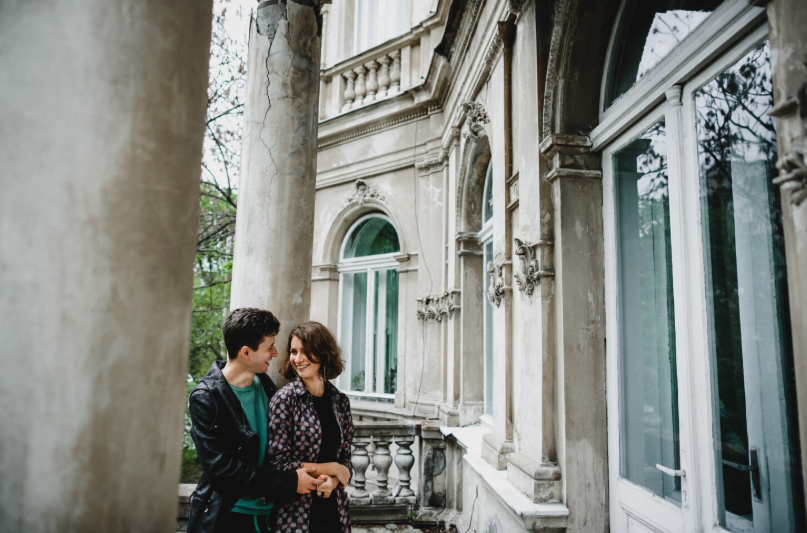
Europe’s historic districts are among the most captivating destinations in the world for travelers who appreciate architecture, history, and culture. Walking through these neighborhoods often feels like stepping into a living museum, where centuries of design evolution are visible in every building façade, cobblestone street, and public square. While traditional sightseeing tours provide general insights, private architectural tours offer a deeper and more personalized way to experience these extraordinary places.
Led by architects, historians, or specialized guides, private architectural tours allow travelers to explore Europe’s historic districts with expert context and exclusive access. These curated experiences reveal the stories behind iconic landmarks, hidden courtyards, and architectural details that are often overlooked by the average visitor. For sophisticated travelers interested in design, heritage, and urban history, private architectural tours provide a meaningful and intellectually enriching way to discover Europe.
The Value of Private Architectural Tours
Private tours differ significantly from standard group excursions. They are typically customized based on the interests of the traveler, allowing guests to focus on specific architectural periods, styles, or neighborhoods. Whether the focus is Gothic cathedrals, Renaissance palaces, or modern urban restoration projects, the experience can be tailored to match individual curiosity.
Another advantage is the opportunity for in-depth discussion with knowledgeable guides. Many architectural tour guides are trained architects, art historians, or preservation specialists who can explain structural techniques, historical influences, and cultural significance in a way that enhances the visitor’s understanding of the city.
Private tours also offer flexibility in pace and itinerary. Travelers can spend more time studying a particular building, exploring lesser-known streets, or visiting sites that may not be included in traditional tours.
Rome: Layers of Architectural History
Rome is perhaps one of the most compelling cities in the world for architectural exploration. The Italian capital contains more than two thousand years of design history, from ancient Roman engineering to Renaissance masterpieces and Baroque grandeur.
A private architectural tour in Rome might begin at the Colosseum, where visitors learn about the engineering innovations of ancient Roman builders. From there, guides often lead travelers through the Roman Forum, where remnants of temples and civic buildings illustrate the architectural sophistication of the ancient empire.
Moving forward in time, travelers can explore Renaissance landmarks such as Palazzo Farnese or Baroque masterpieces like St. Peter’s Basilica. Private guides often highlight subtle architectural details, including decorative motifs, structural innovations, and restoration efforts that have preserved these monuments for future generations.
Paris: Elegant Urban Design and Historic Districts
Paris offers an exceptional environment for architectural discovery. The city’s historic districts reflect centuries of urban planning, from medieval streets to the grand boulevards introduced during the 19th century.
Private architectural tours often begin in the historic Marais district, where medieval buildings coexist with elegant mansions from the Renaissance period. Visitors can explore hidden courtyards, intricate stonework, and architectural details that reveal the lifestyle of Parisian aristocracy centuries ago.
Another highlight is the influence of Baron Haussmann, whose urban planning transformed Paris into the elegant city it is today. Guides explain how Haussmann’s boulevards, uniform façades, and public squares reshaped the urban experience while preserving the city’s cultural identity.
Barcelona: A Masterclass in Modernist Architecture
Barcelona is globally recognized for its distinctive architectural character, particularly the modernist movement that flourished in the late 19th and early 20th centuries. A private architectural tour of the city offers the opportunity to explore the creative genius behind some of the world’s most recognizable buildings.
Many tours focus on the works of Antoni Gaudí, whose imaginative designs transformed Barcelona’s architectural landscape. Visitors may explore iconic structures such as the Sagrada Família, Casa Batlló, and Park Güell while learning about the symbolic and structural innovations that define Gaudí’s work.
Private guides also introduce travelers to other influential architects of the Catalan Modernisme movement, providing a broader perspective on the artistic and cultural forces that shaped Barcelona during this remarkable period.
Prague: Gothic and Baroque Beauty
The historic center of Prague offers one of the most visually stunning architectural landscapes in Europe. Narrow streets lined with colorful buildings lead to grand squares, Gothic cathedrals, and ornate Baroque churches.
Private architectural tours in Prague often begin in the Old Town Square, where travelers can observe the dramatic contrast between Gothic towers and Baroque façades. Guides explain how different architectural periods shaped the city’s identity and how historical events influenced design trends.
Crossing the famous Charles Bridge, visitors reach Prague Castle, one of the largest castle complexes in the world. Here, architectural styles from multiple centuries coexist, providing a fascinating timeline of European design evolution.
Florence: The Birthplace of Renaissance Architecture
Florence is considered the birthplace of Renaissance architecture, making it an essential destination for design enthusiasts. Private architectural tours allow visitors to examine the groundbreaking ideas that transformed European architecture during the 15th century.
One of the most remarkable highlights is the Florence Cathedral, particularly Brunelleschi’s dome, which remains an engineering marvel even today. Guides often explain the innovative construction techniques that allowed this massive structure to be built without traditional scaffolding.
Travelers can also explore palaces designed by influential architects such as Leon Battista Alberti and Michelozzo, gaining insight into how Renaissance principles of proportion, symmetry, and harmony reshaped architectural design.
Hidden Architectural Gems
While famous landmarks attract global attention, many private tours focus on lesser-known architectural treasures. Hidden courtyards, historic residential buildings, and restored heritage sites often reveal equally fascinating stories about the cities they inhabit.
These quieter locations allow travelers to appreciate craftsmanship and design details without the crowds often found at major tourist attractions. Private tours provide the freedom to explore these hidden spaces and understand their significance within the broader urban landscape.
Why Architectural Travel Is Growing in Popularity
In recent years, architecture-focused travel has become increasingly popular among culturally curious travelers. Rather than simply observing famous landmarks, visitors are seeking experiences that provide deeper understanding and intellectual engagement.
Private architectural tours satisfy this interest by combining expert knowledge with immersive exploration. They transform sightseeing into an educational journey, allowing travelers to appreciate the artistic vision, technical skill, and historical context behind each structure.
As cities across Europe continue to invest in heritage preservation and urban restoration, architectural tourism will likely remain an important part of the cultural travel experience.
A Deeper Connection to Europe’s Cities
Exploring Europe through architecture offers a powerful way to connect with the continent’s history and cultural identity. Every building tells a story about the people, traditions, and innovations that shaped the city over time.
Private architectural tours elevate this experience by providing expert guidance, thoughtful storytelling, and opportunities for meaningful discovery. For travelers who appreciate design, heritage, and craftsmanship, these tours reveal Europe’s historic districts in a way that is both enriching and unforgettable.
Stay Connected for More Travel and Lifestyle Inspiration. For more insights into travel, culture, and lifestyle tips, follow me on Instagram @salvadorordorica. If you’re seeking professional translation and localization services to enhance your global ventures, visit The Spanish Group — your trusted partner in bridging cultures worldwide.

by Dulce Navarro | Mar 12, 2026 | Europe, Experiences, Landscapes, Lifestyle, Luxury, Travel
Europe’s Most Elegant Boutique Mountain Resorts
Europe’s mountain landscapes have long captivated travelers seeking fresh air, breathtaking scenery, and refined hospitality. From the snow-covered peaks of the Alps to the tranquil valleys of the Dolomites, the continent offers an extraordinary collection of boutique mountain resorts that combine luxury with intimacy. These destinations appeal to sophisticated travelers who appreciate personalized service, distinctive architecture, and immersive natural surroundings.
Unlike large ski complexes or mass-market resorts, boutique mountain properties emphasize elegance, exclusivity, and carefully curated experiences. Guests can expect exceptional cuisine, thoughtful design, and wellness programs that encourage relaxation and renewal. Whether visiting in winter for alpine sports or in summer for hiking and scenic exploration, Europe’s boutique mountain resorts provide a memorable escape that balances adventure with comfort.
Courchevel, France: Alpine Glamour and Refined Hospitality
Nestled in the French Alps, Courchevel is synonymous with sophistication and world-class skiing. While the destination is known for its extensive ski terrain and vibrant social scene, it is also home to several elegant boutique resorts that offer privacy and exceptional service.
These intimate hotels often feature beautifully designed chalets, cozy fireplaces, and panoramic views of the surrounding mountains. Many properties combine traditional alpine architecture with modern design elements, creating an atmosphere that feels both authentic and contemporary.
Guests can enjoy gourmet dining, spa treatments inspired by alpine botanicals, and personalized concierge services that arrange everything from ski instructors to helicopter transfers. Courchevel’s blend of luxury and natural beauty makes it a leading destination for discerning mountain travelers.
Zermatt, Switzerland: Iconic Views and Timeless Charm
Zermatt, located at the base of the iconic Matterhorn, is one of Switzerland’s most picturesque mountain destinations. The village is car-free, which enhances its peaceful atmosphere and preserves its traditional alpine character.
Boutique resorts in Zermatt are renowned for their attention to detail and warm hospitality. Many properties incorporate locally sourced wood, stone, and handcrafted décor, creating interiors that reflect the region’s heritage while maintaining modern comfort.
Visitors can enjoy world-class skiing, scenic mountain railways, and fine dining featuring Swiss specialties such as raclette and fondue. After a day outdoors, guests often retreat to luxurious spas offering thermal pools, saunas, and relaxation lounges with views of the snow-covered peaks.
Cortina d’Ampezzo, Italy: Elegance in the Dolomites
Known as the “Queen of the Dolomites,” Cortina d’Ampezzo offers a unique blend of Italian elegance and alpine adventure. This historic resort town has hosted international visitors for more than a century and continues to attract travelers who value both style and outdoor recreation.
Boutique mountain resorts in Cortina emphasize refined Italian design, combining warm materials with sophisticated aesthetics. Guests can experience exceptional hospitality, gourmet cuisine, and carefully curated wine selections highlighting regional vintages.
Beyond skiing and snowboarding, Cortina offers year-round appeal with hiking trails, cycling routes, and cultural events that showcase the region’s heritage. The dramatic limestone peaks of the Dolomites provide an unforgettable backdrop for relaxation and exploration.
St. Moritz, Switzerland: Luxury and Alpine Prestige
St. Moritz has long been associated with glamour and exclusivity. As one of Europe’s most prestigious mountain destinations, it offers a range of boutique hotels that cater to travelers seeking both sophistication and privacy.
These elegant resorts often feature spacious suites, art-filled interiors, and terraces overlooking pristine alpine lakes. Many properties offer wellness programs that include holistic spa treatments, yoga sessions, and personalized fitness experiences designed to restore balance after a day on the slopes.
St. Moritz also boasts a vibrant cultural scene, with winter polo matches, international sporting events, and fine dining establishments that showcase global culinary talent.
Lech, Austria: Authentic Alpine Serenity
For travelers seeking a quieter mountain retreat, the Austrian village of Lech offers an ideal combination of charm and exclusivity. Located in the Arlberg region, Lech is known for its picturesque landscapes, welcoming atmosphere, and exceptional skiing.
Boutique resorts in Lech prioritize comfort and authenticity. Many family-owned hotels have operated for generations, creating a sense of tradition and personalized service that distinguishes the destination from larger resorts.
Guests can explore snow-covered trails, enjoy horse-drawn sleigh rides through alpine forests, or relax beside a fireplace with a glass of Austrian wine. The village’s tranquil environment encourages visitors to slow down and fully appreciate the surrounding natural beauty.
The Rise of Boutique Mountain Hospitality
In recent years, boutique mountain resorts have become increasingly popular among travelers seeking experiences that feel both luxurious and personal. Rather than focusing solely on scale, these properties emphasize thoughtful design, individualized service, and authentic connections with the local environment.
Sustainability has also become an important priority. Many boutique resorts incorporate eco-friendly building materials, energy-efficient systems, and locally sourced ingredients in their restaurants. These efforts ensure that the beauty of Europe’s mountain landscapes can be preserved for future generations.
At the same time, the wellness movement has influenced mountain hospitality. Spa programs now often include holistic treatments, mindfulness practices, and outdoor wellness activities such as guided forest walks and alpine yoga sessions.
Designing the Perfect Mountain Escape
Planning a stay at a boutique mountain resort allows travelers to tailor their experience to personal interests and seasonal activities. Winter visitors may prioritize skiing, snowshoeing, and cozy evenings by the fire, while summer travelers can enjoy hiking, mountain biking, and scenic alpine picnics.
Many guests choose to combine several destinations into a single itinerary, exploring different regions of the Alps or the Dolomites. This approach offers an opportunity to experience diverse landscapes, architectural styles, and culinary traditions while maintaining a consistent standard of luxury.
Ultimately, the appeal of Europe’s boutique mountain resorts lies in their ability to create meaningful travel experiences. They offer environments where guests can reconnect with nature, appreciate refined hospitality, and discover the timeless beauty of the continent’s alpine landscapes.
Whether overlooking the Matterhorn, nestled within the Dolomites, or surrounded by the tranquil valleys of Austria, these resorts embody the elegance and serenity that define Europe’s most memorable mountain escapes.
Stay Connected for More Travel and Lifestyle Inspiration. For more insights into travel, culture, and lifestyle tips, follow me on Instagram @salvadorordorica. If you’re seeking professional translation and localization services to enhance your global ventures, visit The Spanish Group — your trusted partner in bridging cultures worldwide.

by Dulce Navarro | Mar 12, 2026 | Europe, Experiences, Food, Lifestyle, Luxury, Restaurant, Travel
Gourmet Weekend Escapes in Europe’s Culinary Capitals
Europe has long been celebrated as one of the world’s greatest destinations for gastronomy. Across the continent, centuries of culinary tradition, regional ingredients, and innovative chefs have created a dining culture that attracts travelers from around the globe. For those who appreciate exceptional food, a gourmet weekend escape to one of Europe’s culinary capitals offers an unforgettable way to experience culture, history, and hospitality.
These destinations combine world-class restaurants, vibrant food markets, and charming neighborhoods where dining is more than a meal—it is a cultural ritual. From Parisian bistros to Barcelona’s modern tapas bars, Europe’s culinary capitals invite visitors to indulge in flavors that define the continent’s rich gastronomic heritage.
Paris, France: The Heart of Culinary Excellence
No discussion of gourmet travel in Europe would be complete without Paris. The French capital remains one of the most influential culinary cities in the world, home to legendary chefs, historic cafés, and Michelin-starred restaurants that define haute cuisine.
A weekend in Paris can begin with a leisurely breakfast at a neighborhood café, enjoying freshly baked croissants and café au lait. Visitors often spend the morning exploring vibrant food markets such as Marché des Enfants Rouges or browsing artisanal boutiques offering fine cheeses, charcuterie, and pastries.
In the evening, the city’s dining scene reveals its true sophistication. From elegant tasting menus to intimate wine bars, Paris offers a culinary experience that balances tradition with modern innovation. Whether enjoying a classic coq au vin or a contemporary reinterpretation of French cuisine, every meal becomes part of the city’s cultural story.
Barcelona, Spain: Innovation Meets Mediterranean Flavor
Barcelona has emerged as one of Europe’s most dynamic culinary destinations. The city blends traditional Catalan cooking with a creative culinary movement led by visionary chefs who continue to redefine modern gastronomy.
Visitors can begin their culinary journey at La Boqueria Market, where colorful displays of fresh seafood, fruits, and regional specialties capture the spirit of Mediterranean cuisine. Tapas bars throughout the city offer small plates featuring jamón ibérico, grilled seafood, and seasonal vegetables prepared with simple yet vibrant flavors.
Barcelona is also known for its innovative restaurants that explore new techniques and creative presentations while maintaining respect for traditional ingredients. For food lovers seeking both authenticity and creativity, the city provides an exciting and memorable dining experience.
Bologna, Italy: A Celebration of Authentic Italian Cuisine
Often referred to as Italy’s culinary capital, Bologna offers a more intimate and authentic gourmet experience. Located in the Emilia-Romagna region, the city is famous for its rich culinary heritage and traditional recipes that have influenced Italian cuisine worldwide.
A weekend in Bologna revolves around simple yet extraordinary dishes. Fresh tagliatelle al ragù, handmade tortellini, and aged Parmigiano Reggiano reflect the region’s dedication to craftsmanship and quality ingredients.
Visitors can explore local trattorias, participate in cooking classes, or visit nearby producers to learn about traditional pasta-making techniques. Bologna’s relaxed atmosphere and deep culinary traditions create a rewarding destination for travelers who value authenticity in their gourmet experiences.
Copenhagen, Denmark: The Rise of Nordic Gastronomy
Copenhagen has transformed itself into one of the world’s most exciting culinary destinations. Over the past two decades, the city has become a global leader in the New Nordic Cuisine movement, emphasizing seasonal ingredients, sustainability, and innovative cooking techniques.
Restaurants throughout Copenhagen highlight locally sourced ingredients such as wild herbs, fresh seafood, and organic produce. The city’s chefs focus on simplicity and natural flavors, often presenting dishes that are both visually stunning and deeply connected to the Nordic landscape.
Beyond fine dining, Copenhagen offers stylish cafés, contemporary bakeries, and vibrant food markets that make it an ideal destination for a weekend culinary adventure.
Lisbon, Portugal: Coastal Cuisine with Historic Charm
Lisbon has rapidly gained recognition as one of Europe’s most exciting food cities. Perched along the Atlantic coast, the Portuguese capital blends traditional seafood dishes with contemporary culinary creativity.
Travelers can enjoy fresh grilled sardines, octopus salad, and bacalhau prepared in countless regional styles. Lisbon’s historic neighborhoods are filled with family-owned restaurants where recipes have been passed down for generations.
The city’s culinary identity also reflects Portugal’s maritime history, incorporating global influences that create unique and flavorful dishes. Combined with stunning views and a relaxed atmosphere, Lisbon offers an ideal setting for a memorable gourmet weekend.
Planning the Perfect Gourmet Weekend
A successful culinary escape involves more than simply booking restaurant reservations. The most rewarding experiences often include exploring local markets, discovering hidden cafés, and engaging with chefs and artisans who preserve regional traditions.
Travelers may consider guided food tours, wine tastings, and cooking workshops that provide deeper insight into each destination’s culinary culture. These experiences allow visitors to connect with local traditions while learning about the ingredients and techniques that define regional cuisine.
Additionally, selecting accommodations located near vibrant dining districts can make it easier to explore multiple restaurants and culinary neighborhoods throughout the weekend.
Why Culinary Travel Continues to Grow
In recent years, food has become one of the most powerful motivations for travel. Gourmet experiences allow visitors to understand a destination through its flavors, ingredients, and dining traditions.
Europe’s culinary capitals stand out because they combine exceptional cuisine with rich cultural heritage. Historic architecture, lively markets, and welcoming hospitality create an atmosphere where meals become immersive cultural experiences.
For discerning travelers, these destinations offer more than luxury—they provide authenticity, creativity, and a deep appreciation for culinary artistry.
A Journey Through Europe’s Flavors
Whether savoring a refined tasting menu in Paris, sharing tapas in Barcelona, enjoying handmade pasta in Bologna, exploring Nordic cuisine in Copenhagen, or discovering seafood traditions in Lisbon, Europe’s culinary capitals promise unforgettable gourmet escapes.
A weekend dedicated to exceptional food can reveal the unique character of each city, offering moments of discovery that extend far beyond the dining table. These journeys remind travelers that gastronomy is not only about flavor but also about culture, creativity, and connection.
Stay Connected for More Travel and Lifestyle Inspiration. For more insights into travel, culture, and lifestyle tips, follow me on Instagram @salvadorordorica. If you’re seeking professional translation and localization services to enhance your global ventures, visit The Spanish Group — your trusted partner in bridging cultures worldwide.

by Dulce Navarro | Mar 11, 2026 | Europe, Experiences, Healthcare, Lifestyle, Luxury, Travel, VIP
The Best European Spa Towns for Holistic Luxury Retreats
Europe has long been synonymous with wellness, elegance, and restorative travel. For centuries, royalty, artists, and sophisticated travelers have sought out the continent’s spa towns for their therapeutic waters, peaceful surroundings, and refined hospitality. Today, these destinations have evolved into luxurious retreats that combine traditional healing practices with modern wellness innovations.
From alpine thermal baths to historic mineral springs, Europe offers a remarkable collection of spa towns where visitors can experience holistic rejuvenation while immersed in culture and natural beauty. These destinations are not only places to relax—they are environments designed to restore balance, improve well-being, and elevate the travel experience.
Baden-Baden, Germany: Timeless Elegance and Thermal Healing
Nestled at the edge of Germany’s Black Forest, Baden-Baden is one of Europe’s most iconic spa towns. Renowned for its thermal springs since Roman times, the town has developed into a luxurious wellness destination where history and modern comfort coexist.
The famous Friedrichsbad and Caracalla Spa offer visitors a sophisticated thermal bathing experience that blends centuries-old bathing rituals with contemporary spa facilities. Guests move through a sequence of hot and cold baths, steam rooms, and relaxation areas designed to stimulate circulation and promote deep relaxation.
Beyond the spas, Baden-Baden offers elegant architecture, scenic parks, and cultural attractions including opera, fine dining, and boutique shopping. The town’s refined atmosphere makes it a perfect destination for travelers seeking wellness combined with cultural enrichment.
Karlovy Vary, Czech Republic: A Historic Wellness Tradition
Karlovy Vary, also known as Carlsbad, has attracted wellness seekers for more than six centuries. Located in western Czechia, this picturesque spa town is famous for its mineral-rich thermal springs believed to support digestive health and overall vitality.
Visitors stroll through elegant colonnades sampling the mineral waters from ornate drinking cups while admiring the town’s colorful architecture. The spa culture here focuses on holistic healing through mineral water treatments, thermal baths, and specialized therapeutic programs.
Luxury spa hotels provide comprehensive wellness retreats that include medical consultations, detox treatments, and personalized health programs. The serene environment, combined with centuries of therapeutic tradition, makes Karlovy Vary an exceptional destination for restorative travel.
Bad Gastein, Austria: Alpine Wellness and Dramatic Landscapes
High in the Austrian Alps, Bad Gastein offers a unique combination of dramatic mountain scenery and powerful natural healing resources. Known for its radon thermal springs and pure alpine air, the town has long been considered one of Europe’s premier health retreats.
The Felsentherme Spa provides panoramic views of the surrounding mountains while offering thermal pools, saunas, and relaxation areas designed to promote physical and mental renewal. Guests can also experience the famous Gastein Healing Galleries, underground thermal tunnels used for therapeutic treatments.
Bad Gastein is especially appealing to travelers who want to combine wellness with outdoor adventure. Skiing, hiking, and mountain excursions provide opportunities for active recovery, while luxury hotels offer spa programs designed to restore energy after a day in the alpine environment.
Montecatini Terme, Italy: Tuscan Wellness Sophistication
Located in the heart of Tuscany, Montecatini Terme blends Italian elegance with a long tradition of therapeutic spa culture. Its mineral springs have been celebrated since the Renaissance for their health benefits, particularly for digestive wellness and detoxification.
The town’s grand spa complexes—such as Terme Tettuccio and Terme Redi—feature magnificent architecture, tranquil gardens, and specialized wellness treatments. Visitors often begin their day with mineral water therapy before enjoying massages, thermal baths, and relaxation sessions.
Montecatini Terme also offers easy access to Tuscany’s cultural treasures. Guests can explore nearby Florence, Pisa, and Lucca while maintaining a peaceful spa retreat atmosphere in the evenings.
Évian-les-Bains, France: Refined Wellness on Lake Geneva
Overlooking the serene waters of Lake Geneva, Évian-les-Bains is globally recognized for its pure mineral water and elegant spa heritage. The town’s reputation for wellness has attracted international visitors for generations.
Luxury resorts such as the Evian Resort offer holistic wellness programs that incorporate hydrotherapy, nutrition guidance, mindfulness practices, and fitness training. Treatments are designed to promote long-term well-being rather than short-term relaxation.
With its lakefront promenades, mountain views, and sophisticated hospitality, Évian-les-Bains provides a serene environment where travelers can reconnect with nature while enjoying exceptional spa experiences.
The Rise of Holistic Luxury Wellness in Europe
Modern travelers increasingly seek wellness experiences that address both physical and mental well-being. Europe’s historic spa towns have responded by evolving beyond traditional thermal baths to offer comprehensive wellness programs.
Today’s luxury retreats integrate medical expertise, nutrition counseling, mindfulness practices, and advanced spa therapies. Guests may participate in yoga sessions, guided meditation, personalized fitness programs, and detox treatments designed to promote long-term health.
This holistic approach reflects a broader shift in luxury travel—one where well-being, balance, and personal renewal are just as important as comfort and sophistication.
Why European Spa Towns Remain the Gold Standard
What distinguishes Europe’s spa towns from other wellness destinations is their combination of history, natural resources, and refined hospitality. Many of these towns have developed their therapeutic traditions over centuries, creating a depth of expertise that cannot easily be replicated.
The architecture, landscapes, and cultural heritage surrounding these spa towns also contribute to the wellness experience. Strolling through historic promenades, enjoying alpine scenery, or relaxing beside tranquil lakes adds an emotional and aesthetic dimension to healing and relaxation.
For sophisticated travelers seeking authentic and meaningful wellness experiences, Europe’s spa towns continue to set the global standard.
Designing a Holistic Luxury Retreat
Planning a wellness-focused journey through Europe allows travelers to combine relaxation with cultural discovery. Many visitors choose to explore several spa towns during a single trip, experiencing different therapeutic traditions along the way.
A well-designed itinerary might begin in the alpine serenity of Bad Gastein, continue through the historic elegance of Baden-Baden, and conclude with lakeside relaxation in Évian-les-Bains. Along the journey, guests can enjoy gourmet cuisine, world-class hospitality, and unforgettable landscapes.
Ultimately, the appeal of Europe’s spa towns lies in their ability to restore balance. They provide environments where travelers can disconnect from daily pressures, focus on well-being, and return home feeling renewed.
For those seeking true holistic luxury, these destinations offer more than just relaxation—they offer transformation.
Stay Connected for More Travel and Lifestyle Inspiration. For more insights into travel, culture, and lifestyle tips, follow me on Instagram @salvadorordorica. If you’re seeking professional translation and localization services to enhance your global ventures, visit The Spanish Group — your trusted partner in bridging cultures worldwide.

by Dulce Navarro | Mar 11, 2026 | Europe, Experiences, Landscapes, Lifestyle, Luxury, Travel
Art-Focused Travel Itineraries Through Europe’s Emerging Creative Hubs
Europe has long been recognized as one of the world’s greatest centers of art, culture, and creative expression. While iconic cities such as Paris, Rome, and Florence continue to attract global attention for their historic masterpieces, a new wave of artistic energy is emerging across the continent. In recent years, a number of dynamic cities and neighborhoods have developed vibrant creative communities that are redefining Europe’s contemporary art landscape.
For sophisticated travelers who appreciate cultural depth and artistic innovation, exploring these emerging creative hubs offers a unique opportunity to experience Europe through a fresh lens. From cutting-edge galleries to artist-run studios and international art festivals, these destinations provide immersive experiences that highlight the evolving role of art in modern European culture.
The Rise of Europe’s Emerging Creative Centers
Over the past two decades, shifting economic conditions, urban revitalization efforts, and increased international collaboration have contributed to the development of new creative districts throughout Europe. Artists seeking affordable studio space and collaborative environments have migrated beyond traditional art capitals, transforming neighborhoods into thriving cultural ecosystems.
These creative hubs often combine historic architecture with modern design, offering visitors a compelling contrast between past and present. Former industrial buildings are frequently repurposed into galleries, co-working studios, performance venues, and experimental exhibition spaces that foster innovation and collaboration.
For travelers interested in contemporary art and cultural exploration, these districts provide a vibrant atmosphere where creativity flourishes and new artistic movements take shape.
Lisbon: Portugal’s Contemporary Art Renaissance
Lisbon has rapidly become one of Europe’s most exciting creative destinations. The city’s revitalized neighborhoods, including Marvila and Alcântara, are home to an expanding network of galleries, artist studios, and cultural institutions.
In recent years, Lisbon has attracted artists and curators from around the world who are drawn to its dynamic cultural environment and growing reputation as a creative capital. Visitors can explore innovative contemporary exhibitions, independent galleries, and collaborative art spaces that showcase both Portuguese and international talent.
Beyond the galleries, Lisbon’s vibrant street art scene adds another dimension to the city’s artistic identity. Murals and public art installations transform entire neighborhoods into open-air galleries that reflect the city’s evolving cultural narrative.
Berlin: A Global Epicenter for Experimental Art
Berlin has long been known for its avant-garde art scene, and the city continues to attract emerging artists seeking creative freedom and international exposure. Districts such as Kreuzberg, Neukölln, and Mitte have become centers for experimental art, hosting numerous galleries, artist collectives, and cultural initiatives.
Travelers following an art-focused itinerary in Berlin can visit contemporary art museums, independent exhibition spaces, and pop-up galleries that highlight emerging artistic voices. The city’s history of cultural reinvention has created a fertile environment where new ideas and artistic experimentation thrive.
In addition to visual arts, Berlin’s creative ecosystem includes performance art, multimedia installations, and interdisciplinary collaborations that blur the boundaries between artistic disciplines.
Tbilisi: Eastern Europe’s Rising Cultural Star
Georgia’s capital, Tbilisi, has quietly emerged as one of Europe’s most intriguing creative hubs. With its rich cultural heritage and rapidly evolving contemporary art scene, the city offers an exciting destination for travelers interested in discovering new artistic perspectives.
Tbilisi’s historic neighborhoods now house modern galleries, independent studios, and artist-run initiatives that showcase both Georgian and international artists. The city’s creative energy is also reflected in its thriving fashion, design, and photography communities.
Art festivals and cultural events continue to expand Tbilisi’s global visibility, positioning the city as a key destination for art enthusiasts seeking fresh cultural experiences beyond traditional European art centers.
Warsaw: Creativity Through Cultural Resilience
Warsaw’s contemporary art scene reflects the city’s remarkable history of resilience and reinvention. Following decades of political transformation and urban renewal, the Polish capital has developed a dynamic creative community that blends tradition with modern artistic expression.
Travelers exploring Warsaw’s art scene will discover innovative museums, experimental galleries, and public art projects that engage with themes of history, identity, and social change. Cultural institutions and independent artists alike contribute to an environment where creativity serves as a powerful tool for dialogue and reflection.
The city’s growing reputation as a cultural destination continues to attract international artists, curators, and collectors eager to engage with Poland’s evolving creative landscape.
Valencia: Spain’s Mediterranean Design Capital
Valencia has emerged as one of Spain’s most exciting destinations for contemporary art and design. The city combines historic charm with cutting-edge architecture and a vibrant creative community that extends across multiple disciplines.
Modern art galleries, design studios, and cultural centers contribute to Valencia’s reputation as a hub for innovation and artistic experimentation. Annual events celebrating design, architecture, and visual arts further strengthen the city’s cultural profile.
Visitors following an art-focused itinerary can explore museums, contemporary galleries, and architectural landmarks that reflect Valencia’s commitment to creative excellence.
Designing an Art-Focused European Itinerary
Planning an art-centered journey through Europe’s emerging creative hubs requires thoughtful consideration of cultural events, exhibition schedules, and local artistic communities. Many cities host seasonal art festivals, gallery weekends, and design fairs that provide exceptional opportunities to experience the latest developments in contemporary art.
Working with local guides or cultural experts can significantly enhance the experience. These professionals often provide access to private studio visits, artist talks, and exclusive gallery tours that offer deeper insight into the creative process.
Travelers may also consider combining visits to established art capitals with emerging creative hubs, creating itineraries that highlight both historical masterpieces and contemporary innovation.
The Cultural Value of Artistic Exploration
Art-focused travel offers far more than visual enjoyment. It provides insight into the cultural, social, and political contexts that shape artistic expression. By engaging with contemporary artists and creative communities, travelers gain a deeper understanding of how art reflects the evolving identity of modern Europe.
Emerging creative hubs serve as laboratories for artistic experimentation, where new ideas challenge traditional perspectives and inspire cultural dialogue. For travelers seeking meaningful cultural engagement, these destinations offer an enriching alternative to more conventional tourism experiences.
Conclusion
Europe’s emerging creative hubs are redefining the continent’s artistic landscape, offering sophisticated travelers the opportunity to explore vibrant cultural communities beyond traditional art capitals. Cities such as Lisbon, Berlin, Tbilisi, Warsaw, and Valencia demonstrate how creativity continues to evolve across Europe, blending historical influences with contemporary innovation.
For those who appreciate art as a dynamic and transformative force, designing a travel itinerary centered on these destinations can provide an inspiring journey through Europe’s modern creative spirit. By engaging directly with artists, galleries, and cultural institutions, travelers gain a deeper appreciation for the ideas and perspectives shaping the future of European art.
Stay Connected for More Travel and Lifestyle Inspiration
Stay Connected for More Travel and Lifestyle Inspiration. For more insights into travel, culture, and lifestyle tips, follow me on Instagram
@salvadorordorica. If you’re seeking professional translation and localization services to enhance your global ventures, visit
The Spanish Group — your trusted partner in bridging cultures worldwide.

by Dulce Navarro | Mar 10, 2026 | Europe, Experiences, Landscapes, Lifestyle, Luxury, Travel, VIP
Europe’s Premier Yacht Charter Destinations for Sophisticated Travelers
For discerning travelers seeking privacy, elegance, and a deeper connection to Europe’s coastal beauty, few experiences rival a luxury yacht charter. Combining the freedom of exploration with world-class service and comfort, yachting allows travelers to access secluded beaches, charming coastal towns, and iconic Mediterranean destinations that are often unreachable by traditional travel.
Europe offers some of the world’s most prestigious yacht charter destinations, where stunning natural landscapes meet centuries of maritime culture, fine dining, and sophisticated leisure. From the glamorous French Riviera to the idyllic Greek Islands, each destination provides its own unique blend of luxury, history, and unforgettable scenery.
The Appeal of Luxury Yacht Charters
Yacht charters have long been associated with exclusivity and refined travel. Unlike traditional vacations, chartering a private yacht offers complete flexibility and personalization. Guests can design their own itineraries, spend extended time in destinations they love, and discover hidden coastal gems away from crowded tourist centers.
A professional crew typically accompanies luxury charters, including a captain, chef, and hospitality staff who ensure that every detail of the journey is executed flawlessly. Gourmet meals, curated excursions, and personalized service transform the experience into a floating luxury retreat tailored entirely to the guest’s preferences.
For sophisticated travelers, yacht charters provide the ultimate combination of adventure and relaxation while maintaining the privacy and comfort associated with elite travel.
The French Riviera: Glamour and Timeless Elegance
The French Riviera remains one of Europe’s most iconic yacht charter destinations. Stretching along the Mediterranean coastline from Saint-Tropez to Monaco, this region has long attracted royalty, celebrities, and international travelers seeking luxury and sophistication.
Yachting along the Riviera allows guests to explore glamorous ports, exclusive beach clubs, and picturesque seaside villages. Saint-Tropez offers vibrant nightlife and elegant waterfront dining, while Cannes and Antibes showcase historic charm and cultural prestige.
Beyond the famous ports, charter guests can anchor in secluded coves along the Esterel coastline or cruise toward the tranquil Îles de Lérins for swimming and relaxation in crystal-clear waters.
The Amalfi Coast: Dramatic Beauty and Italian Culture
Italy’s Amalfi Coast provides one of the most visually striking settings for a luxury yacht charter. Towering cliffs, colorful villages, and turquoise waters create an extraordinary backdrop for exploration along this UNESCO-listed coastline.
Cruising along the Amalfi Coast allows travelers to visit renowned destinations such as Positano, Amalfi, and Ravello while also discovering hidden beaches and quiet coves accessible only by boat. The region’s culinary traditions are another highlight, with fresh seafood, handmade pasta, and local wines offering unforgettable dining experiences.
Many itineraries extend beyond the Amalfi Coast to include Capri and the nearby islands, where dramatic rock formations and glamorous beach clubs create a vibrant Mediterranean atmosphere.
The Greek Islands: Aegean Serenity and Ancient Heritage
The Greek Islands offer an exceptional yacht charter experience characterized by pristine waters, historic ruins, and distinctive island cultures. With thousands of islands scattered across the Aegean and Ionian seas, Greece provides endless opportunities for discovery.
Popular charter routes include the Cyclades, where iconic whitewashed architecture and turquoise waters define islands such as Mykonos and Santorini. For travelers seeking quieter experiences, the Ionian Islands offer lush landscapes, Venetian architecture, and tranquil anchorages.
Exploring the Greek Islands by yacht allows visitors to combine cultural exploration with relaxation, visiting ancient archaeological sites during the day and enjoying sunset dinners on deck overlooking the sea.
Croatia’s Dalmatian Coast: Historic Cities and Hidden Bays
Croatia has rapidly become one of Europe’s most desirable yacht charter destinations. The Dalmatian Coast features more than a thousand islands, medieval towns, and crystal-clear waters that rival the Mediterranean’s most famous locations.
Cities such as Dubrovnik and Split offer remarkable historical architecture, including ancient fortifications and Roman ruins. Between these cities, charter guests can explore smaller islands known for their vineyards, olive groves, and peaceful harbors.
The region’s relatively short sailing distances make it ideal for leisurely cruising, allowing travelers to experience multiple islands while enjoying extended time in each destination.
The Balearic Islands: Mediterranean Sophistication
Spain’s Balearic Islands, including Mallorca, Ibiza, and Menorca, offer another premier destination for luxury yacht charters. Each island provides a unique atmosphere that blends natural beauty with vibrant culture.
Mallorca features dramatic cliffs, charming villages, and sophisticated marinas, while Ibiza is internationally renowned for its beach clubs, nightlife, and upscale dining scene. Menorca offers a quieter alternative, with protected coastlines and pristine beaches ideal for tranquil sailing.
Chartering a yacht through the Balearic Islands allows travelers to enjoy the region’s diverse experiences while maintaining privacy and flexibility throughout the journey.
Curating the Ultimate Yacht Charter Experience
Luxury yacht charters can be customized to reflect the interests and preferences of each traveler. Some guests prioritize cultural exploration, arranging private tours of historic cities and archaeological sites along their route. Others may focus on relaxation, anchoring in secluded bays for swimming, snorkeling, and sunbathing.
Water sports equipment such as paddleboards, jet skis, and diving gear often accompany charter yachts, providing opportunities for adventure throughout the journey. Many yachts also feature spa facilities, cinema rooms, and expansive outdoor decks designed for entertaining and relaxation.
Evenings on board often become the highlight of the experience, with gourmet dinners prepared by onboard chefs and sunset views that capture the beauty of the Mediterranean.
The Future of Luxury Coastal Travel
As travelers increasingly seek privacy and personalized experiences, yacht charters continue to grow in popularity among sophisticated travelers. Advances in yacht design, sustainability initiatives, and expanded charter offerings are further enhancing the appeal of this travel style.
Many charter operators now incorporate environmentally responsible practices, including hybrid propulsion systems and sustainable provisioning, allowing travelers to explore Europe’s coastlines while minimizing environmental impact.
For those who value exclusivity, flexibility, and immersive exploration, luxury yacht charters represent one of the most refined ways to experience Europe’s maritime beauty.
Conclusion
Europe’s premier yacht charter destinations provide an extraordinary blend of cultural heritage, natural beauty, and luxurious comfort. Whether cruising along the glamorous French Riviera, exploring Italy’s dramatic Amalfi Coast, discovering the historic islands of Greece and Croatia, or enjoying the vibrant atmosphere of Spain’s Balearic Islands, travelers are rewarded with unforgettable experiences at every turn.
A luxury yacht charter offers far more than transportation between destinations. It creates a private sanctuary where travelers can immerse themselves in Europe’s most beautiful coastal regions while enjoying world-class service, exceptional cuisine, and the freedom to explore at their own pace.
Stay Connected for More Travel and Lifestyle Inspiration
Stay Connected for More Travel and Lifestyle Inspiration. For more insights into travel, culture, and lifestyle tips, follow me on Instagram
@salvadorordorica. If you’re seeking professional translation and localization services to enhance your global ventures, visit
The Spanish Group — your trusted partner in bridging cultures worldwide.
