
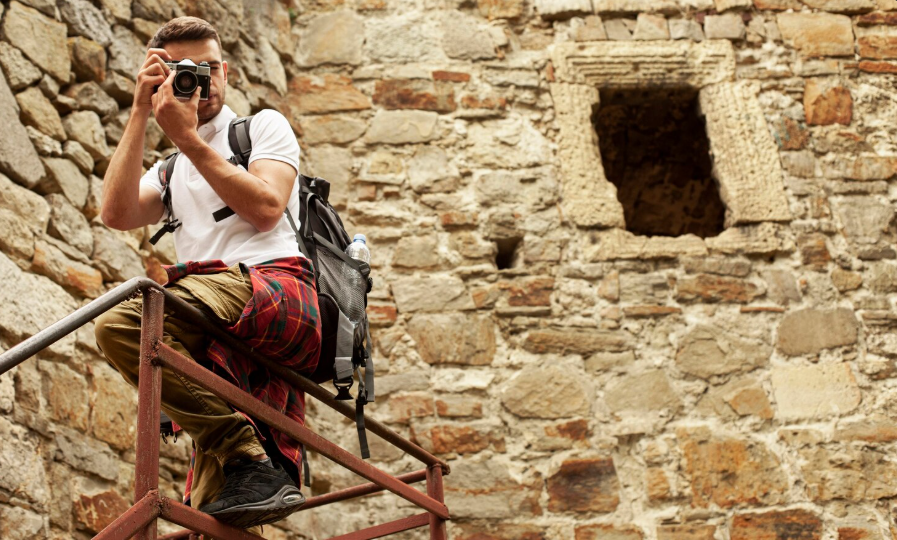
Historic Restoration Tourism: Stay in Properties Being Brought Back to Life
In an era where travelers increasingly seek meaningful, immersive experiences, historic restoration tourism has emerged as one of the most compelling trends in luxury and cultural travel. Rather than staying in modern hotels disconnected from their surroundings, discerning travelers are choosing properties with stories — centuries-old estates, palaces, monasteries, and heritage homes that are being carefully restored and returned to their former glory.
These stays offer more than accommodation. They provide a living connection to the past, allowing guests to inhabit history while enjoying contemporary comforts. Historic restoration tourism is redefining luxury by blending authenticity, sustainability, and craftsmanship, offering travelers a deeper sense of place and purpose.


The Spanish Group
If you’re seeking professional translation and localization services to enhance your global ventures, visit The Spanish Group — your trusted partner in bridging cultures worldwide.
LEARN MOREThe Rise of Historic Restoration Tourism
Historic restoration tourism has grown in response to a global shift toward experiential travel. Today’s high-end traveler values originality, cultural depth, and exclusivity — qualities that restored heritage properties naturally provide. From medieval castles in France to Renaissance villas in Italy and colonial haciendas in Latin America, these properties attract guests who want to experience history firsthand.
Governments, private investors, and preservation foundations have also recognized the economic and cultural value of restoring historic buildings. By transforming abandoned or deteriorating landmarks into viable hospitality destinations, restoration tourism creates jobs, revitalizes local economies, and ensures that architectural heritage is preserved for future generations.
What Makes a Restored Historic Property Unique
Staying in a restored historic property is fundamentally different from traditional luxury accommodation. Each space reflects layers of history — original stone walls, hand-carved woodwork, antique frescoes, and architectural details that modern construction cannot replicate.
At the same time, these properties are thoughtfully adapted to meet modern expectations. Climate control, refined lighting, high-quality bedding, and discreet technology are seamlessly integrated to ensure comfort without compromising authenticity. The result is a harmonious balance between past and present.
Guests are often immersed in the story of the property itself. Many restorations include guided tours, archives, or curated storytelling that explain the building’s origins, former inhabitants, and the restoration process — transforming the stay into an educational and emotional experience.
Luxury Meets Preservation
Luxury in historic restoration tourism is not defined by excess, but by craftsmanship, rarity, and intention. These properties often feature locally sourced materials, traditional building techniques, and collaborations with artisans to maintain historical accuracy.
From hand-restored tapestries to custom furniture inspired by original designs, every detail reflects a commitment to preservation. Guests appreciate the authenticity and the knowledge that their stay directly contributes to safeguarding cultural heritage.
Many restored properties also emphasize sustainability. Reusing existing structures significantly reduces environmental impact, while restoration projects often incorporate energy-efficient systems and conservation-focused practices.
Global Destinations Leading the Movement
Europe remains at the forefront of historic restoration tourism. France’s châteaux, Spain’s paradores, and Italy’s converted monasteries exemplify how historic properties can be transformed into refined hospitality experiences without losing their soul.
Beyond Europe, the movement continues to expand. In Mexico, restored haciendas offer insight into colonial history and regional craftsmanship. In Asia, ancient palaces and courtyard homes are being revived as boutique retreats, blending tradition with understated luxury.
Each destination brings its own cultural narrative, allowing travelers to explore history through architecture, cuisine, and local traditions.
The Emotional Value of Staying in History
One of the most powerful aspects of historic restoration tourism is its emotional resonance. Guests are not simply observing history — they are participating in it. Waking up in a centuries-old room, dining in halls once reserved for nobility, or walking grounds shaped by generations before creates a profound sense of continuity.
These experiences foster reflection and appreciation for the craftsmanship, resilience, and cultural legacy that define human history. For many travelers, this emotional depth transforms a trip into a lasting memory.
A New Standard for Meaningful Travel
As travel becomes more intentional, historic restoration tourism represents a new standard for meaningful luxury. It aligns comfort with conscience, indulgence with education, and exclusivity with preservation.
For company directors, entrepreneurs, and global citizens, these properties offer environments conducive to inspiration, reflection, and connection — spaces where history informs modern vision.
Conclusion
Historic restoration tourism is more than a trend; it is a movement redefining how we travel, experience luxury, and engage with the past. By staying in properties being brought back to life, travelers become stewards of heritage while enjoying unparalleled authenticity and refinement.
Stay Connected for More Travel and Lifestyle Inspiration. For more insights into travel, culture, and lifestyle tips, follow me on Instagram
@salvadorordorica. If you’re seeking professional translation and localization services to enhance your global ventures, visit The Spanish Group — your trusted partner in bridging cultures worldwide.
The Spanish Group
If you’re seeking professional translation and localization services to enhance your global ventures, visit The Spanish Group — your trusted partner in bridging cultures worldwide.
LEARN MORE