
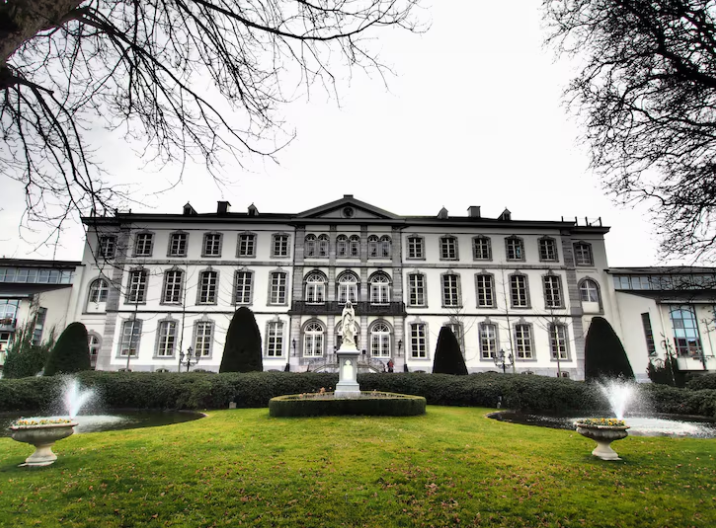
Opulent Mansions Turned Hotels Across Southern Europe
Introduction — Living History Meets Hospitality
Across Southern Europe, historic mansions and private estates are enjoying a second life as exceptional hotels. These conversions do more than provide accommodation: they preserve cultural heritage, showcase regional craftsmanship, and offer guests an immersive experience that is simultaneously personal and grand. For company directors and investors in the luxury hospitality space, converted mansions present a distinct opportunity to deliver differentiated products that command premium pricing while contributing to cultural stewardship.
Why Mansions Make Compelling Hotel Properties
Mansions and palaces bring built-in storytelling: original architecture, formal gardens, frescoed ceilings, private salons and service wings which together create a unique spatial narrative. These qualities are difficult and costly to replicate in contemporary construction. Converting a mansion allows hoteliers to capitalize on authenticity, offering guests the sense of occupying a private, historically significant space rather than a generic luxury room.


The Spanish Group
If you’re seeking professional translation and localization services to enhance your global ventures, visit The Spanish Group — your trusted partner in bridging cultures worldwide.
LEARN MOREFrom a business perspective, the scarcity of such properties in desirable locations creates differentiation in the market. Smaller room counts and highly individualized suites support an ultra-luxury positioning, enabling higher average daily rates and targeted marketing to high-net-worth travelers who value provenance and exclusivity.
Regional Highlights — Examples of Successful Conversions
Italy — Lakeside and Coastal Villas
Italy’s lakes and coastlines are dotted with historic villas that have been carefully restored and adapted for hospitality. These properties often preserve extensive gardens and terraces that lend themselves to memorable events and private dining. The careful integration of modern amenities—spa facilities, discreet climate control and contemporary service—ensures comfort while retaining the aura of the original residence.
Portugal — Palácios and Urban Retreats
In Lisbon and the Algarve, palaces and manor houses are transformed into intimate hotels, emphasizing local craftsmanship and thoughtful conservation. Smaller, privately managed palaces can deliver deeply personalized service, while larger conversions leverage partnerships with wellness and culinary brands to broaden their appeal.
Spain — Castles, Monasteries and Manor Houses
Spain’s model of adaptive reuse ranges from state-run paradores to privately operated boutique conversions. These properties often combine monumental architecture with contemporary hospitality programming—curated historical tours, regionally focused gastronomy, and events that celebrate local artisanry.
Greece & Croatia — Seafront Villas and Island Palaces
On Mediterranean islands, grand villas and seaside mansions become desirable hotels that highlight views, terraces and private access to the sea. The hospitality challenge here is to balance seasonal demand with conservation of fragile coastal environments, creating year-round appeal through cultural programming and bespoke guest experiences.
Design and Conservation — A Balancing Act
Converting a historic mansion requires a disciplined approach to conservation. The integration of modern systems—HVAC, plumbing, elevators and fire suppression—must be executed with reversible interventions and minimal visual impact. Skilled restorers and traditional craftsmen are central to preserving decorative elements such as stucco, frescoes, timberwork and stone finishes. Directors should expect higher up-front capital expenditure but also recognize that sensitive restorations retain long-term asset value and brand credibility.
Lighting, circulation and accessibility must be redesigned thoughtfully to meet contemporary guest expectations without compromising historic character. Successful projects use architecture and interior design to tell the building’s story, making preservation itself part of the guest experience.
Operational Considerations — Running a Mansion Hotel
Operationally, mansion hotels differ from modern luxury properties. Smaller portfolios of rooms require a highly personalized service model: butlers, private concierges, in-suite dining and bespoke experiences. Housekeeping and maintenance rely on teams skilled in traditional materials and techniques, and sourcing for food and beverage typically prioritizes local, small-batch producers to strengthen the narrative of place.
Regulatory frameworks for listed buildings vary by country; directors must factor in heritage permissions, conservation oversight and potential public access obligations. However, partnerships with local governments and cultural institutions can also unlock grants, tax incentives and marketing opportunities that reinforce a property’s cultural value.
Guest Experience — Intimacy, Privacy and Storytelling
A converted mansion sells more than a room; it sells proximity to history. Personalized experiences—private garden dinners, behind-the-scenes tours of the property’s archives, or workshops with local artisans—create memorable engagements that justify premium rates. Privacy and exclusivity are additional draws: entire mansions or wings can be offered for private hire, appealing to families, corporate retreats, and high-profile guests.
Market Positioning and Brand Strategy
Directors must decide whether to emphasize cultural stewardship, ultra-luxury exclusivity, or experiential authenticity. Some properties adopt a discreet, members-style tone to cultivate long-term loyalty among a small elite clientele; others pursue strategic partnerships with luxury brands, celebrity chefs or cultural institutions to amplify visibility. A coherent brand narrative rooted in the property’s history and supported by high-quality service and programming will be central to commercial success.
Investment Rationale — Risks and Rewards
While restoration costs and specialist maintenance raise the bar for capital investment, the rewards can be significant: reduced competition in a niche segment, enhanced brand differentiation, and strong ADRs driven by authenticity and scarcity. Directors should approach mansion conversions with long-term horizons, understanding that reputational value—and the ability to attract discerning guests—accumulates over time.
Conclusion — Heritage as a Competitive Asset
Opulent mansions turned hotels represent a compelling intersection of heritage conservation and luxury hospitality. When executed with respect for original fabric, thoughtful operations and targeted brand positioning, these properties provide unforgettable experiences that modern hotels cannot easily replicate. For directors and investors, the key to success lies in balancing conservation with contemporary expectations, investing in skilled craftsmanship, and creating stories that resonate with today’s sophisticated travelers.
The Spanish Group
If you’re seeking professional translation and localization services to enhance your global ventures, visit The Spanish Group — your trusted partner in bridging cultures worldwide.
LEARN MORE