by Dulce Navarro | Dec 18, 2025 | Culture, Europe, Experiences, Hotels, Lifestyle, Luxury, Travel
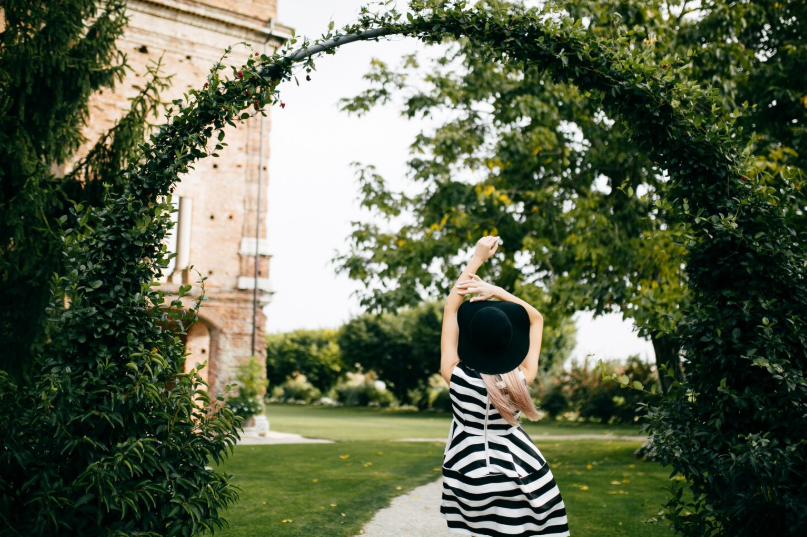
Secret Garden Hotels: Europe’s Most Beautiful Floral Retreats
Hidden behind ivy-covered walls, historic gates, and discreet façades, Europe’s secret garden hotels offer travelers
a rare combination of privacy, beauty, and immersion in nature. These properties are not simply places to stay;
they are curated floral sanctuaries where landscape design, architecture, and heritage converge. For discerning
travelers seeking tranquility without sacrificing sophistication, garden hotels represent one of Europe’s most
refined hospitality experiences.
The Enduring Appeal of Garden-Centered Hospitality
Gardens have long played a central role in European culture, symbolizing harmony, craftsmanship, and a deep
connection to the land. From Renaissance estates in Italy to formal French gardens and romantic English landscapes,
outdoor spaces were designed as extensions of the home—places for reflection, conversation, and renewal.
Today’s garden hotels draw directly from this tradition. Rather than treating greenery as decorative, these
properties place gardens at the heart of the guest experience. Rooms open onto courtyards filled with climbing
roses, breakfast is served beneath citrus trees, and evening walks unfold along paths designed centuries ago.
France: Romantic Courtyards and Hidden Urban Oases
In France, secret garden hotels often exist in the most unexpected settings. Tucked away within Parisian
neighborhoods or historic provincial towns, these properties offer a striking contrast to the energy of their
surroundings. Behind unassuming entrances, guests discover manicured courtyards, fountains, and fragrant flower
beds that evoke another era.
Many of these hotels occupy former private residences or hôtels particuliers, where gardens were originally
designed for aristocratic families. Today, they provide a rare sense of calm in urban environments, allowing
guests to retreat into nature without leaving the city.
Italy: Botanical Heritage and Timeless Elegance
Italy’s garden hotels are deeply influenced by the country’s botanical and architectural legacy. From the rolling
hills of Tuscany to the shores of Lake Como and the Amalfi Coast, gardens are carefully integrated into the
landscape, emphasizing natural beauty rather than strict formality.
These properties often feature terraced gardens with olive trees, lavender, and citrus groves, designed to frame
sweeping views of the countryside or sea. Many gardens date back hundreds of years, meticulously preserved and
adapted to modern hospitality while retaining their original character.
The United Kingdom: Romantic Landscapes and Literary Inspiration
In the United Kingdom, garden hotels draw inspiration from the romantic movement and the tradition of landscaped
estates. Rather than symmetry, these gardens favor winding paths, native flora, and carefully framed vistas that
feel both natural and intentional.
Guests staying at these properties often find themselves surrounded by walled gardens, arboretums, and meadows
that change dramatically with the seasons. Spring blossoms, summer roses, autumn foliage, and winter evergreens
ensure that each visit offers a distinct sensory experience.
Spain and Portugal: Courtyards, Climate, and Color
In Southern Europe, garden hotels are shaped by climate and tradition. Spanish and Portuguese properties frequently
center around interior courtyards filled with orange trees, jasmine, and bougainvillea. These spaces serve both
aesthetic and practical purposes, providing shade, cooling airflow, and a communal gathering point.
Many of these gardens reflect Moorish design principles, emphasizing water features, geometric layouts, and
aromatic plants. The result is an atmosphere that feels both intimate and immersive, deeply connected to regional
history.
Wellness, Privacy, and the Modern Traveler
The appeal of secret garden hotels has grown significantly as travelers increasingly prioritize wellness, privacy,
and meaningful experiences. Gardens offer a natural antidote to the pace of modern life, encouraging slow travel
and mindful exploration.
Many properties now integrate wellness offerings directly into their garden spaces, including outdoor yoga,
meditation areas, spa treatments surrounded by greenery, and farm-to-table dining sourced from on-site gardens.
This holistic approach enhances both physical and emotional well-being.
Preservation and Sustainability
Maintaining historic gardens requires expertise, patience, and long-term vision. Many secret garden hotels invest
heavily in preservation, working with landscape historians and horticultural specialists to protect rare plant
species and original layouts.
Sustainability also plays a growing role. Native planting, water conservation, and organic gardening practices
help ensure that these landscapes remain viable for future generations while reducing environmental impact.
Conclusion
Europe’s secret garden hotels offer far more than beautiful surroundings. They provide access to a slower, more
intentional way of traveling—one rooted in history, nature, and refined hospitality. These floral retreats invite
guests to step away from the ordinary and reconnect with beauty in its most enduring form.
Whether hidden in a bustling city or nestled within the countryside, garden hotels stand as quiet reminders that
true luxury often lies in serenity, craftsmanship, and thoughtful preservation.
Stay Connected for More Travel and Lifestyle Inspiration. For more insights into travel, culture, and lifestyle tips, follow me on Instagram @salvadorordorica. If you’re seeking professional translation and localization services to enhance your global ventures, visit The Spanish Group — your trusted partner in bridging cultures worldwide.
by Dulce Navarro | Dec 18, 2025 | Culture, Europe, Housing, Landscapes, Residency, Travel
Luxury Fashion Restoration Houses Preserving Europe’s Couture Heritage
Europe’s couture heritage is more than fashion—it is living history. From Parisian ateliers to Italian workshops
hidden behind centuries-old façades, luxury fashion restoration houses play a critical role in safeguarding the
artistry, craftsmanship, and cultural value embedded in haute couture. These institutions operate at the intersection
of fashion, conservation, and art history, ensuring that iconic garments endure beyond trends, seasons, and
generations.
The Cultural Importance of Couture Preservation
Haute couture represents the highest level of fashion craftsmanship. Each garment is a unique work of art,
often hand-stitched using techniques passed down through generations. However, couture pieces are inherently fragile.
Silk shatters, embroidery loosens, and natural dyes fade over time. Without specialized intervention, many historic
garments would simply cease to exist.
Luxury fashion restoration houses act as guardians of this heritage. Their work preserves not only physical garments
but also the intangible knowledge of historical construction methods, materials, and design philosophies. In doing so,
they protect a vital chapter of European cultural identity.
Paris: The Epicenter of Couture Restoration
Paris remains the undisputed heart of haute couture, and it is also home to some of the world’s most respected fashion
restoration ateliers. These houses often collaborate with major couture brands, museums, and private collectors.
Their artisans specialize in restoring garments by designers such as Chanel, Dior, Balenciaga, and Givenchy.
Restoration in Paris is a meticulous process. Artisans begin with extensive research, studying original sketches,
archival photographs, and period construction methods. Every intervention is reversible, respecting museum-grade
conservation standards. The goal is not to make a garment look “new,” but to stabilize it while honoring its age
and history.
Italy’s Mastery of Textile and Embellishment
Italy brings a different yet equally essential expertise to couture restoration. Renowned for its textile innovation
and artisanal embroidery, Italy’s restoration houses excel in reviving lace, velvet, leather, and intricate beadwork.
Cities such as Milan, Florence, and Venice host workshops where centuries-old textile knowledge is still actively used.
Italian restorers often work on garments that feature complex handwoven fabrics or experimental materials introduced
during the mid-20th century. Their ability to source rare fibers and recreate obsolete techniques makes them
indispensable partners for fashion archives and luxury maisons.
The Role of Restoration in Museums and Exhibitions
Major fashion exhibitions would not be possible without restoration houses. Institutions such as the Musée des Arts
Décoratifs in Paris, the Victoria and Albert Museum in London, and Palazzo Pitti in Florence rely heavily on these
specialists to prepare garments for public display.
Restoration ensures that garments can withstand controlled lighting, mounting, and transport without further damage.
This behind-the-scenes work allows the public to experience couture masterpieces up close, deepening appreciation
for fashion as a legitimate art form.
Private Collectors and Couture Heirlooms
Beyond museums, private collectors and families increasingly turn to luxury fashion restoration houses to preserve
inherited couture pieces. These garments often carry deep personal and historical significance—wedding gowns,
debutante dresses, or custom pieces worn at pivotal cultural moments.
Restoration houses approach these projects with discretion and sensitivity. The objective is to preserve authenticity
while ensuring long-term stability. In many cases, garments are restored enough to be safely stored or occasionally
displayed, rather than worn, preserving their value and integrity.
Sustainability Through Preservation
In an era increasingly focused on sustainability, fashion restoration offers a powerful counterpoint to fast fashion.
Preserving existing garments reduces the need for new production and reinforces the idea that true luxury is timeless.
Couture restoration houses embody sustainable principles long before they became industry buzzwords. By extending the
life of garments and honoring craftsmanship, they promote a circular approach rooted in respect for materials,
labor, and history.
The Future of Couture Restoration
As fashion archives grow and vintage couture gains value, the demand for expert restoration continues to rise.
Technology now supports this craft through advanced imaging, fiber analysis, and climate-controlled preservation.
However, the heart of restoration remains deeply human—dependent on trained hands, experienced eyes, and cultural
knowledge.
Many restoration houses are now training a new generation of artisans, ensuring that rare skills do not disappear.
This transfer of knowledge is as crucial as the preservation of garments themselves.
Conclusion
Luxury fashion restoration houses are the quiet custodians of Europe’s couture legacy. Their work bridges past and
present, allowing historic garments to survive as cultural artifacts rather than fading into obscurity. Through
precision, respect, and deep expertise, these ateliers ensure that couture remains not only admired, but understood
and preserved for generations to come.
In preserving Europe’s fashion heritage, these restoration houses remind us that true luxury lies in longevity,
craftsmanship, and cultural continuity—values that transcend trends and define enduring elegance.
Stay Connected for More Travel and Lifestyle Inspiration. For more insights into travel, culture, and lifestyle tips, follow me on Instagram @salvadorordorica. If you’re seeking professional translation and localization services to enhance your global ventures, visit The Spanish Group — your trusted partner in bridging cultures worldwide.

by Dulce Navarro | Dec 17, 2025 | Culture, Europe, Experiences, Lifestyle, Luxury, Travel
A Guide to Europe’s Elite Language Immersion Retreats for Executives
In today’s globalized economy, language fluency is no longer a luxury—it is a strategic advantage. For executives operating across borders, the ability to communicate effectively in another language enhances leadership credibility, strengthens negotiations, and deepens cultural understanding. Europe, with its rich linguistic heritage and tradition of academic excellence, offers some of the world’s most refined language immersion retreats designed specifically for high-level professionals.
Unlike traditional language schools, these elite retreats combine intensive instruction with luxury accommodations, cultural immersion, and executive-level networking. The result is a transformative learning experience that aligns professional development with personal enrichment.
Why Language Immersion Matters for Executives
Language immersion accelerates learning by placing participants in environments where the target language is woven into daily life. For executives, this method is particularly effective, as it mirrors real-world business interactions—meetings, negotiations, social engagements, and cultural exchanges.
Beyond vocabulary and grammar, immersion cultivates cultural intelligence. Understanding tone, etiquette, and local business customs can be the difference between closing a deal and missing an opportunity. Europe’s immersion retreats are designed to address these nuances, ensuring that language skills are both practical and contextually relevant.
France: Refined French Immersion in Prestigious Settings
France remains a top destination for executives seeking to master French, a language widely used in diplomacy, international law, and luxury industries. Elite immersion retreats are often set in historic châteaux, private estates, or boutique hotels in regions such as Provence, Paris, and the Loire Valley.
Programs typically include one-on-one instruction with native tutors, tailored business vocabulary, and cultural activities such as wine tastings, culinary workshops, and guided museum visits. These experiences reinforce language learning while offering insight into French culture, etiquette, and professional norms.
Spain: Executive Spanish Immersion with Cultural Depth
Spanish is one of the most widely spoken languages in the world, making it invaluable for executives engaged in global markets. Spain’s elite immersion retreats cater to professionals seeking fluency with a strong emphasis on cultural fluency.
Programs in Madrid, Barcelona, and Andalusia often blend intensive language instruction with discussions on regional business practices, history, and contemporary society. Executives benefit from structured lessons during the day and immersive experiences in the evening, such as networking dinners, cultural events, and private tours conducted entirely in Spanish.
Italy: Language Learning Through Culture and Lifestyle
Italy offers a distinctive approach to language immersion, where learning Italian is inseparable from art, history, and lifestyle. Executive retreats are frequently hosted in restored villas, countryside estates, or historic city centers in Florence, Rome, and Tuscany.
Instruction focuses on conversational fluency and professional communication, while cultural immersion includes art history lectures, private museum access, and culinary experiences. This holistic model allows executives to associate language learning with meaningful experiences, enhancing retention and confidence.
Germany and Switzerland: Precision and Professional Excellence
For executives operating in engineering, finance, manufacturing, or technology sectors, German language immersion is a powerful asset. Germany and Switzerland are known for their structured, results-oriented programs that align well with executive learning styles.
Retreats in cities such as Berlin, Munich, Zurich, and Lucerne emphasize precision, clarity, and professional terminology. Instruction is often complemented by seminars on European business culture, leadership communication, and corporate etiquette, ensuring that language skills translate directly into workplace effectiveness.
Tailored Programs for Executive Schedules
One of the defining features of elite language immersion retreats is customization. Programs are designed to accommodate demanding schedules, offering flexible timelines ranging from one-week intensives to multi-month residencies.
Executives receive personalized curricula based on industry, role, and objectives. Whether preparing for board meetings, international presentations, or high-stakes negotiations, instruction is targeted and efficient. Many retreats also offer confidentiality and privacy, allowing participants to learn without distraction.
The Role of Cultural Immersion in Language Mastery
Language cannot be separated from culture. Europe’s top immersion retreats recognize this by integrating cultural education into every aspect of the program. From dining etiquette and social customs to regional history and current affairs, participants gain a deeper understanding of the societies in which they operate.
This cultural awareness fosters stronger relationships and more authentic communication. For executives, it enhances leadership presence and demonstrates respect for international partners and clients.
Luxury as a Learning Catalyst
The luxury component of these retreats is not merely indulgent—it is intentional. Comfortable surroundings, exceptional service, and inspiring locations create an environment conducive to focus and learning. When executives are removed from daily pressures and placed in refined settings, they are better able to absorb new information and engage fully in the experience.
Wellness offerings such as spa treatments, fitness programs, and mindfulness sessions further support cognitive performance and overall well-being, reinforcing the connection between health and professional success.
Conclusion: Investing in Language as Leadership Capital
Europe’s elite language immersion retreats represent a strategic investment in personal and professional growth. By combining rigorous instruction, cultural immersion, and luxury, they offer executives a powerful way to enhance global competence and leadership effectiveness.
In an increasingly interconnected world, language proficiency is a form of capital—one that opens doors, builds trust, and elevates influence. For executives committed to global excellence, these retreats provide an unparalleled path forward.
Stay Connected for More Travel and Lifestyle Inspiration. For more insights into travel, culture, and lifestyle tips, follow me on Instagram
@salvadorordorica. If you’re seeking professional translation and localization services to enhance your global ventures, visit The Spanish Group — your trusted partner in bridging cultures worldwide.

by Dulce Navarro | Dec 17, 2025 | Europe, Experiences, Healthcare, Landscapes, Lifestyle, Luxury, Travel
Europe’s Most Luxurious Thermal Water Sanctuaries & Ancient Bath Rituals
For centuries, Europe has been home to some of the world’s most revered thermal water sanctuaries—places where wellness, history, and luxury converge. From Roman-era bathhouses to contemporary spa resorts set within historic architecture, these destinations offer more than relaxation; they provide a connection to ancient rituals that have shaped European culture and health practices for millennia. Today, these thermal retreats continue to attract discerning travelers seeking restorative experiences rooted in tradition, elegance, and natural healing.
The Ancient Origins of Thermal Bathing in Europe
The use of thermal waters in Europe dates back thousands of years. Ancient civilizations, particularly the Romans, believed in the therapeutic power of mineral-rich waters. Roman bathhouses, or thermae, were not only places of cleansing but also social and cultural centers where people gathered to relax, discuss politics, and rejuvenate both body and mind.
These early bath rituals emphasized balance—alternating between hot and cold baths, steam rooms, and massage treatments. This holistic approach to wellness laid the foundation for modern spa culture, influencing practices that are still followed across Europe today.
Bath, England: Roman Grandeur Meets Georgian Elegance
The city of Bath stands as one of Europe’s most iconic thermal destinations. Built around Britain’s only natural hot springs, Bath’s Roman Baths remain a testament to ancient engineering and ritual. While the original baths are preserved as a historic site, modern visitors can experience the waters at the Thermae Bath Spa.
Here, centuries-old tradition meets contemporary luxury. Rooftop pools overlooking the city’s honey-colored Georgian architecture, mineral-rich waters, and serene steam rooms offer an immersive wellness experience that honors both Roman heritage and modern sophistication.
Budapest: The Thermal Capital of Europe
Few cities rival Budapest when it comes to thermal bathing culture. Often referred to as the “City of Spas,” Budapest is home to over 100 natural thermal springs. The city’s bathing traditions were shaped by Roman, Ottoman, and Austro-Hungarian influences, creating a unique blend of architectural and cultural styles.
The Széchenyi Thermal Bath, with its grand Neo-Baroque design, is one of the largest and most famous spa complexes in Europe. Meanwhile, the Gellért Baths captivate visitors with their Art Nouveau interiors, stained glass windows, and mosaic-tiled pools. These baths are not merely spas—they are living monuments to Europe’s enduring wellness traditions.
Vichy, France: The Birthplace of Modern Spa Science
Nestled in the heart of France, Vichy has long been synonymous with therapeutic waters and refined wellness. Known since Roman times, Vichy rose to prominence in the 19th century as a center for medical hydrotherapy. French royalty and international elites flocked to the town to benefit from its mineral-rich springs.
Today, Vichy continues to blend medical expertise with luxury spa experiences. Its treatments focus on detoxification, skin health, and overall vitality, reflecting a distinctly French approach to wellness—one that combines science, beauty, and indulgence.
Baden-Baden, Germany: Timeless Sophistication in the Black Forest
Baden-Baden has been a destination for Europe’s elite since the 19th century, attracting artists, aristocrats, and intellectuals. Set at the edge of the Black Forest, the town is renowned for its elegant atmosphere and healing thermal waters.
The Friedrichsbad offers a particularly immersive experience, following a traditional Roman-Irish bathing ritual that includes a carefully curated sequence of hot and cold baths, steam rooms, and rest areas. The result is a deeply restorative journey that reflects centuries of bathing expertise.
Italy’s Thermal Heritage: From Tuscany to Ischia
Italy’s relationship with thermal waters is deeply rooted in Roman history, and its spa destinations remain among the most enchanting in Europe. Tuscany’s Saturnia hot springs, with their cascading limestone pools, offer a more natural and immersive connection to thermal bathing.
Meanwhile, the island of Ischia in the Bay of Naples combines volcanic thermal waters with Mediterranean beauty. Luxury resorts on the island integrate ancient Roman practices with modern wellness philosophies, creating experiences that are both therapeutic and indulgent.
The Rituals That Define the Experience
What truly distinguishes Europe’s thermal sanctuaries are the rituals themselves. These are not hurried spa visits but carefully designed journeys. Guests are encouraged to move slowly through different temperatures, allowing the body to detoxify, relax, and restore balance.
Many sanctuaries incorporate massages, mud treatments, and aromatherapy rooted in local traditions. Silence, mindfulness, and respect for the ritual are often emphasized, reinforcing the idea that wellness is both physical and mental.
Luxury, Wellness, and Cultural Immersion
Modern travelers are increasingly drawn to experiences that combine luxury with authenticity. Europe’s thermal sanctuaries offer precisely that—opportunities to unwind in exquisite surroundings while engaging with centuries-old cultural practices.
Whether set within historic palaces, natural landscapes, or architecturally significant buildings, these destinations elevate wellness to an art form. They serve as reminders that true luxury lies in time, tranquility, and meaningful experiences.
Conclusion: A Timeless Invitation to Restore and Reflect
Europe’s thermal water sanctuaries are more than destinations; they are gateways to ancient wisdom and enduring traditions. By blending history, nature, and modern comfort, they offer a profound sense of restoration that transcends trends. For those seeking refined travel experiences rooted in culture and wellness, these sanctuaries remain unmatched.
Stay Connected for More Travel and Lifestyle Inspiration. For more insights into travel, culture, and lifestyle tips, follow me on Instagram @salvadorordorica. If you’re seeking professional translation and localization services to enhance your global ventures, visit The Spanish Group — your trusted partner in bridging cultures worldwide.

by Dulce Navarro | Dec 16, 2025 | Culture, Europe, Experiences, Housing, Landscapes, Lifestyle, Luxury, Travel
Where Royals Vacation: Ultra-Private Mountain Chalets with Personal Michelin-Trained Chefs
For royalty and high nobility, vacations are not about visibility or excess, but about discretion, comfort, and uncompromising standards. In recent years, ultra-private mountain chalets have emerged as one of the most sought-after retreats for royal families seeking solitude, security, and refinement. Nestled high in the Alps, the Pyrenees, and other exclusive European mountain ranges, these chalets offer an experience that blends natural beauty with bespoke service at the highest level.
What truly sets these retreats apart is not only their secluded locations, but the presence of personal Michelin-trained chefs who curate every meal to the tastes, dietary preferences, and cultural traditions of their guests. For royals accustomed to precision and excellence, these chalets provide a controlled, intimate environment where every detail is carefully managed.
The Rise of Ultra-Private Mountain Escapes
Mountain retreats have long appealed to European aristocracy. Historically, alpine regions offered refuge from summer heat, political pressures, and public life. Today, that appeal has evolved into a modern interpretation of privacy and exclusivity. Ultra-private chalets are often accessible only by private road, helicopter, or funicular, ensuring minimal exposure and maximum security.
Unlike traditional luxury hotels, these chalets are fully self-contained residences. Entire properties are reserved for a single family or group, eliminating shared spaces and public interaction. This level of privacy is particularly important for royal families, who value environments where they can relax without protocol or public scrutiny.
Architecture Designed for Discretion and Comfort
The architecture of these mountain chalets reflects a careful balance between tradition and modern luxury. Exteriors often follow regional styles, featuring timber facades, stone foundations, and sloping roofs designed to withstand alpine conditions. Inside, however, the spaces are meticulously designed to offer contemporary comfort while preserving a sense of heritage.
Floor-to-ceiling windows frame panoramic mountain views, while private spas, indoor pools, and wellness areas allow guests to unwind without leaving the property. Soundproofed rooms, secure entrances, and discreet staff quarters ensure that privacy is never compromised.
Michelin-Trained Chefs: Dining at the Highest Level
One of the defining features of these royal retreats is the presence of a personal chef trained in Michelin-starred kitchens. Dining is not treated as an amenity, but as a central part of the experience. Menus are curated in advance and adapted daily based on the preferences of the guests, seasonal ingredients, and local culinary traditions.
For royal families, this level of culinary personalization is essential. Chefs are often selected not only for their technical skill, but for their discretion and ability to accommodate specific dietary protocols. Meals can range from refined multi-course dinners to informal family-style lunches, all prepared to the highest gastronomic standards.
The Importance of Privacy and Security
Security is seamlessly integrated into the chalet experience. Many properties employ former diplomatic or royal security professionals who work discreetly in the background. Surveillance systems, secure perimeters, and controlled access points are standard, yet designed to remain invisible to guests.
This approach allows royal families to enjoy outdoor activities such as skiing, hiking, or snowshoeing with confidence and minimal disruption. Private ski guides, instructors, and wellness professionals are often arranged exclusively for the guests, ensuring that experiences remain both safe and highly personalized.
A Year-Round Royal Retreat
While winter skiing is an obvious draw, these chalets are increasingly used year-round. In warmer months, the mountains offer fresh air, privacy, and a slower pace of life. Summer stays may include guided nature walks, private yoga sessions on outdoor terraces, or culinary experiences focused on alpine herbs and regional produce.
This seasonal flexibility makes mountain chalets particularly attractive to royal families with demanding schedules. The ability to retreat at any time of year, without compromising comfort or privacy, is a defining element of their appeal.
A New Definition of Luxury Hospitality
Ultra-private chalets represent a broader shift in luxury hospitality. For today’s elite, luxury is no longer defined by opulence alone, but by control, personalization, and discretion. The presence of a Michelin-trained chef, dedicated staff, and complete privacy transforms the chalet into a temporary private residence rather than a vacation rental.
This model aligns perfectly with the expectations of royalty, where familiarity, trust, and continuity are valued above novelty. Returning to the same chalet year after year fosters relationships with staff and creates a sense of home away from home.
Why Royals Continue to Choose the Mountains
Mountains offer something increasingly rare in the modern world: silence, space, and perspective. For royals balancing public responsibility with private life, these retreats provide an environment conducive to reflection and reconnection. Away from capitals and coastal hotspots, mountain chalets allow families to spend uninterrupted time together.
The combination of natural grandeur, architectural refinement, and exceptional service makes these chalets uniquely suited to royal needs. They are places where tradition meets modern luxury, and where privacy is not an add-on, but the foundation of the experience.
Conclusion
Ultra-private mountain chalets with personal Michelin-trained chefs offer a rare glimpse into how royalty truly vacations. Far from public view, these retreats prioritize discretion, culinary excellence, and absolute comfort. They embody a form of luxury that is quiet, intentional, and deeply personal.
Stay Connected for More Travel and Lifestyle Inspiration.
For more insights into travel, culture, and lifestyle tips, follow me on Instagram @salvadorordorica. If you’re seeking professional translation and localization services to enhance your global ventures, visit The Spanish Group — your trusted partner in bridging cultures worldwide.
