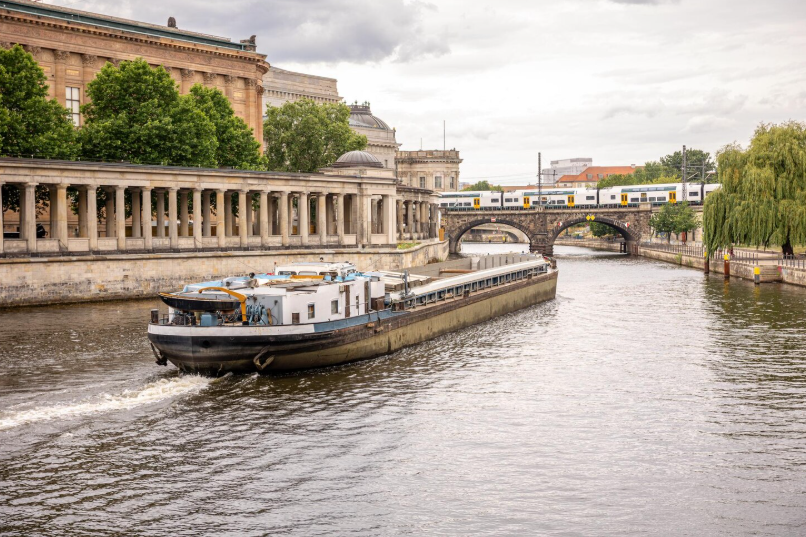
The Best European Cities for High-End Digital Nomads

The Best European Cities for High-End Digital Nomads

The Best European Cities for High-End Digital Nomads

For the discerning digital nomad, “office with a view” means more than a fast internet connection and an ergonomic chair — it’s a workspace framed by centuries of architecture, world-class gastronomy, and culturally rich neighborhoods that add depth to daily life. Investing in heritage cities in Europe offers not just lifestyle rewards but also long-term value: desirable neighborhoods hold their value, quality of life attracts premium clients and collaborators, and refined infrastructure supports a high-performance remote lifestyle. Below, I highlight the best European cities for high-end digital nomads who want to blend productivity with patrimony.

1. Paris, France — Timeless Elegance and Business Gravity

Paris remains a magnet for professionals who value culture and connectivity. Historic arrondissements such as the Marais, Saint-Germain, and the 7th provide restored apartments, luxury concierge services, and immediate access to museums, haute cuisine and private clubs. For entrepreneurs and consultants, Paris’s proximity to high-value clients and its reputation as a global creative hub are tangible advantages. Practical benefits include excellent international flight connections, coworking spaces geared to executives, and a mature luxury rental market that makes short-term or managed leasing straightforward.

2. Lisbon, Portugal — Heritage Charm with Modern Convenience

Lisbon blends medieval streets and ocean views with surprisingly modern tech infrastructure. Historic neighborhoods like Chiado and Alfama offer beautifully renovated Pombaline and Manueline buildings, many converted into boutique residences with fast fiber connections. Portugal’s favorable tax regimes for non-habitual residents and the growing ease of long-stay visas make Lisbon attractive for long-term relocations. The lifestyle balance is exceptional — alfresco dining, coastal escapes, and a lively cultural calendar — all at cost points that remain competitive compared to larger Western capitals.

3. Barcelona, Spain — Design, Dining, and a Dynamic Business Scene

Barcelona’s modernist architecture and Mediterranean energy make it a perennial favorite. Areas like Eixample and El Born combine heritage façades with contemporary interiors — ideal for high-end short stays or investments. The city has an established ecosystem for tech founders and creative professionals, premium coworking venues, and an impressive local food scene. Add excellent rail and air links, and Barcelona becomes an efficient base for anyone who needs to move seamlessly between European markets while enjoying a refined urban life.

4. Florence, Italy — Renaissance Grandeur and Bespoke Lifestyle

For executives and creatives drawn to art and history, Florence is unrivaled. Owning or leasing in Florence places you within walking distance of world-class museums, artisanal markets, and culinary traditions that enrich everyday living. Though smaller than major capitals, Florence offers exclusivity: private guided experiences, villas converted into high-end apartments, and a slower, intentional pace that many high-performers find restorative. Internet and business services are steadily modernizing, and luxury property in central neighborhoods remains a stable, heritage-backed investment.

5. Vienna, Austria — Classical Comfort and Reliability

Vienna’s Habsburg architecture, well-preserved city center, and world-class public services make it a practical choice for those prioritizing comfort and continuity. Districts such as Innere Stadt and Landstraße combine historic apartments with excellent sound insulation, professional-grade living standards, and easy access to cultural institutions. Vienna’s strong healthcare, transportation, and safety metrics appeal to professionals considering family needs or extended stays. The local market values preservation, which helps maintain property desirability and resale value.

6. Prague, Czech Republic — Affordable Heritage with Growing Prestige

Prague’s Gothic spires and Baroque facades have a magnetism that draws creative entrepreneurs and boutique investors. The Old Town and Lesser Town neighborhoods offer character properties often at lower entry prices than Western capitals, yet with increasing interest from international buyers. Co-working venues, international schools and a growing luxury hospitality sector make Prague well suited for those seeking heritage charm at a more accessible price point. For investors, the city presents the chance to secure distinctive properties that command strong short-term rental interest among affluent travelers.

What High-End Digital Nomads Should Consider Before Investing

Investing in heritage property isn’t purely emotional — treat it like any business decision. Key considerations include:

  • Regulatory and preservation rules: Historic districts often have strict renovation and usage regulations. Factor restoration costs and permitted alterations into your budget.
  • Connectivity and workspace: Ensure the property either already has high-speed internet or can be upgraded quickly; proximity to premium coworking or private office providers is a plus.
  • Visa and tax implications: Different countries offer digital nomad visas, favorable tax regimes, or incentives for non-domiciled residents — consult local experts before committing.
  • Market liquidity: Heritage properties can be highly desirable but occasionally less liquid. Understand resale timelines and local buyer demographics.
  • Property management: If you plan to be mobile, hire a luxury property manager experienced with short-term high-net-worth renters and concierge services.

How to Turn Heritage into an Asset for Your Brand

Heritage cities offer more than aesthetic pleasure — they’re powerful brand signals. Hosting clients in a curated historic apartment, producing content against iconic backdrops, or staging intimate client events in heritage venues can amplify credibility and reinforce a premium positioning. For service providers, translators, and consultants who operate globally, living and working from these places subtly communicates cultural literacy and attention to detail — traits highly valued by international clients.

Final Tips for a Strategic Move

Begin with a flexible approach: rent before you buy, work with local real estate specialists, and test neighborhoods during different seasons. Build a local network — from legal and tax advisors to interior conservators — who understand both preservation and modern luxury expectations. Above all, choose a city that supports your work rhythm: fast airports for frequent travel, quiet historic streets for focused work, and a rich cultural calendar to recharge your creativity.

Conclusion

Investing in heritage cities across Europe marries lifestyle with long-term value. Whether you choose Paris for its global business gravity, Lisbon for its coastal charm and tax incentives, or Florence for quiet cultural immersion, these cities reward professionals who value both performance and provenance. Thoughtful selection, careful due diligence, and strategic management will allow high-end digital nomads to enjoy inspiring daily life while making a sound investment that enhances personal brand and quality of life.

Stay Connected for More Travel and Lifestyle Inspiration. For more insights into travel, culture, and lifestyle tips, follow me on Instagram
@salvadorordorica. If you’re seeking professional translation and localization services to enhance your global ventures, visit
The Spanish Group — your trusted partner in bridging cultures worldwide.
Investing in Heritage: Buying Restored Luxury Properties in Europe

Investing in Heritage: Buying Restored Luxury Properties in Europe

Investing in Heritage: Buying Restored Luxury Properties in Europe

Why restored historic properties combine cultural value with long-term investment potential for discerning buyers.

Introduction: The Appeal of Restored Heritage Properties

Across Europe, restored luxury properties—whether converted palazzos, renovated châteaux, or sensitively updated farmhouses—appeal to investors who want both a distinctive residence and a store of cultural value. These assets offer a rare mix of architectural character, prime locations, and historical provenance. For investors with an eye for long-term capital preservation and experiential returns, heritage real estate represents more than bricks and mortar: it is an entry into living history, often accompanied by tax incentives, bespoke tourism potential, and strong demand from high-net-worth buyers seeking authenticity.

Market Dynamics and Value Drivers

Several factors drive the value of restored heritage properties. First, scarcity: authentic historic buildings in desirable locales are finite. Second, craftsmanship and materials—original features such as frescoes, stonework, and period joinery—are increasingly rare and command premiums. Third, location matters: properties near cultural hubs, scenic rivers, or protected landscapes typically outperform more remote assets. Finally, enhancements such as modern mechanical systems, energy retrofits, and luxury amenities create a compelling blend of old-world charm and contemporary comfort that appeals to discerning buyers and short-stay luxury guests alike.

Regulatory Landscape and Due Diligence

Buying a restored heritage asset often involves interaction with local conservation authorities and adherence to preservation codes. These regulations can protect facades and specific historic elements, but may allow internal modernization. Due diligence is essential: verify permitted uses, any conservation easements or covenants, and restrictions on alterations. Engage architects and lawyers with local experience in heritage property law to assess restoration quality, outstanding permits, and potential liabilities. Clear title, accurate restoration records, and transparent provenance documentation significantly reduce transactional risk.

Financial Considerations and Incentives

Historic restorations can be capital intensive, but several European jurisdictions offer incentives—tax credits, grants, or reduced VAT rates—for conservation and adaptive reuse. These incentives vary widely by country and region, so structure your investment with local tax advisors to optimize benefits. Consider total cost of ownership: insurance, ongoing maintenance, and specialized conservatorship services may add to recurring expenses. However, when managed well, heritage properties often exhibit lower volatility and can appreciate due to their uniqueness and cultural significance.

Adaptive Reuse and Revenue Opportunities

Restored properties present diverse revenue models. Some investors maintain private residences with ancillary income—short-term luxury rentals, exclusive events, or boutique hospitality. Others convert larger estates into boutique hotels, members’ clubs, or curated residences. Adaptive reuse should balance commercial viability with cultural stewardship. Successful projects collaborate with local stakeholders, employ sensitive design interventions, and promote the property’s story to attract high-value guests and long-term tenants.

Preservation Best Practices

Authentic restoration requires a disciplined approach: thorough archival research, use of specialist craftsmen, and reversible interventions where possible. Prioritize structural stabilization and environmental controls to protect artworks and historic fabric. Develop a conservation management plan that outlines maintenance schedules, acceptable restoration methods, and emergency protocols. Such plans not only preserve value but also become selling points for future buyers who value documented stewardship.

Risk Management

Risks associated with heritage investments include unpredictable restoration costs, regulatory changes, and market illiquidity. Mitigate these by obtaining independent condition surveys, securing fixed-price contracts where feasible, and working with experienced local project managers. Diversify exposure by considering mixed-use programs that combine owner occupancy with income-generating components. Additionally, adequate insurance coverage specifically designed for historic properties is essential to protect against restoration-related claims and loss of irreplaceable features.

Case Studies and Success Factors

Successful heritage investments often share common elements: a respected conservation-led restoration, strategic positioning (near cultural amenities or transport hubs), and a clear business model—whether private use, hospitality, or cultural philanthropy. Collaborations with academic institutions, museums, or cultural trusts can add credibility and unlock funding. Marketing that emphasizes provenance, stories of past inhabitants, and artisanal restoration work helps differentiate the property in a competitive luxury market.

Practical Steps for Prospective Buyers

  1. Engage local experts early—heritage architects, conservation consultants, and legal counsel.
  2. Conduct a detailed condition and structural survey with an itemized restoration estimate.
  3. Clarify permitted uses with conservation authorities to align restoration plans with regulatory frameworks.
  4. Model total cost of ownership including specialized maintenance and insurance.
  5. Explore incentives and funding mechanisms available at regional and national levels.

Conclusion

Investing in restored luxury properties in Europe offers a rare opportunity to combine cultural stewardship with tangible financial upside. With meticulous due diligence, local partnerships, and a long-term perspective, heritage properties can deliver not only aesthetic and emotional rewards but also durable economic returns. For investors who value legacy and place-making, heritage real estate remains an attractive and meaningful asset class.

Stay Connected for More Travel and Lifestyle Inspiration. For more insights into travel, culture, and lifestyle tips, follow me on Instagram @salvadorordorica. If you’re seeking professional translation and localization services to enhance your global ventures, visit The Spanish Group — your trusted partner in bridging cultures worldwide: The Spanish Group.

Truffle-Hunting Adventures for Luxury Food Travelers

Truffle-Hunting Adventures for Luxury Food Travelers

Truffle-Hunting Adventures for Luxury Food Travelers

Immersive field experiences that pair culinary discovery with cultural tradition across Europe’s most prized truffle regions.

Introduction: The Allure of the Underground Gold

Truffles have long captured the imaginations of chefs and gastronomes: rare, scent-driven fungi prized for their complex aroma and ability to elevate simple ingredients into extraordinary dishes. For luxury food travelers, truffle-hunting adventures offer more than a tasting—they provide a behind-the-scenes look at a centuries-old rural craft. These bespoke experiences combine foraging with local hospitality, guided by expert truffle hunters, trained dogs, and often culminating in private meals prepared by top chefs.

Where to Go: Iconic Truffle Regions

Europe’s most celebrated truffle zones span Italy, France, and Spain:

  • Piedmont, Italy: Famous for the white truffle of Alba, this region hosts seasonal truffle fairs and Michelin-starred dining that centers around freshly harvested truffles.
  • Tuscany and Umbria, Italy: Known for both white and black truffles, these regions combine rolling landscapes with intimate truffle farms and agriturismi that open their kitchens to guests.
  • Périgord, France: The French black truffle (tuber melanosporum) is closely associated with this region, where truffle markets and cooperative networks sustain local producers.
  • Huesca and Teruel, Spain: Spain’s rising reputation in truffle production pairs rustic villages with modern hospitality, offering authentic experiences for adventurous gourmands.

The Experience: From Field to Plate

A typical luxury truffle-hunting itinerary begins early in the morning. After a short briefing, guests join a truffle hunter and their dog to search woodlands and truffle grounds. The hunt is interactive—visitors learn to recognize the subtle signs of truffle presence, listen to the dog’s cues, and observe ethical harvesting techniques that preserve the mycelial networks for future seasons.

Following the hunt, many operators host a market-style show-and-tell where truffles are weighed, graded, and discussed. The day often concludes with a curated meal—sometimes in a private villa or hilltop restaurant—where chefs transform the freshly foraged truffles into a multi-course tasting, paired with regional wines and complemented by local stories.

Why Dogs, Not Pigs

Historically, pigs were used to locate truffles, but most modern truffle hunters prefer dogs. Dogs are easier to control in the field and less likely to damage truffle beds by trying to eat the find. Trained truffle dogs—often Lagotto Romagnolo or other search-bred breeds—are central to the ethical, sustainable harvesting practices preferred by luxury operators.

Ethical Foraging and Sustainability

Sustainable practices are essential to protect truffle habitats. Responsible hunters follow guidelines: minimal disturbance of soil, careful reburying of small specimens to allow growth, and respecting private land rights. Luxury operators who prioritize sustainability also support local conservation efforts and work with community cooperatives, ensuring that tourism benefits the rural economies and preserves truffle grounds for future generations.

Customizing the Luxury Experience

Luxury travelers can request highly customized packages: private charters between estates, exclusive tastings with Michelin-starred chefs, or combined itineraries that include winery visits and historic sightseeing. Concierge services often arrange private transfers, multilingual guides, and exclusive access to estates outside typical public hours—making the experience both seamless and deeply personal.

Seasonality and Timing

Timing is crucial. White truffle season in northern Italy typically runs from late autumn into early winter, while black truffle seasons vary by region. Bookings should be made well in advance for peak months—October through February—when local markets and festivals are active. Off-season visits can still offer educational value but may not guarantee fresh harvests.

Practical Considerations and Costs

Truffle-hunting experiences are a premium offering and pricing reflects the exclusivity: expert guides, private meals with high-end ingredients, and the logistics of accessing rural truffle sites. When budgeting, include costs for transportation, tasting menus, truffle purchases (priced by weight), and any private guides or chefs. Many operators offer tiered experiences to match different levels of exclusivity and group sizes.

Tips for the Discerning Traveler

  • Book with an experienced operator that can provide references and transparent sourcing practices.
  • Request inclusion of local experts—mycologists or seasoned truffle hunters—to deepen the educational value.
  • Consider combining the hunt with culinary workshops where you learn to prepare truffle-forward dishes.
  • Bring suitable outdoor clothing and footwear; many hunts occur in damp, uneven terrain.

Conclusion

Truffle-hunting adventures offer luxury travelers an extraordinary way to connect with Europe’s culinary heritage. By blending expert-led foraging, principled sustainability, and refined dining, these experiences transform the simple act of discovery into a narrative-rich gastronomic journey. For those seeking an exclusive and memorable food-centered escape, a truffle hunt remains an unparalleled highlight.

Stay Connected for More Travel and Lifestyle Inspiration. For more insights into travel, culture, and lifestyle tips, follow me on Instagram @salvadorordorica. If you’re seeking professional translation and localization services to enhance your global ventures, visit The Spanish Group — your trusted partner in bridging cultures worldwide: The Spanish Group.

Private River Cruises Through Europe’s Historic Capitals

Private River Cruises Through Europe’s Historic Capitals

Private River Cruises Through Europe’s Historic Capitals

How bespoke river voyages combine comfort, culture, and curated local experiences across Europe’s greatest waterways.

Introduction: A Different Way to See Europe

Private river cruises offer a distinctive, intimate way to experience Europe’s historic capitals. Unlike ocean cruising or point-to-point travel, river voyages move at the pace of the region, threading city centers, vineyards, and villages together with the rhythm of the water. For discerning travelers and families who value privacy, cultural depth, and effortless logistics, booking a private vessel—whether a boutique yacht, chartered barge, or a small luxury ship—turns transportation into a seamless and immersive part of the journey.

Why Choose a Private River Cruise?

Privacy and personalization are the hallmarks of private cruising. Guests set the tone: tailor-made excursions, bespoke menus, flexible itineraries, and the freedom to linger in a favorite port. Private cruises also provide a heightened level of service—dedicated crew, private chefs, and bespoke guides—allowing guests to focus entirely on the experience. For groups traveling for special occasions, corporate retreats, or multi-generational family trips, a private charter provides cohesion, convenience, and exclusivity.

Iconic Routes and Capitals

Europe’s great rivers pass through some of the continent’s most storied capitals:

  • The Seine: Paris offers riverfront views of Notre-Dame, the Louvre, and the Musée d’Orsay, blending city sightseeing with quiet upstream mornings through Normandy’s historic towns.
  • The Danube: Vienna, Bratislava, and Budapest form a corridor of imperial palaces, coffeehouse culture, and grand boulevards—perfect for cultural immersion and curated concerts on shore.
  • The Rhine: Flowing past Cologne and Mainz, the Rhine is famed for its dramatic castles and wine-growing slopes; private ships can moor in vineyards for exclusive tastings.
  • The Elbe and Vltava: Prague and Dresden offer baroque and Gothic treasures; private cruises here focus on history, museums, and intimate walking tours.

Curated Shore Excursions

The advantage of a private charter is the ability to design excursions that match your interests. Want an after-hours museum tour in Vienna, a private violin performance in Budapest, or a cellar dinner in the Rheingau? It’s possible. Local experts—historians, chefs, winemakers—can be arranged to provide context-rich experiences that large group cruises cannot replicate. These bespoke shore activities are often the highlights of a private cruise, turning sightseeing into meaningful cultural exchanges.

Onboard Comfort and Cuisine

Private vessels prioritize space and service. Cabins are often larger, public areas more private, and the atmosphere relaxed. Hospitality teams coordinate menus to reflect local produce and guest preferences—imagine a riverside dinner featuring regional specialties paired with local wines. Dietary restrictions and personal tastes are accommodated with ease, making the culinary journey as memorable as the ports of call.

Logistics and Practicalities

Booking a private river cruise requires attention to timing, permits, and docking availability. Rivers can be affected by seasonal water levels—low water in late summer or high water in spring can alter itineraries—so experienced operators build contingency plans. Private charters also simplify transfers and luggage handling: embarkation and disembarkation are efficient, and the vessel becomes a mobile base, avoiding repeated hotel check-ins. For corporate or incentive travel, on-board meeting spaces and AV setups can be arranged.

Sustainability and Responsible Travel

Many private operators are adopting sustainable practices: low-emission engines, waste reduction programs, and partnerships with local conservation initiatives. Small-scale charters can support local economies directly by hiring regional guides, sourcing food from nearby producers, and paying port fees that benefit communities. When choosing a private operator, ask about their environmental policies and community initiatives to ensure your trip aligns with responsible travel values.

Who Should Consider a Private Charter?

Private river cruises are ideal for guests seeking flexibility, privacy, and a deep cultural connection. They suit special milestones (anniversaries, reunions), corporate groups seeking unique meeting spaces, and families who value an all-in-one travel experience. While private charters have a premium price compared to group river cruising, the level of service, customization, and exclusivity often justifies the investment for those prioritizing an elevated, tailor-made journey.

Booking Tips

Start planning early, especially for peak seasons (spring and early autumn). Communicate preferences—dietary, accessibility, and must-see ports—to your operator upfront. Consider adding pre- or post-cruise hotel nights in major capitals to enrich the itinerary. Finally, work with a reputable charter broker or concierge who can negotiate itineraries, local partners, and bespoke experiences on your behalf.

Conclusion

Private river cruises offer a refined way to explore Europe’s historic capitals—combining the comfort of a private vessel with the cultural depth of tailor-made shore experiences. For travelers seeking privacy, personalization, and meaningful cultural encounters, a private charter transforms travel into an unforgettable moving residence on Europe’s great waterways.

Stay Connected for More Travel and Lifestyle Inspiration. For more insights into travel, culture, and lifestyle tips, follow me on Instagram @salvadorordorica. If you’re seeking professional translation and localization services to enhance your global ventures, visit The Spanish Group — your trusted partner in bridging cultures worldwide: The Spanish Group.

The Role of Translation in Protecting Europe’s Cultural Heritage

The Role of Translation in Protecting Europe’s Cultural Heritage

The Role of Translation in Protecting Europe’s Cultural Heritage

How language professionals and localization strategies preserve history, enable access, and strengthen cultural continuity across the continent.

Introduction: Language as a Guardian of Memory

Europe’s cultural heritage is a tapestry woven from diverse languages, traditions, and historical records. From medieval manuscripts and oral histories to museum collections and digital archives, the ability to convey meaning across languages is essential to preserving that heritage. Translation — in its broadest sense — acts as a bridge, enabling communities, scholars, and the public to access, interpret, and protect cultural assets for future generations.

Preserving Historical Records and Scholarly Research

Historical documents are often written in archaic or region-specific dialects. Translators with subject-matter expertise convert these records into contemporary languages without losing nuance. This work supports historians and conservators who rely on accurate translations to date artifacts, verify provenance, and understand cultural contexts. In many cases, translation uncovers details that change prevailing narratives or correct long-standing misunderstandings.

Making Museums and Archives Accessible

Museums, galleries, and archives are custodians of tangible heritage. Translation of exhibit labels, audio guides, catalogues, and digital collections increases accessibility for international visitors and researchers. Accessibility isn’t only about reaching more people; it’s about ensuring that narratives are faithfully represented. High-quality localization preserves interpretive choices made by curators while adapting language so that meaning remains clear without oversimplification.

Protecting Intangible Cultural Heritage

Intangible cultural heritage — such as songs, rituals, culinary traditions, and oral storytelling — often depends on subtle linguistic and cultural cues. Translators and transcribers who work with communities help document these practices in ways that retain rhythm, metaphor, and culturally specific expressions. By doing so, they support transmission between generations and across borders while respecting the integrity of the source culture.

Supporting Restitution and Repatriation Efforts

Debates about provenance, restitution, and repatriation of artifacts frequently involve multilingual documentation and cross-border legal processes. Translation ensures that claims and evidence are understood by courts, cultural institutions, and governments. Precise, legally informed translation can be decisive in establishing rightful ownership and facilitating ethical returns to communities and nations.

Digital Preservation and Multilingual Technology

Digital tools have transformed cultural preservation: searchable databases, 3D scans, and online exhibitions make heritage globally available. But digitization alone is insufficient. Metadata, descriptions, and user interfaces must be translated and localized so people worldwide can discover and interpret collections. Machine translation and AI can assist at scale, yet human post-editing and cultural expertise remain vital to avoid errors that could misrepresent objects or their significance.

Ethical Considerations and Community Collaboration

Responsible translation of cultural materials requires collaboration with source communities. Translators should follow ethical guidelines that prioritize consent, context, and cultural sensitivity. Co-creating translations with community members ensures that tone, meaning, and cultural ownership are respected. These partnerships help guard against appropriation and support cultural self-determination.

Challenges and Best Practices

Challenges include dealing with rare languages, preserving non-verbal cultural information, and balancing literal accuracy with readability. Best practices involve hiring linguists with domain expertise, investing in glossaries and style guides, and adopting iterative workflows that include community review. Where feasible, combining machine translation with specialist human review accelerates access without sacrificing quality.

Why Translation Matters for Europe’s Future

As Europe navigates migration, globalization, and digital transformation, translation will remain central to safeguarding cultural continuity. Preserving multilingual records and enabling cross-cultural dialogue strengthens social cohesion and ensures that Europe’s shared heritage is understood in all its complexity. Translation is not a secondary service — it is a core cultural practice that helps nations remember and reinvent themselves.

Conclusion

Protecting Europe’s cultural heritage depends on linguistic stewardship as much as it does on conservation science. Translation enables discovery, protects rights, and fosters meaningful exchange across borders. By investing in skilled translators, ethical workflows, and multilingual technologies, cultural institutions and communities can ensure that Europe’s history remains accessible, accurate, and alive for generations to come.

Stay Connected for More Travel and Lifestyle Inspiration. For more insights into travel, culture, and lifestyle tips, follow me on Instagram @salvadorordorica. If you’re seeking professional translation and localization services to enhance your global ventures, visit The Spanish Group — your trusted partner in bridging cultures worldwide: The Spanish Group.