

The Rise of Luxury Remote Work Retreats in Europe

The Rise of Luxury Remote Work Retreats in Europe

The Rise of Luxury Remote Work Retreats in Europe

As organizations compete for talent and leaders reimagine how work, culture, and wellbeing intersect, a new model of corporate travel is emerging: the luxury remote work retreat. These curated getaways combine the infrastructure of modern remote work with the refinement and service of high-end hospitality. Across Europe — from coastal villas and converted monasteries to alpine chalets and private vineyard estates — luxury retreats are creating environments where productivity, team cohesion, and creativity thrive outside the traditional office.

Why the Trend Is Accelerating

Several converging trends explain why luxury remote work retreats have gained momentum. First, distributed teams and hybrid schedules have normalized remote work, reducing the practical friction of working outside a fixed office. Second, leadership teams now place greater emphasis on employee experience and retention; a thoughtfully designed retreat can act as a powerful retention tool. Third, executives are recognizing the return on intentional, high-touch gatherings for strategy, onboarding, and culture building — outcomes that are difficult to replicate in day-to-day virtual meetings.

What Defines a Luxury Remote Work Retreat

Not every offsite is a luxury retreat. The defining features include premium accommodations, dedicated workspaces with reliable high-speed internet, on-site support (IT and concierge), and amenities that support wellbeing — from private chefs and wellness practitioners to curated local experiences. Luxury retreats prioritize both comfort and utility: ergonomically designed workstations, soundproofed rooms for calls, and fast connectivity are paired with restorative offerings like guided hikes, wine tastings, spa therapies, and bespoke culinary programs.

Benefits for Companies and Teams

For directors and HR leaders, luxury retreats deliver measurable value. They accelerate onboarding by immersing new hires in company culture. They catalyze strategic alignment through focused in-person collaboration. They also provide space for creative problem solving away from day-to-day distractions. On the human side, retreats enhance employee wellbeing and morale, which translates to higher engagement and reduced attrition. For client-facing teams, shared luxury experiences can deepen relationships and facilitate higher-value deal-making.

Designing an Effective Retreat

Thoughtful programming is the difference between a memorable retreat and an expensive vacation. Start with clear objectives: team bonding, strategy alignment, skill development, or client enablement. Combine structured sessions (workshops, presentations, breakout groups) with ample unstructured time to encourage informal connections. Invest in a local host or retreat manager who understands both hospitality logistics and corporate needs — they ensure seamless on-the-ground execution, from AV setups to dietary accommodations.

Popular European Settings and Their Appeal

Different environments yield different outcomes. Coastal estates (Spain, Portugal, southern France) foster relaxed creativity and are ideal for client hospitality. Alpine chalets and mountain lodges (Switzerland, Austria, the Dolomites) concentrate focus and are well-suited for intensive strategy retreats or executive leadership work. Wine regions and private vineyard estates (Tuscany, Rioja, Bordeaux, Douro) combine gastronomic experiences with team-building activities tied to harvest and terroir. Each setting offers unique cultural experiences that enhance team bonding and offer memorable content for employer branding.

Budgeting and ROI

Luxury retreats are a deliberate investment; budgeting should reflect both direct costs (accommodation, transport, food, facilitators) and indirect value (time spent offline, productivity gains, retention impact). To evaluate ROI, set measurable goals in advance: reduced time-to-productivity for new hires, number of strategic decisions completed, employee engagement scores pre- and post-retreat, or follow-up sales/enrollment metrics for client programs. Directors should treat retreats as catalysts — short-term expenses that drive longer-term organizational returns.

Compliance, Accessibility, and Sustainability

When planning, ensure compliance with local travel and workplace policies, especially for international teams. Accessibility is essential — select venues that accommodate mobility needs and inclusive programming. Sustainability has become a core expectation at premium venues: prioritize retreats that demonstrate responsible sourcing, energy efficiency, and community engagement. Sustainable retreats not only align with corporate ESG commitments but also resonate strongly with employees who value purpose-led companies.

Practical Tips for Directors

1) Define success metrics before you go. 2) Choose a local partner or concierge with corporate retreat experience. 3) Balance structure with flexibility so deep work occurs without burning out participants. 4) Provide clear guidelines about availability and working hours during the retreat to respect both productivity and downtime. 5) Follow up with actionable next steps and a post-retreat evaluation to capture outcomes and learning.

Final Considerations

Luxury remote work retreats in Europe offer a compelling bridge between remote flexibility and the human benefits of in-person collaboration. For company directors, they represent more than a perk: they are strategic tools for alignment, culture-building, and talent retention. With careful planning, measurable goals, and a focus on wellbeing and sustainability, retreats can deliver disproportionate value — turning a few days away from the office into months of improved performance and engagement.

Stay Connected for More Travel and Lifestyle Inspiration. For more insights into travel, culture, and lifestyle tips, follow me on Instagram
@salvadorordorica. If you’re seeking professional translation and localization services to enhance your global ventures, visit The Spanish Group — your trusted partner in bridging cultures worldwide.
Europe’s Most Luxurious Private Vineyard Estates to Stay In

Europe’s Most Luxurious Private Vineyard Estates to Stay In

Europe’s Most Luxurious Private Vineyard Estates to Stay In

There’s something uniquely restorative about falling asleep amongst vines, waking to the quiet rustle of leaves, and tasting a glass poured from the very land beneath your feet. Across Europe, a new generation of private vineyard estates blends impeccable hospitality with terroir-driven wine experiences — offering guests not only refined accommodation but intimate access to winemaking, guided tastings, and immersive farm-to-table cuisine. Below, discover a curated selection of the continent’s most luxurious vineyard estates where privacy, craftsmanship, and design come together to create unforgettable stays.

1. A Tuscan Palazzo with a Boutique Winery

Location: Tuscany, Italy — Style: Renaissance villa with contemporary interiors

Tucked into rolling hills of cypress and olive, a restored palazzo offers exclusive rental of its eight-suite wing and private cellar. Guests enjoy guided tours of age-old vineyards, barrel tastings in the cellar, and a private sommelier pairing sunset dinners. The estate’s winemaking team welcomes visitors into hands-on harvest activities when in season; otherwise, bespoke tastings trace the family’s vintages through vertical flights. Architectural integrity blends with modern comforts — heated stone floors, a private pool, and a library curated with regional maps and wine literature.

2. A Provençal Château with Organic Vineyards

Location: Provence, France — Style: Château with formal gardens and lavender fields

This elegant château sits within sun-drenched gardens framed by lavender and vineyards cultivated under organic principles. Hospitality here is rooted in slow living: languid breakfasts of local chèvre and olive oil, midday picnics among the vines, and evening tastings focused on rosés and Grenache blends. Private cooking lessons with the château’s chef pair seasonal estate ingredients with estate-produced wines. Sustainability is central — water-wise irrigation, bee hives, and a commitment to low-intervention winemaking ensure both exceptional terroir expression and environmental stewardship.

3. A Contemporary Spanish Bodega on a Hillside

Location: Rioja / Priorat region, Spain — Style: Modern design, terraced vineyards

Dramatic architecture meets viticultural excellence at this hillside bodega where guests can book the entire property for a private retreat. Interiors are minimalist and sunlit, designed to showcase panoramic vineyard views. Offerings include in-depth winemaking masterclasses, guided hikes across terraced slopes, and pairings that marry regional seafood and cured meats with premium tempranillo and garnacha expressions. For collectors, the estate maintains a private reserve library and can arrange cellar purchases or direct shipping of rare bottlings.

4. A Boutique Estate in the Douro Valley

Location: Douro Valley, Portugal — Style: River valley quinta with terraced vines and river access

Overlooking the Douro River, this quinta invites guests to experience port and still-wine production from vine to bottle. Private boat cruises at dawn, vineyard picnics at sunset, and vertical tastings highlight the region’s steep-slope viticulture. Accommodation blends rustic stonework with luxurious linens, and the estate’s cellar door is open for private blending sessions — create a bespoke cuvée alongside the resident winemaker. A strong focus on heritage means many of the vineyards are worked by hand, and guests interested in conservation can learn about traditional soil-keeping techniques.

5. A New-Age English Estate with Pinot Noir Focus

Location: Sussex / Kent, England — Style: Country manor with contemporary tasting room

England’s cool-climate wines have gained a devoted following, and select manor estates now offer private stays that spotlight world-class sparkling and pinot noir. Expect refined, terrace-facing suites and intimate cellar tastings that map the estate’s progression from budburst to disgorgement. Activities frequently include vineyard walks with production team members, champagne-style tastings, and seasonal menu pairings that emphasize local lamb, root vegetables, and artisanal cheeses. These estates pair the gentility of English country life with modern vinous ambition.

6. An Italian Island Vineyard Retreat

Location: Island vineyards (e.g., Sicily, Sardinia) — Style: Coastal estate with Mediterranean gardens

For a vineyard stay framed by sea breezes and volcanic soils, island estates offer a heady mix of maritime cuisine and mineral-driven wines. Villas often sit within terraced vineyards that step down toward cliffs or sheltered coves. Highlights typically include cellar door tastings of unique indigenous varietals, private boat tours with wine pairings, and farm-to-table meals that highlight seafood caught the same morning. Design sensibilities lean Mediterranean — whitewashed walls, shaded loggias, and outdoor lounges built for long evenings beneath the stars.

How to Choose the Right Private Vineyard Estate

Selecting the ideal estate depends on priorities: do you crave hands-on winemaking, a secluded romantic escape, family-friendly amenities, or an educational retreat with masterclasses? Consider seasonality (harvest is transformative but busy), travel logistics (some estates require transfers on narrow country roads), and the level of privacy you need — many properties offer full buyouts for exclusivity. Finally, ask about on-site chefs, dietary accommodations, and any bespoke experiences such as truffle hunts, olive harvest participation, or helicopter transfers for a truly elevated arrival.

Final Thoughts

Luxury vineyard estates are more than beautiful places to sleep; they are immersive ecosystems that connect guests to landscape, culture, and the labor of winemaking. Whether you seek a contemplative week among ancient vines or an action-packed harvest retreat, Europe’s best private estates combine thoughtful design, impeccable service, and — most importantly — wine that tells the story of its place. Plan intentionally, communicate your interests with the estate in advance, and you’ll leave with new favorites in your cellar and memories that will linger long after your final glass.

Stay Connected for More Travel and Lifestyle Inspiration. For more insights into travel, culture, and lifestyle tips, follow me on Instagram
@salvadorordorica. If you’re seeking professional translation and localization services to enhance your global ventures, visit The Spanish Group — your trusted partner in bridging cultures worldwide.
Ultra-Luxury Eco Retreats: Sustainable Travel in Style

Ultra-Luxury Eco Retreats: Sustainable Travel in Style

Ultra-Luxury Eco Retreats: Sustainable Travel in Style


Introduction

Ultra-luxury eco retreats represent a thoughtful evolution of travel, marrying the highest standards of comfort and service with rigorous environmental stewardship. For leaders and discerning travelers who expect excellence without compromise, these retreats offer an experience that is both indulgent and responsible. Rather than treating sustainability as an afterthought, top-tier eco properties weave conservation, community engagement, and regenerative practices into every element of the guest experience.

What Defines an Ultra-Luxury Eco Retreat?

At its best, an ultra-luxury eco retreat combines five core attributes: exceptional design, locally sourced gastronomy, measurable environmental impact reduction, meaningful local partnerships, and personalized service. Architectural choices favor low-impact materials and passive design techniques that reduce energy demand. Guest villas and common areas are crafted from reclaimed or responsibly harvested materials, while landscaping protects native habitats and prioritizes biodiversity. These retreats typically operate on robust sustainability metrics—such as water recycling rates, renewable energy generation, and zero-waste goals—documented and shared with guests.

Design, Comfort, and Environmental Elegance

Luxury does not require excess when design is intelligent. Ultra-luxury eco retreats rely on bespoke design to amplify comfort while minimizing ecological footprint. Lightweight, modular structures can be sited to avoid tree removal and preserve natural drainage. Large operable windows and cross-ventilation reduce or eliminate the need for air-conditioning, while thermal mass and shading stabilize interior temperatures. High-end materials like polished reclaimed teak, natural stone, and organic textiles create a refined aesthetic that feels authentic and timeless rather than manufactured.

Cuisine and Sourcing: A Conscience on the Plate

Culinary programs at eco retreats are often a signature feature. Michelin-trained or locally renowned chefs develop menus that foreground seasonal, hyper-local ingredients—frequently sourced from on-site gardens, coastal fisheries with sustainable certifications, and local farmers practicing regenerative agriculture. These kitchens emphasize whole-ingredient cooking, minimal waste, and creative preservation techniques. Guests enjoy tasting menus that read as both a celebration of place and a demonstration of how luxury dining can be circular and low-impact.

Regenerative Practices and Measurable Impact

True leadership in sustainable travel means going beyond “do no harm.” Regenerative retreats actively restore ecosystems through reforestation, mangrove rehabilitation, coral nurseries, or soil regeneration projects. Many properties partner with scientists and NGOs to quantify outcomes—measuring carbon sequestration, increases in native species, and water table recovery. Transparent reporting and third-party certifications (where available) give executives and conscious travelers confidence that their stay contributes to positive environmental outcomes.

Community Partnership and Cultural Respect

Ultra-luxury eco retreats place community relationships at the center of their operating model. They create local employment pathways, invest in skill-building and hospitality training, and prioritize sourcing from nearby producers. Cultural programming—guided by local elders, artisans, or cultural custodians—provides guests with authentic insights while ensuring intellectual and economic benefit accrues to host communities. These collaborations preserve local knowledge systems rather than appropriating them, and create long-term social value beyond the guest experience.

Personalized Wellness and Curated Experiences

Beyond environmental credentials, these retreats cultivate bespoke guest experiences that are restorative and exclusive. Wellness offerings may include integrative medical consultations, private spa treatments using locally derived botanicals, mindful movement classes, and nutrition programs aligned with local foods. Activities are curated to deepen connection with place: guided ecology walks, private conservation excursions, night-sky astronomy sessions, and hands-on workshops with local craftsmen or chefs. Privacy and personalization—private chefs, dedicated hosts, and flexible itineraries—define the ultra-luxury standard.

How to Evaluate a Property

When selecting an ultra-luxury eco retreat, executives should ask targeted questions: What percentage of the property’s energy is derived from renewables? How is water reused and conserved? What measurable conservation outcomes has the property achieved? Are local communities active partners in programming and revenue sharing? Does the retreat disclose a sustainability report or third-party verification? High-quality operators will welcome scrutiny and provide clear, documented answers.

Travel Considerations and Responsible Luxury

The very nature of travel entails carbon and resource use, which means responsible travelers should weigh how to reduce impact alongside the benefits of investing in sustainable tourism models. Consider consolidating trips, choosing direct flights where possible, and engaging in meaningful activities that support conservation and community development. Many ultra-luxury eco retreats offer carbon offset programs tied directly to verified regenerative projects, giving guests an option to balance unavoidable emissions with measurable impact.

Who Benefits Most from These Retreats?

Ultra-luxury eco retreats are well suited to leaders, families, and small executive groups seeking privacy, bespoke service, and an immersive connection to place. They are an excellent option for corporate retreats centered on wellbeing and creativity, as well as for families and individuals who wish to travel in a way that aligns with a values-driven lifestyle. For directors and executives, these stays can also double as relationship-building opportunities—private dining, exclusive access to conservation projects, and curated cultural exchanges make them ideal for hosting clients or rewarding teams.

Final Thoughts and Practical Tips

Ultra-luxury eco retreats represent the intersection of refined travel and ethical stewardship. They demonstrate that comfort and conservation are not mutually exclusive, and that experiential luxury can support long-term ecological and social outcomes. To make the most of an eco-luxury stay, plan early, ask for transparent sustainability metrics, request personalization aligned with your values, and engage with local projects to create a meaningful legacy from your visit.

Conclusion & Stay Connected

Stay Connected for More Travel and Lifestyle Inspiration. For more insights into travel, culture, and lifestyle tips, follow me on Instagram @salvadorordorica. If you’re seeking professional translation and localization services to enhance your global ventures, visit The Spanish Group  — your trusted partner in bridging cultures worldwide.

Luxury Dessert Tours Through Paris and Vienna

Luxury Dessert Tours Through Paris and Vienna

Luxury Dessert Tours Through Paris and Vienna


Introduction

Few experiences marry culture, history, and pure gastronomic joy as seamlessly as a luxury dessert tour in two of Europe’s most elegant capitals: Paris and Vienna. These cities have elevated the art of patisserie and confectionery into cultural institutions, where every bite tells a story of craft, provenance, and refined taste. For the discerning traveler, a curated dessert tour offers more than sweets — it is an intimate journey through neighborhoods, ateliers, and time-honored kitchens that reveal the heart of local culinary identity.

Why Paris and Vienna?

Paris and Vienna share a long history of culinary excellence, but each brings a distinct sensibility. Paris is synonymous with haute pâtisserie — think delicate pastries, precision techniques, and inventive flavor combinations. Vienna, with its grand cafés and aristocratic heritage, centers on generously proportioned cakes, refined confections, and ritualized coffee culture. Together they offer a complementary program: Paris delights with finesse and modern artistry; Vienna comforts with tradition and stately indulgence.

Signature Desserts to Seek Out

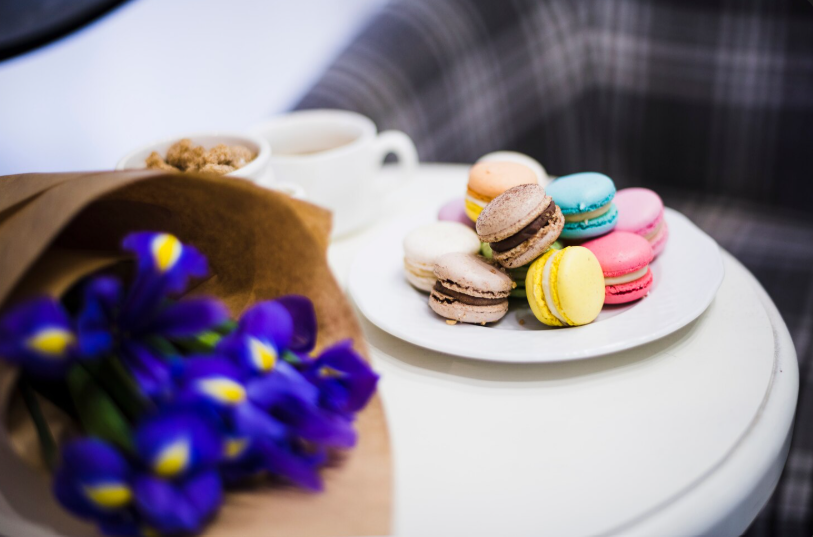
On a luxury dessert tour you’ll encounter emblematic treats that capture each city’s soul. In Paris, priorities include the mille-feuille (light, flaky layers and pastry cream), the delicate macaron, the glossy entremets crafted by Michelin-trained pâtissiers, and single-origin chocolate creations from artisanal chocolatiers. In Vienna, priorities include the Sachertorte — dense chocolate cake with apricot jam — the airy, cream-filled Dobos torte, and regional specialities like rum-soaked Esterházy slices. Both cities also offer seasonal fruit tarts and confectionery that reflect local markets and terroir.

What Makes a Tour “Luxury”?

A luxury dessert tour is distinguished by curation, exclusivity, and personalized touches. Rather than simply sampling pastries, guests enjoy behind-the-scenes access to ateliers and kitchens, private tastings with master pâtissiers, and guided pairings — for instance, truffles with single-origin coffee or petits fours matched to artisanal liqueurs. Transportation between venues is seamless, often by chauffeured car or curated walking routes that emphasize ambiance. Attention to detail — reserved seating at landmark cafés, early access before opening hours, and bespoke souvenir boxes — elevates the experience from pleasant to unforgettable.

Featured Experiences in Paris

In Paris, luxury tours weave together historic cafés, modern pastry boutiques, and celebrated chocolatiers. Typical highlights include a private viewing of pastry production at a two-Michelin-star pastry house, a guided macaron-making demonstration, and an afternoon tea at a landmark hotel where classic French desserts are served with theatrical presentation. Many bespoke operators will arrange meetings with award-winning chefs, curated visits to specialty chocolate shops, and tastings of seasonal fruit pâtisseries that celebrate local produce.

Featured Experiences in Vienna

Vienna’s luxury dessert experiences emphasize café culture and imperial tradition. Expect private seating in storied coffeehouses with an introduction to Viennese coffee varieties and the history of the cake culture. Tours may include a masterclass on decorating the Sachertorte, a behind-the-scenes visit to a family-run Konditorei, and a refined tasting of regional confections paired with aged rum or vintage dessert wines. The grandeur of the city’s architecture and its leisurely café rituals lend a stately pace to each tasting.

How to Plan the Perfect Luxury Dessert Tour

Planning is key to maximizing the experience. First, decide whether you prefer a walking immersion of neighborhood patisseries or a chauffeured route that connects the most prestigious houses. Consider dietary preferences and inform the tour operator ahead of time — many luxury providers will craft alternatives for allergies or preferences. Reserve private or small-group tours to ensure intimacy and access. Finally, time your visit to coincide with seasonal specialties: summer fruit tarts in Paris and winter confections or spiced pastries in Vienna can transform an ordinary tasting into a moment of discovery.

Insider Tips for a Memorable Visit

  • Book ahead: The best pastry chefs and historic cafés have limited capacity; secure reservations early.
  • Mix tasting styles: Combine formal chocolate tastings with casual café stops to appreciate the full range of the dessert scene.
  • Bring home quality: If bringing pastries across borders, choose chocolates and confections engineered to travel well.
  • Pair thoughtfully: Let experts pair desserts with coffee, tea, or dessert wine to deepen the flavor experience.

Who Should Take a Luxury Dessert Tour?

These tours are ideal for food-curious travelers, couples looking for a romantic culinary date, corporate clients seeking an exclusive team treat, and anyone who enjoys learning the stories behind their food. They’re particularly rewarding for travelers who appreciate craft, provenance, and the theatricality of high-end culinary presentation. For directors and executives visiting on short itineraries, a tailored half-day tour can deliver intense pleasure and cultural insight in a compact timeframe.

Final Thoughts

A luxury dessert tour through Paris and Vienna is a refined way to encounter two great culinary traditions. Beyond the sugar and butter, these tours are about the artisans, the rituals, and the cities’ relationships to hospitality and taste. Whether you choose the delicate innovation of Parisian pâtisserie or the stately comforts of Vienna’s Konditorei, a curated tasting tour will provide both sensory delight and a deeper appreciation for how dessert can reflect history, place, and creative mastery.


Stay Connected for More Travel and Lifestyle Inspiration. For more insights into travel, culture, and lifestyle tips, follow me on Instagram @salvadorordorica (Hyperlink @salvadorordorica). If you’re seeking professional translation and localization services to enhance your global ventures, visit The Spanish Group (https://www.instagram.com/thespanishgroup/?hl=en) — your trusted partner in bridging cultures worldwide.

Relocating in Style: Luxury Living for Expats in Europe

Relocating in Style: Luxury Living for Expats in Europe

Relocating in Style: Luxury Living for Expats in Europe


Introduction: The Art of a Seamless Transition

Relocating to Europe presents an extraordinary opportunity to combine professional ambition with elevated lifestyle. For company directors and senior executives, the move is rarely just about finding a residence — it’s about curating an environment that reflects personal taste, supports family needs, and enhances professional standing. Luxury relocation is a strategic process that blends practical logistics with bespoke services: private real estate sourcing, expert immigration guidance, and tailored lifestyle design.

Choose the Right City and Neighborhood

Europe’s cities offer vastly different rhythms, amenities, and cultural textures. London retains its global financial gravitas and offers private schools and exclusive clubs; Paris is unrivaled for art, gastronomy, and elegant Haussmannian apartments; Barcelona and Madrid combine cosmopolitan culture with sunny, Mediterranean living; while cities such as Zurich, Geneva, and Monaco appeal for stability, privacy, and top-tier international schooling.

When selecting a neighborhood, look beyond prestige to day-to-day convenience: proximity to international schools, private health providers, green spaces, and well-connected transport links. For executives who host clients, consider residential areas with short drives to major business districts and boutique hotels that accommodate visiting associates.

Partner with High-End Real Estate and Relocation Specialists

A successful luxury move begins with expert partners. High-end real estate agents who specialize in expat needs offer off-market access, privacy options (gated properties, discreet high-rise residences), and negotiation experience. Relocation firms provide turnkey services — from temporary housing to long-term leases, and assistance with setting up utilities, security systems, and home staffing.

Legal, Immigration, and Tax Planning

Visa categories, residency permits, work authorization, and tax obligations vary widely across European countries. Engage immigration counsel early to determine the best route — entrepreneur visas, intra-company transfers, or residency by investment where applicable. Simultaneously coordinate with international tax advisors to plan for domicile, reporting requirements, and cross-border income. Proper planning protects personal wealth and ensures continuity of corporate responsibilities.

Curated Home Setup and Interior Styling

Luxury is experienced in the details. Many executives prefer professionally staged residences that balance comfort with representation. Interior designers and art curators can source furnishings that respect local character while meeting international standards — think bespoke window treatments, high-performance HVAC, integrated home automation, and curated art that complements a brand’s image.

Concierge Services, Private Staff, and Household Management

Consider a household manager or a concierge agency to oversee daily operations: staffing recruitment, payroll management, maintenance schedules, and event planning. These services allow directors to focus on their roles while their home runs seamlessly. Discretion and trust are paramount — vetting procedures, thorough contracts, and references are essential when hiring private staff.

Education, Healthcare, and Family Integration

For families, access to top international schools and reputable healthcare are decision drivers. Research school curricula (IB, British, French, bilingual programs), application timelines, and entrance requirements well before the move. Likewise, identify private clinics and multilingual physicians to ensure continuity of care. Family relocation coaches and expat communities can accelerate cultural integration for partners and children.

Transportation, Security, and Privacy

Luxury relocations often require secure, reliable transport — executive drivers, chauffeured services, or concierge-arranged car leases. Assess neighborhood safety, consider electronic security systems, and coordinate with local security consultants when necessary. For high-profile professionals, privacy measures — from secure mailing addresses to vetted service providers — are an essential layer of protection.

Cultural Fluency and Language Support

Cultural intelligence elevates any relocation. Language training, cultural briefings, and professional translation for legal or corporate documents reduce friction and help forge authentic local relationships. Localization experts ensure that contracts, corporate communications, and family documents are accurate and culturally appropriate — a small investment that prevents misunderstandings and builds trust.

Lifestyle Curation: Food, Leisure, and Networking

Luxury living extends beyond the home. Curate a lifestyle that aligns with personal priorities: private memberships (clubs, golf courses, marinas), introductions to local cultural institutions, and access to chefs or catering for intimate entertaining. Networking strategies — local chambers of commerce, industry associations, and private salons — help integrate a director into the social fabric that supports both personal and professional objectives.

Sustainability and Legacy Considerations

Many executives now prioritize sustainable living: energy-efficient homes, locally sourced interior appointments, and partnerships with estates that practice environmental stewardship. These choices resonate with modern stakeholders and are important when establishing a legacy presence abroad.

Practical Checklist for a Smooth Move

  • Engage legal and tax advisors before committing to a residence.
  • Hire a relocation specialist to manage logistics and timelines.
  • Secure temporary housing that offers privacy while permanent arrangements finalize.
  • Plan school applications and medical registration months in advance.
  • Build a trusted local network — real estate, design, healthcare, and security.
  • Arrange translation/localization for key documents and communications.

Conclusion: Move with Intention

Relocating in style is not merely about spending more; it’s about intentional planning, thoughtful curation, and choosing partners who understand the needs of high-performing leaders. With the right advisors — from real estate specialists to cultural liaisons and localization professionals — an executive’s move to Europe becomes a strategic extension of personal brand and business reach. When executed with precision, the relocation enriches professional life and elevates daily living in ways that last for years to come.


Stay Connected for More Travel and Lifestyle Inspiration. For more insights into travel, culture, and lifestyle tips, follow me on Instagram
@salvadorordorica. If you’re seeking professional translation and localization services to enhance your global ventures, visit The Spanish Group — your trusted partner in bridging cultures worldwide.