
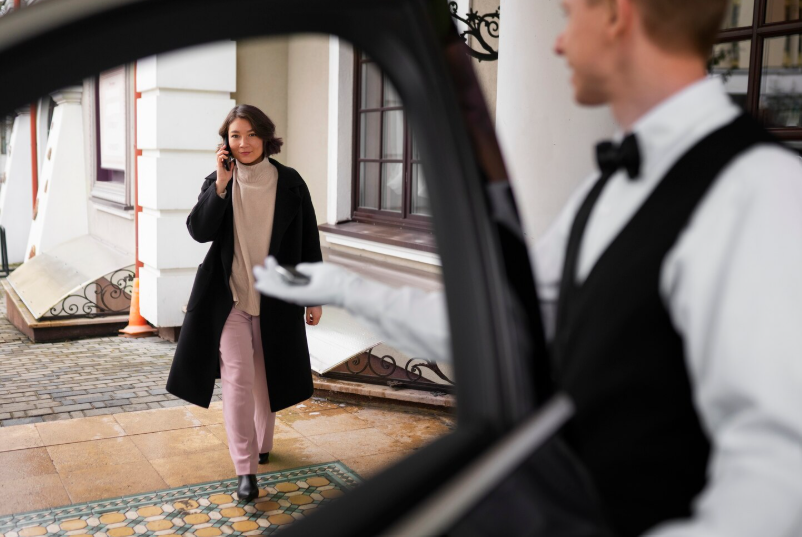
Behind Closed Doors: Private Palace Tours Only Available by Invitation
In an era where travel has become increasingly accessible, true exclusivity has become the ultimate luxury. Beyond public galleries, roped-off corridors, and guided group visits lies a world few ever experience: private palace tours available only by invitation. These rare encounters offer more than architectural beauty or historical anecdotes—they provide an intimate glimpse into living heritage, refined tradition, and the subtle power dynamics that have shaped nations for centuries.
The Allure of the Unseen
Palaces have always symbolized authority, elegance, and cultural identity. While many are open to the public in limited capacity, invitation-only tours unlock spaces deliberately kept out of sight. These include private apartments, ceremonial salons, restricted archives, and gardens designed not for spectacle but for solitude. The allure lies not only in what is seen, but in what is normally withheld.
Access is often granted through diplomatic channels, cultural institutions, royal foundations, or personal introductions. Guests may include heads of state, patrons of the arts, cultural leaders, or individuals with longstanding ties to the palace’s custodians. The result is a profoundly personal experience that transcends conventional tourism.
A Curated Experience, Not a Tour
Unlike public visits that follow a fixed route and schedule, private palace tours are meticulously curated. Each visit is shaped around the interests of the guest, whether architectural history, fine art, political legacy, or ceremonial tradition. Expert historians, archivists, or members of the royal household often lead these tours, offering insights unavailable in guidebooks or audio recordings.


The Spanish Group
If you’re seeking professional translation and localization services to enhance your global ventures, visit The Spanish Group — your trusted partner in bridging cultures worldwide.
LEARN MOREConversations unfold naturally, questions are encouraged, and time is not rushed. This level of engagement transforms the experience into a dialogue with history rather than a passive observation of it.
Living History Behind Palace Walls
What sets private palace tours apart is the realization that these spaces are not relics—they are living environments. Many palaces remain active residences or ceremonial centers. Guests may witness preparations for state functions, glimpse daily routines, or learn how centuries-old traditions are adapted to modern governance.
From handwritten correspondence between monarchs to personal art collections never exhibited publicly, these details humanize institutions often perceived as distant or untouchable. They reveal the personal narratives behind public power.
Architecture as a Language of Power
Palaces are masterclasses in symbolic architecture. Every corridor, ceiling height, and spatial transition was designed with intention. During private tours, these architectural choices are explained in context—how a staircase signaled hierarchy, how light was used to convey authority, or how gardens were positioned to reflect philosophical ideals.
Such insights deepen appreciation not only for aesthetics, but for architecture as a tool of communication. Palaces were built to impress, intimidate, and inspire, and understanding this language enriches the experience immeasurably.
The Role of Discretion and Trust
Invitation-only access relies heavily on discretion. Photography may be restricted, locations undisclosed, and details intentionally vague. This confidentiality preserves the sanctity of the space and protects its occupants. Guests are trusted not merely as visitors, but as temporary custodians of cultural respect.
This mutual understanding creates a rare atmosphere of authenticity. Without crowds or spectacle, palaces reveal themselves quietly, allowing guests to absorb their significance without distraction.
A New Definition of Luxury Travel
In today’s travel landscape, luxury is no longer defined solely by five-star accommodations or first-class flights. It is defined by access, authenticity, and meaning. Private palace tours embody this evolution. They offer emotional resonance, intellectual enrichment, and cultural intimacy that cannot be replicated.
For seasoned travelers, these experiences become defining moments—memories rooted not in extravagance, but in connection to history, art, and human legacy.
Why These Experiences Matter
Beyond personal enrichment, private palace tours play an important role in cultural preservation. Many are linked to foundations or initiatives that support restoration, education, and historical research. Participation often contributes directly to the maintenance of these sites for future generations.
They also foster cross-cultural understanding. By opening their doors selectively, palaces extend a gesture of trust and dialogue, reinforcing the idea that heritage is not meant to be locked away, but shared thoughtfully.
Conclusion: Privilege, Responsibility, and Perspective
To step behind closed palace doors is to experience history in its most intimate form. It is a privilege that carries responsibility—one that demands respect for tradition, confidentiality, and cultural nuance. These invitation-only tours remind us that the most meaningful journeys are not measured by distance traveled, but by depth of understanding gained.
In a world that increasingly values speed and visibility, such quiet, profound experiences stand apart. They invite us to slow down, listen closely, and appreciate the enduring power of heritage preserved with care.
Stay Connected for More Travel and Lifestyle Inspiration.
For more insights into travel, culture, and lifestyle tips, follow me on Instagram @salvadorordorica. If you’re seeking professional translation and localization services to enhance your global ventures, visit The Spanish Group — your trusted partner in bridging cultures worldwide.
The Spanish Group
If you’re seeking professional translation and localization services to enhance your global ventures, visit The Spanish Group — your trusted partner in bridging cultures worldwide.
LEARN MORE