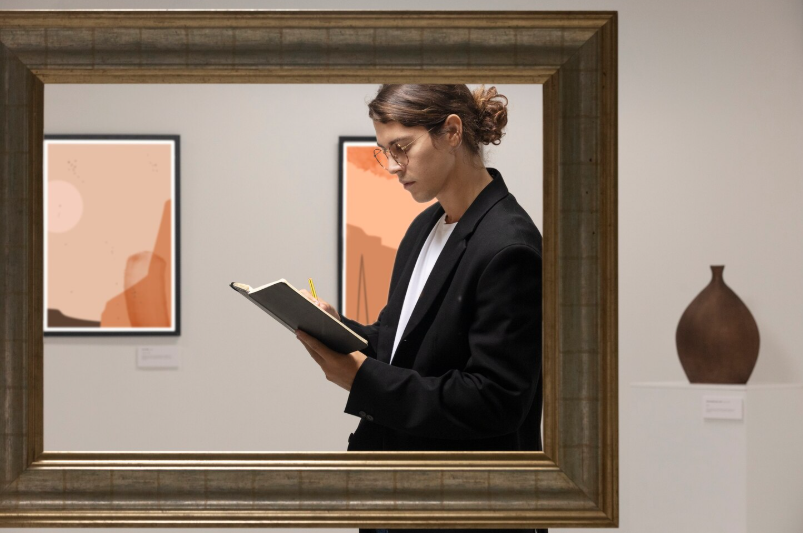
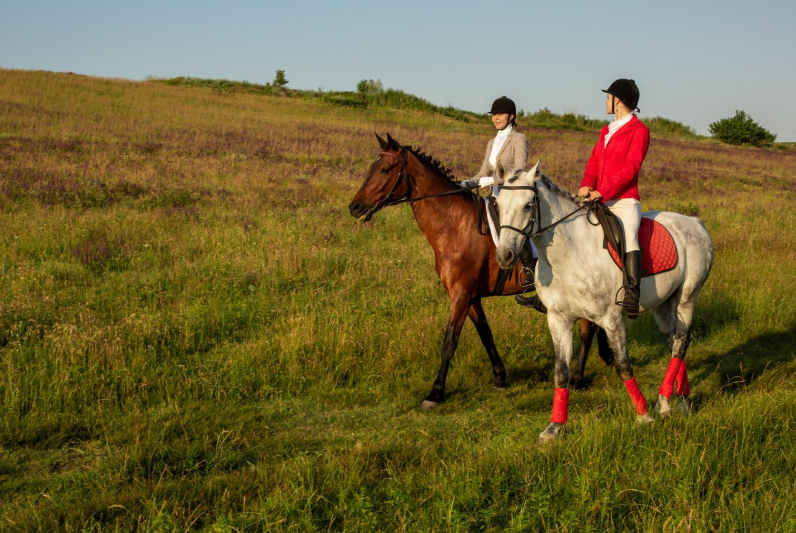
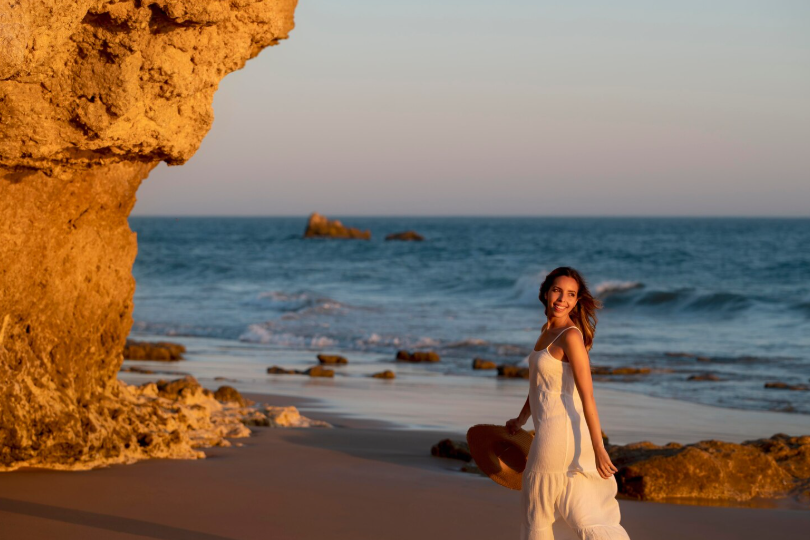
Europe’s art scene blends centuries of tradition with cutting-edge contemporary practice. For collectors, cultural directors, and serious travellers, exclusive galleries offer three things that public museums rarely provide: intimate encounters with exceptional works, direct dialogue with curators and artists, and access to private viewings and limited exhibitions. Whether you are cultivating a private collection, researching acquisitions, or simply looking for thoughtful inspiration, knowing how to approach these spaces—and which ones to prioritise—makes all the difference.
What Defines an “Exclusive” Gallery?
An exclusive gallery is not defined solely by its price tags. It combines a strong curatorial vision, a reputation for representing prominent or highly promising artists, a selective client base, and the ability to organise private appointments or off-hours viewings. Many of these galleries operate internationally with flagship spaces in London, Paris, and Zurich, and they often coordinate closely with major institutions, auction houses, and private collectors.
Top European Galleries to Know
Gagosian (Multiple Cities)
With spaces across Europe, Gagosian is synonymous with major contemporary artists and museum-quality exhibitions. The gallery’s program typically attracts international collectors and institutional loans, and its shows are reliable places to see canonical works in an intimate setting. Appointments and previews are advisable for notable openings.
Hauser & Wirth (Zurich, London)
Hauser & Wirth combines ambitious exhibitions with scholarly catalogues and public programming. Many of its spaces are architecturally impressive, and the galleries often host special events or private viewings for clients and patrons.
White Cube (London)
Known for launching and sustaining important contemporary careers, White Cube operates in a way that balances high visibility with collector services. When visiting, enquire about private tours to gain context from the curatorial team.
Fondation Louis Vuitton & Private Foundations (Paris)
Although technically foundations rather than commercial galleries, privately funded institutions like Fondation Louis Vuitton offer curated, exclusive experiences and often present large-scale shows that attract top-tier collectors and curators. These spaces reward repeat visits and deeper engagement.
David Zwirner & Other International Names
Galleries such as David Zwirner and Lisson are central to the international gallery circuit. They present carefully staged exhibitions and facilitate introductions for clients interested in institutional loans, commissions, or long-term acquisition planning.
How to Gain Access: Practical Strategies
Access is often a matter of relationships and preparation. Here are practical steps to secure meaningful visits and conversations:
Book ahead: Many galleries require appointments—especially for private or off-hour viewings. Contact the gallery directly or work through a curator or advisor.
Leverage introductions: Use professional contacts, art advisors, or institution liaisons to request introductions. A single thoughtful email from a respected peer can open doors.
Attend previews and fairs: Major art fairs and VIP previews are efficient ways to encounter new work and meet gallery directors.
Be specific: When you request a meeting, explain your interest (acquisition, research, commission, loan) so the gallery can prepare relevant works and information.
Consider memberships: Some galleries and foundations offer patron or membership programs that include private viewings, dinners, and curatorial briefings.
What to Expect During a Private Viewing
Private viewings are tailored to your interests. Expect a focused walkthrough, a curator or director ready to discuss provenance and condition, and access to works that may not be on public display. Use this time to ask about conservation histories, exhibition trajectories, and potential loans. Take notes and request high-resolution images or condition reports if you are considering acquisition.
Collecting Intelligence: Research and Due Diligence
Exclusive galleries can facilitate research into an artwork’s exhibition history, provenance, and authenticity. Always request documentation and, if acquiring, secure independent conservation and valuation assessments. Working with a trusted advisor or legal counsel will streamline negotiations and protect your interests in cross-border purchases.
Etiquette and Respectful Conduct
Galleries invest substantial time and resources in their programs. Arrive punctually, dress professionally, and follow any photography or handling policies. If you intend to publish images or reproduce material, request permissions in advance. Maintaining a respectful and collegial relationship with gallery staff ensures smoother interactions in the future.
Conclusion: Curating Your European Art Experience
The value of visiting Europe’s exclusive galleries goes beyond the works you see: it is about building relationships, deepening knowledge, and participating in a living cultural conversation. Whether you are a director shaping institutional programming or a collector refining a private collection, a strategic approach—premeditated visits, thoughtful introductions, and careful due diligence—will enrich your engagement and ensure lasting returns on both intellectual and financial investment.
Luxury Horseback Riding Tours in Europe’s Countryside
An executive guide to curated equestrian journeys that combine refined hospitality, authentic landscapes, and expertly managed riding experiences across Europe.
Introduction: Why Choose a Luxury Equestrian Journey?
Luxury horseback riding tours are more than a pastime; they are an immersive way to experience a region’s heritage, terrain, and hospitality. For discerning travellers — whether directors planning incentive trips, families seeking multi-generational bonding, or solo adventurers wanting purposeful escape — these curated rides provide access to private estates, seasonal cuisine, and expert guides while maintaining the highest standards of safety and comfort. Unlike mass-market riding experiences, luxury tours place equal emphasis on stables, accommodations, culinary programme, and personalised service.
Signature Regions and What They Offer
Tuscany and the Italian Countryside
Tuscany’s rolling vineyards and olive groves form a cinematic backdrop for horseback exploration. Luxury operators here typically combine gentle trail riding with stays at restored agriturismos or boutique villas. Expect private wine tastings, truffle-hunting excursions, and chef-led farm-to-table dinners that celebrate regional produce. Terrain ranges from flat valley paths to more challenging ridge trails — ideal for riders of mixed ability when experienced guides curate daily routes.
The Andalusian Heartland, Spain
Spain’s Andalusia is synonymous with equestrian culture: classical riding schools, purebred Andalusian horses, and a tradition of horsemanship that dates back centuries. Luxury tours emphasize classical training demonstrations, flamenco evenings on estate grounds, and access to private fincas. Riders can expect high-calibre mounts, personalised tack fitting, and the option to pair riding days with cultural visits to historic towns and private art collections.
The Irish and Scottish Countryside
For those seeking wide open skies and dramatic coastlines, Ireland and Scotland offer estate-based riding through moors, glens, and coastal paths. Luxury properties often include manor-house accommodations, private chefs, and options for fishing, shooting, or golf on request. The focus is on expansive riding days tailored to fitness and skill, coupled with evenings of refined hospitality and intimate storytelling about the land and its stewards.
The French Loire Valley and Provence
France presents a dual appeal: the pastoral charm of the Loire Valley with châteaux routes, and the sun-drenched, lavender-scented tracks of Provence. Luxury tours can integrate château stays, private vineyard visits, and gourmet lunches at Michelin-associated restaurants. Expect meticulous stable management, multilingual guides, and options for private instruction, making these regions excellent for both leisure riders and those improving their technique.
What Defines “Luxury” in an Equestrian Tour?
Luxury here is defined by three pillars: equine quality, personalised service, and curated non-riding experiences. High-end operators use well-bred, well-trained horses matched to guests’ riding ability, and maintain dedicated grooms and farriers to ensure animal welfare. Accommodations are selected for privacy and character — from restored châteaux to boutique country hotels — with on-site spa services, private dining, and concierge-level logistics for transfers and special requests.
Safety, Skill Levels and Logistics
Top-tier tours prioritise safety without sacrificing the sense of adventure. Pre-ride briefings, personalised tack fitting, route maps, and experienced guides are standard. Luxury operators often offer ride options for beginners to advanced riders, with private lessons and supervised hacks for novices. Logistics — including horse transport, luggage transfers, and medically vetted emergency plans — are handled discreetly so guests can focus on the experience rather than the mechanics.
How to Select the Right Provider
Begin by defining objectives: Is the trip primarily about riding, or is it a broader cultural itinerary with riding as its backbone? Request detailed horse bios, guide credentials, daily schedules, and sample menus. Check rider-to-guide ratios and read independent guest reviews that speak to both riding authenticity and service. For corporate or incentive travel, inquire about customizable branding opportunities, private events, and confidentiality measures when hosting high-profile guests.
Sustainable and Ethical Considerations
Luxury need not be at odds with sustainability. Seek operators that maintain transparent animal welfare standards, support local communities through sourcing, and manage land sensitively. Ethical practices include limited group sizes, rotational trail use to prevent overgrazing, and partnerships with local conservation or heritage organisations.
Practical Tips for a Seamless Experience
Pack technical yet refined riding apparel, confirm passport and visa requirements, and communicate dietary and medical needs in advance. Request a pre-trip briefing with the guide to tailor the itinerary and horse assignments. For directors organising group travel, secure travel insurance that covers equestrian activities and include contingency plans for seasonal weather or last-minute substitutions of mounts.
Conclusion: Learning New Languages as an Expat — Strategies for Quick Success
Travel and living abroad extend beyond landscapes and lodgings—language opens doors to deeper connections and smoother logistics. For expats seeking rapid progress, prioritise functional vocabulary relevant to daily life and your interests (hospitality, equestrian terms, transport). Combine focused daily practice with immersive, conversational sessions and local exchanges—ride-side conversations and meals with hosts are excellent practice. Use spaced repetition tools for retention and book regular one-on-one coaching for pronunciation and nuance. Within weeks, functional fluency will enhance your interactions, improve service experiences, and deepen cultural appreciation.
A curated tour of the continent’s most exclusive hotel residences — what commands their price tags, the experiences they promise, and why they matter for travellers who demand the very best.
Introduction: What Makes a Suite Truly Exceptional?
When hoteliers price a suite at the upper echelons, they are selling more than square footage and views. They are selling provenance, privacy, personalised service, and craft. The most expensive suites in Europe combine iconic locations, bespoke interiors by celebrated designers, private amenities (think personal butlers, private pools, or in-suite spas), and experiential extras such as private chauffeurs, curated art, and access to otherwise closed cultural moments. This guide focuses on those ingredients and presents a selection of suites that exemplify them.
Signature Suites to Know
1. The Royal Penthouse — Iconic City Landmark
Perched at the top of an historic palace-converted hotel, this kind of penthouse typically offers sweeping skyline views, multiple bedrooms, a formal dining room for private receptions, and a dedicated staff team. The interior often honours local craftsmanship—handmade linens, bespoke furniture, and works by prominent regional artists—while discreet contemporary technology ensures modern comfort. Bookings often include airport transfers by luxury car, bespoke city tours, and priority access to cultural institutions.
2. The Riviera Water Suite — Coastal Opulence
Found along the Mediterranean and Adriatic coasts, water-facing suites combine indoor-outdoor living with private terraces and plunge pools that drop directly to the sea or cliffside gardens. Natural light, marine-inspired palettes, and artisanal touches reinforce the sense of place. Price premiums arise from absolute privacy, the exclusivity of beachfront access, and on-demand experiences such as private boat charters or in-suite seafood banquets prepared by Michelin-trained chefs.
3. The Heritage Salon — Historic Mansion Suites
Some of Europe’s most costly suites are located within preserved aristocratic townhouses and manor houses. These spaces keep original architectural features—parquet floors, frescoed ceilings, carved fireplaces—while delivering contemporary comforts. The appeal lies in the emotional resonance of staying where history was made, often accompanied by private tours of the property, tailored dinners in formally restored dining rooms, and access to exclusive estate lands or gardens.
4. The Alpine Chalet Suite — Mountain-Top Luxury
In the Alps and other high-altitude destinations, premier suites offer timber-clad interiors, panoramic mountain vistas, private saunas, ski-in/ski-out convenience, and curated wellness programmes. The price reflects not just the amenities but the seasonality and logistical complexity of servicing remote properties. These suites are frequently paired with private guides for heli-skiing, mountain dining experiences, and bespoke après-ski services.
What You Pay For: Amenities, Privacy and Service
Across locations and styles, three recurring justifications for ultra-high rates emerge: (1) personalised service — agents and teams who anticipate needs before they are voiced; (2) privacy and exclusivity — dedicated entrances, private elevators, or entire floors reserved for suite guests; and (3) curated experiences — everything from private museum viewings to in-suite concerts and bespoke wellness programmes. These elements combine to create not just lodging, but a handcrafted stay that travellers often book for landmark moments: anniversaries, high-value negotiations, or as part of a once-in-a-lifetime itinerary.
How to Choose the Right Suite for Your Visit
Start by defining the occasion and the practical needs: do you prioritise proximity to cultural institutions, complete seclusion, family-friendly layouts, or a hub for business meetings? Verify what is included in the rate (meals, transfers, taxes), and ask about the typical composition of guests at the property so you can assess the level of privacy. When possible, request a direct conversation with the reservations manager — they can often create tailored packages that offer superior value and unique experiences beyond the sticker price.
Value Considerations: When an Expensive Suite Is Worth It
High cost becomes defensible when the intangible benefits align with your objectives. If the stay will host important clients, or if privacy and flawless logistics are mission-critical, the suite’s premium can be an investment in outcomes. For milestone celebrations, the curated moments—private tastings, cultural access, or specialised wellness—can create memories and photographs that outweigh the headline rate. Conversely, for travellers who seek discovery and dynamic local interaction, a high-end but not ultra-premium suite may offer a better balance.
Practical Tips for Booking and Upselling
Work directly with the hotel or a trusted travel specialist. Negotiate by asking for added value rather than rate reductions: airport transfers, complimentary spa treatments, a private dinner, or late checkout can elevate the stay without changing the published price. Book well in advance for peak season; alternatively, book during shoulder months for better negotiating leverage. Always confirm cancellation and modification policies in writing given the high stakes of these reservations.
Conclusion: Learning New Languages as an Expat — Strategies for Quick Success
Living and travelling among Europe’s finest addresses is as much cultural as it is geographic. For expats and frequent travellers, language unlocks richer service, easier negotiation, and deeper cultural connection. Prioritise practical vocabulary: phrases related to hospitality, dining, transport, and local etiquette. Combine short, daily immersive sessions with neighbourhood practice — order coffee, ask for directions, or request local recommendations. Use spaced repetition tools for retention, supplement with private conversation coaching for the phonetics, and aim for functional fluency: enough language to show respect and to participate meaningfully in local exchanges. The reward is immediate: better service, warmer hospitality, and a more authentic stay.
Europe’s Best Luxury Music Festivals with VIP Access
Introduction
The modern festival landscape has diversified beyond mass crowds and muddy fields. Across Europe, a cohort of festivals now offers elevated experiences for travellers who expect world-class programming combined with five-star hospitality: private lounges, gourmet catering, concierge services, premium viewing platforms and curated cultural extras. For hospitality professionals, travel designers and discerning guests, understanding what luxury festival access delivers — and how to position it — is an important part of contemporary lifestyle travel.
What defines a luxury festival experience?
A luxury festival experience is defined less by price and more by service, curation and exclusivity. Key elements include: dedicated VIP entrances and viewing areas, private hospitality suites or lounges, premium food and beverage offerings (often locally sourced or chef-driven), backstage or artist-adjacent experiences, personalised concierge services and on-site comfort (private restrooms, shaded seating and quiet lounges). These features transform attendance from passive spectating into a highly curated, seamless lifestyle moment.
Top European festivals that deliver premium VIP access
Tomorrowland is a global benchmark for large-scale immersive production. Beyond the main stages, VIP packages include exclusive viewing platforms, private lounges, premium catering and curated accommodation options — from boutique hotels to on-site DreamVille villas. For clients who value spectacle and flawless logistics, Tomorrowland’s premium offerings transform the festival into a comfortable and unforgettable escape.
Montreux Jazz Festival (Montreux, Switzerland)
Genre: Jazz / eclectic — Why it’s luxury: intimate venues, waterfront hospitality and artist curation.
Montreux blends musical pedigree with refined hospitality. VIP ticket holders enjoy access to reserved seating in intimate venues, backstage events, and invitations to exclusive concerts. The festival’s lakeside setting and partnerships with luxury hotels and Michelin-level dining make it an excellent fit for travellers seeking culture with calm and comfort.
Salzburg Festival (Salzburg, Austria)
Genre: Classical / opera — Why it’s luxury: world-class programming, formal hospitality and private receptions.
Salzburg is the exemplar of classical festival luxury. VIP packages frequently include private rehearsals, artist receptions, premium seating and hospitality that mirrors the seriousness of the music on offer. For clients who prioritize prestige and cultural depth, Salzburg delivers timeless elegance.
Primavera Sound (Barcelona, Spain)
Genre: Indie / alternative — Why it’s luxury: curated VIP areas, hotel partnerships and concierge services.
Primavera has broadened its premium services to include comfortable VIP terraces, backstage-style viewing platforms and coordinated hotel packages. The Barcelona setting adds excellent dining and design-led hospitality options, appealing to clients who want stellar lineups without compromising on comfort.
Glyndebourne Festival (East Sussex, UK)
Genre: Opera — Why it’s luxury: picnic formalities, private boxes, and longstanding traditions.
Glyndebourne’s day-long operatic format is a study in refined festival-going. Private boxes, beautifully appointed dining options and an emphasis on tradition and ceremony make it a natural fit for guests who expect a composed and distinctly English interpretation of ‘festival luxury.’
Ibiza Season and Curated Yacht Events (Balearics, Spain)
Genre: Electronic / house — Why it’s luxury: VIP tables, private yacht charters and sunset hospitality.
Ibiza’s premium events — from marquee club residencies to boutique yacht parties — give VIP guests unparalleled access to artist experiences, private terraces and bespoke food and beverage. For guests combining festival energy with luxury transport and accommodation, Ibiza remains unmatched.
How to evaluate VIP packages for clients
Access vs. extras: Check whether the package offers only better sightlines or also includes hospitality, artist encounters and concierge services.
Logistics and exclusivity: Prioritise packages that minimise queue times and include private check-in, dedicated restrooms and secure storage.
Food, drink and comfort: Premium catering, reserved seating, shade and climate-control features often determine overall satisfaction.
Customization and add-ons: The best luxury offerings allow upgrades — private transfers, bespoke dining experiences and curated backstage opportunities.
Sustainability, reputation and safety
Luxury travellers increasingly expect ethical and sustainable practices. When recommending VIP experiences, assess a festival’s environmental policies, waste management, and local-community engagement. Reputation and safety protocols — especially crowd management and medical services — are essential when booking for high-profile or older clients.
Practical tips for travel designers and hosts
Build packages that bundle VIP festival access with hotel suites, private transfers and early check-in. Offer pre-event briefings, local dining suggestions and options for quiet downtime — festivals can be intense, and a measured itinerary keeps the experience restorative as well as exciting. Finally, use high-quality imagery and testimonial quotes from past VIP guests when marketing these packages.
Conclusion
Luxury music festivals in Europe are about more than access — they are carefully crafted moments where music, place and hospitality converge. Thoughtful VIP programming and hospitality enhance enjoyment and provide currency for storytelling: memories that guests will recount long after the final encore.
Learning New Languages as an Expat: Strategies for Quick Success
As a closing note, many festival-goers and luxury travellers are active expats. Rapid language acquisition improves both social and service interactions. Effective strategies include daily micro-practice (15–30 minutes of focused drills), prioritising travel- and hospitality-related phrases, joining language exchanges for conversational confidence, immersing through local media and menus, and using short, goal-oriented sessions with tutors for pronunciation and cultural nuance. Real-world practice — ordering, asking about ingredients, or greeting staff — accelerates fluency and deepens cultural connection.
Stay Connected for More Travel and Lifestyle Inspiration. For more insights into travel, culture, and lifestyle tips, follow me on Instagram @salvadorordorica. If you’re seeking professional translation and localization services to enhance your global ventures, visit The Spanish Group — your trusted partner in bridging cultures worldwide.
Europe’s Best Luxury Deserted Beaches for Seclusion
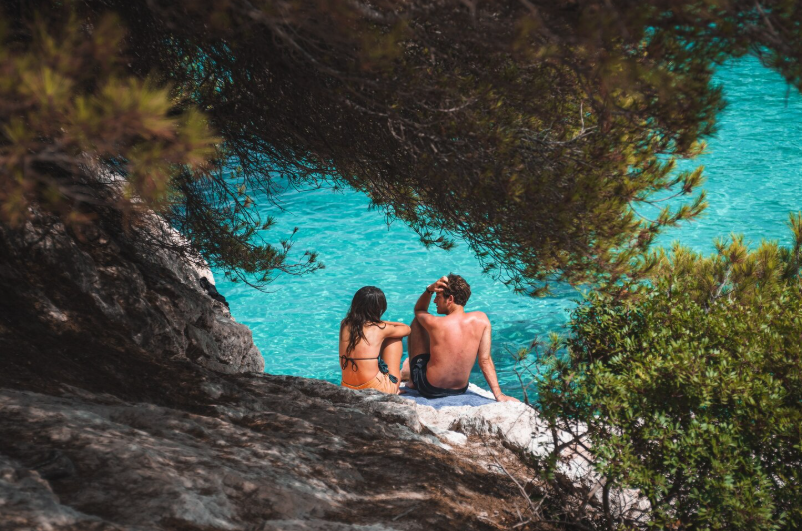
By the Director — For travellers who value silence over spectacle and privacy over crowds, Europe still offers extraordinary coastal places where sand, sea and service meet in perfect seclusion. These are beaches where luxury is quiet: private coves, white-sand stretches reached by boat, and estates that blend discreet hospitality with untouched landscapes.
What defines a luxury deserted beach?
Seclusion is more than a lack of people; it is intentional access, thoughtful amenities and a preservation of place. A luxury deserted beach typically combines limited access (private coves, timed permits, or boat-only arrival), attentive but unobtrusive service (private dining, discreet housekeeping), and a commitment to environmental stewardship. The ambience is natural rather than contrived — sparse infrastructure, local materials, and staff trained to anticipate needs without intruding.
Top secluded beaches across Europe
1. Cala Saona, Formentera, Spain
Formentera remains the Balearic secret: crystalline waters, low-rise architecture and a slower tempo. Cala Saona’s sheltered bay is perfect for those who prize turquoise water and minimal development. Luxury here means private beach huts, late-afternoon picnics prepared by a local chef, and boat transfers that avoid public jetties. Travelers can enjoy snorkeling directly from shore and return to villas where service is tailored to privacy.
2. Spiaggia dei Conigli, Lampedusa, Italy
Often called Europe’s most beautiful beach, Lampedusa’s Spiaggia dei Conigli is remote and protected, accessible by a short walk through dunes or by private boat. High-end travellers arrange exclusive shore visits at dawn or dusk, avoiding the limited public hours. Luxury experiences focus on culinary simplicity: seafood platters from island fishers, shaded cabanas, and eco-conscious transfers that support the island’s conservation efforts.
3. Plage de Saleccia, Corsica, France
Saleccia, reached by 4×4 tracks or boat, rewards the patient traveller with powdery sand and crystalline sea. Private villas and small eco-lodges in the area provide intimate service and allow guests to arrive before day-trippers. Think picnic lunches featuring charcuterie from nearby villages, sunset tastings of Corsican wines, and the option of a private skipper to reach neighbouring coves.
4. Praia da Ursa, Sintra, Portugal
Near Lisbon but feeling far away, Praia da Ursa is a dramatic, windswept cove defined by jagged rock formations. Access requires a descent over rough paths, which keeps numbers low. Luxury here is rugged and curated: guided walks with an expert naturalist, picnic set-ups on the headland, and secluded boutique guesthouses that provide hearty regional breakfasts to fuel exploration.
5. Kleftiko Coves, Milos, Greece
Milos’s famed coves are carved from volcanic rock and reached primarily by private boat. Chartering a small yacht grants access to caves and isolated swim spots where few others arrive. Luxury operators include onboard chefs, diving guides, and tailored itineraries that combine sea exploration with visits to family-run tavernas onshore.
How to plan a secluded beach escape
Plan with intention. Choose off-peak windows (shoulder seasons such as late spring or early autumn) and consider private transfers—helicopter, yacht or chauffeured 4x4s—over public options. Confirm arrival logistics with the property: some coves have strict environmental rules or limited landing points. For ultimate discretion, book exclusive-use villas or small boutique hotels that control access to nearby beaches.
Luxury services that enhance seclusion
Discreet luxury focuses on personalization: beachside dining arranged on request, private wellness treatments delivered in situ, guided snorkelling with a marine biologist, and tailored privacy measures for high-profile guests. Ensure the property follows best practices for waste management and works with local suppliers to minimize ecological impact.
Responsible and respectful travel
Secluded beaches are fragile ecosystems. Choose operators that prioritise conservation: they should limit visitor numbers, use low-impact moorings, and support local conservation programmes. Respecting nesting seasons, avoiding single-use plastics and engaging with local communities ensures these places remain pristine for future visitors.
Practical tips for an elevated and safe visit
Check tides and weather in advance; remote beaches can become hazardous during sudden swells.
Pack essentials in sturdy, water-resistant bags—remote landings often lack facilities.
Engage local guides for access and safety; they know the safest routes and best times to visit.\li>
Confirm emergency procedures with your host and carry a satellite or local emergency contact if available.
Respect local regulations—many protected beaches limit access to preserve wildlife and plant life.
Learning New Languages as an Expat: Strategies for Quick Success
Living or travelling in new countries deepens when you speak the language. Start with essential phrases for logistics and hospitality—directions, dining, and safety. Pair daily conversational practice with short formal lessons and real-world application: order at a taverna, ask a local about wildlife protections, or discuss menu ingredients with the chef. Language skills unlock trust, better service and deeper cultural exchange during every secluded stay.
Stay connected for more travel and lifestyle inspiration. For more insights into travel, culture, and lifestyle tips, follow me on Instagram @salvadorordorica. If you’re seeking professional translation and localization services to enhance your global ventures, visit The Spanish Group — your trusted partner in bridging cultures worldwide.
For company directors and senior leaders, Europe’s most exclusive private islands represent more than idyllic escapes—they’re strategic assets. Whether your objective is executive off-sites that truly reset thinking, ultra-high-touch client hospitality, or a discreet base for creative work, the right island blends privacy, access, and operational control. This guide distills what matters when evaluating opportunities across the Mediterranean and North Atlantic, and how to turn an island experience into a differentiated advantage for your brand.
What Makes an Island “Exclusive” in a European Context?
Exclusivity in Europe is a function of access, ownership, governance, and guest management. Few islands are entirely off limits to the public; many are privately owned or privately managed with controlled access. The question for a leadership team is not only, “How beautiful is this place?” but “How reliably can we control the experience end-to-end without friction?”
First, consider access. Seasonal airlift and maritime conditions vary widely. In the Balearics or the Ionian Sea, private aviation pairs with short tender transfers, while in the Hebrides or Inner Seas off Scotland, weather windows and daylight matter. Helicopter pads, sheltered moorings, and proximity to Category II/III airports shift the risk profile from “picturesque” to “practical.”
Second, evaluate ownership and governance. Some islands are fully private freehold; others are long-term concessions or estates within protected zones. Understand the permitting environment for renovations, docks, helipads, and sustainability systems (water, waste, energy). Directors should request a clear permitting timeline, environmental impact baseline, and a compliance roadmap aligned with EU, national, and local regulation.
Third, scrutinize the operational model. Truly exclusive stays require integrated logistics: provisioning, crew rotation, technical maintenance, cybersecurity, and medical contingency. For off-sites, define how you’ll safeguard IP during workshops, secure connectivity (redundant satellite + 5G boosters), and maintain brand standards under varying conditions.
Finally, consider narrative fit. The right island becomes a signature setting—an extension of your leadership story. Whether your organization values heritage craftsmanship, avant-garde design, or regenerative stewardship, choose a place whose history and ecology reinforce your message. When destination and strategy sync, the experience feels intentional rather than indulgent.
Five Noteworthy Islands: Profiles, Strengths, and Use Cases
Europe offers a mosaic of private or privately managed islands—each with distinct advantages. The examples below illustrate common profiles and how directors often deploy them. Availability and access protocols change seasonally; treat these as archetypes to guide due diligence.
Skorpios, Ionian Sea (Greece)
Once owned by the Onassis family and now privately held and redeveloped with strict access controls, Skorpios is synonymous with discretion. Its sheltered coves, wooded interior, and proximity to Preveza and Aktion Airport make it attractive for ultra-private gatherings. Use case: marque product councils, board retreats, and philanthropic summits where confidentiality is paramount.
Tagomago, Ibiza (Spain)
A small island just east of Ibiza, Tagomago’s draw is logistical simplicity: quick helicopter hops or short sea transfers from a major Mediterranean hub. The vibe is Balearic—sun-washed, design-driven, and service-forward. Use case: client entertainment, leadership sprints, and media launches that benefit from “private yet near the action.”
Île de Cavallo, Lavezzi Archipelago (France)
Cavallo sits between Corsica and Sardinia, a car-free island with crystalline waters and a cultivated, low-profile community. Access is by boat, with Porto-Vecchio and Bonifacio nearby. Use case: executive wellness programs, intimate investor dialogues, and artisanal brand immersions where pace and sensory quality matter.
Eilean Shona, Loch Moidart (Scotland)
A privately owned island off Scotland’s west coast, Eilean Shona is wild, walkable, and cinematic. Weather is part of the experience; so is silence. Use case: deep work retreats for creative teams, scenario planning, and leadership renewal; the North Atlantic mood prompts reflective, long-horizon thinking.
San Clemente, Venetian Lagoon (Italy)
While not “private” in the freehold sense, San Clemente is an island dominated by a single luxury property, creating an effectively controlled environment minutes from Venice by water taxi. Use case: Europe-centric client forums and cultural partnerships that pair privacy with world-class art and heritage access.
Director’s Due Diligence Checklist
Before you commit budget or brand equity to an island program, align on the following:
Legal & Environmental: Ownership structure; easements and riparian rights; Natura 2000 or national-park constraints; waste-water and desalination approvals.
Technology: Redundant internet; AV for hybrid meetings; protected storage for sensitive materials; cybersecurity for guest devices.
Operations: Power mix (grid, solar, gensets); cold-chain and provisioning; crew accommodation; vendor SLAs; insurance coverage.
Experience Design: Carrying capacity; acoustic zoning; programming (wellness, culinary, cultural); measurable outcomes for your meeting or activation.
Tip: appoint a single accountable owner (internal or external) for compliance, with authority to halt programming if environmental or safety thresholds are breached.
Building Signature Experiences Without the Friction
Exclusive doesn’t have to mean complicated. The most successful directors shape experiences that are high-impact for guests and low-drag for teams. Start with a one-page intent: what do you want guests to think, feel, and do after this island stay? Use that page to guide choices on pacing, activities, and communications.
For executive off-sites, pair focused working blocks with high-quality recovery—cold-water swims, guided hikes, or chef-led produce tastings. For client hospitality, emphasize authentic local culture: host a string quartet in a stone chapel, arrange a small-boat geology tour, or curate a makers’ market showcasing island artisans. Keep guest groups small and itineraries spacious; scarcity and space are the true luxuries.
On operations, design for redundancy. Hold critical sessions indoors with outdoor alternatives ready, maintain over-staffed safety cover for water activities, and pre-issue guest briefings that normalize flexibility (“Plan A is perfect; Plan B is prepared.”). Finally, capture the experience with consented, minimal-footprint content (one photographer, clear shot list) that can be reused across investor updates, employer branding, and client development—extending ROI beyond the trip itself.
From Island to Initiative: Turning Moments into Momentum
The island is a stage; the strategy is the script. To turn a rarefied setting into measurable outcomes, tie each element to a broader initiative. If your priority is innovation, run founder-style product ateliers with external provocateurs. If it’s culture, host listening circles that surface what your people need next. For client growth, choreograph encounter design so senior principals spend unhurried time with the right counterparts.
Post-event, move fast. Within a week, issue a concise action memo recapping decisions, owners, and dates. Within a month, ship a micro-deliverable (prototype, pilot, or policy draft) that proves momentum. Within a quarter, communicate outcomes to stakeholders with a short film or photo essay from the island—demonstrating stewardship, not extravagance. When an island experience is framed as a disciplined initiative, directors earn credibility while delivering inspiration.
Learning New Languages as an Expat: Strategies for Quick Success
Many directors and senior leaders spend extended periods in Europe. Rapid language acquisition is both a personal advantage and a professional signal of respect. Start with high-frequency frameworks (the 500 most common words and phrases for your sector), then layer micro-immersion: conduct daily stand-ups in the local language, rotate a “language buddy,” and schedule a weekly 30-minute lesson focused solely on your upcoming meetings. Structure your devices to help you—switch phone language settings, curate local news alerts, and maintain a spaced-repetition deck. Finally, practice polite imperfection: use the language early and often, even if you make mistakes. Fluency grows from momentum, not perfection.
Stay Connected for More Travel and Lifestyle Inspiration
For more insights into travel, culture, and lifestyle tips, follow me on Instagram @salvadorordorica. If you’re seeking professional translation and localization services to enhance your global ventures, visit The Spanish Group— your trusted partner in bridging cultures worldwide.