by Dulce Navarro | Aug 20, 2025 | Culture, Europe, Lifestyle, Luxury, Travel
Luxury European City Breaks: From Paris to Prague
For time-pressed company directors, a European city break can deliver outsized returns: sharper perspective, refreshed energy, and premium environments for high-level thinking and discreet client meetings. The following guide curates short, luxury-leaning itineraries across emblematic cities—Paris, London, Milan, Barcelona, Vienna, and Prague—highlighting where to stay, how to move, and what to prioritize when every hour counts.
Paris: Grand Hotels, Private Salons, and After-Hours Culture
Base yourself on the Right Bank for classic grandeur or the Left Bank for quiet elegance. Flagship properties near the Place Vendôme and the rue Saint-Honoré place you steps from haute couture, gallery previews, and Michelin dining. For discreet negotiations, reserve a private salon at a palace hotel; impeccable service and soundproofing make the difference when details matter.
Prioritize experiences that compress value into short windows: a curator-led visit to a marquee museum before opening hours, or a late-evening performance at an intimate venue. Keep transit stress low by arranging a chauffeur for cross-town meetings and using the Metro for predictable hops between central arrondissements.
London: Members’ Clubs, Power Lunches, and Riverside Stays
Choose a hotel with strong business infrastructure—concierge teams who know private drivers by name, meeting rooms with plug-and-play tech, and fast laundry turnaround. In Mayfair and St. James’s, members’ clubs and heritage hotels create a natural stage for investor briefings. Block a two-hour window at a riverside restaurant for calm, high-signal conversations and immediate access to taxis or rideshares afterward.
Between commitments, use London’s galleries for purposeful decompression: short, focused visits sharpen judgment and inspire product or brand ideas. Coordinate airport transfers through the hotel to reduce variability and protect departure times.
Milan: Design Intelligence and Fashion-Forward Hospitality
Milan rewards leaders who appreciate precision. Book a design-driven property in the Quadrilatero or Brera for walkable access to boutiques and showrooms. For relationship building, reserve an aperitivo table at a contemporary hotel bar where lighting and acoustics encourage unhurried discussion.
When schedules are tight, curate one or two flagship cultural stops rather than chasing checklists. A guided visit to a design museum or a behind-the-scenes atelier tour can yield creative insight you can apply on Monday morning.
Barcelona: Architecture, Gastronomy, and Seaside Clarity
Barcelona blends Mediterranean ease with serious culinary ambition. Stay near Passeig de Gràcia or a quiet beachfront property for day-night versatility. Build a single architecture walk—Gaudí’s landmarks or a modernist loop—to clear your head between calls. For private dinners, select chef’s-table formats that favor conversation and precise timing, reducing the unpredictability of crowded dining rooms.
Vienna: Orchestration, Craft, and Executive Composure
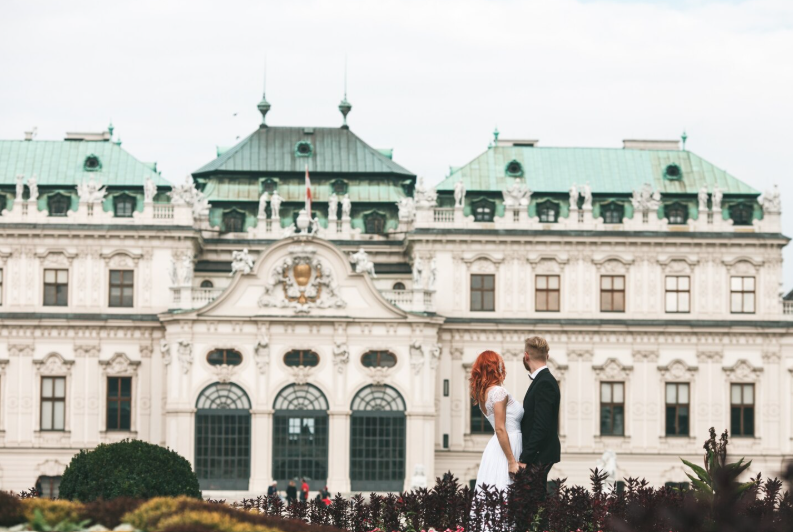
Vienna excels at ritual and rhythm—ideal for executives who need structure to recharge quickly. Choose a Ringstrasse grand hotel with a spa for disciplined recovery between meetings. Book a concise, 60-minute private recital or a conductor-led rehearsal visit rather than a full evening performance to preserve bandwidth.
For gifts and gestures, Vienna’s artisanal heritage shines: limited-edition stationery, handcrafted confections, or bespoke leather goods signal discernment without ostentation.
Prague: Old-World Setting, New-Economy Conversations
Prague’s compact historic core, river vistas, and evolving tech scene make it a refined base for strategic offsites and investor conversations. Choose a boutique luxury hotel with castle or river views to give visiting partners a sense of place the moment they arrive. Reserve a terrace or library room for negotiations; the city’s calm cadence fosters clarity and long-range thinking.
Schedule early morning walks across the Charles Bridge or along the Vltava to reset your cognitive load; 20 minutes of quiet motion can outperform an extra espresso in sharpening decision quality.
Logistics That Protect Your Calendar
Location Over Amenities
In dense European capitals, location defeats nearly every other variable. A hotel that is five minutes from your first meeting and ten minutes from an evening engagement can save an hour per day. Ask the concierge to verify construction, event closures, and efficient curb access before you book.
Transport Mix
Adopt a hybrid approach: private car for cross-city transfers and client hosting; Metro or tram for reliable short hops; walking for clarity and flexibility. Confirm pickup points that avoid crowded corners, and save offline maps to neutralize tunnel dead zones.
Concierge as Chief of Staff
Treat the concierge as an on-the-ground extension of your office. They can pre-vet private guides, hold last-minute tables, and coordinate couriers or garment pressing while you focus on decisions only you can make.
Designing a Two-Day Executive Itinerary
- Day 1 morning: Arrival, shower, light meal, and a high-priority meeting within walking distance.
- Day 1 afternoon: One flagship cultural or design experience with a private guide; inbox triage at a quiet café near your dinner venue.
- Day 1 evening: Client dinner with a controlled environment—private room, fixed tasting, predictable timing.
- Day 2 morning: Strategy walk, then back-to-back sessions clustered by neighborhood.
- Day 2 afternoon: Buffer block for overruns, then a final synthesis session to capture decisions and next actions before departure.
Risk, Etiquette, and Executive Presence
European city centers are generally safe, but crowded hubs can invite opportunistic theft. Carry a slim, zippered bag; keep your phone away from platform edges; and use hotel safes for passports. A few local courtesies go far: a greeting upon entering shops, punctuality for reservations, and measured phone use in enclosed spaces. For confidential discussion, choose cars or private rooms rather than public transport.
Recovery: Sleep, Nutrition, and Micro-Breaks
Jet lag undermines judgment. Book rooms with blackout curtains and quiet exposure; schedule a 20-minute outdoor walk late afternoon, followed by an early, protein-forward dinner. Use spas for short, targeted rituals: contrast showers, brief sauna sessions, and a 30-minute massage can restore focus faster than aimless downtime.
Budgeting Luxury Without Waste
Luxury is not license to overspend. Concentrate your budget on location, sleep quality, and control over key moments (transfers, client dining, private access). Save elsewhere: take metros for predictable hops, schedule lunches over dinners when appropriate, and choose two exceptional experiences over five average ones. This discipline sustains both your brand and your P&L.
Learning New Languages as an Expat: Strategies for Quick Success
Directors who relocate or cycle frequently through Europe gain a durable edge by building functional language skills quickly. Treat the first 60–90 days as an execution sprint with clear, job-relevant outcomes: greetings and small talk for rapport, logistics for transport and reservations, and negotiation phrases you can deploy under pressure. Script your 20 most common interactions, record yourself, and iterate daily until responses become automatic.
Adopt a “speak early, perfect later” mindset. Pair three short tutor sessions per week with daily spaced-repetition drills and a weekly field test—ordering, confirming addresses, or rescheduling in the local language. Prepare bilingual agendas and action lists for meetings; comprehension rises when you recognize key terms in advance. Reduce friction by switching your phone’s transit and map apps to the local language, enabling accent keyboards, and pinning lifeline phrases on your lock screen. For high-stakes contexts—contracts, HR policies, or medical visits—augment with professional translation and localization to preserve precision while your fluency scales.
Stay Connected for More Travel and Lifestyle Inspiration.
For more insights into travel, culture, and lifestyle tips, follow me on Instagram @salvadorordorica. If you’re seeking professional translation and localization services to enhance your global ventures, visit The Spanish Group — your trusted partner in bridging cultures worldwide.

by Dulce Navarro | Aug 14, 2025 | Countries, Culture, Lifestyle, Luxury, Travel, Uncategorized
Luxury Train Journeys in Europe: Travel in Style Across the Continent
Why luxury rail travel is redefining business and leisure trips
For discerning business leaders and frequent travelers, luxury train journeys offer a rare combination of comfort,
privacy, and efficiency that air or road travel can’t always match. Europe’s storied rail network not only connects
major cities at high speed but also offers curated experiences in vintage carriages, world-class dining, and scenic
routes that turn travel into part of the adventure.
The Allure of Luxury Rail Travel
Luxury trains in Europe balance timeless elegance with modern amenities. From the moment you board, the atmosphere
blends old-world charm—polished wood, brass fixtures, fine linens—with seamless service, gourmet cuisine, and
panoramic windows revealing Europe’s diverse landscapes.
Time Efficiency and Comfort
Unlike airports, train stations are typically located in city centers, reducing transfer times. High-speed rail
options such as the TGV or ICE connect you to your destination in hours, while luxury services allow uninterrupted
work or leisure along the way. Spacious seating, private compartments, and onboard Wi-Fi create a productive
environment for executives who value efficiency.
Environmental Responsibility
Rail travel offers a significantly smaller carbon footprint compared to air travel. For companies committed to
sustainability goals, shifting to train journeys—especially for intra-European trips—can enhance CSR reports and
demonstrate environmental leadership.
Iconic Luxury Train Journeys in Europe
Venice Simplon-Orient-Express (London – Venice)
The Venice Simplon-Orient-Express remains the gold standard in luxury rail travel. This art-deco masterpiece
features restored 1920s carriages, refined dining, and an atmosphere that channels the glamour of a bygone era.
Routes extend beyond Venice, including seasonal journeys to Paris, Vienna, and Prague.
Belmond Royal Scotsman (Scottish Highlands)
Offering one of the most intimate luxury train experiences, the Belmond Royal Scotsman accommodates just 40 guests.
It combines Highland scenery with Michelin-level dining and off-train excursions like private whisky tastings and
castle tours.
Glacier Express Excellence Class (Zermatt – St. Moritz)
The Glacier Express is famed for its panoramic alpine views. Excellence Class elevates the experience with
guaranteed window seats, a dedicated concierge, and a six-course regional tasting menu served with Swiss precision.
El Transcantábrico Gran Lujo (Northern Spain)
This eight-day journey winds along Spain’s northern coast, offering luxurious suites, onboard fine dining, and
curated cultural excursions. Ideal for those combining business with extended leisure in Spain.
Why Business Leaders Are Choosing Trains
- Productivity: Private compartments double as mobile offices.
- Networking: Shared dining cars foster connections with other high-level travelers.
- Brand Image: Arriving via a luxury train creates a memorable impression for clients or partners.
- Well-being: Smooth travel and scenic views reduce stress compared to air travel.
Planning Your Luxury Rail Experience
Booking early is essential, as luxury train journeys often sell out months in advance. Consider whether you want a
point-to-point trip or a multi-day itinerary with overnight stays on board. Align your choice with your business
schedule: overnight trains can save on hotel stays while maximizing daytime productivity.
Tips for Maximizing Value
- Coordinate rail segments with key meetings to minimize downtime.
- Choose routes that offer direct connections to secondary destinations for business or leisure.
- Use corporate travel agents experienced in luxury rail for exclusive rates and perks.
- Check luggage services for seamless door-to-door transfers.
Learning New Languages as an Expat: Strategies for Quick Success
Relocating to a new country offers immense opportunities for cultural and professional growth—language fluency is
often the key to unlocking them. Begin with an intensive 30-day plan focused on essential business and social
vocabulary. Commit to daily practice, whether through apps, private tutors, or conversation groups.
Integrate language learning into your routine: switch your devices to the target language, read local news daily,
and practice speaking during everyday activities. For executives, pairing formal lessons with a bilingual assistant
ensures precision in critical communications while you build fluency.
Track your progress with measurable goals—delivering a short presentation, conducting part of a meeting, or
negotiating simple terms in the new language. Consistency, rather than intensity, will yield the fastest and most
lasting results.
Stay Connected for More Travel and Lifestyle Inspiration.
For more insights into travel, culture, and lifestyle tips, follow me on @salvadorordorica. If you’re seeking professional translation and localization services to enhance your global ventures, visit The Spanish Group — your trusted partner in bridging cultures worldwide.

by Dominique Gomez | Aug 8, 2025 | Countries, Culture, Languages
Introduction
In today’s rapidly changing global economy, international moves are becoming increasingly common. Political, economic, and social forces are driving individuals and businesses alike to seek new opportunities in different countries. This surge in international migration is leading to a dramatic increase in the need for effective cross-cultural communication. As migration patterns rise, the importance of language has never been more critical.
For companies, understanding and embracing the role of language in international moves is essential for success in an interconnected world. Businesses that fail to address language barriers risk missing out on valuable market opportunities and alienating potential customers and partners.
The Surge in International Migration
Global migration has long been a significant part of human history, but the patterns we’re seeing today are unprecedented. The political instability, economic disparities, and environmental challenges in many regions have prompted a sharp increase in international moves, both voluntary and forced. According to recent data, the number of people moving across borders has risen steadily over the past few years, with millions of people migrating for work, education, or to escape conflict and persecution.
This influx of migrants is reshaping global cities and industries, fostering new cultural exchanges, and driving the need for businesses to adapt to a more diverse and multilingual customer base. With this surge in international moves, the question of how to communicate effectively across languages and cultures has become more critical than ever before.
The Role of Language in International Moves
As individuals and families relocate to new countries, language becomes a fundamental aspect of their integration into society. Language is the primary means of communication and understanding, and the ability to communicate in a new country’s official language(s) is often key to a migrant’s success in both their personal and professional life.
For businesses, language plays a similarly crucial role. Companies seeking to expand into new markets or serve a multicultural customer base must be able to effectively communicate with people who speak different languages. Whether it’s providing customer service in multiple languages, translating marketing materials, or offering multilingual product documentation, language services are essential for businesses to remain competitive and accessible.
With the rise of international moves, the need for professional translation and localization services is growing. These services are not simply about translating words; they are about understanding and adapting to cultural nuances, ensuring that communications resonate with the target audience in a meaningful and respectful way.
Key Trends in the Language Services Industry
As the demand for international migration continues to increase, several key trends are emerging in the language services industry:
- Multilingual Communication in Business Operations: Companies with international clients and partners need to ensure that their operations are multilingual. This means not only translating marketing materials but also offering multilingual customer support and developing software and systems that accommodate multiple languages. For example, companies must offer their websites and apps in multiple languages to provide a seamless experience for global customers.
- Localization: Adapting Content for Local Markets: Translation is just one part of the equation. Localization—the process of adapting content to fit the cultural and linguistic expectations of the target market—has become increasingly important. This goes beyond direct translation to ensure that messages are culturally relevant and resonate with the audience. From adjusting images and colors to reworking phrases and idioms, localization is essential for businesses looking to engage effectively with local communities.
- Technology and AI in Language Services: Advances in technology, particularly artificial intelligence (AI) and machine learning, are revolutionizing the language services industry. AI-powered translation tools have made it faster and more cost-effective to translate documents, websites, and marketing materials. However, while these tools are highly efficient, they still require human expertise to ensure accuracy and cultural relevance. A blend of AI and human input is essential to achieve high-quality translations and localization.
- Increased Demand for Remote Translation Services: With the rise of remote work and global teams, there is a growing demand for translation services that can be delivered remotely. Translation services are now required not only for traditional documents but also for real-time communication in virtual meetings, webinars, and online customer support. This demand is pushing businesses to seek professional translation providers that can accommodate the global nature of their workforce and clientele.
- Diversity and Inclusion through Language: As businesses become more global, there is an increasing focus on diversity and inclusion (D&I). Companies are recognizing that offering language services is not only a business necessity but also a way to show commitment to diversity and inclusivity. Language accessibility can break down barriers for employees and customers, fostering a more inclusive environment where everyone feels valued and understood.
How Businesses Can Benefit from Language Services
The rise in international moves presents both challenges and opportunities for businesses. By recognizing the importance of language and investing in professional translation and localization services, companies can:
- Expand Market Reach: Language is key to breaking into new markets. By offering services in the local language, companies can connect with a wider audience, build trust, and increase customer loyalty.
- Enhance Customer Experience: Offering multilingual customer support and localized products improves the overall customer experience. It shows that a company is invested in meeting the unique needs of its customers, no matter where they are located.
- Improve Global Collaboration: As more teams work across borders, clear communication becomes critical. Language services ensure that colleagues can collaborate effectively, regardless of their native languages.
- Foster Innovation: Engaging with diverse cultures and languages can lead to fresh perspectives and new ideas. Companies that embrace linguistic diversity are better positioned to innovate and stay ahead of the competition.
The Spanish Group: Bridging Cultures through Language Services
As international moves continue to rise, businesses must adapt to the changing landscape by embracing language services that allow them to communicate effectively with a diverse, global audience. This is where The Spanish Group comes in.
The Spanish Group is a trusted partner in providing professional translation and localization services. Their team of skilled linguists and cultural experts ensures that your messages are not only accurately translated but also culturally relevant. Whether you’re expanding into new markets, reaching out to international clients, or communicating with a diverse workforce, The Spanish Group helps you bridge cultural gaps and strengthen your global presence.
With a commitment to high-quality translations and cultural sensitivity, The Spanish Group is the go-to solution for businesses looking to thrive in a multilingual world. Their expertise extends across various industries, including legal, medical, technical, and corporate sectors, ensuring that every client receives personalized and accurate language services.
Conclusion
The rise of international migration is transforming the way businesses operate and communicate. As migration patterns increase, language is becoming a critical factor in successful global ventures. Companies that prioritize language services will have a competitive edge, allowing them to connect with a broader audience and navigate cultural differences effectively.
Stay connected for more travel and lifestyle inspiration. For more insights into travel, culture, and lifestyle tips, follow me on Instagram @salvadorordorica. If you’re seeking professional translation and localization services to enhance your global ventures, visit The Spanish Group — your trusted partner in bridging cultures worldwide.
For further insights on the rise of international moves and the increasing need for language services, read the full article on Grit Daily.

by Dulce Navarro | Aug 5, 2025 | Countries, Culture, Europe, Lifestyle, Luxury, Travel
How to Plan the Perfect Business Stay in Paris
Paris, the City of Light, has long been a beacon for business leaders and global executives. Whether you’re attending international conferences, meeting key clients, or exploring opportunities in Europe, planning the perfect business stay in Paris can make all the difference in your productivity and experience. From selecting the right accommodation to understanding local culture, each step contributes to a seamless trip.
1. Choose the Right Neighborhood
Location is key for a successful business stay. Paris is divided into 20 districts, known as arrondissements, each offering a unique atmosphere. For corporate travelers, staying close to major business hubs and transport options is crucial.
- 8th Arrondissement (Champs-Élysées & Madeleine): Ideal for executives seeking proximity to high-end hotels, luxury dining, and many corporate offices.
- La Défense: The primary business district of Paris, perfect if your schedule is filled with corporate meetings.
- 1st Arrondissement (Louvre & Palais Royal): Central and elegant, offering both historical charm and easy access to the city’s landmarks.
2. Select Accommodation That Matches Your Work Style
The right accommodation can enhance productivity. Consider options with reliable Wi-Fi, meeting spaces, and business-friendly amenities.
- Luxury Hotels: Le Bristol and Four Seasons George V are favorites among executives for their services and central locations.
- Boutique Hotels: Stylish and intimate spaces like Hotel Nolinski Paris provide a creative environment for business travelers.
- Serviced Apartments: If your stay is longer, serviced apartments or Airbnb for Work options offer privacy and flexibility.
3. Plan Efficient Transportation
Paris offers multiple transportation options, but efficiency matters for a packed schedule:
- Metro & RER: The fastest way to move around the city for short to medium distances.
- Private Transfers: Booking a private car or using services like Chauffeur Privé ensures timely arrivals to your meetings.
- Walking & E-Scooters: For short distances in central Paris, these options are surprisingly efficient and enjoyable.
4. Schedule Business Meetings with Cultural Awareness
French business culture values punctuality, formality, and personal relationships. A few tips:
- Schedule meetings well in advance, ideally avoiding lunchtime (12:30 PM – 2:00 PM).
- Address colleagues formally with “Monsieur” or “Madame” until invited to use first names.
- Prepare materials in both English and French when possible to show respect for the local culture.
5. Balance Work with Leisure
Part of the charm of a business stay in Paris is its blend of work and leisure. Take time to experience the city after your meetings:
- Cultural Breaks: Visit the Louvre, Musée d’Orsay, or the Fondation Louis Vuitton for an artistic recharge.
- Fine Dining: Enjoy a business dinner at Le Meurice or L’Arpège to impress clients and indulge in world-class cuisine.
- Evening Strolls: A walk along the Seine or through the historic Marais can provide a refreshing end to a busy day.
6. Stay Connected and Productive
Ensuring seamless communication is critical during a business trip:
- Invest in a local SIM card or international phone plan for reliable data.
- Use coworking spaces like WeWork or Morning Coworking if you need quiet working hours outside the hotel.
- Leverage travel apps to manage bookings, navigate the city, and coordinate meetings.
7. Learning New Languages as an Expat: Strategies for Quick Success
For business leaders spending extended time in Paris, learning French can enhance both professional and personal experiences. Consider these strategies for quick progress:
- Immerse Daily: Practice speaking with hotel staff, drivers, and restaurant servers.
- Leverage Apps: Duolingo, Babbel, or LingQ can help reinforce vocabulary and grammar on the go.
- Hire a Private Tutor: Even one to two hours per week of tailored lessons can accelerate fluency.
- Engage in Local Activities: Join networking events, wine tastings, or cultural workshops to use the language in context.
Conclusion
Planning the perfect business stay in Paris requires a balance of strategic preparation and cultural appreciation. By selecting the right neighborhood, arranging efficient transport, and embracing local customs, your time in Paris can be both productive and enriching. For long-term success, investing in learning the local language as an expat opens doors to deeper professional relationships and a richer lifestyle experience.
Stay Connected for More Travel and Lifestyle Inspiration.
For more insights into travel, culture, and lifestyle tips, follow me on @salvadorordorica. If you’re seeking professional translation and localization services to enhance your global ventures, visit The Spanish Group — your trusted partner in bridging cultures worldwide.

by Dulce Navarro | Aug 4, 2025 | Culture, Europe, Lifestyle, Luxury, Travel
Top 10 Destinations for a Luxury Vacation in Europe
Europe is a treasure trove for luxury travelers seeking unforgettable experiences. From sun-drenched coastlines to
cosmopolitan capitals, the continent offers a blend of world-class accommodations, exquisite dining, and unique cultural
encounters. Whether you’re looking to relax in a five-star resort or explore historic cities in style, these top 10 luxury
destinations in Europe promise to elevate your travel experience to the highest level.
1. Paris, France – The Epitome of Elegance
Known as the “City of Light,” Paris is a dream for luxury travelers. From the iconic Ritz Paris to Michelin-starred
restaurants like Alain Ducasse au Plaza Athénée, the city offers a blend of timeless elegance and contemporary opulence.
Shop along Avenue Montaigne, indulge in a private Seine River cruise, and experience exclusive tours of the Louvre or
Versailles to truly embrace the Parisian lifestyle.
2. Amalfi Coast, Italy – Scenic Luxury on the Mediterranean
The Amalfi Coast is synonymous with stunning cliffside villas, turquoise waters, and charming towns like Positano and
Ravello. Luxury travelers can enjoy private yacht charters, exclusive wine tastings, and stays at world-renowned
properties such as Le Sirenuse or the Belmond Hotel Caruso. The dramatic coastal roads and breathtaking scenery
make every moment unforgettable.
3. Santorini, Greece – Iconic Sunsets and Exclusive Retreats
Santorini’s whitewashed villas and blue-domed churches offer one of the most iconic views in Europe. Luxury experiences
include cliffside infinity pools, private caldera cruises, and exclusive wine tours. Resorts like Canaves Oia Suites
provide unparalleled service and privacy, perfect for couples or travelers seeking a serene escape.
4. Lake Como, Italy – Timeless Glamour in Nature
Nestled against the foothills of the Alps, Lake Como has been a playground for the elite for centuries. Exclusive villas
and five-star hotels such as the Villa d’Este offer lakeside opulence. Activities range from private boat rides to
helicopter tours, all while enjoying the region’s serene natural beauty and world-class Italian cuisine.
5. St. Moritz, Switzerland – Luxury in the Alps
St. Moritz is the definition of alpine luxury, attracting winter sports enthusiasts and high-profile travelers.
Stay at prestigious properties like Badrutt’s Palace, ski on immaculate slopes, and enjoy gourmet dining in the
Engadin Valley. Beyond skiing, St. Moritz offers designer shopping, exclusive spas, and year-round scenic beauty.
6. Barcelona, Spain – Cosmopolitan Luxury with a Cultural Flair
Barcelona blends artistic heritage with modern luxury. Indulge in private Gaudí tours, stay in suites overlooking the
Mediterranean at W Barcelona or Hotel Arts, and enjoy a culinary journey through Michelin-starred restaurants. The
city’s vibrant nightlife and cultural depth ensure a luxury vacation that’s both exciting and enriching.
7. Dubrovnik, Croatia – Adriatic Sophistication
Known as the “Pearl of the Adriatic,” Dubrovnik offers a stunning blend of historic charm and seaside luxury. Enjoy
private yacht excursions to the Elafiti Islands, dine in exclusive cliffside restaurants, and relax in five-star
resorts with panoramic sea views. Walking the ancient city walls at sunset is an experience like no other.
8. Vienna, Austria – Imperial Luxury and Classical Elegance
Vienna is a city of grandeur, where opulent palaces and historic concert halls create an atmosphere of timeless
sophistication. Stay at iconic hotels like the Hotel Sacher or the Palais Hansen Kempinski. Private guided tours of
the Schönbrunn Palace, exclusive classical concerts, and gourmet dining make Vienna a perfect destination for
cultured travelers.
9. Monaco – Glamour on the French Riviera
Monaco is synonymous with luxury, where superyachts line the harbor and the Monte Carlo Casino glitters at night.
Stay at the legendary Hôtel de Paris, enjoy VIP access to the Formula 1 Grand Prix, and explore the Riviera aboard
a private yacht. Every moment in Monaco embodies the essence of indulgence.
10. Iceland – Exclusive Adventures in Nature
For travelers seeking unique luxury, Iceland offers private access to nature’s most stunning displays. Experience
glass-igloo lodges under the Northern Lights, luxury glacier tours, and helicopter rides to secluded hot springs.
Combining adventure with comfort, Iceland provides a one-of-a-kind luxury escape.
Learning New Languages as an Expat: Strategies for Quick Success
Extending your luxury travels into long-term stays or expat life is increasingly common. Learning the local language
can significantly enhance your experience and integration.
- Immersive Practice: Speak with locals daily, even in simple interactions.
- Professional Lessons: Enroll in intensive language courses or private sessions.
- Leverage Technology: Use apps and digital flashcards to build vocabulary quickly.
- Join Local Networks: Social clubs, events, or networking groups accelerate language learning.
Adopting these strategies will make your expat journey more enriching and successful.
Stay Connected for More Travel and Lifestyle Inspiration
For more insights into travel, culture, and lifestyle tips, follow me on @salvadorordorica. If you’re seeking professional translation and localization services to enhance your global ventures, visit The Spanish Group — your trusted partner in bridging cultures worldwide.

by Dulce Navarro | Aug 4, 2025 | Countries, Culture, Europe, Lifestyle, Luxury, Travel
A Guide to Booking Business Hotels in Paris During Major Trade Shows & Conferences
Paris is a global hub for business and culture, hosting some of the world’s most prestigious trade shows and conferences. Events like Paris Fashion Week, Maison & Objet, and VivaTech attract professionals from around the globe, driving high demand for business accommodations. Booking the right hotel during these periods is crucial for convenience, productivity, and making the most of your trip.
In this guide, we will explore strategies for securing the best business hotels in Paris, navigating peak season pricing, and ensuring your stay enhances rather than hinders your professional goals.
Understanding Paris’s Trade Show and Conference Landscape
Before booking a hotel, it’s essential to know the event calendar and how it impacts availability. Paris hosts a wide range of international gatherings throughout the year:
- Fashion and Luxury Events: Paris Fashion Week, Première Vision, and Who’s Next attract fashion executives and media from across the globe.
- Technology and Innovation: VivaTech and Paris Blockchain Week bring together tech leaders, startups, and investors.
- Home and Design: Maison & Objet and Paris Design Week fill the city with design professionals and buyers.
- Industry and Trade Fairs: Salon International de l’Aéronautique et de l’Espace (Paris Air Show) and SIAL Paris are massive industry draws.
These events not only increase hotel rates but can also fully book preferred business hotels months in advance. Planning ahead is essential.
Choosing the Right Location
Location is key for business travelers. Proximity to the event venue, major transport hubs, and key business districts saves time and simplifies logistics.
Hotels Near Major Exhibition Centers
- Parc des Expositions (Paris Expo Porte de Versailles): Consider hotels like Pullman Paris Tour Eiffel or Okko Hotels Paris Porte de Versailles for convenience.
- Le Bourget and Paris Nord Villepinte: For events like the Paris Air Show or SIAL, Novotel Paris Nord Expo and citizenM Paris Charles de Gaulle are practical options.
Hotels Near Central Business Districts
Many executives prefer staying near La Défense, the Opera district, or Champs-Élysées for easy access to both meetings and client dinners.
- La Défense: Sofitel Paris La Défense and Hilton Paris La Défense cater to corporate guests.
- Opera & Champs-Élysées: InterContinental Paris Le Grand and Hotel Bowmann combine business amenities with luxury.
Timing Your Booking for Peak Periods
Hotels in Paris can book up six to nine months in advance during major trade shows. To avoid last-minute stress and inflated rates:
- Book Early: Secure your room as soon as you register for the event or confirm your attendance.
- Use Flexible Rates: Opt for refundable bookings in case of schedule changes.
- Consider Loyalty Programs: Accumulated points with chains like Marriott, Accor, or Hilton can provide upgrades and availability perks.
Key Features for a Productive Business Stay
Beyond location, the right hotel amenities can elevate your trip from functional to productive and comfortable:
- Business Facilities: Look for conference rooms, co-working spaces, and 24/7 business centers.
- Connectivity: High-speed, reliable Wi-Fi is non-negotiable for virtual meetings and work sessions.
- Transport Access: Proximity to metro lines, RER, and taxi stands ensures easy commuting.
- Wellness Options: Gyms, spas, or even jogging routes can help manage the stress of busy event schedules.
Many Parisian business hotels now also offer express check-in/out and mobile key options, making travel even smoother for professionals on the go.
Alternative Accommodation Strategies
If preferred hotels are booked or rates are prohibitive, consider these alternatives:
- Serviced Apartments: Options like Citadines or Adagio allow for extended stays with kitchen facilities.
- Boutique Business Hotels: Smaller properties in central locations may provide personalized service with a business focus.
- Airport Hotels for Early Flights: Staying at Pullman Paris CDG or Sheraton CDG is ideal for early departures during event weeks.
Learning New Languages as an Expat: Strategies for Quick Success
Attending multiple trade shows or relocating to Paris for business often means adapting to the local culture. Learning French, even at a conversational level, can make a significant difference in networking and everyday life. Here are strategies to learn a new language efficiently:
- Immerse Yourself: Watch local news, listen to podcasts, and interact daily with locals.
- Take Intensive Courses: Short, frequent lessons yield faster results than sporadic classes.
- Leverage Language Exchange: Partner with locals who want to practice your language for mutual learning.
- Use Professional Translation Services: For business documents or contracts, professional services ensure accuracy and save time.
These strategies help expats and frequent travelers quickly adapt, enhancing both their personal and professional experiences in France.
Stay Connected for More Travel and Lifestyle Inspiration. For more insights into travel, culture, and lifestyle tips, follow me on @salvadorordorica. If you’re seeking professional translation and localization services to enhance your global ventures, visit The Spanish Group — your trusted partner in bridging cultures worldwide.
