by Dulce Navarro | Jul 14, 2025 | Countries, Culture, Europe, Lifestyle, Travel
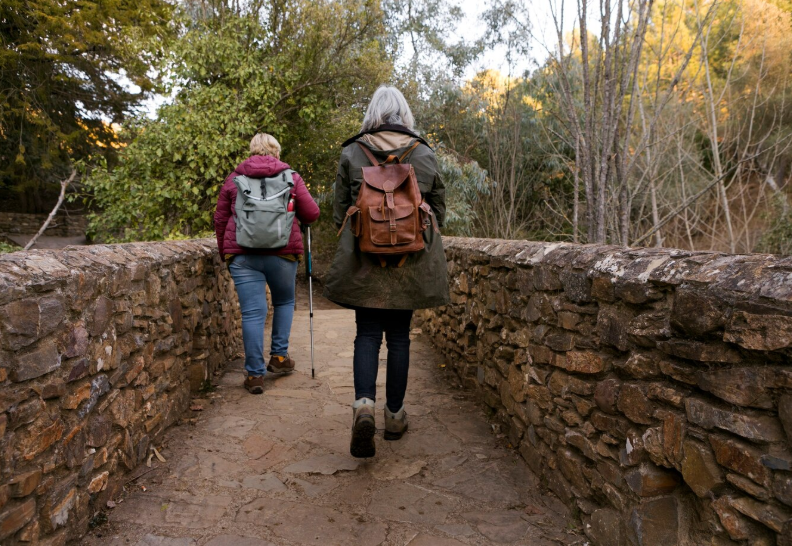
Off the Beaten Path: Unique European Destinations for Adventurous Travelers
When most people think of European travel, destinations like Paris, Rome, and Barcelona instantly come to mind. While these cities are icons in their own right, Europe also boasts a multitude of hidden gems that offer authentic experiences, untouched beauty, and fewer crowds. For the adventurous traveler seeking something beyond the typical tourist trail, these off-the-beaten-path destinations deliver both charm and surprise.
1. Kotor, Montenegro
Nestled along the Adriatic coast, Kotor is a medieval town surrounded by dramatic cliffs and serene waters. Unlike its more famous neighbor, Dubrovnik, Kotor remains relatively undiscovered, offering a peaceful alternative with equally breathtaking views. Wander through the Old Town’s narrow alleys, hike up the ancient city walls to the San Giovanni Fortress, and enjoy a boat ride in the stunning Bay of Kotor.
2. Český Krumlov, Czech Republic
This fairy-tale town in southern Bohemia looks like something out of a storybook. With its well-preserved Baroque architecture, a winding river that loops through town, and a castle perched above, Český Krumlov is a dream come true for travelers seeking history and tranquility. The town’s compact size makes it easy to explore on foot, and its artsy atmosphere attracts creatives from across Europe.
3. Lofoten Islands, Norway
Located above the Arctic Circle, the Lofoten Islands are a remote archipelago offering dramatic landscapes, snow-capped mountains, and pristine fjords. This is a haven for nature lovers, photographers, and hikers. In summer, enjoy the midnight sun and in winter, marvel at the Northern Lights. It’s a destination where adventure meets serenity, perfect for those craving natural beauty far from city lights.
4. Matera, Italy
Often overlooked in favor of Italy’s more famous cities, Matera is one of the oldest continuously inhabited settlements in the world. Its ancient cave dwellings, known as “Sassi,” are carved into limestone cliffs and offer a fascinating glimpse into human history. Now a UNESCO World Heritage site, Matera combines ancient culture with modern hospitality, including boutique hotels set within the caves themselves.
5. Gjirokastër, Albania
Gjirokastër is a hillside town with Ottoman-era charm, cobbled streets, and stone-roofed houses. Its fortress, museums, and warm local hospitality make it one of Albania’s most authentic destinations. With tourism in Albania still emerging, Gjirokastër offers a rare opportunity to experience unspoiled Balkan culture, all at a fraction of the cost of Western Europe.
6. Dinant, Belgium
Set on the banks of the Meuse River, Dinant is one of Belgium’s most picturesque towns. It’s famous for its dramatic cliffside cathedral and as the birthplace of Adolphe Sax, inventor of the saxophone. Whether you’re kayaking along the river, exploring the nearby caves, or riding the cable car to the Citadel, Dinant offers a mix of culture and adventure in a compact, walkable setting.
7. Tbilisi, Georgia
Though technically at the crossroads of Europe and Asia, Tbilisi is a rising star on the adventurous traveler’s map. Its vibrant blend of Eastern and Western influences is visible in its architecture, food, and art. The Old Town, with its colorful balconies and winding alleys, offers endless discoveries. Add to that welcoming locals, excellent wine, and affordability, and Tbilisi is a destination worth exploring now—before the crowds catch on.
8. Mostar, Bosnia and Herzegovina
Famous for its iconic arched bridge, Stari Most, Mostar is a symbol of resilience and beauty. The city has emerged from its war-torn past to become a cultural beacon. Watch locals dive from the historic bridge into the Neretva River, enjoy traditional Bosnian coffee in a riverside café, and stroll through the Old Bazaar filled with handicrafts. It’s a powerful and emotional travel experience you won’t forget.
9. Valletta, Malta
While Malta itself is gaining popularity, its capital, Valletta, still flies under the radar for many travelers. This fortified city offers stunning views of the Mediterranean, impressive Baroque architecture, and a laid-back charm. It’s also a great launching point to explore other parts of Malta, including the Blue Grotto, Mdina, and the neighboring island of Gozo.
10. Sibiu, Romania
Located in Transylvania, Sibiu is a city rich in history, culture, and architecture. Once a European Capital of Culture, it’s known for its pastel-colored buildings, Gothic churches, and lively squares. The surrounding Carpathian Mountains also make it a great base for hiking or skiing. Sibiu blends Old World charm with a modern, artistic energy that appeals to curious travelers.
Learning New Languages as an Expat: Strategies for Quick Success
For adventurous travelers who fall in love with a destination and decide to stay longer, learning the local language becomes essential. Immersing yourself in a new culture is one of the most rewarding aspects of living abroad—and language is the gateway to that experience.
Here are a few strategies for success:
- Practice daily: Use language apps like Babbel, Duolingo, or Memrise to build vocabulary and structure.
- Join local groups: Language exchange meetups or expat communities are great for real-world practice.
- Watch and listen: Consume local media—TV shows, podcasts, and radio stations—to train your ear to the rhythm of the language.
- Don’t be afraid to make mistakes: Confidence is key. Locals appreciate the effort and will often help you improve.
Ultimately, language learning enriches your travel experience, deepens cultural understanding, and opens doors both personally and professionally.
Stay Connected for More Travel and Lifestyle Inspiration
For more insights into travel, culture, and lifestyle tips, follow me on @salvadorordorica. If you’re seeking professional translation and localization services to enhance your global ventures, visit The Spanish Group — your trusted partner in bridging cultures worldwide.
by Dulce Navarro | Jul 10, 2025 | Countries, Culture, Europe, Lifestyle, Travel
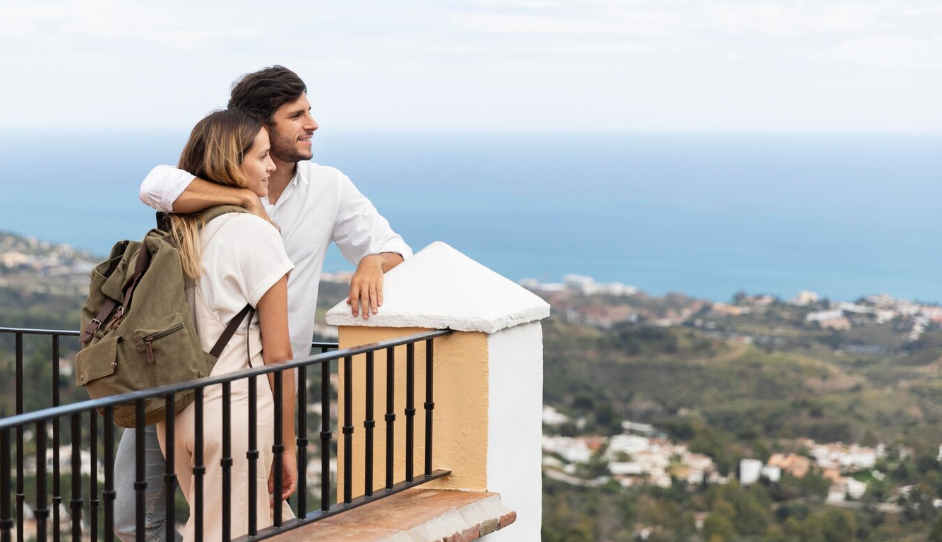
Best Cities in Spain for Expats Seeking Lifestyle & Community
Spain continues to be a top destination for expats from around the globe—and it’s easy to see why. With its warm climate, vibrant culture, world-class cuisine, and affordable cost of living, Spain offers an unmatched quality of life for professionals, retirees, and remote workers alike. For company directors and business travelers considering relocation or extended stays, choosing the right city can dramatically impact both lifestyle and success abroad.
Below, we explore some of the best cities in Spain for expats looking to build community, enjoy a balanced lifestyle, and immerse themselves in Spanish culture.
1. Barcelona: Cosmopolitan Vibe with Coastal Appeal
As Spain’s second-largest city, Barcelona offers the perfect combination of cultural sophistication, business opportunity, and Mediterranean charm. With a robust international community, it’s a favorite for expats working in tech, design, and entrepreneurship.
The city boasts a high quality of life with access to beaches, mountains, and a thriving art scene. The Eixample and Gràcia neighborhoods are particularly popular among professionals for their central location and walkability. English is widely spoken in business settings, though learning Spanish (and even Catalan) will deepen integration.
2. Madrid: Capital City with Global Connections
Madrid offers expats a dynamic, fast-paced urban experience. As the political and financial center of Spain, it’s ideal for directors and professionals engaged in international business or diplomacy.
The city’s extensive metro system, bustling coworking spaces, and rich cultural institutions—from the Prado Museum to countless theaters—make it a rewarding place to live and work. Madrid’s expat community is active and diverse, with numerous networking events and language exchange groups to help new arrivals feel at home.
3. Valencia: A Balanced Blend of City and Sea
For those looking for a quieter alternative to Madrid or Barcelona, Valencia provides an ideal balance. With a lower cost of living and a growing number of international residents, the city is becoming an increasingly popular choice for remote workers and families.
Valencia offers modern infrastructure, green spaces like the Turia Gardens, and easy access to the beach. It also has a reputation for being friendly and welcoming, making it easier for expats to build lasting social connections.
4. Málaga: Sunshine, Startups, and Sophistication
Málaga, located on the Costa del Sol, has transformed from a sleepy coastal city into a buzzing hub for digital nomads, startups, and innovation. With over 300 days of sunshine per year, it’s no surprise that it attracts expats in search of both lifestyle and opportunity.
Málaga TechPark and a growing ecosystem of coworking spaces make it ideal for tech professionals and entrepreneurs. The city’s laid-back atmosphere, friendly locals, and exceptional cuisine further boost its appeal.
5. Seville: Tradition Meets Modern Living
Seville offers expats a more traditional Spanish experience, full of flamenco, festivals, and stunning architecture. While it’s not as international as Madrid or Barcelona, it offers a slower pace of life, ideal for those seeking cultural richness over corporate hustle.
The cost of living is relatively low, and the city is known for its hospitality. Language immersion is almost unavoidable here, which makes Seville a great place for expats committed to learning Spanish and engaging with local customs.
6. Bilbao: Innovation in the Basque Country
Bilbao is the economic powerhouse of northern Spain and offers a unique cultural experience rooted in Basque traditions. The city has undergone significant transformation in recent years, becoming a hub for design, engineering, and research.
Bilbao is ideal for expats working in academia, innovation, or the energy sector. The city offers a mix of old-world charm and modern amenities, along with a well-organized public transport system and excellent quality of life.
7. Palma de Mallorca: Island Living with Urban Perks
If your vision of life in Spain includes sea views and a relaxed pace, Palma de Mallorca is worth considering. The island’s capital is well-connected, with an international airport, reliable internet, and a growing expat community.
Palma offers a unique mix of beach living and urban sophistication, with fine dining, boutique shopping, and historical sites. It’s a particularly good fit for entrepreneurs, creatives, or those in remote leadership roles seeking inspiration and calm.
Learning New Languages as an Expat: Strategies for Quick Success
Moving to a new country comes with the rewarding challenge of language acquisition. Here are a few strategies to accelerate your Spanish learning:
- Enroll in immersive language classes: In-person learning with native speakers will fast-track your fluency.
- Practice daily: Commit to 15–30 minutes of Spanish every day using apps, podcasts, or Spanish-language media.
- Speak with locals: Don’t be afraid to make mistakes. Every interaction is a learning opportunity.
- Join community events: Language exchange meetups and local workshops are excellent for cultural and conversational practice.
- Label your environment: Stick notes around your home to reinforce vocabulary in a visual way.
Adopting a new language opens up deeper cultural integration and confidence in your daily life—whether ordering coffee, networking at business events, or forming friendships that last a lifetime.
Stay Connected for More Travel and Lifestyle Inspiration. For more insights into travel, culture, and lifestyle tips, follow me on @salvadorordorica. If you’re seeking professional translation and localization services to enhance your global ventures, visit The Spanish Group — your trusted partner in bridging cultures worldwide.

by Dulce Navarro | Jul 10, 2025 | Countries, Culture, Lifestyle, Traditions, Travel
Cultural Immersion Through Language: A Traveler’s Perspective
In today’s interconnected world, travel is no longer just about sightseeing—it’s about connection, authenticity, and understanding. For the discerning traveler or expatriate, language becomes more than a communication tool—it is the gateway to cultural immersion.
As a company director or frequent global traveler, understanding the profound impact of learning the local language goes far beyond convenience. It allows deeper engagement with communities, establishes trust in foreign markets, and enhances both personal and professional experiences.
The Language–Culture Connection
Language is the heartbeat of culture. It reflects the history, values, and social intricacies of a region. By learning a language, even at a conversational level, travelers unlock a layer of understanding that guides them through the subtleties of customs, humor, and traditions.
In Japan, for example, knowing the difference between formal and informal expressions can completely shift the tone of a business meeting. In Latin America, language is deeply intertwined with warmth and hospitality—simple greetings and idioms break down barriers and open doors.
Whether exploring local markets in Morocco or attending a client dinner in Paris, the ability to speak the local tongue often results in being treated not as a tourist, but as a guest—a welcomed participant rather than a passive observer.
Real-World Advantages for Business Travelers
From a business standpoint, cultural immersion through language translates into practical advantages. Executives who take the time to learn the language of their target markets demonstrate commitment, respect, and a willingness to adapt. These qualities are invaluable in negotiation and relationship-building.
Moreover, understanding cultural nuances through language can prevent costly miscommunications. Marketing campaigns, product names, and taglines that work well in one country can fail spectacularly—or offend—in another without proper localization and linguistic context.
For directors managing international teams, language knowledge also fosters stronger leadership. It allows for more direct communication, cultural sensitivity, and creates a sense of unity within a multicultural workforce.
Personal Growth Through Linguistic Immersion
Beyond professional benefits, learning a new language while living abroad enriches personal life in transformative ways. It makes day-to-day experiences—ordering food, navigating public transport, joining community events—more meaningful and less intimidating.
Language is often the key to friendships, mentorships, and deeper cultural appreciation. It changes the way we see the world and how the world sees us. The traveler who speaks the local language is no longer an outsider but a participant in the cultural story of their new home.
Overcoming Challenges: What Travelers Face
While the idea of cultural immersion through language is exciting, it’s not without challenges. Time constraints, fear of making mistakes, or simply not knowing where to begin are common obstacles. However, the process does not have to be daunting.
Many successful expats and travelers recommend starting small—mastering key phrases, using language learning apps during commutes, or practicing with locals in everyday settings. The key is consistency and a willingness to embrace imperfection.
Importantly, language immersion does not only happen through formal study. Watching local television, reading newspapers, and even listening to local music or podcasts can accelerate learning in an organic and enjoyable way.
Learning New Languages as an Expat: Strategies for Quick Success
For professionals and travelers living abroad, integrating a few smart strategies can lead to faster language acquisition:
- Enroll in local language classes: Not only do they provide structure, but they also help you meet fellow learners and build confidence.
- Hire a language tutor: Personalized sessions can target specific challenges relevant to your daily or professional life.
- Practice daily immersion: Label objects in your home, speak aloud to yourself, or switch your phone to the local language setting.
- Use tech to your advantage: Apps like Duolingo, Babbel, and Memrise offer gamified learning that fits into any schedule.
- Engage with locals: Make a point to interact regularly with neighbors, vendors, and community groups—real-world practice is the best teacher.
Embracing the language of your host country will not only enhance your travel experience but also shape your identity as a global citizen. Whether you’re expanding your business, exploring new cultures, or simply seeking connection, language is your most powerful passport.
Stay Connected for More Travel and Lifestyle Inspiration. For more insights into travel, culture, and lifestyle tips, follow me on @salvadorordorica. If you’re seeking professional translation and localization services to enhance your global ventures, visit The Spanish Group — your trusted partner in bridging cultures worldwide.

by Dulce Navarro | Jul 9, 2025 | Countries, Culture, Europe, Housing, Lifestyle, Residency
Finding Housing in Paris: Tips for Expats and Nomads
Paris remains one of the most sought-after cities in the world for expats and digital nomads alike. Its cultural charm, culinary excellence, and international atmosphere make it an ideal destination for those looking to live abroad. However, finding the right housing in the City of Light can be challenging, especially for those unfamiliar with the local market. In this article, we’ll guide you through practical strategies for securing a place to live in Paris, and offer helpful tips for adapting to life in a new country.
Understand the Paris Housing Market
The Paris housing market is competitive, fast-paced, and often expensive. High demand and limited supply can make securing an apartment a time-consuming process. It’s important to set realistic expectations before you begin your search. Rentals in the central arrondissements (1st to 8th) are generally more expensive, while the outer arrondissements or nearby suburbs (like Montreuil, Saint-Ouen, or Boulogne-Billancourt) may offer better value without sacrificing quality of life.
Furnished apartments are a popular option for expats and nomads. They eliminate the hassle of purchasing furniture and provide a more flexible lease structure. However, they typically come with a premium in rent.
Start Your Search Early
It’s wise to begin your search at least one to two months before your planned move-in date. This allows time to explore different neighborhoods, compare rental prices, and prepare necessary documentation. Platforms like SeLoger, LeBonCoin, and Paris Attitude are commonly used for apartment hunting. Social media groups and expat forums can also be a valuable resource for finding both long-term rentals and short-term sublets.
Work With a Reputable Agency or Relocation Expert
If you’re unfamiliar with French rental laws or don’t speak the language, consider working with a relocation consultant or rental agency. While this service typically includes fees, it can save you time and minimize miscommunications. Many agencies specialize in working with expats and are familiar with the unique requirements of international clients.
Agencies can also help you prepare essential documents, navigate lease contracts, and ensure compliance with legal obligations — such as the need for renters’ insurance (assurance habitation) and proper registration with local authorities.
Prepare Your Documentation
Landlords in Paris often require a comprehensive dossier to evaluate rental applications. This typically includes:
- Passport or valid ID
- Proof of income (such as employment contract or bank statements)
- Recent pay slips or tax returns
- Guarantor information (if applicable)
- Proof of previous residence
If you’re self-employed or a freelancer, expect to provide additional financial documentation to prove your solvency. Having these documents translated into French can expedite the process — professional translation services like The Spanish Group can assist with this.
Know Your Lease Options
In France, rental agreements generally fall into two categories: furnished (meublé) and unfurnished (vide). A furnished lease typically lasts for one year and is renewable, whereas an unfurnished lease often runs for three years. Short-term leases under 12 months are less common in traditional markets, but available through specialized agencies or vacation rental platforms.
Make sure to review the lease terms carefully. Confirm what’s included in the rent (utilities, maintenance fees, etc.), and verify the condition of the apartment through an official inspection (état des lieux) before moving in.
Explore Different Neighborhoods
Each Parisian neighborhood (arrondissement) has its own charm, pace, and personality. The Marais (3rd and 4th) is trendy and historic, while Saint-Germain-des-Prés (6th) offers a more classic Parisian lifestyle. Montmartre (18th) is artistic and bohemian, while the 11th and 12th arrondissements attract a younger, vibrant crowd with plenty of cafés and bars.
If you’re staying long-term, you may also consider residential neighborhoods outside the city center. Suburbs like Neuilly-sur-Seine or Vincennes offer quieter lifestyles with excellent public transportation connections to central Paris.
Consider Temporary Housing While You Search
If you’re unable to secure a long-term apartment before arrival, temporary housing may be a good interim solution. Hotels, serviced apartments, or Airbnb rentals can provide a flexible base while you attend viewings and finalize lease agreements. Some co-living spaces in Paris cater specifically to expats and digital nomads, offering furnished rooms, coworking spaces, and built-in communities.
Understand the Cultural Nuances
Patience and politeness go a long way in France. Responses to rental inquiries may take longer than expected, and it’s not uncommon to encounter bureaucracy. Staying professional, persistent, and respectful will serve you well.
It’s also helpful to brush up on French rental terminology to better understand contracts and communicate with landlords. Even a basic level of French can make the process smoother and show goodwill to potential landlords or agencies.
Learning New Languages as an Expat: Strategies for Quick Success
Language is one of the key factors for integrating smoothly into a new country. For expats in Paris, learning French will not only ease day-to-day interactions but also help you feel more connected to the local culture and community. Here are some strategies to accelerate your learning:
- Use language apps like Duolingo, Babbel, or Memrise daily.
- Take in-person or online French lessons, even if just once a week.
- Practice with locals — join conversation groups or language exchanges.
- Label items around your apartment in French to build vocabulary.
- Watch French films or listen to French podcasts with subtitles.
Consistency is key. Even 15–30 minutes per day can create remarkable progress over time. As your language skills grow, so will your confidence navigating life in Paris — from reading rental agreements to making new friends.
Stay Connected for More Travel and Lifestyle Inspiration. For more insights into travel, culture, and lifestyle tips, follow me on @salvadorordorica. If you’re seeking professional translation and localization services to enhance your global ventures, visit The Spanish Group — your trusted partner in bridging cultures worldwide.

by Dulce Navarro | Jul 8, 2025 | Countries, Culture, Europe, Lifestyle, Travel
Navigating Business Etiquette in France: A Modern Guide
France is globally known for its cultural richness, refined style, and a deeply rooted sense of formality — characteristics that often shape the way business is conducted in the country. For international executives, entrepreneurs, or companies seeking to expand into the French market, understanding and adapting to local business etiquette can be the difference between closing a deal and missing an opportunity.
Whether you’re scheduling meetings in Paris or developing partnerships in Lyon, mastering the unspoken rules of French professional conduct will elevate your business presence and build long-term trust. This guide explores the key elements of doing business in France, including communication styles, meeting culture, dress code, and relationship-building strategies.
1. Formality and Hierarchy in the French Workplace
One of the first things foreign professionals notice is the formality embedded in French business culture. While French society has modernized in many ways, business communication and structure remain formal and hierarchical. Titles matter — especially when speaking with senior executives or government officials.
- Use proper titles such as “Monsieur” or “Madame” followed by the surname unless invited to use first names.
- Academic and professional credentials are often used in introductions, particularly in legal, academic, and technical fields.
- Decision-making tends to be top-down, and approvals may take longer than in more horizontal business cultures.
While younger professionals may be less rigid, it’s always wise to default to formality in initial encounters.
2. The Art of Professional Communication
French business communication tends to be intellectual, polished, and somewhat indirect. Eloquence and clarity are highly valued. In both written and spoken form, professionals often take a diplomatic approach, favoring well-structured arguments over casual dialogue.
Email correspondence and business proposals are expected to be grammatically correct and stylistically refined. Humor should be used cautiously and always in good taste. Avoid overly emotional language or aggressive sales tactics, as these may be seen as unprofessional or presumptuous.
It’s also important to note that the French are highly protective of their language. Making an effort to speak even a little French in meetings or written communication demonstrates respect and goes a long way in building rapport.
3. Scheduling and Conducting Meetings
Punctuality is respected in French business but not always practiced strictly. Arriving a few minutes early is considered professional, but be prepared for the meeting to start later than expected.
- Meetings are typically scheduled well in advance and often confirmed the day before.
- Agendas are appreciated, especially in corporate environments, although there may still be an element of flexibility during the discussion.
- Expect thorough analysis and debate before decisions are made — the French value critical thinking and may challenge ideas even if they agree with them overall.
Small talk, particularly around culture, history, or food, is welcomed at the start of meetings. However, personal topics should be avoided unless a strong relationship has already been established.
4. Business Attire and First Impressions
Appearance plays a significant role in France’s business culture. Dressing well signals respect, professionalism, and attention to detail. Conservative and elegant styles are favored over flashy or overly casual looks.
- Men: A tailored suit in neutral colors, polished shoes, and minimal accessories.
- Women: Business suits or sophisticated dresses with modest cuts and understated elegance.
- Grooming: Clean, polished appearances are essential. In creative industries, a slightly more relaxed style is accepted but still sharp.
First impressions are lasting in France, so a well-groomed, professional appearance is crucial from the outset.
5. Relationship Building and Trust
In French business culture, trust is built slowly through consistent professionalism and intellectual respect. Business is not rushed, and initial meetings may be more about assessing compatibility than closing a deal.
- Don’t push for rapid results. Focus on building credibility and demonstrating long-term commitment.
- Social engagements, such as business lunches or formal dinners, are common and should be treated seriously — being late or overly casual can damage a relationship.
- Business and personal life are often kept separate. Avoid asking too many personal questions unless the relationship becomes more established.
Once a relationship is built, French partners tend to be loyal, honest, and dedicated to mutual success.
6. Negotiations and Contracts
French professionals are skilled negotiators who appreciate logical reasoning and a well-prepared argument. Contracts tend to be detailed and are often reviewed multiple times before signing.
Expect negotiation to take time and be open to revisions. Unlike in some cultures, a handshake does not usually finalize a deal — everything must be in writing and thoroughly reviewed. French law favors written documentation, so keep meticulous records of all agreements.
Learning New Languages as an Expat: Strategies for Quick Success
If you’re planning to live or work in France long-term, learning the language will enhance every aspect of your experience — professionally and personally. Even a basic level of French can make a positive impression and deepen relationships.
Here are a few strategies for quick language success:
- Start before you arrive: Use language apps or online courses like Babbel, Rosetta Stone, or Duolingo.
- Take formal classes: Enroll in Alliance Française or local language institutes offering structured programs.
- Immerse yourself: Read French newspapers, listen to French radio, and watch local TV with subtitles.
- Speak daily: Practice in everyday situations — ordering coffee, navigating transportation, or making small talk with locals.
- Language exchange: Partner with a local for weekly language swaps — one speaks English, the other French.
Learning a new language is a commitment, but the rewards — increased integration, confidence, and new opportunities — are more than worth the effort.
Stay Connected for More Travel and Lifestyle Inspiration.
For more insights into travel, culture, and lifestyle tips, follow me on Instagram @salvadorordorica. If you’re seeking professional translation and localization services to enhance your global ventures, visit The Spanish Group — your trusted partner in bridging cultures worldwide.
by Dulce Navarro | Jul 8, 2025 | Culture, Europe, Residency, Travel, Work
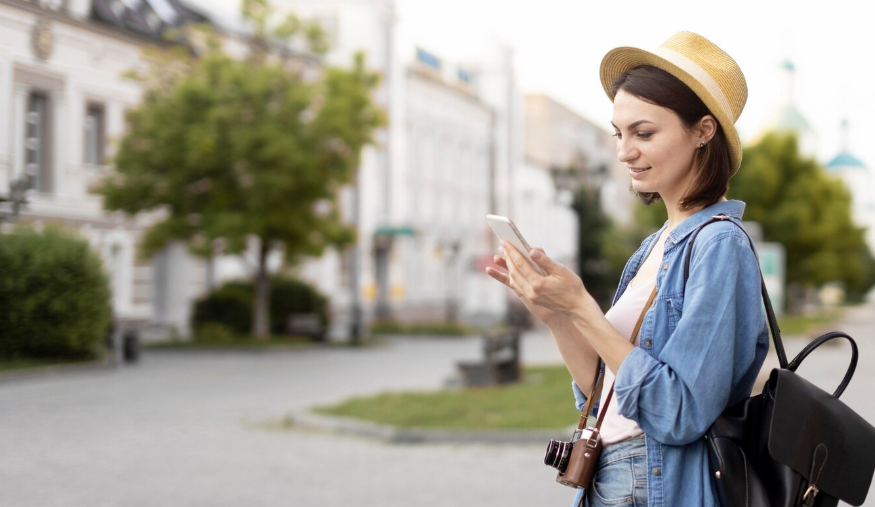
Digital Nomad Visas in France: What You Need to Know
With its world-class cuisine, iconic culture, high-speed rail network, and an ever-expanding digital economy, France has become an increasingly popular destination for remote professionals and entrepreneurs. Whether you’re seeking the romantic charm of Paris, the coastal serenity of Nice, or the peaceful countryside in Provence, France offers an enriching lifestyle for digital nomads.
However, one question continues to surface for remote workers dreaming of croissants and cobblestones: Does France offer a digital nomad visa? And what are your legal options if you’re a freelancer or remote employee wishing to stay in France longer than a tourist visa allows?
Is There a Digital Nomad Visa in France?
Technically, France does not currently offer a visa specifically labeled as a “digital nomad visa.” However, there are alternative residency permits and long-stay visa options that can accommodate remote workers, freelancers, and business owners — depending on your income, professional status, and long-term plans.
Here are the most relevant visa options for digital nomads interested in living and working remotely from France:
1. Long-Stay Visa (Visa de Long Séjour – VLS-TS)
This visa allows non-EU nationals to live in France for more than 90 days, and up to a year. There are several categories under the VLS-TS, but digital nomads often apply under the “visitor” or “self-employed” status.
- Visitor Visa: Best suited for remote workers employed by a foreign company or who run their own business abroad. This visa allows you to reside in France without seeking employment within the French market. Proof of sufficient financial means and private health insurance is required.
- Profession Libérale Visa: Ideal for freelancers and self-employed individuals who plan to offer services while residing in France. Applicants must register with the URSSAF and provide a detailed business plan, proof of income, and professional background.
2. Talent Passport – Entrepreneur or Innovative Project
This multi-year residence permit is designed for entrepreneurs planning to launch a business or innovative project in France. To qualify, you must invest a minimum amount of capital (usually €30,000 or more), demonstrate a viable business plan, and show relevant experience or qualifications.
Though it’s more demanding in terms of documentation and investment, this visa provides a pathway to longer stays and potential residency for those who wish to grow their operations in France.
3. EU Nationals and Schengen Residents
If you’re an EU or EEA national, you do not need a visa to live or work in France. You can simply move and begin working as long as you register properly and comply with tax and health insurance regulations.
How to Apply for a Long-Stay Visa in France
The process typically begins at your local French consulate or embassy. While specific requirements vary by visa type, most applications require the following:
- A valid passport
- Completed visa application form
- Passport-size photos
- Proof of income or financial support
- Proof of accommodation in France
- Private health insurance coverage
- Cover letter explaining your reasons for living in France
Expect the process to take anywhere from 1 to 3 months, so plan ahead. Once approved, you can convert your visa into a residence permit at your local prefecture once you arrive in France.
Living Legally and Working Remotely in France
As a digital nomad in France, it’s important to remain compliant with local regulations. Here are a few key things to keep in mind:
- Taxes: If you stay in France for more than 183 days per year, you may be considered a tax resident and need to declare your global income.
- Health Insurance: French law requires you to have valid health coverage. Private insurance is required for visa applications, but once you’re settled, you may be eligible for the French public healthcare system.
- Business Registration: If you plan to offer services while in France (under the Profession Libérale visa), you’ll need to register your business and may be required to pay into the French social security system.
Keeping documentation updated and organized will ensure a smooth transition to remote living in France.
Where Are the Best Places in France for Digital Nomads?
France offers a diverse range of settings depending on your preferences:
- Paris: Ideal for business networking, cultural immersion, and international connectivity.
- Lyon: A foodie paradise with lower costs of living and a thriving tech scene.
- Nice: Mediterranean beauty, excellent weather, and proximity to Italy and Monaco.
- Bordeaux: Known for its wine, laid-back vibe, and growing digital infrastructure.
- Toulouse: A center for aerospace and tech, with a student-friendly population and moderate living expenses.
Co-working spaces, startup hubs, and networking events are increasingly common across these cities, making it easier than ever to stay productive while enjoying la vie française.
Learning New Languages as an Expat: Strategies for Quick Success
One of the most rewarding — and at times challenging — parts of living abroad is adapting to the local language. While many in France speak some English, integrating into society and enjoying your daily life becomes much easier when you speak French.
Here are a few proven strategies for learning French faster:
- Language apps: Use tools like Duolingo, Babbel, or LingQ daily.
- Local immersion: Speak with neighbors, shopkeepers, and locals as often as possible, even if you make mistakes.
- Take structured classes: Look for language schools or online French programs with native instructors.
- Watch French media: Stream French shows and movies with subtitles to build listening comprehension.
- Practice with a partner: Find a language exchange buddy or tutor for regular conversation practice.
With consistency and curiosity, you’ll find yourself navigating French culture with confidence and ease.
Stay Connected for More Travel and Lifestyle Inspiration.
For more insights into travel, culture, and lifestyle tips, follow me on Instagram @salvadorordorica. If you’re seeking professional translation and localization services to enhance your global ventures, visit The Spanish Group — your trusted partner in bridging cultures worldwide.
