
by Dulce Navarro | Jan 21, 2026 | Europe, Experiences, Food, Lifestyle, Luxury, Restaurant, Travel
Paris for Connoisseurs: Where Design, Dining, and Privacy Converge
Paris is one of the most visited cities in the world—yet for the true connoisseur, the most meaningful Parisian experiences remain quietly hidden. Beyond the monuments and Michelin lists lies a more discreet Paris: one shaped by exceptional design, refined dining, and an unwavering respect for privacy. This is the Paris favored by collectors, creatives, and global tastemakers who value substance over spectacle.
The New Luxury in Paris: Discretion Over Display
Luxury in Paris has evolved. Today, it is no longer defined by excess or visibility, but by intentionality. The most sought-after experiences are those that feel personal, unadvertised, and impeccably curated.
Private hôtels particuliers tucked behind unmarked doors, ateliers accessible only by introduction, and members-only spaces known primarily through word of mouth define this new paradigm. For seasoned travelers, Paris is not a checklist—it is a rhythm, a relationship built over time.
This shift toward discretion reflects a broader global trend: affluent travelers increasingly seek environments that respect privacy, craftsmanship, and cultural depth. Paris, with its centuries-old traditions and modern creative pulse, delivers this balance better than any city in Europe.
Design as a Language: Architecture, Interiors, and Quiet Innovation
Parisian design speaks softly but with authority. The city’s most compelling spaces often reveal themselves gradually—through proportion, material choice, and restraint rather than ornamentation.
From Left Bank apartments restored by private architects to contemporary galleries embedded in historic buildings, Paris embraces contrast with elegance. Limestone walls meet sculptural lighting. Antique parquet floors coexist with custom furniture commissioned from local artisans.
What distinguishes Parisian design is not trend-following, but continuity. Many designers and studios work across generations, preserving heritage while subtly modernizing spaces for contemporary life. The result is design that feels timeless, deeply contextual, and inherently livable.
For connoisseurs, these environments offer more than beauty—they provide a sense of belonging, grounding visitors in the cultural fabric of the city rather than positioning them as spectators.
Dining for Those in the Know: Beyond Reservations and Rankings
Paris remains a global culinary capital, but its most memorable meals often occur far from viral restaurant lists. The city’s most discerning diners favor places where consistency, intimacy, and trust outweigh publicity.
These are restaurants where:
- The chef still visits the dining room
- Menus evolve quietly with the seasons
- Tables are held for regulars, not influencers
- Service feels intuitive rather than performative
Equally compelling are private dining salons, wine-focused tables run by former sommeliers, and invitation-only culinary experiences hosted in residential spaces. Here, dining becomes conversation, and food serves as a cultural exchange rather than a spectacle.
For global travelers accustomed to excellence, Paris offers a rare ability to surprise—precisely because it does not try to.
Privacy as a Luxury: How Paris Protects the Experience
In an era of constant visibility, privacy has become one of the most valuable luxuries. Paris understands this intuitively.
From boutique hotels with fewer than twenty rooms to serviced apartments managed discreetly for long-term stays, the city offers infrastructure designed for those who value anonymity. Entrances are understated. Staff are trained in discretion. Experiences are curated quietly.
This respect for privacy extends beyond accommodations. Many cultural institutions offer private viewing hours. Fashion houses host appointments away from the public eye. Even wellness and fitness spaces cater to clients seeking calm rather than crowds.
For executives, creatives, and international families, Paris provides something increasingly rare: the freedom to move, observe, and engage without constant exposure.
A City That Rewards Cultural Fluency
What ultimately sets Paris apart for connoisseurs is that it rewards cultural literacy. The city reveals itself not through algorithms, but through relationships, language, and understanding local nuance.
Knowing when to speak, when to listen, and how to navigate unspoken norms unlocks experiences inaccessible to casual visitors. This is where cultural fluency becomes a strategic advantage—whether in travel, business, or lifestyle.
For global professionals and entrepreneurs, Paris often becomes more than a destination. It becomes a base, a second rhythm, a place where personal taste and global perspective intersect.
Conclusion: Paris, Curated for Those Who Look Closer
Paris for connoisseurs is not about exclusivity for its own sake—it is about intention. It is a city that invites you to slow down, refine your perspective, and engage more deeply with culture, design, and human connection.
In a world increasingly driven by speed and visibility, Paris offers something enduring: elegance without noise, luxury without excess, and experiences shaped by knowledge rather than hype. For those who look closer, Paris continues to reveal itself—layer by layer, quietly and beautifully.
Stay Connected for More Travel and Lifestyle Inspiration.
For more insights into travel, culture, and lifestyle tips, follow me on Instagram @salvadorordorica. If you’re seeking professional translation and localization services to enhance your global ventures, visit The Spanish Group — your trusted partner in bridging cultures worldwide.

by Dulce Navarro | Jan 15, 2026 | Culture, Europe, Experiences, Food, Lifestyle, Luxury, Restaurant, Travel
Traveling Spain with Intention: Culture, Cuisine, and Quiet Luxury
Spain has long captivated travelers with its vibrant cities, sun-drenched coastlines, and globally celebrated cuisine. Yet beyond the familiar highlights lies a deeper, more refined way to experience the country — one defined by intention rather than itinerary, and by depth rather than display. For the discerning traveler, Spain offers an exceptional balance of cultural richness, gastronomic excellence, and a form of luxury that is quiet, authentic, and deeply rooted in tradition.
Traveling Spain with intention means slowing down, engaging with local rhythms, and appreciating craftsmanship, history, and hospitality in their most genuine forms. It is an invitation to experience the country not as a spectacle, but as a living culture.
The Philosophy of Intentional Travel
Intentional travel prioritizes meaning over momentum. Rather than moving quickly from one landmark to another, it encourages immersion — staying longer in fewer places, forming connections, and allowing destinations to reveal themselves organically.
Spain lends itself naturally to this approach. Its regional diversity, strong local identities, and respect for tradition create an environment where travelers can engage deeply with place, people, and purpose.
Madrid Beyond the Obvious
While Madrid is known for its grand museums and lively nightlife, its quieter side is equally compelling. Neighborhoods such as Chamberí and El Viso offer a more residential perspective, where historic architecture, local cafés, and private galleries shape daily life.
Cultural institutions like the Prado and the Thyssen-Bornemisza reward repeat visits, revealing layers of meaning that unfold over time. In Madrid, luxury is found not in excess, but in access — to art, conversation, and the city’s intellectual spirit.
Andalusia: Heritage, Light, and Timeless Elegance
Andalusia embodies Spain’s historical depth and emotional intensity. Cities such as Seville, Córdoba, and Granada reflect centuries of cultural exchange, visible in architecture, music, and daily rituals.
Staying in restored palaces or boutique hotels within historic districts allows travelers to experience Andalusia as a lived environment rather than a curated attraction. The rhythm of the day — shaped by light, meals, and conversation — defines the region’s understated luxury.
Cuisine as Cultural Expression
Spanish cuisine is inseparable from its geography and history. From the seafood-driven dishes of Galicia to the olive oil-rich flavors of southern Spain, each region tells its story through food.
Intentional travelers seek experiences beyond Michelin-starred restaurants, finding equal pleasure in family-run establishments, local markets, and seasonal specialties. In Spain, luxury dining often means simplicity executed with precision and respect for ingredients.
The Basque Country: Precision and Passion
The Basque Country represents one of Europe’s most sophisticated culinary cultures. In cities like San Sebastián, innovation coexists with tradition, and food is treated as both art and identity.
Beyond fine dining, pintxo bars, coastal walks, and conversations with local producers offer insight into a region that values excellence without ostentation.
Rural Spain and the Art of Stillness
Some of Spain’s most rewarding experiences are found far from urban centers. Regions such as Extremadura, Castilla y León, and inland Catalonia offer expansive landscapes, historic villages, and a pace of life defined by continuity.
Rural estates, converted monasteries, and small luxury lodgings provide comfort without distraction. Here, time becomes a luxury in itself.
Quiet Luxury Through Accommodation
Spain’s most refined accommodations often favor intimacy over scale. Boutique hotels, private residences, and historic properties emphasize thoughtful design, personalized service, and cultural integration.
These spaces allow travelers to feel anchored rather than transient — a defining element of intentional travel.
A More Meaningful Way to Experience Spain
Traveling Spain with intention transforms the journey into something enduring. It fosters respect for place, appreciation for craftsmanship, and an understanding of luxury as an experience rooted in authenticity.
For those willing to slow down and engage deeply, Spain offers not just destinations, but lasting perspective.
Stay Connected for More Travel and Lifestyle Inspiration
For more insights into travel, culture, and lifestyle tips, follow me on Instagram @salvadorordorica. If you’re seeking professional translation and localization services to enhance your global ventures, visit The Spanish Group — your trusted partner in bridging cultures worldwide.

by Dulce Navarro | Jan 7, 2026 | Europe, Experiences, Food, Lifestyle, Luxury, Restaurant
Elite Gastronomy Schools Offering One-Day Luxury Culinary Intensives
In the evolving landscape of luxury travel and lifestyle experiences, gastronomy has emerged as a powerful cultural connector. For discerning individuals who value excellence, creativity, and immersion, elite culinary schools across Europe and beyond are offering one-day luxury culinary intensives—highly curated experiences designed to deliver exceptional knowledge, hands-on mastery, and refined pleasure in a single day.
These programs are not designed for casual tourists. Instead, they cater to executives, entrepreneurs, and culinary enthusiasts who seek meaningful encounters with world-class chefs, prestigious institutions, and the philosophies that define haute cuisine.
The Rise of the One-Day Culinary Intensive
Traditionally, elite culinary education required weeks or months of formal study. However, as luxury consumers increasingly prioritize efficiency and depth, leading gastronomy schools have adapted by creating immersive, one-day formats that condense expertise without compromising quality.
These intensives combine demonstration, participation, tasting, and dialogue—offering participants immediate access to advanced techniques, rare ingredients, and professional insight, all within a meticulously structured experience.
Le Cordon Bleu Paris: Precision and Heritage in One Day
Le Cordon Bleu Paris remains one of the most prestigious culinary institutions in the world. Its one-day gourmet workshops provide participants with access to master chefs trained in classical French technique and modern refinement.
Guests may focus on areas such as haute pâtisserie, classic sauces, or contemporary French plating. The experience typically concludes with a guided tasting and discussion, reinforcing the institution’s philosophy of technical rigor paired with culinary artistry.
ALMA – The School of Italian Culinary Arts
Located in the historic Ducal Palace of Colorno, ALMA represents the pinnacle of Italian gastronomic education. One-day luxury intensives at ALMA explore the essence of Italian cuisine through regional traditions, seasonal ingredients, and masterful simplicity.
Participants engage directly with professional chefs who emphasize ingredient sourcing, balance, and authenticity. These programs often include wine pairings and cultural context, offering a holistic understanding of Italy’s culinary heritage.
Basque Culinary Center: Innovation Meets Tradition
The Basque Culinary Center in San Sebastián is renowned for its forward-thinking approach to gastronomy. Its one-day executive programs are designed for individuals interested in culinary innovation, sustainability, and contemporary techniques.
Experiences may include molecular gastronomy demonstrations, avant-garde plating workshops, and discussions on the future of fine dining. The center’s connection to Michelin-starred chefs makes it particularly attractive to those seeking cutting-edge perspectives.
École Ritz Escoffier: Culinary Excellence in a Legendary Setting
Housed within the iconic Ritz Paris, the École Ritz Escoffier offers exclusive one-day culinary experiences that reflect the elegance and precision associated with the Ritz name.
Programs often focus on refined French cuisine, pastry arts, or luxury hospitality standards. The intimate setting allows for personalized instruction, making the experience both educational and indulgent.
What Defines a Luxury Culinary Intensive
Luxury culinary intensives distinguish themselves through several key elements: access, expertise, and atmosphere. Group sizes are deliberately small, allowing for direct interaction with chefs and instructors.
Ingredients are often rare or premium, sourced from trusted producers. Settings range from historic palaces to state-of-the-art kitchens, reinforcing the sense of exclusivity. Every detail—from aprons to tableware—is curated to reflect the institution’s standards.
Beyond Cooking: Cultural and Professional Value
These one-day programs offer more than culinary instruction. They serve as cultural gateways, revealing how food reflects history, geography, and identity. Participants leave not only with new skills, but with a deeper appreciation for the cultural significance of gastronomy.
For executives and entrepreneurs, these experiences also function as networking opportunities, bringing together like-minded individuals who share a passion for excellence, craftsmanship, and global culture.
The Appeal for Today’s Global Elite
One-day luxury culinary intensives align perfectly with the lifestyles of today’s global elite. They offer maximum enrichment within limited timeframes, blending leisure, education, and prestige.
As experiential luxury continues to outperform material consumption, gastronomy-based programs are increasingly valued for their authenticity and lasting impact.
Conclusion: A Refined Expression of Modern Luxury
Elite gastronomy schools offering one-day luxury culinary intensives represent a refined evolution of travel and education. They provide unparalleled access to expertise, heritage, and innovation—delivered with precision and elegance.
For those who appreciate culinary excellence as both an art and a cultural language, these experiences offer an unforgettable way to engage with the world’s most celebrated food traditions.
Stay Connected for More Travel and Lifestyle Inspiration. For more insights into travel, culture, and lifestyle tips, follow me on Instagram
@salvadorordorica. If you’re seeking professional translation and localization services to enhance your global ventures, visit The Spanish Group — your trusted partner in bridging cultures worldwide.
by Dulce Navarro | Jan 6, 2026 | Europe, Experiences, Food, Restaurant
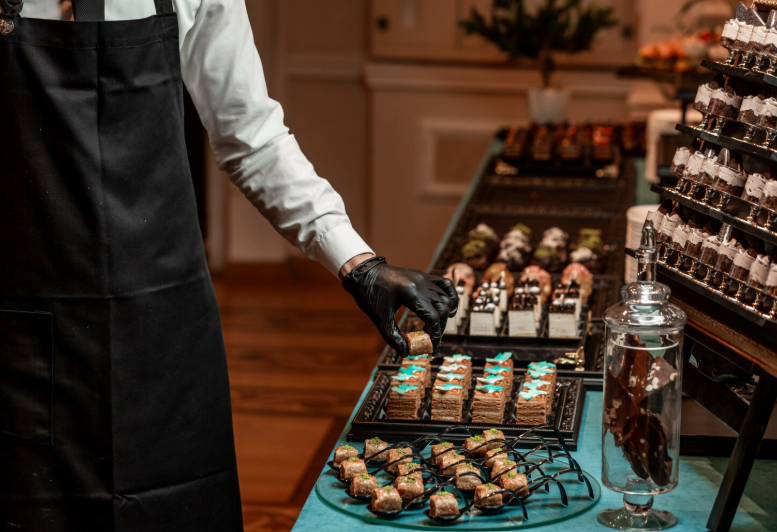
Master Chocolatiers of Europe: Private Workshopping for Gourmet Travelers
Europe has long been regarded as the spiritual home of fine chocolate, where centuries-old traditions meet modern artistry. From the refined salons of Paris to the discreet ateliers of Brussels and the alpine workshops of Switzerland, master chocolatiers continue to elevate chocolate from a confection to an art form. For the discerning gourmet traveler, a new category of luxury experience has emerged: private chocolate workshops led by Europe’s most celebrated chocolatiers.
These intimate, invitation-only sessions offer far more than a tasting. They provide privileged access to creative processes, rare ingredients, and expert techniques typically reserved for apprentices and industry insiders. For travelers seeking depth, authenticity, and exclusivity, private chocolate workshopping represents a refined way to engage with Europe’s culinary heritage.
The Rise of Experiential Gastronomy
Luxury travel has shifted decisively toward experiences that are immersive, educational, and emotionally resonant. Today’s gourmet travelers are not satisfied with merely consuming fine products; they want to understand their origins, craftsmanship, and cultural significance. Chocolate, with its global supply chains and deeply European refinement, offers a compelling narrative.
Private chocolate workshops respond to this demand by blending gastronomy, storytelling, and hands-on learning. Guests may explore the journey from cacao bean to finished bonbon, study regional flavor profiles, or even create bespoke chocolates under the guidance of a master chocolatier. These experiences are often hosted in closed-door ateliers, historic kitchens, or private salons far removed from public retail spaces.
France: Precision, Elegance, and Innovation
France’s chocolatiers are renowned for their technical precision and artistic presentation. In Paris and the surrounding regions, private workshops are often led by Meilleurs Ouvriers de France or chocolatiers who supply royal households and Michelin-starred restaurants.
A private session in France may include tempering techniques, ganache formulation, and the philosophy behind balancing bitterness, sweetness, and texture. Guests are often invited to create personalized flavor combinations using rare spices, single-origin cacao, or locally sourced ingredients such as lavender, hazelnut, or sea salt from the Atlantic coast.
These workshops emphasize discipline and finesse, reflecting France’s broader culinary ethos. They are ideal for travelers who appreciate structure, elegance, and intellectual engagement with gastronomy.
Belgium: Heritage and Depth of Flavor
Belgium’s reputation as a chocolate capital is built on generations of craftsmanship and an unwavering commitment to quality. Private chocolate workshops in Brussels, Bruges, or Antwerp often take place in family-run ateliers that have perfected their techniques over decades.
Here, gourmet travelers gain insight into praline development, filling techniques, and the historical evolution of Belgian chocolate. Workshops frequently highlight the importance of cacao sourcing and roasting profiles, offering tastings that compare beans from different regions of Africa, Latin America, and Southeast Asia.
Belgian workshops tend to be deeply educational, appealing to travelers who value tradition, authenticity, and a strong sense of culinary lineage.
Switzerland: Technical Mastery and Alpine Influence
Switzerland is synonymous with chocolate innovation, particularly in milk chocolate and texture refinement. Private workshops here often combine technical demonstrations with sensory exploration, showcasing how altitude, climate, and dairy quality influence flavor and mouthfeel.
In exclusive alpine settings or discreet urban labs, guests may learn about conching times, fat crystallization, and the science behind smoothness. Swiss chocolatiers are known for their methodical approach, making these workshops particularly appealing to travelers with an interest in food science and precision craftsmanship.
Beyond Chocolate: Cultural Context and Personalization
What truly distinguishes private chocolate workshops is the level of personalization they offer. Sessions are often tailored to the interests of the guests, whether that means focusing on vegan chocolate, sugar reduction, pairing chocolate with wine or spirits, or creating gifts for special occasions.
Many workshops also incorporate cultural storytelling, connecting chocolate to European history, colonial trade routes, and evolving consumer values. This broader context transforms the experience from a culinary activity into a cultural journey.
For corporate leaders, entrepreneurs, and high-net-worth travelers, these workshops provide a refined environment for networking, reflection, and creative inspiration.
Planning a Private Chocolate Workshop Experience
Access to Europe’s top chocolatiers typically requires advance planning and trusted local connections. Many workshops are available by appointment only and may require introductions through luxury travel advisors, concierge services, or culinary networks.
When planning, travelers should consider group size, language preferences, duration, and whether the workshop includes take-home creations or private tastings. Some experiences can be integrated into broader culinary itineraries, pairing chocolate workshops with winery visits, fine dining, or cultural tours.
A Refined Indulgence for the Modern Gourmet Traveler
Private chocolate workshopping in Europe represents a sophisticated evolution of luxury travel—one that values knowledge, craftsmanship, and meaningful engagement. It allows travelers not only to taste exceptional chocolate, but to participate in its creation and understand the artistry behind it.
For those who seek experiences that are both indulgent and intellectually enriching, Europe’s master chocolatiers offer a rare and memorable gateway into one of the continent’s most beloved culinary traditions.
Stay Connected for More Travel and Lifestyle Inspiration.
For more insights into travel, culture, and lifestyle tips, follow me on Instagram @salvadorordorica. If you’re seeking professional translation and localization services to enhance your global ventures, visit The Spanish Group — your trusted partner in bridging cultures worldwide.
by Dulce Navarro | Dec 26, 2025 | Europe, Experiences, Food, Hotels, Landscapes, Lifestyle, Travel
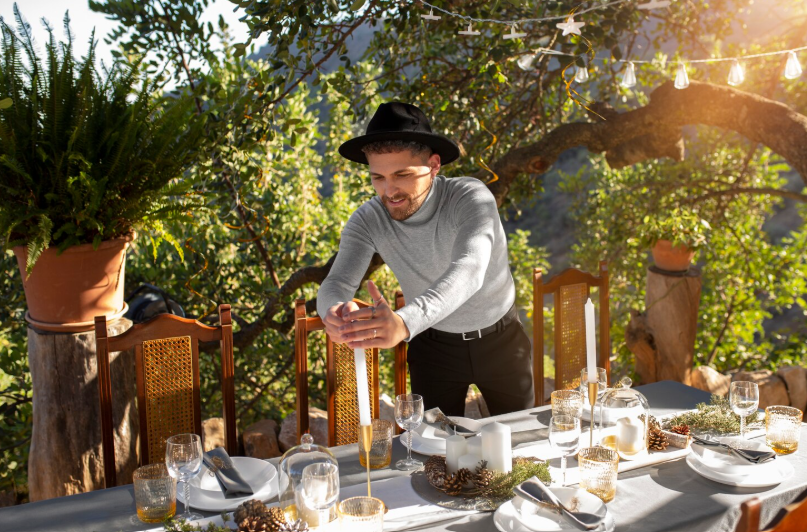
From Farm to Table: Europe’s Elite Organic Estates Hosting Luxury Stays
Across Europe, a new form of luxury travel is quietly redefining what it means to stay well. Rooted in sustainability, authenticity, and refined comfort, elite organic estates are opening their doors to discerning travelers seeking more than indulgence alone. These destinations combine world-class hospitality with working farms, vineyards, and orchards, offering immersive “farm-to-table” experiences without compromising elegance or exclusivity.
For company leaders and globally minded travelers, these estates represent a thoughtful intersection of wellness, culture, and responsible luxury. They offer a slower, more intentional way to experience Europe—one that values provenance, craftsmanship, and connection to the land.
The Rise of Farm-to-Table Luxury Travel
Farm-to-table dining has long been associated with quality and transparency, but Europe’s organic estates elevate the concept far beyond cuisine. These properties are often centuries old, stewarded by families or visionaries committed to organic agriculture, biodiversity, and heritage preservation.
Luxury travelers are increasingly drawn to experiences that feel meaningful and restorative. Staying on an organic estate allows guests to enjoy impeccable accommodations while engaging with the rhythms of nature—harvests, vineyards, olive groves, and artisanal food production—translated into refined, unforgettable hospitality.
Italy: Organic Estates Rooted in Tradition and Elegance
Italy leads Europe’s farm-to-table luxury movement, particularly in regions such as Tuscany, Umbria, and Piedmont. Historic estates offer restored villas, boutique lodges, and private residences surrounded by organic vineyards and farmland.
Guests enjoy seasonal menus crafted entirely from estate-grown ingredients, paired with organic wines produced on-site. Beyond dining, experiences often include truffle hunting, olive oil tastings, cooking classes, and private tours that reveal the deep connection between Italian culture, agriculture, and refined living.
France: Sustainable Refinement and Culinary Heritage
In France, organic luxury estates seamlessly blend sustainability with the country’s legendary gastronomic standards. From Provence to the Loire Valley, guests are welcomed into châteaux and countryside retreats where biodynamic farming supports exceptional cuisine.
These estates often collaborate with Michelin-starred chefs or employ resident culinary teams dedicated to seasonal, organic menus. Vineyard walks, cellar tastings, and private market visits reinforce the idea that luxury in France is inseparable from terroir, tradition, and taste.
Spain and Portugal: Authenticity, Nature, and Emerging Luxury
Spain and Portugal are emerging as leaders in organic luxury hospitality. In regions such as Andalusia, Catalonia, Alentejo, and Douro Valley, estates combine rustic architecture with contemporary design, offering understated elegance rooted in authenticity.
Guests experience organic olive oils, wines, and produce grown on the property, often prepared using traditional techniques passed down through generations. These stays appeal to travelers seeking privacy, warmth, and cultural immersion without ostentation.
Switzerland and Northern Europe: Precision, Wellness, and Sustainability
In Switzerland and parts of Northern Europe, organic estates focus on holistic wellness and environmental stewardship. Alpine farms and lakeside retreats emphasize clean living, locally sourced cuisine, and thoughtful design that integrates seamlessly with the natural landscape.
Luxury here is defined by serenity, precision, and balance. Guests enjoy organic dining, spa treatments using natural ingredients, and outdoor experiences that promote physical and mental well-being—ideal for leaders seeking restoration and clarity.
What Sets These Estates Apart
The defining characteristic of Europe’s elite organic estates is integrity. Every element of the guest experience—from architecture and interiors to cuisine and service—is aligned with sustainability and quality.
Unlike traditional luxury hotels, these estates offer transparency and storytelling. Guests know where their food comes from, who produces it, and how the land is cared for. This sense of authenticity creates a deeper emotional connection and a more memorable stay.
Farm-to-Table as a Global Lifestyle Philosophy
The appeal of farm-to-table luxury reflects a broader global shift toward conscious consumption and cultural awareness. High-net-worth individuals increasingly seek experiences that align with their values—health, sustainability, and long-term impact.
For global travelers, these estates also highlight the importance of communication and cultural fluency. Sharing stories of land, food, and heritage across borders requires thoughtful translation and localization, ensuring authenticity is preserved for international audiences.
Conclusion: Redefining Luxury Through the Land
Europe’s elite organic estates demonstrate that true luxury is evolving. It is no longer defined solely by opulence, but by intention, quality, and connection to place. Farm-to-table luxury stays offer an experience that nourishes both body and mind, while honoring tradition and the environment.
For discerning travelers and company leaders alike, these destinations provide a meaningful way to explore Europe—where refinement begins at the source and every detail tells a story rooted in the land.
Stay Connected for More Travel and Lifestyle Inspiration. For more insights into travel, culture, and lifestyle tips, follow me on Instagram
@salvadorordorica. If you’re seeking professional translation and localization services to enhance your global ventures, visit The Spanish Group — your trusted partner in bridging cultures worldwide.

by Dulce Navarro | Dec 11, 2025 | Culture, Europe, Experiences, Food, Lifestyle, Restaurant, Traditions, Travel
Europe’s Most Exclusive Seasonal Food Festivals for Culinary Purists
Introduction
For culinary purists—chefs, connoisseurs, and serious food travelers—the calendar of Europe’s seasonal food festivals is a roadmap to authenticity. These events celebrate terroir, traditional techniques, and small-scale producers who preserve heritage ingredients and artisanal methods. Unlike mass-market food fairs, the continent’s most exclusive festivals are intimate, invitation-friendly, and often limited in attendance. They are curated experiences where provenance, seasonality, and craft are honored, and where attendees can taste the direct lineage between landscape and plate.
Why Seasonal and Exclusive Matter
Seasonality is the backbone of great cuisine. The most compelling festivals align with nature’s cycles—truffle hunts in autumn, spring asparagus festivals, or seafood celebrations timed to local spawning and migration patterns. Exclusivity matters because it ensures quality: smaller events attract producers who will present mature harvests, chefs who prepare with restraint and skill, and aficionados who appreciate nuance. Together, seasonal timing and selective access create conditions for memorable encounters with food in its most honest form.
Autumn: Truffles, Chestnuts, and Game
Autumn in Europe is synonymous with truffles and game, and the private truffle festivals of Italy and France are among the most prized. In Piedmont and Tuscany, seasonal gatherings bring together truffle hunters, specialist dogs, and chefs who stage tasting menus built around small, aromatic specimens. These events often include guided hunts—an immersive experience that illustrates how delicate timing and local knowledge influence quality. Similarly, chestnut festivals in mountain villages and curated game dinners in hunting lodges allow purists to taste long-standing regional traditions without commercial dilution.
Winter: Cured Meats and Alpine Cheese
Winter festivals in the alpine zones celebrate preservation—think artisanal charcuterie, cured hams, and mountain cheeses aged in cellars. Exclusive winter gatherings in regions such as the Aosta Valley, Tirol, and the Jura invite cheesemongers and master butchers to present small batches of seasonal specialities. These events pair careful tastings with behind-the-scenes tours of aging cellars and traditional smokehouses, offering a rare look at methods designed to withstand harsh climates and long winters.
Spring: Asparagus, Herbs, and Early Seafood
Spring festivals are focused on renewal—tender asparagus, wild herbs, and delicate early-season seafood. The most refined events are held in regions where a specific ingredient defines a culinary moment: white asparagus in parts of Germany and France, sea urchins along the Basque coast, and ramp festivals in northern Spain. These celebrations are often limited to a handful of tables or pop-up dinners where chefs showcase minimal preparations that highlight freshness and texture.
Summer: Market-To-Table and Small-Island Seafood Retreats
Summer brings a different cast of characters: coastal purveyors, market gardeners, and island communities that harvest shellfish and ripe vegetables at peak ripeness. Luxury, low-footprint festivals on small Mediterranean islands or in sheltered coves emphasize responsible harvesting and careful cooking—grilled fish over wood fires, simple salads of heirloom tomatoes, and demonstrations of pickling and fermenting to preserve abundance. Many of these events are invitation-only or sold in very small batches, and they often include accommodations curated to match the festival’s culinary philosophy.
Micro-Festivals: The New Model for Purists
Across Europe there is a growing movement toward micro-festivals—short, intensely curated events limited to dozens rather than thousands of guests. These gatherings often take place in private estates, boutique wineries, or cooperative barns, and organizers tightly control the guest list to ensure conversation and learning. Micro-festivals prioritize interactive elements: masterclasses with producers, intimate chef-led demonstrations, and tasting flights that contrast vintages, curing techniques, or terroirs. For the culinary purist, a micro-festival is often more rewarding than a sprawling public fair because it yields deeper context and fewer distractions.
What to Expect at an Exclusive Festival
Attending an exclusive seasonal festival requires modest preparation. Expect structured itineraries—morning market visits, mid-day private tastings, and evening chef’s table menus. Tickets frequently include curated educational components, such as seminars on soil health, fermentation, or sustainable harvesting. Accommodations are commonly part of the package and reflect the festival’s aesthetic: rural guesthouses, converted farmhouses, and small boutique hotels. Accessibility is limited by design, so planning ahead and subscribing to waitlists or producer mailing lists is often necessary.
How to Find and Secure Invitations
To access Europe’s top seasonal festivals, leverage a mix of relationships and research. Follow respected culinary journalists, regional food consortia, and slow-food networks. Contact small producers directly—many festivals prioritize attendees who demonstrate serious interest, such as restaurateurs, chefs, or journalists. Private hospitality firms and bespoke travel specialists can also secure places at otherwise closed events. Finally, consider joining professional organizations that sometimes receive priority access to limited-seating tastings.
Ethical Considerations and Sustainability
Exclusive festivals must balance celebration with stewardship. The best events enforce sustainable harvesting practices, limit guest numbers to prevent environmental strain, and channel proceeds back into local producer communities. Culinary purists should prefer festivals that prioritize traceability and animal welfare, and that provide transparent information on sourcing and seasonal impact. Responsible festivals model how rare ingredients can be enjoyed without jeopardizing the ecosystems and traditions that create them.
Final Thoughts
For those who take food seriously, Europe’s exclusive seasonal festivals are more than ephemeral pleasures; they are living archives of craft and place. These gatherings offer an education in taste, a connection to the people behind the ingredients, and an appreciation for the rhythms that define truly exceptional food. By seeking out small-scale, seasonally attuned events, culinary purists can both savor extraordinary dishes and support the continuance of traditional methods that sustain Europe’s diverse gastronomic heritage.
Stay Connected for More Travel and Lifestyle Inspiration. For more insights into travel, culture, and lifestyle tips, follow me on Instagram @salvadorordorica. If you’re seeking professional translation and localization services to enhance your global ventures, visit The Spanish Group — your trusted partner in bridging cultures worldwide.
