Secret Garden Hotels: Europe’s Most Beautiful Floral Retreats
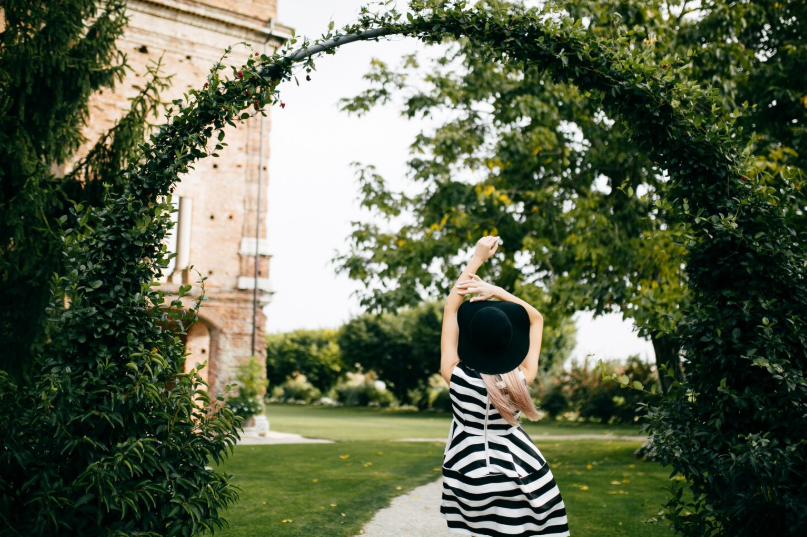
Hidden behind ivy-covered walls, historic gates, and discreet façades, Europe’s secret garden hotels offer travelers
a rare combination of privacy, beauty, and immersion in nature. These properties are not simply places to stay;
they are curated floral sanctuaries where landscape design, architecture, and heritage converge. For discerning
travelers seeking tranquility without sacrificing sophistication, garden hotels represent one of Europe’s most
refined hospitality experiences.
The Enduring Appeal of Garden-Centered Hospitality
Gardens have long played a central role in European culture, symbolizing harmony, craftsmanship, and a deep
connection to the land. From Renaissance estates in Italy to formal French gardens and romantic English landscapes,
outdoor spaces were designed as extensions of the home—places for reflection, conversation, and renewal.
Today’s garden hotels draw directly from this tradition. Rather than treating greenery as decorative, these
properties place gardens at the heart of the guest experience. Rooms open onto courtyards filled with climbing
roses, breakfast is served beneath citrus trees, and evening walks unfold along paths designed centuries ago.
France: Romantic Courtyards and Hidden Urban Oases
In France, secret garden hotels often exist in the most unexpected settings. Tucked away within Parisian
neighborhoods or historic provincial towns, these properties offer a striking contrast to the energy of their
surroundings. Behind unassuming entrances, guests discover manicured courtyards, fountains, and fragrant flower
beds that evoke another era.
Many of these hotels occupy former private residences or hôtels particuliers, where gardens were originally
designed for aristocratic families. Today, they provide a rare sense of calm in urban environments, allowing
guests to retreat into nature without leaving the city.
Italy: Botanical Heritage and Timeless Elegance
Italy’s garden hotels are deeply influenced by the country’s botanical and architectural legacy. From the rolling
hills of Tuscany to the shores of Lake Como and the Amalfi Coast, gardens are carefully integrated into the
landscape, emphasizing natural beauty rather than strict formality.
These properties often feature terraced gardens with olive trees, lavender, and citrus groves, designed to frame
sweeping views of the countryside or sea. Many gardens date back hundreds of years, meticulously preserved and
adapted to modern hospitality while retaining their original character.
The United Kingdom: Romantic Landscapes and Literary Inspiration
In the United Kingdom, garden hotels draw inspiration from the romantic movement and the tradition of landscaped
estates. Rather than symmetry, these gardens favor winding paths, native flora, and carefully framed vistas that
feel both natural and intentional.
Guests staying at these properties often find themselves surrounded by walled gardens, arboretums, and meadows
that change dramatically with the seasons. Spring blossoms, summer roses, autumn foliage, and winter evergreens
ensure that each visit offers a distinct sensory experience.
Spain and Portugal: Courtyards, Climate, and Color
In Southern Europe, garden hotels are shaped by climate and tradition. Spanish and Portuguese properties frequently
center around interior courtyards filled with orange trees, jasmine, and bougainvillea. These spaces serve both
aesthetic and practical purposes, providing shade, cooling airflow, and a communal gathering point.
Many of these gardens reflect Moorish design principles, emphasizing water features, geometric layouts, and
aromatic plants. The result is an atmosphere that feels both intimate and immersive, deeply connected to regional
history.
Wellness, Privacy, and the Modern Traveler
The appeal of secret garden hotels has grown significantly as travelers increasingly prioritize wellness, privacy,
and meaningful experiences. Gardens offer a natural antidote to the pace of modern life, encouraging slow travel
and mindful exploration.
Many properties now integrate wellness offerings directly into their garden spaces, including outdoor yoga,
meditation areas, spa treatments surrounded by greenery, and farm-to-table dining sourced from on-site gardens.
This holistic approach enhances both physical and emotional well-being.
Preservation and Sustainability
Maintaining historic gardens requires expertise, patience, and long-term vision. Many secret garden hotels invest
heavily in preservation, working with landscape historians and horticultural specialists to protect rare plant
species and original layouts.
Sustainability also plays a growing role. Native planting, water conservation, and organic gardening practices
help ensure that these landscapes remain viable for future generations while reducing environmental impact.
Conclusion
Europe’s secret garden hotels offer far more than beautiful surroundings. They provide access to a slower, more
intentional way of traveling—one rooted in history, nature, and refined hospitality. These floral retreats invite
guests to step away from the ordinary and reconnect with beauty in its most enduring form.
Whether hidden in a bustling city or nestled within the countryside, garden hotels stand as quiet reminders that
true luxury often lies in serenity, craftsmanship, and thoughtful preservation.
Stay Connected for More Travel and Lifestyle Inspiration. For more insights into travel, culture, and lifestyle tips, follow me on Instagram @salvadorordorica. If you’re seeking professional translation and localization services to enhance your global ventures, visit The Spanish Group — your trusted partner in bridging cultures worldwide.
Where Royals Vacation: Europe’s Under-the-Radar Noble Family Estates
When most people think of royal vacations, images of the French Riviera, the Amalfi Coast, or Alpine ski resorts often come to mind. While these destinations certainly attract their share of aristocratic visitors, Europe’s royal and noble families have long favored far more discreet retreats. Hidden behind centuries-old stone walls, nestled in remote countryside, or tucked away in coastal enclaves far from paparazzi lenses, these estates offer privacy, tradition, and understated luxury.
These under-the-radar destinations are not defined by five-star hotels or flashy amenities. Instead, they represent a quieter form of exclusivity—places where heritage, family legacy, and a deep connection to the land take precedence over public display. For many noble families, vacationing is less about escape and more about returning to ancestral homes that have shaped their identity for generations.
The Appeal of Noble Family Estates
Noble estates across Europe are often centuries old, passed down through bloodlines that predate modern nation-states. These properties were not designed as vacation homes in the contemporary sense, but as working estates—centers of agriculture, governance, and cultural life. Today, they serve as sanctuaries where royal families can retreat from official duties without sacrificing comfort or tradition.
Privacy is the primary draw. Unlike luxury resorts, these estates are typically closed to the public and surrounded by vast tracts of private land. Security is subtle yet effective, allowing residents to move freely, host family gatherings, and enjoy daily routines without intrusion. This discretion is particularly valued by younger generations of royals seeking normalcy away from constant public attention.
Hidden Countryside Retreats in England
Beyond the well-known royal residences, England’s countryside is dotted with lesser-known manor houses and estates owned by noble families. Many are located in counties such as Norfolk, Herefordshire, and Northumberland, where rolling fields, ancient woodlands, and quiet villages create an atmosphere of timeless calm.
These estates often revolve around seasonal rhythms—long walks through private gardens, informal shooting weekends, and family meals centered on locally sourced produce. The emphasis is on continuity rather than luxury, with interiors reflecting generations of use rather than modern design trends.
France’s Aristocratic Escapes Beyond the Riviera
While France’s southern coast attracts international attention, many aristocratic families prefer inland regions such as the Loire Valley, Dordogne, and Burgundy. Here, historic châteaux remain in private hands, surrounded by vineyards, forests, and rivers that have sustained noble households for centuries.
These estates provide a refined yet unpretentious setting. Days are often spent managing vineyards, restoring historic structures, or entertaining close friends and extended family. The experience is deeply rooted in French cultural traditions, from cuisine to winemaking, offering a slower and more intentional pace of life.
Italy’s Quiet Noble Villas
Italy’s noble families frequently retreat to rural estates in Tuscany, Umbria, and Piedmont—far from the crowds of Florence, Rome, or Venice. These villas are typically working properties, producing olive oil, wine, or agricultural goods, and serving as multigenerational family homes.
What sets these retreats apart is their seamless integration of history and daily life. Frescoed rooms coexist with modern comforts, and ancient stone walls frame contemporary family gatherings. The focus is not on opulence, but on preserving a way of life that values heritage, hospitality, and regional identity.
Spanish Noble Estates and Rural Traditions
In Spain, noble family estates are often located in Andalusia, Castilla-La Mancha, and Extremadura. These expansive properties, sometimes referred to as fincas, are deeply tied to agricultural traditions and rural customs. For aristocratic families, vacationing here means reconnecting with the land and participating in seasonal activities such as harvests and local festivals.
The architecture of these estates reflects centuries of cultural influence, blending Moorish, medieval, and Renaissance elements. Life on these properties is deliberately understated, offering a sense of grounding and continuity that contrasts sharply with the demands of public life.
Why Royals Choose Discretion Over Glamour
For modern royal families, discretion has become increasingly valuable. Public roles come with constant visibility, making private time all the more precious. Noble family estates provide an environment where traditions can be maintained, children can grow up with a sense of normalcy, and family bonds can be strengthened away from scrutiny.
These retreats also serve as living archives of European history. By maintaining and inhabiting ancestral estates, noble families play a role in preserving architectural heritage, landscapes, and cultural practices that might otherwise disappear. Vacationing, in this context, becomes an act of stewardship as much as leisure.
A Different Definition of Luxury
Luxury, in the world of European nobility, is rarely about excess. It is defined by space, silence, and a deep connection to history. The ability to walk through land owned by one’s family for centuries, to sleep in rooms filled with ancestral portraits, and to live according to long-established rhythms represents a form of privilege that cannot be replicated by modern resorts.
As travel trends increasingly favor authenticity and meaningful experiences, these under-the-radar noble estates offer a compelling alternative vision of luxury—one rooted in legacy, privacy, and cultural continuity.
Conclusion
Europe’s noble family estates remain some of the continent’s best-kept secrets. Far from the spotlight, they offer insight into how royalty truly unwinds: quietly, privately, and surrounded by history. These destinations remind us that the most exclusive places are often the ones we hear about the least.
Stay Connected for More Travel and Lifestyle Inspiration.
For more insights into travel, culture, and lifestyle tips, follow me on Instagram @salvadorordorica. If you’re seeking professional translation and localization services to enhance your global ventures, visit The Spanish Group — your trusted partner in bridging cultures worldwide.
Behind Closed Doors: Private Palace Tours Only Available by Invitation
In an era where travel has become increasingly accessible, true exclusivity has become the ultimate luxury. Beyond public galleries, roped-off corridors, and guided group visits lies a world few ever experience: private palace tours available only by invitation. These rare encounters offer more than architectural beauty or historical anecdotes—they provide an intimate glimpse into living heritage, refined tradition, and the subtle power dynamics that have shaped nations for centuries.
The Allure of the Unseen
Palaces have always symbolized authority, elegance, and cultural identity. While many are open to the public in limited capacity, invitation-only tours unlock spaces deliberately kept out of sight. These include private apartments, ceremonial salons, restricted archives, and gardens designed not for spectacle but for solitude. The allure lies not only in what is seen, but in what is normally withheld.
Access is often granted through diplomatic channels, cultural institutions, royal foundations, or personal introductions. Guests may include heads of state, patrons of the arts, cultural leaders, or individuals with longstanding ties to the palace’s custodians. The result is a profoundly personal experience that transcends conventional tourism.
A Curated Experience, Not a Tour
Unlike public visits that follow a fixed route and schedule, private palace tours are meticulously curated. Each visit is shaped around the interests of the guest, whether architectural history, fine art, political legacy, or ceremonial tradition. Expert historians, archivists, or members of the royal household often lead these tours, offering insights unavailable in guidebooks or audio recordings.
Conversations unfold naturally, questions are encouraged, and time is not rushed. This level of engagement transforms the experience into a dialogue with history rather than a passive observation of it.
Living History Behind Palace Walls
What sets private palace tours apart is the realization that these spaces are not relics—they are living environments. Many palaces remain active residences or ceremonial centers. Guests may witness preparations for state functions, glimpse daily routines, or learn how centuries-old traditions are adapted to modern governance.
From handwritten correspondence between monarchs to personal art collections never exhibited publicly, these details humanize institutions often perceived as distant or untouchable. They reveal the personal narratives behind public power.
Architecture as a Language of Power
Palaces are masterclasses in symbolic architecture. Every corridor, ceiling height, and spatial transition was designed with intention. During private tours, these architectural choices are explained in context—how a staircase signaled hierarchy, how light was used to convey authority, or how gardens were positioned to reflect philosophical ideals.
Such insights deepen appreciation not only for aesthetics, but for architecture as a tool of communication. Palaces were built to impress, intimidate, and inspire, and understanding this language enriches the experience immeasurably.
The Role of Discretion and Trust
Invitation-only access relies heavily on discretion. Photography may be restricted, locations undisclosed, and details intentionally vague. This confidentiality preserves the sanctity of the space and protects its occupants. Guests are trusted not merely as visitors, but as temporary custodians of cultural respect.
This mutual understanding creates a rare atmosphere of authenticity. Without crowds or spectacle, palaces reveal themselves quietly, allowing guests to absorb their significance without distraction.
A New Definition of Luxury Travel
In today’s travel landscape, luxury is no longer defined solely by five-star accommodations or first-class flights. It is defined by access, authenticity, and meaning. Private palace tours embody this evolution. They offer emotional resonance, intellectual enrichment, and cultural intimacy that cannot be replicated.
For seasoned travelers, these experiences become defining moments—memories rooted not in extravagance, but in connection to history, art, and human legacy.
Why These Experiences Matter
Beyond personal enrichment, private palace tours play an important role in cultural preservation. Many are linked to foundations or initiatives that support restoration, education, and historical research. Participation often contributes directly to the maintenance of these sites for future generations.
They also foster cross-cultural understanding. By opening their doors selectively, palaces extend a gesture of trust and dialogue, reinforcing the idea that heritage is not meant to be locked away, but shared thoughtfully.
Conclusion: Privilege, Responsibility, and Perspective
To step behind closed palace doors is to experience history in its most intimate form. It is a privilege that carries responsibility—one that demands respect for tradition, confidentiality, and cultural nuance. These invitation-only tours remind us that the most meaningful journeys are not measured by distance traveled, but by depth of understanding gained.
In a world that increasingly values speed and visibility, such quiet, profound experiences stand apart. They invite us to slow down, listen closely, and appreciate the enduring power of heritage preserved with care.
Stay Connected for More Travel and Lifestyle Inspiration.
For more insights into travel, culture, and lifestyle tips, follow me on Instagram @salvadorordorica. If you’re seeking professional translation and localization services to enhance your global ventures, visit The Spanish Group — your trusted partner in bridging cultures worldwide.
Introduction: The Quiet Appeal of Seaside Seclusion
In an age when travel narratives are dominated by glossy city guides and headline-making resorts, a quieter movement is reshaping luxury tourism in Europe: the return to small, coastal hamlets where discretion, authenticity, and five-star service coexist. These hamlets are not simply boutique resorts by the sea; they are living communities whose traditions, crafts, and natural rhythms are preserved and celebrated by a small number of discerning hoteliers and hospitality teams.
Why Coastal Hamlets Now?
Privacy and Personalization
Privacy has become an explicit luxury. Affluent travellers increasingly value personalized experiences, uninterrupted downtime, and environments where service anticipates needs without being intrusive. Small hamlets deliver on this promise: limited room inventories, direct owner involvement, and bespoke programming—from private dawn boat trips to chef-led foraging sessions—create a level of tailored hospitality that larger properties cannot match.
Sustainability and Community Integration
Many of these hamlets embrace sustainable practices as a core principle. Their owners and managers often work directly with local fishermen, farmers, and artisans, ensuring that guests enjoy the freshest produce while contributing to local economies. This integration creates meaningful guest experiences and supports the cultural and environmental resilience of these coastal communities.
Key Features That Define Discreet Five-Star Hamlets
1. Curated, Intimate Accommodations
Unlike sprawling resorts, hamlet accommodations are intentionally small in scale. Villas, townhouses, and converted fisherman cottages are common—each individually designed to reflect local aesthetics and craftsmanship. Attention to detail is paramount: artisan linens, locally sourced furnishings, and in-room amenities that blend modern convenience with regional character.
2. Bespoke Culinary Programs
Food is often the central narrative of these destinations. Private dinners prepared by visiting or resident chefs, cellar tours with small-batch vintners, and hands-on culinary workshops are frequent offerings. Menus highlight seasonal and local ingredients, from sea urchin in the Mediterranean to smoked fish and coastal herbs in the North Atlantic.
3. Immersive Cultural Access
Access to private concerts, invitation-only gallery visits, and introductions to local historians or artisans are hallmarks of the hamlet experience. Guests are not just observers; they are invited to participate in the continuity of local culture—helping to repair a traditional net, joining a community festival, or learning the techniques of a master craftsperson.
4. Seamless, Elevated Service
Service teams in these hamlets frequently maintain high staff-to-guest ratios, enabling proactive and anticipatory service. Whether arranging a last-minute chartered boat or securing a private viewing of a heritage site, the staff’s local knowledge is invaluable and often differentiates the discreet five-star hamlet from other luxury offerings.
Notable Experiences to Seek
Private Harbor Excursions
A dawn cruise with a local captain—using traditional vessels where possible—offers an intimate way to see coastline life awaken. These excursions often include stops at nearshore coves for swimming, seabed foraging demonstrations, and visits to family-run oyster beds or solitary lighthouses.
In-Home Culinary and Cultural Residencies
Some hamlets host short residencies where guests can learn from a local chef, potter, or musician in the privacy of a home or studio. These sessions provide access to knowledge that is rarely shared publicly and create heirloom memories that travel brochures cannot replicate.
Conservation-Led Activities
Guests often have the opportunity to participate in conservation projects—be it coastal dune restoration, reef monitoring, or traditional boat restoration—turning leisure into legacy.
Choosing the Right Hamlet for Your Visit
When evaluating these destinations, prioritize properties that demonstrate genuine community engagement, transparent sustainability practices, and a commitment to preserving local heritage. Ask about sourcing, staff training, and whether the property contributes to local conservation or cultural initiatives. The best hamlets are those that enrich both guest experience and community well-being.
Questions to Ask When Booking
How many rooms or private residences does the property manage?
Do you work with local suppliers and artisans—can you provide examples?
What bespoke experiences can you tailor to our group?
What measures do you take to minimize environmental impact?
Business Travel and Executive Retreats
For executives and corporate directors, these hamlets offer an optimal mix of privacy and productivity. Intimate meeting spaces, team-building through shared, locally anchored experiences, and high levels of confidentiality make them ideal for strategy sessions, board retreats, or high-level client entertainment. The subtle luxury of a hamlet setting fosters focus and trust—critical elements for successful executive engagements.
Conclusion: The Subtlety of True Luxury
The appeal of Europe’s hidden coastal hamlets lies in their refusal to shout. True luxury in these places is subtle: it is the knowledge that every service is crafted with intention, every meal tells a story, and every interaction connects you to a long lineage of coastal life. For travellers and executives seeking seclusion without sacrificing sophistication, these hamlets represent a refined alternative to mainstream luxury—one where discretion, authenticity, and impeccable service converge.
Private Champagne Tours in France’s Most Exclusive Estates
An executive’s guide to curated Champagne experiences—where heritage houses, private cellars, and bespoke hospitality meet refinement, discretion, and logistical ease.
Why Choose a Private Champagne Tour?
For discerning travelers and business leaders, a private Champagne tour is more than a tasting—it’s a carefully choreographed immersion in terroir, technique, and tradition. Private tours deliver time-efficient access to premium estates, the ability to sample rare cuvées, and meaningful conversations with cellar masters and proprietors rather than standard group commentary. They are ideal for clients, partners, or executive retreats where the experience must balance exclusivity, education, and seamless service.
Types of Estates and What They Offer
Grande Marques (Historic Houses)
The grande marques are internationally recognized Champagne houses with extensive archives and showrooms steeped in brand history. Private visits here often include guided tours of monumental cellars, curated tastings that trace a house’s signature style, and access to library bottles by appointment. For guests focused on heritage and brand storytelling, these houses offer impeccable presentation and hospitality resources.
Boutique Grower-Producers
Boutique grower-producers emphasize vineyard specificity and hands-on crafting. Visits to these estates provide a closer look at viticultural practices, single-vineyard releases, and often more candid conversations about the challenges of climate and yield. For executives interested in sustainability, provenance, or artisanal production, grower visits are especially rewarding.
Private Family Estates
Family estates combine history with intimacy. A private tasting in a family’s cellar commonly includes stories passed through generations, private labels not available commercially, and often an invitation to dine in estate-owned reception rooms. These visits feel personal and are ideal for small groups seeking a warm, unforgettable encounter.
What a Bespoke Itinerary Looks Like
A thoughtfully designed private tour is bespoke to the guest’s interests and timeline. A typical full-day itinerary might include a morning visit to a grande marque for a cellar tour and comparative tasting, a leisurely estate lunch featuring regional cuisine, and an afternoon at a boutique grower for single-vineyard samples and a walk through the vines. For tighter schedules, half-day options focus on one marquee visit with a vertical tasting or a private blending session where guests assemble their own cuvée under expert guidance.
Key Experiences Worth Requesting
Cellar Tours and Vertical Tastings
Exploring underground chalk cellars is essential to understanding Champagne’s aging process. Vertical tastings—sampling multiple vintages of a single cuvée—offer insight into how terroir and time influence expression. These formats are particularly valuable for executives making hospitality decisions or corporate gifting selections.
Private Blending Sessions
A blending session guided by a winemaker or cellar master gives guests an appreciation for the technical skill behind consistency and style. It’s also an engaging team activity that bridges creativity with structured decision-making—an excellent fit for corporate groups.
Library and Single-Vineyard Bottles
Requesting access to library bottles or rare single-vineyard cuvées elevates the tasting to an exclusive level. Houses may open dated library samples for an additional fee; these are perfect for milestone celebrations or high-value client entertaining.
Practical Considerations for Executives
Timing and Reservations
Reserve well in advance—especially for private access to top estates during harvest (late summer) or major trade events. Many houses require a minimum group size or have blackout dates for private tastings; a concierge or specialist operator will manage these constraints efficiently.
Transportation and Logistics
Champagne country is best navigated by private vehicle. Secure a chauffeur or executive transport to ensure timely arrival and to enable safe travel after tastings. Consider arranging discrete storage for purchased bottles and pre-clear customs documentation if shipping internationally.
Budgeting and Fees
Private estates typically charge a premium for exclusive access, bespoke tastings, and extended hospitality. Expect to budget for estate fees, private lunches or dinners, and any additional corkage or library bottle charges. Transparent, itemized proposals from tour operators reduce surprises and streamline corporate expense reporting.
Choosing the Right Operator
Work with an operator experienced in luxury hospitality and corporate requests. The ideal partner maintains relationships with both grande marques and smaller growers, coordinates multilingual guides, and offers customizable experiences—from branding a tasting menu to arranging private dining in historic estate salons. References and a clear cancellation policy are prudent checks before committing.
Health, Sustainability, and Local Impact
Prioritize estates that demonstrate responsible viticultural practices and fair labor standards. Many producers in Champagne now publish sustainability reports and engage in precision viticulture to reduce chemical inputs. Selecting responsible partners aligns with corporate ESG commitments and resonates with guests who value ethical sourcing.
Final Considerations
Private Champagne tours balance sensory delight with careful planning. Whether you’re hosting international clients, rewarding a high-performing team, or curating a personal escape, a well-executed itinerary will reflect your standards of service, discretion, and cultural appreciation. Invest in an operator who understands both the logistics and the subtleties of hospitality in Champagne—this is where lasting impressions are forged.
Europe’s Best Private Island Resorts for Unplugged Luxury
In an era of constant connectivity, the most luxurious escapes are those that allow you to deliberately disconnect. Europe’s private island resorts offer an elegant combination of exclusivity, impeccable service, and natural sanctuary — a place where the rhythm of the sea sets the agenda and curated simplicity becomes the highest form of luxury. This guide highlights exemplary properties across the continent, each delivering a distinct approach to “unplugged” luxury for travelers who value silence, privacy, and thoughtful experiences.
1. Aegean Seclusion — For the Minimalist Traveler
Why it stands out
Private islets in the Aegean Sea lend themselves to stripped-back elegance: whitewashed villas, crystalline coves, and slow, sun-drenched afternoons. A boutique private-island resort here emphasizes simplicity — restrained interiors, farm-to-table cuisine, and water-based activities that foreground nature rather than spectacle.
Signature experiences
Guests can expect guided sunrise swims, sailing to nearby uninhabited coves, and evenings that center around locally produced wines and seasonal produce. Personalized service is present but discreet; the aim is to preserve silence and focus rather than fill it.
2. Adriatic Heritage — Timeless Charm and Culture
Why it stands out
Along the Dalmatian coast and parts of Italy, private islands offer a convergence of history and calm. Restored stone villas and olive groves surround small, private harbors — making these properties ideal for travelers who want an unplugged stay enriched with cultural immersion.
Signature experiences
Expect museum-quality restoration, private culinary sessions rooted in Mediterranean traditions, and customised day trips to UNESCO-listed shorelines. The pace here is unhurried, with low-key concierge services that can discreetly arrange everything from a private concert to a historical walking tour.
3. Northern Retreats — Crisp Air and Quiet Woods
Why it stands out
Northern European private islands — from Scandinavia’s archipelagos to remote Scottish islets — specialize in sensory minimalism. The environment is cooler, the light softer, and the landscapes often more raw and elemental. Accommodations favor natural materials and designs that frame the environment rather than compete with it.
Signature experiences
Guests may enjoy guided foraging, therapeutic saunas with ocean views, and quiet stargazing sessions. Many northern properties balance high service standards with an ethos of low environmental impact, making them excellent choices for eco-conscious travelers seeking solitude.
4. Mediterranean Classic — Gardened Privacy and Culinary Luxury
Why it stands out
The Mediterranean’s private islands are synonymous with sunlit terraces, aromatic gardens, and kitchens that showcase regional bounty. These resorts blend refined hospitality with an emphasis on slow living and gastronomic excellence.
Signature experiences
Think bespoke menus prepared by private chefs, on-island wine tastings featuring boutique producers, and boats waiting to ferry guests to secluded beaches. For guests who consider food and conviviality essential to luxury, these destinations are ideal.
5. Luxurious Seclusion with Wellness Focus
Why it stands out
Some private-island resorts position wellness at the core of their offering: holistic spa programs, curated fitness, and mental-restorative schedules that purposefully minimize digital interference. These resorts design days around healing and presence rather than activity checklists.
Signature experiences
Guests often receive personalized wellness assessments, private yoga and pilates sessions overlooking the water, and bespoke nutrition plans. Technology-free days can be arranged, supported by the staff so that every element reinforces the intention to unplug.
Practical Considerations When Choosing a Private Island
Accessibility and logistics
The best islands balance remoteness with simple travel logistics. Consider transfer times from major airports, availability of private boats or seaplanes, and whether the property handles customs or local transport on your behalf.
Privacy and staffing
Ask about staff ratios and service style. True unplugged luxury values invisible service — staff who anticipate needs without imposing themselves, and clear policies around guest privacy and off-property access.
Sustainability and local sourcing
Many top private islands are invested in sustainability: renewable energy, desalination, and responsible sourcing. If environmental stewardship matters to you, verify the property’s practices and certifications.
How to Craft an Unplugged Itinerary
To truly benefit from an unplugged island stay, design your trip intentionally. Limit travel-length obligations, build in slow mornings, schedule one or two guided experiences rather than a full roster of activities, and communicate your desire to disconnect to the resort prior to arrival. Many properties will happily tailor a “digital detox” package that includes device safekeeping, curated menus, and restorative schedules.
Final Thoughts
Private island resorts across Europe offer an elegant counterpoint to the rhythm of modern life. Whether you seek the olive-scented calm of the Mediterranean, the elemental hush of the north, or the cultural intimacy of the Adriatic, the hallmark of unplugged luxury is intentional simplicity: design that honors place, cuisine that reflects local terroir, and service that disappears at the right moment. For the discerning traveler — and for a company director who occasionally needs to step back in order to move forward — these islands are invaluable arenas for recalibration, creativity, and deep rest.
Stay Connected for More Travel and Lifestyle Inspiration. For more insights into travel, culture, and lifestyle tips, follow me on Instagram @salvadorordorica. If you’re seeking professional translation and localization services to enhance your global ventures, visit The Spanish Group — your trusted partner in bridging cultures worldwide.