The Ultimate Guide to Europe’s Luxury Heritage Hotels
For the discerning traveler and the busy company director who values both comfort and cultural depth, Europe’s luxury heritage hotels offer an unrivaled combination of history, service, and timeless design. These properties are more than places to sleep — they are custodians of regional identity, architecture, and hospitality traditions that have endured for generations. This guide outlines what makes these hotels exceptional, how to choose the right property for your trip or client, and practical tips to maximize the experience.
What Defines a Luxury Heritage Hotel?
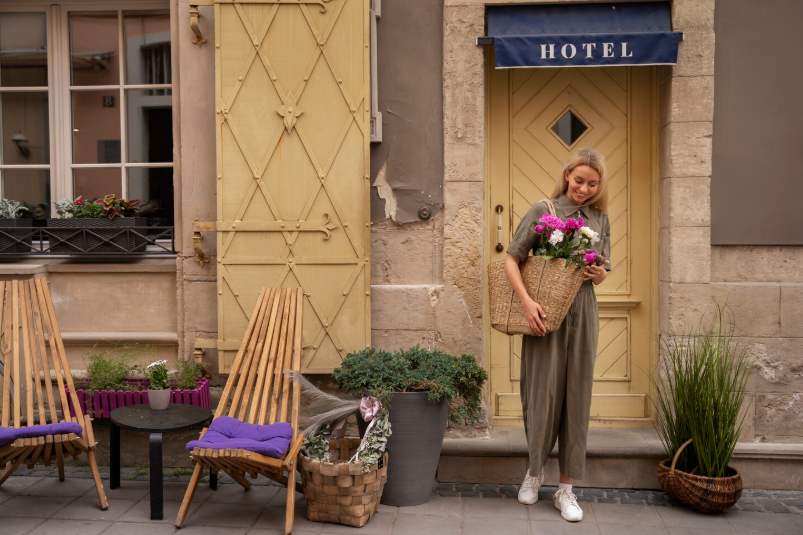
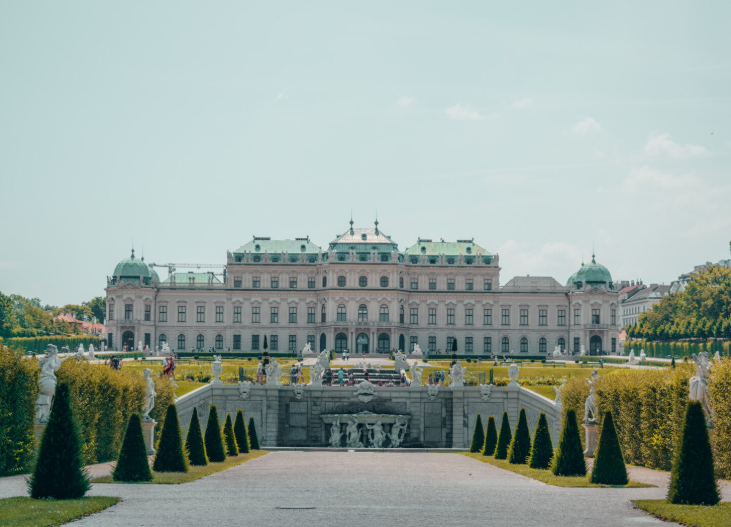
Luxury heritage hotels are typically historic properties that have been carefully preserved or sympathetically restored. Their appeal lies in a blend of authenticity and modern comfort: grand public rooms, original architectural features (stucco ceilings, period fireplaces, carved woodwork), curated interiors, locally inspired cuisine, and staff trained in discreet, anticipatory service. These hotels often carry stories — from royal guests to literary figures — and many are located in architecturally or culturally significant settings such as city centers, lakesides, or pastoral estates.
Why Choose a Heritage Hotel Over a Modern Luxury Option?
Sense of place: Heritage hotels immerse guests in the local history and aesthetics, making the stay an extension of the destination.
Cultural authenticity: Many of these properties work closely with regional artisans, chefs, and curators to deliver an experience rooted in local traditions.
Architectural value: Staying in a restored palace, manor house, or converted monastery offers a tactile connection to the past that new-build hotels rarely replicate.
Personalized service: Smaller room counts and family-operated management frequently translate into more bespoke attention and continuity of care.
Top European Regions to Find Remarkable Heritage Hotels
France — Timeless Elegance
From châteaux in the Loire Valley to Belle Époque townhouses in Paris, France epitomizes refined hospitality. Expect impeccable service, Michelin-starred dining, and interiors that celebrate classical proportions and sumptuous textiles. For business travelers, many heritage hotels combine historic ambiance with modern meeting facilities discreetly integrated so that the property functions well for both leisure and work.
Italy — La Dolce Vita and Architectural Grandeur
Italy’s heritage hotels range from Renaissance palazzi in Florence to Mediterranean villas along the Amalfi Coast. Italian properties emphasize an unhurried approach — long table breakfasts, wine lists curated by sommeliers, and gardens or terraces that become extensions of the living space. The craftsmanship and decorative arts inside these hotels often reflect centuries of regional technique.
Switzerland — Alpine Majesty and Precision
Swiss heritage hotels balance alpine charm with meticulous standards of service and wellness. Many classic mountain hotels feature wood-panelled lounges, grand dining rooms, and discreet spa facilities. Their high-altitude locations offer privacy and restorative landscapes — qualities prized by executives seeking respite between meetings or after intense work cycles.
United Kingdom — Historic Houses and Urban Grandeur
The UK is home to country estates, converted manors, and iconic city hotels that host political leaders and corporate guests. These properties combine formal service rituals with modern conveniences such as private meeting spaces, concierge services experienced in corporate logistics, and secure discreet travel arrangements.
Spain & Portugal — Palaces, Paradores, and Sunlit Courtyards
On the Iberian Peninsula, heritage hotels often include restored palaces, historic paradores, and stately manor houses with internal courtyards and shaded terraces. The regional cuisine is a key component of the experience; many hotels source directly from nearby markets and farms, offering a culinary window into the region’s identity.
How to Choose the Right Heritage Hotel for Business Travel
Prioritize logistics: Check proximity to airports, meeting venues, and reliable transfer options. A beautiful historic room is less valuable if commuting adds stress to your schedule.
Request corporate amenities: Confirm high-speed Wi-Fi, quiet workspaces, printing or secretarial support, and flexible food service for irregular schedules.
Ask about privacy and security: For high-profile guests, confirm private entrances, discrete arrival arrangements, and secure communication channels.
Verify accessibility: Many heritage properties retain historic stairs and layouts; request elevators or ground-floor rooms if mobility is a concern.
Evaluate meeting and event services: If hosting small client dinners or board meetings, ensure the hotel can provide AV support and private dining rooms.
Maximizing the Heritage Experience — Practical Tips
Book a signature room: If available, reserve a signature suite or a room that highlights the building’s heritage — it’s often the most memorable part of the stay.
Engage the concierge early: Good concierges will not only arrange transfers and reservations but can organize private tours of local artisans, exclusive wine tastings, or after-hours access to nearby cultural sites.
Allocate time for the property: Heritage hotels reward slow discovery. Build in an hour to explore public rooms, gardens, and any on-property collections.
Combine utility with pleasure: If traveling for work, schedule meetings during the day and reserve evenings for the hotel’s dining experiences — both showcase local flavors and the property’s best attributes.
Preservation and Sustainability — What to Expect
Leading heritage hotels are increasingly committed to sustainable practices that respect historic fabric while reducing operational impact. Look for properties that source locally, prioritize energy-efficient retrofits, and engage in community partnerships that support cultural preservation. These efforts not only align with corporate responsibility goals but also enrich the authenticity of the guest experience.
A Final Note on Value
While luxury heritage hotels often command a premium, they deliver unique intangible returns: cultural resonance, long-term memories, and a setting that elevates both leisure and business moments. For directors and corporate travelers seeking environments that reflect taste, history, and discretion, these properties are an investment in experience — and often, in relationships.
Conclusion
Whether you choose a lakeside suite in Switzerland, a palazzo in Italy, or a city landmark in Paris, Europe’s luxury heritage hotels offer more than accommodation — they present an opportunity to live inside history, to wrap business travel in beauty, and to recharge in settings crafted by generations of hospitality. Choose with intention, inquire about the operational details that matter to your schedule, and allow the property to become part of your trip’s narrative.
Stay Connected for More Travel and Lifestyle Inspiration. For more insights into travel, culture, and lifestyle tips, follow me on Instagram @salvadorordorica. If you’re seeking professional translation and localization services to enhance your global ventures, visit The Spanish Group — your trusted partner in bridging cultures worldwide.
The Luxury of Heritage: Staying in UNESCO-Listed Hotels
Introduction: A Meeting of History and Hospitality
For company directors and seasoned travelers who expect both substance and style, staying in a UNESCO-listed hotel offers an experience that transcends conventional luxury. These properties — whether converted palaces, restored monasteries, or carefully preserved manor houses — marry exceptional service with deep cultural value. They allow guests to sleep within living history while enjoying contemporary comforts and discreet, professional hospitality. In this piece I explore why UNESCO-listed hotels matter, how they balance preservation with luxury, and what executives should consider when choosing one for personal travel or corporate retreats.
What Makes a Hotel “UNESCO-Listed”?
Strictly speaking, UNESCO lists sites of outstanding cultural or natural importance, not hotels themselves. However, many hotels operate within or adjacent to UNESCO World Heritage sites — historic districts, architectural ensembles, cultural landscapes, and archaeological zones that enjoy special recognition and protection. A hotel associated with a UNESCO site can offer uniquely authentic surroundings, from original frescoes and vaulted ceilings to gardens and views that are part of the protected landscape. The designation signals exceptional cultural value; for discerning travelers it also implies a responsibility on the part of hoteliers to preserve and interpret that value sensitively.
Why Executives Value Heritage Hospitality
Heritage hotels deliver three strategic advantages that appeal to leaders and corporate planners:
Distinctive setting: Meetings, dinners, and private receptions staged in historic rooms create memorable impressions that standard venues cannot match.
Meaningful storytelling: Guests appreciate curated narratives that connect place, craft, and history — useful for brand storytelling and client entertainment.
Quality and discretion: Many of these properties are boutique in scale and prioritize tailored service, privacy, and refined logistics — qualities executives value highly.
Preservation Meets Modern Comfort
One of the central challenges for hoteliers operating in UNESCO contexts is harmonizing conservation requirements with contemporary guest expectations. Successful properties accomplish this by integrating reversible interventions and sensitive design: modern plumbing, climate control, and discrete connectivity are installed without compromising historic fabric. Lighting and signage are curated; guest rooms are appointed with bespoke furnishings that reference local craft traditions. The result is an environment where heritage is never a gimmick, but a defining element of the guest experience.
Guest Experience: Culture as a Service
Staying in a heritage property is as much about service as setting. Thoughtful concierge teams can curate private access to otherwise restricted sites, arrange guided tours with local historians, or organize after-hours visits for executives seeking exclusive experiences. Culinary programs often emphasize regional terroir and traditional techniques, offering opportunities for private tastings or chef-led workshops. These culturally rooted services transform a hotel stay into a purposeful engagement with place — a powerful advantage for clients, partners, and senior teams.
Choosing the Right UNESCO-Associated Hotel
Not all heritage hotels are equal. When selecting a property for business travel or an executive retreat, consider the following:
Authenticity: Does the hotel meaningfully interpret its historic role, or is the heritage merely decorative?
Service capacity: Can the property reliably handle private events, AV needs, and dietary or security requirements?
Accessibility and logistics: Proximity to airports, private transfer options, and contingency plans for inclement weather are practical musts.
Sustainability and stewardship: Does the hotel actively invest in preservation and community benefits, and can it document those efforts?
Sustainability and Community Impact
Heritage properties have a responsibility that extends beyond guest comfort: they must be stewards of cultural patrimony and contributors to local economies. Leading hotels work with conservation specialists, employ local artisans, and source food and services regionally. For corporate travelers mindful of ESG commitments, choosing hotels that demonstrate clear conservation and community engagement policies aligns travel choices with broader company values.
Risk Management and Compliance
Executives planning events in UNESCO-associated sites should be aware of unique compliance considerations. Conservation rules may restrict signage, temporary structures, or capacity; event permits can require lead time and negotiation with heritage authorities. Security protocols may be more complex because of fragile interiors. The best approach is to work with the hotel’s event manager early, secure necessary permissions, and build contingency time into the schedule.
Case Uses: When to Choose a Heritage Hotel
Heritage hotels are ideal for specific use cases: intimate board retreats where setting reinforces strategic narrative; high-value client entertainment that benefits from a memorable venue; product launches that tie brand values to craftsmanship and provenance; and leadership off-sites where quiet, reflective settings boost creativity and cohesion. They are less appropriate for large, highly technical conferences with extensive AV and exhibit demands unless the property has the infrastructure or partnered venues to support such needs.
Practical Tips for Planning a Stay
Engage early: Book and communicate requirements well in advance to allow the property to secure permits and prepare rooms sensitively.
Ask about personalization: Inquire about private tours, themed dinners, and locally sourced welcome amenities to create a bespoke experience.
Review contracts: Make sure force majeure, cancellation, and liability clauses reflect the realities of historic settings and conservation rules.
Factor in sustainability: Request information on how the hotel supports local conservation and community initiatives.
Conclusion
The luxury of heritage is not only about opulence; it’s about context, care, and connection. For company directors who seek purposeful travel — where hospitality supports cultural meaning and environmental responsibility — UNESCO-associated hotels offer a refined alternative to modern anonymity. When chosen and managed with intention, these properties provide unforgettable settings for strategic conversations, client hospitality, and restorative personal time, all while contributing to the preservation of shared global heritage.
Stay Connected for More Travel and Lifestyle Inspiration. For more insights into travel, culture, and lifestyle tips, follow me on Instagram @salvadorordorica. If you’re seeking professional translation and localization services to enhance your global ventures, visit The Spanish Group — your trusted partner in bridging cultures worldwide.
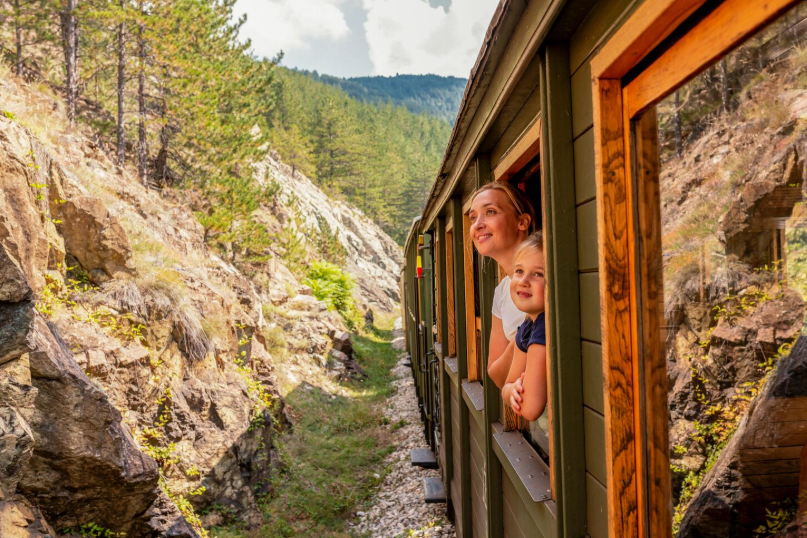
There’s a kind of travel magic that happens when iron rails carry you through landscapes that look like they were painted for postcards. Luxury rail travel in Europe is no longer only about high-speed convenience — it’s about slowing down, savoring regional flavors, and waking up in villages that feel lifted from a storybook. This guide highlights lesser-known, high-end train routes that connect Europe’s fairytale villages, with practical notes on what makes each journey special.
1. The Alpine Heritage Line: Switzerland’s Quiet Elegance
Switzerland is famous for its scenic railways, but beyond the Glacier Express and Bernina Express there are quieter, refined routes that connect tucked-away hamlets. These alpine lines often use heritage-style carriages or boutique services that emphasize comfort, panoramic windows, and personalized service.
What to expect:
Intimate carriages with large observation windows.
Carefully curated regional menus showcasing Swiss specialties like fondue, raclette, and alpine herbs.
Stops at small mountain villages where time seems to stand still — perfect for short walks and artisan shopping.
Why it’s special: these routes pair impeccable scenery with a slow-travel mentality. They are ideal for travelers who want luxury without the crowds.
2. The Danube Tributary Loop: Central Europe’s Storybook Stations
The rivers that feed the Danube are lined with mediaeval towns and vineyards. Smaller private trains and premium regional services trace loops through Austria, Slovakia, and Moravia, connecting riverside châteaux, half-timbered towns, and monasteries.
Journey highlights include:
Wine-pairing lunches on board with vintages from local producers.
Guided shore excursions to castle ruins and UNESCO-listed old towns.
Overnight stays in boutique inns that feel more like private homes than hotels.
Practical tip: book excursions that include early-entry tours — you’ll enjoy quieter streets and softer light for photography.
3. Iberian Coastal Carriages: Portugal and Northern Spain’s Hidden Gems
Along the Atlantic flank of Iberia, there are sleeper and day services that connect small fishing villages, Romanesque hamlets, and Moorish-influenced towns. Luxury operators and first-class regional services are increasingly offering curated experiences focused on gastronomy and local culture.
What sets these routes apart:
Fresh seafood and regional tapas served onboard or at partnered local restaurants.
Opportunities to explore coastal trails and artisan markets between stops.
Stylish carriages that blend contemporary comforts with regional design touches.
4. The Baltic Enchantment: Estonia, Latvia, and Lithuania by Rail
The Baltic states offer a quieter kind of enchantment: medieval lanes, wooden architecture, and postcard-perfect town squares. Boutique rail services and private charters can be arranged to link these villages, creating bespoke itineraries that pair culture with comfort.
Highlights and advantages:
Short, charming hops — perfect for travelers who want to sample multiple towns in a week.
Deep cultural immersion opportunities, like private museum tours and artisan workshops.
Value: luxury rail charters in the Baltics often cost less than comparable services in Western Europe while delivering bespoke experiences.
5. The Italian Hilltown Circuit: Tuscany, Umbria, and Beyond
Italy’s hilltowns are synonymous with romance. While many travelers drive between villages, a growing number of luxury slow-travel operators are reviving regional rails and pairing them with chauffeur transfers, vineyard visits, and hands-on culinary experiences.
Why choose rail here:
Arrive refreshed and ready to explore — no driving required on narrow, winding roads.
Opportunity for immersive food experiences, from truffle hunts to pasta workshops.
Access to smaller towns that are often bypassed by mainstream tours.
Planning Tips: How to Make the Most of Luxury Train Travel
Planning a high-end rail itinerary that connects fairytale villages requires a mix of foresight and flexibility. Here are practical tips:
Book boutique operators early: Smaller trains have limited capacity and sell out during peak seasons.
Layer your experience: Combine rail with short private transfers to reach hilltop towns that lack direct station access.
Choose the right pace: Decide whether you want long scenic days or short hops that allow more time exploring on foot.
Pack for varied weather: Rural Europe can be cooler and wetter than cities; comfortable walking shoes are essential.
What “Luxury” Really Means on These Routes
Luxury isn’t just about plush seats. On these routes, it’s the thoughtful details — expert local guides, regionally sourced meals, private station transfers, and small-group exclusivity. Many services now include experiential elements: private tastings, behind-the-scenes kitchen visits, and evening concerts in small chapels or manor houses.
Why Train Travel Is a Responsible Choice
Traveling by rail reduces your carbon footprint compared to flying or driving, especially on routes that connect multiple small communities. Many luxury operators are investing in sustainable practices: locally sourced dining, carbon-offset partnerships, and mindful tourism that supports rural economies. Choosing rail helps preserve the character of these villages by spreading visitor impact more evenly across regions.
Conclusion
Hidden luxury train routes are the ideal way to experience Europe’s fairytale villages — combining comfort, culture, and slow-travel authenticity. Whether you’re winding through alpine meadows, sampling coastal cuisine, or exploring mediaeval squares, these journeys present a refined alternative to conventional tourism. Book with thoughtful operators, prioritize immersive local experiences, and you’ll return with stories that feel as timeless as the tracks themselves.
Stay Connected for More Travel and Lifestyle Inspiration
For more insights into travel, culture, and lifestyle tips, follow me on Instagram @salvadorordorica. If you’re seeking professional translation and localization services to enhance your global ventures, visit The Spanish Group — your trusted partner in bridging cultures worldwide.
Ultra-Luxury Eco Retreats: Sustainable Travel in Style
Introduction
Ultra-luxury eco retreats represent a thoughtful evolution of travel, marrying the highest standards of comfort and service with rigorous environmental stewardship. For leaders and discerning travelers who expect excellence without compromise, these retreats offer an experience that is both indulgent and responsible. Rather than treating sustainability as an afterthought, top-tier eco properties weave conservation, community engagement, and regenerative practices into every element of the guest experience.
What Defines an Ultra-Luxury Eco Retreat?
At its best, an ultra-luxury eco retreat combines five core attributes: exceptional design, locally sourced gastronomy, measurable environmental impact reduction, meaningful local partnerships, and personalized service. Architectural choices favor low-impact materials and passive design techniques that reduce energy demand. Guest villas and common areas are crafted from reclaimed or responsibly harvested materials, while landscaping protects native habitats and prioritizes biodiversity. These retreats typically operate on robust sustainability metrics—such as water recycling rates, renewable energy generation, and zero-waste goals—documented and shared with guests.
Design, Comfort, and Environmental Elegance
Luxury does not require excess when design is intelligent. Ultra-luxury eco retreats rely on bespoke design to amplify comfort while minimizing ecological footprint. Lightweight, modular structures can be sited to avoid tree removal and preserve natural drainage. Large operable windows and cross-ventilation reduce or eliminate the need for air-conditioning, while thermal mass and shading stabilize interior temperatures. High-end materials like polished reclaimed teak, natural stone, and organic textiles create a refined aesthetic that feels authentic and timeless rather than manufactured.
Cuisine and Sourcing: A Conscience on the Plate
Culinary programs at eco retreats are often a signature feature. Michelin-trained or locally renowned chefs develop menus that foreground seasonal, hyper-local ingredients—frequently sourced from on-site gardens, coastal fisheries with sustainable certifications, and local farmers practicing regenerative agriculture. These kitchens emphasize whole-ingredient cooking, minimal waste, and creative preservation techniques. Guests enjoy tasting menus that read as both a celebration of place and a demonstration of how luxury dining can be circular and low-impact.
Regenerative Practices and Measurable Impact
True leadership in sustainable travel means going beyond “do no harm.” Regenerative retreats actively restore ecosystems through reforestation, mangrove rehabilitation, coral nurseries, or soil regeneration projects. Many properties partner with scientists and NGOs to quantify outcomes—measuring carbon sequestration, increases in native species, and water table recovery. Transparent reporting and third-party certifications (where available) give executives and conscious travelers confidence that their stay contributes to positive environmental outcomes.
Community Partnership and Cultural Respect
Ultra-luxury eco retreats place community relationships at the center of their operating model. They create local employment pathways, invest in skill-building and hospitality training, and prioritize sourcing from nearby producers. Cultural programming—guided by local elders, artisans, or cultural custodians—provides guests with authentic insights while ensuring intellectual and economic benefit accrues to host communities. These collaborations preserve local knowledge systems rather than appropriating them, and create long-term social value beyond the guest experience.
Personalized Wellness and Curated Experiences
Beyond environmental credentials, these retreats cultivate bespoke guest experiences that are restorative and exclusive. Wellness offerings may include integrative medical consultations, private spa treatments using locally derived botanicals, mindful movement classes, and nutrition programs aligned with local foods. Activities are curated to deepen connection with place: guided ecology walks, private conservation excursions, night-sky astronomy sessions, and hands-on workshops with local craftsmen or chefs. Privacy and personalization—private chefs, dedicated hosts, and flexible itineraries—define the ultra-luxury standard.
How to Evaluate a Property
When selecting an ultra-luxury eco retreat, executives should ask targeted questions: What percentage of the property’s energy is derived from renewables? How is water reused and conserved? What measurable conservation outcomes has the property achieved? Are local communities active partners in programming and revenue sharing? Does the retreat disclose a sustainability report or third-party verification? High-quality operators will welcome scrutiny and provide clear, documented answers.
Travel Considerations and Responsible Luxury
The very nature of travel entails carbon and resource use, which means responsible travelers should weigh how to reduce impact alongside the benefits of investing in sustainable tourism models. Consider consolidating trips, choosing direct flights where possible, and engaging in meaningful activities that support conservation and community development. Many ultra-luxury eco retreats offer carbon offset programs tied directly to verified regenerative projects, giving guests an option to balance unavoidable emissions with measurable impact.
Who Benefits Most from These Retreats?
Ultra-luxury eco retreats are well suited to leaders, families, and small executive groups seeking privacy, bespoke service, and an immersive connection to place. They are an excellent option for corporate retreats centered on wellbeing and creativity, as well as for families and individuals who wish to travel in a way that aligns with a values-driven lifestyle. For directors and executives, these stays can also double as relationship-building opportunities—private dining, exclusive access to conservation projects, and curated cultural exchanges make them ideal for hosting clients or rewarding teams.
Final Thoughts and Practical Tips
Ultra-luxury eco retreats represent the intersection of refined travel and ethical stewardship. They demonstrate that comfort and conservation are not mutually exclusive, and that experiential luxury can support long-term ecological and social outcomes. To make the most of an eco-luxury stay, plan early, ask for transparent sustainability metrics, request personalization aligned with your values, and engage with local projects to create a meaningful legacy from your visit.
Conclusion & Stay Connected
Stay Connected for More Travel and Lifestyle Inspiration. For more insights into travel, culture, and lifestyle tips, follow me on Instagram @salvadorordorica. If you’re seeking professional translation and localization services to enhance your global ventures, visit The Spanish Group — your trusted partner in bridging cultures worldwide.
Europe’s Secret Luxury Islands Only Locals Know About
Hidden coves, discreet villas, and understated elegance — a guide for travellers seeking privacy, authenticity, and refined experiences away from the obvious Mediterranean hotspots.
Introduction: The Allure of Quiet Luxury
In an era when luxury travel often means public attention and crowded “it” destinations, a growing number of discerning travellers are seeking islands where privacy, local authenticity, and understated service define the experience. These secret islands are not the ones plastered across glossy travel pages; they are small, sometimes privately owned, or simply overlooked by mass tourism. What they offer instead is curated luxury — from family-run estates and private-villa stewardship to personalized culinary experiences with locally sourced ingredients. For the company director looking to combine leisure with discreet networking or uninterrupted focus, these islands are ideal.
Why These Islands Feel Different
The difference lies in scale and stewardship. Many lesser-known islands benefit from strong local communities that have resisted overdevelopment, preserving both landscape and traditions. Hospitality tends to be boutique: owner-managed hotels, villas with on-call concierge teams, and small, Michelin-level restaurants that seat just a handful of guests. Infrastructure is deliberately limited, which means fewer visitors, quieter harbours, and beaches where privacy is the rule rather than the exception. This discreet atmosphere is perfect for executives and creatives who want a luxury experience without spectacle.
Top Picks: Hidden European Islands Worth Knowing
While every island has its own charm, a few stand out for their combination of accessibility, luxury offering, and local character. Consider small Aegean isles with whitewashed villages and private coves; rugged Atlantic outposts with dramatic cliffs and family-run manor houses; and sheltered Adriatic islands where Venetian palazzos have been reimagined as intimate boutique hotels. Each offers opportunities for private yacht anchorage, curated food and wine experiences, and bespoke wellness programs that respect local ecology and culture.
Getting There: Logistics Without the Headache
Part of the appeal of these islands is their intentional lack of mass transit hubs. Access often requires a short regional flight, a private transfer, or a chartered ferry that runs on limited schedules. For travellers who value time efficiency, coordinating arrival windows and private transfers with a local fixer or concierge is key. Many luxury properties will arrange seaplane transfers, private launches, or helicopter pickups to keep journeys seamless. Advance planning ensures you avoid the common frustration of missed connections and guarantees that your first moments on the island feel curated and effortless.
Where to Stay: Boutique Hotels and Private Villas
Accommodation is where these islands truly excel. Expect restored stone houses with discreet staff, villas with private chefs who source ingredients from the island’s fishermen and farmers, and small hotels where suites are individually designed rather than matrixed. Service is personal: the hotel manager knows your preferred wine and the villa team understands your privacy needs. For longer stays, seasonal leases of historic properties offer a sense of belonging that no resort can replicate.
Experiences: Curated, Local, and Memorable
Experiences on these islands emphasize authenticity. Think private foraging and cooking classes with local chefs; guided walks with historians; sunset sails to uninhabited coves; or private concerts in centuries-old chapels. Even seemingly small moments — a breakfast of freshly caught fish on a quiet terrace, a confidential meeting over a slow lunch at a family vineyard — are elevated because they are unhurried and personalized. These curated activities are ideal for directors blending leisure with relationship-building in a refined setting.
Etiquette and Local Respect
Visiting a community that values discretion requires sensitivity. Dress and behavior are often more conservative than in mainstream resorts; noisy parties and ostentatious displays can alienate locals. Prioritize local customs — support small businesses, ask permission before photographing private property, and avoid bringing large, disruptive events unless you have explicit local approval. Thoughtful travellers who engage with communities respectfully often receive invitations into homes or events that create the most memorable experiences.
Sustainability and Responsible Luxury
Long-term sustainability is central to preserving these islands’ appeal. Many local stewards limit visitor numbers and promote low-impact tourism models. As a guest, choose providers who demonstrate commitment to conservation: properties that use renewable energy, source food locally, and contribute to cultural-preservation projects. Investing in sustainable luxury not only protects the island’s future but also enhances the quality of your stay — the pristine waters and unspoilt landscapes are part of the product.
Practical Tips for Planning a Private Island Escape
Begin by defining your priorities: privacy, culinary excellence, wellness programming, or cultural immersion. Work with a trusted local concierge or luxury travel adviser who can secure access to villas and experiences that are not publicly listed. Plan well in advance for high season, and consider shoulder-season travel for milder crowds and loyal local suppliers. Finally, factor in contingency time for transport variability — a delayed launch or weather-dependent transfer should never derail an otherwise carefully curated itinerary.
Discover the timeless grandeur, modern comforts, and unforgettable experiences of spending nights in some of Europe’s most remarkable castles.
Introduction: A Return to Regal Travel
For discerning travellers seeking more than a hotel room, luxury castle stays across Europe offer an exceptional blend of history, privacy, and bespoke service. These properties transform travel into an immersive narrative — stone corridors, frescoed ceilings, manicured grounds, and suites appointed with contemporary comforts. Whether you’re planning a milestone celebration, a private retreat, or a distinctive base for exploring a region, a castle stay elevates the experience by pairing noble architecture with modern hospitality standards.
Why Choose a Castle Stay?
Castles deliver provenance and personality that no chain hotel can replicate. Guests wake in rooms that carry centuries of stories, enjoy protected grounds that ensure privacy, and often have exclusive access to features such as private tasting cellars, formal gardens, falconry demonstrations, or historic libraries. Beyond atmosphere, many castle properties now offer high-service amenities: in-house chefs crafting seasonal menus, curated wellness programmes, chauffeured drives, and event planners who can transform a wedding or corporate retreat into a bespoke affair.
Regions and Styles: Where to Stay and What to Expect
France: Châteaux and Loire Valley Elegance
France is synonymous with châteaux — from the fairy-tale silhouettes of the Loire Valley to aristocratic estates tucked in Bordeaux’s vineyards. Expect ornate reception rooms, formal French gardens, wine-pairing dinners, and a focus on gastronomy and regional terroir.
Italy: Hilltop Fortresses and Coastal Palazzos
Italy offers an exceptional range of castle properties: medieval fortresses in Tuscany, romantic palazzos along the Amalfi Coast, and secluded estates in Umbria. Hospitality here often emphasizes locally sourced cuisine, olive oil and truffle experiences, and cultural excursions to nearby towns and vineyards.
United Kingdom & Ireland: Stately Homes and Highland Retreats
The UK and Ireland combine stately homes with wild, dramatic landscapes. From country manor services to lodges in the Scottish Highlands, these stays typically highlight equestrian activities, private hunts, whisky or gin tastings, and antique interiors preserved with care.
Central & Eastern Europe: Authentic Castles with Character
Central and Eastern Europe presents authentic medieval castles that have been thoughtfully restored for contemporary travellers. Poland, the Czech Republic, Romania and Austria offer dramatic architecture, folklore-based experiences, and prices that often represent exceptional value for luxury travellers.
What to Expect from the Service and Experience
Luxury castle properties emphasize tailored service. Anticipate a detailed pre-arrival concierge who can arrange everything from private chefs and in-room spa therapists to bespoke excursions and security. Rooms are typically fewer and larger than a conventional hotel, which means quieter stays and a greater opportunity for customization — whether that’s in-room dining at odd hours, private wine tastings, or personalized cultural programming such as a historian-led tour of the estate.
Booking Tips for a Seamless Castle Stay
Book early: The best castle properties, particularly those that take only a small number of guests, can sell out months in advance — especially for high-season dates and weekends.
Clarify inclusions: Ask what is included in the rate (meals, staff, activities) and what incurs additional fees (chauffeur, private guides, heating of large spaces).
Check accessibility: Historic buildings may have limited lifts and many stairs; confirm mobility accommodations if needed.
Plan transport: Many castles are remote; confirm arrival logistics and consider arranging private transfers for convenience and comfort.
Leverage a specialist: Luxury travel advisors or concierge services familiar with castle properties can secure exclusive add-ons and ensure a smoother experience.
Sustainability and Responsible Travel in Historic Properties
Many castle owners are investing in sustainable practices to preserve historic buildings and their surrounding ecosystems. Look for properties that use renewable energy where possible, prioritize local supply chains, and practice garden and land stewardship. Travelling responsibly to these estates — respecting local customs, supporting regional suppliers, and adhering to property guidelines — helps ensure these cultural treasures continue to be cared for and shared.
Who Will Love a Castle Stay?
Castle stays suit travellers who value privacy, history, and bespoke service. Ideal guests include couples seeking a romantic escape, families celebrating landmark moments, creative professionals looking for an inspiring retreat, and corporations planning exclusive offsite gatherings. If your idea of luxury is authenticity combined with exceptional attention to detail, a European castle promises a memorable balance of both.
Final Thoughts
Exclusive castle stays across Europe reframe travel as a narrative — where architecture, landscape, and service combine to create an experience that feels at once timeless and intensely personal. When planned thoughtfully, these stays provide not only luxurious comfort but also an entry point into local culture, cuisine, and history. For travellers seeking a distinctive and elevated journey, a castle stay is an invitation to live for a moment within the pages of history — without sacrificing modern refinement.