Europe’s Best Luxury Riverfront Villas: A Director’s Perspective
Introduction
Riverfront villas in Europe occupy a unique place at the intersection of landscape, history and privacy. For company directors arranging executive retreats, incentive travel, or bespoke hospitality programs, these properties offer calm waterside settings, architectural pedigree and exceptional opportunities for curated programming. This guide explains what to look for, highlights the defining experiences these villas deliver, and provides practical considerations to help you select the right property for high-value guests and corporate events.
Why Riverfront Villas Matter for Corporate and Luxury Travel
A riverfront villa creates an immediate atmosphere of serenity and exclusivity. Unlike busy coastal resorts or urban hotels, villas on rivers provide a contained estate experience where the water becomes a living amenity — ideal for team-building, confidential meetings, and restorative downtime. The combination of seclusion and accessibility (many river valleys link directly to historic towns and cultural sites) makes them perfect for short, focused retreats that balance work and leisure.
What Makes a Riverfront Villa Exceptional
Location & Access: Proximity to airports or rail hubs while still offering privacy is essential for time-pressured executives.
Architectural Integrity: Heritage villas and contemporary designs both work if they deliver coherent style, quality materials and comfortable circulation for events.
Private Water Access: Direct river moorings, private pontoons or small docks allow for boat excursions, water sports or quiet mornings by the water.
Flexible Indoor-Outdoor Spaces: Terraces, verandas and gardens that flow from meeting rooms to outdoor dining are crucial for hybrid programming.
Service & Staffing: On-site staff, private chefs and local guides elevate the experience and reduce logistical friction.
Regional Highlights to Consider
Italy — From the Po Valley to the Lakes
Northern Italy’s river valleys and lake districts combine refined food culture with easy international connections. Villas here often marry rustic stonework and frescoes with modern amenities, and they are well suited to culinary-led programming — private tastings, farm visits and masterclasses with local chefs.
France — Loire, Dordogne and the Rhône
France’s riverscape offers a range of villa experiences: châteaux on the Loire with formal gardens, intimate stone houses along the Dordogne rich in Provençal light, and contemporary estates on the Rhône designed for both corporate creativity and artful downtime. French villas typically excel in gastronomy and wine pairing, making them ideal for incentive travel centered on culinary discovery.
Spain & Portugal — Iberian Riverfront Charm
The Iberian Peninsula provides warm-climate river settings with a relaxed rhythm. Villas along Spain’s rivers and Portugal’s Douro valley bring strong regional identity, terraced vineyards and opportunities for river cruises and wine-focused itineraries that resonate with high-net-worth guests.
Central & Eastern Europe — Hidden Gems
Central Europe’s riverfront estates — on the Danube, Elbe or smaller tributaries — often come with a compelling price-to-quality ratio. These properties offer privacy, historic cores, and the potential for exclusive cultural programming, including private museum tours and classical music evenings in intimate salons.
Signature Experiences to Build Around a Villa Stay
The best villa programs turn location into a narrative. Consider private riverboat cruises at dawn, chef-led dinners using river-sourced ingredients, guided cycling routes along towpaths, and bespoke wellness sessions on terraces facing the water. For corporate groups, facilitated strategy workshops that transition into creative outdoor sessions by the river create high-impact memories while preserving productivity.
Practical Considerations for Directors
Capacity & Configuration: Confirm bedroom count, meeting rooms, breakout spaces and staff accommodation. Many villas are intimate and require creative scheduling for larger groups.
Connectivity: Reliable internet and AV gear are non-negotiable for hybrid meetings; verify bandwidth and backup options.
Permits & Local Rules: Check event permits, noise restrictions and environmental rules — riverside settings often have stricter regulations to protect ecosystems.
Transport & Transfers: Private transfers, helipad access or river shuttle arrangements should be planned well in advance to ensure punctual arrivals and departures.
Sustainability & Stewardship: Prioritize properties with strong environmental practices (waste management, low-impact boating, local sourcing) to align with corporate responsibility goals.
Budgeting, Value and Measurable ROI
Riverfront villas range from accessible luxury to ultra-exclusive estates. When evaluating cost, factor in the bundled value of private use, tailored catering, curated activities and reduced need for external venues. The measurable return on investment often appears in improved team cohesion, stronger client relationships and enhanced brand perception among attendees — outcomes that justify premium day rates for thoughtful programs.
Working with Local Partners
A trusted local partner can transform logistical complexity into seamless experience. Engage local DMCs, hospitality concierges and cultural curators early to design authentic itineraries, secure permits, and coordinate vendors. For directors who value repeatable excellence, establishing long-term relationships with a small portfolio of vetted villas and suppliers reduces friction and protects quality.
Learning New Languages as an Expat: Strategies for Quick Success
Living and working abroad enhances both personal experience and professional effectiveness. For expats who need rapid language gains: focus on daily conversational practice with local tutors or language partners, prioritize phrases and vocabulary relevant to work and daily life, use spaced-repetition flashcards for retention, and immerse through podcasts, local media and real-world exchanges. Short, consistent sessions beat occasional marathon study; combine structured lessons with social application for the fastest, most durable progress.
Stay Connected for More Travel and Lifestyle Inspiration. For more insights into travel, culture, and lifestyle tips, follow me on Instagram @salvadorordorica. If you’re seeking professional translation and localization services to enhance your global ventures, visit The Spanish Group — your trusted partner in bridging cultures worldwide.
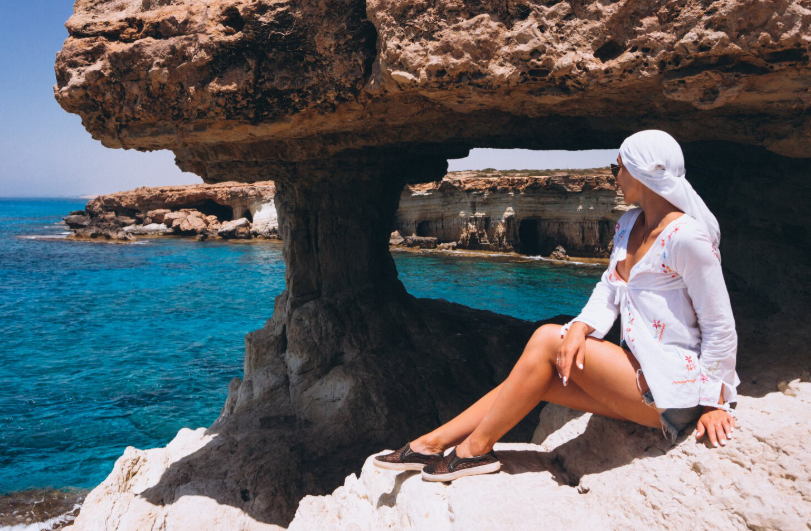
Luxury Caves and Grotto Hotels in Europe: Where Heritage Meets High-End Hospitality
Introduction
Carved into limestone cliffs, hewn from volcanic tuff or tucked beneath whitewashed facades, Europe’s cave and grotto hotels offer an unmistakable combination of history, terroir and discreet luxury. For company directors planning executive retreats, incentive travel, or refined content for high-net-worth audiences, these properties present a singular canvas: authentic place, exclusive privacy and tangible storytelling. This article examines what makes cave and grotto hotels compelling, where to find the best examples, and how to plan and market experiences that align with premium expectations.
The Unique Allure of Cave & Grotto Hotels
Cave and grotto hotels derive their appeal from two complementary sources: geology and human craft. The raw stone offers natural insulation and acoustics while preserved architectural features (vaulted ceilings, carved niches) provide immediacy and provenance. High-end interventions—bespoke lighting, minimalist furnishings, quality textiles and discreet technology—allow luxury without erasing character. Guests crave this tension: modern comfort nested within a strong sense of place.
Regional Highlights: Notable European Examples
Matera & Southern Italy
Matera’s sassi—ancient cave dwellings—have been sensitively converted into refined boutique properties that respect archaeological layers while delivering contemporary service. These hotels are ideal for small executive groups who value privacy, slow-paced programming and immersive dining rooted in local produce.
Santorini & The Cyclades
The caldera caves of Santorini elevates the cave-hotel concept with dramatic sea views and private plunge pools cut into the cliff. The combination of minimal white aesthetics, panoramic sunset experiences and Michelin-level cuisine makes these properties natural choices for incentive travel and VIP client hospitality.
Granada, Sacromonte & Andalusia
Sacromonte’s cave houses—rich in flamenco history—offer a different sensibility: intimate, culturally dense and highly photogenic. These properties are well suited for curated cultural programs that blend private performances, food experiences and historical tours.
Loire Valley & French Troglodytes
France’s troglodyte dwellings and converted caves in the Loire and the Loire Valley’s hinterlands provide quiet, pastoral alternatives to coastal grottos. They work exceptionally well for off-season retreats where the privacy of the countryside and access to local gastronomy are priorities.
Design, Conservation and Luxury
Successful cave-hotel conversions balance conservation and contemporary comfort. Restoration requires specialists—structural engineers, conservationists and designers experienced with stonework and humidity management. Sustainable practices (passive climate control, low-impact lighting, greywater recycling) not only preserve the asset but also resonate with discerning guests who expect environmental responsibility from premium brands.
Hospitality & Signature Experiences
High-end cave hotels sell curated moments: private dinners in candlelit caverns, spa rituals using local minerals, guided botanical walks on terraced slopes, or private boat access to coastal grottos. The service model is always high-touch—thoughtful pre-arrival planning, local culinary partnerships, flexible security for VIPs and discreet transport solutions.
Corporate & Executive Use Cases
For a director arranging company retreats or client incentives, cave and grotto hotels provide advantages beyond aesthetics: seclusion for strategy workshops, memorable venues for keynote dinners, and settings that foster team bonding. Key considerations include guest capacity (these hotels are often small), audiovisual capabilities within historic spaces, and contingency planning for accessibility and inclement weather.
Practical Considerations When Booking
Capacity & Layout: Many cave hotels are intimate—check room counts and meeting space dimensions early.
Accessibility: Historic sites may have steps or uneven surfaces; always confirm mobility options for guests.
Seasonality: Coastal grotto access is weather-dependent; inland caves often provide year-round comfort.
Regulatory & Conservation Requirements: Renovations and event permits frequently require municipal approval—factor this into planning timelines.
Logistics: Transport, private transfers and local concierge services are essential for a seamless guest experience.
Marketing & Storytelling
Position these hotels through narrative: geology and history, the artisans who restored the property, and unique guest rituals (sunset terrace tastings, cave-grown wine). High-quality photography (golden-hour terraces, interior texture studies) and short documentary video elevate bookings. For corporate clients, craft case studies that demonstrate how a cave-hotel setting improved focus, engagement and perceived value among attendees.
Investment & Partnership Opportunities
Restoring a cave property is capital intensive but high in experiential ROI. Directors interested in partnerships should prioritize long-term stewardship, local community engagement and clear conservation agreements. Co-branded retreats with luxury product partners, exclusive press stays and micro-documentaries can accelerate visibility and justify premium rate positioning.
Learning New Languages as an Expat: Strategies for Quick Success
Language learning transforms travel and leadership. For expats seeking rapid progress: immerse daily through conversation partners or language tandems, schedule short high-frequency study sessions (15–30 minutes, twice daily), prioritize practical vocabulary for daily life and work, and combine guided lessons with media immersion—podcasts, local radio and parametric flashcards. Above all, adopt a growth mindset: consistent practice and real-world application produce faster, more durable gains than perfect grammar in isolated study.
Stay Connected for More Travel and Lifestyle Inspiration. For more insights into travel, culture, and lifestyle tips, follow me on Instagram @salvadorordorica. If you’re seeking professional translation and localization services to enhance your global ventures, visit The Spanish Group — your trusted partner in bridging cultures worldwide.
Europe’s Best Luxury Desert Resorts for Unique Travel
Europe may not be the first destination that comes to mind when thinking of desert landscapes, but the continent offers some truly unique and luxurious desert experiences for travelers seeking a one-of-a-kind escape. From the sun-kissed dunes of Spain to the rugged desert-like terrain in Portugal, these resorts provide a perfect blend of natural beauty, cultural richness, and five-star luxury. Whether you are looking to unwind in a serene environment, indulge in world-class amenities, or explore the fascinating local landscapes, Europe’s desert resorts offer unforgettable experiences.
1. Monegros Desert, Spain – Hotel La Senda
Located in the Monegros Desert, a unique semi-arid region in northeastern Spain, Hotel La Senda offers travelers a sophisticated desert experience without leaving Europe. The resort combines modern architecture with eco-friendly practices, featuring spacious suites that overlook the stunning dune formations. Guests can enjoy guided desert excursions, stargazing sessions, and local culinary experiences crafted from regional produce. The Monegros Desert is ideal for those who want a tranquil retreat away from bustling cities while enjoying the comforts of a luxury resort.
2. Alentejo Desert-Like Landscapes, Portugal – Herdade da Malhadinha Nova
Nestled in Portugal’s Alentejo region, Herdade da Malhadinha Nova is a luxury estate that combines a rustic desert-like atmosphere with top-tier accommodations. While Portugal may not have a traditional desert, the expansive plains, cork oak forests, and golden hills create an arid ambiance perfect for a desert-inspired getaway. The resort features boutique-style rooms, a vineyard, a gourmet restaurant, and wellness facilities. Guests can also partake in horseback riding across the estate or enjoy private wine tastings under the warm Alentejo sun.
3. Tabernas Desert, Spain – Aire de Tabernas
The Tabernas Desert in Andalusia is Europe’s only true desert, known for its dramatic landscapes and Hollywood-style film sets. Aire de Tabernas offers a luxurious stay in this extraordinary environment, blending desert charm with contemporary comfort. The resort features elegantly designed rooms, spa treatments, and unique desert excursions, such as guided tours of the historic film locations and hikes across the dramatic arid terrain. This destination is perfect for travelers looking for both adventure and relaxation in an unparalleled desert setting.
Fuerteventura, part of Spain’s Canary Islands, is famous for its volcanic landscapes and semi-desert terrain. The Sheraton Fuerteventura Beach Resort offers a luxurious base to explore the island’s dramatic dunes and pristine beaches. With ocean-view suites, exceptional dining options, and a range of leisure activities including water sports and wellness treatments, this resort perfectly combines desert-like landscapes with coastal luxury. Visitors can also explore local markets and traditional Canarian culture, making it a unique and enriching experience.
5. Tablas de Daimiel Desert-Like Wetlands, Spain – Hotel Palacio de la Serna
While not a desert in the traditional sense, the area surrounding Tablas de Daimiel offers arid landscapes interspersed with unique wetland ecosystems. Hotel Palacio de la Serna provides luxury accommodations amidst this fascinating environment. The resort features elegantly furnished rooms, a gourmet restaurant, and guided nature tours. Guests can experience the region’s biodiversity, explore the historic sites nearby, and enjoy tranquil evenings under expansive skies — all while enjoying the comfort of a high-end resort.
Tips for Choosing the Perfect European Desert Resort
When selecting a desert resort in Europe, consider the following:
Location: Determine whether you prefer a true desert like Tabernas or a desert-like region such as Alentejo.
Luxury Amenities: Look for resorts that offer spa treatments, gourmet dining, and bespoke experiences tailored to your preferences.
Activities: Check if the resort provides guided excursions, hiking, stargazing, or cultural experiences to enrich your stay.
Privacy & Tranquility: Desert resorts often provide serene environments perfect for relaxation and reflection.
Conclusion
Europe’s desert resorts offer a unique opportunity to combine adventure, luxury, and cultural exploration in regions often overlooked by travelers seeking traditional desert experiences. From the arid landscapes of Spain’s Tabernas Desert to the semi-desert plains of Portugal’s Alentejo, these resorts provide exquisite accommodations and unforgettable experiences. Whether you are traveling solo, as a couple, or with family, these destinations promise both relaxation and a deep connection with Europe’s lesser-known natural beauty.
Stay Connected for More Travel and Lifestyle Inspiration. For more insights into travel, culture, and lifestyle tips, follow me on Instagram @salvadorordorica. If you’re seeking professional translation and localization services to enhance your global ventures, visit The Spanish Group — your trusted partner in bridging cultures worldwide.
Europe’s Most Exclusive Ski Chalets for Winter Luxury
By the Director — A curated selection for travellers who value privacy, artful design and top-tier service. These chalets are effortless bases for winter sport and extended stays: places where alpine tradition meets contemporary comfort, private chefs, and concierge teams prepared to craft memorable mountain experiences.
What defines an “exclusive” ski chalet?
Exclusivity in the alpine context blends location, privacy and bespoke service. The most sought-after chalets sit close to piste access, offer private ski rooms and chauffeurs, and provide high staff-to-guest ratios. Architectural pedigree and interior design — timber beams, stone fireplaces, curated art — are matched by amenities such as wellness suites, cinemas, wine cellars and in-house chefs. Above all, true exclusivity means discretion: bookings are handled personally, requests are anticipated, and the stay feels effortless from arrival to departure.
Standout chalets across Europe
1. Grand Alpine Estate — Courchevel
Courchevel’s upper villages are synonymous with luxury, and the grand estate embodies everything clients expect: multiple reception rooms, panoramic terraces, a private spa and an indoor pool. With immediate access to the 3 Valleys lift network and a driver ready for transfers, this chalet is ideal for families and corporate groups who want to combine skiing with private dining and entertainment. Expect wine-paired tasting menus and dedicated mountain guides.
2. Historic Mountain Manor — St. Moritz
St. Moritz combines Swiss precision with an historic social scene. A restored manor here offers lacquered wood interiors, antique furnishings and a butler service trained in fine dining etiquette. Close to both groomed runs and designer boutiques, this chalet suits guests who wish to move easily between sport and cultural programming — from horse racing in winter to private gallery viewings.
3. Cliffside Contemporary — Zermatt
With Matterhorn vistas dominating the skyline, a cliffside chalet focuses on clean, contemporary design framed by dramatic windows. High-tech comforts—cinema room, heated outdoor deck, wellness suite—sit alongside alpine touches like sheepskin throws and chalet-style fireplaces. Ski-in/ski-out access and helicopter transfer options make it a favorite for international guests arriving from city layovers.
4. Rustic Luxury Refuge — Chamonix
For those seeking rugged grandeur, a timber-and-stone refuge in Chamonix delivers spectacular Mont Blanc panoramas and an atmosphere of authentic mountain living. Local guides can coordinate guided off-piste excursions, and evenings are spent around long communal tables where the chef serves alpine classics with modern twists.
5. Private Island-Style Chalet — Dolomites
In the Italian Dolomites, exclusive chalets blend family-run warmth with meticulous hospitality. Expect lacquered kitchens, bespoke furnishings, and extensive culinary programs that highlight regional specialties. Many properties pair stays with curated cultural activities — truffle hunting, private wine tastings, or an afternoon with a local craftsperson.
Booking considerations for directors and high-net-worth travellers
When arranging stays for executives or VIPs, confirm staffing levels, staff accommodation, and privacy protocols. Ask whether the chalet can be booked as an exclusive-use property and whether discrete arrival options (private transfers, heliports) are available. Check ancillary services: private chefs with experience in corporate dining, secure meeting spaces, communications reliability for business calls and event support for any private gatherings.
Skiing logistics and concierge services
Top chalets provide full concierge support: pre-stocked groceries, private instructors, equipment rental (delivered and fitted), and curated après-ski experiences. For groups, consider a chalet manager who coordinates daily itineraries and ensures seamless timing between lessons, lift passes and transfers. If time is tight, private lessons and piste transfers minimize wasted time and maximize slope hours.
Sustainability and local engagement
The best operators blend luxury with responsibility. Look for properties engaging local suppliers, maintaining energy-efficient heating systems compatible with historic building standards, and participating in community conservation efforts. Supporting local economies — hiring local guides, using regionally sourced foods — enhances authenticity while reducing the environmental footprint of travel.
Practical tips for an exceptional stay
Reserve early: exclusive chalets book months in advance, particularly for Christmas and February school holidays.
Clarify dietary needs pre-arrival so the chef can design a tailored menu.
Confirm lift-pass procurement and equipment fitting before arrival to avoid queuing.
Ask about children’s services and nanny provisions if travelling with family.
Plan for transfers: heavy snowfall can affect road travel; private drivers with winter experience are invaluable.
Learning New Languages as an Expat: Strategies for Quick Success
Relocating or spending extended time abroad is an opportunity to deepen local relationships through language. Start by learning essential phrases for daily interactions, then schedule short, focused practice sessions with native speakers—ideally on topics you will actually use, such as dining, travel logistics, and business terms. Combine immersive experiences with structured lessons and real-world practice: order in the local language, take a guided market tour, or hire a language coach for industry-specific vocabulary. Small, consistent efforts build confidence quickly and enhance every luxury stay with richer cultural engagement.
Stay connected for more travel and lifestyle inspiration. For more insights into travel, culture, and lifestyle tips, follow me on Instagram @salvadorordorica. If you’re seeking professional translation and localization services to enhance your global ventures, visit The Spanish Group — your trusted partner in bridging cultures worldwide.
Europe’s Most Exclusive Golf Resorts for Luxury Vacations
For the global executive or director seeking a refined blend of competition, privacy, and hospitality,
Europe offers a handful of golf resorts that elevate the game into a full-service luxury escape.
These properties combine championship courses, bespoke wellness and dining programs, and high-touch
service—ideal for a focused retreat, corporate incentive trip, or a restorative vacation that keeps
performance and comfort in perfect balance.
What Makes a Golf Resort Truly “Exclusive”?
Exclusivity is more than a price point. It is the intersection of exceptional course design, limited
access or membership policies, first-rate accommodations, curated leisure programming, and a culture
of discretion. The most sought-after resorts offer private tee times, personalized coaching, concierge
transfer services, and culinary programs that showcase local produce and world-class wine lists. For
business leaders who value time, these resorts also provide discrete meeting spaces, event planning and
team-building experiences shaped around the sport.
Top European Resorts to Consider
1. Quinta do Lago — Algarve, Portugal
Quinta do Lago is a benchmark for luxury golf living in the Algarve, offering multiple championship
courses set within a protected natural landscape of lagoons and pine forest. The estate pairs private
villas and five-star hotel accommodations with world-class teeing grounds and a highly personalized
guest experience—perfect for families and corporate groups seeking a blend of leisure and play. :contentReference[oaicite:0]{index=0}
2. Gleneagles — Perthshire, Scotland
Gleneagles is Scotland’s emblematic country resort: three championship courses, a history of hosting
international events, and a full-service luxury hotel with Michelin-level dining and expansive spa
offerings. Beyond the sport, Gleneagles provides a rich program of country pursuits that make it ideal
for mixing business conversation with outdoor experiences and formal hospitality. :contentReference[oaicite:1]{index=1}
3. Costa Navarino — Peloponnese, Greece
Costa Navarino has emerged as a Mediterranean answer to the classic golf-resort model: dramatic seaside
landscapes, sustainably built courses, and a range of luxury accommodations from private villas to five-star
hotels. Its focus on environmental stewardship and regional culinary identity creates a refined, relaxed
atmosphere for guests who appreciate design-forward facilities and cultural immersion. :contentReference[oaicite:2]{index=2}
4. Finca Cortesín & Verdura — Spain and Sicily (examples of Southern-European luxury)
Boutique yet uncompromising, properties such as Finca Cortesín in southern Spain and Verdura in Sicily
combine championship golf with resort-level wellness and gastronomy. These resorts are prized for privacy,
extensive practice facilities, and culinary programming that highlights local terroir—qualities that appeal
to high-profile guests and tournament-level players alike. :contentReference[oaicite:3]{index=3}
5. PGA Catalunya & Monte Rei — Spain and Portugal
For those who want immaculate course conditioning and a singular playing challenge, PGA Catalunya (near
Barcelona) and Monte Rei (Algarve) are perennial favorites. Both offer top-ranked courses, attentive
service, and the option to pair golf with luxury real estate or villa rental for longer stays and private
corporate retreats. :contentReference[oaicite:4]{index=4}
Design, Amenities, and Bespoke Services
Exclusive resorts emphasize architectural harmony with landscape and provide a suite of tailored services:
private instruction from touring coaches, club fitting and rental of the latest equipment, 1:1 concierge
assistance for tee times and travel logistics, and event spaces equipped for executive meetings. Many resorts
now offer integrated wellness—sports physiotherapy, recovery tech, yoga for golfers, and recovery suites—
ensuring guests are at their best on and off the course.
Seasonality, Accessibility, and Planning Tips
Plan around peak and shoulder seasons: Southern European resorts offer long playing windows through spring,
summer, and autumn, while northern destinations shine in late spring and summer with cooler daytime
temperatures. Secure tee times and private instruction well in advance for high-demand properties and
consider full-property buyouts for corporate retreats to ensure privacy. Confirm transfer logistics—many
exclusive resorts require private sedan or helicopter transfers to optimize time and comfort.
Sustainability and Local Integration
Leading resorts are increasingly transparent about water usage, habitat preservation, and local sourcing
for food and services. Selecting a property with credible sustainability practices not only reduces footprint
but also ensures long-term viability of the environment that makes the game so special. Where possible,
look for resorts that partner with regional communities and prioritize local employment and supply chains.
How Directors Should Choose the Right Resort
Start with the trip objective: is the stay for executive bonding, a client-facing incentive, or quiet
restoration? Determine desired amenities (private meeting rooms, on-site wellness, culinary options),
check course difficulty relative to the group’s skill level, and confirm the resort’s privacy and
buyout policies. Finally, work with a trusted travel advisor or the resort’s golf concierge to create an
itinerary that aligns play, dining, and downtime for maximum ROI on both business and wellbeing.
Conclusion
Europe’s most exclusive golf resorts transform sport into an immersive luxury experience—where outstanding
course design meets boutique hospitality and cultural depth. For directors and senior executives, these
properties offer an exceptional setting for strategy, relationship-building, and rejuvenation. Thoughtful
planning and early booking will unlock the seamless service and privacy that make a luxury golf vacation
genuinely restorative and productive.
Learning New Languages as an Expat: Strategies for Quick Success
Living abroad creates daily, meaningful opportunities to accelerate language acquisition. Focus on practical
conversational goals—transportation, dining, and business interactions—while using spaced-repetition tools
for vocabulary. Prioritize immersive practice with native speakers, join local interest groups to learn through
context, and leverage media (podcasts, local TV) for passive exposure. Set measurable short-term goals,
celebrate small wins, and treat errors as essential steps in progress: curiosity and consistent practice
are the fastest routes to communicative confidence.
The Most Iconic Luxury Hotels in Europe Worth the Hype
For leaders who blend business travel with a taste for the exceptional, a stay at an iconic hotel is about more than comfort—it’s an investment in time, taste, and efficiency. Below are some of Europe’s most celebrated luxury hotels, why they stand out, and practical tips for booking and staying like a discerning traveler.
1. Hôtel Ritz Paris — Paris, France
The Ritz embodies Parisian glamour. Located on Place Vendôme, the hotel’s restored Belle Époque interiors, intimate courtyard garden, and Michelin-starred dining make it a top choice for executives seeking privacy and prestige. The rooms are a study in classical luxury—hand-painted ceilings, period furniture, and bespoke amenities.
Why it’s iconic: Historic elegance, legendary service, and a legacy of hosting royalty, artists, and heads of state.
Practical tip: Reserve a suite with a salon for private meetings; concierge services can arrange discreet airport transfers and secure dining reservations.
2. Belmond Hotel Cipriani — Venice, Italy
Sited on Giudecca Island with sweeping views of the lagoon and Doge’s Palace, the Cipriani offers secluded luxury a short boat ride from St. Mark’s Square. Its private boat service, Olympic-sized pool, and garden restaurant make it feel like a private retreat for international travelers.
Why it’s iconic: Timeless glamour, exceptional privacy, and an unrivaled position in the Venetian landscape.
Practical tip: Book a water taxi through the hotel, and request a garden-facing room for quiet and scenic mornings.
3. Hotel de Russie — Rome, Italy
Between Piazza del Popolo and the Spanish Steps lies Hotel de Russie, famed for its secret garden—an oasis in the city. Modern interiors blend with classic Roman touches, while the spa and gastronomic restaurant offer restorative downtime after busy meetings.
Why it’s iconic: Central location, serene garden, and an atmosphere that balances Roman history with contemporary comfort.
Practical tip: Use the garden for informal executive breakfasts and arrange private transfers to avoid central traffic.
4. Canaves Oia Suites — Santorini, Greece
Perched above the caldera with maze-like whitewashed suites, Canaves Oia offers dramatic views and intimate service. This is a favorite for those who pair work with inspiration—think private terraces, plunge pools, and sunset dinners that require minimal travel time.
Why it’s iconic: Unforgettable vistas, cliffside charm, and the luxury of privacy.
Practical tip: Schedule important calls in the morning to avoid sunset traffic and use hotel Wi‑Fi boosters for stable connectivity.
5. Marbella Club — Marbella, Spain
Once a private club for royalty, the Marbella Club on the Costa del Sol mixes Andalusian tradition with contemporary wellness. The hotel’s villas and private beach club are ideal for those seeking discretion and space to host clients or family.
Why it’s iconic: Exclusive beach access, villa options, and a strong wellness program.
Practical tip: Reserve a villa for multi-day stays and pre-book spa treatments to ensure privacy and peak service.
6. Hotel Esplanade — Zagreb, Croatia
Built for the arrival of the Orient Express, the Esplanade is a symbol of early 20th-century luxury with modern service standards. Its central position and grand function rooms make it a practical choice for executives combining cultural exploration with corporate events.
Why it’s iconic: Architectural grandeur, historic charm, and adaptability for events.
Practical tip: Use the grand salons for client events; the kitchen excels at regional specialties that impress international guests.
Choosing an Iconic Hotel: Key Amenities to Prioritize
Concierge capable of crafting bespoke local experiences and securing last-minute reservations.
Private meeting spaces or suites with business-friendly layouts.
Reliable, high-speed connectivity and dedicated work areas.
Wellness facilities for recovery—spa, pool, and in-room wellbeing options.
Discreet staff trained in luxury and privacy protocols.
Booking Smart: Timing and Loyalty
Book during shoulder seasons to enjoy the property’s character without peak crowds. Join hotel loyalty programs for upgrades, complimentary amenities, and tailored experiences—many iconic hotels extend privileges to repeat guests or corporate accounts.
Learning New Languages as an Expat: Strategies for Quick Success
Staying in iconic hotels often places you squarely in new cultures—learning key phrases enhances both business and leisure. Focus on a core 200–300 words relevant to daily interactions, practice with short audio shadowing sessions, and schedule weekly lessons with a local tutor. Use real-world anchors: order the local specialty, ask for recommendations, or compliment a staff member in their language to build confidence quickly.
Expat language toolkit: a phrase notebook, 10 minutes of daily audio practice, one weekly tutor session, and an intention to use new words in service interactions.
Stay Connected for More Travel and Lifestyle Inspiration
For more insights into travel, culture, and lifestyle tips, follow me on Instagram @salvadorordorica. If you’re seeking professional translation and localization services to enhance your global ventures, visit The Spanish Group — your trusted partner in bridging cultures worldwide.