
by Dulce Navarro | Apr 1, 2026 | Europe, Experiences, Landscapes, Lifestyle, Luxury, Travel
Hidden Baroque Cities of Europe Worth Discovering
Europe is renowned for its architectural grandeur, with iconic Baroque landmarks in cities like Rome, Vienna, and Paris drawing millions of visitors each year. However, beyond these well-known destinations lies a collection of lesser-known cities where Baroque artistry flourishes in quieter, equally captivating settings. These hidden gems offer travelers the opportunity to experience ornate design, cultural richness, and historical depth—without the overwhelming crowds.
For discerning travelers seeking authenticity and elegance, exploring Europe’s hidden Baroque cities provides a unique perspective on the continent’s artistic legacy.
Lecce, Italy: The Florence of the South
Nestled in the Apulia region of southern Italy, Lecce is often referred to as the “Florence of the South” due to its stunning Baroque architecture. What sets Lecce apart is its use of local limestone, known as “pietra leccese,” which allows for intricate carvings and decorative flourishes.
The city’s historic center is a masterpiece of Baroque design, featuring landmarks such as the Basilica di Santa Croce and Piazza del Duomo. Walking through Lecce feels like stepping into an open-air museum, where every façade tells a story of artistic ambition and craftsmanship.
Noto, Italy: A Sicilian Baroque Masterpiece
Rebuilt after a devastating earthquake in 1693, Noto stands as one of the finest examples of Sicilian Baroque architecture. Located in southeastern Sicily, the city was meticulously redesigned with symmetry, harmony, and grandeur in mind.
Its golden-hued buildings, wide boulevards, and elegant staircases create a cohesive aesthetic that is both dramatic and refined. The Cathedral of San Nicolò and Palazzo Ducezio are highlights, reflecting the vision of a city reborn through architectural excellence.
Olomouc, Czech Republic: Baroque Elegance Off the Beaten Path
Often overshadowed by Prague, Olomouc offers a rich Baroque experience with far fewer tourists. This historic Moravian city boasts an impressive array of churches, fountains, and monuments that showcase its religious and cultural significance.
The Holy Trinity Column, a UNESCO World Heritage site, is a striking example of Baroque artistry and devotion. Combined with its charming squares and vibrant local life, Olomouc presents a perfect balance of history and authenticity.
Vilnius, Lithuania: The Baroque Jewel of the Baltics
Vilnius is one of Europe’s largest surviving Baroque old towns and a testament to the city’s multicultural heritage. Its skyline is defined by church spires and elaborate façades, reflecting influences from across Central and Eastern Europe.
Key landmarks include St. Peter and St. Paul’s Church, renowned for its intricate interior, and the Vilnius Cathedral. The city’s artistic and intellectual spirit adds another layer of depth to its architectural beauty.
Salzburg, Austria: Beyond the Music
While Salzburg is globally recognized as the birthplace of Mozart, its Baroque architecture is equally deserving of attention. The city’s historic center, a UNESCO World Heritage site, is a harmonious blend of Italian-inspired Baroque design and Alpine charm.
From the grandeur of Salzburg Cathedral to the elegance of Mirabell Palace, the city offers a refined cultural experience. Its compact layout makes it ideal for immersive exploration on foot.
Valldemossa, Spain: A Serene Escape in Mallorca
Tucked away in the Tramuntana mountains of Mallorca, Valldemossa is a tranquil village that embodies understated Baroque beauty. Its historic monastery, cobblestone streets, and traditional stone houses create an atmosphere of timeless elegance.
Although smaller in scale compared to other cities on this list, Valldemossa offers a peaceful retreat where architecture and nature coexist harmoniously.
Why Explore Hidden Baroque Destinations?
Choosing lesser-known Baroque cities allows travelers to experience Europe’s artistic heritage in a more intimate and meaningful way. These destinations often provide:
- Authentic cultural interactions
- Less crowded attractions
- Unique regional variations of Baroque design
- Greater opportunities for exploration and discovery
Moreover, these cities highlight the diversity of Baroque architecture across Europe, from the ornate theatricality of Italy to the refined elegance of Central and Eastern Europe.
Final Thoughts
Europe’s hidden Baroque cities offer a compelling alternative to more conventional travel itineraries. They invite visitors to slow down, appreciate intricate artistry, and connect with history on a deeper level. Whether wandering through Lecce’s sculpted streets or admiring the symmetry of Noto, these destinations reveal the enduring legacy of Baroque design in unexpected places.
For those seeking sophistication, culture, and inspiration, these cities represent some of Europe’s most rewarding travel experiences.
Stay Connected for More Travel and Lifestyle Inspiration. For more insights into travel, culture, and lifestyle tips, follow me on
@salvadorordorica. If you’re seeking professional translation and localization services to enhance your global ventures, visit The Spanish Group — your trusted partner in bridging cultures worldwide.

by Dulce Navarro | Mar 31, 2026 | Europe, Experiences, Landscapes, Lifestyle, Luxury, Travel
The Most Elegant European Cities for Solo Luxury Travelers
Solo luxury travel has evolved into one of the most refined ways to experience the world. For company directors and global professionals, traveling alone offers not only flexibility and privacy but also the opportunity to engage deeply with culture, architecture, and lifestyle at one’s own pace. Europe, with its timeless elegance and diverse cultural heritage, remains one of the most compelling destinations for solo luxury travelers seeking both sophistication and meaningful experiences.
From historic capitals to coastal enclaves, Europe offers a selection of cities where safety, exclusivity, and high-end amenities converge seamlessly. These destinations provide the perfect balance between independence and indulgence, allowing travelers to curate their journeys with precision and intention.
Paris, France: Timeless Sophistication
Paris stands as the epitome of elegance. Known for its iconic architecture, world-class gastronomy, and cultural richness, the city offers endless opportunities for solo exploration. Luxury travelers can enjoy private museum tours, Michelin-starred dining, and boutique shopping in neighborhoods such as Saint-Germain-des-Prés and the Marais.
The city’s walkability makes it ideal for solo visitors, while its refined café culture encourages moments of reflection and observation. Whether attending an exclusive fashion event or enjoying a quiet evening along the Seine, Paris delivers an unmatched sense of sophistication.
Florence, Italy: Art, Heritage, and Intimacy
Florence offers a more intimate yet equally luxurious experience. As the birthplace of the Renaissance, it is a city where art and history are woven into everyday life. Solo travelers can explore galleries such as the Uffizi at their own pace or enjoy private guided tours of historic landmarks.
Luxury accommodations often occupy restored palazzos, providing a unique blend of history and modern comfort. Culinary experiences, including wine tastings and cooking classes, allow travelers to immerse themselves in Tuscan traditions while maintaining a high level of exclusivity.
Zurich, Switzerland: Precision and Discretion
Zurich is synonymous with efficiency, safety, and understated luxury. For solo travelers who value privacy and organization, the city offers a seamless experience. High-end shopping along Bahnhofstrasse, serene lakefront views, and access to nearby Alpine retreats make Zurich an ideal base for exploration.
The city’s emphasis on discretion ensures a comfortable environment for those traveling alone, while its world-class hospitality sector provides impeccable service tailored to individual needs.
Barcelona, Spain: Vibrant Elegance
Barcelona combines artistic energy with Mediterranean charm. Its architectural landmarks, particularly those designed by Antoni Gaudí, offer a visually captivating experience. Luxury travelers can enjoy rooftop terraces, private yacht charters, and exclusive beach clubs.
The city’s vibrant atmosphere makes it easy to balance social engagement with personal time. Solo travelers can explore bustling markets by day and unwind in sophisticated lounges by night, all within a dynamic yet refined setting.
Vienna, Austria: Classical Refinement
Vienna embodies classical elegance. Known for its imperial history, grand palaces, and musical heritage, the city offers a cultured and serene environment for solo travelers. Attending a performance at the Vienna State Opera or enjoying a traditional coffee house experience are essential activities.
Luxury accommodations often reflect the city’s historic grandeur, providing an atmosphere of timeless refinement. Vienna’s orderly structure and welcoming ambiance make it particularly suitable for those traveling independently.
Monaco: Exclusive Coastal Luxury
For those seeking exclusivity, Monaco offers a unique blend of glamour and privacy. Despite its small size, the principality is home to some of the world’s most luxurious hotels, restaurants, and events. Solo travelers can enjoy fine dining, high-end shopping, and scenic coastal views.
The city’s compact layout ensures convenience, while its reputation for security provides peace of mind. Monaco is ideal for travelers who prioritize discretion and high-end experiences in a sophisticated coastal setting.
Amsterdam, Netherlands: Modern Elegance
Amsterdam offers a contemporary take on luxury travel. Its canal-lined streets, innovative design scene, and vibrant cultural offerings create a dynamic yet accessible environment. Solo travelers can explore museums, enjoy private canal cruises, and dine at award-winning restaurants.
The city’s open and welcoming culture makes it easy to navigate independently, while its focus on design and innovation adds a modern edge to the luxury experience.
Copenhagen, Denmark: Minimalist Luxury
Copenhagen is a leader in minimalist luxury. Known for its design-forward approach and emphasis on sustainability, the city offers a refined yet relaxed atmosphere. Solo travelers can enjoy Michelin-starred dining, boutique hotels, and curated shopping experiences.
The city’s commitment to quality and simplicity creates an environment where luxury is defined by thoughtful details and exceptional service. Copenhagen is particularly appealing to those who appreciate understated elegance.
Safety, Personalization, and Freedom
One of the key advantages of solo luxury travel in Europe is the high standard of safety across major cities. Combined with excellent infrastructure and hospitality, this allows travelers to move confidently and independently.
Personalization is another defining feature. From private tours to bespoke dining experiences, luxury services are designed to cater to individual preferences. This level of customization ensures that each journey is unique and aligned with personal interests.
Conclusion: Redefining Luxury Through Independence
Solo luxury travel in Europe represents a refined approach to exploration—one that values independence, personalization, and cultural immersion. The cities highlighted above offer diverse yet equally compelling experiences, each defined by its own interpretation of elegance.
For company directors and global professionals, these destinations provide not only an opportunity to unwind but also a space to reflect, recharge, and gain inspiration. As travel continues to evolve, the appeal of solo luxury journeys will only grow, setting a new standard for sophisticated exploration.
Stay Connected for More Travel and Lifestyle Inspiration
Stay Connected for More Travel and Lifestyle Inspiration. For more insights into travel, culture, and lifestyle tips, follow me on Instagram
@salvadorordorica. If you’re seeking professional translation and localization services to enhance your global ventures, visit
The Spanish Group — your trusted partner in bridging cultures worldwide.

by Dulce Navarro | Mar 31, 2026 | Europe, Experiences, Healthcare, Landscapes, Luxury, Nature, VIP
Luxury Retreats in Europe’s National Parks
Europe’s national parks are often associated with untouched wilderness, dramatic landscapes, and rich biodiversity. However, in recent years, these protected areas have also become home to some of the continent’s most refined and luxurious retreats. For discerning travelers seeking both tranquility and sophistication, luxury accommodations within or near national parks offer an unparalleled combination of nature and comfort.
From the snow-capped peaks of the Alps to the serene forests of Scandinavia and the rugged coastlines of Southern Europe, these destinations provide immersive experiences without compromising on elegance. Whether it’s a secluded lodge, a boutique eco-resort, or a historic estate, Europe’s national parks are redefining the concept of luxury travel.
The Rise of Luxury in Protected Landscapes
The evolution of luxury retreats in national parks reflects a broader shift in travel preferences. Modern travelers are increasingly drawn to experiences that offer both exclusivity and authenticity. National parks, with their preserved environments and cultural significance, provide the ideal setting for this new form of luxury.
Developers and hospitality brands have responded by creating properties that blend seamlessly into their surroundings while delivering world-class amenities. Sustainable design, locally sourced materials, and eco-conscious operations are now essential elements of these retreats, ensuring that luxury does not come at the expense of the environment.
Alpine Elegance: Retreats in the Heart of the Mountains
The Alpine region is home to some of Europe’s most iconic national parks, including those in Switzerland, France, Italy, and Austria. Here, luxury retreats are defined by breathtaking mountain views, refined architecture, and exceptional service.
Guests can enjoy private chalets with panoramic terraces, gourmet dining experiences featuring regional cuisine, and wellness facilities such as heated infinity pools and spa treatments inspired by Alpine traditions. Activities range from guided hiking and skiing to helicopter tours, offering a perfect balance between adventure and relaxation.
Scandinavian Serenity: Immersion in Northern Wilderness
In Northern Europe, countries like Norway, Sweden, and Finland offer a unique approach to luxury within their national parks. The emphasis here is on minimalism, tranquility, and a deep connection with nature.
Luxury lodges often feature floor-to-ceiling windows that frame the surrounding forests, lakes, or fjords. Guests can experience phenomena such as the Northern Lights or the Midnight Sun, all while enjoying high-end comforts. Wellness plays a central role, with saunas, cold-water immersion, and holistic treatments forming part of the experience.
Mediterranean Escapes: Coastal Parks with a Refined Touch
Southern Europe’s national parks, particularly those along the Mediterranean, offer a different yet equally compelling form of luxury. Destinations in Spain, Italy, and Croatia combine natural beauty with cultural richness and culinary excellence.
Luxury retreats in these regions often occupy restored historic properties or contemporary villas overlooking the sea. Guests can enjoy private beaches, curated wine tastings, and personalized excursions to nearby villages and landmarks. The integration of local heritage into the guest experience adds depth and authenticity to each stay.
Central and Eastern Europe: Hidden Gems of Sophistication
While often overlooked, Central and Eastern Europe boast a number of national parks that are increasingly attracting luxury travelers. Countries such as Slovenia, Poland, and Romania offer pristine landscapes and a growing portfolio of high-end accommodations.
These retreats emphasize exclusivity and privacy, often with fewer guests and more personalized service. From forest lodges to countryside estates, the focus is on creating intimate experiences that highlight the region’s natural and cultural assets.
Sustainability as a Core Principle
A defining feature of luxury retreats in national parks is their commitment to sustainability. Many properties operate with strict environmental guidelines, including energy efficiency, waste reduction, and conservation initiatives.
Guests are encouraged to engage with their surroundings responsibly, whether through guided nature walks, wildlife observation, or participation in local conservation projects. This alignment between luxury and sustainability enhances the overall experience, offering travelers a sense of purpose alongside comfort.
Wellness and Reconnection
Another key aspect of these retreats is their focus on wellness. The natural setting provides an ideal backdrop for physical and mental rejuvenation. Many properties offer comprehensive wellness programs, including yoga, meditation, and personalized fitness plans.
Spa treatments often incorporate natural elements such as herbs, minerals, and thermal waters, reflecting the unique characteristics of each location. The result is a holistic approach to well-being that resonates with modern luxury travelers.
Curated Experiences and Personalization
Luxury in Europe’s national parks extends beyond accommodation to include highly curated experiences. Guests can enjoy private guided tours, bespoke culinary experiences, and exclusive access to areas not typically open to the public.
Personalization is a hallmark of these retreats, with staff dedicated to tailoring every aspect of the stay to individual preferences. Whether it’s arranging a private dinner under the stars or organizing a custom adventure itinerary, attention to detail is paramount.
Conclusion: A New Standard of Luxury Travel
Luxury retreats in Europe’s national parks represent a new standard in travel—one that prioritizes authenticity, sustainability, and meaningful experiences. By combining the natural beauty of protected landscapes with the highest levels of comfort and service, these destinations offer a unique and compelling alternative to traditional luxury travel.
For company directors and global professionals, these retreats provide an ideal setting to unwind, reflect, and reconnect with both nature and oneself. As the demand for experiential and responsible travel continues to grow, Europe’s national parks are poised to remain at the forefront of this evolving industry.
Stay Connected for More Travel and Lifestyle Inspiration
Stay Connected for More Travel and Lifestyle Inspiration. For more insights into travel, culture, and lifestyle tips, follow me on Instagram
@salvadorordorica. If you’re seeking professional translation and localization services to enhance your global ventures, visit The Spanish Group — your trusted partner in bridging cultures worldwide.
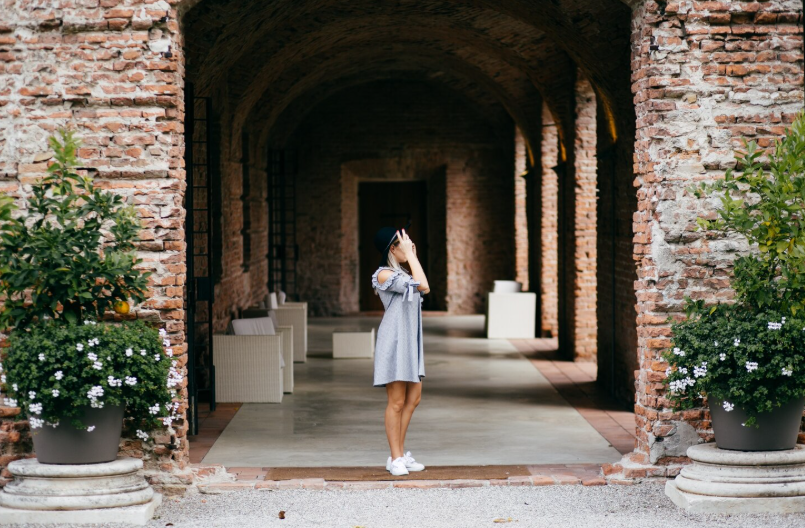
by Dulce Navarro | Mar 30, 2026 | Culture, Europe, Experiences, Hotels, Landscapes, Lifestyle, Luxury, Travel
European Castle Hotels Offering Contemporary Comfort
Europe’s rich history is beautifully preserved in its castles—timeless structures that once served as fortresses, royal residences, and symbols of power. Today, many of these architectural masterpieces have been transformed into luxury hotels, offering guests the rare opportunity to experience history without sacrificing modern comfort. For discerning travelers and business leaders alike, European castle hotels represent a unique fusion of heritage, sophistication, and contemporary living.
The Evolution of Castle Hospitality
The transformation of castles into hotels reflects a broader trend in luxury travel: the desire for meaningful, immersive experiences. Rather than staying in conventional accommodations, guests are increasingly drawn to properties with a story. Castle hotels provide exactly that—centuries of history paired with the amenities expected in today’s high-end hospitality sector.
These properties have undergone meticulous restorations to preserve their original character while integrating modern conveniences such as climate control, high-speed internet, spa facilities, and fine dining. The result is a seamless blend of old and new, where guests can sleep beneath vaulted ceilings and wake up to world-class service.
France: Refined Elegance in Historic Estates
France is home to some of the most iconic castle hotels in Europe, particularly in regions such as the Loire Valley and Provence. These châteaux are renowned for their refined elegance, manicured gardens, and proximity to vineyards and cultural landmarks.
Guests can expect an experience that emphasizes both luxury and authenticity. Interiors often feature antique furnishings, grand staircases, and ornate detailing, complemented by contemporary touches such as Michelin-level dining and wellness facilities. Many properties also offer curated experiences, including wine tastings, private tours, and culinary workshops.
Scotland: Dramatic Landscapes and Timeless Grandeur
Scotland’s castle hotels offer a distinctly different ambiance, characterized by rugged landscapes, mist-covered hills, and a sense of timeless grandeur. These properties often retain their medieval architecture, complete with stone walls, turrets, and expansive estates.
Modern enhancements ensure that guests enjoy the highest level of comfort, from luxurious bedding to state-of-the-art amenities. Activities such as falconry, whisky tastings, and countryside excursions add depth to the experience, making each stay both enriching and memorable.
Italy: Romantic Heritage Meets Contemporary Luxury
In Italy, castle hotels are synonymous with romance and cultural richness. Found throughout regions like Tuscany and Umbria, these properties often overlook rolling vineyards, olive groves, and historic towns.
Italian castle hotels excel in combining traditional architecture with modern design elements. Guests can enjoy spacious suites, infinity pools, and gourmet cuisine while surrounded by centuries-old walls. The emphasis on local culture is evident in everything from the décor to the culinary offerings, creating a deeply immersive experience.
Germany and Central Europe: Precision and Preservation
Germany and its neighboring countries boast an impressive array of castle hotels, many of which have been restored with exceptional attention to detail. These properties often reflect the region’s commitment to precision and preservation, maintaining historical integrity while incorporating advanced technology.
Guests benefit from a harmonious balance between tradition and innovation. Features such as modern wellness centers, conference facilities, and eco-friendly systems make these hotels particularly appealing to business travelers seeking both functionality and inspiration.
Modern Comforts in a Historic Setting
One of the defining characteristics of Europe’s castle hotels is their ability to provide contemporary comfort within a historic framework. Rooms are often equipped with luxurious bathrooms, smart technology, and bespoke furnishings designed to complement the original architecture.
Wellness has also become a central focus. Many castle hotels now include spas, fitness centers, and holistic treatment programs, ensuring that guests can relax and recharge in a truly unique environment. Fine dining is another highlight, with chefs crafting menus that celebrate regional ingredients while embracing modern culinary techniques.
Exclusive Experiences for the Modern Traveler
Beyond accommodations, castle hotels offer exclusive experiences that set them apart from traditional luxury properties. Private tours of historic grounds, access to restricted areas, and personalized itineraries allow guests to engage with the property’s history in meaningful ways.
For corporate leaders and entrepreneurs, these venues also provide an exceptional setting for meetings, retreats, and events. The combination of privacy, prestige, and state-of-the-art facilities creates an environment conducive to both productivity and inspiration.
Sustainability and Preservation
As sustainability becomes increasingly important in the hospitality industry, many castle hotels are adopting eco-friendly practices. Restoration projects often prioritize the use of sustainable materials and energy-efficient systems, ensuring that these historic properties can be enjoyed by future generations.
This commitment to preservation extends beyond the physical structure. By supporting local communities, sourcing regional products, and promoting cultural heritage, castle hotels contribute to the long-term sustainability of their surrounding areas.
The Enduring Appeal of Castle Hotels
The appeal of staying in a castle lies in its ability to transport guests to another era while offering the comforts of the present. It is an experience that combines nostalgia with innovation, allowing travelers to connect with history in a tangible way.
Whether for leisure or business, European castle hotels provide a distinctive alternative to conventional accommodations. Their unique blend of heritage, luxury, and modernity ensures that each stay is not only comfortable but also unforgettable.
Conclusion
European castle hotels stand as a testament to the enduring value of history, architecture, and thoughtful design. By integrating contemporary comforts into these historic spaces, they offer an unparalleled travel experience that caters to the needs of today’s sophisticated traveler.
Stay Connected for More Travel and Lifestyle Inspiration. For more insights into travel, culture, and lifestyle tips, follow me on Instagram
@salvadorordorica. If you’re seeking professional translation and localization services to enhance your global ventures, visit The Spanish Group — your trusted partner in bridging cultures worldwide.

by Dulce Navarro | Mar 26, 2026 | Europe, Experiences, Food, Landscapes, Lifestyle, Luxury, Nature, Travel
Private Mediterranean Culinary Sailing Experiences
The Mediterranean has long been celebrated as one of the world’s most captivating regions, where culture, history, and gastronomy converge. Today, private Mediterranean culinary sailing experiences represent a refined evolution of luxury travel—offering an intimate, personalized journey that combines the pleasures of yachting with the richness of regional cuisine. For company directors and discerning travelers, these curated experiences deliver both exclusivity and meaningful cultural engagement.
A New Standard in Experiential Travel
Modern luxury is increasingly defined by experiences rather than possessions. Private culinary sailing responds to this shift by offering highly customized itineraries that prioritize authenticity, privacy, and depth. Unlike traditional cruises or standard yacht charters, these experiences are designed around the culinary identity of each destination, ensuring that every moment—onboard and ashore—is both enriching and memorable.
Guests have the freedom to shape their journey, selecting destinations, activities, and menus that reflect their personal tastes. This level of flexibility is particularly appealing to professionals seeking a tailored escape that aligns with their lifestyle and expectations.
Gastronomy at the Heart of the Journey
Culinary excellence is the defining feature of these sailing experiences. Onboard chefs, often trained in world-class kitchens, craft menus inspired by the regions visited. Ingredients are sourced locally, frequently purchased fresh each day from coastal markets, fishing villages, and artisanal producers.
Meals become immersive events, showcasing the diversity of Mediterranean cuisine—from freshly caught seafood prepared with simplicity and precision to elaborate multi-course dinners paired with regional wines. Guests may also request specific dietary preferences or culinary themes, ensuring a fully personalized dining experience.
Iconic Routes and Hidden Gems
The Mediterranean offers a remarkable diversity of destinations, each contributing its own culinary and cultural character. Private sailing itineraries are carefully curated to balance renowned hotspots with lesser-known locations that offer authenticity and tranquility.
Southern Italy and the Amalfi Coast
This region is synonymous with vibrant flavors and breathtaking landscapes. Sailing along the Amalfi Coast allows guests to experience cliffside villages, historic harbors, and renowned culinary traditions. Fresh pasta, local cheeses, and citrus-infused specialties define the region’s gastronomy, while private excursions may include visits to family-run farms and cooking classes.
The Greek Islands
The Greek archipelago offers a harmonious blend of ancient heritage and contemporary vibrancy. Each island presents its own culinary identity, from simple grilled dishes to sophisticated interpretations of traditional recipes. Guests can explore local markets, dine in seaside tavernas, and engage with producers who have preserved culinary traditions for generations.
The French Riviera and Provence
Known for elegance and refinement, this region offers a sophisticated culinary landscape. Sailing along the Côte d’Azur provides access to vibrant markets, Michelin-starred restaurants, and charming coastal towns. Onboard menus often reflect Provençal influences, featuring seasonal produce, herbs, and delicate flavors.
Spain’s Mediterranean Coast and the Balearic Islands
Spain’s coastline combines dynamic culture with exceptional cuisine. The Balearic Islands, including Mallorca and Ibiza, offer a diverse culinary scene that blends tradition with innovation. Guests can enjoy seafood, rice dishes, and contemporary gastronomy while exploring both lively and secluded destinations.
Beyond Dining: Cultural and Culinary Immersion
While onboard dining is central, the experience extends far beyond the yacht. Carefully curated shore excursions allow guests to engage directly with local culture and culinary traditions. These may include private vineyard tours, olive oil tastings, and guided visits to historic markets.
Cooking classes led by regional chefs provide hands-on insight into traditional techniques, while meetings with artisans and producers offer a deeper understanding of the local economy and heritage. This immersive approach transforms travel into a meaningful exploration rather than a passive experience.
Personalized Luxury and Seamless Service
Private culinary sailing is defined by its exceptional level of service. Each yacht is staffed by a dedicated crew, including a captain, chef, and hospitality professionals who anticipate every need. From itinerary planning to daily activities, every detail is managed with precision and discretion.
Accommodations are designed to provide comfort and elegance, featuring well-appointed cabins, stylish common areas, and modern amenities. Whether enjoying a sunset dinner on deck or a quiet morning at anchor, guests benefit from an environment that is both luxurious and serene.
Sustainability and Responsible Exploration
As global awareness of environmental issues grows, sustainability has become an integral part of luxury travel. Many private sailing operators are committed to responsible practices, including sourcing ingredients locally, reducing waste, and supporting regional communities.
By emphasizing sustainability, these experiences not only preserve the natural beauty of the Mediterranean but also ensure that its cultural and culinary traditions continue to thrive for future generations.
Why It Appeals to Modern Executives
For company directors and business leaders, private Mediterranean culinary sailing offers a unique opportunity to disconnect from demanding schedules while engaging in meaningful, enriching activities. The combination of privacy, flexibility, and curated experiences makes it an ideal choice for both personal retreats and small-group travel.
These journeys also provide an environment conducive to reflection, creativity, and connection—whether with family, friends, or professional peers. The ability to explore diverse destinations while maintaining a consistent level of comfort and service further enhances their appeal.
Conclusion
Private Mediterranean culinary sailing experiences redefine luxury travel by combining the timeless allure of the sea with the richness of regional cuisine and culture. Through personalized itineraries, exceptional service, and immersive experiences, they offer a sophisticated and memorable way to explore one of the world’s most iconic regions.
For those seeking a travel experience that is both indulgent and meaningful, these journeys represent the perfect balance of relaxation, discovery, and cultural engagement.
Stay Connected for More Travel and Lifestyle Inspiration. For more insights into travel, culture, and lifestyle tips, follow me on Instagram
@salvadorordorica. If you’re seeking professional translation and localization services to enhance your global ventures, visit The Spanish Group — your trusted partner in bridging cultures worldwide.

by Dulce Navarro | Mar 26, 2026 | Beauty, Countries, Europe, Experiences, Fashion, Landscapes, Lifestyle, Luxury, Shopping, Travel
Historic European Market Towns with Boutique Luxury Stays
Europe’s historic market towns offer a unique blend of cultural heritage, architectural beauty, and refined hospitality. Once vibrant centers of commerce, these towns have evolved into sophisticated travel destinations where cobblestone streets, medieval squares, and centuries-old traditions meet contemporary luxury. For discerning travelers seeking an experience beyond major metropolitan hubs, these towns provide an intimate, immersive escape enriched by boutique accommodations that reflect local character and elevated comfort.
The Enduring Appeal of Market Towns
Market towns were historically the economic lifeblood of their regions, serving as gathering points for trade, agriculture, and social exchange. Today, their legacy is preserved in beautifully maintained town squares, historic guild halls, and lively weekly markets that continue to bring communities together. Unlike larger cities, these towns offer a slower pace, allowing visitors to fully appreciate the nuances of local culture, cuisine, and craftsmanship.
What distinguishes these destinations is their authenticity. Travelers can stroll through narrow streets lined with independent boutiques, artisan workshops, and family-owned cafés, all while surrounded by architecture that spans centuries. This seamless integration of past and present creates an atmosphere that is both nostalgic and refreshingly modern.
Boutique Luxury: A Personalized Experience
Boutique luxury stays have redefined hospitality in historic towns across Europe. Often housed in restored manor homes, former merchant residences, or heritage buildings, these properties combine historical charm with contemporary design and amenities. Each stay is thoughtfully curated, offering a level of personalization and attention to detail that larger hotels often cannot match.
Guests can expect elegantly designed interiors, locally sourced materials, and bespoke services tailored to individual preferences. From private wine tastings in centuries-old cellars to curated cultural experiences led by local experts, boutique accommodations provide a deeper connection to the destination. Sustainability also plays a key role, with many properties emphasizing eco-conscious practices and partnerships with local producers.
Notable Destinations Across Europe
Across Europe, several historic market towns stand out for their exceptional combination of heritage and luxury hospitality.
Cotswolds, England
The Cotswolds region is renowned for its picturesque villages built from honey-colored stone. Towns such as Stow-on-the-Wold and Chipping Campden offer quintessential English charm, complemented by boutique inns that blend rustic elegance with modern comfort. Visitors can explore antique shops, traditional markets, and rolling countryside landscapes.
Annecy, France
Often referred to as the “Venice of the Alps,” Annecy captivates visitors with its canals, pastel-colored buildings, and alpine backdrop. The town’s historic center is home to a range of boutique hotels that provide refined accommodations with stunning views and easy access to local gastronomy and outdoor activities.
Rothenburg ob der Tauber, Germany
This well-preserved medieval town offers a step back in time with its fortified walls, timber-framed houses, and charming squares. Boutique hotels within historic buildings provide an immersive experience, allowing guests to enjoy modern luxury while surrounded by centuries of history.
San Gimignano, Italy
Famous for its medieval towers and Tuscan setting, San Gimignano offers a unique blend of history and sophistication. Boutique accommodations often feature panoramic views of vineyards and rolling hills, along with access to world-class wine and cuisine.
Bruges, Belgium
With its cobbled streets, canals, and Gothic architecture, Bruges is a quintessential European market town. Boutique hotels here often occupy historic townhouses, offering elegant interiors and personalized service in a setting that feels both intimate and timeless.
Culinary Excellence and Local Craftsmanship
A defining feature of these towns is their commitment to culinary excellence and artisanal production. Local markets remain central to daily life, showcasing fresh produce, regional specialties, and handcrafted goods. Visitors can indulge in farm-to-table dining experiences, sample traditional dishes, and discover unique flavors that reflect the region’s heritage.
Artisans continue to play a vital role in preserving traditional crafts, from textiles and ceramics to woodworking and jewelry. Engaging with these local creators provides insight into the cultural fabric of each town and offers the opportunity to acquire meaningful, high-quality souvenirs.
Experiential Travel and Cultural Immersion
Travelers increasingly seek experiences that go beyond sightseeing, and historic market towns are ideally suited to this approach. Whether participating in a cooking class, attending a local festival, or exploring nearby countryside trails, visitors can engage with the destination in a meaningful way.
Boutique hotels often facilitate these experiences by offering curated itineraries and exclusive access to local events and attractions. This level of personalization ensures that each stay is not only comfortable but also enriching and memorable.
The Future of Luxury Travel in Historic Settings
As the travel landscape continues to evolve, there is a growing appreciation for destinations that offer authenticity, sustainability, and cultural depth. Historic European market towns are well positioned to meet these expectations, combining their rich heritage with innovative approaches to hospitality.
Boutique luxury stays will continue to play a pivotal role in this evolution, setting new standards for personalized service, design, and environmental responsibility. For travelers seeking a refined yet authentic experience, these towns represent an ideal balance of tradition and modernity.
Conclusion
Historic European market towns with boutique luxury stays offer an unparalleled travel experience defined by charm, sophistication, and cultural richness. By choosing these destinations, travelers can enjoy the best of Europe’s heritage while indulging in the comfort and exclusivity of thoughtfully curated accommodations. Whether exploring medieval streets, savoring regional cuisine, or simply relaxing in a beautifully restored setting, these towns provide a journey that is both timeless and contemporary.
Stay Connected for More Travel and Lifestyle Inspiration. For more insights into travel, culture, and lifestyle tips, follow me on Instagram @salvadorordorica. If you’re seeking professional translation and localization services to enhance your global ventures, visit The Spanish Group — your trusted partner in bridging cultures worldwide.
