by Dulce Navarro | Mar 18, 2026 | Europe, Experiences, Housing, Landscapes, Lifestyle, Luxury, Residency
Luxury Heritage Hotels in Restored Noble Residences
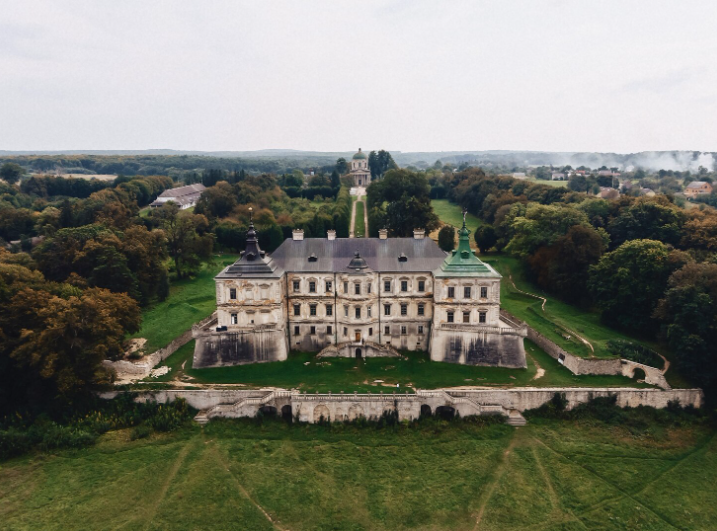
Across Europe, a growing segment of luxury hospitality is redefining the travel experience by transforming historic noble residences into refined boutique hotels. These heritage properties—once home to aristocrats, royals, and influential families—have been meticulously restored to preserve their architectural grandeur while integrating modern comforts. For discerning travelers, they offer an unparalleled opportunity to experience history without compromising on luxury.
Unlike conventional five-star hotels, these residences provide a sense of intimacy, authenticity, and cultural depth. From centuries-old palaces in Italy to stately châteaux in France and manor houses in England, each property tells a unique story, inviting guests to step into a world of elegance and tradition.
The Appeal of Staying in Noble Residences
Luxury heritage hotels distinguish themselves through their rich historical narratives and architectural significance. Many of these buildings date back hundreds of years and have been carefully preserved to maintain original features such as frescoed ceilings, grand staircases, and antique furnishings.
Guests are not merely booking a room—they are immersing themselves in a living piece of history. This connection to the past, combined with personalized service and curated experiences, creates a stay that is both meaningful and memorable.
Italy: Palazzos and Aristocratic Elegance
Italy is home to some of the most exquisite examples of restored noble residences. Historic palazzos in cities like Florence, Venice, and Rome have been transformed into luxury hotels that retain their original charm while offering contemporary amenities.
These properties often feature ornate interiors, private courtyards, and breathtaking views of historic landmarks. Guests can enjoy bespoke services, from private guided tours to curated culinary experiences, all within an atmosphere of timeless sophistication.
France: Château Living at Its Finest
France’s countryside is dotted with magnificent châteaux that have been converted into luxury retreats. These estates combine grandeur with tranquility, offering expansive grounds, manicured gardens, and exquisite interiors.
Staying in a château allows guests to experience the elegance of French aristocratic life. Activities often include wine tastings, garden tours, and gourmet dining, all designed to reflect the region’s rich cultural heritage.
United Kingdom: Historic Manor Houses
In the United Kingdom, stately manor houses and country estates provide a distinctive blend of history and modern luxury. These properties are often set within sprawling landscapes, offering privacy and a sense of retreat.
Interiors typically feature period furnishings, wood-paneled rooms, and classic décor, complemented by contemporary amenities. Guests can enjoy activities such as afternoon tea, countryside excursions, and tailored experiences that reflect British traditions.
Spain and Portugal: Noble Residences with Character
The Iberian Peninsula offers a diverse array of heritage hotels, from Spanish palaces to Portuguese manor houses. These properties are known for their unique architectural styles and vibrant cultural influences.
Guests can explore historic cities, enjoy regional cuisine, and experience local traditions while staying in residences that embody centuries of history. The combination of warmth, character, and refined service makes these destinations particularly appealing.
The Balance Between Preservation and Modern Comfort
One of the most impressive aspects of luxury heritage hotels is their ability to balance preservation with innovation. Restoration projects often require meticulous attention to detail to ensure that original features are maintained while incorporating modern conveniences.
The result is a seamless blend of past and present, where guests can enjoy high-speed connectivity, spa facilities, and fine dining within historically significant settings. This careful integration enhances the overall experience without detracting from the property’s authenticity.
Personalized Experiences and Exclusivity
Luxury heritage hotels are known for their emphasis on personalization. With fewer rooms and a focus on bespoke service, these properties can cater to individual preferences with a high degree of attention.
Whether arranging private tours, customized dining experiences, or exclusive events, the staff ensures that each guest’s stay is tailored to their needs. This level of service, combined with the unique setting, creates an experience that is both exclusive and deeply satisfying.
Conclusion: Timeless Luxury Reimagined
Luxury heritage hotels in restored noble residences offer a distinctive approach to upscale travel. By preserving the grandeur of historic properties while embracing modern comfort, they provide an experience that is both authentic and refined.
For travelers seeking more than just accommodation, these hotels present an opportunity to connect with history, culture, and tradition in a meaningful way. As the demand for experiential travel continues to grow, heritage hotels stand out as a compelling choice for those who value sophistication and depth.
Stay Connected for More Travel and Lifestyle Inspiration
Stay Connected for More Travel and Lifestyle Inspiration. For more insights into travel, culture, and lifestyle tips, follow me on Instagram
@salvadorordorica. If you’re seeking professional translation and localization services to enhance your global ventures, visit The Spanish Group — your trusted partner in bridging cultures worldwide.

by Dulce Navarro | Mar 17, 2026 | Countries, Culture, Europe, Experiences, Landscapes, Lifestyle, Luxury, Nature, Travel
Europe’s Most Scenic Lakeside Retreats for Upscale Travelers
Europe’s lakeside destinations offer a unique blend of tranquility, natural beauty, and refined luxury. For upscale travelers seeking an escape that combines scenic landscapes with high-end accommodations and curated experiences, the continent’s iconic lakes provide the perfect setting. From alpine serenity to Mediterranean elegance, these retreats deliver an elevated travel experience defined by exclusivity and sophistication.
Whether it’s waking up to panoramic mountain views, enjoying private boat excursions, or indulging in world-class dining by the water, Europe’s lakeside destinations cater to those who value both relaxation and refinement. Below are some of the most exceptional lakeside retreats for discerning travelers.
Lake Como, Italy: Timeless Glamour and Refined Living
Lake Como has long been synonymous with luxury. Nestled in the Italian Alps, this destination is known for its dramatic landscapes, historic villas, and celebrity appeal. Elegant properties such as lakeside estates and boutique hotels offer privacy and breathtaking views of the surrounding mountains.
Visitors can enjoy private boat tours, explore charming towns like Bellagio and Varenna, or dine at Michelin-starred restaurants overlooking the water. The combination of natural beauty and refined lifestyle makes Lake Como a premier destination for upscale travelers.
Lake Geneva, Switzerland & France: Sophistication Meets Serenity
Straddling Switzerland and France, Lake Geneva offers a harmonious blend of cultural richness and natural elegance. Cities such as Geneva, Lausanne, and Montreux provide access to luxury hotels, fine dining, and a vibrant arts scene.
The lake’s calm waters and surrounding vineyards create a serene environment perfect for relaxation. Exclusive experiences include private wine tastings in Lavaux and scenic cruises with views of the Alps, making it a refined choice for travelers seeking both leisure and culture.
Lake Lucerne, Switzerland: Alpine Beauty and Cultural Depth
Surrounded by snow-capped peaks and charming villages, Lake Lucerne offers a quintessential Swiss experience. The region is known for its pristine environment, luxury resorts, and seamless blend of tradition and modern comfort.
Upscale travelers can enjoy spa retreats, private mountain excursions, and cultural landmarks such as the historic Chapel Bridge. The lake’s peaceful atmosphere makes it an ideal destination for those looking to unwind in a sophisticated alpine setting.
Lake Bled, Slovenia: A Fairytale Escape
Lake Bled is one of Europe’s most picturesque destinations, known for its emerald-green waters and iconic island church. Despite its smaller size, it offers a refined and intimate experience for travelers seeking exclusivity.
Luxury boutique hotels and private villas provide stunning views of the lake and surrounding mountains. Visitors can enjoy curated experiences such as private rowing excursions, fine dining, and wellness treatments in a serene natural environment.
Lake Annecy, France: The Venice of the Alps
Often referred to as the “Venice of the Alps,” Lake Annecy is celebrated for its crystal-clear waters and charming old town. The destination combines natural beauty with French elegance, offering a refined yet relaxed atmosphere.
Travelers can explore lakeside promenades, enjoy gourmet cuisine, or take part in water activities such as sailing and paddleboarding. Luxury accommodations range from boutique hotels to private lakeside residences, ensuring a comfortable and stylish stay.
Lake Garda, Italy: Diverse Landscapes and Elevated Experiences
As Italy’s largest lake, Lake Garda offers a diverse landscape that ranges from dramatic cliffs to gentle vineyards. This variety makes it an appealing destination for travelers seeking both adventure and relaxation.
Upscale experiences include private яхт charters, vineyard tours, and spa retreats. The surrounding towns, such as Sirmione and Riva del Garda, provide a mix of history, culture, and modern luxury.
Conclusion: Elevated Lakeside Living in Europe
Europe’s lakeside retreats offer more than just scenic views—they provide a gateway to refined living. Each destination combines natural beauty with curated luxury experiences, allowing travelers to unwind while enjoying the finest amenities.
From the timeless glamour of Lake Como to the serene elegance of Lake Geneva and the fairytale charm of Lake Bled, these destinations exemplify the best of upscale travel. For those seeking a sophisticated escape, Europe’s lakeside retreats remain unmatched in their ability to inspire and rejuvenate.
Stay Connected for More Travel and Lifestyle Inspiration
Stay Connected for More Travel and Lifestyle Inspiration. For more insights into travel, culture, and lifestyle tips, follow me on Instagram
@salvadorordorica. If you’re seeking professional translation and localization services to enhance your global ventures, visit The Spanish Group — your trusted partner in bridging cultures worldwide.
by Dulce Navarro | Mar 17, 2026 | Europe, Experiences, Landscapes, Lifestyle, Luxury, Nature, Travel
Refined Autumn Travel Destinations Across Europe
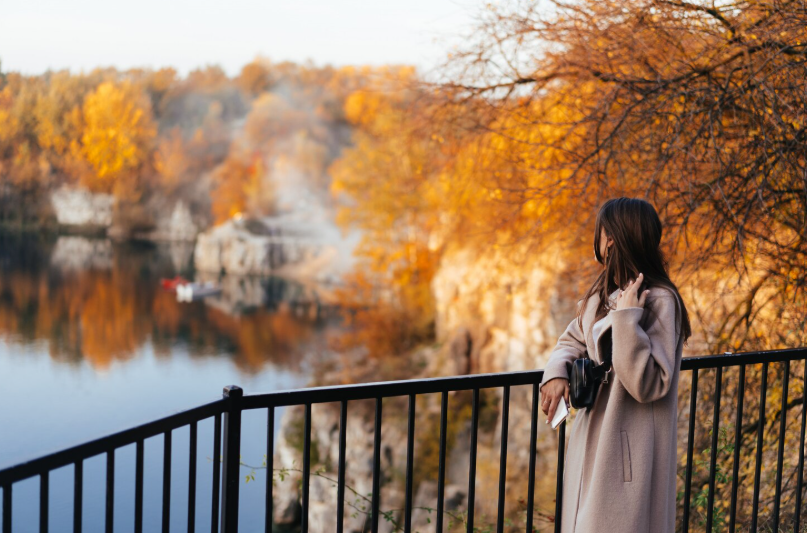
Autumn in Europe is a season of understated elegance. As summer crowds disperse and the landscape transforms into a palette of warm amber, gold, and deep crimson hues, the continent reveals a more intimate and refined side. For discerning travelers, this is the ideal time to explore cultural capitals, countryside retreats, and historic enclaves at a slower, more meaningful pace.
From vineyard-covered valleys to architectural masterpieces framed by falling leaves, Europe in autumn offers a sophisticated blend of beauty, culture, and exclusivity. Below are some of the most refined destinations to consider for an elevated seasonal escape.
Paris, France: Timeless Elegance in Golden Light
Paris in autumn is nothing short of poetic. The city’s tree-lined boulevards, particularly along the Seine and in the Luxembourg Gardens, become immersed in golden tones that enhance its already iconic charm. With fewer tourists, visitors can experience landmarks such as the Louvre and Musée d’Orsay in a more relaxed and immersive way.
Autumn is also the perfect season to indulge in Parisian café culture. Enjoy a quiet morning with a café crème and freshly baked pastries while watching the city move at its refined pace. Luxury boutiques and galleries offer a curated shopping experience, making Paris an ideal destination for those seeking both culture and sophistication.
Tuscany, Italy: Harvest Season and Rolling Landscapes
Tuscany reaches its peak allure during the autumn months, when vineyards and olive groves are alive with harvest activity. The region’s rolling hills take on rich earthy tones, creating a breathtaking backdrop for wine tastings and countryside exploration.
This is the season of truffle festivals and vineyard tours, where visitors can enjoy exclusive tastings at historic estates. Private villas and boutique hotels offer serene accommodations, allowing guests to unwind while immersed in the rhythms of rural Italian life.
Vienna, Austria: Cultural Grandeur and Seasonal Charm
Vienna’s imperial architecture and rich cultural scene are further elevated by the crisp air and vibrant foliage of autumn. The city’s grand palaces, such as Schönbrunn and Belvedere, are surrounded by gardens that transform into picturesque landscapes.
Autumn also marks the return of Vienna’s cultural calendar, including opera performances, classical concerts, and art exhibitions. Evenings can be spent in historic coffee houses, where tradition and elegance come together in a uniquely Viennese experience.
Bordeaux, France: A Connoisseur’s Retreat
For wine enthusiasts, Bordeaux in autumn is an unparalleled destination. The grape harvest season brings energy and exclusivity to the region’s renowned vineyards, many of which offer private tours and tastings.
Beyond the vineyards, Bordeaux’s refined urban center features neoclassical architecture, gourmet dining, and a vibrant cultural scene. The combination of countryside charm and city sophistication makes it a standout autumn destination.
Prague, Czech Republic: A Fairytale in Autumn Tones
Prague’s medieval architecture takes on an even more enchanting quality in autumn. The city’s cobblestone streets, historic squares, and Gothic landmarks are framed by colorful foliage, creating a truly picturesque setting.
With fewer crowds, visitors can explore iconic sites such as Prague Castle and Charles Bridge at a leisurely pace. The city’s rich history, combined with its romantic atmosphere, makes it an ideal destination for a refined cultural getaway.
The Scottish Highlands, Scotland: Untamed Beauty and Serenity
For those seeking a more secluded experience, the Scottish Highlands offer dramatic landscapes that are particularly striking in autumn. Rolling hills, misty lochs, and expansive moors are transformed by deep autumnal colors, creating a sense of tranquility and awe.
Luxury lodges and historic estates provide exclusive accommodations, often accompanied by curated experiences such as guided hikes, whisky tastings, and private tours. The Highlands are perfect for travelers who value privacy, nature, and understated luxury.
Conclusion: A Season of Refined Exploration
Autumn in Europe is a season that rewards those who seek depth, elegance, and authenticity in their travels. Whether strolling through the artistic streets of Paris, savoring the flavors of Tuscany, or embracing the quiet grandeur of the Scottish Highlands, each destination offers a unique perspective on the continent’s timeless appeal.
By choosing to travel during this transitional season, one gains access to a more curated and intimate version of Europe—where beauty is not only seen but deeply experienced.
Stay Connected for More Travel and Lifestyle Inspiration
Stay Connected for More Travel and Lifestyle Inspiration. For more insights into travel, culture, and lifestyle tips, follow me on Instagram @salvadorordorica. If you’re seeking professional translation and localization services to enhance your global ventures, visit The Spanish Group — your trusted partner in bridging cultures worldwide.
by Dulce Navarro | Mar 13, 2026 | Europe, Experiences, Landscapes, Lifestyle, Luxury, Travel
Slow Rail Journeys Through Europe’s Most Scenic Landscapes
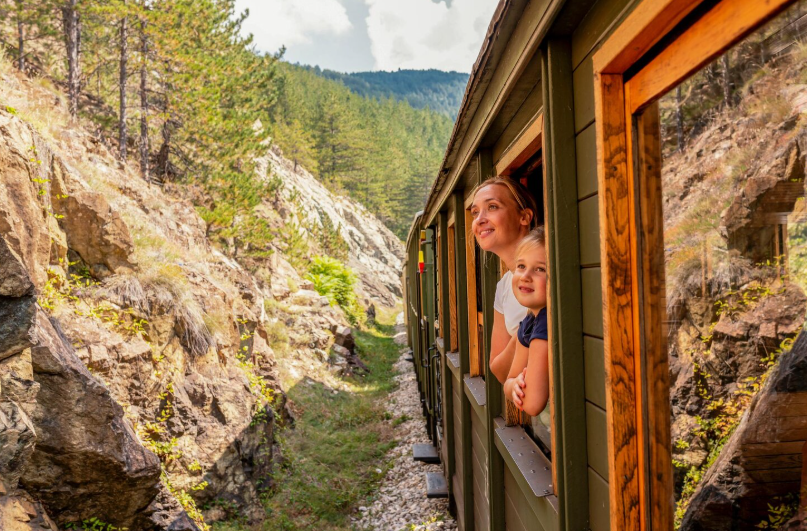
In an era dominated by fast travel and packed itineraries, slow rail journeys across Europe offer a refreshing alternative. Instead of rushing from one destination to the next, travelers can embrace the art of unhurried exploration, discovering the continent’s most breathtaking landscapes through panoramic train windows. Rail travel has long been woven into Europe’s cultural and historical fabric, and today it continues to provide one of the most elegant and sustainable ways to experience the region.
Slow rail journeys allow travelers to appreciate the subtle transitions between countries, cultures, and landscapes. From snow-capped alpine peaks to coastal cliffs and rolling vineyards, the train becomes both transportation and observation lounge. For discerning travelers seeking a refined and immersive experience, Europe’s scenic rail routes offer an extraordinary way to connect with the continent’s natural beauty and heritage.
The Appeal of Slow Travel by Rail
Slow travel emphasizes quality over speed. Rather than attempting to visit numerous destinations in a short period of time, it encourages travelers to savor each experience. Rail journeys embody this philosophy perfectly, allowing passengers to enjoy the journey itself as much as the destination.
Unlike air travel, trains often pass through landscapes inaccessible by road or plane. Historic villages, alpine valleys, and winding rivers reveal themselves gradually, offering a sense of discovery that feels both intimate and authentic. Comfortable seating, dining cars, and panoramic observation windows further enhance the experience, transforming travel time into a highlight of the journey.
The Swiss Alps: A Masterpiece of Scenic Rail Travel
Switzerland is widely regarded as one of the world’s premier destinations for scenic train travel. Its extensive rail network connects charming alpine villages, pristine lakes, and dramatic mountain passes with remarkable efficiency.
Among the most celebrated routes is the journey through the Swiss Alps, where trains glide past towering glaciers, deep gorges, and picturesque mountain towns. Passengers can witness dramatic changes in elevation and climate as the train navigates tunnels and bridges that showcase extraordinary engineering.
The experience is enhanced by Switzerland’s commitment to punctuality and comfort. Spacious carriages, panoramic windows, and attentive service allow travelers to fully immerse themselves in the surrounding landscapes.
The Scottish Highlands: Rugged Beauty and Historic Routes
Scotland’s railways offer a journey through some of the most rugged and romantic landscapes in Europe. The Scottish Highlands are known for their dramatic mountains, windswept moors, and serene lochs, creating a cinematic backdrop for slow rail travel.
One of the most iconic routes passes through the West Highlands, where trains travel across historic viaducts and remote glens before reaching the coastal town of Mallaig. Along the way, passengers encounter scenes that appear almost untouched by modern development.
This route highlights the deep connection between Scotland’s natural environment and its cultural heritage, making it a memorable journey for travelers interested in both history and scenery.
The Italian Countryside: Vineyards, Hills, and Timeless Villages
Italy’s railway network provides access to some of the country’s most enchanting rural regions. Traveling by train through the Italian countryside allows passengers to witness landscapes that have inspired artists, writers, and chefs for centuries.
Routes through Tuscany and northern Italy reveal rolling vineyards, olive groves, and medieval hilltop towns. As the train moves through the landscape, travelers can observe the rhythm of rural life—farmers tending vineyards, markets bustling in small towns, and church bells echoing through valleys.
For culinary enthusiasts, these journeys often serve as gateways to regional gastronomy, providing opportunities to explore local wines, cheeses, and traditional dishes in the destinations along the route.
Norway’s Fjords: A Journey Through Dramatic Natural Wonders
Norway’s railways provide access to some of the most dramatic natural scenery in Europe. Traveling through the country’s fjord region reveals towering cliffs, cascading waterfalls, and deep blue waters carved by ancient glaciers.
The railway routes connecting Oslo with western Norway pass through mountainous terrain and remote valleys, offering panoramic views that change with each season. In winter, snow blankets the landscape in pristine white, while summer reveals lush greenery and long daylight hours.
These journeys highlight Norway’s remarkable commitment to preserving its natural environment, making rail travel an ideal way to experience the region responsibly and sustainably.
The French Countryside: Elegance and Cultural Heritage
France offers a variety of scenic rail routes that reflect the country’s rich cultural heritage and diverse landscapes. Traveling by train through regions such as Provence or the Loire Valley allows passengers to admire vineyards, historic châteaux, and lavender fields stretching toward the horizon.
The experience combines scenic beauty with culinary sophistication. Many travelers use these journeys as opportunities to explore regional wines, visit historic estates, and enjoy leisurely meals featuring locally sourced ingredients.
French rail travel demonstrates how transportation can become an integral part of the cultural experience, connecting travelers not only with destinations but also with the traditions that define them.
The Sustainability Advantage
Rail travel is widely recognized as one of the most environmentally responsible forms of transportation. Compared with air travel, trains produce significantly lower carbon emissions, making them an attractive choice for travelers seeking to reduce their environmental impact.
Many European countries have invested heavily in modern rail infrastructure, ensuring that trains remain efficient, comfortable, and sustainable. By choosing rail journeys, travelers contribute to a more responsible form of tourism while enjoying an experience that is both relaxing and enriching.
Designing the Perfect Slow Rail Itinerary
Planning a slow rail journey allows travelers to create an itinerary that balances scenic routes with cultural exploration. Rather than focusing solely on major cities, many itineraries include smaller towns and rural destinations that reveal the authentic character of each region.
Travelers may choose to combine several scenic routes into a single journey, spending time exploring local cuisine, historic landmarks, and natural attractions along the way. This approach transforms the trip into a series of memorable experiences rather than a simple point-to-point journey.
Luxury train services and boutique accommodations near railway stations further enhance the comfort and elegance of these journeys, ensuring that every aspect of the trip reflects thoughtful planning and attention to detail.
Rediscovering the Joy of the Journey
Slow rail journeys through Europe’s most scenic landscapes invite travelers to rediscover the pleasure of the journey itself. Instead of rushing between destinations, passengers can relax, observe, and appreciate the subtle beauty of the continent’s diverse environments.
From alpine peaks and rugged coastlines to vineyards and historic villages, Europe’s railways provide an unparalleled perspective on the region’s natural and cultural treasures. For travelers who value elegance, sustainability, and meaningful exploration, slow rail travel represents one of the most rewarding ways to experience the continent.
Stay Connected for More Travel and Lifestyle Inspiration. For more insights into travel, culture, and lifestyle tips, follow me on Instagram @salvadorordorica. If you’re seeking professional translation and localization services to enhance your global ventures, visit The Spanish Group — your trusted partner in bridging cultures worldwide.

by Dulce Navarro | Mar 12, 2026 | Europe, Experiences, Landscapes, Lifestyle, Luxury, Travel
Europe’s Most Elegant Boutique Mountain Resorts
Europe’s mountain landscapes have long captivated travelers seeking fresh air, breathtaking scenery, and refined hospitality. From the snow-covered peaks of the Alps to the tranquil valleys of the Dolomites, the continent offers an extraordinary collection of boutique mountain resorts that combine luxury with intimacy. These destinations appeal to sophisticated travelers who appreciate personalized service, distinctive architecture, and immersive natural surroundings.
Unlike large ski complexes or mass-market resorts, boutique mountain properties emphasize elegance, exclusivity, and carefully curated experiences. Guests can expect exceptional cuisine, thoughtful design, and wellness programs that encourage relaxation and renewal. Whether visiting in winter for alpine sports or in summer for hiking and scenic exploration, Europe’s boutique mountain resorts provide a memorable escape that balances adventure with comfort.
Courchevel, France: Alpine Glamour and Refined Hospitality
Nestled in the French Alps, Courchevel is synonymous with sophistication and world-class skiing. While the destination is known for its extensive ski terrain and vibrant social scene, it is also home to several elegant boutique resorts that offer privacy and exceptional service.
These intimate hotels often feature beautifully designed chalets, cozy fireplaces, and panoramic views of the surrounding mountains. Many properties combine traditional alpine architecture with modern design elements, creating an atmosphere that feels both authentic and contemporary.
Guests can enjoy gourmet dining, spa treatments inspired by alpine botanicals, and personalized concierge services that arrange everything from ski instructors to helicopter transfers. Courchevel’s blend of luxury and natural beauty makes it a leading destination for discerning mountain travelers.
Zermatt, Switzerland: Iconic Views and Timeless Charm
Zermatt, located at the base of the iconic Matterhorn, is one of Switzerland’s most picturesque mountain destinations. The village is car-free, which enhances its peaceful atmosphere and preserves its traditional alpine character.
Boutique resorts in Zermatt are renowned for their attention to detail and warm hospitality. Many properties incorporate locally sourced wood, stone, and handcrafted décor, creating interiors that reflect the region’s heritage while maintaining modern comfort.
Visitors can enjoy world-class skiing, scenic mountain railways, and fine dining featuring Swiss specialties such as raclette and fondue. After a day outdoors, guests often retreat to luxurious spas offering thermal pools, saunas, and relaxation lounges with views of the snow-covered peaks.
Cortina d’Ampezzo, Italy: Elegance in the Dolomites
Known as the “Queen of the Dolomites,” Cortina d’Ampezzo offers a unique blend of Italian elegance and alpine adventure. This historic resort town has hosted international visitors for more than a century and continues to attract travelers who value both style and outdoor recreation.
Boutique mountain resorts in Cortina emphasize refined Italian design, combining warm materials with sophisticated aesthetics. Guests can experience exceptional hospitality, gourmet cuisine, and carefully curated wine selections highlighting regional vintages.
Beyond skiing and snowboarding, Cortina offers year-round appeal with hiking trails, cycling routes, and cultural events that showcase the region’s heritage. The dramatic limestone peaks of the Dolomites provide an unforgettable backdrop for relaxation and exploration.
St. Moritz, Switzerland: Luxury and Alpine Prestige
St. Moritz has long been associated with glamour and exclusivity. As one of Europe’s most prestigious mountain destinations, it offers a range of boutique hotels that cater to travelers seeking both sophistication and privacy.
These elegant resorts often feature spacious suites, art-filled interiors, and terraces overlooking pristine alpine lakes. Many properties offer wellness programs that include holistic spa treatments, yoga sessions, and personalized fitness experiences designed to restore balance after a day on the slopes.
St. Moritz also boasts a vibrant cultural scene, with winter polo matches, international sporting events, and fine dining establishments that showcase global culinary talent.
Lech, Austria: Authentic Alpine Serenity
For travelers seeking a quieter mountain retreat, the Austrian village of Lech offers an ideal combination of charm and exclusivity. Located in the Arlberg region, Lech is known for its picturesque landscapes, welcoming atmosphere, and exceptional skiing.
Boutique resorts in Lech prioritize comfort and authenticity. Many family-owned hotels have operated for generations, creating a sense of tradition and personalized service that distinguishes the destination from larger resorts.
Guests can explore snow-covered trails, enjoy horse-drawn sleigh rides through alpine forests, or relax beside a fireplace with a glass of Austrian wine. The village’s tranquil environment encourages visitors to slow down and fully appreciate the surrounding natural beauty.
The Rise of Boutique Mountain Hospitality
In recent years, boutique mountain resorts have become increasingly popular among travelers seeking experiences that feel both luxurious and personal. Rather than focusing solely on scale, these properties emphasize thoughtful design, individualized service, and authentic connections with the local environment.
Sustainability has also become an important priority. Many boutique resorts incorporate eco-friendly building materials, energy-efficient systems, and locally sourced ingredients in their restaurants. These efforts ensure that the beauty of Europe’s mountain landscapes can be preserved for future generations.
At the same time, the wellness movement has influenced mountain hospitality. Spa programs now often include holistic treatments, mindfulness practices, and outdoor wellness activities such as guided forest walks and alpine yoga sessions.
Designing the Perfect Mountain Escape
Planning a stay at a boutique mountain resort allows travelers to tailor their experience to personal interests and seasonal activities. Winter visitors may prioritize skiing, snowshoeing, and cozy evenings by the fire, while summer travelers can enjoy hiking, mountain biking, and scenic alpine picnics.
Many guests choose to combine several destinations into a single itinerary, exploring different regions of the Alps or the Dolomites. This approach offers an opportunity to experience diverse landscapes, architectural styles, and culinary traditions while maintaining a consistent standard of luxury.
Ultimately, the appeal of Europe’s boutique mountain resorts lies in their ability to create meaningful travel experiences. They offer environments where guests can reconnect with nature, appreciate refined hospitality, and discover the timeless beauty of the continent’s alpine landscapes.
Whether overlooking the Matterhorn, nestled within the Dolomites, or surrounded by the tranquil valleys of Austria, these resorts embody the elegance and serenity that define Europe’s most memorable mountain escapes.
Stay Connected for More Travel and Lifestyle Inspiration. For more insights into travel, culture, and lifestyle tips, follow me on Instagram @salvadorordorica. If you’re seeking professional translation and localization services to enhance your global ventures, visit The Spanish Group — your trusted partner in bridging cultures worldwide.

by Dulce Navarro | Mar 11, 2026 | Europe, Experiences, Landscapes, Lifestyle, Luxury, Travel
Art-Focused Travel Itineraries Through Europe’s Emerging Creative Hubs
Europe has long been recognized as one of the world’s greatest centers of art, culture, and creative expression. While iconic cities such as Paris, Rome, and Florence continue to attract global attention for their historic masterpieces, a new wave of artistic energy is emerging across the continent. In recent years, a number of dynamic cities and neighborhoods have developed vibrant creative communities that are redefining Europe’s contemporary art landscape.
For sophisticated travelers who appreciate cultural depth and artistic innovation, exploring these emerging creative hubs offers a unique opportunity to experience Europe through a fresh lens. From cutting-edge galleries to artist-run studios and international art festivals, these destinations provide immersive experiences that highlight the evolving role of art in modern European culture.
The Rise of Europe’s Emerging Creative Centers
Over the past two decades, shifting economic conditions, urban revitalization efforts, and increased international collaboration have contributed to the development of new creative districts throughout Europe. Artists seeking affordable studio space and collaborative environments have migrated beyond traditional art capitals, transforming neighborhoods into thriving cultural ecosystems.
These creative hubs often combine historic architecture with modern design, offering visitors a compelling contrast between past and present. Former industrial buildings are frequently repurposed into galleries, co-working studios, performance venues, and experimental exhibition spaces that foster innovation and collaboration.
For travelers interested in contemporary art and cultural exploration, these districts provide a vibrant atmosphere where creativity flourishes and new artistic movements take shape.
Lisbon: Portugal’s Contemporary Art Renaissance
Lisbon has rapidly become one of Europe’s most exciting creative destinations. The city’s revitalized neighborhoods, including Marvila and Alcântara, are home to an expanding network of galleries, artist studios, and cultural institutions.
In recent years, Lisbon has attracted artists and curators from around the world who are drawn to its dynamic cultural environment and growing reputation as a creative capital. Visitors can explore innovative contemporary exhibitions, independent galleries, and collaborative art spaces that showcase both Portuguese and international talent.
Beyond the galleries, Lisbon’s vibrant street art scene adds another dimension to the city’s artistic identity. Murals and public art installations transform entire neighborhoods into open-air galleries that reflect the city’s evolving cultural narrative.
Berlin: A Global Epicenter for Experimental Art
Berlin has long been known for its avant-garde art scene, and the city continues to attract emerging artists seeking creative freedom and international exposure. Districts such as Kreuzberg, Neukölln, and Mitte have become centers for experimental art, hosting numerous galleries, artist collectives, and cultural initiatives.
Travelers following an art-focused itinerary in Berlin can visit contemporary art museums, independent exhibition spaces, and pop-up galleries that highlight emerging artistic voices. The city’s history of cultural reinvention has created a fertile environment where new ideas and artistic experimentation thrive.
In addition to visual arts, Berlin’s creative ecosystem includes performance art, multimedia installations, and interdisciplinary collaborations that blur the boundaries between artistic disciplines.
Tbilisi: Eastern Europe’s Rising Cultural Star
Georgia’s capital, Tbilisi, has quietly emerged as one of Europe’s most intriguing creative hubs. With its rich cultural heritage and rapidly evolving contemporary art scene, the city offers an exciting destination for travelers interested in discovering new artistic perspectives.
Tbilisi’s historic neighborhoods now house modern galleries, independent studios, and artist-run initiatives that showcase both Georgian and international artists. The city’s creative energy is also reflected in its thriving fashion, design, and photography communities.
Art festivals and cultural events continue to expand Tbilisi’s global visibility, positioning the city as a key destination for art enthusiasts seeking fresh cultural experiences beyond traditional European art centers.
Warsaw: Creativity Through Cultural Resilience
Warsaw’s contemporary art scene reflects the city’s remarkable history of resilience and reinvention. Following decades of political transformation and urban renewal, the Polish capital has developed a dynamic creative community that blends tradition with modern artistic expression.
Travelers exploring Warsaw’s art scene will discover innovative museums, experimental galleries, and public art projects that engage with themes of history, identity, and social change. Cultural institutions and independent artists alike contribute to an environment where creativity serves as a powerful tool for dialogue and reflection.
The city’s growing reputation as a cultural destination continues to attract international artists, curators, and collectors eager to engage with Poland’s evolving creative landscape.
Valencia: Spain’s Mediterranean Design Capital
Valencia has emerged as one of Spain’s most exciting destinations for contemporary art and design. The city combines historic charm with cutting-edge architecture and a vibrant creative community that extends across multiple disciplines.
Modern art galleries, design studios, and cultural centers contribute to Valencia’s reputation as a hub for innovation and artistic experimentation. Annual events celebrating design, architecture, and visual arts further strengthen the city’s cultural profile.
Visitors following an art-focused itinerary can explore museums, contemporary galleries, and architectural landmarks that reflect Valencia’s commitment to creative excellence.
Designing an Art-Focused European Itinerary
Planning an art-centered journey through Europe’s emerging creative hubs requires thoughtful consideration of cultural events, exhibition schedules, and local artistic communities. Many cities host seasonal art festivals, gallery weekends, and design fairs that provide exceptional opportunities to experience the latest developments in contemporary art.
Working with local guides or cultural experts can significantly enhance the experience. These professionals often provide access to private studio visits, artist talks, and exclusive gallery tours that offer deeper insight into the creative process.
Travelers may also consider combining visits to established art capitals with emerging creative hubs, creating itineraries that highlight both historical masterpieces and contemporary innovation.
The Cultural Value of Artistic Exploration
Art-focused travel offers far more than visual enjoyment. It provides insight into the cultural, social, and political contexts that shape artistic expression. By engaging with contemporary artists and creative communities, travelers gain a deeper understanding of how art reflects the evolving identity of modern Europe.
Emerging creative hubs serve as laboratories for artistic experimentation, where new ideas challenge traditional perspectives and inspire cultural dialogue. For travelers seeking meaningful cultural engagement, these destinations offer an enriching alternative to more conventional tourism experiences.
Conclusion
Europe’s emerging creative hubs are redefining the continent’s artistic landscape, offering sophisticated travelers the opportunity to explore vibrant cultural communities beyond traditional art capitals. Cities such as Lisbon, Berlin, Tbilisi, Warsaw, and Valencia demonstrate how creativity continues to evolve across Europe, blending historical influences with contemporary innovation.
For those who appreciate art as a dynamic and transformative force, designing a travel itinerary centered on these destinations can provide an inspiring journey through Europe’s modern creative spirit. By engaging directly with artists, galleries, and cultural institutions, travelers gain a deeper appreciation for the ideas and perspectives shaping the future of European art.
Stay Connected for More Travel and Lifestyle Inspiration
Stay Connected for More Travel and Lifestyle Inspiration. For more insights into travel, culture, and lifestyle tips, follow me on Instagram
@salvadorordorica. If you’re seeking professional translation and localization services to enhance your global ventures, visit
The Spanish Group — your trusted partner in bridging cultures worldwide.
