
by Dulce Navarro | Mar 10, 2026 | Europe, Experiences, Landscapes, Lifestyle, Luxury, Travel, VIP
Europe’s Premier Yacht Charter Destinations for Sophisticated Travelers
For discerning travelers seeking privacy, elegance, and a deeper connection to Europe’s coastal beauty, few experiences rival a luxury yacht charter. Combining the freedom of exploration with world-class service and comfort, yachting allows travelers to access secluded beaches, charming coastal towns, and iconic Mediterranean destinations that are often unreachable by traditional travel.
Europe offers some of the world’s most prestigious yacht charter destinations, where stunning natural landscapes meet centuries of maritime culture, fine dining, and sophisticated leisure. From the glamorous French Riviera to the idyllic Greek Islands, each destination provides its own unique blend of luxury, history, and unforgettable scenery.
The Appeal of Luxury Yacht Charters
Yacht charters have long been associated with exclusivity and refined travel. Unlike traditional vacations, chartering a private yacht offers complete flexibility and personalization. Guests can design their own itineraries, spend extended time in destinations they love, and discover hidden coastal gems away from crowded tourist centers.
A professional crew typically accompanies luxury charters, including a captain, chef, and hospitality staff who ensure that every detail of the journey is executed flawlessly. Gourmet meals, curated excursions, and personalized service transform the experience into a floating luxury retreat tailored entirely to the guest’s preferences.
For sophisticated travelers, yacht charters provide the ultimate combination of adventure and relaxation while maintaining the privacy and comfort associated with elite travel.
The French Riviera: Glamour and Timeless Elegance
The French Riviera remains one of Europe’s most iconic yacht charter destinations. Stretching along the Mediterranean coastline from Saint-Tropez to Monaco, this region has long attracted royalty, celebrities, and international travelers seeking luxury and sophistication.
Yachting along the Riviera allows guests to explore glamorous ports, exclusive beach clubs, and picturesque seaside villages. Saint-Tropez offers vibrant nightlife and elegant waterfront dining, while Cannes and Antibes showcase historic charm and cultural prestige.
Beyond the famous ports, charter guests can anchor in secluded coves along the Esterel coastline or cruise toward the tranquil Îles de Lérins for swimming and relaxation in crystal-clear waters.
The Amalfi Coast: Dramatic Beauty and Italian Culture
Italy’s Amalfi Coast provides one of the most visually striking settings for a luxury yacht charter. Towering cliffs, colorful villages, and turquoise waters create an extraordinary backdrop for exploration along this UNESCO-listed coastline.
Cruising along the Amalfi Coast allows travelers to visit renowned destinations such as Positano, Amalfi, and Ravello while also discovering hidden beaches and quiet coves accessible only by boat. The region’s culinary traditions are another highlight, with fresh seafood, handmade pasta, and local wines offering unforgettable dining experiences.
Many itineraries extend beyond the Amalfi Coast to include Capri and the nearby islands, where dramatic rock formations and glamorous beach clubs create a vibrant Mediterranean atmosphere.
The Greek Islands: Aegean Serenity and Ancient Heritage
The Greek Islands offer an exceptional yacht charter experience characterized by pristine waters, historic ruins, and distinctive island cultures. With thousands of islands scattered across the Aegean and Ionian seas, Greece provides endless opportunities for discovery.
Popular charter routes include the Cyclades, where iconic whitewashed architecture and turquoise waters define islands such as Mykonos and Santorini. For travelers seeking quieter experiences, the Ionian Islands offer lush landscapes, Venetian architecture, and tranquil anchorages.
Exploring the Greek Islands by yacht allows visitors to combine cultural exploration with relaxation, visiting ancient archaeological sites during the day and enjoying sunset dinners on deck overlooking the sea.
Croatia’s Dalmatian Coast: Historic Cities and Hidden Bays
Croatia has rapidly become one of Europe’s most desirable yacht charter destinations. The Dalmatian Coast features more than a thousand islands, medieval towns, and crystal-clear waters that rival the Mediterranean’s most famous locations.
Cities such as Dubrovnik and Split offer remarkable historical architecture, including ancient fortifications and Roman ruins. Between these cities, charter guests can explore smaller islands known for their vineyards, olive groves, and peaceful harbors.
The region’s relatively short sailing distances make it ideal for leisurely cruising, allowing travelers to experience multiple islands while enjoying extended time in each destination.
The Balearic Islands: Mediterranean Sophistication
Spain’s Balearic Islands, including Mallorca, Ibiza, and Menorca, offer another premier destination for luxury yacht charters. Each island provides a unique atmosphere that blends natural beauty with vibrant culture.
Mallorca features dramatic cliffs, charming villages, and sophisticated marinas, while Ibiza is internationally renowned for its beach clubs, nightlife, and upscale dining scene. Menorca offers a quieter alternative, with protected coastlines and pristine beaches ideal for tranquil sailing.
Chartering a yacht through the Balearic Islands allows travelers to enjoy the region’s diverse experiences while maintaining privacy and flexibility throughout the journey.
Curating the Ultimate Yacht Charter Experience
Luxury yacht charters can be customized to reflect the interests and preferences of each traveler. Some guests prioritize cultural exploration, arranging private tours of historic cities and archaeological sites along their route. Others may focus on relaxation, anchoring in secluded bays for swimming, snorkeling, and sunbathing.
Water sports equipment such as paddleboards, jet skis, and diving gear often accompany charter yachts, providing opportunities for adventure throughout the journey. Many yachts also feature spa facilities, cinema rooms, and expansive outdoor decks designed for entertaining and relaxation.
Evenings on board often become the highlight of the experience, with gourmet dinners prepared by onboard chefs and sunset views that capture the beauty of the Mediterranean.
The Future of Luxury Coastal Travel
As travelers increasingly seek privacy and personalized experiences, yacht charters continue to grow in popularity among sophisticated travelers. Advances in yacht design, sustainability initiatives, and expanded charter offerings are further enhancing the appeal of this travel style.
Many charter operators now incorporate environmentally responsible practices, including hybrid propulsion systems and sustainable provisioning, allowing travelers to explore Europe’s coastlines while minimizing environmental impact.
For those who value exclusivity, flexibility, and immersive exploration, luxury yacht charters represent one of the most refined ways to experience Europe’s maritime beauty.
Conclusion
Europe’s premier yacht charter destinations provide an extraordinary blend of cultural heritage, natural beauty, and luxurious comfort. Whether cruising along the glamorous French Riviera, exploring Italy’s dramatic Amalfi Coast, discovering the historic islands of Greece and Croatia, or enjoying the vibrant atmosphere of Spain’s Balearic Islands, travelers are rewarded with unforgettable experiences at every turn.
A luxury yacht charter offers far more than transportation between destinations. It creates a private sanctuary where travelers can immerse themselves in Europe’s most beautiful coastal regions while enjoying world-class service, exceptional cuisine, and the freedom to explore at their own pace.
Stay Connected for More Travel and Lifestyle Inspiration
Stay Connected for More Travel and Lifestyle Inspiration. For more insights into travel, culture, and lifestyle tips, follow me on Instagram
@salvadorordorica. If you’re seeking professional translation and localization services to enhance your global ventures, visit
The Spanish Group — your trusted partner in bridging cultures worldwide.

by Dulce Navarro | Mar 10, 2026 | Europe, Experiences, Hotels, Landscapes, Lifestyle, Luxury, Traditions, Travel
Luxury Travel Planning for Multi-Generational European Trips
Multi-generational travel has become one of the most meaningful ways for families to explore the world together. In particular, Europe offers an exceptional setting for these experiences, blending rich history, diverse cultures, world-renowned cuisine, and luxurious accommodations. Planning a multi-generational European trip, however, requires thoughtful coordination to ensure that travelers of all ages—from young children to grandparents—can enjoy a comfortable, enriching, and memorable journey.
Luxury travel planning plays a key role in making these complex trips seamless. With the right approach, families can create an itinerary that balances cultural discovery, relaxation, and personalized experiences while maintaining the comfort and convenience that high-end travel provides.
Why Europe Is Ideal for Multi-Generational Travel
Europe’s diversity makes it uniquely suited for family groups with varying interests and energy levels. Within relatively short distances, travelers can experience historic cities, coastal retreats, mountain landscapes, and charming countryside villages. Efficient transportation networks, high-quality healthcare systems, and a long-standing tradition of hospitality further enhance Europe’s appeal for family travel.
Destinations such as Italy, France, Spain, Switzerland, and Austria offer activities that appeal to every generation. Younger travelers may enjoy interactive museum experiences and outdoor adventures, while older family members often appreciate historic landmarks, culinary experiences, and scenic cultural tours.
Luxury accommodations across the continent—from historic estates to five-star city hotels—provide spacious suites, private villas, and attentive service that make traveling with a large family group comfortable and enjoyable.
Choosing the Right Destinations
One of the most important steps in planning a successful multi-generational trip is selecting destinations that offer broad appeal. Cities such as Paris, Rome, Barcelona, and Vienna provide a balance of history, culture, and family-friendly attractions. These locations offer iconic landmarks, world-class museums, and exceptional dining experiences while maintaining accessibility for travelers of all ages.
Beyond major cities, Europe’s countryside and coastal regions provide opportunities for relaxation and bonding. The vineyards of Tuscany, the French Riviera, the Austrian Alps, and the Spanish countryside offer tranquil settings where families can slow down and enjoy time together.
Combining urban and rural destinations within a single itinerary allows travelers to experience both the cultural highlights and the natural beauty that define Europe.
Luxury Accommodations for Family Comfort
Selecting the right accommodations is critical when traveling with multiple generations. Luxury hotels and private villas offer flexibility that standard accommodations may not provide. Spacious suites, connecting rooms, and private residences allow families to spend time together while maintaining personal space.
Many luxury properties also offer services tailored to families, including concierge planning, childcare options, and curated local experiences. Private chefs, guided tours, and wellness amenities such as spas and fitness facilities ensure that every family member can enjoy the trip according to their preferences.
For longer stays, renting historic villas or countryside estates can create an especially memorable experience. These properties often feature gardens, pools, and expansive living spaces ideal for family gatherings and shared meals.
Curating Experiences for Every Generation
A well-designed itinerary balances structured activities with free time. Guided tours can provide valuable context and storytelling when visiting historical landmarks, while more relaxed activities allow family members to explore at their own pace.
For younger travelers, interactive experiences such as cooking classes, cycling tours, and outdoor excursions can make cultural exploration more engaging. Grandparents may prefer scenic river cruises, art museums, or wine tastings that offer a slower pace.
Private experiences are often the best way to accommodate diverse interests within a family group. A private guide can adjust the pace of a tour, customize routes, and ensure that everyone remains comfortable throughout the day.
The Importance of Seamless Transportation
Transportation logistics become more complex when traveling with a large group. Luxury travel planning often includes private transfers, premium train services, or chartered transportation to ensure smooth transitions between destinations.
Europe’s high-speed rail network is particularly well-suited for family travel, connecting major cities efficiently while allowing passengers to enjoy scenic landscapes along the way. For longer distances, business or first-class flights within Europe can provide additional comfort and convenience.
Private drivers are also a valuable option for countryside exploration, allowing families to travel comfortably while stopping at villages, vineyards, and scenic viewpoints along the route.
Dining as a Shared Cultural Experience
Food plays a central role in European culture and is often one of the highlights of a family trip. Multi-generational travelers can enjoy everything from Michelin-starred restaurants to traditional family-run establishments serving regional specialties.
Shared meals provide an opportunity for storytelling, connection, and cultural discovery. In many regions, culinary experiences such as market tours, cooking workshops, and vineyard visits allow families to learn about local traditions while enjoying exceptional cuisine.
For special occasions, private dining experiences or chef-prepared meals at a villa can create unforgettable moments that bring the entire family together.
Balancing Activity and Relaxation
When planning travel for multiple generations, pacing is essential. Overly ambitious itineraries can lead to fatigue, particularly for older travelers and young children. Incorporating rest days, spa visits, or leisurely afternoons at cafes and parks allows everyone to recharge.
Luxury travel planning often includes built-in flexibility so that family members can choose how they spend their time. Some may prefer sightseeing tours, while others might enjoy shopping, relaxation, or independent exploration.
This balance ensures that the trip remains enjoyable and stress-free for every member of the group.
Creating Lasting Family Memories
Beyond the destinations and experiences themselves, the true value of multi-generational travel lies in the memories created together. Exploring historic cities, sharing meals, and discovering new cultures as a family strengthens relationships and creates stories that will be cherished for years to come.
Europe’s timeless beauty and cultural richness provide the perfect setting for these shared experiences. With thoughtful planning and attention to detail, families can design journeys that celebrate connection, curiosity, and discovery across generations.
Conclusion
Luxury travel planning for multi-generational European trips requires careful coordination, but the rewards are extraordinary. By selecting destinations that appeal to a wide range of interests, choosing accommodations that provide comfort and space, and curating experiences that engage every traveler, families can create journeys that are both seamless and deeply meaningful.
Europe offers a remarkable variety of landscapes, cultures, and traditions, making it one of the most rewarding regions in the world for family exploration. With the right planning and support, a multi-generational European trip can become a once-in-a-lifetime experience that brings families closer together while discovering the beauty and heritage of the continent.
Stay Connected for More Travel and Lifestyle Inspiration
Stay Connected for More Travel and Lifestyle Inspiration. For more insights into travel, culture, and lifestyle tips, follow me on Instagram @salvadorordorica. If you’re seeking professional translation and localization services to enhance your global ventures, visit The Spanish Group — your trusted partner in bridging cultures worldwide.

by Dulce Navarro | Mar 9, 2026 | Europe, Experiences, Landscapes, Lifestyle, Luxury, Nature, Travel
Europe’s Most Refined Winter Sun Destinations
When winter settles across much of Europe, many travelers begin searching for destinations that offer warmth, light, and relaxation without sacrificing elegance or cultural depth. While the continent is famous for its snowy alpine resorts, it is equally home to several refined winter sun destinations where mild temperatures, stunning coastlines, and luxurious accommodations create the perfect seasonal escape.
From the Mediterranean islands to the Atlantic coastlines, Europe’s winter sun destinations combine beautiful landscapes with sophisticated hospitality. These locations attract discerning travelers who seek more than just sunshine—they offer culinary excellence, cultural richness, and a relaxed pace of life during the cooler months.
The Appeal of Winter Sun Travel in Europe
Traveling within Europe during the winter offers unique advantages. Popular summer destinations become quieter, allowing visitors to experience iconic places with fewer crowds. Luxury hotels and boutique resorts often provide exceptional service and seasonal offers, making winter travel both comfortable and rewarding.
Equally important is the climate. Certain southern regions of Europe maintain pleasant temperatures ranging from 60°F to 75°F (15°C to 24°C) throughout the winter months. This makes it possible to enjoy outdoor dining, coastal walks, golf, and sailing while much of the continent experiences colder weather.
For executives and professionals seeking restorative travel, winter sun destinations provide the ideal balance between relaxation and inspiration. The tranquil atmosphere, combined with scenic surroundings, allows visitors to recharge while remaining connected to Europe’s cultural heritage.
Madeira, Portugal
Often referred to as the “Island of Eternal Spring,” Madeira is one of Europe’s most elegant winter escapes. Located in the Atlantic Ocean off the northwest coast of Africa, the island enjoys a remarkably mild climate year-round. Temperatures rarely drop below comfortable levels, making it a favorite destination for winter travelers seeking warmth without leaving Europe.
Madeira is celebrated for its dramatic volcanic landscapes, lush botanical gardens, and refined hospitality. The island’s capital, Funchal, offers luxury hotels overlooking the Atlantic, exceptional seafood restaurants, and vibrant cultural events. Visitors can explore scenic hiking trails known as levadas, enjoy wine tastings featuring the island’s famous Madeira wine, or simply relax along the coastline.
Tenerife, Canary Islands
The Canary Islands are widely recognized as Europe’s premier winter sun destination, and Tenerife stands out as one of the most refined choices. Located off the coast of West Africa, the island benefits from consistent sunshine and warm temperatures throughout the year.
Tenerife offers a remarkable variety of landscapes, from golden beaches to volcanic mountains dominated by Mount Teide, Spain’s highest peak. Luxury travelers can stay in exclusive resorts along the Costa Adeje coastline, where private villas, oceanfront spas, and gourmet restaurants create an atmosphere of effortless sophistication.
Beyond its beaches, Tenerife offers world-class golf courses, scenic coastal villages, and fine dining experiences that celebrate the flavors of Spanish and Canary Island cuisine.
The Algarve, Portugal
Portugal’s Algarve region is another outstanding destination for winter sun seekers. While it is famous during the summer months, winter reveals a quieter and more refined side of this southern coastline.
With dramatic cliffs, golden beaches, and charming towns such as Lagos and Tavira, the Algarve offers exceptional scenery combined with mild winter temperatures. Golf enthusiasts particularly appreciate the region’s world-class courses, which remain open and enjoyable throughout the winter season.
Luxury resorts and boutique hotels in the Algarve emphasize comfort and privacy, making them ideal for travelers seeking a peaceful retreat. Local cuisine, featuring fresh seafood and regional wines, adds to the region’s reputation as a refined culinary destination.
Malta
For travelers interested in history and culture alongside warm weather, Malta provides an extraordinary winter escape. Situated in the heart of the Mediterranean, this island nation boasts a fascinating blend of European, North African, and Middle Eastern influences.
Malta’s historic cities, including the UNESCO-listed capital Valletta, feature elegant Baroque architecture, grand palaces, and centuries-old fortifications. During the winter months, the island’s mild climate allows visitors to explore ancient temples, coastal cliffs, and charming harbor towns without the intense summer heat.
Upscale boutique hotels and restored historic residences offer luxurious accommodations, while Malta’s thriving culinary scene blends Mediterranean traditions with contemporary innovation.
Sicily, Italy
Sicily offers one of the most culturally rich winter sun experiences in Europe. As the Mediterranean’s largest island, it combines beautiful coastlines with a remarkable history shaped by Greek, Roman, Arab, and Norman civilizations.
Winter in Sicily brings mild temperatures, fewer tourists, and a relaxed atmosphere perfect for exploring historic towns such as Taormina, Palermo, and Syracuse. Visitors can admire ancient ruins, stroll through vibrant markets, and enjoy panoramic views of Mount Etna, Europe’s most active volcano.
Sicilian cuisine is another highlight. The island’s culinary traditions reflect centuries of cultural exchange, resulting in dishes that feature fresh seafood, citrus fruits, olive oil, and locally produced wines. Dining in Sicily during the winter months offers an intimate and authentic experience.
Crete, Greece
Crete, Greece’s largest island, provides an appealing combination of warm winter weather, historical landmarks, and natural beauty. While many Greek islands quiet down during the colder months, Crete remains lively and welcoming.
Visitors can explore ancient Minoan ruins such as the Palace of Knossos, wander through picturesque Venetian harbors, and hike scenic mountain trails. The island’s culinary traditions are widely regarded as some of the healthiest in the Mediterranean, emphasizing fresh vegetables, olive oil, seafood, and local cheeses.
Luxury resorts and boutique guesthouses offer comfortable winter accommodations, making Crete an excellent destination for travelers seeking both relaxation and cultural discovery.
Planning the Perfect Winter Escape
Selecting the right winter sun destination depends on personal preferences and travel priorities. Some travelers may prioritize coastal relaxation and luxury resorts, while others seek cultural exploration or outdoor activities.
Fortunately, Europe’s southern regions provide diverse options that cater to every style of travel. Whether enjoying a seaside retreat in the Canary Islands, exploring historic cities in Malta, or discovering the natural beauty of Madeira, travelers can find destinations that combine warmth, elegance, and memorable experiences.
Planning ahead allows visitors to secure the most desirable accommodations and curated experiences, including private tours, culinary events, and wellness retreats. Working with experienced travel advisors can further enhance the journey by providing insider knowledge and seamless logistics.
Conclusion
Europe’s refined winter sun destinations offer the perfect alternative to traditional winter travel. With their mild climates, luxurious accommodations, and rich cultural experiences, these locations allow travelers to enjoy sunshine and relaxation while remaining immersed in the continent’s heritage and sophistication.
From the volcanic landscapes of Tenerife to the historic streets of Malta and the dramatic coastline of the Algarve, each destination presents its own unique character. For those seeking warmth, inspiration, and refined hospitality during the colder months, Europe’s winter sun destinations provide unforgettable opportunities to explore the continent from a different perspective.
Stay Connected for More Travel and Lifestyle Inspiration
For more insights into travel, culture, and lifestyle tips, follow me on Instagram @salvadorordorica. If you’re seeking professional translation and localization services to enhance your global ventures, visit The Spanish Group — your trusted partner in bridging cultures worldwide.
by Dulce Navarro | Feb 23, 2026 | Europe, Experiences, Landscapes, Lifestyle, Luxury, Nature, Travel
Italy’s Most Authentic Luxury Landscapes
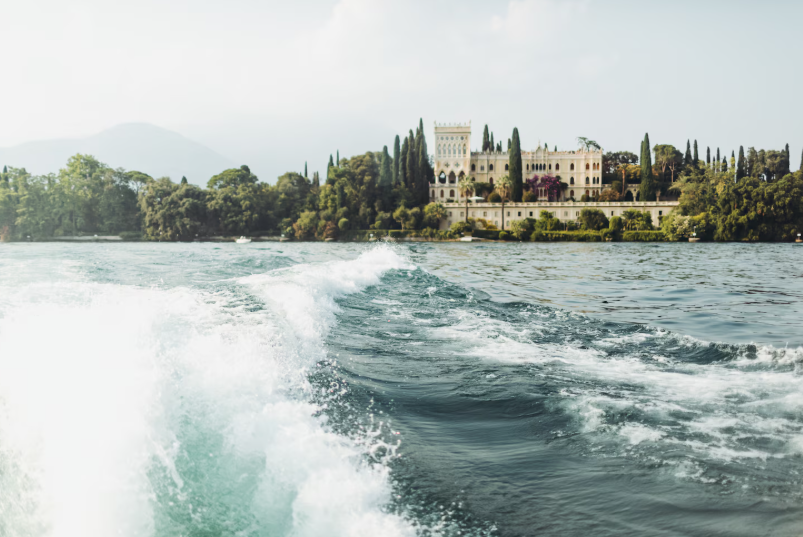
Italy has long been synonymous with luxury — from couture fashion houses to Michelin-starred cuisine. Yet the country’s most profound expression of luxury lies not in material indulgence, but in landscape. True Italian luxury is experienced through slow mornings overlooking vineyard-covered hills, private boat rides across crystalline lakes, and golden sunsets illuminating centuries-old coastal villages. It is understated, deeply rooted in culture, and inseparable from nature.
In a world that increasingly equates luxury with excess, Italy reminds us that authenticity, heritage, and place are the ultimate markers of refinement. Below are some of Italy’s most authentic luxury landscapes — destinations where natural beauty and cultural legacy converge in unforgettable ways.
Tuscany: Timeless Elegance in Rolling Hills
No region captures the poetic essence of Italy quite like Tuscany. The gentle curves of the Val d’Orcia, lined with cypress trees and medieval villages, create a setting that feels almost cinematic. Here, luxury is found in restored 15th-century villas, organic vineyards producing Brunello di Montalcino, and private tastings hosted by multi-generational winemakers.
Staying in a countryside estate near Siena or Florence offers a rare blend of privacy and immersion. Guests wake to panoramic views of olive groves, dine on seasonal truffle dishes, and explore UNESCO-protected towns rich in Renaissance art and architecture. Tuscany’s luxury is not performative; it is cultivated through centuries of craftsmanship and reverence for land.
Lake Como: Alpine Grandeur Meets Refined Sophistication
Framed by the Italian Alps, Lake Como is one of Europe’s most breathtaking bodies of water. Its dramatic mountains descend into deep blue waters, while neoclassical villas dot the shoreline. For centuries, aristocrats and global tastemakers have been drawn to its serene beauty.
The most authentic experience here lies beyond celebrity allure — in private boat excursions at sunrise, garden tours through historic villas, and leisurely afternoons in lakeside towns such as Bellagio and Varenna. The atmosphere is tranquil yet refined, where tailored service and natural splendor coexist seamlessly.
The Amalfi Coast: Dramatic Beauty Along the Mediterranean
Carved into rugged cliffs overlooking the Tyrrhenian Sea, the Amalfi Coast represents Mediterranean luxury at its most iconic. Pastel-colored villages cascade down dramatic hillsides, lemon groves perfume the air, and the sea glistens under the southern sun.
Authentic luxury here means chartering a traditional wooden boat to explore hidden coves, dining al fresco in family-owned trattorias, and retreating to boutique hotels carved into cliff faces. Towns such as Ravello and Positano offer a refined yet relaxed ambiance, where music festivals, artisan ceramics, and generational hospitality create a deeply personal experience.
The Dolomites: Elevated Serenity in Northern Italy
For those who equate luxury with tranquility and space, the Dolomites offer an extraordinary alternative to Italy’s coastal glamour. These jagged limestone peaks, part of a UNESCO World Heritage site, provide year-round natural spectacle — from snow-dusted winter landscapes to vibrant alpine meadows in summer.
Luxury in the Dolomites is defined by wellness retreats, architectural mountain lodges, and world-class culinary experiences that blend Italian and Austrian influences. Guests may begin the day hiking scenic trails, unwind in panoramic spas, and conclude with tasting menus prepared by award-winning chefs. It is an environment where sophistication meets untouched wilderness.
Puglia: Southern Charm and Understated Exclusivity
In recent years, Puglia has emerged as a discreet haven for travelers seeking authenticity without crowds. Located in Italy’s southern “heel,” the region offers pristine beaches, ancient olive trees, and whitewashed villages that radiate simplicity and elegance.
Luxury in Puglia is found in meticulously restored masserie — fortified farmhouses transformed into boutique retreats. These properties emphasize farm-to-table dining, local wines, and handcrafted design. The rhythm of life is slower, encouraging visitors to reconnect with landscape and tradition.
Sardinia: Untouched Waters and Refined Seclusion
Sardinia’s Costa Smeralda may be internationally recognized for its yachts and glamorous summer scene, but the island’s true luxury extends beyond its ports. Turquoise waters rival those of the Caribbean, while inland villages preserve ancient traditions and artisanal crafts.
Authentic luxury here involves private access to secluded beaches, bespoke sailing itineraries, and curated culinary journeys centered on local seafood and Cannonau wine. Sardinia offers a balance of exclusivity and heritage, appealing to travelers who value privacy as much as beauty.
Umbria: Italy’s Quiet Masterpiece
Often overshadowed by its Tuscan neighbor, Umbria remains one of Italy’s most authentic landscapes. Rolling hills, medieval hilltop towns, and sacred pilgrimage routes define this region. Assisi and Perugia embody spiritual and artistic depth, while countryside estates provide intimate accommodations.
Luxury in Umbria feels deeply personal — private olive oil tastings, truffle hunting with local experts, and candlelit dinners in stone farmhouses. It is ideal for discerning travelers seeking understated refinement away from high-profile destinations.
The Italian Riviera: Coastal Heritage and Timeless Glamour
Stretching along the Ligurian coast, the Italian Riviera blends pastel harbors with lush hillsides and crystalline waters. Portofino and the Cinque Terre reflect maritime heritage and architectural charm. The landscape invites leisurely exploration by foot or boat.
Here, authentic luxury lies in boutique hotels overlooking the sea, guided culinary tours highlighting Ligurian pesto and fresh seafood, and sunset cruises through quiet coves. The Riviera maintains a balance between sophistication and tradition, offering elegance without excess.
The Philosophy of Authentic Italian Luxury
What unites these diverse landscapes is a shared philosophy: luxury rooted in authenticity. Italy’s most compelling destinations do not rely solely on opulence; they emphasize heritage, craftsmanship, and a profound respect for place. From vineyard estates to alpine lodges, the finest experiences prioritize sustainability, cultural preservation, and meaningful connection.
For company directors, entrepreneurs, and global travelers, these destinations offer more than leisure. They provide perspective — an opportunity to slow down, reconnect with nature, and appreciate excellence shaped by history. In Italy, luxury is not hurried. It is savored.
Conclusion
Italy’s most authentic luxury landscapes remind us that refinement is inseparable from culture and environment. Whether overlooking Tuscan hills, sailing along the Amalfi Coast, or hiking through the Dolomites, the experience is both sensory and soulful. It is the kind of luxury that endures long after departure — grounded in memory, craftsmanship, and place.
Stay Connected for More Travel and Lifestyle Inspiration. For more insights into travel, culture, and lifestyle tips, follow me on Instagram @salvadorordorica. If you’re seeking professional translation and localization services to enhance your global ventures, visit The Spanish Group — your trusted partner in bridging cultures worldwide.

by Dulce Navarro | Feb 5, 2026 | Europe, Experiences, Landscapes, Lifestyle, Luxury, Nature, Travel
Italy’s Secret Corners That Reward Patient Travelers
Italy has long captivated travelers with its iconic landmarks — the Colosseum, the canals of Venice, the Renaissance splendor of Florence, and the Amalfi Coast’s cinematic beauty. Yet beyond these celebrated destinations lies another Italy: quieter, slower, and profoundly authentic. For patient travelers willing to venture off the predictable path, the country reveals secret corners that offer cultural richness without spectacle and beauty without excess.
These lesser-known destinations are not defined by grand monuments alone, but by atmosphere, tradition, craftsmanship, and a deep sense of place. They reward those who value nuance over noise and immersion over itinerary.
Civita di Bagnoregio: The Dying City That Lives On
Perched atop a fragile plateau in Lazio, Civita di Bagnoregio is often referred to as “the dying city” due to the gradual erosion of its volcanic rock foundation. Accessible only by a pedestrian bridge, the village feels suspended in time. Arriving early in the morning or staying overnight allows visitors to experience its true magic — when the day-trippers have gone and silence returns to its stone alleyways.
Here, life moves deliberately. Local trattorias serve handmade pasta with wild boar ragù, and artisans maintain traditional crafts passed down through generations. The beauty of Civita is not in grand attractions but in its stillness, its golden-hour glow, and its reminder that preservation requires patience.
Le Marche: Italy Without the Crowds
Often overshadowed by neighboring Tuscany and Umbria, Le Marche offers rolling hills, medieval towns, Adriatic beaches, and exceptional cuisine — all without overwhelming tourism. Urbino, a UNESCO World Heritage Site, remains one of the finest examples of Renaissance urban planning, yet retains a lived-in authenticity.
Inland villages such as Offida and Corinaldo offer intimate wine tastings and local festivals that feel genuinely communal rather than curated for visitors. Verdicchio wines from the region are among Italy’s most elegant whites, and small family producers welcome curious travelers who seek conversation as much as tasting notes.
Matera: Ancient Stone and Modern Revival
Matera, in Basilicata, was once considered one of Italy’s poorest areas. Today, it stands as a testament to thoughtful preservation and renewal. Its “Sassi” districts — cave dwellings carved into limestone cliffs — date back thousands of years.
Staying in a restored cave hotel offers a unique balance between history and modern comfort. The experience is contemplative rather than flashy. Walking through Matera at dusk, when warm lights illuminate stone facades, provides a sense of continuity between ancient resilience and contemporary sophistication.
The Langhe: Beyond Barolo
While Piedmont’s Barolo wines are internationally renowned, the broader Langhe region offers a deeply rewarding landscape for those willing to explore beyond prestigious labels. Undulating vineyards, truffle forests, and quiet hilltop villages create a setting that feels both refined and rural.
White truffle season in autumn transforms the region into a gastronomic pilgrimage site, yet even outside peak months, small producers provide intimate tastings that emphasize heritage and terroir. The pace here encourages lingering — over a multi-course lunch, a walk through the vineyards, or a conversation with a winemaker whose family has tended the same soil for generations.
Trieste: A Cultural Crossroads
At Italy’s northeastern edge, Trieste stands apart. Influenced by Central Europe and shaped by its Austro-Hungarian past, the city offers grand cafés reminiscent of Vienna and a literary history that includes James Joyce.
Unlike more crowded Italian port cities, Trieste invites contemplation. Its seafront promenades, neoclassical architecture, and surrounding Karst plateau create a unique blend of Italian warmth and Central European elegance. It is a destination for readers, thinkers, and travelers who appreciate subtle complexity.
Salina: The Sophisticated Aeolian Escape
Among the Aeolian Islands north of Sicily, Salina offers volcanic landscapes and crystalline waters without the nightlife-driven reputation of nearby islands. Vineyards producing Malvasia wine cascade toward the sea, and small fishing villages maintain their rhythm despite growing interest from discerning travelers.
Days here unfold slowly — swimming in secluded coves, enjoying granita under shaded terraces, and watching sunsets that seem almost theatrical in their intensity. Salina rewards those who prefer understated elegance to overt glamour.
Patience as a Travel Philosophy
What unites these destinations is not obscurity for its own sake, but the depth they offer when approached thoughtfully. Traveling patiently in Italy means allowing time for conversation, accepting slower service as part of cultural rhythm, and choosing depth over quantity.
It means visiting small museums where curators speak passionately about a single collection, attending local markets where produce reflects regional seasons, and engaging with artisans whose work embodies centuries of refinement.
Italy’s secret corners are not hidden because they lack merit — they remain less crowded because they require intention. They ask travelers to look beyond checklists and to appreciate subtlety. In return, they offer something increasingly rare: authenticity without performance.
The Enduring Appeal of Discovery
For the company director or global executive accustomed to efficiency and structure, these destinations offer a different kind of luxury — the luxury of unhurried discovery. In quiet piazzas and vineyard-lined roads, one finds perspective. In conversations with local producers and historians, one gains insight into resilience, craftsmanship, and generational vision.
Italy’s secret corners remind us that the most meaningful journeys are rarely the most publicized. They are found in the spaces between destinations, in early mornings before the world awakens, and in the willingness to pause long enough to truly observe.
Stay Connected for More Travel and Lifestyle Inspiration
For more insights into travel, culture, and lifestyle tips, follow me on Instagram @salvadorordorica. If you’re seeking professional translation and localization services to enhance your global ventures, visit The Spanish Group — your trusted partner in bridging cultures worldwide.

by Dulce Navarro | Feb 4, 2026 | Europe, Experiences, Landscapes, Lifestyle, Luxury, Travel
How to Travel Europe Without Following the Crowd
Europe has long captivated travelers with its history, culture, architecture, and gastronomy. Yet in recent years, iconic destinations—from Venice to Barcelona to Paris—have experienced unprecedented tourism volumes. For the discerning traveler, the challenge is no longer deciding whether to visit Europe, but how to experience it meaningfully without being swept into overcrowded itineraries.
Traveling Europe without following the crowd does not mean avoiding its great cities entirely. Rather, it requires a thoughtful approach—one that prioritizes timing, depth, local insight, and intentional choices. With the right strategy, Europe reveals itself in ways that feel personal, refined, and unforgettable.
Rethink the Calendar: Timing Is Everything
One of the simplest yet most effective ways to avoid crowds is to reconsider when you travel. Europe’s high season—typically June through August—brings peak visitor numbers, elevated prices, and long queues. Instead, consider the shoulder seasons: April to early June and September to October.
During these months, the weather remains pleasant, restaurants and cultural institutions are fully operational, and destinations breathe at a more natural rhythm. Spring in Provence, early autumn in Tuscany, or September along Portugal’s coast offer ideal conditions without the intensity of summer tourism.
Even within peak season, strategic planning helps. Early morning museum visits, weekday excursions, and late evening strolls allow you to experience iconic landmarks with greater tranquility.
Look Beyond Capital Cities
Europe’s capitals are magnificent—but they are not the whole story. For every Paris, there is a Lyon. For every Rome, there is a Bologna. For every Barcelona, there is a Valencia or San Sebastián.
Secondary cities often preserve cultural richness with fewer visitors and a stronger sense of local identity. In Spain, cities such as Seville, Bilbao, and Granada offer architectural grandeur and world-class gastronomy without the density of Madrid or Barcelona. In Italy, consider Verona, Parma, or Lecce for elegance and authenticity.
These destinations reward travelers who value nuance. Smaller cities often provide easier access to local artisans, family-owned restaurants, and intimate accommodations—experiences that feel curated rather than commercialized.
Embrace Regional Travel
Rather than racing between multiple countries in a single week, focus on one region and explore it deeply. Europe’s diversity exists not only between nations, but within them.
Spend a week in Andalusia instead of attempting to “do” all of Spain. Explore the Douro Valley beyond Porto. Discover the Alsace wine route instead of limiting yourself to Paris. By slowing down, you gain insight into regional traditions, dialects, architecture, and cuisine.
Regional travel also encourages spontaneous discovery—local markets, village festivals, hidden vineyards, and family-run inns that rarely appear on mainstream itineraries.
Choose Boutique Over Large-Scale
Accommodation significantly shapes your experience. Large international hotels, while reliable, often situate guests in heavily trafficked districts. Boutique hotels, restored historic properties, and countryside estates offer an alternative.
These properties frequently provide personalized service, local partnerships, and insider recommendations. A small hotel in Florence’s Oltrarno district or a converted monastery in rural Mallorca delivers a sense of place that larger establishments may not replicate.
The same principle applies to tours and experiences. Private guides, small-group tastings, and curated workshops create meaningful engagement without the anonymity of mass tourism.
Travel Early and Late in the Day
Crowds follow predictable patterns. Tour buses arrive mid-morning; cruise passengers disembark on tight schedules. By adjusting your routine, you can often reclaim iconic sites.
Arrive at major landmarks at opening time. Visit popular neighborhoods at dusk when day-trippers depart. Explore city centers during lunch hours when many visitors retreat indoors.
Even in Venice or Prague, moments of quiet exist for those willing to align with the city’s natural rhythm rather than the tourist timetable.
Seek Cultural Depth Over Checklists
Travel without the crowd requires abandoning the checklist mentality. Instead of attempting to see every landmark, focus on experiences that resonate personally.
Attend a classical concert in Vienna rather than simply photographing the opera house. Take a cooking class in Bologna. Visit a local atelier in Paris. Spend an afternoon at a neighborhood café observing daily life.
These experiences may not dominate social media feeds, but they foster genuine connection and lasting memory.
Explore Nature and Rural Landscapes
Europe’s rural landscapes offer some of its most profound beauty. The Scottish Highlands, the Slovenian Alps, the Basque countryside, and the Greek Peloponnese remain comparatively uncrowded outside peak weeks.
Wine regions, coastal villages, and mountain retreats provide space, serenity, and cultural immersion. Hiking ancient pilgrimage routes, cycling through vineyards, or sailing along lesser-known coastlines reveals Europe beyond urban centers.
Nature-centered travel not only reduces exposure to crowds but also enriches perspective, connecting visitors to centuries-old agricultural and maritime traditions.
Leverage Local Expertise
Concierge services, local guides, and cultural advisors can dramatically enhance your journey. Their knowledge allows access to private viewings, lesser-known restaurants, and neighborhood events that are invisible to conventional travel platforms.
In addition, understanding local customs, language nuances, and etiquette deepens the experience. Even learning a few phrases in the local language signals respect and often results in warmer interactions.
Adopt a Mindset of Curiosity and Respect
Ultimately, traveling without following the crowd is as much a mindset as a strategy. It requires curiosity, flexibility, and respect for the places you visit.
Choose quality over quantity. Allow space for unplanned moments. Support local businesses rather than global chains. Engage with history thoughtfully rather than hurriedly.
Europe rewards those who approach it with patience and intention. When you step away from the predictable path, you discover a continent that feels personal rather than performative.
Conclusion
Traveling Europe without following the crowd is not about avoiding its celebrated destinations—it is about experiencing them with discernment and depth. Through thoughtful timing, regional exploration, boutique accommodations, and meaningful cultural engagement, Europe reveals layers that many visitors overlook.
Stay Connected for More Travel and Lifestyle Inspiration. For more insights into travel, culture, and lifestyle tips, follow me on Instagram @salvadorordorica. If you’re seeking professional translation and localization services to enhance your global ventures, visit The Spanish Group — your trusted partner in bridging cultures worldwide.
