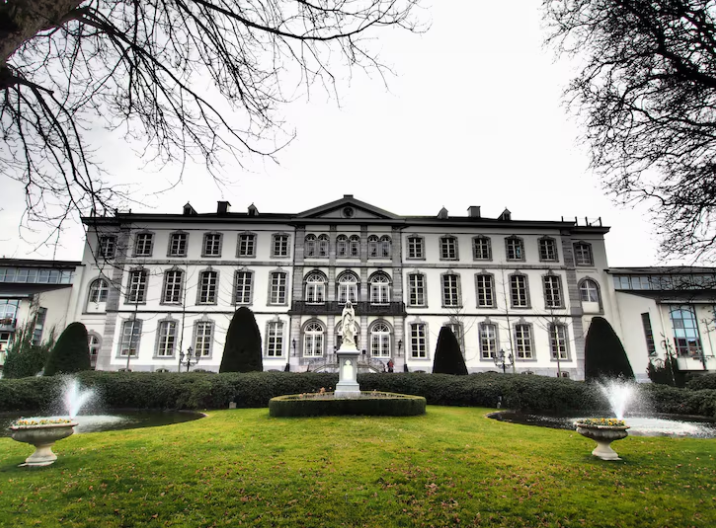
Exploring Europe’s Oldest Libraries and Literary Houses
A curated exploration of the continent’s venerable repositories of knowledge and the literary homes that shaped the world’s great writers — essential reading for the cultured traveler and the executive with a taste for history.
Introduction: Why Libraries and Literary Houses Matter
There is a particular kind of gravity that inhabits an ancient library or a well-preserved writer’s house. For centuries these places have preserved not just books, but the intellectual frameworks, cultural dialogues, and personalities that defined eras. Visiting them is more than tourism: it’s an encounter with the infrastructure of thought itself. For leaders, creatives, and professionals who travel for both work and inspiration, these sites offer perspective, quiet reflection, and often practical lessons in stewardship and legacy.
The Architectural Majesty of Europe’s Oldest Libraries
Historic Reading Rooms — where design meets scholarship
Europe’s oldest libraries frequently boast reading rooms designed to inspire discipline, concentration, and awe. Vaulted ceilings, carved wooden stacks, and original ironwork are not merely ornamental; they were engineered to protect fragile collections and provide an atmosphere conducive to study. These spaces communicate the seriousness with which previous generations treated knowledge — a reminder of the long arc connecting past scholarship to our present-day decisions.
Conservation and accessibility
Many ancient libraries balance two priorities that occasionally conflict: preserving brittle manuscripts and making collections accessible to the public. Conservation efforts — from climate control upgrades to digitization initiatives — are common. Visiting these libraries offers an educational glimpse into contemporary practices in heritage preservation and the creative compromises institutions make to remain relevant in the digital era.
Notable Libraries Worth Visiting
The continent hosts dozens of remarkable institutions; here are a few archetypes that illustrate the variety of experiences available to visitors:
Monastic Libraries
Rooted in medieval scholasticism, monastic libraries are often the earliest organized repositories of books in Europe. Their collections of illuminated manuscripts and early theological works reveal the painstaking labor of medieval scribes and the role of religious orders in preserving classical learning.
University Libraries
University libraries grew with the expansion of secular knowledge. They frequently hold rare scientific treatises and the first editions that shaped modern disciplines. Walking their stacks is a reminder that many of today’s institutions evolved from small, fiercely scholarly communities.
Royal and Private Collections
Royal libraries and aristocratic collections often became foundations for national libraries. These collections were assembled with intention — an expression of power, taste, and intellectual ambition. They tend to include rare maps, early legal codes, and compilations that document the making of nations.
Literary Houses: Where Writers Lived and Wrote
While libraries preserve texts, literary houses preserve the conditions under which texts were created. From modest cottages to grand townhouses, these houses reveal daily rituals, reading lists pinned to walls, and workspaces that shaped singular voices. For executives seeking creative replenishment, these environments are deeply instructive: they show how routine, place, and solitude (or community) can foster sustained output.
Interpreting the Domestic Archive
Many literary houses retain original manuscripts, marginalia, and personal items that illuminate a writer’s process. Curators often present these elements as narrative: a desk here, a window there, annotated drafts displayed alongside the final text. The effect is intimate, bringing visitors into direct contact with creative choices and the iterative nature of great writing.
How to Visit Thoughtfully
Visiting responsibly means researching opening hours, booking tours when available, and understanding photography and handling rules. Many institutions offer guided tours that contextualize collections historically and intellectually—these are invaluable for extracting meaning beyond aesthetic appreciation. If possible, prioritize small-group visits or off-peak times to enjoy the atmosphere with minimal distraction.
What Executives and Cultural Stewards Can Take Away
For company directors, cultural stewards, or anyone responsible for long-term planning, these institutions serve as case studies in longevity. Consider how libraries and preserved homes were financed, how collections were curated, and how communities rallied to protect their heritage. There are practical takeaways here: endowment strategies, public-private partnerships, and the importance of accessible programming that keeps institutions relevant for new generations.
Practical Itinerary Suggestions
Structure visits thematically: spend a morning in a university library, an afternoon at a nearby writer’s house, and an evening attending a local literary event if available. Allow time for quiet reading or note-taking; the most meaningful insights often arrive during unstructured moments of contemplation. Many cities pair excellent archives with vibrant cafés and salons—excellent settings for informal debriefs and creative ideation.
Conclusion
Exploring Europe’s oldest libraries and literary houses is an investment in cultural literacy. These sites offer more than picturesque rooms and curated exhibits: they are living reminders of how ideas are preserved, contested, and transmitted. For travellers who combine curiosity with professional aims, such visits yield both inspiration and practical lessons in legacy building.
“To read without reflecting is like eating without digesting.” — a fitting reminder when visiting the repositories and homes that nurtured thought across centuries.
Opulent Mansions Turned Hotels Across Southern Europe
How grand family houses, coastal villas and historic palazzos have been reborn as destination hotels that blend provenance, craftsmanship and modern hospitality.
Introduction — Living History Meets Hospitality
Across Southern Europe, historic mansions and private estates are enjoying a second life as exceptional hotels. These conversions do more than provide accommodation: they preserve cultural heritage, showcase regional craftsmanship, and offer guests an immersive experience that is simultaneously personal and grand. For company directors and investors in the luxury hospitality space, converted mansions present a distinct opportunity to deliver differentiated products that command premium pricing while contributing to cultural stewardship.
Why Mansions Make Compelling Hotel Properties
Mansions and palaces bring built-in storytelling: original architecture, formal gardens, frescoed ceilings, private salons and service wings which together create a unique spatial narrative. These qualities are difficult and costly to replicate in contemporary construction. Converting a mansion allows hoteliers to capitalize on authenticity, offering guests the sense of occupying a private, historically significant space rather than a generic luxury room.
From a business perspective, the scarcity of such properties in desirable locations creates differentiation in the market. Smaller room counts and highly individualized suites support an ultra-luxury positioning, enabling higher average daily rates and targeted marketing to high-net-worth travelers who value provenance and exclusivity.
Regional Highlights — Examples of Successful Conversions
Italy — Lakeside and Coastal Villas
Italy’s lakes and coastlines are dotted with historic villas that have been carefully restored and adapted for hospitality. These properties often preserve extensive gardens and terraces that lend themselves to memorable events and private dining. The careful integration of modern amenities—spa facilities, discreet climate control and contemporary service—ensures comfort while retaining the aura of the original residence.
Portugal — Palácios and Urban Retreats
In Lisbon and the Algarve, palaces and manor houses are transformed into intimate hotels, emphasizing local craftsmanship and thoughtful conservation. Smaller, privately managed palaces can deliver deeply personalized service, while larger conversions leverage partnerships with wellness and culinary brands to broaden their appeal.
Spain — Castles, Monasteries and Manor Houses
Spain’s model of adaptive reuse ranges from state-run paradores to privately operated boutique conversions. These properties often combine monumental architecture with contemporary hospitality programming—curated historical tours, regionally focused gastronomy, and events that celebrate local artisanry.
Greece & Croatia — Seafront Villas and Island Palaces
On Mediterranean islands, grand villas and seaside mansions become desirable hotels that highlight views, terraces and private access to the sea. The hospitality challenge here is to balance seasonal demand with conservation of fragile coastal environments, creating year-round appeal through cultural programming and bespoke guest experiences.
Design and Conservation — A Balancing Act
Converting a historic mansion requires a disciplined approach to conservation. The integration of modern systems—HVAC, plumbing, elevators and fire suppression—must be executed with reversible interventions and minimal visual impact. Skilled restorers and traditional craftsmen are central to preserving decorative elements such as stucco, frescoes, timberwork and stone finishes. Directors should expect higher up-front capital expenditure but also recognize that sensitive restorations retain long-term asset value and brand credibility.
Lighting, circulation and accessibility must be redesigned thoughtfully to meet contemporary guest expectations without compromising historic character. Successful projects use architecture and interior design to tell the building’s story, making preservation itself part of the guest experience.
Operational Considerations — Running a Mansion Hotel
Operationally, mansion hotels differ from modern luxury properties. Smaller portfolios of rooms require a highly personalized service model: butlers, private concierges, in-suite dining and bespoke experiences. Housekeeping and maintenance rely on teams skilled in traditional materials and techniques, and sourcing for food and beverage typically prioritizes local, small-batch producers to strengthen the narrative of place.
Regulatory frameworks for listed buildings vary by country; directors must factor in heritage permissions, conservation oversight and potential public access obligations. However, partnerships with local governments and cultural institutions can also unlock grants, tax incentives and marketing opportunities that reinforce a property’s cultural value.
Guest Experience — Intimacy, Privacy and Storytelling
A converted mansion sells more than a room; it sells proximity to history. Personalized experiences—private garden dinners, behind-the-scenes tours of the property’s archives, or workshops with local artisans—create memorable engagements that justify premium rates. Privacy and exclusivity are additional draws: entire mansions or wings can be offered for private hire, appealing to families, corporate retreats, and high-profile guests.
Market Positioning and Brand Strategy
Directors must decide whether to emphasize cultural stewardship, ultra-luxury exclusivity, or experiential authenticity. Some properties adopt a discreet, members-style tone to cultivate long-term loyalty among a small elite clientele; others pursue strategic partnerships with luxury brands, celebrity chefs or cultural institutions to amplify visibility. A coherent brand narrative rooted in the property’s history and supported by high-quality service and programming will be central to commercial success.
Investment Rationale — Risks and Rewards
While restoration costs and specialist maintenance raise the bar for capital investment, the rewards can be significant: reduced competition in a niche segment, enhanced brand differentiation, and strong ADRs driven by authenticity and scarcity. Directors should approach mansion conversions with long-term horizons, understanding that reputational value—and the ability to attract discerning guests—accumulates over time.
Conclusion — Heritage as a Competitive Asset
Opulent mansions turned hotels represent a compelling intersection of heritage conservation and luxury hospitality. When executed with respect for original fabric, thoughtful operations and targeted brand positioning, these properties provide unforgettable experiences that modern hotels cannot easily replicate. For directors and investors, the key to success lies in balancing conservation with contemporary expectations, investing in skilled craftsmanship, and creating stories that resonate with today’s sophisticated travelers.
Language is not just a communication tool — it is a credential, a mood, and a cultural code that luxury brands must speak fluently to resonate across European markets.
Introduction — The Linguistic Dimension of Luxury
For luxury brands, Europe is not a single market but a tapestry of languages, histories, and cultural expectations. The words a brand chooses, the tone it adopts, and the subtle idioms it respects all influence how discerning consumers perceive authenticity, prestige, and desirability. In an industry where nuance matters and reputation is carefully curated, language becomes a strategic asset: it signals provenance, communicates craftsmanship, and shapes emotional connection.
Language as a Mark of Authenticity
Provenance and Terminology
Many luxury categories are anchored to place — think Italian tailoring, French perfumery, or British bespoke shoemaking. Using local terminology, geographical indicators, and heritage vocabulary (for example, referencing ateliers, maisons, or bottega) communicates a brand’s roots without stating them overtly. Consumers in Europe and abroad often equate native-language descriptors with legitimacy; a product described in the language of its origin feels more authentic and expertly made.
Craftsmanship Stories Told Natively
The craftsmen, suppliers, and small-batch producers behind luxury goods often express themselves in local idioms that reveal technique and tradition. Translating those stories literally can dilute their texture. High-end brands that preserve original phrasing, or that craft translations that maintain rhythm and register, preserve the charm and credibility of the origin story.
Psychology of Tone: Formality, Intimacy, and Respect
European languages differ in their registers of formality. German and Italian brand copy may adopt a more formal, reverent tone when referencing heritage; Spanish and French communications can be more lyrical and intimate. A one-size-fits-all English translation risks flattening those differences and eroding emotional impact.
Successful luxury messaging adapts tone to cultural expectations: using polite forms and elevated syntax where respect is prized, and warmer, conversational phrasing where personal connection creates loyalty. This nuanced tuning preserves the personality of both brand and local audience.
Semantic Precision — Words That Carry Weight
In luxury branding, a single adjective can shift perception dramatically. Words such as “bespoke,” “haute,” “limité,” or “artigianale” carry specific connotations that may not translate directly. Choosing the right equivalent — or retaining the original term — matters. For instance, “artisan” in English suggests handmade quality, but a French consumer might find “artisanal” more evocative of tradition and terroir. Translators and brand strategists must balance literal meaning with cultural resonance.
Additionally, register-sensitive vocabulary avoids unintended associations: a term that feels luxurious in one language may sound ostentatious or old-fashioned in another. Careful semantic selection preserves prestige while remaining relevant to local aesthetics.
Visual and Verbal Harmony
Luxury branding is a multi-sensory craft. Typography, layout, and photography interact with language to create a unified identity. Short, elegant headlines in Italian or French can pair beautifully with a minimalist typographic treatment; conversely, languages that require longer phrasing (such as German) necessitate adaptable layouts that preserve visual balance.
Localization teams should test how translated copy fits within established design systems — from packaging to digital interfaces — ensuring that language choices enhance rather than disrupt a brand’s visual language.
Digital Presence and Search Behavior
On the digital front, language shapes discoverability. Search behaviors vary by country and language: the keywords affluent consumers use in Paris differ from those used in Milan or Madrid. Luxury brands investing in localized SEO, native-language content marketing, and region-specific social media narratives gain visibility among high-intent audiences. Moreover, search-friendly translations must preserve brand voice while aligning with local search terms and queries.
Customer Service, Contracts, and Trust
Beyond marketing copy, precise language in customer service and legal documents affects trust. High-net-worth clients expect clarity and discretion when interacting with brands. Contracts, warranties, and after-sales communications must be impeccably translated — not only for legal accuracy but also to convey the appropriate tone and level of attention. Missteps in these practical areas can undermine the premium promise, even when advertising appears flawless.
Case for Cultural Intelligence — Localization, Not Mere Translation
For luxury brands, localization is an exercise in cultural intelligence. It means adapting campaigns so that metaphors, gestures, and cultural references land effectively. A seasonal motif or campaign concept that resonates in London might need reinterpretation for Tokyo or Rome. Luxury consumers expect brands to understand their cultural context; when brands demonstrate that awareness through language, they earn both attention and loyalty.
Practical Steps for Directors
Invest in native-language creative teams: Use copywriters and art directors who live within the culture and understand current nuances.
Use transcreation for flagship campaigns: Prioritize creative adaptation over literal translation to preserve emotional intent.
Standardize multilingual quality assurance: Create style guides, glossaries, and brand dictionaries that maintain consistent terminology across markets.
Test in-market: Pilot campaigns with small audiences and collect feedback to refine tone and wording before full rollout.
Protect legal clarity: Always verify contractual language with local legal counsel and expert translators to avoid ambiguities.
Conclusion — Language as a Strategic Advantage
In the luxury sector, language is far more than decoration: it is a strategic instrument that signals value, shapes identity, and builds trust. Directors who treat language as a core component of brand strategy gain a competitive edge — unlocking deeper cultural resonance, smoother customer journeys, and more meaningful global relationships. Thoughtful localization demonstrates respect for local traditions while amplifying the unique story each brand brings to Europe’s varied markets.
Stay Connected for More Travel and Lifestyle Inspiration. For more insights into travel, culture, and lifestyle tips, follow me on Instagram @salvadorordorica. If you’re seeking professional translation and localization services to enhance your global ventures, visit The Spanish Group — your trusted partner in bridging cultures worldwide: The Spanish Group.
The Art of Slow Luxury: Europe’s Best Countryside Escapes
Redefining Luxury: Time, Space, and Authenticity
In an age of instant gratification and relentless travel itineraries, slow luxury is a quiet rebellion. It’s not merely about expensive goods or five-star hotels; it’s an approach that prizes time, authenticity, and considered experiences. In Europe’s countryside—where ancient olive groves, rolling vineyards, and centuries-old hamlets remain largely unchanged—slow luxury finds its natural home. For directors and discerning travelers who seek restorative escapes that blend discretion, service, and cultural depth, these rural retreats offer a distinctive kind of richness: one measured in unhurried meals, meaningful encounters, and afternoons that stretch into golden light.
Why Choose the Countryside?
The countryside creates space for recalibration. Away from airport lounges and conference rooms, leaders can disconnect from constant stimulus and reconnect with creative thinking and strategic perspective. Rural estates and boutique country houses prioritize privacy and personalization—think private tasting menus prepared with local produce, bespoke wellness programs, and service teams who anticipate rather than react. These environments foster restorative rest, quieter conversations, and a renewed appetite for craftsmanship and provenance.
Top Destinations for Slow Luxury
Tuscany, Italy — Timeless Elegance in Hilltop Retreats
Tuscany remains the archetype of slow luxury: hilltop villas with panoramic views, private wineries producing limited-edition vintages, and family-run agriturismos where you can learn to make pasta from a nonna who treats it like art. Directors can rent entire estates for a small group to combine privacy with access to world-class culinary experiences and curated cultural visits to private cellars, studios, and historical towns.
Provence, France — Light, Lavender, and Intimate Living
Provence seduces with its seasonal rhythm—markets at dawn, languid lunches under plane trees, and evenings perfumed with lavender. Luxury does not scream here; it whispers. Restorative stays in restored mas (farmhouses) offer bespoke spa therapies, private lavender tours, and chef-led dinners spotlighting artisan producers. The region is ideal for combining focused downtime with opportunities for private meetings in inspiring settings.
Douro Valley, Portugal — River Views and Winemaker Hospitality
Tucked along the Douro River, terraced vineyards produce some of Europe’s most storied wines. Boutique quintas (estates) provide immersive experiences—private tastings of single-vineyard ports, sunset boat cruises, and walks with vintners who explain vine cultivation across generations. For executives seeking a contemplative retreat, the Douro’s dramatic landscape and intimate hospitality offer a perfect blend of activity and serenity.
Basque Countryside, Spain & France — Culinary Mastery and Cultural Vitality
The Basque region pairs raw natural beauty with culinary innovation. Country retreats here often invite Michelin-level chefs to design multi-course narratives that reflect local seasons and sea-to-table ingredients. Directors can engage in private gastronomic ateliers, guided foraging, and cultural exchanges with local artisans—activities that nurture curiosity while supporting sustainable, high-quality production.
Elements of a True Slow Luxury Experience
Not all countryside escapes are created equal. A purposeful slow luxury stay will include:
Curated privacy: Entire villa or estate rentals, private dining rooms, and discreet service staff.
Local authenticity: Direct relationships with farmers, winemakers, and artisans—experiences that benefit the community.
Time-rich programming: Itineraries with generous windows for rest, creative work, and spontaneous discovery.
Quieter mobility: Chauffeured drives on scenic byways, private transfers that prioritize comfort over speed.
Sustainability and provenance: Reduced-impact operations, locally sourced food, and small-batch craft partnerships.
Practical Tips for Directors Planning a Slow Luxury Escape
Planning for a restorative country retreat requires a different checklist than a business trip. Keep these practical points in mind:
Book an entire property: For privacy and flexibility, reserve a full villa or estate rather than separate rooms.
Design flexible agendas: Block half-days with no planned activities—these become the most valuable moments.
Prioritize local sourcing: Ask hosts about ingredient provenance and the option to meet producers; these connections enrich the experience.
Bring work intentionally: If part of the trip includes strategic thinking, schedule one well-equipped meeting room and otherwise avoid constant screens.
Think micro-experiences: Private chef demos, short vineyard walks, and artisan workshops deliver memorable, low-effort luxury.
How Slow Luxury Enhances Leadership
The benefits of slow luxury extend beyond relaxation. Time in quiet, considered settings improves cognitive restoration, helps clarify strategic priorities, and facilitates richer relationship building. For senior executives and directors, the countryside functions as an incubator for long-range thinking—away from daily operational noise. The combination of comfortable seclusion, thoughtful hospitality, and access to cultural authenticity produces an environment where ideas can be nurtured and teams can bond more deeply.
Final Thoughts
Slow luxury is an intentional choice: to trade the rush for depth, the checklist for curiosity, and the transactional for the tactile. Europe’s countryside—whether rolling Tuscan hills, Provencal plains, or the terraced Douro—offers unparalleled settings for this modern form of luxury. For leaders who value nuance, privacy, and memorable human experiences, these escapes provide a restorative counterpoint to the pace of global business.
Conclusion
Stay Connected for More Travel and Lifestyle Inspiration. For more insights into travel, culture, and lifestyle tips, follow me on Instagram @salvadorordorica.
If you’re seeking professional translation and localization services to enhance your global ventures, visit The Spanish Group — your trusted partner in bridging cultures worldwide.
Preserving Europe’s Dying Dialects Through Tourism
Introduction: Why Dialects Matter
Languages and regional dialects are living archives of history, culture, and identity. Across Europe, small communities retain unique ways of speaking that carry centuries of traditions, place-based knowledge, and social bonds. Yet many of these dialects are endangered: younger generations often adopt dominant national languages, migration reshapes demographics, and global media influences everyday speech. Tourism, when thoughtfully designed, can play a constructive role in reversing decline — not by turning dialects into spectacles, but by creating meaningful economic, educational, and cultural incentives for communities to preserve and celebrate their linguistic heritage.
Tourism as a Tool, Not a Cure
It is important to recognize that tourism alone will not save a dialect. Preservation requires community leadership, education, and intergenerational transmission. However, tourism can provide the financial resources and visibility that make long-term language programs possible. The key is intentional design: tourism projects should empower local speakers, respect community priorities, and prioritize sustainability over short-term novelty. When tourism supports local schools, funds cultural events, and channels revenue back into community organizations, it becomes a practical tool for linguistic resilience.
Models That Work — Principles and Practices
Successful initiatives share several common elements. First, community ownership ensures initiatives reflect the needs and values of native speakers. Second, authentic experiences — such as home-stays, culinary workshops, or craft demonstrations conducted in the dialect — provide tourists with meaningful engagement while giving speakers an incentive to use their language publicly. Third, year-round programming avoids seasonal spikes and creates stable income streams for cultural workers. Finally, education and apprenticeship programs encourage young people to learn the dialect through paid roles in tourism: guides, teachers, or cultural mediators.
Practical Initiatives That Enhance Preservation
Dialect-Friendly Tours: Small-group walking tours or village itineraries led by elder speakers who share stories, songs, and local expressions. These tours should cap size, pay fair wages, and reinvest revenue locally.
Language Immersion Stays: Short-term stays where visitors participate in daily activities (cooking, farming, or workshops) while being encouraged to learn key phrases. Pair immersion with language learning materials co-created by community members.
Festivals and Cultural Weeks: Annual events that highlight music, oral history, and food, attracting visitors and creating seasonal income that funds archives, recordings, and youth programming.
Training & Certification: Programs that certify local guides and teachers in cultural interpretation and hospitality, ensuring quality experiences and professional pathways for speakers.
Digital Content and Storytelling: Podcasts, short films, and social media content produced in the dialect reach wider audiences and help normalize the language in contemporary media.
Economic Incentives That Encourage Use
For a dialect to thrive it must be economically viable for speakers to use it in public life. Tourism projects can support this by creating paid roles tied directly to the dialect — compensated storytelling, market stalls, workshops, translation of heritage goods, and curated experiences. Microgrants for community projects, cooperative-run guesthouses, and revenue-sharing agreements with tour operators help keep financial benefits local rather than siphoned off by outside companies.
Education and Intergenerational Transmission
Tourism revenues should be paired with educational initiatives: after-school language classes, summer camps, and mentorship programs where elders and fluent speakers mentor younger residents. Collaborations with universities and linguists can support the development of teaching materials and curricula. Importantly, language learning should be practical and tied to local livelihoods, so young people see the dialect as an asset rather than a relic.
Risks to Avoid
Unscrutinized tourism can commodify culture and reduce dialects to theatricalized performances. To avoid harm, projects must avoid extractive practices — paying token fees to speakers while external operators capture the major profits, or creating experiences that misrepresent local life. Oversimplification for tourist convenience can erode authenticity and harm community pride. Ethical tourism respects consent, provides transparent contracts, and involves communities in decision-making at every stage.
Partnerships and Policy Support
Effective preservation often requires partnerships between local authorities, cultural NGOs, tourism boards, and academic institutions. Public policies that offer tax incentives, micro-finance, or grants for cultural enterprises can make participatory tourism viable. Municipalities that incorporate dialect signage, bilingual information points, and support for local crafts create an environment where language use becomes visible and normalized for both residents and visitors.
Measuring Success
Success should be measured in community-defined terms: increased numbers of young speakers, financial benefits retained locally, the number of schools offering dialect instruction, and qualitative measures such as community satisfaction. Regular monitoring with local stakeholders helps adjust initiatives and ensures benefits are distributed fairly.
Conclusion — Tourism as a Partner in Preservation
When designed with respect and sensitivity, tourism can be a powerful partner in preserving Europe’s endangered dialects. It offers financial incentives, platforms for cultural expression, and opportunities to integrate language learning with economic activity. The goal is not to stage the dialect for visitors, but to create conditions where local communities choose to keep speaking their language because it sustains livelihoods, strengthens identity, and enriches the wider cultural landscape. With ethical practices, community ownership, and strategic partnerships, tourism can help these voices stay vibrant for generations to come.
Stay Connected for More Travel and Lifestyle Inspiration. For more insights into travel, culture, and lifestyle tips, follow me on Instagram @salvadorordorica. If you’re seeking professional translation and localization services to enhance your global ventures, visit The Spanish Group — your trusted partner in bridging cultures worldwide.
Europe’s Best Private Island Resorts for Unplugged Luxury
In an era of constant connectivity, the most luxurious escapes are those that allow you to deliberately disconnect. Europe’s private island resorts offer an elegant combination of exclusivity, impeccable service, and natural sanctuary — a place where the rhythm of the sea sets the agenda and curated simplicity becomes the highest form of luxury. This guide highlights exemplary properties across the continent, each delivering a distinct approach to “unplugged” luxury for travelers who value silence, privacy, and thoughtful experiences.
1. Aegean Seclusion — For the Minimalist Traveler
Why it stands out
Private islets in the Aegean Sea lend themselves to stripped-back elegance: whitewashed villas, crystalline coves, and slow, sun-drenched afternoons. A boutique private-island resort here emphasizes simplicity — restrained interiors, farm-to-table cuisine, and water-based activities that foreground nature rather than spectacle.
Signature experiences
Guests can expect guided sunrise swims, sailing to nearby uninhabited coves, and evenings that center around locally produced wines and seasonal produce. Personalized service is present but discreet; the aim is to preserve silence and focus rather than fill it.
2. Adriatic Heritage — Timeless Charm and Culture
Why it stands out
Along the Dalmatian coast and parts of Italy, private islands offer a convergence of history and calm. Restored stone villas and olive groves surround small, private harbors — making these properties ideal for travelers who want an unplugged stay enriched with cultural immersion.
Signature experiences
Expect museum-quality restoration, private culinary sessions rooted in Mediterranean traditions, and customised day trips to UNESCO-listed shorelines. The pace here is unhurried, with low-key concierge services that can discreetly arrange everything from a private concert to a historical walking tour.
3. Northern Retreats — Crisp Air and Quiet Woods
Why it stands out
Northern European private islands — from Scandinavia’s archipelagos to remote Scottish islets — specialize in sensory minimalism. The environment is cooler, the light softer, and the landscapes often more raw and elemental. Accommodations favor natural materials and designs that frame the environment rather than compete with it.
Signature experiences
Guests may enjoy guided foraging, therapeutic saunas with ocean views, and quiet stargazing sessions. Many northern properties balance high service standards with an ethos of low environmental impact, making them excellent choices for eco-conscious travelers seeking solitude.
4. Mediterranean Classic — Gardened Privacy and Culinary Luxury
Why it stands out
The Mediterranean’s private islands are synonymous with sunlit terraces, aromatic gardens, and kitchens that showcase regional bounty. These resorts blend refined hospitality with an emphasis on slow living and gastronomic excellence.
Signature experiences
Think bespoke menus prepared by private chefs, on-island wine tastings featuring boutique producers, and boats waiting to ferry guests to secluded beaches. For guests who consider food and conviviality essential to luxury, these destinations are ideal.
5. Luxurious Seclusion with Wellness Focus
Why it stands out
Some private-island resorts position wellness at the core of their offering: holistic spa programs, curated fitness, and mental-restorative schedules that purposefully minimize digital interference. These resorts design days around healing and presence rather than activity checklists.
Signature experiences
Guests often receive personalized wellness assessments, private yoga and pilates sessions overlooking the water, and bespoke nutrition plans. Technology-free days can be arranged, supported by the staff so that every element reinforces the intention to unplug.
Practical Considerations When Choosing a Private Island
Accessibility and logistics
The best islands balance remoteness with simple travel logistics. Consider transfer times from major airports, availability of private boats or seaplanes, and whether the property handles customs or local transport on your behalf.
Privacy and staffing
Ask about staff ratios and service style. True unplugged luxury values invisible service — staff who anticipate needs without imposing themselves, and clear policies around guest privacy and off-property access.
Sustainability and local sourcing
Many top private islands are invested in sustainability: renewable energy, desalination, and responsible sourcing. If environmental stewardship matters to you, verify the property’s practices and certifications.
How to Craft an Unplugged Itinerary
To truly benefit from an unplugged island stay, design your trip intentionally. Limit travel-length obligations, build in slow mornings, schedule one or two guided experiences rather than a full roster of activities, and communicate your desire to disconnect to the resort prior to arrival. Many properties will happily tailor a “digital detox” package that includes device safekeeping, curated menus, and restorative schedules.
Final Thoughts
Private island resorts across Europe offer an elegant counterpoint to the rhythm of modern life. Whether you seek the olive-scented calm of the Mediterranean, the elemental hush of the north, or the cultural intimacy of the Adriatic, the hallmark of unplugged luxury is intentional simplicity: design that honors place, cuisine that reflects local terroir, and service that disappears at the right moment. For the discerning traveler — and for a company director who occasionally needs to step back in order to move forward — these islands are invaluable arenas for recalibration, creativity, and deep rest.
Stay Connected for More Travel and Lifestyle Inspiration. For more insights into travel, culture, and lifestyle tips, follow me on Instagram @salvadorordorica. If you’re seeking professional translation and localization services to enhance your global ventures, visit The Spanish Group — your trusted partner in bridging cultures worldwide.