
by Dulce Navarro | Dec 29, 2025 | Countries, Europe, Experiences, Lifestyle, Luxury, Travel
Europe’s Most Exclusive Forest Retreats for High-End Eco Travelers
As luxury travel continues to evolve, a new definition of exclusivity has emerged—one rooted not in excess, but in privacy, sustainability, and a deep connection to nature. Across Europe, forest retreats are redefining high-end travel by combining architectural excellence, environmental responsibility, and immersive natural experiences. For discerning travelers and company directors seeking meaningful escapes, these forest sanctuaries offer a refined balance between indulgence and ecological awareness.
The Rise of High-End Eco Travel
High-end eco travel is no longer a niche concept; it is a defining movement within the luxury hospitality sector. Today’s sophisticated travelers value sustainability, craftsmanship, and authenticity as much as comfort and service. Forest retreats exemplify this shift by offering secluded environments where design, wellness, and nature coexist seamlessly.
Europe, with its diverse landscapes and strong environmental regulations, has become a global leader in this space. From Scandinavian boreal forests to Alpine woodlands and ancient Central European reserves, the continent offers unparalleled settings for exclusive, eco-conscious escapes.
What Defines an Exclusive Forest Retreat?
An exclusive forest retreat goes beyond location. It is defined by thoughtful integration with the surrounding environment, limited capacity to preserve privacy, and a commitment to sustainability without compromising luxury.
Key characteristics typically include responsibly sourced materials, energy-efficient architecture, minimal environmental impact, and curated experiences that celebrate local ecosystems and culture. Guests are offered not only comfort, but also a sense of harmony with nature.
Scandinavia: Minimalism Meets Wilderness
Scandinavian forest retreats are internationally renowned for their understated elegance and environmental leadership. Countries such as Sweden, Norway, and Finland have mastered the art of blending modern design with untouched wilderness.
Glass-fronted cabins nestled among pine forests, off-grid lodges powered by renewable energy, and private saunas overlooking lakes or snow-covered landscapes define the experience. These retreats emphasize silence, reflection, and wellness, offering guests a profound sense of calm while maintaining impeccable standards of comfort and service.
The Alpine Forests: Luxury in Balance
The Alpine regions of Switzerland, Austria, and northern Italy offer forest retreats that combine dramatic scenery with refined hospitality traditions. Here, exclusivity is expressed through craftsmanship, privacy, and precision.
Luxury eco lodges in Alpine forests often feature locally sourced wood, stone, and textiles, along with geothermal heating and advanced insulation systems. Guests enjoy access to forest bathing trails, private spas, and seasonal cuisine rooted in regional heritage—all while minimizing environmental impact.
Central Europe’s Hidden Woodland Escapes
Central Europe is home to some of the continent’s oldest and most enchanting forests. In regions of Germany, Austria, and the Czech Republic, discreet forest retreats cater to travelers seeking understated luxury and cultural depth.
These properties often occupy restored historic estates or contemporary eco villas designed to coexist with protected landscapes. With limited guest numbers and highly personalized service, they appeal to executives and creatives seeking solitude, inspiration, and authenticity.
Southern Europe: Forest Luxury with a Mediterranean Touch
While Southern Europe is often associated with coastlines, its inland forests offer equally compelling eco-luxury experiences. In Spain, Italy, and southern France, forest retreats blend Mediterranean warmth with sustainable innovation.
Stone-and-wood lodges, organic vineyards surrounded by woodland, and holistic wellness programs rooted in local traditions define these destinations. Guests benefit from year-round mild climates, exceptional gastronomy, and access to both nature and historic cultural centers.
Wellness, Privacy, and Personalization
A defining feature of Europe’s most exclusive forest retreats is their focus on wellness and personalization. Spa treatments using natural ingredients, guided forest immersion sessions, yoga, and tailored nutrition programs are common offerings.
Privacy is paramount. Many retreats limit occupancy to a handful of guests or offer fully private accommodations, ensuring discretion and tranquility. This level of exclusivity makes forest retreats particularly attractive to high-profile individuals and business leaders seeking meaningful rest without compromise.
Sustainability as a Standard, Not a Trend
What sets Europe’s leading forest retreats apart is their commitment to sustainability as an operational standard rather than a marketing trend. From water conservation and waste reduction to partnerships with local communities, these properties demonstrate that luxury and responsibility can coexist.
Guests are increasingly aware that their travel choices have global implications. Forest retreats provide an opportunity to experience luxury that aligns with ethical values, environmental stewardship, and long-term preservation.
A Strategic Escape for Global Leaders
For company directors and executives, forest retreats offer more than leisure. They provide environments conducive to strategic thinking, creativity, and renewal. Removed from urban pressures, these settings encourage clarity and perspective—qualities essential for leadership in a globalized world.
Europe’s most exclusive forest retreats represent a new paradigm in luxury travel: one where success is measured not only by comfort, but by impact, intention, and connection.
Stay Connected for More Travel and Lifestyle Inspiration. For more insights into travel, culture, and lifestyle tips, follow me on Instagram
@salvadorordorica. If you’re seeking professional translation and localization services to enhance your global ventures, visit The Spanish Group — your trusted partner in bridging cultures worldwide.

by Dulce Navarro | Dec 29, 2025 | Art, Culture, Europe, Experiences, Lifestyle
Bespoke Art Commissioning: Working with Europe’s Top Master Artists
In an era where individuality and cultural depth define true luxury, bespoke art commissioning has emerged as one of the most refined ways to curate meaningful, timeless works. For discerning collectors, business leaders, and private clients, commissioning art directly from Europe’s top master artists offers far more than decoration—it creates a personal legacy, a narrative expressed through craftsmanship, history, and creative excellence.
The Meaning of Bespoke Art
Bespoke art commissioning is the process of collaborating directly with an artist to create a one-of-a-kind piece tailored specifically to the client’s vision, space, and personal story. Unlike acquiring existing works, bespoke commissions allow clients to influence concept, scale, medium, and emotional direction while respecting the artist’s creative integrity.
This approach is deeply rooted in European artistic tradition. From Renaissance patronage in Italy to royal ateliers in France and Spain, Europe has long cultivated relationships between patrons and master artists—relationships that resulted in some of history’s most celebrated works. Today, bespoke commissioning continues this legacy in a contemporary context.
Why Europe Remains the Epicenter of Master Artistry
Europe remains unparalleled in its concentration of master artists, ateliers, and centuries-old artistic institutions. Countries such as France, Italy, Spain, and the United Kingdom are home to painters, sculptors, textile artists, and mixed-media innovators who combine classical training with modern sensibilities.
Many European artists are trained in prestigious academies and inherit techniques passed down through generations. This foundation allows them to execute bespoke works with extraordinary technical precision while adapting to modern tastes and architectural environments.
The Bespoke Commissioning Process
Commissioning bespoke art is a thoughtful, structured journey that emphasizes collaboration and trust. While the process varies by artist, it typically includes several key stages:
1. Initial Consultation
The process begins with an in-depth discussion of the client’s vision, objectives, and environment. This may include the intended space, architectural considerations, emotional tone, color palette, and any personal or cultural influences the client wishes to incorporate.
2. Concept Development
Based on the consultation, the artist develops preliminary concepts, sketches, or mood boards. This stage allows for refinement and alignment before execution begins, ensuring clarity and mutual understanding.
3. Creation and Craftsmanship
Once approved, the artist begins creating the final piece using their chosen techniques and materials. This phase can take weeks or months, depending on complexity, scale, and medium. Clients often receive progress updates, reinforcing transparency and connection to the work.
4. Delivery and Installation
The final artwork is professionally delivered and, when required, installed to ensure optimal presentation. For international clients, logistics, customs, and handling are carefully managed to preserve the integrity of the piece.
The Value Beyond Aesthetics
Bespoke art holds intrinsic value that extends far beyond visual appeal. Each commissioned piece tells a story—of collaboration, intention, and cultural exchange. For corporate leaders, bespoke art can reinforce brand identity within offices, hotels, or developments. For private collectors, it becomes a deeply personal heirloom.
Additionally, bespoke works often appreciate in value, particularly when commissioned from established or emerging European masters. More importantly, they provide cultural capital—an authentic connection to artistic heritage and creative excellence.
Choosing the Right Artist
Selecting the right artist is one of the most critical aspects of the commissioning process. Compatibility in vision, communication style, and artistic philosophy is essential. Many clients work with curators, art advisors, or cultural consultants to identify artists whose work aligns with their goals.
Europe’s top master artists span diverse disciplines, from contemporary abstract painters in Paris to classical sculptors in Florence and experimental mixed-media artists in Barcelona. Each brings a distinct voice, making the selection process both exciting and meaningful.
Cultural Sensitivity and Global Perspective
When commissioning art across borders, cultural nuance plays a vital role. Understanding symbolism, historical references, and regional artistic traditions ensures that the final piece resonates authentically. Clear communication is essential, particularly when collaborating internationally.
This is where professional translation and localization services become invaluable. Ensuring that contracts, concepts, and creative discussions are accurately conveyed protects both the client and the artist while fostering a seamless creative experience.
A Timeless Investment in Creativity
Bespoke art commissioning is not a transactional purchase—it is a journey of collaboration, creativity, and cultural appreciation. Working with Europe’s top master artists offers access to unparalleled craftsmanship and a legacy of artistic excellence that transcends trends.
For company directors and global leaders, bespoke art represents an investment in authenticity, storytelling, and lasting impact. It reflects a commitment to quality, culture, and the enduring power of human creativity.
Stay Connected for More Travel and Lifestyle Inspiration. For more insights into travel, culture, and lifestyle tips, follow me on Instagram
@salvadorordorica. If you’re seeking professional translation and localization services to enhance your global ventures, visit The Spanish Group — your trusted partner in bridging cultures worldwide.
by Dulce Navarro | Dec 26, 2025 | Europe, Experiences, Food, Hotels, Landscapes, Lifestyle, Travel
From Farm to Table: Europe’s Elite Organic Estates Hosting Luxury Stays
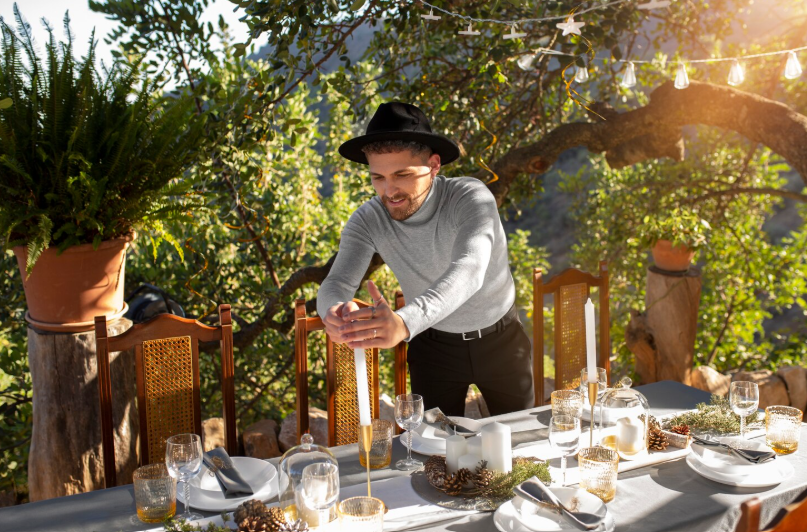
Across Europe, a new form of luxury travel is quietly redefining what it means to stay well. Rooted in sustainability, authenticity, and refined comfort, elite organic estates are opening their doors to discerning travelers seeking more than indulgence alone. These destinations combine world-class hospitality with working farms, vineyards, and orchards, offering immersive “farm-to-table” experiences without compromising elegance or exclusivity.
For company leaders and globally minded travelers, these estates represent a thoughtful intersection of wellness, culture, and responsible luxury. They offer a slower, more intentional way to experience Europe—one that values provenance, craftsmanship, and connection to the land.
The Rise of Farm-to-Table Luxury Travel
Farm-to-table dining has long been associated with quality and transparency, but Europe’s organic estates elevate the concept far beyond cuisine. These properties are often centuries old, stewarded by families or visionaries committed to organic agriculture, biodiversity, and heritage preservation.
Luxury travelers are increasingly drawn to experiences that feel meaningful and restorative. Staying on an organic estate allows guests to enjoy impeccable accommodations while engaging with the rhythms of nature—harvests, vineyards, olive groves, and artisanal food production—translated into refined, unforgettable hospitality.
Italy: Organic Estates Rooted in Tradition and Elegance
Italy leads Europe’s farm-to-table luxury movement, particularly in regions such as Tuscany, Umbria, and Piedmont. Historic estates offer restored villas, boutique lodges, and private residences surrounded by organic vineyards and farmland.
Guests enjoy seasonal menus crafted entirely from estate-grown ingredients, paired with organic wines produced on-site. Beyond dining, experiences often include truffle hunting, olive oil tastings, cooking classes, and private tours that reveal the deep connection between Italian culture, agriculture, and refined living.
France: Sustainable Refinement and Culinary Heritage
In France, organic luxury estates seamlessly blend sustainability with the country’s legendary gastronomic standards. From Provence to the Loire Valley, guests are welcomed into châteaux and countryside retreats where biodynamic farming supports exceptional cuisine.
These estates often collaborate with Michelin-starred chefs or employ resident culinary teams dedicated to seasonal, organic menus. Vineyard walks, cellar tastings, and private market visits reinforce the idea that luxury in France is inseparable from terroir, tradition, and taste.
Spain and Portugal: Authenticity, Nature, and Emerging Luxury
Spain and Portugal are emerging as leaders in organic luxury hospitality. In regions such as Andalusia, Catalonia, Alentejo, and Douro Valley, estates combine rustic architecture with contemporary design, offering understated elegance rooted in authenticity.
Guests experience organic olive oils, wines, and produce grown on the property, often prepared using traditional techniques passed down through generations. These stays appeal to travelers seeking privacy, warmth, and cultural immersion without ostentation.
Switzerland and Northern Europe: Precision, Wellness, and Sustainability
In Switzerland and parts of Northern Europe, organic estates focus on holistic wellness and environmental stewardship. Alpine farms and lakeside retreats emphasize clean living, locally sourced cuisine, and thoughtful design that integrates seamlessly with the natural landscape.
Luxury here is defined by serenity, precision, and balance. Guests enjoy organic dining, spa treatments using natural ingredients, and outdoor experiences that promote physical and mental well-being—ideal for leaders seeking restoration and clarity.
What Sets These Estates Apart
The defining characteristic of Europe’s elite organic estates is integrity. Every element of the guest experience—from architecture and interiors to cuisine and service—is aligned with sustainability and quality.
Unlike traditional luxury hotels, these estates offer transparency and storytelling. Guests know where their food comes from, who produces it, and how the land is cared for. This sense of authenticity creates a deeper emotional connection and a more memorable stay.
Farm-to-Table as a Global Lifestyle Philosophy
The appeal of farm-to-table luxury reflects a broader global shift toward conscious consumption and cultural awareness. High-net-worth individuals increasingly seek experiences that align with their values—health, sustainability, and long-term impact.
For global travelers, these estates also highlight the importance of communication and cultural fluency. Sharing stories of land, food, and heritage across borders requires thoughtful translation and localization, ensuring authenticity is preserved for international audiences.
Conclusion: Redefining Luxury Through the Land
Europe’s elite organic estates demonstrate that true luxury is evolving. It is no longer defined solely by opulence, but by intention, quality, and connection to place. Farm-to-table luxury stays offer an experience that nourishes both body and mind, while honoring tradition and the environment.
For discerning travelers and company leaders alike, these destinations provide a meaningful way to explore Europe—where refinement begins at the source and every detail tells a story rooted in the land.
Stay Connected for More Travel and Lifestyle Inspiration. For more insights into travel, culture, and lifestyle tips, follow me on Instagram
@salvadorordorica. If you’re seeking professional translation and localization services to enhance your global ventures, visit The Spanish Group — your trusted partner in bridging cultures worldwide.

by Dulce Navarro | Dec 26, 2025 | Europe, Experiences, Landscapes, Lifestyle, Luxury, Travel, Uncategorized
Private Sailing Expeditions Through Europe’s Historic Maritime Routes
For discerning travelers seeking privacy, cultural depth, and refined adventure, private sailing expeditions offer an exceptional way to explore Europe. Long before modern borders were drawn, Europe’s seas and rivers served as vital arteries of trade, diplomacy, and cultural exchange. Today, these historic maritime routes provide a sophisticated framework for luxury travel, allowing guests to experience the continent from a perspective shaped by centuries of exploration and commerce.
Unlike conventional cruises, private sailing journeys emphasize discretion, personalization, and immersive storytelling. Each itinerary is tailored, each port chosen for its historical resonance, natural beauty, and cultural significance. The result is a form of travel that feels both timeless and deeply personal.
The Allure of Europe’s Maritime Heritage
Europe’s maritime history is inseparable from its rise as a global cultural and economic power. From Phoenician traders navigating the Mediterranean to Viking explorers crossing the North Sea, maritime routes shaped the exchange of goods, ideas, and languages across the continent.
Private sailing expeditions allow travelers to retrace these historic pathways at a deliberate pace. Ancient ports, fortified harbors, and coastal cities reveal layers of history often missed by land-based travel. Sailing between destinations creates a sense of continuity, mirroring the journeys of merchants, scholars, and explorers who once defined Europe’s maritime identity.
The Mediterranean: A Living Museum by Sea
The Mediterranean remains one of the most sought-after regions for private sailing. Its calm waters, favorable winds, and dense concentration of historic ports make it ideal for bespoke itineraries. Routes through the French Riviera, the Italian coastline, Greece, and Spain offer a seamless blend of classical history and contemporary luxury.
Travelers may anchor near ancient ruins in Greece, explore Renaissance ports in Italy, or enjoy discreet access to exclusive marinas along the Côte d’Azur. Each stop reflects centuries of maritime influence, where architecture, cuisine, and local traditions were shaped by seafaring cultures.
The Adriatic Sea: Cultural Crossroads and Timeless Beauty
The Adriatic Sea has long served as a crossroads between Eastern and Western Europe. Private sailing through this region reveals medieval cities, Roman harbors, and Venetian fortresses preserved along the Croatian and Italian coastlines.
Destinations such as Dubrovnik, Split, and Kotor offer remarkable historical depth paired with natural beauty. Sailing between these ports allows travelers to experience the Adriatic’s rhythm — quiet mornings at sea followed by evenings immersed in centuries-old urban landscapes and refined local cuisine.
The Atlantic Coast and Northern Routes
Europe’s Atlantic routes offer a dramatically different yet equally compelling experience. Sailing along the coasts of Portugal, Spain, France, and the British Isles provides insight into Europe’s age of discovery, when explorers set sail toward new worlds.
These routes feature rugged coastlines, historic shipyards, and ports that once connected Europe to Africa, Asia, and the Americas. Private expeditions in these waters appeal to travelers seeking a more contemplative journey, where nature, history, and maritime tradition converge.
Life Onboard: Discretion, Comfort, and Personalization
A defining feature of private sailing expeditions is the level of personalization they offer. Guests enjoy complete privacy, attentive crew service, and itineraries tailored to their interests. Whether focused on history, gastronomy, wellness, or cultural exploration, each voyage is designed to reflect the traveler’s priorities.
Onboard life balances comfort with authenticity. Modern yachts and classic sailing vessels alike offer refined accommodations, curated dining experiences, and seamless transitions between sea and shore. This environment encourages meaningful reflection, conversation, and a deeper connection to place.
Sailing as a Gateway to Cultural Fluency
Maritime travel has always been a conduit for cultural exchange. Private sailing expeditions continue this tradition by connecting travelers with local communities, traditions, and languages. Shore excursions often include private guides, historians, and cultural experts who contextualize each destination.
As travelers move between regions, the importance of communication and cultural understanding becomes evident. Language, customs, and local narratives vary widely, underscoring the value of translation and localization in fostering authentic global engagement.
The Modern Luxury Traveler’s Perspective
Today’s luxury traveler values experiences that are intentional, enriching, and culturally respectful. Private sailing embodies these principles by offering slow travel, minimal environmental impact, and meaningful access to historic destinations.
These journeys are not about spectacle, but about depth — understanding Europe’s past through its waterways and appreciating how maritime routes shaped the modern world. For company leaders and globally minded individuals, such experiences offer both personal enrichment and broader perspective.
Conclusion: Rediscovering Europe by Sea
Private sailing expeditions through Europe’s historic maritime routes provide a rare opportunity to experience the continent with elegance, insight, and intention. By following the paths of ancient traders and explorers, travelers gain a deeper appreciation for Europe’s interconnected history and cultural diversity.
In a world defined by speed and constant connectivity, sailing offers a return to measured travel and thoughtful exploration. It reminds us that true luxury lies in time, understanding, and the ability to navigate the world with curiosity and respect.
Stay Connected for More Travel and Lifestyle Inspiration. For more insights into travel, culture, and lifestyle tips, follow me on Instagram
@salvadorordorica. If you’re seeking professional translation and localization services to enhance your global ventures, visit The Spanish Group — your trusted partner in bridging cultures worldwide.

by Dulce Navarro | Dec 22, 2025 | Art, Culture, Europe, Experiences, Lifestyle, VIP
VIP Access: Private After-Hours Museum Experiences Across Europe
In an era where luxury travel is increasingly defined by access rather than extravagance, private after-hours museum experiences stand out as one of Europe’s most exclusive and intellectually enriching offerings. For discerning travelers, cultural leaders, and global executives, these curated moments provide more than just privacy — they deliver a profound connection to history, art, and heritage, away from crowds and distractions.
Across Europe, renowned museums are opening their doors after closing time, offering intimate, bespoke encounters that transform iconic institutions into private cultural salons. Whether guided by world-class curators or accompanied by champagne receptions beneath historic ceilings, these experiences redefine how art and culture are consumed at the highest level.
The Rise of After-Hours Cultural Privilege
Private museum access was once reserved for heads of state and major benefactors. Today, it has evolved into a refined luxury experience sought by high-net-worth individuals, corporate leaders, and cultural enthusiasts who value exclusivity paired with substance.
After-hours access allows guests to explore collections without crowds, creating space for reflection, dialogue, and immersion. Artworks can be appreciated at a slower pace, architectural details come alive, and conversations with expert guides elevate the experience far beyond a traditional visit.
The Louvre, Paris: A Night at the World’s Most Iconic Museum
Few experiences rival a private evening at the Louvre. As the sun sets and the museum closes to the public, select guests are welcomed into its galleries for a personalized journey through centuries of artistic achievement.
Guided by art historians or former museum curators, visitors may explore highlights such as the Mona Lisa, the Venus de Milo, and the grand French salons in complete tranquility. Optional additions include private dinners beneath the glass pyramid or champagne receptions in historic wings of the palace.
The result is a deeply memorable encounter that combines cultural gravitas with refined luxury — a true Parisian privilege.
The Vatican Museums, Rome: Sacred Art After Dark
The Vatican Museums offer one of Europe’s most extraordinary after-hours experiences. With corridors emptied of daytime visitors, guests move through galleries housing some of the world’s most sacred and influential works.
A private viewing of the Sistine Chapel, illuminated and silent, allows guests to absorb Michelangelo’s frescoes in a way that is impossible during standard hours. These visits are often accompanied by Vatican-approved experts who provide insight into theology, Renaissance history, and artistic symbolism.
This experience is particularly valued by cultural patrons, academic institutions, and executives seeking meaningful, contemplative moments during their travels.
The British Museum, London: Intellectual Prestige Meets Exclusivity
In London, the British Museum offers private access to one of the most comprehensive collections of human history. After-hours tours can be tailored to specific interests, from ancient civilizations to global trade routes and cultural exchange.
Guests may enjoy curator-led discussions, private viewings of rarely displayed artifacts, and exclusive receptions within the museum’s neoclassical halls. For corporate groups or international delegations, these evenings often serve as sophisticated networking events rooted in shared intellectual curiosity.
The Prado Museum, Madrid: A Masterclass in European Painting
Madrid’s Prado Museum delivers an unparalleled after-hours immersion into European painting, featuring masterpieces by Velázquez, Goya, Rubens, and El Greco. Private evening visits allow guests to engage closely with Spain’s artistic legacy under expert guidance.
These experiences often include behind-the-scenes insights into conservation efforts, private gallery access, and elegant receptions reflecting Spain’s refined hospitality. For international visitors, the Prado offers a powerful cultural narrative that complements business or diplomatic travel.
Beyond the Visit: Customization and Personalization
What truly distinguishes private after-hours museum experiences is their level of customization. Visits can be designed around specific themes, historical periods, or personal interests. Options may include:
- Private curator or art historian-led tours
- Exclusive gallery access or closed exhibitions
- Champagne receptions or private dinners
- Live classical music performances
- Photography sessions within iconic spaces
For company directors and global leaders, these experiences also offer discreet environments for hosting clients, rewarding teams, or celebrating milestones in a culturally meaningful way.
Why Cultural Access Matters in Global Leadership
In today’s interconnected world, cultural literacy is an essential asset for global leadership. Engaging with Europe’s artistic and historical institutions fosters deeper understanding, cross-cultural appreciation, and intellectual enrichment.
Private museum experiences reflect a commitment to thoughtful travel — one that values heritage, education, and connection over spectacle. For leaders operating across borders, these moments reinforce the importance of preserving and respecting cultural narratives.
Conclusion: Experiencing Europe Beyond the Crowds
VIP after-hours museum access represents the pinnacle of cultural luxury in Europe. It transforms iconic institutions into intimate spaces of discovery, reflection, and dialogue. Whether in Paris, Rome, London, or Madrid, these experiences offer rare access to humanity’s greatest artistic achievements — experienced quietly, thoughtfully, and on one’s own terms.
For travelers seeking depth, exclusivity, and authenticity, private museum evenings are not simply an indulgence — they are a profound investment in cultural understanding.
Stay Connected for More Travel and Lifestyle Inspiration. For more insights into travel, culture, and lifestyle tips, follow me on Instagram
@salvadorordorica. If you’re seeking professional translation and localization services to enhance your global ventures, visit The Spanish Group — your trusted partner in bridging cultures worldwide.
by Dulce Navarro | Dec 18, 2025 | Culture, Europe, Experiences, Hotels, Lifestyle, Luxury, Travel
Secret Garden Hotels: Europe’s Most Beautiful Floral Retreats
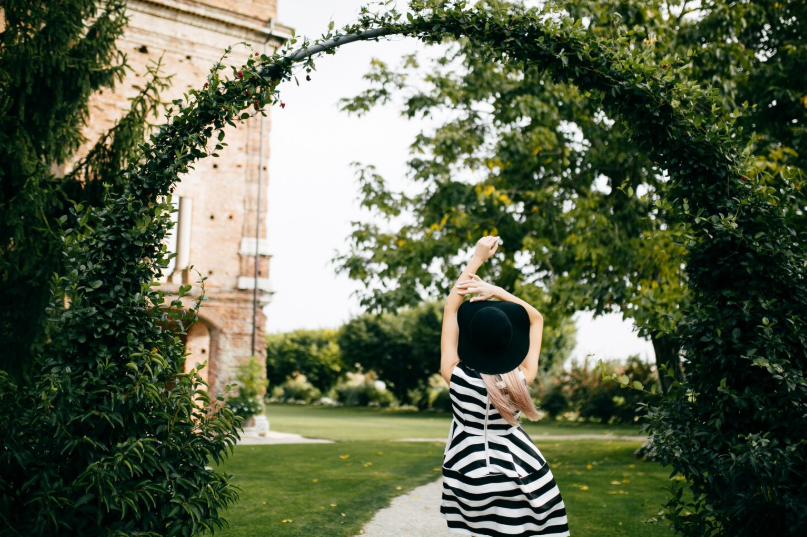
Hidden behind ivy-covered walls, historic gates, and discreet façades, Europe’s secret garden hotels offer travelers
a rare combination of privacy, beauty, and immersion in nature. These properties are not simply places to stay;
they are curated floral sanctuaries where landscape design, architecture, and heritage converge. For discerning
travelers seeking tranquility without sacrificing sophistication, garden hotels represent one of Europe’s most
refined hospitality experiences.
The Enduring Appeal of Garden-Centered Hospitality
Gardens have long played a central role in European culture, symbolizing harmony, craftsmanship, and a deep
connection to the land. From Renaissance estates in Italy to formal French gardens and romantic English landscapes,
outdoor spaces were designed as extensions of the home—places for reflection, conversation, and renewal.
Today’s garden hotels draw directly from this tradition. Rather than treating greenery as decorative, these
properties place gardens at the heart of the guest experience. Rooms open onto courtyards filled with climbing
roses, breakfast is served beneath citrus trees, and evening walks unfold along paths designed centuries ago.
France: Romantic Courtyards and Hidden Urban Oases
In France, secret garden hotels often exist in the most unexpected settings. Tucked away within Parisian
neighborhoods or historic provincial towns, these properties offer a striking contrast to the energy of their
surroundings. Behind unassuming entrances, guests discover manicured courtyards, fountains, and fragrant flower
beds that evoke another era.
Many of these hotels occupy former private residences or hôtels particuliers, where gardens were originally
designed for aristocratic families. Today, they provide a rare sense of calm in urban environments, allowing
guests to retreat into nature without leaving the city.
Italy: Botanical Heritage and Timeless Elegance
Italy’s garden hotels are deeply influenced by the country’s botanical and architectural legacy. From the rolling
hills of Tuscany to the shores of Lake Como and the Amalfi Coast, gardens are carefully integrated into the
landscape, emphasizing natural beauty rather than strict formality.
These properties often feature terraced gardens with olive trees, lavender, and citrus groves, designed to frame
sweeping views of the countryside or sea. Many gardens date back hundreds of years, meticulously preserved and
adapted to modern hospitality while retaining their original character.
The United Kingdom: Romantic Landscapes and Literary Inspiration
In the United Kingdom, garden hotels draw inspiration from the romantic movement and the tradition of landscaped
estates. Rather than symmetry, these gardens favor winding paths, native flora, and carefully framed vistas that
feel both natural and intentional.
Guests staying at these properties often find themselves surrounded by walled gardens, arboretums, and meadows
that change dramatically with the seasons. Spring blossoms, summer roses, autumn foliage, and winter evergreens
ensure that each visit offers a distinct sensory experience.
Spain and Portugal: Courtyards, Climate, and Color
In Southern Europe, garden hotels are shaped by climate and tradition. Spanish and Portuguese properties frequently
center around interior courtyards filled with orange trees, jasmine, and bougainvillea. These spaces serve both
aesthetic and practical purposes, providing shade, cooling airflow, and a communal gathering point.
Many of these gardens reflect Moorish design principles, emphasizing water features, geometric layouts, and
aromatic plants. The result is an atmosphere that feels both intimate and immersive, deeply connected to regional
history.
Wellness, Privacy, and the Modern Traveler
The appeal of secret garden hotels has grown significantly as travelers increasingly prioritize wellness, privacy,
and meaningful experiences. Gardens offer a natural antidote to the pace of modern life, encouraging slow travel
and mindful exploration.
Many properties now integrate wellness offerings directly into their garden spaces, including outdoor yoga,
meditation areas, spa treatments surrounded by greenery, and farm-to-table dining sourced from on-site gardens.
This holistic approach enhances both physical and emotional well-being.
Preservation and Sustainability
Maintaining historic gardens requires expertise, patience, and long-term vision. Many secret garden hotels invest
heavily in preservation, working with landscape historians and horticultural specialists to protect rare plant
species and original layouts.
Sustainability also plays a growing role. Native planting, water conservation, and organic gardening practices
help ensure that these landscapes remain viable for future generations while reducing environmental impact.
Conclusion
Europe’s secret garden hotels offer far more than beautiful surroundings. They provide access to a slower, more
intentional way of traveling—one rooted in history, nature, and refined hospitality. These floral retreats invite
guests to step away from the ordinary and reconnect with beauty in its most enduring form.
Whether hidden in a bustling city or nestled within the countryside, garden hotels stand as quiet reminders that
true luxury often lies in serenity, craftsmanship, and thoughtful preservation.
Stay Connected for More Travel and Lifestyle Inspiration. For more insights into travel, culture, and lifestyle tips, follow me on Instagram @salvadorordorica. If you’re seeking professional translation and localization services to enhance your global ventures, visit The Spanish Group — your trusted partner in bridging cultures worldwide.
