Investing in Heritage: Buying Restored Luxury Properties in Europe
Why restored historic properties combine cultural value with long-term investment potential for discerning buyers.
Introduction: The Appeal of Restored Heritage Properties
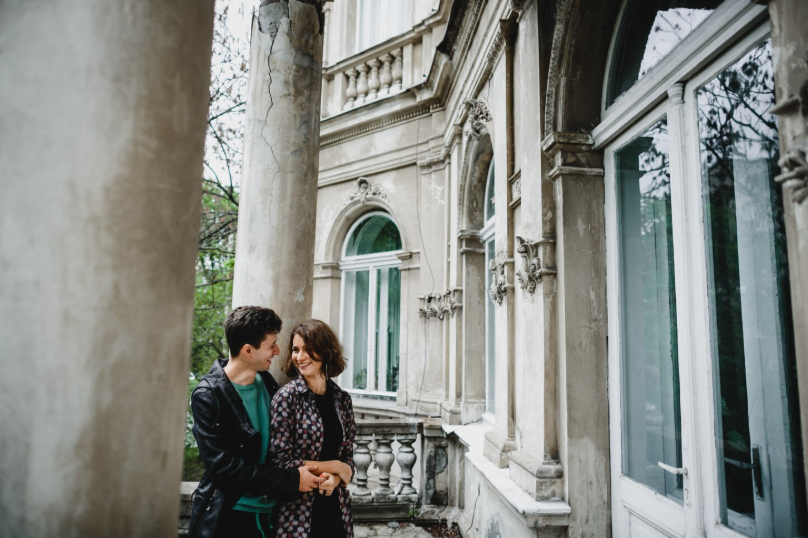
Across Europe, restored luxury properties—whether converted palazzos, renovated châteaux, or sensitively updated farmhouses—appeal to investors who want both a distinctive residence and a store of cultural value. These assets offer a rare mix of architectural character, prime locations, and historical provenance. For investors with an eye for long-term capital preservation and experiential returns, heritage real estate represents more than bricks and mortar: it is an entry into living history, often accompanied by tax incentives, bespoke tourism potential, and strong demand from high-net-worth buyers seeking authenticity.
Market Dynamics and Value Drivers
Several factors drive the value of restored heritage properties. First, scarcity: authentic historic buildings in desirable locales are finite. Second, craftsmanship and materials—original features such as frescoes, stonework, and period joinery—are increasingly rare and command premiums. Third, location matters: properties near cultural hubs, scenic rivers, or protected landscapes typically outperform more remote assets. Finally, enhancements such as modern mechanical systems, energy retrofits, and luxury amenities create a compelling blend of old-world charm and contemporary comfort that appeals to discerning buyers and short-stay luxury guests alike.
Regulatory Landscape and Due Diligence
Buying a restored heritage asset often involves interaction with local conservation authorities and adherence to preservation codes. These regulations can protect facades and specific historic elements, but may allow internal modernization. Due diligence is essential: verify permitted uses, any conservation easements or covenants, and restrictions on alterations. Engage architects and lawyers with local experience in heritage property law to assess restoration quality, outstanding permits, and potential liabilities. Clear title, accurate restoration records, and transparent provenance documentation significantly reduce transactional risk.
Financial Considerations and Incentives
Historic restorations can be capital intensive, but several European jurisdictions offer incentives—tax credits, grants, or reduced VAT rates—for conservation and adaptive reuse. These incentives vary widely by country and region, so structure your investment with local tax advisors to optimize benefits. Consider total cost of ownership: insurance, ongoing maintenance, and specialized conservatorship services may add to recurring expenses. However, when managed well, heritage properties often exhibit lower volatility and can appreciate due to their uniqueness and cultural significance.
Adaptive Reuse and Revenue Opportunities
Restored properties present diverse revenue models. Some investors maintain private residences with ancillary income—short-term luxury rentals, exclusive events, or boutique hospitality. Others convert larger estates into boutique hotels, members’ clubs, or curated residences. Adaptive reuse should balance commercial viability with cultural stewardship. Successful projects collaborate with local stakeholders, employ sensitive design interventions, and promote the property’s story to attract high-value guests and long-term tenants.
Preservation Best Practices
Authentic restoration requires a disciplined approach: thorough archival research, use of specialist craftsmen, and reversible interventions where possible. Prioritize structural stabilization and environmental controls to protect artworks and historic fabric. Develop a conservation management plan that outlines maintenance schedules, acceptable restoration methods, and emergency protocols. Such plans not only preserve value but also become selling points for future buyers who value documented stewardship.
Risk Management
Risks associated with heritage investments include unpredictable restoration costs, regulatory changes, and market illiquidity. Mitigate these by obtaining independent condition surveys, securing fixed-price contracts where feasible, and working with experienced local project managers. Diversify exposure by considering mixed-use programs that combine owner occupancy with income-generating components. Additionally, adequate insurance coverage specifically designed for historic properties is essential to protect against restoration-related claims and loss of irreplaceable features.
Case Studies and Success Factors
Successful heritage investments often share common elements: a respected conservation-led restoration, strategic positioning (near cultural amenities or transport hubs), and a clear business model—whether private use, hospitality, or cultural philanthropy. Collaborations with academic institutions, museums, or cultural trusts can add credibility and unlock funding. Marketing that emphasizes provenance, stories of past inhabitants, and artisanal restoration work helps differentiate the property in a competitive luxury market.
Practical Steps for Prospective Buyers
Engage local experts early—heritage architects, conservation consultants, and legal counsel.
Conduct a detailed condition and structural survey with an itemized restoration estimate.
Clarify permitted uses with conservation authorities to align restoration plans with regulatory frameworks.
Model total cost of ownership including specialized maintenance and insurance.
Explore incentives and funding mechanisms available at regional and national levels.
Truffle-Hunting Adventures for Luxury Food Travelers
Immersive field experiences that pair culinary discovery with cultural tradition across Europe’s most prized truffle regions.
Introduction: The Allure of the Underground Gold
Truffles have long captured the imaginations of chefs and gastronomes: rare, scent-driven fungi prized for their complex aroma and ability to elevate simple ingredients into extraordinary dishes. For luxury food travelers, truffle-hunting adventures offer more than a tasting—they provide a behind-the-scenes look at a centuries-old rural craft. These bespoke experiences combine foraging with local hospitality, guided by expert truffle hunters, trained dogs, and often culminating in private meals prepared by top chefs.
Where to Go: Iconic Truffle Regions
Europe’s most celebrated truffle zones span Italy, France, and Spain:
Piedmont, Italy: Famous for the white truffle of Alba, this region hosts seasonal truffle fairs and Michelin-starred dining that centers around freshly harvested truffles.
Tuscany and Umbria, Italy: Known for both white and black truffles, these regions combine rolling landscapes with intimate truffle farms and agriturismi that open their kitchens to guests.
Périgord, France: The French black truffle (tuber melanosporum) is closely associated with this region, where truffle markets and cooperative networks sustain local producers.
Huesca and Teruel, Spain: Spain’s rising reputation in truffle production pairs rustic villages with modern hospitality, offering authentic experiences for adventurous gourmands.
The Experience: From Field to Plate
A typical luxury truffle-hunting itinerary begins early in the morning. After a short briefing, guests join a truffle hunter and their dog to search woodlands and truffle grounds. The hunt is interactive—visitors learn to recognize the subtle signs of truffle presence, listen to the dog’s cues, and observe ethical harvesting techniques that preserve the mycelial networks for future seasons.
Following the hunt, many operators host a market-style show-and-tell where truffles are weighed, graded, and discussed. The day often concludes with a curated meal—sometimes in a private villa or hilltop restaurant—where chefs transform the freshly foraged truffles into a multi-course tasting, paired with regional wines and complemented by local stories.
Why Dogs, Not Pigs
Historically, pigs were used to locate truffles, but most modern truffle hunters prefer dogs. Dogs are easier to control in the field and less likely to damage truffle beds by trying to eat the find. Trained truffle dogs—often Lagotto Romagnolo or other search-bred breeds—are central to the ethical, sustainable harvesting practices preferred by luxury operators.
Ethical Foraging and Sustainability
Sustainable practices are essential to protect truffle habitats. Responsible hunters follow guidelines: minimal disturbance of soil, careful reburying of small specimens to allow growth, and respecting private land rights. Luxury operators who prioritize sustainability also support local conservation efforts and work with community cooperatives, ensuring that tourism benefits the rural economies and preserves truffle grounds for future generations.
Customizing the Luxury Experience
Luxury travelers can request highly customized packages: private charters between estates, exclusive tastings with Michelin-starred chefs, or combined itineraries that include winery visits and historic sightseeing. Concierge services often arrange private transfers, multilingual guides, and exclusive access to estates outside typical public hours—making the experience both seamless and deeply personal.
Seasonality and Timing
Timing is crucial. White truffle season in northern Italy typically runs from late autumn into early winter, while black truffle seasons vary by region. Bookings should be made well in advance for peak months—October through February—when local markets and festivals are active. Off-season visits can still offer educational value but may not guarantee fresh harvests.
Practical Considerations and Costs
Truffle-hunting experiences are a premium offering and pricing reflects the exclusivity: expert guides, private meals with high-end ingredients, and the logistics of accessing rural truffle sites. When budgeting, include costs for transportation, tasting menus, truffle purchases (priced by weight), and any private guides or chefs. Many operators offer tiered experiences to match different levels of exclusivity and group sizes.
Tips for the Discerning Traveler
Book with an experienced operator that can provide references and transparent sourcing practices.
Request inclusion of local experts—mycologists or seasoned truffle hunters—to deepen the educational value.
Consider combining the hunt with culinary workshops where you learn to prepare truffle-forward dishes.
Bring suitable outdoor clothing and footwear; many hunts occur in damp, uneven terrain.
Private River Cruises Through Europe’s Historic Capitals
How bespoke river voyages combine comfort, culture, and curated local experiences across Europe’s greatest waterways.
Introduction: A Different Way to See Europe
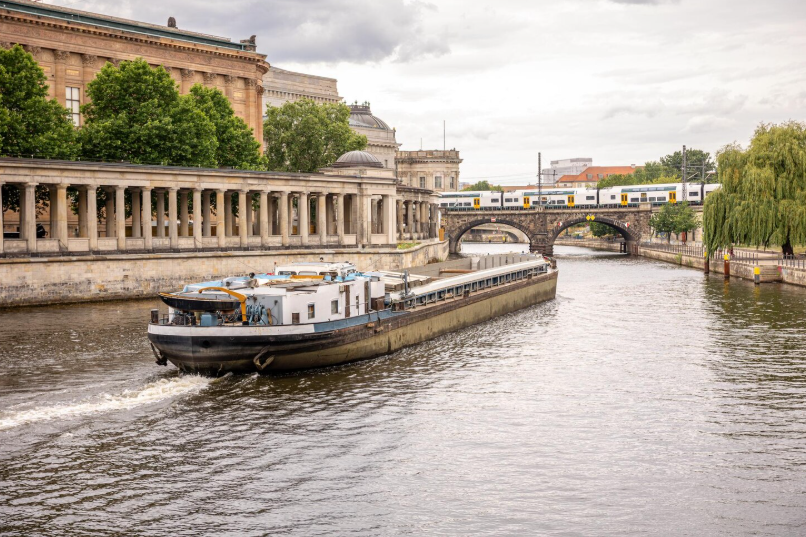
Private river cruises offer a distinctive, intimate way to experience Europe’s historic capitals. Unlike ocean cruising or point-to-point travel, river voyages move at the pace of the region, threading city centers, vineyards, and villages together with the rhythm of the water. For discerning travelers and families who value privacy, cultural depth, and effortless logistics, booking a private vessel—whether a boutique yacht, chartered barge, or a small luxury ship—turns transportation into a seamless and immersive part of the journey.
Why Choose a Private River Cruise?
Privacy and personalization are the hallmarks of private cruising. Guests set the tone: tailor-made excursions, bespoke menus, flexible itineraries, and the freedom to linger in a favorite port. Private cruises also provide a heightened level of service—dedicated crew, private chefs, and bespoke guides—allowing guests to focus entirely on the experience. For groups traveling for special occasions, corporate retreats, or multi-generational family trips, a private charter provides cohesion, convenience, and exclusivity.
Iconic Routes and Capitals
Europe’s great rivers pass through some of the continent’s most storied capitals:
The Seine: Paris offers riverfront views of Notre-Dame, the Louvre, and the Musée d’Orsay, blending city sightseeing with quiet upstream mornings through Normandy’s historic towns.
The Danube: Vienna, Bratislava, and Budapest form a corridor of imperial palaces, coffeehouse culture, and grand boulevards—perfect for cultural immersion and curated concerts on shore.
The Rhine: Flowing past Cologne and Mainz, the Rhine is famed for its dramatic castles and wine-growing slopes; private ships can moor in vineyards for exclusive tastings.
The Elbe and Vltava: Prague and Dresden offer baroque and Gothic treasures; private cruises here focus on history, museums, and intimate walking tours.
Curated Shore Excursions
The advantage of a private charter is the ability to design excursions that match your interests. Want an after-hours museum tour in Vienna, a private violin performance in Budapest, or a cellar dinner in the Rheingau? It’s possible. Local experts—historians, chefs, winemakers—can be arranged to provide context-rich experiences that large group cruises cannot replicate. These bespoke shore activities are often the highlights of a private cruise, turning sightseeing into meaningful cultural exchanges.
Onboard Comfort and Cuisine
Private vessels prioritize space and service. Cabins are often larger, public areas more private, and the atmosphere relaxed. Hospitality teams coordinate menus to reflect local produce and guest preferences—imagine a riverside dinner featuring regional specialties paired with local wines. Dietary restrictions and personal tastes are accommodated with ease, making the culinary journey as memorable as the ports of call.
Logistics and Practicalities
Booking a private river cruise requires attention to timing, permits, and docking availability. Rivers can be affected by seasonal water levels—low water in late summer or high water in spring can alter itineraries—so experienced operators build contingency plans. Private charters also simplify transfers and luggage handling: embarkation and disembarkation are efficient, and the vessel becomes a mobile base, avoiding repeated hotel check-ins. For corporate or incentive travel, on-board meeting spaces and AV setups can be arranged.
Sustainability and Responsible Travel
Many private operators are adopting sustainable practices: low-emission engines, waste reduction programs, and partnerships with local conservation initiatives. Small-scale charters can support local economies directly by hiring regional guides, sourcing food from nearby producers, and paying port fees that benefit communities. When choosing a private operator, ask about their environmental policies and community initiatives to ensure your trip aligns with responsible travel values.
Who Should Consider a Private Charter?
Private river cruises are ideal for guests seeking flexibility, privacy, and a deep cultural connection. They suit special milestones (anniversaries, reunions), corporate groups seeking unique meeting spaces, and families who value an all-in-one travel experience. While private charters have a premium price compared to group river cruising, the level of service, customization, and exclusivity often justifies the investment for those prioritizing an elevated, tailor-made journey.
Booking Tips
Start planning early, especially for peak seasons (spring and early autumn). Communicate preferences—dietary, accessibility, and must-see ports—to your operator upfront. Consider adding pre- or post-cruise hotel nights in major capitals to enrich the itinerary. Finally, work with a reputable charter broker or concierge who can negotiate itineraries, local partners, and bespoke experiences on your behalf.
Europe’s Most Luxurious Private Vineyard Estates to Stay In
There’s something uniquely restorative about falling asleep amongst vines, waking to the quiet rustle of leaves, and tasting a glass poured from the very land beneath your feet. Across Europe, a new generation of private vineyard estates blends impeccable hospitality with terroir-driven wine experiences — offering guests not only refined accommodation but intimate access to winemaking, guided tastings, and immersive farm-to-table cuisine. Below, discover a curated selection of the continent’s most luxurious vineyard estates where privacy, craftsmanship, and design come together to create unforgettable stays.
1. A Tuscan Palazzo with a Boutique Winery
Location: Tuscany, Italy — Style: Renaissance villa with contemporary interiors
Tucked into rolling hills of cypress and olive, a restored palazzo offers exclusive rental of its eight-suite wing and private cellar. Guests enjoy guided tours of age-old vineyards, barrel tastings in the cellar, and a private sommelier pairing sunset dinners. The estate’s winemaking team welcomes visitors into hands-on harvest activities when in season; otherwise, bespoke tastings trace the family’s vintages through vertical flights. Architectural integrity blends with modern comforts — heated stone floors, a private pool, and a library curated with regional maps and wine literature.
2. A Provençal Château with Organic Vineyards
Location: Provence, France — Style: Château with formal gardens and lavender fields
This elegant château sits within sun-drenched gardens framed by lavender and vineyards cultivated under organic principles. Hospitality here is rooted in slow living: languid breakfasts of local chèvre and olive oil, midday picnics among the vines, and evening tastings focused on rosés and Grenache blends. Private cooking lessons with the château’s chef pair seasonal estate ingredients with estate-produced wines. Sustainability is central — water-wise irrigation, bee hives, and a commitment to low-intervention winemaking ensure both exceptional terroir expression and environmental stewardship.
Dramatic architecture meets viticultural excellence at this hillside bodega where guests can book the entire property for a private retreat. Interiors are minimalist and sunlit, designed to showcase panoramic vineyard views. Offerings include in-depth winemaking masterclasses, guided hikes across terraced slopes, and pairings that marry regional seafood and cured meats with premium tempranillo and garnacha expressions. For collectors, the estate maintains a private reserve library and can arrange cellar purchases or direct shipping of rare bottlings.
4. A Boutique Estate in the Douro Valley
Location: Douro Valley, Portugal — Style: River valley quinta with terraced vines and river access
Overlooking the Douro River, this quinta invites guests to experience port and still-wine production from vine to bottle. Private boat cruises at dawn, vineyard picnics at sunset, and vertical tastings highlight the region’s steep-slope viticulture. Accommodation blends rustic stonework with luxurious linens, and the estate’s cellar door is open for private blending sessions — create a bespoke cuvée alongside the resident winemaker. A strong focus on heritage means many of the vineyards are worked by hand, and guests interested in conservation can learn about traditional soil-keeping techniques.
5. A New-Age English Estate with Pinot Noir Focus
Location: Sussex / Kent, England — Style: Country manor with contemporary tasting room
England’s cool-climate wines have gained a devoted following, and select manor estates now offer private stays that spotlight world-class sparkling and pinot noir. Expect refined, terrace-facing suites and intimate cellar tastings that map the estate’s progression from budburst to disgorgement. Activities frequently include vineyard walks with production team members, champagne-style tastings, and seasonal menu pairings that emphasize local lamb, root vegetables, and artisanal cheeses. These estates pair the gentility of English country life with modern vinous ambition.
6. An Italian Island Vineyard Retreat
Location: Island vineyards (e.g., Sicily, Sardinia) — Style: Coastal estate with Mediterranean gardens
For a vineyard stay framed by sea breezes and volcanic soils, island estates offer a heady mix of maritime cuisine and mineral-driven wines. Villas often sit within terraced vineyards that step down toward cliffs or sheltered coves. Highlights typically include cellar door tastings of unique indigenous varietals, private boat tours with wine pairings, and farm-to-table meals that highlight seafood caught the same morning. Design sensibilities lean Mediterranean — whitewashed walls, shaded loggias, and outdoor lounges built for long evenings beneath the stars.
How to Choose the Right Private Vineyard Estate
Selecting the ideal estate depends on priorities: do you crave hands-on winemaking, a secluded romantic escape, family-friendly amenities, or an educational retreat with masterclasses? Consider seasonality (harvest is transformative but busy), travel logistics (some estates require transfers on narrow country roads), and the level of privacy you need — many properties offer full buyouts for exclusivity. Finally, ask about on-site chefs, dietary accommodations, and any bespoke experiences such as truffle hunts, olive harvest participation, or helicopter transfers for a truly elevated arrival.
Final Thoughts
Luxury vineyard estates are more than beautiful places to sleep; they are immersive ecosystems that connect guests to landscape, culture, and the labor of winemaking. Whether you seek a contemplative week among ancient vines or an action-packed harvest retreat, Europe’s best private estates combine thoughtful design, impeccable service, and — most importantly — wine that tells the story of its place. Plan intentionally, communicate your interests with the estate in advance, and you’ll leave with new favorites in your cellar and memories that will linger long after your final glass.
Stay Connected for More Travel and Lifestyle Inspiration. For more insights into travel, culture, and lifestyle tips, follow me on Instagram @salvadorordorica. If you’re seeking professional translation and localization services to enhance your global ventures, visit The Spanish Group — your trusted partner in bridging cultures worldwide.
Ultra-Luxury Eco Retreats: Sustainable Travel in Style
Introduction
Ultra-luxury eco retreats represent a thoughtful evolution of travel, marrying the highest standards of comfort and service with rigorous environmental stewardship. For leaders and discerning travelers who expect excellence without compromise, these retreats offer an experience that is both indulgent and responsible. Rather than treating sustainability as an afterthought, top-tier eco properties weave conservation, community engagement, and regenerative practices into every element of the guest experience.
What Defines an Ultra-Luxury Eco Retreat?
At its best, an ultra-luxury eco retreat combines five core attributes: exceptional design, locally sourced gastronomy, measurable environmental impact reduction, meaningful local partnerships, and personalized service. Architectural choices favor low-impact materials and passive design techniques that reduce energy demand. Guest villas and common areas are crafted from reclaimed or responsibly harvested materials, while landscaping protects native habitats and prioritizes biodiversity. These retreats typically operate on robust sustainability metrics—such as water recycling rates, renewable energy generation, and zero-waste goals—documented and shared with guests.
Design, Comfort, and Environmental Elegance
Luxury does not require excess when design is intelligent. Ultra-luxury eco retreats rely on bespoke design to amplify comfort while minimizing ecological footprint. Lightweight, modular structures can be sited to avoid tree removal and preserve natural drainage. Large operable windows and cross-ventilation reduce or eliminate the need for air-conditioning, while thermal mass and shading stabilize interior temperatures. High-end materials like polished reclaimed teak, natural stone, and organic textiles create a refined aesthetic that feels authentic and timeless rather than manufactured.
Cuisine and Sourcing: A Conscience on the Plate
Culinary programs at eco retreats are often a signature feature. Michelin-trained or locally renowned chefs develop menus that foreground seasonal, hyper-local ingredients—frequently sourced from on-site gardens, coastal fisheries with sustainable certifications, and local farmers practicing regenerative agriculture. These kitchens emphasize whole-ingredient cooking, minimal waste, and creative preservation techniques. Guests enjoy tasting menus that read as both a celebration of place and a demonstration of how luxury dining can be circular and low-impact.
Regenerative Practices and Measurable Impact
True leadership in sustainable travel means going beyond “do no harm.” Regenerative retreats actively restore ecosystems through reforestation, mangrove rehabilitation, coral nurseries, or soil regeneration projects. Many properties partner with scientists and NGOs to quantify outcomes—measuring carbon sequestration, increases in native species, and water table recovery. Transparent reporting and third-party certifications (where available) give executives and conscious travelers confidence that their stay contributes to positive environmental outcomes.
Community Partnership and Cultural Respect
Ultra-luxury eco retreats place community relationships at the center of their operating model. They create local employment pathways, invest in skill-building and hospitality training, and prioritize sourcing from nearby producers. Cultural programming—guided by local elders, artisans, or cultural custodians—provides guests with authentic insights while ensuring intellectual and economic benefit accrues to host communities. These collaborations preserve local knowledge systems rather than appropriating them, and create long-term social value beyond the guest experience.
Personalized Wellness and Curated Experiences
Beyond environmental credentials, these retreats cultivate bespoke guest experiences that are restorative and exclusive. Wellness offerings may include integrative medical consultations, private spa treatments using locally derived botanicals, mindful movement classes, and nutrition programs aligned with local foods. Activities are curated to deepen connection with place: guided ecology walks, private conservation excursions, night-sky astronomy sessions, and hands-on workshops with local craftsmen or chefs. Privacy and personalization—private chefs, dedicated hosts, and flexible itineraries—define the ultra-luxury standard.
How to Evaluate a Property
When selecting an ultra-luxury eco retreat, executives should ask targeted questions: What percentage of the property’s energy is derived from renewables? How is water reused and conserved? What measurable conservation outcomes has the property achieved? Are local communities active partners in programming and revenue sharing? Does the retreat disclose a sustainability report or third-party verification? High-quality operators will welcome scrutiny and provide clear, documented answers.
Travel Considerations and Responsible Luxury
The very nature of travel entails carbon and resource use, which means responsible travelers should weigh how to reduce impact alongside the benefits of investing in sustainable tourism models. Consider consolidating trips, choosing direct flights where possible, and engaging in meaningful activities that support conservation and community development. Many ultra-luxury eco retreats offer carbon offset programs tied directly to verified regenerative projects, giving guests an option to balance unavoidable emissions with measurable impact.
Who Benefits Most from These Retreats?
Ultra-luxury eco retreats are well suited to leaders, families, and small executive groups seeking privacy, bespoke service, and an immersive connection to place. They are an excellent option for corporate retreats centered on wellbeing and creativity, as well as for families and individuals who wish to travel in a way that aligns with a values-driven lifestyle. For directors and executives, these stays can also double as relationship-building opportunities—private dining, exclusive access to conservation projects, and curated cultural exchanges make them ideal for hosting clients or rewarding teams.
Final Thoughts and Practical Tips
Ultra-luxury eco retreats represent the intersection of refined travel and ethical stewardship. They demonstrate that comfort and conservation are not mutually exclusive, and that experiential luxury can support long-term ecological and social outcomes. To make the most of an eco-luxury stay, plan early, ask for transparent sustainability metrics, request personalization aligned with your values, and engage with local projects to create a meaningful legacy from your visit.
Conclusion & Stay Connected
Stay Connected for More Travel and Lifestyle Inspiration. For more insights into travel, culture, and lifestyle tips, follow me on Instagram @salvadorordorica. If you’re seeking professional translation and localization services to enhance your global ventures, visit The Spanish Group — your trusted partner in bridging cultures worldwide.
Few experiences marry culture, history, and pure gastronomic joy as seamlessly as a luxury dessert tour in two of Europe’s most elegant capitals: Paris and Vienna. These cities have elevated the art of patisserie and confectionery into cultural institutions, where every bite tells a story of craft, provenance, and refined taste. For the discerning traveler, a curated dessert tour offers more than sweets — it is an intimate journey through neighborhoods, ateliers, and time-honored kitchens that reveal the heart of local culinary identity.
Why Paris and Vienna?
Paris and Vienna share a long history of culinary excellence, but each brings a distinct sensibility. Paris is synonymous with haute pâtisserie — think delicate pastries, precision techniques, and inventive flavor combinations. Vienna, with its grand cafés and aristocratic heritage, centers on generously proportioned cakes, refined confections, and ritualized coffee culture. Together they offer a complementary program: Paris delights with finesse and modern artistry; Vienna comforts with tradition and stately indulgence.
Signature Desserts to Seek Out
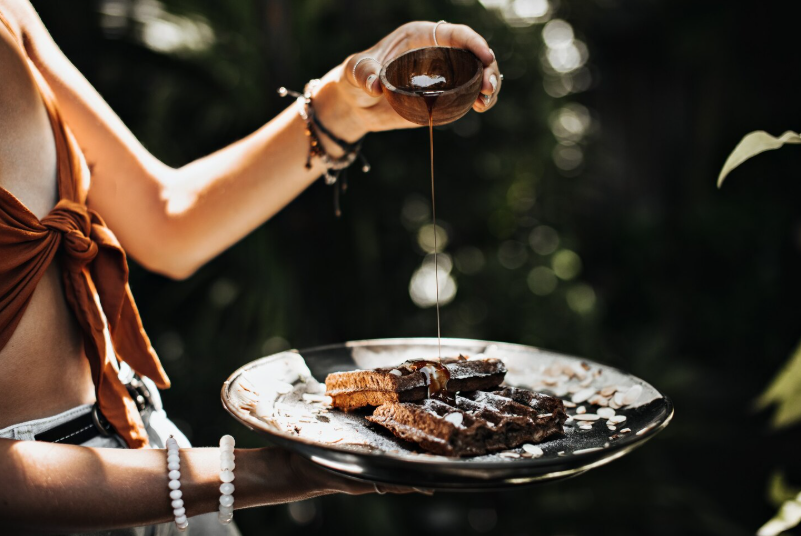
On a luxury dessert tour you’ll encounter emblematic treats that capture each city’s soul. In Paris, priorities include the mille-feuille (light, flaky layers and pastry cream), the delicate macaron, the glossy entremets crafted by Michelin-trained pâtissiers, and single-origin chocolate creations from artisanal chocolatiers. In Vienna, priorities include the Sachertorte — dense chocolate cake with apricot jam — the airy, cream-filled Dobos torte, and regional specialities like rum-soaked Esterházy slices. Both cities also offer seasonal fruit tarts and confectionery that reflect local markets and terroir.
What Makes a Tour “Luxury”?
A luxury dessert tour is distinguished by curation, exclusivity, and personalized touches. Rather than simply sampling pastries, guests enjoy behind-the-scenes access to ateliers and kitchens, private tastings with master pâtissiers, and guided pairings — for instance, truffles with single-origin coffee or petits fours matched to artisanal liqueurs. Transportation between venues is seamless, often by chauffeured car or curated walking routes that emphasize ambiance. Attention to detail — reserved seating at landmark cafés, early access before opening hours, and bespoke souvenir boxes — elevates the experience from pleasant to unforgettable.
Featured Experiences in Paris
In Paris, luxury tours weave together historic cafés, modern pastry boutiques, and celebrated chocolatiers. Typical highlights include a private viewing of pastry production at a two-Michelin-star pastry house, a guided macaron-making demonstration, and an afternoon tea at a landmark hotel where classic French desserts are served with theatrical presentation. Many bespoke operators will arrange meetings with award-winning chefs, curated visits to specialty chocolate shops, and tastings of seasonal fruit pâtisseries that celebrate local produce.
Featured Experiences in Vienna
Vienna’s luxury dessert experiences emphasize café culture and imperial tradition. Expect private seating in storied coffeehouses with an introduction to Viennese coffee varieties and the history of the cake culture. Tours may include a masterclass on decorating the Sachertorte, a behind-the-scenes visit to a family-run Konditorei, and a refined tasting of regional confections paired with aged rum or vintage dessert wines. The grandeur of the city’s architecture and its leisurely café rituals lend a stately pace to each tasting.
How to Plan the Perfect Luxury Dessert Tour
Planning is key to maximizing the experience. First, decide whether you prefer a walking immersion of neighborhood patisseries or a chauffeured route that connects the most prestigious houses. Consider dietary preferences and inform the tour operator ahead of time — many luxury providers will craft alternatives for allergies or preferences. Reserve private or small-group tours to ensure intimacy and access. Finally, time your visit to coincide with seasonal specialties: summer fruit tarts in Paris and winter confections or spiced pastries in Vienna can transform an ordinary tasting into a moment of discovery.
Insider Tips for a Memorable Visit
Book ahead: The best pastry chefs and historic cafés have limited capacity; secure reservations early.
Mix tasting styles: Combine formal chocolate tastings with casual café stops to appreciate the full range of the dessert scene.
Bring home quality: If bringing pastries across borders, choose chocolates and confections engineered to travel well.
Pair thoughtfully: Let experts pair desserts with coffee, tea, or dessert wine to deepen the flavor experience.
Who Should Take a Luxury Dessert Tour?
These tours are ideal for food-curious travelers, couples looking for a romantic culinary date, corporate clients seeking an exclusive team treat, and anyone who enjoys learning the stories behind their food. They’re particularly rewarding for travelers who appreciate craft, provenance, and the theatricality of high-end culinary presentation. For directors and executives visiting on short itineraries, a tailored half-day tour can deliver intense pleasure and cultural insight in a compact timeframe.
Final Thoughts
A luxury dessert tour through Paris and Vienna is a refined way to encounter two great culinary traditions. Beyond the sugar and butter, these tours are about the artisans, the rituals, and the cities’ relationships to hospitality and taste. Whether you choose the delicate innovation of Parisian pâtisserie or the stately comforts of Vienna’s Konditorei, a curated tasting tour will provide both sensory delight and a deeper appreciation for how dessert can reflect history, place, and creative mastery.
Stay Connected for More Travel and Lifestyle Inspiration. For more insights into travel, culture, and lifestyle tips, follow me on Instagram @salvadorordorica (Hyperlink @salvadorordorica). If you’re seeking professional translation and localization services to enhance your global ventures, visit The Spanish Group (https://www.instagram.com/thespanishgroup/?hl=en) — your trusted partner in bridging cultures worldwide.