
by Dulce Navarro | Apr 6, 2026 | Countries, Europe, Experiences, Lifestyle, Luxury, Travel
Discreet Luxury Resorts in Europe’s Alpine Regions
In an era where luxury is increasingly defined by privacy, personalization, and authenticity, Europe’s Alpine regions have emerged as premier destinations for discreet high-end travel. Far from the overt glamour of crowded hotspots, these refined mountain retreats offer an understated elegance that appeals to discerning travelers seeking tranquility, exclusivity, and world-class service.
Nestled among snow-capped peaks, pristine forests, and charming alpine villages, these resorts combine natural beauty with exceptional hospitality. For company directors, executives, and global travelers, they provide the perfect balance between relaxation, strategic reflection, and refined lifestyle experiences.
The New Definition of Alpine Luxury
Luxury in the Alps has evolved beyond traditional ski resorts. Today’s most sought-after destinations emphasize discretion, offering private chalets, boutique hotels, and curated experiences that prioritize guest privacy.
These resorts are designed to provide a seamless experience, where every detail—from personalized concierge services to tailored wellness programs—is carefully managed. The focus is on creating a serene environment where guests can disconnect from the demands of daily life while enjoying the highest standards of comfort.
Switzerland: Precision, Privacy, and Prestige
Switzerland remains synonymous with alpine luxury. Destinations such as St. Moritz, Zermatt, and Gstaad are known for their impeccable service, world-class infrastructure, and commitment to discretion.
Many resorts in these areas offer private villas, ski-in/ski-out access, and exclusive amenities such as personal chefs, chauffeurs, and wellness specialists. The combination of natural beauty and meticulous attention to detail ensures an unparalleled experience.
France: Sophisticated Charm in the Alps
The French Alps offer a blend of elegance and cultural richness. Resorts in Courchevel, Megève, and Val d’Isère provide luxurious accommodations alongside gourmet dining and vibrant après-ski scenes.
For those seeking discretion, many properties offer secluded chalets and private services that allow guests to enjoy the region’s offerings without the crowds. Michelin-starred restaurants and curated experiences further enhance the appeal.
Italy: Warmth and Refined Simplicity
Italy’s alpine regions, particularly the Dolomites, are celebrated for their unique combination of natural beauty and understated luxury. Resorts here emphasize warmth, authenticity, and attention to detail.
Guests can enjoy bespoke experiences such as private guided hikes, exclusive wine tastings, and spa treatments that incorporate local traditions. The Italian approach to hospitality ensures a welcoming and memorable stay.
Austria: Tradition Meets Modern Comfort
Austria’s alpine resorts offer a harmonious blend of tradition and modernity. Destinations like Lech and Kitzbühel are known for their charming architecture, exceptional service, and commitment to quality.
Many resorts provide a more intimate atmosphere, with a focus on personalized service and cultural authenticity. This makes Austria an ideal choice for travelers seeking a refined yet approachable luxury experience.
Wellness and Rejuvenation at Altitude
One of the defining features of alpine luxury resorts is their emphasis on wellness. High-altitude environments are naturally conducive to relaxation and rejuvenation, and many properties have developed comprehensive wellness programs to complement this setting.
From state-of-the-art spas and thermal baths to personalized fitness and nutrition plans, these resorts offer holistic experiences designed to restore both body and mind. Private yoga sessions, meditation retreats, and tailored treatments are often available.
Discretion as a Core Luxury Element
For high-profile travelers, discretion is often the most valuable luxury. Alpine resorts excel in this area, offering private entrances, confidential concierge services, and staff trained to maintain the highest levels of privacy.
This focus on discretion allows guests to fully relax and enjoy their surroundings without concern, making these destinations particularly attractive for executives and public figures.
Seasonal Appeal Beyond Winter
While the Alps are traditionally associated with winter sports, they offer equally compelling experiences during the warmer months. Summer brings opportunities for hiking, cycling, and exploring the region’s natural beauty.
Many resorts adapt their offerings to the season, providing year-round luxury experiences that cater to a wide range of interests. This versatility enhances their appeal as destinations for both leisure and corporate retreats.
Ideal for Corporate Retreats and Strategic Escapes
Discreet alpine resorts are increasingly being chosen for corporate retreats and executive gatherings. Their serene environments and exclusive facilities create an ideal setting for strategic discussions, team building, and client engagement.
Customized programs can include private meeting spaces, curated activities, and tailored dining experiences, ensuring that every aspect of the retreat aligns with the organization’s objectives.
Planning a Discreet Alpine Experience
To fully benefit from what these resorts offer, careful planning is essential. Engaging with specialized travel advisors can help secure access to the most exclusive properties and experiences.
Factors such as location, season, and specific preferences should be considered to create a tailored itinerary that meets the highest standards of luxury and discretion.
Final Thoughts
Discreet luxury resorts in Europe’s Alpine regions represent the pinnacle of refined travel. By combining natural beauty, exceptional service, and a commitment to privacy, they offer an experience that is both sophisticated and deeply restorative.
For those seeking a destination that aligns with modern definitions of luxury—where discretion, personalization, and authenticity take precedence—the Alps provide an unparalleled setting.
Stay Connected for More Travel and Lifestyle Inspiration. For more insights into travel, culture, and lifestyle tips, follow me on @salvadorordorica. If you’re seeking professional translation and localization services to enhance your global ventures, visit The Spanish Group — your trusted partner in bridging cultures worldwide.

by Dulce Navarro | Apr 6, 2026 | Europe, Experiences, Landscapes, Lifestyle, Luxury, Travel
Luxury Travel Through Europe’s Historic Wine Roads
Luxury travel in Europe has evolved beyond traditional sightseeing, embracing immersive experiences that combine culture, heritage, and refined indulgence. Among the most sophisticated journeys available today are curated routes through Europe’s historic wine roads—destinations where centuries-old winemaking traditions meet world-class hospitality and breathtaking landscapes.
For executives, discerning travelers, and wine enthusiasts, these routes offer more than exceptional vintages; they provide a journey into the heart of regional identity, craftsmanship, and timeless elegance.
The Enduring Appeal of Europe’s Wine Roads
Europe’s wine regions are deeply rooted in history, with many vineyards dating back hundreds—or even thousands—of years. Traveling along these wine roads allows visitors to explore picturesque villages, historic estates, and rolling landscapes that have shaped the identity of each region.
These experiences are enhanced by private tastings, exclusive vineyard tours, and opportunities to engage directly with winemakers. The combination of heritage and personalized service creates a level of sophistication that defines luxury travel.
France: The Benchmark of Elegance
France’s wine roads are synonymous with prestige. Regions such as Bordeaux, Burgundy, and Champagne offer a diverse array of experiences, from grand châteaux to intimate family-owned estates.
Travelers can enjoy private cellar tours, guided tastings of rare vintages, and gourmet dining experiences that highlight the region’s culinary excellence. The seamless blend of tradition and innovation makes France a cornerstone of luxury wine travel.
Italy: A Celebration of Landscape and Flavor
Italy’s wine routes, particularly in Tuscany and Piedmont, are celebrated for their scenic beauty and rich cultural heritage. Rolling hills, historic villas, and charming towns create an idyllic setting for exploration.
Visitors can partake in curated tastings, cooking classes, and vineyard tours that showcase the diversity of Italian wines. The emphasis on hospitality and authenticity ensures a memorable and immersive experience.
Spain: Tradition Meets Innovation
Spain’s wine regions, including Rioja and Ribera del Duero, offer a dynamic blend of tradition and modernity. Historic wineries coexist with cutting-edge architectural designs, reflecting the country’s evolving wine culture.
Luxury travelers can enjoy exclusive access to renowned estates, participate in private tastings, and explore the region’s culinary offerings, which are deeply intertwined with its winemaking traditions.
Germany: Precision and Scenic Beauty
Germany’s wine roads, particularly along the Rhine and Mosel rivers, are known for their precision and elegance. Vineyards cascade down steep hillsides, creating dramatic landscapes that enhance the travel experience.
These regions are ideal for those seeking a more tranquil and refined journey, with opportunities to sample world-class Rieslings and explore charming riverside towns.
Portugal: Heritage Along the Douro Valley
The Douro Valley in Portugal is one of Europe’s oldest wine regions and a UNESCO World Heritage Site. Its terraced vineyards and scenic river views provide a stunning backdrop for luxury travel.
Private river cruises, exclusive tastings, and stays in historic quintas allow visitors to experience the region’s unique character and hospitality.
What Defines a Luxury Wine Road Experience?
While each region offers its own distinct character, several elements define a truly exceptional wine road journey:
- Private, guided vineyard and cellar tours
- Access to rare and limited-production wines
- Gourmet dining experiences featuring regional cuisine
- Luxury accommodations in historic estates or boutique hotels
- Personalized itineraries tailored to individual preferences
These features ensure that every aspect of the journey is curated to deliver both comfort and cultural enrichment.
The Corporate and Lifestyle Advantage
Wine road journeys are increasingly popular among corporate leaders and professionals seeking a balance between relaxation and inspiration. The serene environments and immersive experiences provide an ideal setting for strategic thinking, team building, and client engagement.
Moreover, these trips offer a unique opportunity to strengthen relationships and create lasting memories in an environment that reflects sophistication and taste.
Planning the Perfect Wine Road Journey
To fully enjoy Europe’s wine roads, careful planning is essential. Working with specialized travel advisors can help ensure access to exclusive experiences and seamless logistics.
Considerations such as travel timing, preferred regions, and specific interests—whether focused on particular varietals or cultural activities—should guide the planning process.
Final Thoughts
Luxury travel through Europe’s historic wine roads offers a unique blend of culture, heritage, and indulgence. It is an experience that goes beyond the ordinary, providing insight into the artistry of winemaking and the traditions that define each region.
For those seeking a refined and meaningful journey, these routes represent the pinnacle of European travel, combining scenic beauty with exceptional hospitality and unforgettable moments.
Stay Connected for More Travel and Lifestyle Inspiration. For more insights into travel, culture, and lifestyle tips, follow me on @salvadorordorica. If you’re seeking professional translation and localization services to enhance your global ventures, visit The Spanish Group — your trusted partner in bridging cultures worldwide.
by Dulce Navarro | Apr 3, 2026 | Europe, Experiences, Food, Landscapes, Lifestyle, Luxury, Restaurant, Travel
Europe’s Finest Rooftop Dining Destinations with Panoramic Views
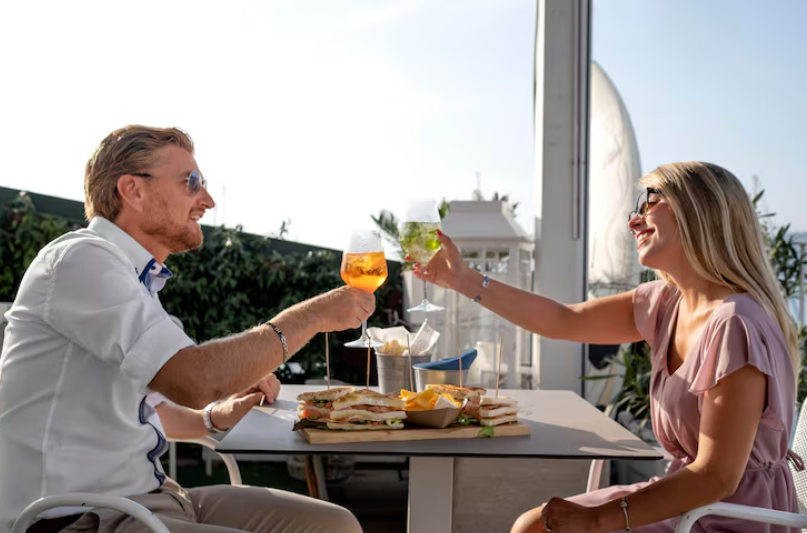
In the world of luxury travel and refined lifestyle experiences, few settings rival the allure of rooftop dining. Elevated above historic streets, iconic skylines, and breathtaking landscapes, Europe’s finest rooftop restaurants offer more than exceptional cuisine—they provide an immersive sensory experience where gastronomy meets panoramic beauty.
For executives, global travelers, and discerning diners, these destinations present an opportunity to combine sophisticated dining with unforgettable views. From the romantic skyline of Paris to the coastal charm of the Mediterranean, Europe’s rooftop venues redefine what it means to dine in style.
Paris, France: Dining Above the City of Light
Paris is synonymous with elegance, and its rooftop dining scene reflects this reputation. Venues such as Le Ciel de Paris and Perruche offer sweeping views of landmarks like the Eiffel Tower and the Seine River.
These restaurants combine contemporary French cuisine with refined ambiance, making them ideal for both intimate dinners and high-level business engagements. The ability to enjoy world-class gastronomy while overlooking one of the most iconic cities in the world creates a truly elevated experience.
Rome, Italy: Timeless Views with Culinary Excellence
Rome’s rooftop restaurants provide a unique blend of history and modern luxury. Dining above the Eternal City allows guests to take in views of ancient monuments, domed churches, and vibrant piazzas.
Establishments such as Aroma Restaurant offer Michelin-starred cuisine paired with unparalleled views of the Colosseum. The combination of heritage and innovation makes Rome a standout destination for rooftop dining.
Barcelona, Spain: Mediterranean Sophistication
Barcelona’s rooftop venues capture the essence of Mediterranean living—relaxed yet refined. With views of the sea, the city’s modernist architecture, and the surrounding hills, these spaces provide a dynamic and visually captivating backdrop.
Restaurants like Terraza Martínez and rooftop lounges at luxury hotels offer a blend of local flavors, fresh seafood, and expertly crafted cocktails, all set against the vibrant energy of the city.
London, United Kingdom: Urban Chic with Iconic Skylines
London’s skyline is a striking mix of historic and contemporary architecture, making it an ideal setting for rooftop dining. Venues such as Sky Garden and Aqua Shard provide panoramic views that stretch across the Thames and beyond.
These destinations are known for their sophisticated menus and stylish interiors, attracting a clientele that values both culinary excellence and design-forward environments.
Athens, Greece: Dining with a View of Antiquity
Athens offers one of the most unique rooftop dining experiences in Europe, where ancient history meets modern gastronomy. Many rooftop restaurants provide direct views of the Acropolis, illuminated beautifully at night.
This juxtaposition of past and present creates an atmosphere that is both inspiring and memorable, making Athens a must-visit destination for those seeking culturally rich dining experiences.
Zurich, Switzerland: Refined Alpine Perspectives
Zurich’s rooftop dining scene combines Swiss precision with understated luxury. Overlooking the city’s historic center, Lake Zurich, and the surrounding mountains, these venues offer a tranquil yet sophisticated environment.
With a focus on high-quality ingredients and impeccable service, Zurich’s rooftop restaurants appeal to those who appreciate subtle elegance and attention to detail.
Lisbon, Portugal: Elevated Views of the Atlantic
Lisbon’s hills provide natural vantage points that make rooftop dining particularly spectacular. Overlooking the Tagus River and the Atlantic Ocean, the city’s rooftop venues offer a warm and inviting atmosphere.
Restaurants such as Park and Seen Lisboa combine contemporary design with vibrant culinary offerings, creating spaces that are both stylish and approachable.
What Defines a World-Class Rooftop Dining Experience?
While the views are a defining feature, several key elements contribute to an exceptional rooftop dining experience:
- High-quality, innovative cuisine
- Seamless service and attention to detail
- Thoughtful design and ambiance
- Prime location with unobstructed views
- A curated beverage program, including fine wines and signature cocktails
These components ensure that the experience is not only visually stunning but also gastronomically satisfying.
The Strategic Appeal for Business and Leisure
Rooftop dining venues are increasingly becoming preferred locations for business meetings, client entertainment, and corporate celebrations. The combination of privacy, ambiance, and visual impact creates an environment conducive to meaningful conversations and lasting impressions.
For leisure travelers, these destinations offer a memorable way to experience a city from a new perspective—literally and figuratively.
Final Thoughts
Europe’s finest rooftop dining destinations represent the perfect convergence of cuisine, culture, and scenery. They elevate the dining experience beyond the plate, offering moments that engage all the senses.
Whether overlooking historic landmarks, vibrant cityscapes, or serene coastlines, these venues provide a sophisticated setting for both personal and professional occasions. For those seeking to combine exceptional food with unforgettable views, Europe’s rooftops deliver an experience that is truly unparalleled.
Stay Connected for More Travel and Lifestyle Inspiration. For more insights into travel, culture, and lifestyle tips, follow me on @salvadorordorica. If you’re seeking professional translation and localization services to enhance your global ventures, visit The Spanish Group — your trusted partner in bridging cultures worldwide.

by Dulce Navarro | Apr 2, 2026 | Europe, Experiences, Fashion, holiday, Lifestyle, Luxury, Shopping, Traditions, Travel, VIP
Europe’s Most Sophisticated Christmas Market Destinations
As the holiday season approaches, Europe transforms into a landscape of festive elegance, where centuries-old traditions meet refined cultural experiences. While many Christmas markets attract large crowds with their vibrant energy, there exists a more sophisticated side of these seasonal gatherings—destinations that offer charm, exclusivity, and a heightened sense of artistry.
For discerning travelers and corporate leaders seeking inspiration, Europe’s most refined Christmas markets provide not only a celebration of the season but also an opportunity to experience culture, craftsmanship, and hospitality at the highest level.
Vienna, Austria: Imperial Elegance
Vienna’s Christmas markets are synonymous with grandeur and tradition. Set against the backdrop of imperial architecture, such as Rathausplatz and Schönbrunn Palace, these markets exude a sense of sophistication that reflects the city’s rich cultural heritage.
Visitors can enjoy finely crafted ornaments, artisanal gifts, and gourmet delicacies while surrounded by classical music and elegantly designed stalls. The attention to detail and historical ambiance make Vienna a premier destination for a refined holiday experience.
Strasbourg, France: The Capital of Christmas
Strasbourg is often referred to as the “Capital of Christmas,” and for good reason. Its market, one of the oldest in Europe, dates back to the 16th century and is renowned for its authenticity and charm.
The city’s half-timbered houses and illuminated streets create a magical setting, while the market itself offers a curated selection of high-quality crafts, regional specialties, and festive décor. Strasbourg’s commitment to tradition ensures a sophisticated yet welcoming atmosphere.
Zurich, Switzerland: Modern Luxury Meets Tradition
Zurich offers a unique blend of contemporary elegance and traditional holiday charm. Its Christmas markets, including the one held inside the main train station, are known for their sleek design and high-end offerings.
From luxury goods to gourmet Swiss chocolates, Zurich’s markets cater to a clientele that values quality and refinement. The city’s impeccable organization and attention to detail further enhance the overall experience.
Munich, Germany: Bavarian Tradition with a Refined Touch
Munich’s Christmas markets combine the warmth of Bavarian tradition with a polished and well-curated presentation. Marienplatz serves as the focal point, where visitors can explore a wide array of artisanal products and culinary delights.
Beyond the main market, smaller themed markets—such as the medieval market—offer unique experiences that maintain a high standard of authenticity and craftsmanship.
Prague, Czech Republic: A Fairytale Setting
Prague’s Christmas markets are set within one of Europe’s most picturesque cities. The Old Town Square and Wenceslas Square provide stunning backdrops for festive stalls adorned with lights and decorations.
The market’s emphasis on traditional crafts and local cuisine, combined with the city’s architectural beauty, creates an enchanting and sophisticated holiday atmosphere.
Bruges, Belgium: Intimate and Enchanting
Bruges offers a more intimate Christmas market experience, characterized by its cobblestone streets and medieval charm. The market is smaller in scale but excels in quality and ambiance.
Visitors can enjoy artisanal chocolates, handcrafted gifts, and a picturesque ice-skating rink, all set within a serene and beautifully preserved historic environment.
Copenhagen, Denmark: Nordic Elegance
Copenhagen’s Tivoli Gardens host one of the most elegant Christmas markets in Northern Europe. The market’s design reflects Scandinavian aesthetics, emphasizing simplicity, warmth, and quality.
With its tasteful decorations, curated stalls, and festive performances, Copenhagen offers a refined yet cozy holiday experience that appeals to modern travelers.
Key Elements of a Sophisticated Christmas Market
What distinguishes these destinations from more commercialized markets is their commitment to excellence in every detail. Key characteristics include:
- High-quality, artisanal products
- Thoughtfully designed stalls and décor
- Authentic cultural traditions
- Gourmet food and beverage offerings
- Elegant and well-organized environments
These elements contribute to an experience that is both festive and refined, allowing visitors to engage with the holiday season in a meaningful and elevated way.
Why Choose a Refined Holiday Experience?
For executives and professionals, time is a valuable resource. Choosing destinations that offer quality over quantity ensures that travel experiences are both enriching and memorable.
Europe’s most sophisticated Christmas markets provide an ideal setting for relaxation, inspiration, and cultural exploration. They also present opportunities for informal networking and meaningful connections in a unique and festive context.
Final Thoughts
Europe’s refined Christmas markets represent the pinnacle of holiday tradition, blending history, artistry, and modern luxury. They offer a distinctive alternative to more crowded and commercialized destinations, allowing travelers to fully appreciate the beauty and significance of the season.
Whether set in imperial cities, medieval towns, or contemporary urban centers, these markets provide unforgettable experiences that capture the essence of a sophisticated European Christmas.
Stay Connected for More Travel and Lifestyle Inspiration. For more insights into travel, culture, and lifestyle tips, follow me on @salvadorordorica. If you’re seeking professional translation and localization services to enhance your global ventures, visit The Spanish Group — your trusted partner in bridging cultures worldwide.
by Dulce Navarro | Apr 2, 2026 | Culture, Europe, Experiences, Hotels, Lifestyle, Luxury, Nature, Travel
Luxury Countryside Estates for Corporate Retreats in Europe
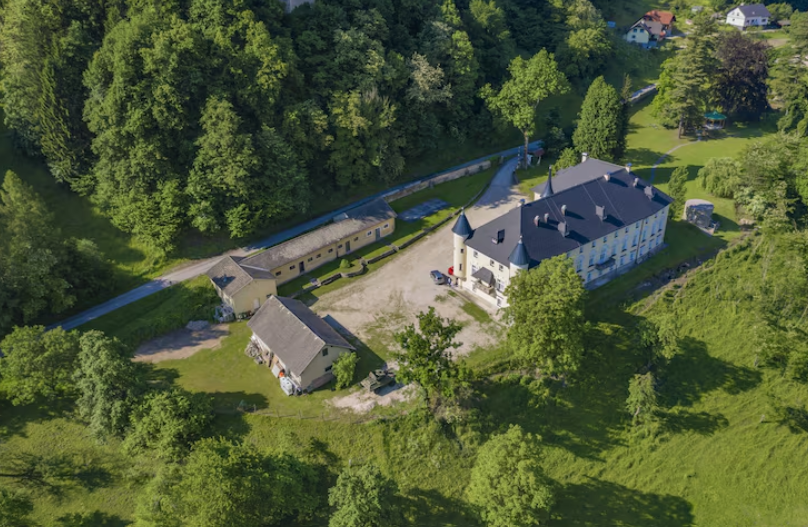
In today’s fast-paced corporate environment, leadership teams are increasingly seeking meaningful ways to disconnect from daily operations and reconnect with strategic vision. One of the most effective approaches is hosting corporate retreats in serene, inspiring settings. Across Europe, luxury countryside estates offer the perfect balance of privacy, sophistication, and functionality—creating ideal environments for high-level collaboration, innovation, and team cohesion.
From historic châteaux in France to elegant villas in Italy and refined manor houses in the English countryside, these estates provide not only exceptional accommodations but also immersive cultural experiences that elevate any corporate gathering.
The Value of Countryside Retreats for Corporate Leadership
Corporate retreats are no longer limited to conference rooms and urban hotels. Today’s executives recognize the importance of environment in shaping productivity and creativity. Countryside estates provide a tranquil backdrop that encourages reflection, strategic thinking, and authentic connection among team members.
These properties often feature expansive grounds, private meeting spaces, and tailored services, allowing organizations to design bespoke experiences that align with their goals—whether focused on leadership development, strategic planning, or team building.
France: Timeless Elegance in Historic Châteaux
France is synonymous with refinement, and its countryside estates exemplify this reputation. Regions such as the Loire Valley and Provence are home to magnificent châteaux that combine architectural grandeur with modern luxury.
These estates often include formal gardens, vineyards, and elegantly restored interiors equipped with contemporary meeting facilities. Hosting a retreat in a French château offers a unique blend of history and sophistication, creating an atmosphere that inspires both creativity and prestige.
Italy: Villas Surrounded by Natural Beauty
Italy’s countryside is renowned for its breathtaking landscapes, from the rolling hills of Tuscany to the serene shores of Lake Como. Luxury villas in these regions provide an intimate and exclusive setting for corporate retreats.
Many Italian estates feature open-air terraces, infinity pools, and panoramic views, making them ideal for both formal sessions and relaxed networking. Culinary experiences, wine tastings, and cultural excursions further enrich the retreat, fostering deeper connections among participants.
United Kingdom: Classic Manor Houses with Modern Comforts
The English countryside offers a collection of stately manor houses that seamlessly blend tradition with modern amenities. These properties are known for their refined interiors, expansive grounds, and impeccable service.
Ideal for executive retreats, manor houses provide a structured yet comfortable environment where teams can focus on strategic objectives while enjoying a sense of exclusivity and heritage.
Spain: Sunlit Estates with Mediterranean Charm
Spain’s countryside estates, particularly in regions like Andalusia and Mallorca, offer a vibrant and relaxed setting for corporate gatherings. These properties combine traditional architecture with contemporary design, creating spaces that are both elegant and inviting.
With abundant sunshine, outdoor meeting areas, and access to cultural experiences, Spanish estates are perfect for fostering creativity and collaboration in a more informal yet refined atmosphere.
Switzerland: Alpine Retreats for Focus and Inspiration
For companies seeking a more secluded and nature-driven experience, Switzerland’s alpine estates provide an exceptional option. Surrounded by mountains and pristine landscapes, these retreats offer unparalleled tranquility and focus.
High-end chalets and countryside lodges are equipped with state-of-the-art facilities, ensuring that productivity is maintained while participants benefit from the restorative power of nature.
Key Features to Consider When Selecting an Estate
When choosing a luxury countryside estate for a corporate retreat, several factors should be taken into account:
- Privacy and exclusivity for confidential discussions
- High-quality meeting and conference facilities
- On-site catering and personalized service
- Accessibility from major transportation hubs
- Opportunities for team-building activities and cultural experiences
Careful consideration of these elements ensures that the retreat not only meets logistical needs but also delivers a meaningful and memorable experience.
The Strategic Advantage of Luxury Retreats
Investing in a high-quality retreat environment signals a commitment to excellence and employee well-being. It creates space for leaders to think beyond immediate challenges and focus on long-term strategy.
Moreover, the shared experience of a thoughtfully curated retreat strengthens relationships, enhances communication, and fosters a sense of alignment that carries forward into everyday operations.
Final Thoughts
Luxury countryside estates in Europe offer more than just beautiful settings—they provide transformative environments where ideas flourish and teams thrive. By stepping away from the distractions of urban life, organizations can unlock new levels of creativity, collaboration, and strategic clarity.
Whether set among vineyards, rolling hills, or alpine landscapes, these estates represent the pinnacle of refined corporate hospitality. For companies aiming to elevate their retreat experience, Europe’s countryside offers a wealth of exceptional options that combine elegance, privacy, and inspiration.
Stay Connected for More Travel and Lifestyle Inspiration. For more insights into travel, culture, and lifestyle tips, follow me on
@salvadorordorica. If you’re seeking professional translation and localization services to enhance your global ventures, visit The Spanish Group — your trusted partner in bridging cultures worldwide.

by Dulce Navarro | Apr 1, 2026 | Europe, Experiences, Landscapes, Lifestyle, Luxury, Travel
Hidden Baroque Cities of Europe Worth Discovering
Europe is renowned for its architectural grandeur, with iconic Baroque landmarks in cities like Rome, Vienna, and Paris drawing millions of visitors each year. However, beyond these well-known destinations lies a collection of lesser-known cities where Baroque artistry flourishes in quieter, equally captivating settings. These hidden gems offer travelers the opportunity to experience ornate design, cultural richness, and historical depth—without the overwhelming crowds.
For discerning travelers seeking authenticity and elegance, exploring Europe’s hidden Baroque cities provides a unique perspective on the continent’s artistic legacy.
Lecce, Italy: The Florence of the South
Nestled in the Apulia region of southern Italy, Lecce is often referred to as the “Florence of the South” due to its stunning Baroque architecture. What sets Lecce apart is its use of local limestone, known as “pietra leccese,” which allows for intricate carvings and decorative flourishes.
The city’s historic center is a masterpiece of Baroque design, featuring landmarks such as the Basilica di Santa Croce and Piazza del Duomo. Walking through Lecce feels like stepping into an open-air museum, where every façade tells a story of artistic ambition and craftsmanship.
Noto, Italy: A Sicilian Baroque Masterpiece
Rebuilt after a devastating earthquake in 1693, Noto stands as one of the finest examples of Sicilian Baroque architecture. Located in southeastern Sicily, the city was meticulously redesigned with symmetry, harmony, and grandeur in mind.
Its golden-hued buildings, wide boulevards, and elegant staircases create a cohesive aesthetic that is both dramatic and refined. The Cathedral of San Nicolò and Palazzo Ducezio are highlights, reflecting the vision of a city reborn through architectural excellence.
Olomouc, Czech Republic: Baroque Elegance Off the Beaten Path
Often overshadowed by Prague, Olomouc offers a rich Baroque experience with far fewer tourists. This historic Moravian city boasts an impressive array of churches, fountains, and monuments that showcase its religious and cultural significance.
The Holy Trinity Column, a UNESCO World Heritage site, is a striking example of Baroque artistry and devotion. Combined with its charming squares and vibrant local life, Olomouc presents a perfect balance of history and authenticity.
Vilnius, Lithuania: The Baroque Jewel of the Baltics
Vilnius is one of Europe’s largest surviving Baroque old towns and a testament to the city’s multicultural heritage. Its skyline is defined by church spires and elaborate façades, reflecting influences from across Central and Eastern Europe.
Key landmarks include St. Peter and St. Paul’s Church, renowned for its intricate interior, and the Vilnius Cathedral. The city’s artistic and intellectual spirit adds another layer of depth to its architectural beauty.
Salzburg, Austria: Beyond the Music
While Salzburg is globally recognized as the birthplace of Mozart, its Baroque architecture is equally deserving of attention. The city’s historic center, a UNESCO World Heritage site, is a harmonious blend of Italian-inspired Baroque design and Alpine charm.
From the grandeur of Salzburg Cathedral to the elegance of Mirabell Palace, the city offers a refined cultural experience. Its compact layout makes it ideal for immersive exploration on foot.
Valldemossa, Spain: A Serene Escape in Mallorca
Tucked away in the Tramuntana mountains of Mallorca, Valldemossa is a tranquil village that embodies understated Baroque beauty. Its historic monastery, cobblestone streets, and traditional stone houses create an atmosphere of timeless elegance.
Although smaller in scale compared to other cities on this list, Valldemossa offers a peaceful retreat where architecture and nature coexist harmoniously.
Why Explore Hidden Baroque Destinations?
Choosing lesser-known Baroque cities allows travelers to experience Europe’s artistic heritage in a more intimate and meaningful way. These destinations often provide:
- Authentic cultural interactions
- Less crowded attractions
- Unique regional variations of Baroque design
- Greater opportunities for exploration and discovery
Moreover, these cities highlight the diversity of Baroque architecture across Europe, from the ornate theatricality of Italy to the refined elegance of Central and Eastern Europe.
Final Thoughts
Europe’s hidden Baroque cities offer a compelling alternative to more conventional travel itineraries. They invite visitors to slow down, appreciate intricate artistry, and connect with history on a deeper level. Whether wandering through Lecce’s sculpted streets or admiring the symmetry of Noto, these destinations reveal the enduring legacy of Baroque design in unexpected places.
For those seeking sophistication, culture, and inspiration, these cities represent some of Europe’s most rewarding travel experiences.
Stay Connected for More Travel and Lifestyle Inspiration. For more insights into travel, culture, and lifestyle tips, follow me on
@salvadorordorica. If you’re seeking professional translation and localization services to enhance your global ventures, visit The Spanish Group — your trusted partner in bridging cultures worldwide.
