
by Dulce Navarro | Jan 7, 2026 | Europe, Experiences, Landscapes, Lifestyle, Luxury, Nature
Private Botanical Experiences in Europe’s Oldest Royal Gardens
Across Europe, royal gardens have long served as living symbols of power, intellect, and aesthetic refinement. Originally designed for monarchs and nobility, these botanical masterpieces were not merely ornamental; they were laboratories of science, diplomacy, and cultural exchange. Today, a select number of these historic gardens offer private botanical experiences that allow discerning travelers rare access to centuries-old landscapes, expert horticultural insight, and the quiet luxury of exclusivity.
From dawn tours through dew-covered parterres to guided explorations with royal gardeners and botanists, these experiences offer a deeper connection to Europe’s botanical heritage—one rooted in history, preservation, and cultivated beauty.
The Legacy of Royal Gardens in Europe
European royal gardens date back to the Renaissance and Baroque periods, when rulers commissioned elaborate landscapes to reflect their authority and taste. Influenced by Italian geometry, French symmetry, and later English naturalism, these gardens were carefully curated statements of prestige.
Beyond aesthetics, many royal gardens functioned as early botanical collections. Exotic plant species gathered through colonial trade routes and diplomatic exchanges were cultivated, studied, and showcased. These gardens became centers of botanical innovation long before public institutions existed.
Private Access: A New Form of Cultural Luxury
While many historic gardens are open to the public, private botanical experiences elevate the visit into something far more intimate and educational. These curated encounters often take place outside public hours and are led by head gardeners, historians, or botanists who possess generational knowledge of the grounds.
Guests may gain access to restricted greenhouses, archival planting records, or rarely opened sections of the gardens. The experience emphasizes quiet immersion rather than spectacle—appealing to travelers who value depth, authenticity, and refinement.
Versailles: Botanical Precision Behind Royal Grandeur
The Gardens of Versailles, designed by André Le Nôtre in the 17th century, represent the pinnacle of formal French garden design. While millions visit annually, private botanical tours reveal a lesser-known narrative behind the symmetry and scale.
Exclusive experiences may include early-morning walks through the parterres before public access, discussions on seasonal planting strategies, and insights into the restoration of centuries-old orange trees housed in the Orangerie. These trees—some over 300 years old—are living artifacts of royal horticulture.
Kew Gardens: Royal Science and Global Discovery
Founded as a royal garden in the 18th century, London’s Kew Gardens stands at the intersection of monarchy and modern botanical science. While now a UNESCO World Heritage Site, its royal origins remain evident in its design and mission.
Private botanical experiences at Kew may include behind-the-scenes access to conservation laboratories, private greenhouse tours, and expert-led discussions on plant preservation and climate research. These encounters highlight how royal patronage helped shape global botanical knowledge.
Schönbrunn Palace Gardens: Imperial Elegance in Vienna
The gardens of Schönbrunn Palace reflect the refined tastes of the Habsburg dynasty. Designed in the Baroque style, the grounds incorporate formal geometry, ornamental fountains, and one of Europe’s oldest zoological gardens.
Private tours often focus on the botanical symbolism embedded within the garden’s design, from medicinal plants cultivated for the imperial court to rare species collected during diplomatic missions. Guests gain insight into how botany supported both health and statecraft.
Italy’s Medici Gardens: Renaissance Botanical Innovation
The Medici family played a critical role in advancing botanical science during the Renaissance. Their gardens in Florence, including the Boboli Gardens, served as experimental spaces where exotic plants were studied and acclimated.
Private botanical experiences here emphasize the intellectual legacy of Renaissance horticulture. Guided tours may explore medicinal gardens, sculptural symbolism, and the Medici family’s influence on modern botanical classification.
What Makes These Experiences Truly Exceptional
Private botanical experiences distinguish themselves through personalization, scholarship, and access. Unlike standard tours, these visits are tailored to the interests of the guest—whether historical, scientific, or aesthetic.
Many experiences include curated refreshments, private transportation within expansive estates, and opportunities to engage directly with the custodians responsible for preserving these landscapes. The result is a refined journey that blends education with quiet luxury.
The Growing Appeal of Botanical Travel
As travelers increasingly seek meaningful and sustainable experiences, botanical tourism has emerged as a sophisticated alternative to traditional sightseeing. Royal gardens offer a sense of continuity, preservation, and calm—qualities especially valued in today’s fast-paced world.
Private access reinforces this appeal, allowing guests to experience these historic landscapes as they were originally intended: serene, contemplative, and exclusive.
Conclusion: Cultivating Cultural Connection Through Nature
Europe’s oldest royal gardens are far more than scenic backdrops; they are living chronicles of history, science, and artistry. Private botanical experiences offer an unparalleled way to engage with these spaces—honoring their past while supporting their future.
For those who value heritage, expertise, and refined travel, these gardens provide a rare opportunity to connect deeply with Europe’s cultural and botanical legacy.
Stay Connected for More Travel and Lifestyle Inspiration. For more insights into travel, culture, and lifestyle tips, follow me on Instagram
@salvadorordorica. If you’re seeking professional translation and localization services to enhance your global ventures, visit The Spanish Group — your trusted partner in bridging cultures worldwide.
by Dulce Navarro | Jan 6, 2026 | Countries, Europe, Experiences, Luxury, Travel
The Ultra-Luxury Resurgence of Old-World Train Stations into Hotels
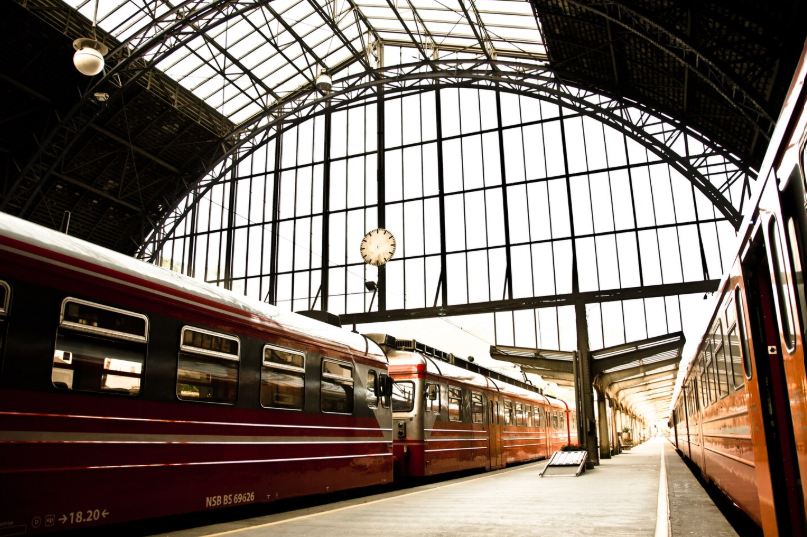
Across Europe and beyond, a remarkable transformation is taking place. Grand train stations—once the beating hearts of industrial-era travel—are being reborn as some of the world’s most exclusive luxury hotels. These architectural icons, defined by soaring ceilings, ornate stonework, and monumental façades, are experiencing a renaissance that blends historical preservation with contemporary indulgence.
For discerning travelers and cultural connoisseurs, the conversion of old-world railway stations into ultra-luxury hotels represents far more than adaptive reuse. It reflects a deeper desire for immersive experiences rooted in heritage, craftsmanship, and narrative-driven design. These properties invite guests not only to stay overnight, but to inhabit history.
From Gateways of Progress to Destinations of Leisure
In the 19th and early 20th centuries, train stations symbolized progress, mobility, and national pride. They were designed as monumental civic spaces, often rivaling cathedrals in scale and detail. As travel patterns evolved and many historic stations became obsolete or underutilized, cities were faced with a critical question: preserve or replace?
The answer, increasingly, has been reinvention. Developers and heritage architects have recognized that these structures possess irreplaceable character—an authenticity impossible to replicate in new construction. By transforming stations into hotels, cities preserve their architectural legacy while creating economically and culturally vibrant destinations.
Architectural Grandeur Meets Contemporary Luxury
The defining challenge of station-to-hotel conversions lies in balancing preservation with modern comfort. Vast concourses become dramatic lobbies, original clock towers are restored as signature design elements, and former platforms are reimagined as restaurants, gardens, or wellness spaces.
Ultra-luxury brands approach these projects with a philosophy of reverence rather than reinvention. Original materials—stone, iron, marble, and stained glass—are meticulously restored, while modern interventions are intentionally understated. The result is an atmosphere that feels timeless, where historical integrity enhances rather than limits contemporary hospitality.
Europe’s Leading Examples of Station-to-Hotel Transformations
Europe has emerged as the epicenter of this architectural revival. In Paris, London, Madrid, and Milan, former railway landmarks have been reborn as five-star and ultra-luxury properties that attract global travelers.
These hotels often feature grand suites overlooking former track areas, fine-dining restaurants housed in vaulted halls, and spas integrated into spaces once designed for transit. Guests are offered an experience that is both theatrical and intimate—sleeping within walls that once welcomed royalty, artists, and heads of state.
The Emotional Appeal of Travel Nostalgia
The resurgence of railway hotels speaks to a broader emotional shift in luxury travel. Modern travelers increasingly seek experiences that evoke nostalgia, romance, and a sense of continuity with the past. Train stations, long associated with departures, reunions, and the poetry of travel, carry a unique emotional resonance.
Staying in a former station allows guests to participate in this narrative. The echo of footsteps beneath vaulted ceilings and the presence of historic clocks subtly connect visitors to a slower, more intentional era of travel—one defined by elegance rather than urgency.
Luxury Hospitality as Cultural Stewardship
These conversions also represent a new model of cultural stewardship. Rather than isolating heritage buildings as museums, developers are integrating them into daily life through hospitality. Guests engage with history not as passive observers, but as participants.
Many properties collaborate with local historians, artisans, and cultural institutions to ensure authenticity. From curated exhibitions in former waiting rooms to bespoke tours exploring the building’s original function, these hotels serve as living archives of urban history.
A New Benchmark for Sustainable Luxury
Repurposing existing structures aligns seamlessly with the growing emphasis on sustainability in luxury travel. Adaptive reuse significantly reduces the environmental impact associated with new construction while preserving cultural capital.
Leading station hotels incorporate energy-efficient systems, sustainable materials, and local sourcing, demonstrating that environmental responsibility and ultra-luxury are not mutually exclusive. For modern travelers, this combination adds meaningful value to the experience.
The Future of Historic Travel Infrastructure
As cities continue to reassess their historic infrastructure, the transformation of train stations into hotels is likely to accelerate. These projects require significant investment and vision, but the rewards—architectural preservation, tourism growth, and cultural enrichment—are substantial.
For travelers, these hotels offer a rare opportunity to experience history through comfort, design, and service. They redefine luxury not as excess, but as depth, context, and connection.
Where History Becomes the Ultimate Luxury
The ultra-luxury resurgence of old-world train stations into hotels reflects a broader evolution in how we travel and why we travel. It is a celebration of craftsmanship, memory, and place—an invitation to slow down and appreciate the artistry of both past and present.
In these grand halls reborn, history does not stand still. It welcomes guests, pours champagne beneath restored arches, and reminds us that the most meaningful luxury experiences are those rooted in story and soul.
Stay Connected for More Travel and Lifestyle Inspiration.
For more insights into travel, culture, and lifestyle tips, follow me on Instagram @salvadorordorica. If you’re seeking professional translation and localization services to enhance your global ventures, visit The Spanish Group — your trusted partner in bridging cultures worldwide.
by Dulce Navarro | Jan 6, 2026 | Europe, Experiences, Food, Restaurant
Master Chocolatiers of Europe: Private Workshopping for Gourmet Travelers
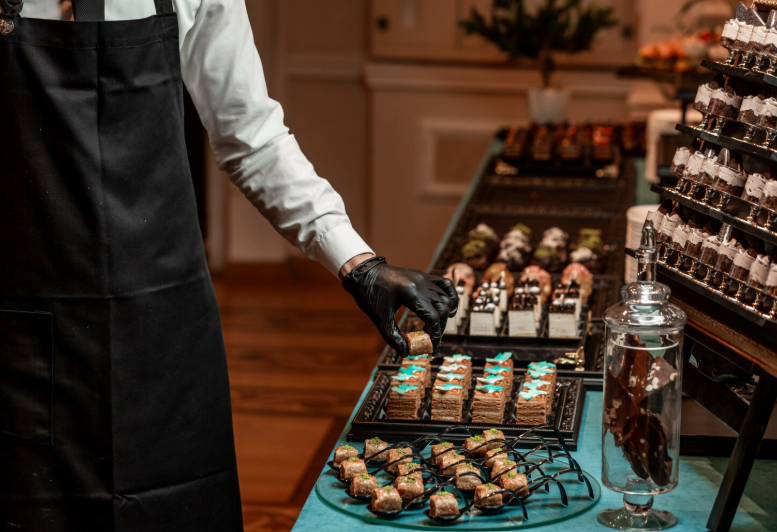
Europe has long been regarded as the spiritual home of fine chocolate, where centuries-old traditions meet modern artistry. From the refined salons of Paris to the discreet ateliers of Brussels and the alpine workshops of Switzerland, master chocolatiers continue to elevate chocolate from a confection to an art form. For the discerning gourmet traveler, a new category of luxury experience has emerged: private chocolate workshops led by Europe’s most celebrated chocolatiers.
These intimate, invitation-only sessions offer far more than a tasting. They provide privileged access to creative processes, rare ingredients, and expert techniques typically reserved for apprentices and industry insiders. For travelers seeking depth, authenticity, and exclusivity, private chocolate workshopping represents a refined way to engage with Europe’s culinary heritage.
The Rise of Experiential Gastronomy
Luxury travel has shifted decisively toward experiences that are immersive, educational, and emotionally resonant. Today’s gourmet travelers are not satisfied with merely consuming fine products; they want to understand their origins, craftsmanship, and cultural significance. Chocolate, with its global supply chains and deeply European refinement, offers a compelling narrative.
Private chocolate workshops respond to this demand by blending gastronomy, storytelling, and hands-on learning. Guests may explore the journey from cacao bean to finished bonbon, study regional flavor profiles, or even create bespoke chocolates under the guidance of a master chocolatier. These experiences are often hosted in closed-door ateliers, historic kitchens, or private salons far removed from public retail spaces.
France: Precision, Elegance, and Innovation
France’s chocolatiers are renowned for their technical precision and artistic presentation. In Paris and the surrounding regions, private workshops are often led by Meilleurs Ouvriers de France or chocolatiers who supply royal households and Michelin-starred restaurants.
A private session in France may include tempering techniques, ganache formulation, and the philosophy behind balancing bitterness, sweetness, and texture. Guests are often invited to create personalized flavor combinations using rare spices, single-origin cacao, or locally sourced ingredients such as lavender, hazelnut, or sea salt from the Atlantic coast.
These workshops emphasize discipline and finesse, reflecting France’s broader culinary ethos. They are ideal for travelers who appreciate structure, elegance, and intellectual engagement with gastronomy.
Belgium: Heritage and Depth of Flavor
Belgium’s reputation as a chocolate capital is built on generations of craftsmanship and an unwavering commitment to quality. Private chocolate workshops in Brussels, Bruges, or Antwerp often take place in family-run ateliers that have perfected their techniques over decades.
Here, gourmet travelers gain insight into praline development, filling techniques, and the historical evolution of Belgian chocolate. Workshops frequently highlight the importance of cacao sourcing and roasting profiles, offering tastings that compare beans from different regions of Africa, Latin America, and Southeast Asia.
Belgian workshops tend to be deeply educational, appealing to travelers who value tradition, authenticity, and a strong sense of culinary lineage.
Switzerland: Technical Mastery and Alpine Influence
Switzerland is synonymous with chocolate innovation, particularly in milk chocolate and texture refinement. Private workshops here often combine technical demonstrations with sensory exploration, showcasing how altitude, climate, and dairy quality influence flavor and mouthfeel.
In exclusive alpine settings or discreet urban labs, guests may learn about conching times, fat crystallization, and the science behind smoothness. Swiss chocolatiers are known for their methodical approach, making these workshops particularly appealing to travelers with an interest in food science and precision craftsmanship.
Beyond Chocolate: Cultural Context and Personalization
What truly distinguishes private chocolate workshops is the level of personalization they offer. Sessions are often tailored to the interests of the guests, whether that means focusing on vegan chocolate, sugar reduction, pairing chocolate with wine or spirits, or creating gifts for special occasions.
Many workshops also incorporate cultural storytelling, connecting chocolate to European history, colonial trade routes, and evolving consumer values. This broader context transforms the experience from a culinary activity into a cultural journey.
For corporate leaders, entrepreneurs, and high-net-worth travelers, these workshops provide a refined environment for networking, reflection, and creative inspiration.
Planning a Private Chocolate Workshop Experience
Access to Europe’s top chocolatiers typically requires advance planning and trusted local connections. Many workshops are available by appointment only and may require introductions through luxury travel advisors, concierge services, or culinary networks.
When planning, travelers should consider group size, language preferences, duration, and whether the workshop includes take-home creations or private tastings. Some experiences can be integrated into broader culinary itineraries, pairing chocolate workshops with winery visits, fine dining, or cultural tours.
A Refined Indulgence for the Modern Gourmet Traveler
Private chocolate workshopping in Europe represents a sophisticated evolution of luxury travel—one that values knowledge, craftsmanship, and meaningful engagement. It allows travelers not only to taste exceptional chocolate, but to participate in its creation and understand the artistry behind it.
For those who seek experiences that are both indulgent and intellectually enriching, Europe’s master chocolatiers offer a rare and memorable gateway into one of the continent’s most beloved culinary traditions.
Stay Connected for More Travel and Lifestyle Inspiration.
For more insights into travel, culture, and lifestyle tips, follow me on Instagram @salvadorordorica. If you’re seeking professional translation and localization services to enhance your global ventures, visit The Spanish Group — your trusted partner in bridging cultures worldwide.

by Dulce Navarro | Jan 5, 2026 | Countries, Culture, Europe, Experiences, Landscapes, Lifestyle, Travel
Historic Restoration Tourism: Stay in Properties Being Brought Back to Life
In an era where travelers increasingly seek meaningful, immersive experiences, historic restoration tourism has emerged as one of the most compelling trends in luxury and cultural travel. Rather than staying in modern hotels disconnected from their surroundings, discerning travelers are choosing properties with stories — centuries-old estates, palaces, monasteries, and heritage homes that are being carefully restored and returned to their former glory.
These stays offer more than accommodation. They provide a living connection to the past, allowing guests to inhabit history while enjoying contemporary comforts. Historic restoration tourism is redefining luxury by blending authenticity, sustainability, and craftsmanship, offering travelers a deeper sense of place and purpose.
The Rise of Historic Restoration Tourism
Historic restoration tourism has grown in response to a global shift toward experiential travel. Today’s high-end traveler values originality, cultural depth, and exclusivity — qualities that restored heritage properties naturally provide. From medieval castles in France to Renaissance villas in Italy and colonial haciendas in Latin America, these properties attract guests who want to experience history firsthand.
Governments, private investors, and preservation foundations have also recognized the economic and cultural value of restoring historic buildings. By transforming abandoned or deteriorating landmarks into viable hospitality destinations, restoration tourism creates jobs, revitalizes local economies, and ensures that architectural heritage is preserved for future generations.
What Makes a Restored Historic Property Unique
Staying in a restored historic property is fundamentally different from traditional luxury accommodation. Each space reflects layers of history — original stone walls, hand-carved woodwork, antique frescoes, and architectural details that modern construction cannot replicate.
At the same time, these properties are thoughtfully adapted to meet modern expectations. Climate control, refined lighting, high-quality bedding, and discreet technology are seamlessly integrated to ensure comfort without compromising authenticity. The result is a harmonious balance between past and present.
Guests are often immersed in the story of the property itself. Many restorations include guided tours, archives, or curated storytelling that explain the building’s origins, former inhabitants, and the restoration process — transforming the stay into an educational and emotional experience.
Luxury Meets Preservation
Luxury in historic restoration tourism is not defined by excess, but by craftsmanship, rarity, and intention. These properties often feature locally sourced materials, traditional building techniques, and collaborations with artisans to maintain historical accuracy.
From hand-restored tapestries to custom furniture inspired by original designs, every detail reflects a commitment to preservation. Guests appreciate the authenticity and the knowledge that their stay directly contributes to safeguarding cultural heritage.
Many restored properties also emphasize sustainability. Reusing existing structures significantly reduces environmental impact, while restoration projects often incorporate energy-efficient systems and conservation-focused practices.
Global Destinations Leading the Movement
Europe remains at the forefront of historic restoration tourism. France’s châteaux, Spain’s paradores, and Italy’s converted monasteries exemplify how historic properties can be transformed into refined hospitality experiences without losing their soul.
Beyond Europe, the movement continues to expand. In Mexico, restored haciendas offer insight into colonial history and regional craftsmanship. In Asia, ancient palaces and courtyard homes are being revived as boutique retreats, blending tradition with understated luxury.
Each destination brings its own cultural narrative, allowing travelers to explore history through architecture, cuisine, and local traditions.
The Emotional Value of Staying in History
One of the most powerful aspects of historic restoration tourism is its emotional resonance. Guests are not simply observing history — they are participating in it. Waking up in a centuries-old room, dining in halls once reserved for nobility, or walking grounds shaped by generations before creates a profound sense of continuity.
These experiences foster reflection and appreciation for the craftsmanship, resilience, and cultural legacy that define human history. For many travelers, this emotional depth transforms a trip into a lasting memory.
A New Standard for Meaningful Travel
As travel becomes more intentional, historic restoration tourism represents a new standard for meaningful luxury. It aligns comfort with conscience, indulgence with education, and exclusivity with preservation.
For company directors, entrepreneurs, and global citizens, these properties offer environments conducive to inspiration, reflection, and connection — spaces where history informs modern vision.
Conclusion
Historic restoration tourism is more than a trend; it is a movement redefining how we travel, experience luxury, and engage with the past. By staying in properties being brought back to life, travelers become stewards of heritage while enjoying unparalleled authenticity and refinement.
Stay Connected for More Travel and Lifestyle Inspiration. For more insights into travel, culture, and lifestyle tips, follow me on Instagram
@salvadorordorica. If you’re seeking professional translation and localization services to enhance your global ventures, visit The Spanish Group — your trusted partner in bridging cultures worldwide.

by Dulce Navarro | Jan 2, 2026 | Europe, Experiences, Lifestyle, Travel
Private Grand Prix Weekends: Behind the Scenes with Europe’s Racing Elite
Formula 1 Grand Prix weekends are among the most glamorous and high-energy events in the world.
For most spectators, the experience is limited to grandstand seats and televised coverage.
However, for Europe’s racing elite—team owners, private investors, global executives, and
high-net-worth enthusiasts—the Grand Prix unfolds in an entirely different dimension.
Private Grand Prix weekends offer exclusive access to the inner circle of motorsport, where
luxury hospitality, strategic networking, and behind-the-scenes insight converge. From
private paddock access to curated yacht experiences and invitation-only afterparties,
these weekends are carefully orchestrated to deliver both adrenaline and prestige.
The Anatomy of a Private Grand Prix Experience
A private Grand Prix weekend begins long before race day. Elite guests are typically invited
through team affiliations, luxury hospitality partners, or private members’ clubs.
Travel arrangements are seamless, often involving chartered flights, helicopter transfers,
and VIP ground transportation directly to the circuit.
Accommodations are equally refined. Guests may stay in five-star hotels, private villas, or
superyachts docked near iconic circuits such as Monaco, Silverstone, or Monza.
Every detail is curated to ensure privacy, comfort, and proximity to the action.
Paddock Access and Team-Level Insight
One of the defining elements of a private Grand Prix weekend is access to the paddock—Formula 1’s
most restricted area. Here, guests observe the intricate choreography of race preparation,
from engineering briefings to last-minute adjustments on the grid.
Private hosts often arrange meet-and-greets with drivers, team principals, and engineers,
offering rare insight into race strategy, performance analytics, and the technological innovation
that defines modern motorsport. For business leaders, these conversations often parallel
high-performance principles found in their own industries.
Luxury Hospitality Suites and Trackside Dining
Hospitality during private Grand Prix weekends rivals that of the world’s finest luxury resorts.
Trackside suites provide panoramic views of the circuit, while Michelin-level dining,
premium champagne, and bespoke cocktails elevate the experience.
Many elite guests rotate between hospitality lounges, team suites, and sponsor villas
throughout the weekend. These spaces are not only social hubs but also strategic environments
for networking, deal-making, and strengthening international relationships.
Monaco: The Pinnacle of Private Racing Culture
Nowhere is the private Grand Prix experience more iconic than Monaco. The Principality transforms
into a floating luxury enclave during race weekend, with superyachts lining the harbor and
private terraces overlooking the circuit.
Guests enjoy yacht-side race viewing, exclusive harbor events, and invitation-only soirées hosted
by luxury brands and private collectors. In Monaco, the Grand Prix is as much a social and
cultural event as it is a sporting spectacle.
After-Hours Access: Where Racing Meets Nightlife
When the checkered flag falls, private Grand Prix weekends continue well into the night.
Exclusive afterparties are hosted in historic palaces, private villas, or aboard yachts,
featuring internationally renowned DJs, live performances, and discreet security.
These gatherings are carefully curated, ensuring a balance between celebration and privacy.
For Europe’s elite, these moments offer rare opportunities to connect outside the formal
structure of race day, fostering relationships that often extend far beyond the circuit.
Why Executives Are Drawn to Private Grand Prix Weekends
Beyond luxury and excitement, private Grand Prix weekends appeal to executives for their
alignment with performance, precision, and innovation. Formula 1 embodies strategic thinking,
rapid decision-making, and elite teamwork—values that resonate deeply with business leaders.
Many executives use these weekends as platforms for client entertainment, partnership
development, and global networking. The shared intensity of race weekend creates a powerful
environment for building trust and long-term professional relationships.
The Future of Elite Motorsports Hospitality
As Formula 1 continues to expand globally, private Grand Prix experiences are evolving to meet
rising demand for personalization and exclusivity. Sustainability initiatives, immersive digital
experiences, and enhanced privacy measures are shaping the next generation of elite race weekends.
Europe remains at the heart of this evolution, offering historic circuits, refined hospitality,
and a cultural legacy that few regions can rival. For those seeking unparalleled access to the
world of elite motorsport, private Grand Prix weekends remain the ultimate expression of racing luxury.
Stay Connected for More Travel and Lifestyle Inspiration.
For more insights into travel, culture, and lifestyle tips, follow me on @salvadorordorica. If you’re seeking professional translation and localization services to enhance your global ventures, visit The Spanish Group — your trusted partner in bridging cultures worldwide.

by Dulce Navarro | Dec 30, 2025 | Culture, Europe, Experiences, Languages, Lifestyle, Traditions, Translations
Luxury Bespoke Tutoring: Where Executives Study Europe’s Ancient Languages
In an era defined by speed, innovation, and constant connectivity, an unexpected trend is emerging among Europe’s most accomplished executives: a return to ancient languages. Latin, Ancient Greek, Classical Hebrew, and Old Church Slavonic are no longer confined to academic halls. Instead, they are being rediscovered through luxury bespoke tutoring programs tailored specifically for high-level professionals.
For today’s global leaders, studying Europe’s ancient languages is not merely an intellectual pursuit. It is a strategic investment in cultural literacy, cognitive development, and personal enrichment — delivered through highly personalized, discreet, and exclusive educational experiences.
The Intellectual Appeal of Ancient Languages
Ancient languages offer a direct gateway into the foundations of European civilization. Latin shaped modern legal systems and Romance languages, Ancient Greek laid the groundwork for philosophy and science, and classical texts continue to influence leadership, ethics, and governance.
Executives drawn to these studies often cite the desire to think more precisely, communicate with greater depth, and engage with original source material rather than modern interpretations. The mental discipline required to master an ancient language enhances analytical thinking, memory, and problem-solving — skills essential at the executive level.
Bespoke Tutoring for the Modern Executive
Luxury bespoke tutoring differs fundamentally from traditional language instruction. These programs are designed around the executive’s schedule, learning style, and personal objectives. Lessons are often conducted one-on-one, either in private residences, exclusive clubs, historic libraries, or via secure digital platforms for those who travel frequently.
Tutors are typically scholars with advanced degrees from prestigious European institutions, many of whom have experience teaching diplomats, CEOs, and public figures. Instruction is adapted to align with each client’s interests — whether that is reading Cicero in the original Latin, studying Aristotle’s works in Ancient Greek, or exploring medieval manuscripts.
Where These Studies Take Place
Europe offers a uniquely rich setting for studying ancient languages. In Rome and Florence, executives immerse themselves in Latin while surrounded by the remnants of the Roman Empire. In Athens, Ancient Greek is taught in proximity to the philosophical landmarks that shaped Western thought.
Other popular destinations include Oxford and Cambridge for classical studies, monasteries in France and Spain for medieval Latin, and private estates or alpine retreats that combine intellectual focus with privacy and comfort. These environments elevate the learning experience, blending scholarship with refined living.
A Symbol of Cultural Capital
For Europe’s elite, mastery of an ancient language represents more than knowledge — it signals cultural capital. It reflects a commitment to lifelong learning, intellectual sophistication, and an appreciation for heritage. In many circles, discussing original texts or inscriptions carries a quiet prestige that aligns with leadership and influence.
This pursuit also reinforces global credibility. Executives operating across borders benefit from a deeper understanding of Europe’s historical narratives, legal traditions, and philosophical roots, allowing them to navigate international relationships with greater nuance.
Privacy, Exclusivity, and Discretion
A defining feature of luxury bespoke tutoring is discretion. Programs are often arranged confidentially, with strict privacy protocols. Tutors sign non-disclosure agreements, and sessions are conducted away from public attention.
This level of exclusivity ensures that high-profile individuals can engage fully in their studies without intrusion. Whether learning during a private retreat or while aboard a yacht in the Mediterranean, education becomes a seamless extension of an elite lifestyle.
The Cognitive and Strategic Benefits
Beyond cultural enrichment, studying ancient languages offers tangible cognitive benefits. Research consistently shows that language learning improves executive function, mental flexibility, and long-term cognitive health. For leaders making complex decisions daily, these benefits are particularly valuable.
Ancient languages also encourage patience and precision. Unlike modern conversational languages, they require careful analysis of structure, context, and meaning — reinforcing habits of thoughtful leadership and strategic clarity.
The Future of Elite Education
As education becomes increasingly commoditized, luxury bespoke tutoring represents a return to deeply personalized learning. For executives seeking distinction beyond conventional credentials, ancient language study offers a rare combination of intellectual rigor, cultural depth, and exclusivity.
This trend suggests a broader evolution in elite education — one that values timeless knowledge alongside modern innovation. In a fast-moving world, Europe’s ancient languages provide grounding, perspective, and enduring relevance.
Conclusion
Luxury bespoke tutoring in Europe’s ancient languages reflects a refined approach to personal and professional development. For today’s executives, these studies offer more than academic insight — they cultivate sharper thinking, deeper cultural understanding, and a lasting intellectual legacy.
As this movement grows, it reaffirms that true luxury is not only found in material comfort, but in knowledge, heritage, and the pursuit of excellence across generations.
Stay Connected for More Travel and Lifestyle Inspiration.
For more insights into travel, culture, and lifestyle tips, follow me on Instagram @salvadorordorica. If you’re seeking professional translation and localization services to enhance your global ventures, visit The Spanish Group — your trusted partner in bridging cultures worldwide.
