
by Dulce Navarro | Dec 30, 2025 | Culture, Europe, Experiences, Languages, Lifestyle, Traditions, Translations
Luxury Bespoke Tutoring: Where Executives Study Europe’s Ancient Languages
In an era defined by speed, innovation, and constant connectivity, an unexpected trend is emerging among Europe’s most accomplished executives: a return to ancient languages. Latin, Ancient Greek, Classical Hebrew, and Old Church Slavonic are no longer confined to academic halls. Instead, they are being rediscovered through luxury bespoke tutoring programs tailored specifically for high-level professionals.
For today’s global leaders, studying Europe’s ancient languages is not merely an intellectual pursuit. It is a strategic investment in cultural literacy, cognitive development, and personal enrichment — delivered through highly personalized, discreet, and exclusive educational experiences.
The Intellectual Appeal of Ancient Languages
Ancient languages offer a direct gateway into the foundations of European civilization. Latin shaped modern legal systems and Romance languages, Ancient Greek laid the groundwork for philosophy and science, and classical texts continue to influence leadership, ethics, and governance.
Executives drawn to these studies often cite the desire to think more precisely, communicate with greater depth, and engage with original source material rather than modern interpretations. The mental discipline required to master an ancient language enhances analytical thinking, memory, and problem-solving — skills essential at the executive level.
Bespoke Tutoring for the Modern Executive
Luxury bespoke tutoring differs fundamentally from traditional language instruction. These programs are designed around the executive’s schedule, learning style, and personal objectives. Lessons are often conducted one-on-one, either in private residences, exclusive clubs, historic libraries, or via secure digital platforms for those who travel frequently.
Tutors are typically scholars with advanced degrees from prestigious European institutions, many of whom have experience teaching diplomats, CEOs, and public figures. Instruction is adapted to align with each client’s interests — whether that is reading Cicero in the original Latin, studying Aristotle’s works in Ancient Greek, or exploring medieval manuscripts.
Where These Studies Take Place
Europe offers a uniquely rich setting for studying ancient languages. In Rome and Florence, executives immerse themselves in Latin while surrounded by the remnants of the Roman Empire. In Athens, Ancient Greek is taught in proximity to the philosophical landmarks that shaped Western thought.
Other popular destinations include Oxford and Cambridge for classical studies, monasteries in France and Spain for medieval Latin, and private estates or alpine retreats that combine intellectual focus with privacy and comfort. These environments elevate the learning experience, blending scholarship with refined living.
A Symbol of Cultural Capital
For Europe’s elite, mastery of an ancient language represents more than knowledge — it signals cultural capital. It reflects a commitment to lifelong learning, intellectual sophistication, and an appreciation for heritage. In many circles, discussing original texts or inscriptions carries a quiet prestige that aligns with leadership and influence.
This pursuit also reinforces global credibility. Executives operating across borders benefit from a deeper understanding of Europe’s historical narratives, legal traditions, and philosophical roots, allowing them to navigate international relationships with greater nuance.
Privacy, Exclusivity, and Discretion
A defining feature of luxury bespoke tutoring is discretion. Programs are often arranged confidentially, with strict privacy protocols. Tutors sign non-disclosure agreements, and sessions are conducted away from public attention.
This level of exclusivity ensures that high-profile individuals can engage fully in their studies without intrusion. Whether learning during a private retreat or while aboard a yacht in the Mediterranean, education becomes a seamless extension of an elite lifestyle.
The Cognitive and Strategic Benefits
Beyond cultural enrichment, studying ancient languages offers tangible cognitive benefits. Research consistently shows that language learning improves executive function, mental flexibility, and long-term cognitive health. For leaders making complex decisions daily, these benefits are particularly valuable.
Ancient languages also encourage patience and precision. Unlike modern conversational languages, they require careful analysis of structure, context, and meaning — reinforcing habits of thoughtful leadership and strategic clarity.
The Future of Elite Education
As education becomes increasingly commoditized, luxury bespoke tutoring represents a return to deeply personalized learning. For executives seeking distinction beyond conventional credentials, ancient language study offers a rare combination of intellectual rigor, cultural depth, and exclusivity.
This trend suggests a broader evolution in elite education — one that values timeless knowledge alongside modern innovation. In a fast-moving world, Europe’s ancient languages provide grounding, perspective, and enduring relevance.
Conclusion
Luxury bespoke tutoring in Europe’s ancient languages reflects a refined approach to personal and professional development. For today’s executives, these studies offer more than academic insight — they cultivate sharper thinking, deeper cultural understanding, and a lasting intellectual legacy.
As this movement grows, it reaffirms that true luxury is not only found in material comfort, but in knowledge, heritage, and the pursuit of excellence across generations.
Stay Connected for More Travel and Lifestyle Inspiration.
For more insights into travel, culture, and lifestyle tips, follow me on Instagram @salvadorordorica. If you’re seeking professional translation and localization services to enhance your global ventures, visit The Spanish Group — your trusted partner in bridging cultures worldwide.

by Dulce Navarro | Dec 30, 2025 | Europe, Experiences, Lifestyle, Luxury, Travel
The Rise of Philanthropic Travel Among Europe’s Luxury Elite
Luxury travel in Europe is undergoing a profound transformation. While opulence, exclusivity, and bespoke experiences remain central to high-end tourism, an increasing number of affluent travelers are seeking journeys that go beyond personal indulgence. This shift has given rise to philanthropic travel — a form of luxury tourism that blends meaningful social impact with refined, immersive experiences.
Among Europe’s elite, travel is no longer solely about five-star accommodations or private transfers. It is about connection, responsibility, and leaving a positive footprint. From heritage conservation projects in Italy to environmental initiatives in Scandinavia, philanthropic travel is redefining what it means to travel well.
A New Definition of Luxury
Traditionally, luxury travel has been associated with exclusivity, privacy, and indulgence. Today, however, the concept of luxury is evolving. For Europe’s high-net-worth individuals, true luxury increasingly lies in authenticity, access, and purpose.
Philanthropic travel allows travelers to engage directly with local communities, cultural institutions, and environmental initiatives while maintaining the highest standards of comfort and personalization. Whether supporting artisan communities in rural France or contributing to marine conservation in the Mediterranean, these experiences offer a deeper sense of fulfillment than conventional tourism.
Why Europe’s Elite Are Embracing Philanthropic Travel
Several factors are driving the rise of philanthropic travel among Europe’s luxury travelers. One of the most significant is a growing sense of global responsibility. Many affluent individuals are increasingly aware of the social and environmental challenges facing the world and are eager to use their resources to contribute meaningfully.
Additionally, philanthropic travel aligns with a broader generational shift in values. Younger members of Europe’s elite families often prioritize sustainability, ethical practices, and cultural preservation. Travel experiences that reflect these values resonate deeply, offering both personal enrichment and a sense of legacy.
Exclusive Experiences with Purpose
Philanthropic travel does not mean sacrificing comfort or exclusivity. On the contrary, many of these experiences are curated with exceptional care. Luxury travelers may gain private access to restoration projects at historic landmarks, attend invitation-only charity galas in iconic European cities, or participate in conservation initiatives guided by leading experts.
In Switzerland and Austria, for example, philanthropic travelers are supporting alpine preservation programs while staying in world-class eco-lodges. In Spain and Portugal, wine estates are offering immersive stays that fund local education and agricultural sustainability initiatives. These journeys combine meaningful engagement with refined living.
The Role of Sustainability and Cultural Preservation
Sustainability is at the heart of philanthropic travel. Europe’s luxury travelers are increasingly mindful of their environmental impact and are choosing destinations and experiences that prioritize conservation and responsible tourism.
Cultural preservation is equally important. Many philanthropic travel programs focus on safeguarding Europe’s rich heritage, from restoring centuries-old architecture to supporting traditional crafts that might otherwise disappear. By participating in these initiatives, travelers contribute directly to preserving the continent’s cultural identity for future generations.
A Personalized and Impactful Approach
One of the defining characteristics of philanthropic travel is its highly personalized nature. Luxury travel advisors now work closely with clients to design itineraries that align with their personal values and philanthropic interests. This bespoke approach ensures that each journey is both impactful and deeply meaningful.
Whether a traveler is passionate about education, environmental conservation, healthcare, or the arts, there are philanthropic travel experiences across Europe tailored to those causes. This customization elevates the travel experience, transforming it into a purposeful endeavor rather than a passive escape.
The Future of Luxury Travel in Europe
As philanthropic travel continues to gain momentum, it is poised to become a defining element of Europe’s luxury tourism landscape. High-end travelers are increasingly seeking experiences that reflect their values, create meaningful connections, and contribute positively to the destinations they visit.
This evolution signals a broader shift within the luxury industry — one where success is measured not only by exclusivity and comfort, but also by impact and integrity. For Europe’s elite, travel has become a powerful platform for positive change.
Conclusion
The rise of philanthropic travel among Europe’s luxury elite reflects a deeper transformation in how travel is perceived and experienced. By blending refinement with responsibility, these journeys offer a new vision of luxury — one rooted in purpose, connection, and lasting impact.
As this trend continues to grow, philanthropic travel will play an increasingly important role in shaping the future of tourism in Europe, inspiring travelers to explore the world not only with curiosity, but with compassion.
Stay Connected for More Travel and Lifestyle Inspiration.
For more insights into travel, culture, and lifestyle tips, follow me on Instagram @salvadorordorica. If you’re seeking professional translation and localization services to enhance your global ventures, visit The Spanish Group — your trusted partner in bridging cultures worldwide.

by Dulce Navarro | Dec 29, 2025 | Countries, Europe, Experiences, Lifestyle, Luxury, Travel
Europe’s Most Exclusive Forest Retreats for High-End Eco Travelers
As luxury travel continues to evolve, a new definition of exclusivity has emerged—one rooted not in excess, but in privacy, sustainability, and a deep connection to nature. Across Europe, forest retreats are redefining high-end travel by combining architectural excellence, environmental responsibility, and immersive natural experiences. For discerning travelers and company directors seeking meaningful escapes, these forest sanctuaries offer a refined balance between indulgence and ecological awareness.
The Rise of High-End Eco Travel
High-end eco travel is no longer a niche concept; it is a defining movement within the luxury hospitality sector. Today’s sophisticated travelers value sustainability, craftsmanship, and authenticity as much as comfort and service. Forest retreats exemplify this shift by offering secluded environments where design, wellness, and nature coexist seamlessly.
Europe, with its diverse landscapes and strong environmental regulations, has become a global leader in this space. From Scandinavian boreal forests to Alpine woodlands and ancient Central European reserves, the continent offers unparalleled settings for exclusive, eco-conscious escapes.
What Defines an Exclusive Forest Retreat?
An exclusive forest retreat goes beyond location. It is defined by thoughtful integration with the surrounding environment, limited capacity to preserve privacy, and a commitment to sustainability without compromising luxury.
Key characteristics typically include responsibly sourced materials, energy-efficient architecture, minimal environmental impact, and curated experiences that celebrate local ecosystems and culture. Guests are offered not only comfort, but also a sense of harmony with nature.
Scandinavia: Minimalism Meets Wilderness
Scandinavian forest retreats are internationally renowned for their understated elegance and environmental leadership. Countries such as Sweden, Norway, and Finland have mastered the art of blending modern design with untouched wilderness.
Glass-fronted cabins nestled among pine forests, off-grid lodges powered by renewable energy, and private saunas overlooking lakes or snow-covered landscapes define the experience. These retreats emphasize silence, reflection, and wellness, offering guests a profound sense of calm while maintaining impeccable standards of comfort and service.
The Alpine Forests: Luxury in Balance
The Alpine regions of Switzerland, Austria, and northern Italy offer forest retreats that combine dramatic scenery with refined hospitality traditions. Here, exclusivity is expressed through craftsmanship, privacy, and precision.
Luxury eco lodges in Alpine forests often feature locally sourced wood, stone, and textiles, along with geothermal heating and advanced insulation systems. Guests enjoy access to forest bathing trails, private spas, and seasonal cuisine rooted in regional heritage—all while minimizing environmental impact.
Central Europe’s Hidden Woodland Escapes
Central Europe is home to some of the continent’s oldest and most enchanting forests. In regions of Germany, Austria, and the Czech Republic, discreet forest retreats cater to travelers seeking understated luxury and cultural depth.
These properties often occupy restored historic estates or contemporary eco villas designed to coexist with protected landscapes. With limited guest numbers and highly personalized service, they appeal to executives and creatives seeking solitude, inspiration, and authenticity.
Southern Europe: Forest Luxury with a Mediterranean Touch
While Southern Europe is often associated with coastlines, its inland forests offer equally compelling eco-luxury experiences. In Spain, Italy, and southern France, forest retreats blend Mediterranean warmth with sustainable innovation.
Stone-and-wood lodges, organic vineyards surrounded by woodland, and holistic wellness programs rooted in local traditions define these destinations. Guests benefit from year-round mild climates, exceptional gastronomy, and access to both nature and historic cultural centers.
Wellness, Privacy, and Personalization
A defining feature of Europe’s most exclusive forest retreats is their focus on wellness and personalization. Spa treatments using natural ingredients, guided forest immersion sessions, yoga, and tailored nutrition programs are common offerings.
Privacy is paramount. Many retreats limit occupancy to a handful of guests or offer fully private accommodations, ensuring discretion and tranquility. This level of exclusivity makes forest retreats particularly attractive to high-profile individuals and business leaders seeking meaningful rest without compromise.
Sustainability as a Standard, Not a Trend
What sets Europe’s leading forest retreats apart is their commitment to sustainability as an operational standard rather than a marketing trend. From water conservation and waste reduction to partnerships with local communities, these properties demonstrate that luxury and responsibility can coexist.
Guests are increasingly aware that their travel choices have global implications. Forest retreats provide an opportunity to experience luxury that aligns with ethical values, environmental stewardship, and long-term preservation.
A Strategic Escape for Global Leaders
For company directors and executives, forest retreats offer more than leisure. They provide environments conducive to strategic thinking, creativity, and renewal. Removed from urban pressures, these settings encourage clarity and perspective—qualities essential for leadership in a globalized world.
Europe’s most exclusive forest retreats represent a new paradigm in luxury travel: one where success is measured not only by comfort, but by impact, intention, and connection.
Stay Connected for More Travel and Lifestyle Inspiration. For more insights into travel, culture, and lifestyle tips, follow me on Instagram
@salvadorordorica. If you’re seeking professional translation and localization services to enhance your global ventures, visit The Spanish Group — your trusted partner in bridging cultures worldwide.

by Dulce Navarro | Dec 29, 2025 | Art, Culture, Europe, Experiences, Lifestyle
Bespoke Art Commissioning: Working with Europe’s Top Master Artists
In an era where individuality and cultural depth define true luxury, bespoke art commissioning has emerged as one of the most refined ways to curate meaningful, timeless works. For discerning collectors, business leaders, and private clients, commissioning art directly from Europe’s top master artists offers far more than decoration—it creates a personal legacy, a narrative expressed through craftsmanship, history, and creative excellence.
The Meaning of Bespoke Art
Bespoke art commissioning is the process of collaborating directly with an artist to create a one-of-a-kind piece tailored specifically to the client’s vision, space, and personal story. Unlike acquiring existing works, bespoke commissions allow clients to influence concept, scale, medium, and emotional direction while respecting the artist’s creative integrity.
This approach is deeply rooted in European artistic tradition. From Renaissance patronage in Italy to royal ateliers in France and Spain, Europe has long cultivated relationships between patrons and master artists—relationships that resulted in some of history’s most celebrated works. Today, bespoke commissioning continues this legacy in a contemporary context.
Why Europe Remains the Epicenter of Master Artistry
Europe remains unparalleled in its concentration of master artists, ateliers, and centuries-old artistic institutions. Countries such as France, Italy, Spain, and the United Kingdom are home to painters, sculptors, textile artists, and mixed-media innovators who combine classical training with modern sensibilities.
Many European artists are trained in prestigious academies and inherit techniques passed down through generations. This foundation allows them to execute bespoke works with extraordinary technical precision while adapting to modern tastes and architectural environments.
The Bespoke Commissioning Process
Commissioning bespoke art is a thoughtful, structured journey that emphasizes collaboration and trust. While the process varies by artist, it typically includes several key stages:
1. Initial Consultation
The process begins with an in-depth discussion of the client’s vision, objectives, and environment. This may include the intended space, architectural considerations, emotional tone, color palette, and any personal or cultural influences the client wishes to incorporate.
2. Concept Development
Based on the consultation, the artist develops preliminary concepts, sketches, or mood boards. This stage allows for refinement and alignment before execution begins, ensuring clarity and mutual understanding.
3. Creation and Craftsmanship
Once approved, the artist begins creating the final piece using their chosen techniques and materials. This phase can take weeks or months, depending on complexity, scale, and medium. Clients often receive progress updates, reinforcing transparency and connection to the work.
4. Delivery and Installation
The final artwork is professionally delivered and, when required, installed to ensure optimal presentation. For international clients, logistics, customs, and handling are carefully managed to preserve the integrity of the piece.
The Value Beyond Aesthetics
Bespoke art holds intrinsic value that extends far beyond visual appeal. Each commissioned piece tells a story—of collaboration, intention, and cultural exchange. For corporate leaders, bespoke art can reinforce brand identity within offices, hotels, or developments. For private collectors, it becomes a deeply personal heirloom.
Additionally, bespoke works often appreciate in value, particularly when commissioned from established or emerging European masters. More importantly, they provide cultural capital—an authentic connection to artistic heritage and creative excellence.
Choosing the Right Artist
Selecting the right artist is one of the most critical aspects of the commissioning process. Compatibility in vision, communication style, and artistic philosophy is essential. Many clients work with curators, art advisors, or cultural consultants to identify artists whose work aligns with their goals.
Europe’s top master artists span diverse disciplines, from contemporary abstract painters in Paris to classical sculptors in Florence and experimental mixed-media artists in Barcelona. Each brings a distinct voice, making the selection process both exciting and meaningful.
Cultural Sensitivity and Global Perspective
When commissioning art across borders, cultural nuance plays a vital role. Understanding symbolism, historical references, and regional artistic traditions ensures that the final piece resonates authentically. Clear communication is essential, particularly when collaborating internationally.
This is where professional translation and localization services become invaluable. Ensuring that contracts, concepts, and creative discussions are accurately conveyed protects both the client and the artist while fostering a seamless creative experience.
A Timeless Investment in Creativity
Bespoke art commissioning is not a transactional purchase—it is a journey of collaboration, creativity, and cultural appreciation. Working with Europe’s top master artists offers access to unparalleled craftsmanship and a legacy of artistic excellence that transcends trends.
For company directors and global leaders, bespoke art represents an investment in authenticity, storytelling, and lasting impact. It reflects a commitment to quality, culture, and the enduring power of human creativity.
Stay Connected for More Travel and Lifestyle Inspiration. For more insights into travel, culture, and lifestyle tips, follow me on Instagram
@salvadorordorica. If you’re seeking professional translation and localization services to enhance your global ventures, visit The Spanish Group — your trusted partner in bridging cultures worldwide.
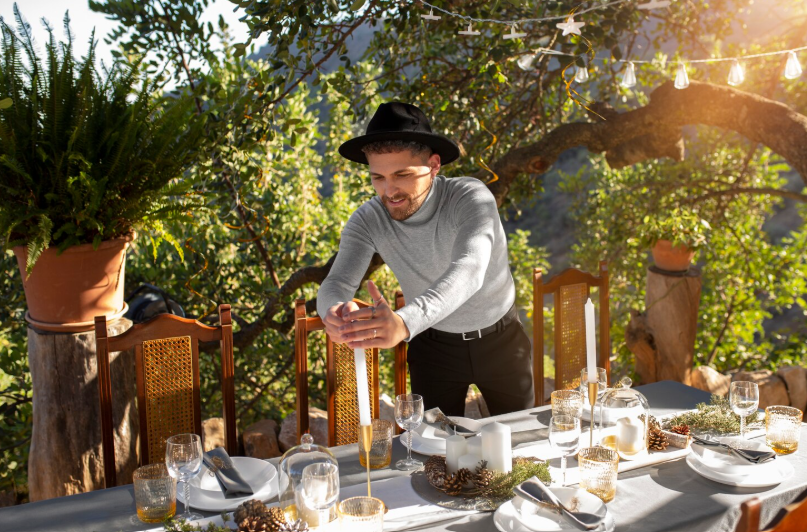
by Dulce Navarro | Dec 26, 2025 | Europe, Experiences, Food, Hotels, Landscapes, Lifestyle, Travel
From Farm to Table: Europe’s Elite Organic Estates Hosting Luxury Stays
Across Europe, a new form of luxury travel is quietly redefining what it means to stay well. Rooted in sustainability, authenticity, and refined comfort, elite organic estates are opening their doors to discerning travelers seeking more than indulgence alone. These destinations combine world-class hospitality with working farms, vineyards, and orchards, offering immersive “farm-to-table” experiences without compromising elegance or exclusivity.
For company leaders and globally minded travelers, these estates represent a thoughtful intersection of wellness, culture, and responsible luxury. They offer a slower, more intentional way to experience Europe—one that values provenance, craftsmanship, and connection to the land.
The Rise of Farm-to-Table Luxury Travel
Farm-to-table dining has long been associated with quality and transparency, but Europe’s organic estates elevate the concept far beyond cuisine. These properties are often centuries old, stewarded by families or visionaries committed to organic agriculture, biodiversity, and heritage preservation.
Luxury travelers are increasingly drawn to experiences that feel meaningful and restorative. Staying on an organic estate allows guests to enjoy impeccable accommodations while engaging with the rhythms of nature—harvests, vineyards, olive groves, and artisanal food production—translated into refined, unforgettable hospitality.
Italy: Organic Estates Rooted in Tradition and Elegance
Italy leads Europe’s farm-to-table luxury movement, particularly in regions such as Tuscany, Umbria, and Piedmont. Historic estates offer restored villas, boutique lodges, and private residences surrounded by organic vineyards and farmland.
Guests enjoy seasonal menus crafted entirely from estate-grown ingredients, paired with organic wines produced on-site. Beyond dining, experiences often include truffle hunting, olive oil tastings, cooking classes, and private tours that reveal the deep connection between Italian culture, agriculture, and refined living.
France: Sustainable Refinement and Culinary Heritage
In France, organic luxury estates seamlessly blend sustainability with the country’s legendary gastronomic standards. From Provence to the Loire Valley, guests are welcomed into châteaux and countryside retreats where biodynamic farming supports exceptional cuisine.
These estates often collaborate with Michelin-starred chefs or employ resident culinary teams dedicated to seasonal, organic menus. Vineyard walks, cellar tastings, and private market visits reinforce the idea that luxury in France is inseparable from terroir, tradition, and taste.
Spain and Portugal: Authenticity, Nature, and Emerging Luxury
Spain and Portugal are emerging as leaders in organic luxury hospitality. In regions such as Andalusia, Catalonia, Alentejo, and Douro Valley, estates combine rustic architecture with contemporary design, offering understated elegance rooted in authenticity.
Guests experience organic olive oils, wines, and produce grown on the property, often prepared using traditional techniques passed down through generations. These stays appeal to travelers seeking privacy, warmth, and cultural immersion without ostentation.
Switzerland and Northern Europe: Precision, Wellness, and Sustainability
In Switzerland and parts of Northern Europe, organic estates focus on holistic wellness and environmental stewardship. Alpine farms and lakeside retreats emphasize clean living, locally sourced cuisine, and thoughtful design that integrates seamlessly with the natural landscape.
Luxury here is defined by serenity, precision, and balance. Guests enjoy organic dining, spa treatments using natural ingredients, and outdoor experiences that promote physical and mental well-being—ideal for leaders seeking restoration and clarity.
What Sets These Estates Apart
The defining characteristic of Europe’s elite organic estates is integrity. Every element of the guest experience—from architecture and interiors to cuisine and service—is aligned with sustainability and quality.
Unlike traditional luxury hotels, these estates offer transparency and storytelling. Guests know where their food comes from, who produces it, and how the land is cared for. This sense of authenticity creates a deeper emotional connection and a more memorable stay.
Farm-to-Table as a Global Lifestyle Philosophy
The appeal of farm-to-table luxury reflects a broader global shift toward conscious consumption and cultural awareness. High-net-worth individuals increasingly seek experiences that align with their values—health, sustainability, and long-term impact.
For global travelers, these estates also highlight the importance of communication and cultural fluency. Sharing stories of land, food, and heritage across borders requires thoughtful translation and localization, ensuring authenticity is preserved for international audiences.
Conclusion: Redefining Luxury Through the Land
Europe’s elite organic estates demonstrate that true luxury is evolving. It is no longer defined solely by opulence, but by intention, quality, and connection to place. Farm-to-table luxury stays offer an experience that nourishes both body and mind, while honoring tradition and the environment.
For discerning travelers and company leaders alike, these destinations provide a meaningful way to explore Europe—where refinement begins at the source and every detail tells a story rooted in the land.
Stay Connected for More Travel and Lifestyle Inspiration. For more insights into travel, culture, and lifestyle tips, follow me on Instagram
@salvadorordorica. If you’re seeking professional translation and localization services to enhance your global ventures, visit The Spanish Group — your trusted partner in bridging cultures worldwide.

by Dulce Navarro | Dec 26, 2025 | Europe, Experiences, Landscapes, Lifestyle, Luxury, Travel, Uncategorized
Private Sailing Expeditions Through Europe’s Historic Maritime Routes
For discerning travelers seeking privacy, cultural depth, and refined adventure, private sailing expeditions offer an exceptional way to explore Europe. Long before modern borders were drawn, Europe’s seas and rivers served as vital arteries of trade, diplomacy, and cultural exchange. Today, these historic maritime routes provide a sophisticated framework for luxury travel, allowing guests to experience the continent from a perspective shaped by centuries of exploration and commerce.
Unlike conventional cruises, private sailing journeys emphasize discretion, personalization, and immersive storytelling. Each itinerary is tailored, each port chosen for its historical resonance, natural beauty, and cultural significance. The result is a form of travel that feels both timeless and deeply personal.
The Allure of Europe’s Maritime Heritage
Europe’s maritime history is inseparable from its rise as a global cultural and economic power. From Phoenician traders navigating the Mediterranean to Viking explorers crossing the North Sea, maritime routes shaped the exchange of goods, ideas, and languages across the continent.
Private sailing expeditions allow travelers to retrace these historic pathways at a deliberate pace. Ancient ports, fortified harbors, and coastal cities reveal layers of history often missed by land-based travel. Sailing between destinations creates a sense of continuity, mirroring the journeys of merchants, scholars, and explorers who once defined Europe’s maritime identity.
The Mediterranean: A Living Museum by Sea
The Mediterranean remains one of the most sought-after regions for private sailing. Its calm waters, favorable winds, and dense concentration of historic ports make it ideal for bespoke itineraries. Routes through the French Riviera, the Italian coastline, Greece, and Spain offer a seamless blend of classical history and contemporary luxury.
Travelers may anchor near ancient ruins in Greece, explore Renaissance ports in Italy, or enjoy discreet access to exclusive marinas along the Côte d’Azur. Each stop reflects centuries of maritime influence, where architecture, cuisine, and local traditions were shaped by seafaring cultures.
The Adriatic Sea: Cultural Crossroads and Timeless Beauty
The Adriatic Sea has long served as a crossroads between Eastern and Western Europe. Private sailing through this region reveals medieval cities, Roman harbors, and Venetian fortresses preserved along the Croatian and Italian coastlines.
Destinations such as Dubrovnik, Split, and Kotor offer remarkable historical depth paired with natural beauty. Sailing between these ports allows travelers to experience the Adriatic’s rhythm — quiet mornings at sea followed by evenings immersed in centuries-old urban landscapes and refined local cuisine.
The Atlantic Coast and Northern Routes
Europe’s Atlantic routes offer a dramatically different yet equally compelling experience. Sailing along the coasts of Portugal, Spain, France, and the British Isles provides insight into Europe’s age of discovery, when explorers set sail toward new worlds.
These routes feature rugged coastlines, historic shipyards, and ports that once connected Europe to Africa, Asia, and the Americas. Private expeditions in these waters appeal to travelers seeking a more contemplative journey, where nature, history, and maritime tradition converge.
Life Onboard: Discretion, Comfort, and Personalization
A defining feature of private sailing expeditions is the level of personalization they offer. Guests enjoy complete privacy, attentive crew service, and itineraries tailored to their interests. Whether focused on history, gastronomy, wellness, or cultural exploration, each voyage is designed to reflect the traveler’s priorities.
Onboard life balances comfort with authenticity. Modern yachts and classic sailing vessels alike offer refined accommodations, curated dining experiences, and seamless transitions between sea and shore. This environment encourages meaningful reflection, conversation, and a deeper connection to place.
Sailing as a Gateway to Cultural Fluency
Maritime travel has always been a conduit for cultural exchange. Private sailing expeditions continue this tradition by connecting travelers with local communities, traditions, and languages. Shore excursions often include private guides, historians, and cultural experts who contextualize each destination.
As travelers move between regions, the importance of communication and cultural understanding becomes evident. Language, customs, and local narratives vary widely, underscoring the value of translation and localization in fostering authentic global engagement.
The Modern Luxury Traveler’s Perspective
Today’s luxury traveler values experiences that are intentional, enriching, and culturally respectful. Private sailing embodies these principles by offering slow travel, minimal environmental impact, and meaningful access to historic destinations.
These journeys are not about spectacle, but about depth — understanding Europe’s past through its waterways and appreciating how maritime routes shaped the modern world. For company leaders and globally minded individuals, such experiences offer both personal enrichment and broader perspective.
Conclusion: Rediscovering Europe by Sea
Private sailing expeditions through Europe’s historic maritime routes provide a rare opportunity to experience the continent with elegance, insight, and intention. By following the paths of ancient traders and explorers, travelers gain a deeper appreciation for Europe’s interconnected history and cultural diversity.
In a world defined by speed and constant connectivity, sailing offers a return to measured travel and thoughtful exploration. It reminds us that true luxury lies in time, understanding, and the ability to navigate the world with curiosity and respect.
Stay Connected for More Travel and Lifestyle Inspiration. For more insights into travel, culture, and lifestyle tips, follow me on Instagram
@salvadorordorica. If you’re seeking professional translation and localization services to enhance your global ventures, visit The Spanish Group — your trusted partner in bridging cultures worldwide.
