by Dulce Navarro | Dec 18, 2025 | Culture, Europe, Housing, Landscapes, Residency, Travel
Luxury Fashion Restoration Houses Preserving Europe’s Couture Heritage
Europe’s couture heritage is more than fashion—it is living history. From Parisian ateliers to Italian workshops
hidden behind centuries-old façades, luxury fashion restoration houses play a critical role in safeguarding the
artistry, craftsmanship, and cultural value embedded in haute couture. These institutions operate at the intersection
of fashion, conservation, and art history, ensuring that iconic garments endure beyond trends, seasons, and
generations.
The Cultural Importance of Couture Preservation
Haute couture represents the highest level of fashion craftsmanship. Each garment is a unique work of art,
often hand-stitched using techniques passed down through generations. However, couture pieces are inherently fragile.
Silk shatters, embroidery loosens, and natural dyes fade over time. Without specialized intervention, many historic
garments would simply cease to exist.
Luxury fashion restoration houses act as guardians of this heritage. Their work preserves not only physical garments
but also the intangible knowledge of historical construction methods, materials, and design philosophies. In doing so,
they protect a vital chapter of European cultural identity.
Paris: The Epicenter of Couture Restoration
Paris remains the undisputed heart of haute couture, and it is also home to some of the world’s most respected fashion
restoration ateliers. These houses often collaborate with major couture brands, museums, and private collectors.
Their artisans specialize in restoring garments by designers such as Chanel, Dior, Balenciaga, and Givenchy.
Restoration in Paris is a meticulous process. Artisans begin with extensive research, studying original sketches,
archival photographs, and period construction methods. Every intervention is reversible, respecting museum-grade
conservation standards. The goal is not to make a garment look “new,” but to stabilize it while honoring its age
and history.
Italy’s Mastery of Textile and Embellishment
Italy brings a different yet equally essential expertise to couture restoration. Renowned for its textile innovation
and artisanal embroidery, Italy’s restoration houses excel in reviving lace, velvet, leather, and intricate beadwork.
Cities such as Milan, Florence, and Venice host workshops where centuries-old textile knowledge is still actively used.
Italian restorers often work on garments that feature complex handwoven fabrics or experimental materials introduced
during the mid-20th century. Their ability to source rare fibers and recreate obsolete techniques makes them
indispensable partners for fashion archives and luxury maisons.
The Role of Restoration in Museums and Exhibitions
Major fashion exhibitions would not be possible without restoration houses. Institutions such as the Musée des Arts
Décoratifs in Paris, the Victoria and Albert Museum in London, and Palazzo Pitti in Florence rely heavily on these
specialists to prepare garments for public display.
Restoration ensures that garments can withstand controlled lighting, mounting, and transport without further damage.
This behind-the-scenes work allows the public to experience couture masterpieces up close, deepening appreciation
for fashion as a legitimate art form.
Private Collectors and Couture Heirlooms
Beyond museums, private collectors and families increasingly turn to luxury fashion restoration houses to preserve
inherited couture pieces. These garments often carry deep personal and historical significance—wedding gowns,
debutante dresses, or custom pieces worn at pivotal cultural moments.
Restoration houses approach these projects with discretion and sensitivity. The objective is to preserve authenticity
while ensuring long-term stability. In many cases, garments are restored enough to be safely stored or occasionally
displayed, rather than worn, preserving their value and integrity.
Sustainability Through Preservation
In an era increasingly focused on sustainability, fashion restoration offers a powerful counterpoint to fast fashion.
Preserving existing garments reduces the need for new production and reinforces the idea that true luxury is timeless.
Couture restoration houses embody sustainable principles long before they became industry buzzwords. By extending the
life of garments and honoring craftsmanship, they promote a circular approach rooted in respect for materials,
labor, and history.
The Future of Couture Restoration
As fashion archives grow and vintage couture gains value, the demand for expert restoration continues to rise.
Technology now supports this craft through advanced imaging, fiber analysis, and climate-controlled preservation.
However, the heart of restoration remains deeply human—dependent on trained hands, experienced eyes, and cultural
knowledge.
Many restoration houses are now training a new generation of artisans, ensuring that rare skills do not disappear.
This transfer of knowledge is as crucial as the preservation of garments themselves.
Conclusion
Luxury fashion restoration houses are the quiet custodians of Europe’s couture legacy. Their work bridges past and
present, allowing historic garments to survive as cultural artifacts rather than fading into obscurity. Through
precision, respect, and deep expertise, these ateliers ensure that couture remains not only admired, but understood
and preserved for generations to come.
In preserving Europe’s fashion heritage, these restoration houses remind us that true luxury lies in longevity,
craftsmanship, and cultural continuity—values that transcend trends and define enduring elegance.
Stay Connected for More Travel and Lifestyle Inspiration. For more insights into travel, culture, and lifestyle tips, follow me on Instagram @salvadorordorica. If you’re seeking professional translation and localization services to enhance your global ventures, visit The Spanish Group — your trusted partner in bridging cultures worldwide.

by Dulce Navarro | Dec 17, 2025 | Europe, Experiences, Healthcare, Landscapes, Lifestyle, Luxury, Travel
Europe’s Most Luxurious Thermal Water Sanctuaries & Ancient Bath Rituals
For centuries, Europe has been home to some of the world’s most revered thermal water sanctuaries—places where wellness, history, and luxury converge. From Roman-era bathhouses to contemporary spa resorts set within historic architecture, these destinations offer more than relaxation; they provide a connection to ancient rituals that have shaped European culture and health practices for millennia. Today, these thermal retreats continue to attract discerning travelers seeking restorative experiences rooted in tradition, elegance, and natural healing.
The Ancient Origins of Thermal Bathing in Europe
The use of thermal waters in Europe dates back thousands of years. Ancient civilizations, particularly the Romans, believed in the therapeutic power of mineral-rich waters. Roman bathhouses, or thermae, were not only places of cleansing but also social and cultural centers where people gathered to relax, discuss politics, and rejuvenate both body and mind.
These early bath rituals emphasized balance—alternating between hot and cold baths, steam rooms, and massage treatments. This holistic approach to wellness laid the foundation for modern spa culture, influencing practices that are still followed across Europe today.
Bath, England: Roman Grandeur Meets Georgian Elegance
The city of Bath stands as one of Europe’s most iconic thermal destinations. Built around Britain’s only natural hot springs, Bath’s Roman Baths remain a testament to ancient engineering and ritual. While the original baths are preserved as a historic site, modern visitors can experience the waters at the Thermae Bath Spa.
Here, centuries-old tradition meets contemporary luxury. Rooftop pools overlooking the city’s honey-colored Georgian architecture, mineral-rich waters, and serene steam rooms offer an immersive wellness experience that honors both Roman heritage and modern sophistication.
Budapest: The Thermal Capital of Europe
Few cities rival Budapest when it comes to thermal bathing culture. Often referred to as the “City of Spas,” Budapest is home to over 100 natural thermal springs. The city’s bathing traditions were shaped by Roman, Ottoman, and Austro-Hungarian influences, creating a unique blend of architectural and cultural styles.
The Széchenyi Thermal Bath, with its grand Neo-Baroque design, is one of the largest and most famous spa complexes in Europe. Meanwhile, the Gellért Baths captivate visitors with their Art Nouveau interiors, stained glass windows, and mosaic-tiled pools. These baths are not merely spas—they are living monuments to Europe’s enduring wellness traditions.
Vichy, France: The Birthplace of Modern Spa Science
Nestled in the heart of France, Vichy has long been synonymous with therapeutic waters and refined wellness. Known since Roman times, Vichy rose to prominence in the 19th century as a center for medical hydrotherapy. French royalty and international elites flocked to the town to benefit from its mineral-rich springs.
Today, Vichy continues to blend medical expertise with luxury spa experiences. Its treatments focus on detoxification, skin health, and overall vitality, reflecting a distinctly French approach to wellness—one that combines science, beauty, and indulgence.
Baden-Baden, Germany: Timeless Sophistication in the Black Forest
Baden-Baden has been a destination for Europe’s elite since the 19th century, attracting artists, aristocrats, and intellectuals. Set at the edge of the Black Forest, the town is renowned for its elegant atmosphere and healing thermal waters.
The Friedrichsbad offers a particularly immersive experience, following a traditional Roman-Irish bathing ritual that includes a carefully curated sequence of hot and cold baths, steam rooms, and rest areas. The result is a deeply restorative journey that reflects centuries of bathing expertise.
Italy’s Thermal Heritage: From Tuscany to Ischia
Italy’s relationship with thermal waters is deeply rooted in Roman history, and its spa destinations remain among the most enchanting in Europe. Tuscany’s Saturnia hot springs, with their cascading limestone pools, offer a more natural and immersive connection to thermal bathing.
Meanwhile, the island of Ischia in the Bay of Naples combines volcanic thermal waters with Mediterranean beauty. Luxury resorts on the island integrate ancient Roman practices with modern wellness philosophies, creating experiences that are both therapeutic and indulgent.
The Rituals That Define the Experience
What truly distinguishes Europe’s thermal sanctuaries are the rituals themselves. These are not hurried spa visits but carefully designed journeys. Guests are encouraged to move slowly through different temperatures, allowing the body to detoxify, relax, and restore balance.
Many sanctuaries incorporate massages, mud treatments, and aromatherapy rooted in local traditions. Silence, mindfulness, and respect for the ritual are often emphasized, reinforcing the idea that wellness is both physical and mental.
Luxury, Wellness, and Cultural Immersion
Modern travelers are increasingly drawn to experiences that combine luxury with authenticity. Europe’s thermal sanctuaries offer precisely that—opportunities to unwind in exquisite surroundings while engaging with centuries-old cultural practices.
Whether set within historic palaces, natural landscapes, or architecturally significant buildings, these destinations elevate wellness to an art form. They serve as reminders that true luxury lies in time, tranquility, and meaningful experiences.
Conclusion: A Timeless Invitation to Restore and Reflect
Europe’s thermal water sanctuaries are more than destinations; they are gateways to ancient wisdom and enduring traditions. By blending history, nature, and modern comfort, they offer a profound sense of restoration that transcends trends. For those seeking refined travel experiences rooted in culture and wellness, these sanctuaries remain unmatched.
Stay Connected for More Travel and Lifestyle Inspiration. For more insights into travel, culture, and lifestyle tips, follow me on Instagram @salvadorordorica. If you’re seeking professional translation and localization services to enhance your global ventures, visit The Spanish Group — your trusted partner in bridging cultures worldwide.
by Dulce Navarro | Dec 16, 2025 | Culture, Europe, Experiences, Housing, Landscapes, Lifestyle, Luxury, Travel
Where Royals Vacation: Ultra-Private Mountain Chalets with Personal Michelin-Trained Chefs
For royalty and high nobility, vacations are not about visibility or excess, but about discretion, comfort, and uncompromising standards. In recent years, ultra-private mountain chalets have emerged as one of the most sought-after retreats for royal families seeking solitude, security, and refinement. Nestled high in the Alps, the Pyrenees, and other exclusive European mountain ranges, these chalets offer an experience that blends natural beauty with bespoke service at the highest level.
What truly sets these retreats apart is not only their secluded locations, but the presence of personal Michelin-trained chefs who curate every meal to the tastes, dietary preferences, and cultural traditions of their guests. For royals accustomed to precision and excellence, these chalets provide a controlled, intimate environment where every detail is carefully managed.
The Rise of Ultra-Private Mountain Escapes
Mountain retreats have long appealed to European aristocracy. Historically, alpine regions offered refuge from summer heat, political pressures, and public life. Today, that appeal has evolved into a modern interpretation of privacy and exclusivity. Ultra-private chalets are often accessible only by private road, helicopter, or funicular, ensuring minimal exposure and maximum security.
Unlike traditional luxury hotels, these chalets are fully self-contained residences. Entire properties are reserved for a single family or group, eliminating shared spaces and public interaction. This level of privacy is particularly important for royal families, who value environments where they can relax without protocol or public scrutiny.
Architecture Designed for Discretion and Comfort
The architecture of these mountain chalets reflects a careful balance between tradition and modern luxury. Exteriors often follow regional styles, featuring timber facades, stone foundations, and sloping roofs designed to withstand alpine conditions. Inside, however, the spaces are meticulously designed to offer contemporary comfort while preserving a sense of heritage.
Floor-to-ceiling windows frame panoramic mountain views, while private spas, indoor pools, and wellness areas allow guests to unwind without leaving the property. Soundproofed rooms, secure entrances, and discreet staff quarters ensure that privacy is never compromised.
Michelin-Trained Chefs: Dining at the Highest Level
One of the defining features of these royal retreats is the presence of a personal chef trained in Michelin-starred kitchens. Dining is not treated as an amenity, but as a central part of the experience. Menus are curated in advance and adapted daily based on the preferences of the guests, seasonal ingredients, and local culinary traditions.
For royal families, this level of culinary personalization is essential. Chefs are often selected not only for their technical skill, but for their discretion and ability to accommodate specific dietary protocols. Meals can range from refined multi-course dinners to informal family-style lunches, all prepared to the highest gastronomic standards.
The Importance of Privacy and Security
Security is seamlessly integrated into the chalet experience. Many properties employ former diplomatic or royal security professionals who work discreetly in the background. Surveillance systems, secure perimeters, and controlled access points are standard, yet designed to remain invisible to guests.
This approach allows royal families to enjoy outdoor activities such as skiing, hiking, or snowshoeing with confidence and minimal disruption. Private ski guides, instructors, and wellness professionals are often arranged exclusively for the guests, ensuring that experiences remain both safe and highly personalized.
A Year-Round Royal Retreat
While winter skiing is an obvious draw, these chalets are increasingly used year-round. In warmer months, the mountains offer fresh air, privacy, and a slower pace of life. Summer stays may include guided nature walks, private yoga sessions on outdoor terraces, or culinary experiences focused on alpine herbs and regional produce.
This seasonal flexibility makes mountain chalets particularly attractive to royal families with demanding schedules. The ability to retreat at any time of year, without compromising comfort or privacy, is a defining element of their appeal.
A New Definition of Luxury Hospitality
Ultra-private chalets represent a broader shift in luxury hospitality. For today’s elite, luxury is no longer defined by opulence alone, but by control, personalization, and discretion. The presence of a Michelin-trained chef, dedicated staff, and complete privacy transforms the chalet into a temporary private residence rather than a vacation rental.
This model aligns perfectly with the expectations of royalty, where familiarity, trust, and continuity are valued above novelty. Returning to the same chalet year after year fosters relationships with staff and creates a sense of home away from home.
Why Royals Continue to Choose the Mountains
Mountains offer something increasingly rare in the modern world: silence, space, and perspective. For royals balancing public responsibility with private life, these retreats provide an environment conducive to reflection and reconnection. Away from capitals and coastal hotspots, mountain chalets allow families to spend uninterrupted time together.
The combination of natural grandeur, architectural refinement, and exceptional service makes these chalets uniquely suited to royal needs. They are places where tradition meets modern luxury, and where privacy is not an add-on, but the foundation of the experience.
Conclusion
Ultra-private mountain chalets with personal Michelin-trained chefs offer a rare glimpse into how royalty truly vacations. Far from public view, these retreats prioritize discretion, culinary excellence, and absolute comfort. They embody a form of luxury that is quiet, intentional, and deeply personal.
Stay Connected for More Travel and Lifestyle Inspiration.
For more insights into travel, culture, and lifestyle tips, follow me on Instagram @salvadorordorica. If you’re seeking professional translation and localization services to enhance your global ventures, visit The Spanish Group — your trusted partner in bridging cultures worldwide.
by Dulce Navarro | Dec 16, 2025 | Culture, Europe, Experiences, Hotels, Landscapes, Lifestyle, Luxury, Travel
Where Royals Vacation: Europe’s Under-the-Radar Noble Family Estates
When most people think of royal vacations, images of the French Riviera, the Amalfi Coast, or Alpine ski resorts often come to mind. While these destinations certainly attract their share of aristocratic visitors, Europe’s royal and noble families have long favored far more discreet retreats. Hidden behind centuries-old stone walls, nestled in remote countryside, or tucked away in coastal enclaves far from paparazzi lenses, these estates offer privacy, tradition, and understated luxury.
These under-the-radar destinations are not defined by five-star hotels or flashy amenities. Instead, they represent a quieter form of exclusivity—places where heritage, family legacy, and a deep connection to the land take precedence over public display. For many noble families, vacationing is less about escape and more about returning to ancestral homes that have shaped their identity for generations.
The Appeal of Noble Family Estates
Noble estates across Europe are often centuries old, passed down through bloodlines that predate modern nation-states. These properties were not designed as vacation homes in the contemporary sense, but as working estates—centers of agriculture, governance, and cultural life. Today, they serve as sanctuaries where royal families can retreat from official duties without sacrificing comfort or tradition.
Privacy is the primary draw. Unlike luxury resorts, these estates are typically closed to the public and surrounded by vast tracts of private land. Security is subtle yet effective, allowing residents to move freely, host family gatherings, and enjoy daily routines without intrusion. This discretion is particularly valued by younger generations of royals seeking normalcy away from constant public attention.
Hidden Countryside Retreats in England
Beyond the well-known royal residences, England’s countryside is dotted with lesser-known manor houses and estates owned by noble families. Many are located in counties such as Norfolk, Herefordshire, and Northumberland, where rolling fields, ancient woodlands, and quiet villages create an atmosphere of timeless calm.
These estates often revolve around seasonal rhythms—long walks through private gardens, informal shooting weekends, and family meals centered on locally sourced produce. The emphasis is on continuity rather than luxury, with interiors reflecting generations of use rather than modern design trends.
France’s Aristocratic Escapes Beyond the Riviera
While France’s southern coast attracts international attention, many aristocratic families prefer inland regions such as the Loire Valley, Dordogne, and Burgundy. Here, historic châteaux remain in private hands, surrounded by vineyards, forests, and rivers that have sustained noble households for centuries.
These estates provide a refined yet unpretentious setting. Days are often spent managing vineyards, restoring historic structures, or entertaining close friends and extended family. The experience is deeply rooted in French cultural traditions, from cuisine to winemaking, offering a slower and more intentional pace of life.
Italy’s Quiet Noble Villas
Italy’s noble families frequently retreat to rural estates in Tuscany, Umbria, and Piedmont—far from the crowds of Florence, Rome, or Venice. These villas are typically working properties, producing olive oil, wine, or agricultural goods, and serving as multigenerational family homes.
What sets these retreats apart is their seamless integration of history and daily life. Frescoed rooms coexist with modern comforts, and ancient stone walls frame contemporary family gatherings. The focus is not on opulence, but on preserving a way of life that values heritage, hospitality, and regional identity.
Spanish Noble Estates and Rural Traditions
In Spain, noble family estates are often located in Andalusia, Castilla-La Mancha, and Extremadura. These expansive properties, sometimes referred to as fincas, are deeply tied to agricultural traditions and rural customs. For aristocratic families, vacationing here means reconnecting with the land and participating in seasonal activities such as harvests and local festivals.
The architecture of these estates reflects centuries of cultural influence, blending Moorish, medieval, and Renaissance elements. Life on these properties is deliberately understated, offering a sense of grounding and continuity that contrasts sharply with the demands of public life.
Why Royals Choose Discretion Over Glamour
For modern royal families, discretion has become increasingly valuable. Public roles come with constant visibility, making private time all the more precious. Noble family estates provide an environment where traditions can be maintained, children can grow up with a sense of normalcy, and family bonds can be strengthened away from scrutiny.
These retreats also serve as living archives of European history. By maintaining and inhabiting ancestral estates, noble families play a role in preserving architectural heritage, landscapes, and cultural practices that might otherwise disappear. Vacationing, in this context, becomes an act of stewardship as much as leisure.
A Different Definition of Luxury
Luxury, in the world of European nobility, is rarely about excess. It is defined by space, silence, and a deep connection to history. The ability to walk through land owned by one’s family for centuries, to sleep in rooms filled with ancestral portraits, and to live according to long-established rhythms represents a form of privilege that cannot be replicated by modern resorts.
As travel trends increasingly favor authenticity and meaningful experiences, these under-the-radar noble estates offer a compelling alternative vision of luxury—one rooted in legacy, privacy, and cultural continuity.
Conclusion
Europe’s noble family estates remain some of the continent’s best-kept secrets. Far from the spotlight, they offer insight into how royalty truly unwinds: quietly, privately, and surrounded by history. These destinations remind us that the most exclusive places are often the ones we hear about the least.
Stay Connected for More Travel and Lifestyle Inspiration.
For more insights into travel, culture, and lifestyle tips, follow me on Instagram @salvadorordorica. If you’re seeking professional translation and localization services to enhance your global ventures, visit The Spanish Group — your trusted partner in bridging cultures worldwide.
by Dulce Navarro | Dec 15, 2025 | Culture, Europe, Experiences, Hotels, Landscapes, Lifestyle, Luxury, Travel
Behind Closed Doors: Private Palace Tours Only Available by Invitation
In an era where travel has become increasingly accessible, true exclusivity has become the ultimate luxury. Beyond public galleries, roped-off corridors, and guided group visits lies a world few ever experience: private palace tours available only by invitation. These rare encounters offer more than architectural beauty or historical anecdotes—they provide an intimate glimpse into living heritage, refined tradition, and the subtle power dynamics that have shaped nations for centuries.
The Allure of the Unseen
Palaces have always symbolized authority, elegance, and cultural identity. While many are open to the public in limited capacity, invitation-only tours unlock spaces deliberately kept out of sight. These include private apartments, ceremonial salons, restricted archives, and gardens designed not for spectacle but for solitude. The allure lies not only in what is seen, but in what is normally withheld.
Access is often granted through diplomatic channels, cultural institutions, royal foundations, or personal introductions. Guests may include heads of state, patrons of the arts, cultural leaders, or individuals with longstanding ties to the palace’s custodians. The result is a profoundly personal experience that transcends conventional tourism.
A Curated Experience, Not a Tour
Unlike public visits that follow a fixed route and schedule, private palace tours are meticulously curated. Each visit is shaped around the interests of the guest, whether architectural history, fine art, political legacy, or ceremonial tradition. Expert historians, archivists, or members of the royal household often lead these tours, offering insights unavailable in guidebooks or audio recordings.
Conversations unfold naturally, questions are encouraged, and time is not rushed. This level of engagement transforms the experience into a dialogue with history rather than a passive observation of it.
Living History Behind Palace Walls
What sets private palace tours apart is the realization that these spaces are not relics—they are living environments. Many palaces remain active residences or ceremonial centers. Guests may witness preparations for state functions, glimpse daily routines, or learn how centuries-old traditions are adapted to modern governance.
From handwritten correspondence between monarchs to personal art collections never exhibited publicly, these details humanize institutions often perceived as distant or untouchable. They reveal the personal narratives behind public power.
Architecture as a Language of Power
Palaces are masterclasses in symbolic architecture. Every corridor, ceiling height, and spatial transition was designed with intention. During private tours, these architectural choices are explained in context—how a staircase signaled hierarchy, how light was used to convey authority, or how gardens were positioned to reflect philosophical ideals.
Such insights deepen appreciation not only for aesthetics, but for architecture as a tool of communication. Palaces were built to impress, intimidate, and inspire, and understanding this language enriches the experience immeasurably.
The Role of Discretion and Trust
Invitation-only access relies heavily on discretion. Photography may be restricted, locations undisclosed, and details intentionally vague. This confidentiality preserves the sanctity of the space and protects its occupants. Guests are trusted not merely as visitors, but as temporary custodians of cultural respect.
This mutual understanding creates a rare atmosphere of authenticity. Without crowds or spectacle, palaces reveal themselves quietly, allowing guests to absorb their significance without distraction.
A New Definition of Luxury Travel
In today’s travel landscape, luxury is no longer defined solely by five-star accommodations or first-class flights. It is defined by access, authenticity, and meaning. Private palace tours embody this evolution. They offer emotional resonance, intellectual enrichment, and cultural intimacy that cannot be replicated.
For seasoned travelers, these experiences become defining moments—memories rooted not in extravagance, but in connection to history, art, and human legacy.
Why These Experiences Matter
Beyond personal enrichment, private palace tours play an important role in cultural preservation. Many are linked to foundations or initiatives that support restoration, education, and historical research. Participation often contributes directly to the maintenance of these sites for future generations.
They also foster cross-cultural understanding. By opening their doors selectively, palaces extend a gesture of trust and dialogue, reinforcing the idea that heritage is not meant to be locked away, but shared thoughtfully.
Conclusion: Privilege, Responsibility, and Perspective
To step behind closed palace doors is to experience history in its most intimate form. It is a privilege that carries responsibility—one that demands respect for tradition, confidentiality, and cultural nuance. These invitation-only tours remind us that the most meaningful journeys are not measured by distance traveled, but by depth of understanding gained.
In a world that increasingly values speed and visibility, such quiet, profound experiences stand apart. They invite us to slow down, listen closely, and appreciate the enduring power of heritage preserved with care.
Stay Connected for More Travel and Lifestyle Inspiration.
For more insights into travel, culture, and lifestyle tips, follow me on Instagram @salvadorordorica. If you’re seeking professional translation and localization services to enhance your global ventures, visit The Spanish Group — your trusted partner in bridging cultures worldwide.
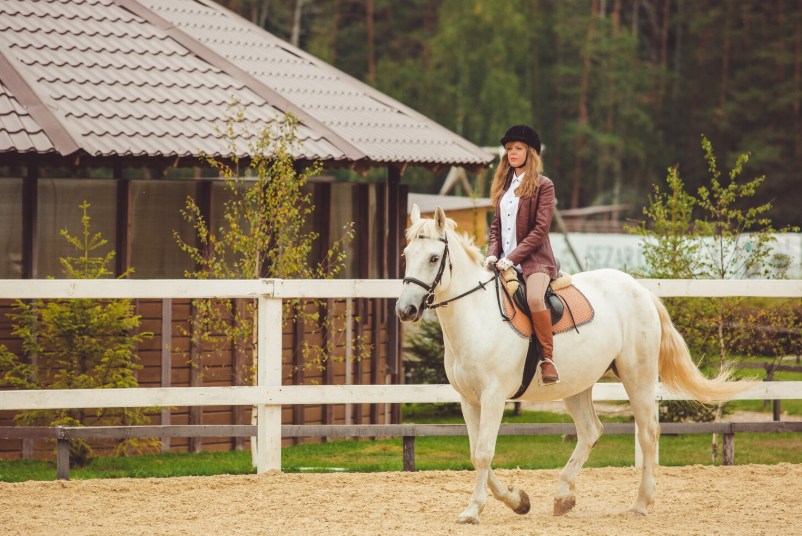
by Dulce Navarro | Dec 11, 2025 | Europe, Experiences, Landscapes, Lifestyle, Luxury, Travel
Elite Equestrian Estates in Europe Offering High-End Riding Holidays
Introduction
For discerning travelers who love horses and demand refined comforts, Europe’s elite equestrian estates offer an exceptional way to combine world-class riding with luxury hospitality. These curated properties—often set on historic estates, private farms, or secluded valleys—deliver personalized riding programs, expert instruction, and bespoke experiences that extend far beyond ordinary holidays. Whether you’re an advanced competitor seeking focused training or a couple looking for scenic hacks and elegant evenings, a high-end riding holiday provides structure, service, and sophistication.
What Defines an Elite Equestrian Estate
An elite equestrian estate is more than a collection of stables. It balances high-quality equine facilities (well-bred schoolmasters, top-tier arenas, cross-country courses, and turnout pastures) with luxury accommodations, thoughtful hospitality, and often a cultural or gastronomic context. Staff usually include experienced trainers, grooms, and stable managers; many estates also employ farriers, physiotherapists, or vets on call. Attention to detail—individualized tack, impeccable turnout, and bespoke lesson plans—creates an atmosphere where guests feel both secure and spoiled.
Types of Riding Holidays Available
Elite estates typically offer a variety of holiday formats to suit different interests and skill levels:
- Private Training Weeks: Intensive one-to-one coaching focused on dressage, show jumping, or eventing, often led by internationally recognized trainers.
- Luxury Trekking and Hacking: Guided rides through vineyards, coastal paths, or mountain trails with picnic stops and scenic viewpoints.
- Family and Beginner Programs: Gentle lessons, supervised pony rides for children, and non-riding activities for companions.
- Competitor Preparation: Pre-show tuning and conditioning, with access to arenas and warm-up facilities identical to competition standards.
- Wellness & Equestrian Retreats: Blending riding with yoga, physiotherapy, and nutritional guidance aimed at rider performance and recovery.
Why Choose Europe for a Riding Holiday
Europe combines deep equestrian traditions with diverse landscapes and exceptional hospitality. From the rolling hills of England and Ireland—where hunting and showjumping heritage remains strong—to the vineyards and olive groves of France, Spain, and Italy, the continent offers varied terrain, long riding seasons, and established equestrian networks. Many estates are located near cultural centers, allowing riders to pair equestrian days with visits to vineyards, museums, and Michelin-starred restaurants.
What to Expect on Arrival
On arrival at an elite estate you can expect a seamless welcome: luggage assistance, stable orientation, and a warm-up schedule tailored to your riding level. Guests typically meet their assigned horse or have an opportunity to choose from a selection of schoolmasters. The first day often includes a brief assessment ride with the head trainer to design a personalized program, followed by an overview of on-site facilities and safety protocols.
Practical Considerations Before You Book
Before booking, be clear about your riding level and goals. Elite estates will ask for a riding résumé, including experience with different disciplines and any competition history. Check the estate’s insurance requirements and whether helmets and protective equipment are available or must be brought. Understand what is included—meals, transfers, tack, veterinary cover—and what counts as an extra charge, such as private lessons, evening excursions, or special stable services. If you have a favorite bit or saddle you prefer, confirm whether you can bring it or whether the estate can accommodate your tack.
Safety and Horse Welfare
Reputable estates prioritize horse welfare and rider safety. Expect well-maintained arenas, sensible turnout schedules, and clear emergency procedures. Trainers should perform a suitability check to match you with an appropriate horse and will never push riders beyond safe limits. If you have any allergies, medical conditions, or previous injuries, disclose them in advance so the estate can prepare accordingly.
The Added Value of Bespoke Experiences
What sets elite estates apart is their ability to craft tailor-made experiences: sunrise rides followed by private breakfasts in a vineyard, lessons with guest clinicians who are industry leaders, or curated cultural excursions to nearby historical sites. Many estates also provide off-horse options such as spa treatments, private chefs, or guided hikes for accompanying non-riders—ensuring every guest’s holiday is both active and indulgent.
How to Choose the Right Estate
Choose an estate that aligns with your priorities: trainer pedigree for skill development, terrain for scenic riding, or hospitality for a refined relaxation experience. Read guest reviews, request sample itineraries, and ask about horse-to-rider matching protocols. If you plan to travel with a competition schedule in mind, confirm access to facilities that match show conditions and ask about transport logistics for competitions or vet appointments.
Budget and Booking Tips
Elite riding holidays range widely in price depending on accommodation standards, trainer reputation, and inclusion of extras. High-end packages often include full-board accommodation, a set number of lessons, horse hire, and some leisure activities. For the best experience, book early—especially for popular summer and autumn slots—and discuss cancellation and transfer policies. If you are bringing your own horse, verify quarantine, transport, and stabling arrangements well in advance.
Conclusion
An elite equestrian estate offers an immersive blend of horsemanship, luxury, and cultural discovery. These high-end riding holidays provide focused training for serious riders while also crafting unforgettable leisure experiences for those seeking scenic exploration and refined leisure. For anyone who views travel as both restorative and professionally enriching, a riding holiday at one of Europe’s top estates is a compelling choice.
Stay Connected for More Travel and Lifestyle Inspiration. For more insights into travel, culture, and lifestyle tips, follow me on Instagram @salvadorordorica. If you’re seeking professional translation and localization services to enhance your global ventures, visit The Spanish Group — your trusted partner in bridging cultures worldwide.
